Forni
Our verdict
Forni sits on Via della Stazione in Airolo, the Ticino gateway town at the southern mouth of the Gotthard. The address places it squarely in a tradition of Alpine transit hospitality — hearty, grounded, and shaped by the produce of the surrounding valleys. For travellers crossing between German-speaking and Italian-speaking Switzerland, it represents an honest stop on a route that rewards slower attention.

Pearl is the En Primeur Club membership app — saves, bookings, and concierge access live there. Same editors, same standards.
- Address
- Via della Stazione 19, 6780 Airolo, Switzerland
- Phone
- +41918691270
- Website
- forni.ch
- Directions
- Get directions
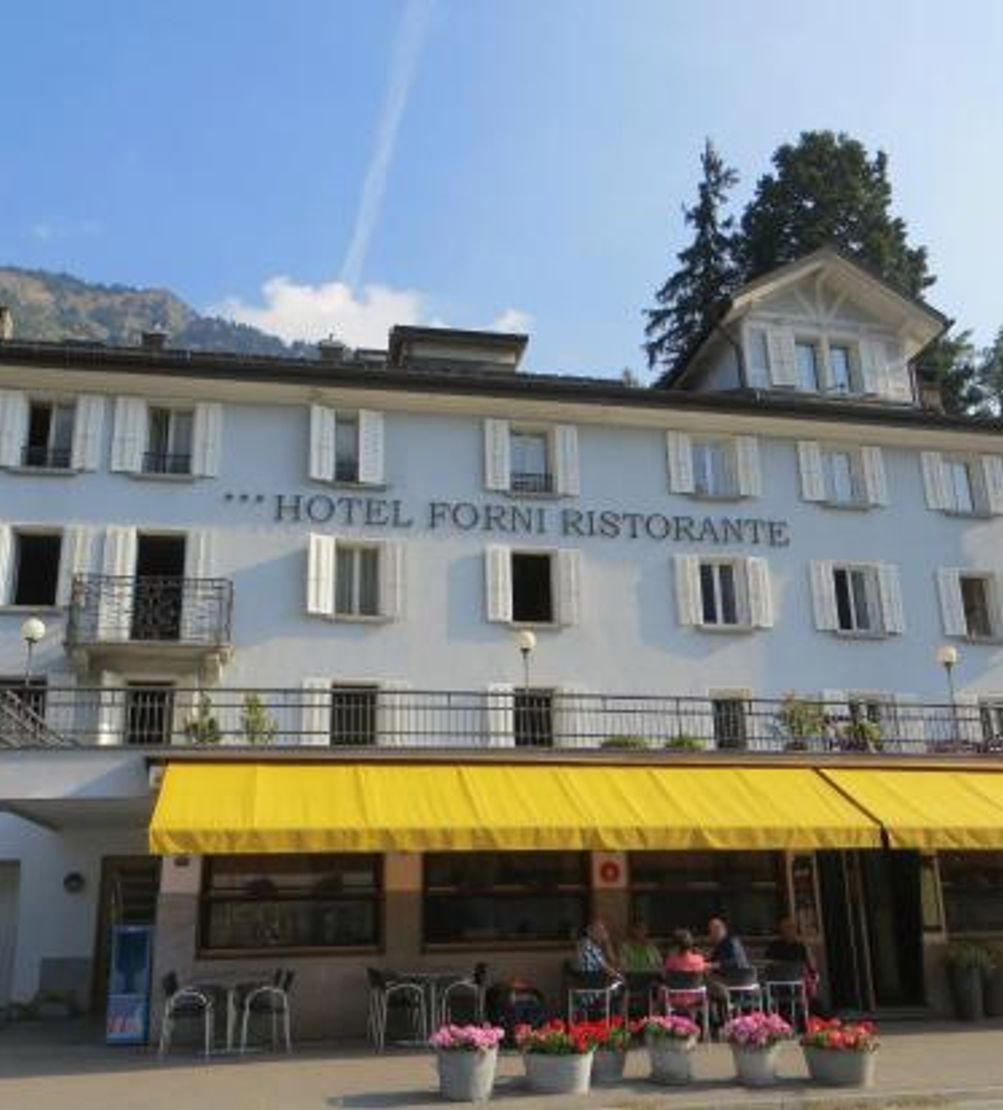
Where the Gotthard Meets the Table
Airolo occupies a specific and under-examined position in Swiss dining geography. It sits at the southern portal of the Gotthard Pass, the historic crossing point between German-speaking and Italian-speaking Switzerland, and the culinary character of the town reflects exactly that borderline tension. This is not the polished Ticino of Lugano lakefronts or the ambitious Alpine fine dining you find at places like Memories in Bad Ragaz or Schloss Schauenstein in Fürstenau. Airolo is a working mountain town — a place where the road has always mattered as much as the destination, and where the food tells you something about the land before it tells you anything about the chef.
Forni, addressed at Via della Stazione 19, is shaped by that context. The station address is not incidental: railway towns in the Alps developed their own hospitality grammar over more than a century, one built around travellers arriving cold and hungry from the tunnel or the pass, requiring food that was filling, sourced close to hand, and prepared without pretension. That grammar does not disappear simply because train speeds have increased or motorway tunnels have redirected traffic. It persists in the buildings, in the produce networks, and in the expectations of a local clientele that has always known what the surrounding valleys can and cannot offer.
The Ingredient Logic of the Gotthard Valley
The canton of Ticino produces a narrow but distinct ingredient palette. The southern-facing slopes below the Gotthard catchment support chestnuts, small-farm dairy, wild mushrooms in season, and game from the higher elevations. These ingredients define a cooking tradition that sits between the earthy Swiss-German farmhouse kitchen and the lighter, herb-led approach of northern Italian Lombardy — neither fully one nor the other, but with its own coherent identity.
In the broader Swiss restaurant scene, that regional specificity has become a credible editorial position. The programmes at Magdalena in Schwyz and focus ATELIER in Vitznau have both demonstrated that Alpine-rooted sourcing, taken seriously, produces menus with genuine geographic identity rather than generic mountain aesthetics. Forni operates further down the formality spectrum from either of those, but the underlying ingredient logic, work with what the valley produces, keep preparation close to its origins, belongs to the same tradition.
Chestnut flour, polenta from locally grown maize, aged cheeses from nearby Blenio Valley dairies, and game from the surrounding Leventina: these are not romantic additions to a menu. They are the functional vocabulary of cooking in this altitude and latitude. A kitchen that sources within this framework is making a geographic argument, not a marketing one. It is saying that the Gotthard region has a food identity worth preserving, separate from the pan-Alpine genericness that dominates many mountain resort towns.
Swiss dining coverage tends to concentrate on the country's award-dense clusters: the Zurich commuter belt, the Geneva arc, the Graubünden luxury corridor anchored by places like Da Vittorio in St. Moritz. The Ticino interior, and the Leventina valley in particular, receives far less attention despite its distinct culinary identity. That relative neglect has a structural explanation: the region's gastronomy is built around community and transit rather than destination dining, which makes it harder to commodify for the kind of editorial coverage that drives reservation demand at places like Hotel de Ville Crissier or Cheval Blanc by Peter Knogl in Basel.
Forni should be understood in that context rather than measured against fine dining benchmarks it was never designed to meet. The relevant comparison set is the honest, place-specific restaurant that serves its town well and reflects its geography in the food, a category that includes good examples across the Swiss cantons, from Taverne zum Schäfli in Wigoltingen to La Brezza in Ascona, and internationally at places like Lazy Bear in San Francisco, where the relationship between sourcing and place is taken as a first principle rather than a selling point.
The Leventina valley has seen gradual depopulation over recent decades, a pattern common to transit Alpine zones where economic activity has shifted to urban centres. Restaurants that maintain consistent quality in this environment are doing something genuinely difficult: sustaining supply relationships, retaining kitchen staff, and keeping a local clientele engaged without the tourism volume that funds destination restaurants elsewhere. That operational context is worth acknowledging when assessing what a kitchen in Airolo is actually doing.
Planning a Visit
Airolo is accessible by train on the Gotthard rail axis, with the station on Via della Stazione placing Forni within immediate reach of arriving passengers. By road, the A2 motorway exit for Airolo is less than two kilometres from the town centre. The town functions as a natural stopping point on north-south journeys through Switzerland rather than a dedicated destination, which means visits tend to fit around transit schedules rather than requiring dedicated overnight stays, though the Leventina valley rewards slower itineraries for those willing to extend their time. Travellers planning a broader southern Switzerland circuit might also consider the dining options in Ticino's lower reaches, including La Brezza in Ascona, or cross-reference with our full Airolo restaurants guide for additional local context.
Further Reference Points
For readers building a broader Swiss dining itinerary, the country's restaurant scene spans a wide register. The Graubünden and eastern cantons are particularly well-represented in the award tier, with Mammertsberg in Freidorf, Einstein Gourmet in Sankt Gallen, and Maison Wenger in Le Noirmont each representing different expressions of Swiss kitchen ambition. La Table du Valrose in Rougemont and Skin's in Lenzburg sit in different regional registers. For those interested in the interplay between Japanese technique and Alpine context, The Japanese Restaurant in Andermatt is a short distance north on the same Gotthard axis and makes for a coherent pairing with any Airolo stop.
Frequently asked questions
Is Forni suitable for children?
Airolo is a small transit town at the Gotthard Pass, and Forni's position on Via della Stazione suggests a practical, community-oriented setting rather than a formal destination restaurant. That profile typically accommodates families without issue.
Is Forni formal or casual?
Forni is located in Airolo, a working alpine town on the Gotthard rail axis rather than a resort destination, which points toward an informal register. A relaxed approach to dress is a reasonable working assumption for a station-adjacent address in this context.
Is Forni a good option for dinner after arriving by train at Airolo?
Forni's address on Via della Stazione places it within immediate reach of Airolo's rail station, which sits on the Gotthard line connecting Zürich and Lugano. For travellers breaking a journey at the Gotthard Pass, this proximity makes it one of the more practical dining stops in the area. No hours are currently documented, so confirming service times before arrival is advisable.
What's the best thing to order at Forni?
No menu data is currently documented for Forni. Given Airolo's position within canton Ticino, the regional ingredient palette — chestnuts, polenta, cured meats, and locally foraged produce from the Gotthard valley's southern-facing slopes — tends to define what kitchens in this corridor do well.
Where exactly is Forni?
Forni is located at îVia della Stazione 19, 6780 Airolo, Switzerland, Airolo.
A Quick Peer Check
| Venue | Cuisine | Price | Awards | Notes |
|---|---|---|---|---|
| ForniThis venue — the venue you are viewing | Italian-Swiss with Modern Twists | Not listed | Not listed | Not listed |
| Schloss Schauenstein | Creative Swiss Country Fine Dining | $300–500 | 3 Michelin Stars · World's 50 Best #52 | Modern European, Creative |
| Memories | Modern Swiss Alpine Cuisine | $300–500 | 3 Michelin Stars · La Liste Top Restaurants | Modern Swiss |
| focus ATELIER | Modern French Fine Dining | $200–300 | 2 Michelin Stars · La Liste Top Restaurants | Modern Swiss, Creative |
| Taverne zum Schäfli | Classic French Fine Dining with Creative Accents | $200–300 | 2 Michelin Stars · La Liste Top Restaurants | Swiss, Creative |
| Magdalena | Modern Vegetarian Fine Dining | $200–300 | 2 Michelin Stars · La Liste Top Restaurants | Alpine-Vegetarian, Modern Cuisine |
Continue exploring
More in Airolo
Restaurants in Airolo
Browse all →
Bars in Airolo
Browse all →
Hotels in Airolo
Browse all →

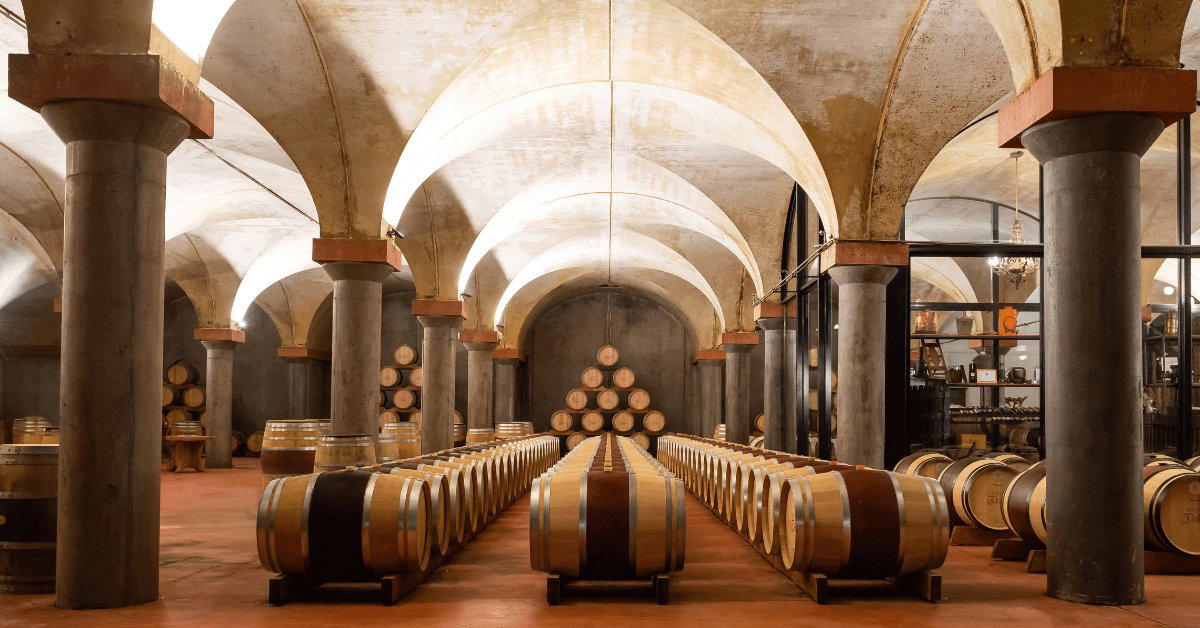
Forni
The wine
- Wine program
- Exceptional wine program
- Extensive wine list
Details
- Modern
- Cozy
- Family
- Casual Hangout
- Terrace
- Hotel Restaurant
- Extensive Wine List
- Local Sourcing
- Mountain
- A La Carte
- Vegetarian Friendly
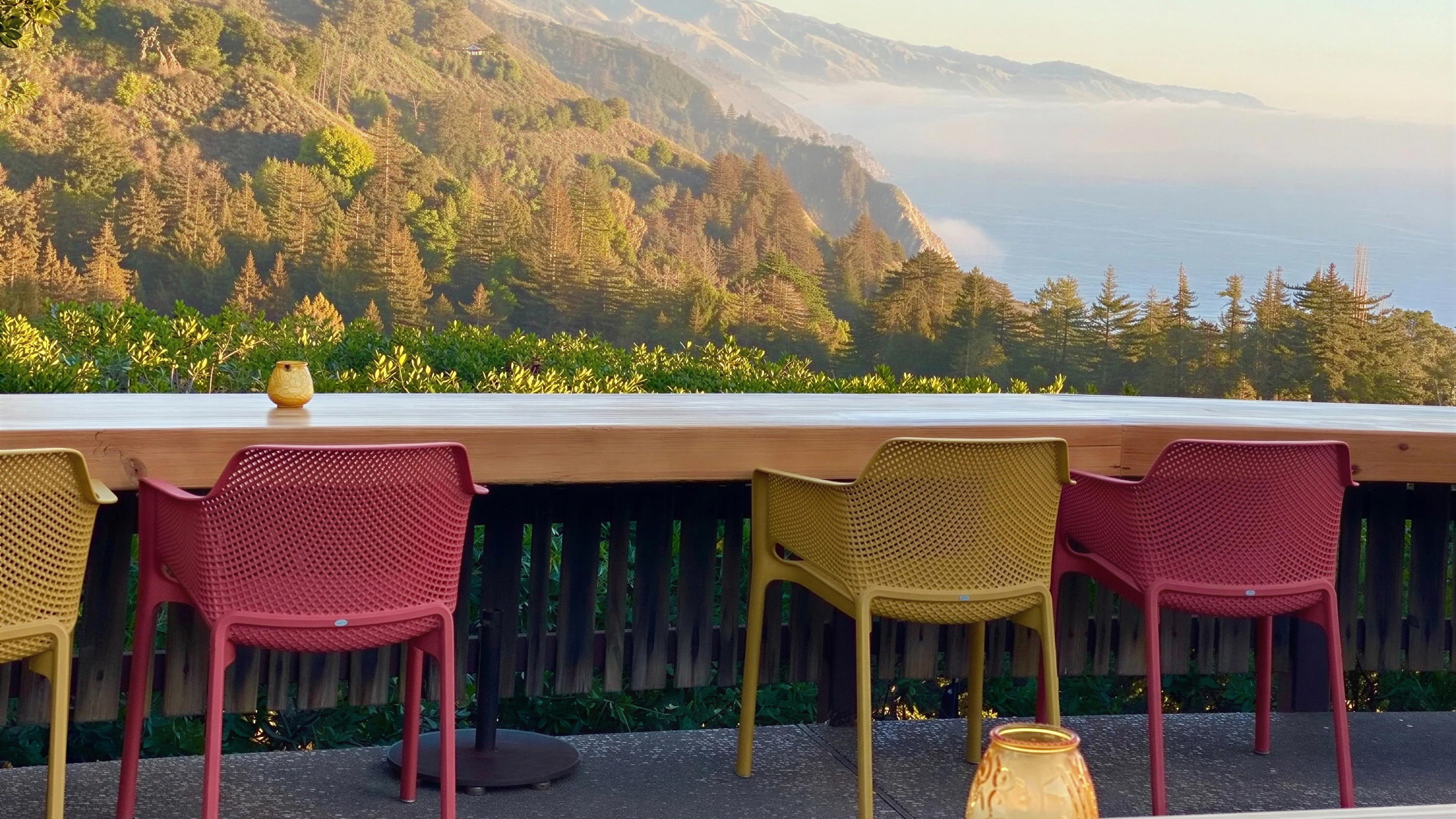
Modern yet hospitable atmosphere with scenic terrace views.