Forge at Middleton Lodge



1 Michelin Star · La Liste Top Restaurants · AA Rosettes 4 Rosettes
Our verdict
Set inside a working forge on a 200-acre North Yorkshire estate, Forge holds a Michelin star and a place on La Liste's 2026 rankings. The tasting menu draws heavily from the estate's own kitchen gardens, honey harvest, and birch sap — producing cooking that is rooted in place in an unusually literal sense. Vegetarian and vegan formats are available alongside the main menu.

Pearl is the En Primeur Club membership app — saves, bookings, and concierge access live there. Same editors, same standards.
- Address
- Middleton Lodge Estate, Kneeton Ln, Middleton Tyas, Richmond DL10 6NJ, United Kingdom
- Phone
- +44 1325 377977
- Hours
- Mon–Wed ClosedThu–Sun 7–9 PM
- Website
- middletonlodge.co.uk
- Directions
- Get directions
The menu
What to order
- Reuben blackberry and pineapple weed tart
- Sea Trout
- Forced Rhubarb – Apple Marigold
Where the Estate Feeds the Kitchen
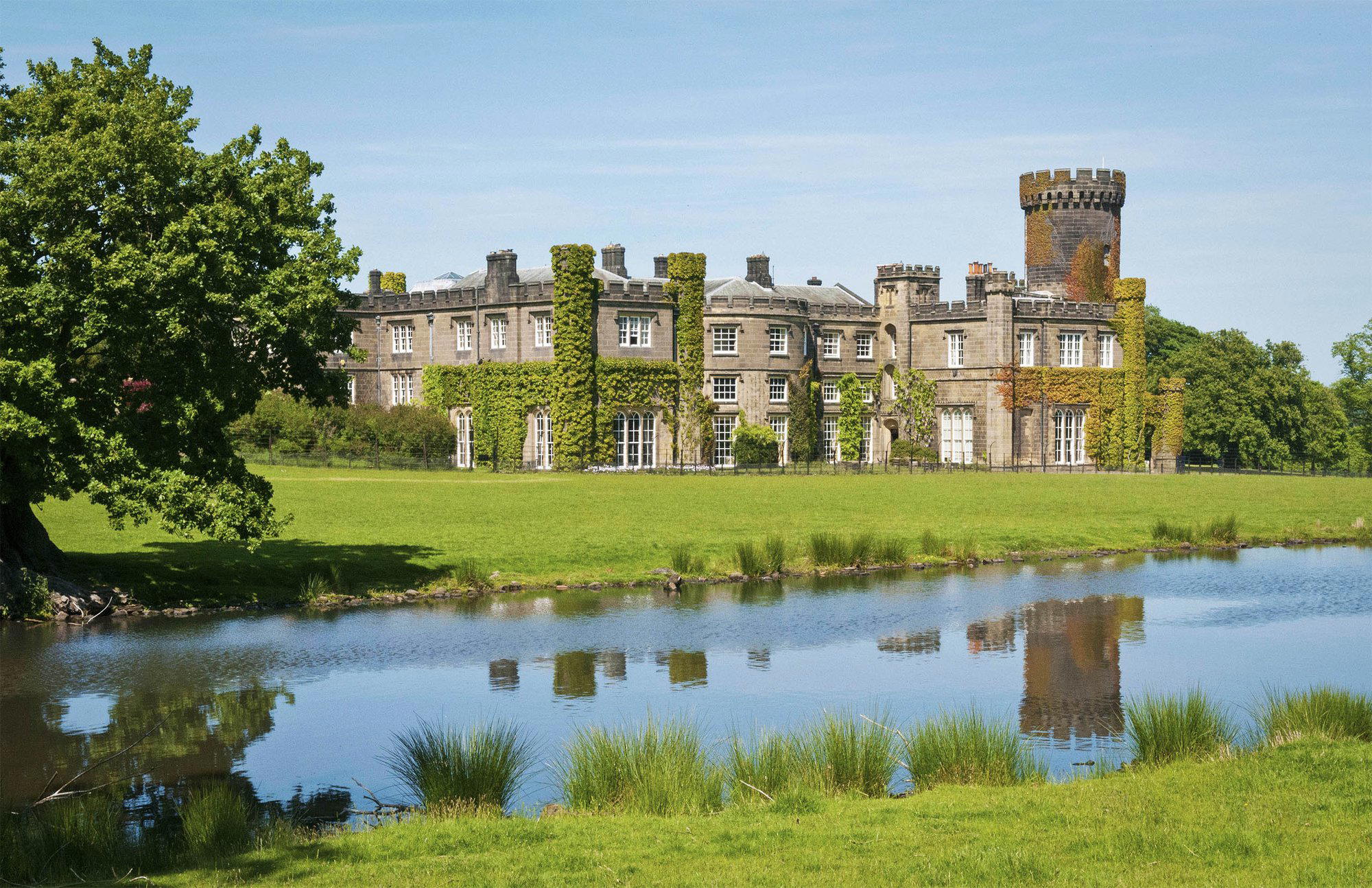
Estate dining in Britain spans a wide range, from country house hotels that source regionally but cook conventionally, to a smaller group of properties where the land itself functions as a primary ingredient supplier. Forge at Middleton Lodge sits firmly in the second category. The restaurant occupies the original forge building on the estate — a stone structure that predates the current dining programme by generations — and the 200 acres surrounding it supply the kitchen with produce at a specificity that few tasting-menu restaurants in northern England can match. The estate harvests its own honey and birch sap, and grows a portion of the seasonal produce that appears on the menu. That relationship between land and plate is not incidental here; it is the organising principle of the cooking.
At that tier, the question is not simply whether the food is good, but whether the provenance claim holds up in the cooking. At Forge, the evidence suggests it does. La Liste placed the restaurant at 77 points in its 2026 edition, and the Michelin Guide awarded it a star in 2024, which positions the kitchen among a credible set of regional fine dining destinations rather than aspirational country house operations.
The Forge Building and What It Signals
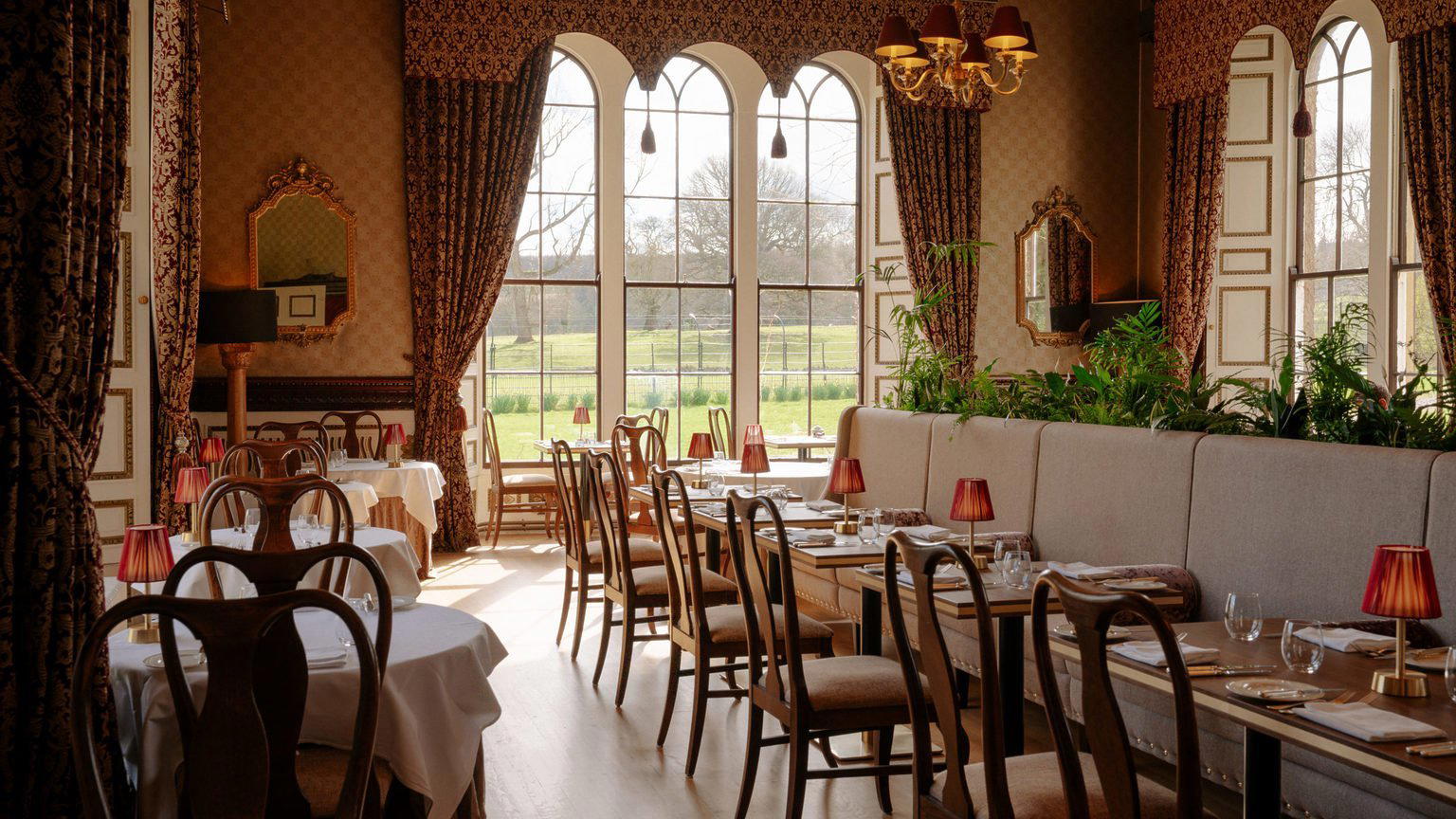
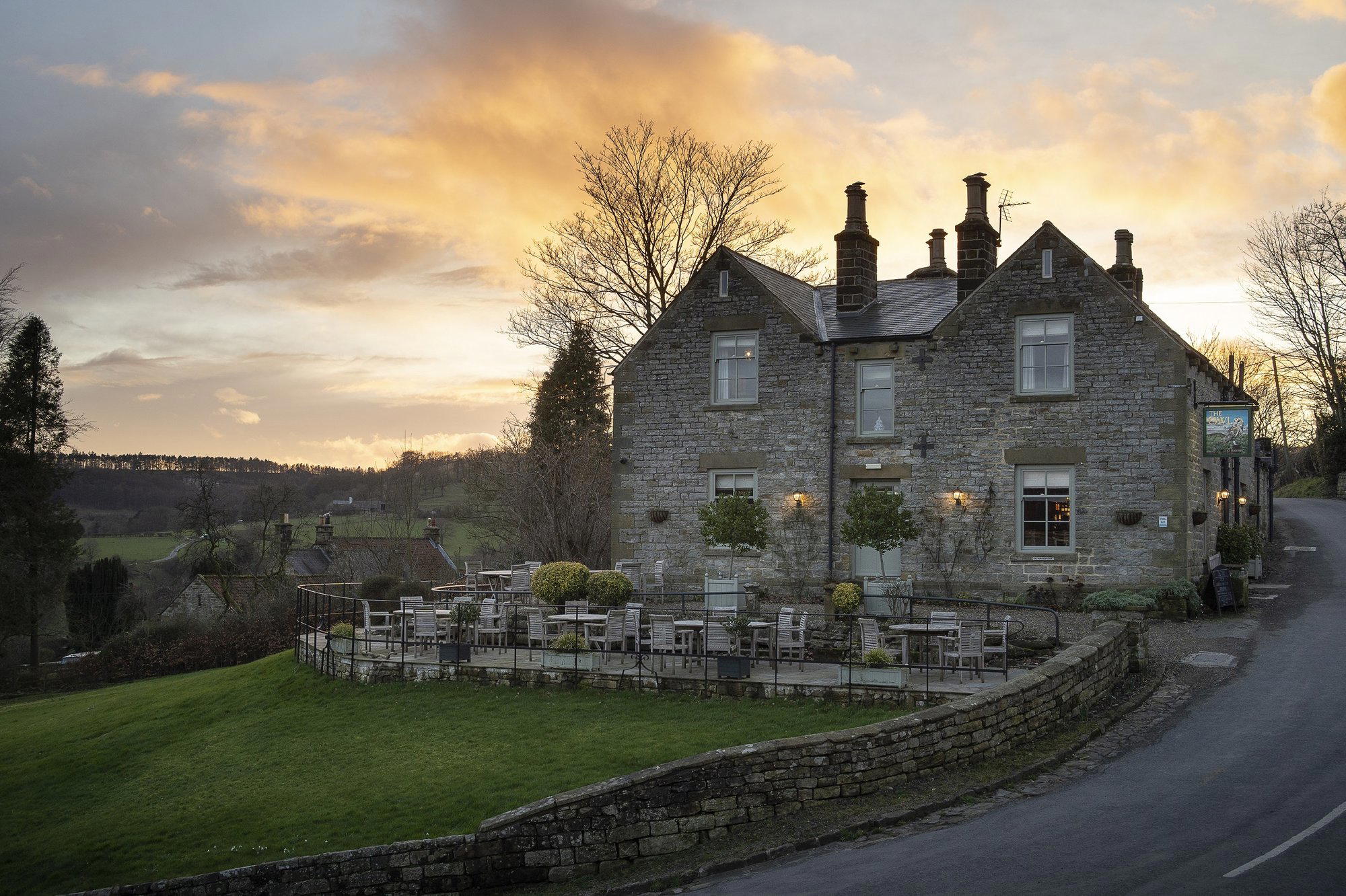
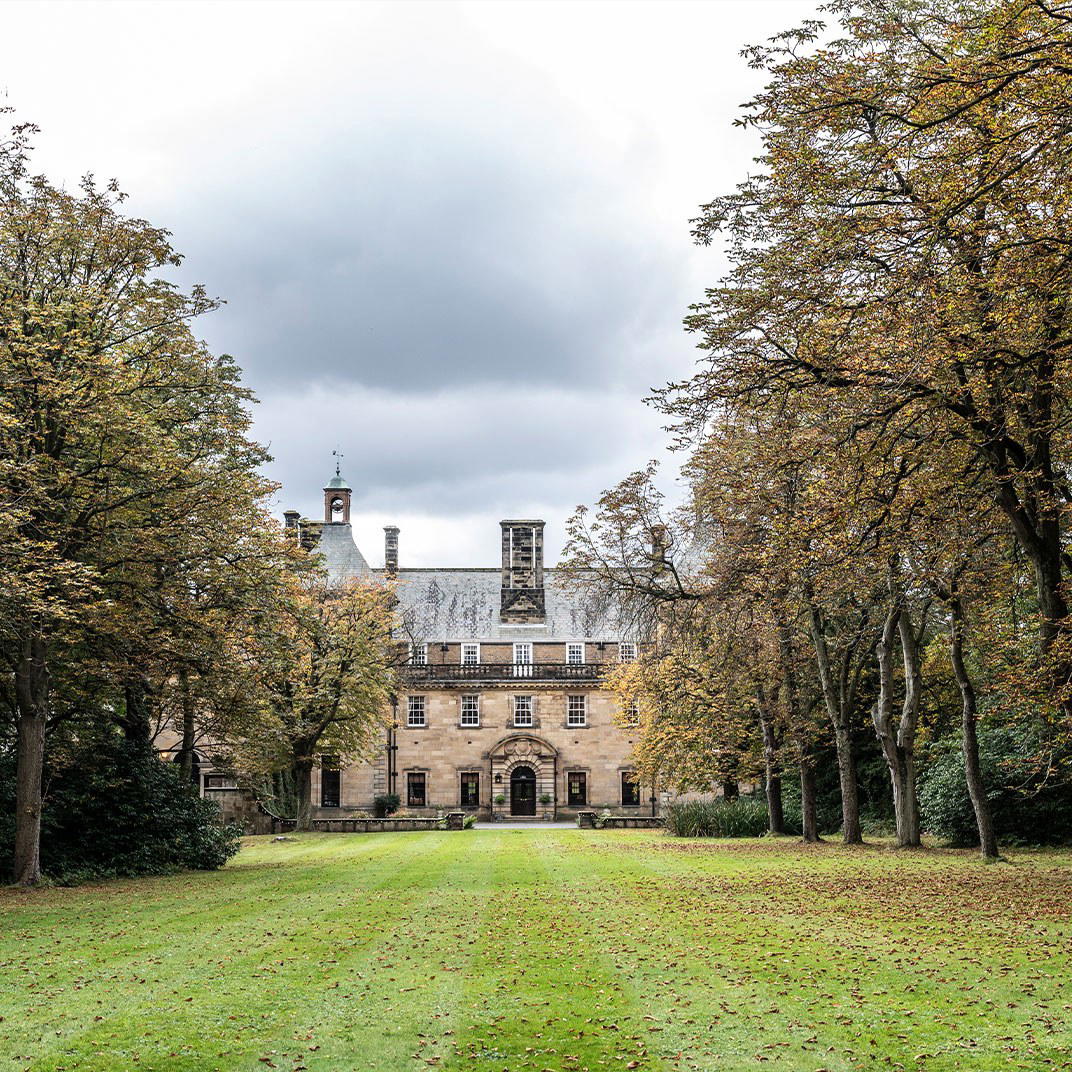
Arriving at Middleton Lodge, the scale of the estate registers before the restaurant does. The grounds stretch across 200 acres of North Yorkshire countryside, and the approach makes clear that this is a working property rather than a stage set. The forge building itself carries the physical weight of its original purpose, it was a functional workshop, and the architecture reflects that. British fine dining has a long tradition of repurposed agricultural and industrial buildings providing character that purpose-built restaurant spaces rarely achieve. The forge joins a line of rooms, from converted barns to old coach houses, where the setting does genuine editorial work, framing what follows without needing to explain itself.
For estate-based dining in general, the building's history matters because it grounds the experience in something verifiable. At properties like Gidleigh Park in Chagford or Le Manoir aux Quat' Saisons in Great Milton, the connection between building, land, and kitchen is part of what justifies the price bracket. At Forge, that same logic applies. The ££££ price range signals a tasting menu format at the upper end of regional fine dining, where the physical environment is expected to carry its share of the overall proposition.
Sourcing at Estate Scale
The most distinctive feature of the Forge menu is the specificity of its sourcing. Birch sap is a seasonal forage ingredient that requires tapping trees at a precise point in late winter or early spring; honey harvest depends on the estate's own hive management. Neither ingredient is available through standard wholesale channels in the same form, which means the kitchen's access to them is genuinely tied to the land rather than purchased in. That distinction matters in the context of the wider trend toward estate and farm-to-table dining, where sourcing claims are sometimes more aspirational than operational.
The estate's kitchen garden output feeds into a tasting menu format that also comes in vegetarian and vegan versions, an arrangement that has become increasingly standard at Michelin-starred tasting menu restaurants across the UK, but which still requires a kitchen disciplined enough to run parallel menus without diluting any of them. The approach to seasonal produce at this level, where La Liste and Michelin both recognise the kitchen, suggests the team is managing that complexity. The Reuben blackberry and pineapple weed tart, noted in the La Liste citation, illustrates the kitchen's ability to work with foraged and estate-grown ingredients in a way that is technically composed rather than rustically approximate. Pineapple weed is a wild herb common to British field margins; using it alongside cultivated blackberry in a tart requires both foraging knowledge and pastry discipline.
This kind of granular seasonal sourcing connects Forge to a broader tradition of British restaurants where the provenance of ingredients is the primary creative constraint. CORE by Clare Smyth in London has built a three-Michelin-star reputation partly on a similar philosophy of British produce refined through technique. At Forge, the scale is different, a single estate rather than a national sourcing network, but the underlying logic is the same: treat provenance as a creative parameter, not a marketing footnote.
Where Forge Sits in the Regional Fine Dining Picture
North Yorkshire's fine dining offering has historically been thinner than the county's food culture might suggest. The Dales and the Moors attract visitors, but the concentration of Michelin-level restaurants has lagged behind the Lake District, which benefits from L'Enclume's gravitational pull, or the East Midlands, where Midsummer House in Cambridge represents a different strand of formal tasting menu cooking. A Michelin star in 2024 and a La Liste placement in 2026 makes Forge a meaningful addition to the northern England fine dining map, not as a curiosity but as a destination with recognised credentials.
At ££££ pricing, Forge occupies the same general tier as Opheem in Birmingham and hide and fox in Saltwood, restaurants where the price signals a full tasting menu experience with serious sourcing and kitchen ambition. The difference at Forge is the estate context, which provides something those urban counterparts cannot replicate: a closed sourcing loop that the diner can observe, at least in part, by virtue of being on the property.
For comparative reference in terms of estate-integrated dining at awarded level, Restaurant Andrew Fairlie in Auchterarder operates within the Gleneagles Hotel estate and demonstrates that the country house setting and Michelin recognition can coexist without one undermining the other. Forge is making a similar argument in North Yorkshire, with the added dimension that its sourcing is more directly tied to the working estate than a hotel dining room relationship typically implies.
Planning a Visit
Middleton Lodge Estate is located in Middleton Tyas, near Richmond in North Yorkshire, at Kneeton Lane, DL10 6NJ. The estate's scale and rural setting make it a natural overnight destination; the property includes accommodation, which means the tasting menu at Forge is well suited to a longer stay rather than a day trip. Given the ££££ price point and the tasting menu format, this is a dinner that benefits from unhurried planning. Bookings at Michelin-starred restaurants in rural settings of this type typically require advance notice, particularly for weekend slots, so planning several weeks ahead is reasonable. For those staying on the estate, the transition from meal to accommodation removes the logistical pressure that often shapes decisions at this level of dining. The main menu runs alongside vegetarian and vegan tasting menus, so parties with different dietary requirements can be accommodated without anyone sitting outside the full experience.
For broader context on what the area offers, see our full Middleton Tyas restaurants guide, our full Middleton Tyas hotels guide, our full Middleton Tyas bars guide, our full Middleton Tyas wineries guide, and our full Middleton Tyas experiences guide.
For those interested in how estate and ingredient-led fine dining translates at different latitudes, Frantzén in Stockholm and FZN by Björn Frantzén in Dubai represent how the same sourcing-first philosophy travels across contexts, while Hand and Flowers in Marlow and The Fat Duck in Bray illustrate how rural England has produced some of its most awarded dining outside London.
Frequently asked questions
What's the price range at Forge?
Pricing at Forge is listed as ££££.
In Context: Similar Options
| Venue | Cuisine | Price | Awards |
|---|---|---|---|
| ForgeThis venue — the venue you are viewing | Modern British Fine Dining | $50–100 | 1 Michelin Star · La Liste Top Restaurants |
| The Ledbury | Modern European, Modern Cuisine | Not listed | Michelin 3 Star |
| Sketch, The Lecture Room and Library | Modern French | Not listed | Michelin 3 Star |
| CORE by Clare Smyth | Modern British | Not listed | Michelin 3 Star |
| Restaurant Gordon Ramsay | Contemporary European, French | Not listed | Michelin 3 Star |
| Dinner by Heston Blumenthal | Modern British, Traditional British | Not listed | Michelin 2 Star |
Recognition history
Dated appearances from independent guides and award organizations, with the underlying list record or original source where available.
Michelin 1 Star
Michelin
La Liste Top Restaurants
La Liste
AA Rosettes 4 Rosettes
AA Rosettes
SquareMeal UK Top 100 Restaurants #66
SquareMeal
National Restaurant Awards Top 100 #88
National Restaurant Awards
Full recognition history (7 entries)
Michelin 1 Star
Michelin
Michelin 1 Star
Michelin
Continue exploring
More in Middleton Tyas
Restaurants in Middleton Tyas
Browse all →
Bars in Middleton Tyas
Browse all →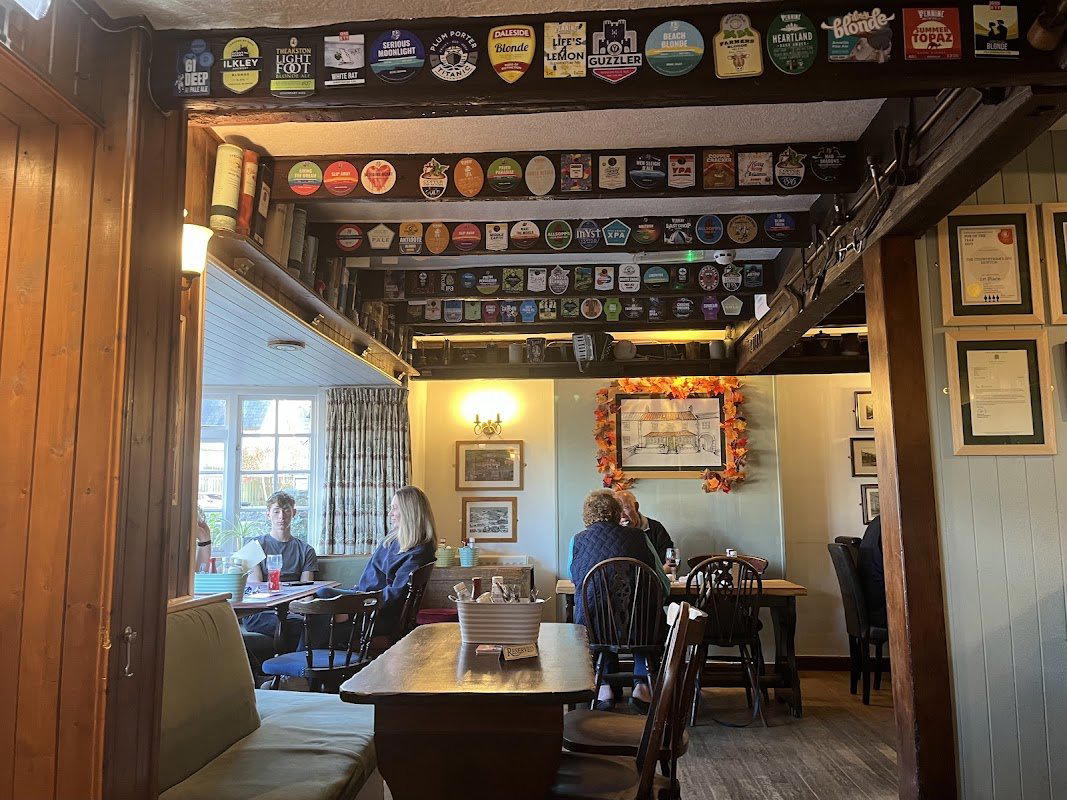
Details
- Elegant
- Intimate
- Cozy
- Sophisticated
- Rustic
- Special Occasion
- Date Night
- Celebration
- Open Kitchen
- Historic Building
- Sommelier Led
- Farm To Table
- Local Sourcing
- Tasting Menu
- Vegetarian Friendly
- Vegan Options
Current opening hours
- Monday
- Closed
- Tuesday
- Closed
- Wednesday
- Closed
- Thursday
- 7–9 PM
- Friday
- 7–9 PM
- Saturday
- 7–9 PM
- Sunday
- 7–9 PM
Hours can change for holidays and private events. Last verified .
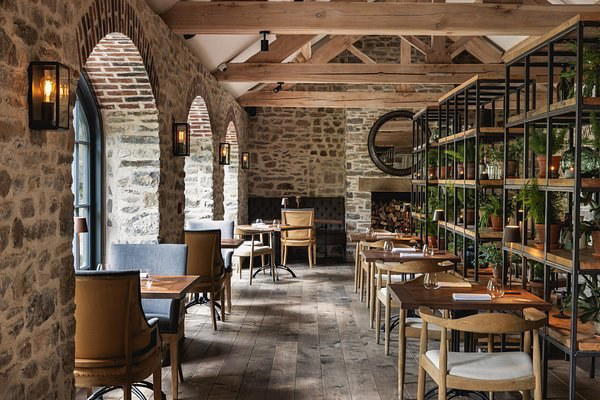
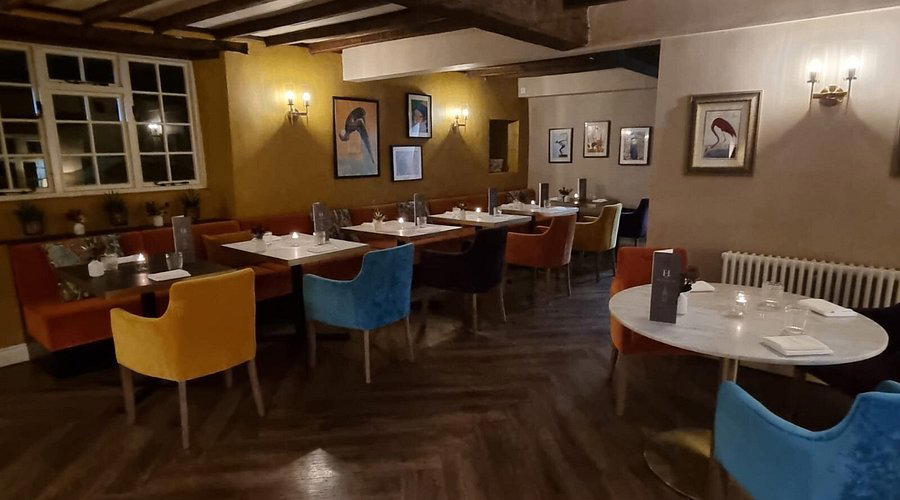
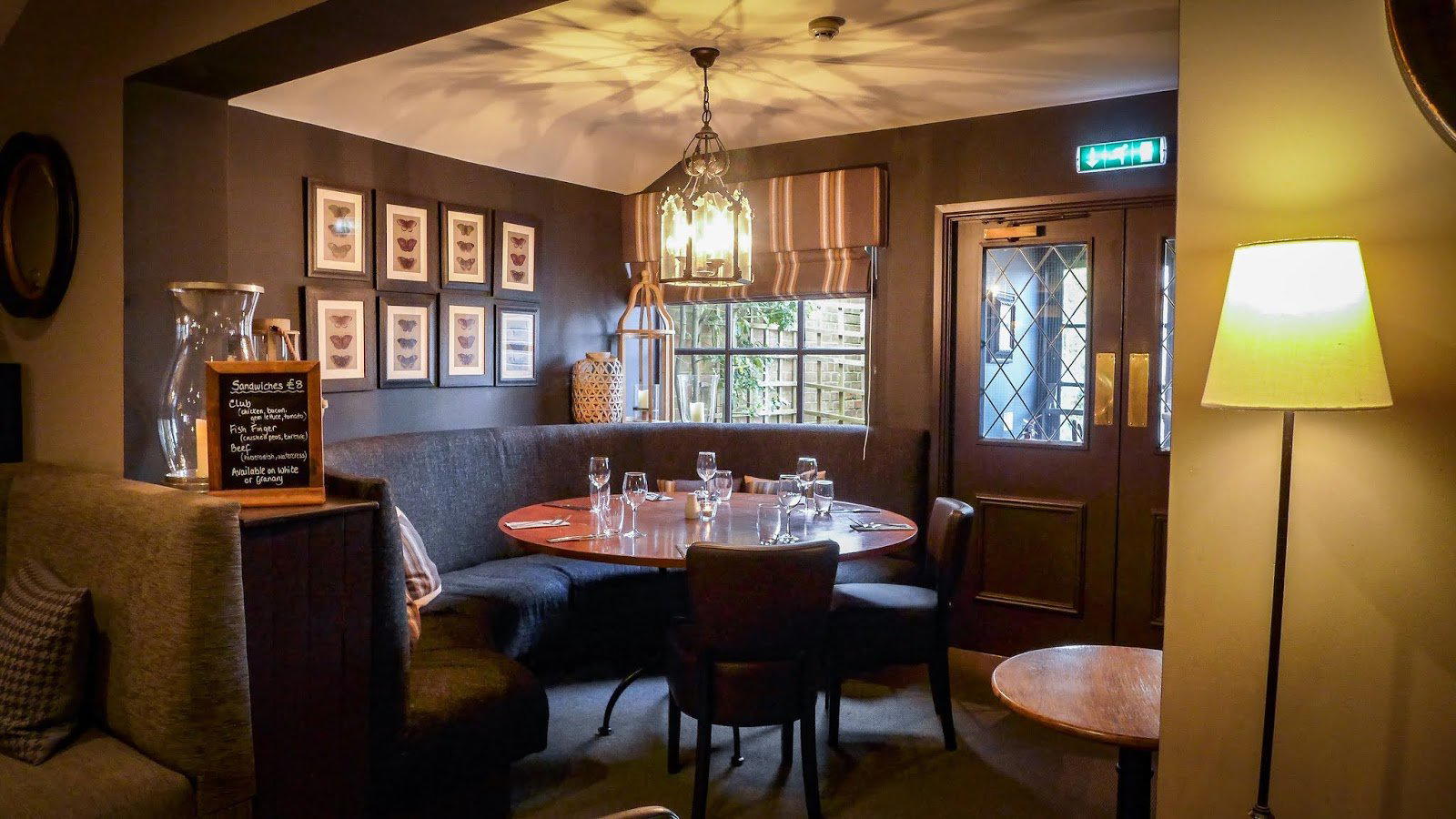
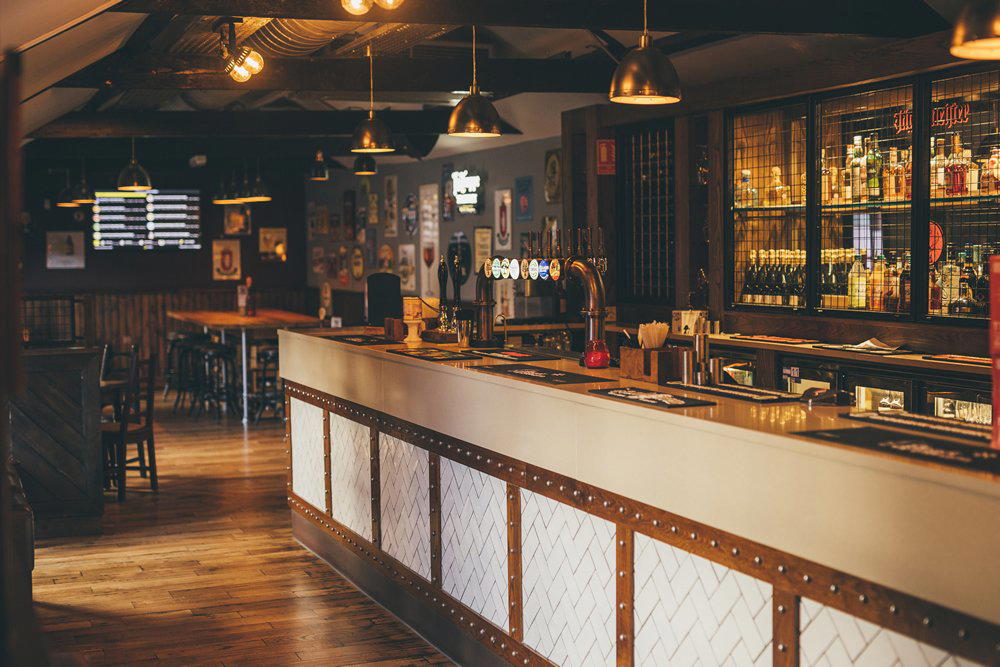
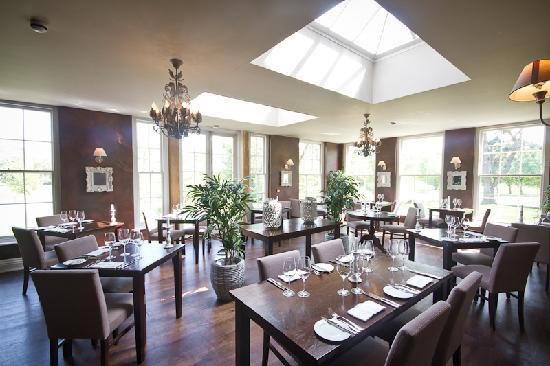
Low lighting, open brick walls, exposed wood beams, large open fire creating a stylish, refined, intimate and relaxed atmosphere.