
Michelin Plate
Our verdict
Foresta holds a 2025 Michelin Bib Gourmand for its ingredient-led cooking in the Fassa Valley, where dishes like pappardelle with mushrooms and speck or venison with redcurrant sauce draw directly from the fir-forested terrain outside. Positioned at the mid-price tier (€€) and earning, it sits in the accessible end of Moena's regional dining scene without sacrificing culinary seriousness.

Pearl is the En Primeur Club membership app — saves, bookings, and concierge access live there. Same editors, same standards.
- Address
- Str. della Comunità de Fiem, 42, 38035 Moena TN, Italy
- Phone
- +39 0462 573260
- Website
- hotelforesta.it
- Directions
- Get directions
The menu
What to order
- Pappardelle with mushrooms and speck
- Venison fillet with redcurrant sauce
- Strangolapreti
Where the Forest Comes to the Table
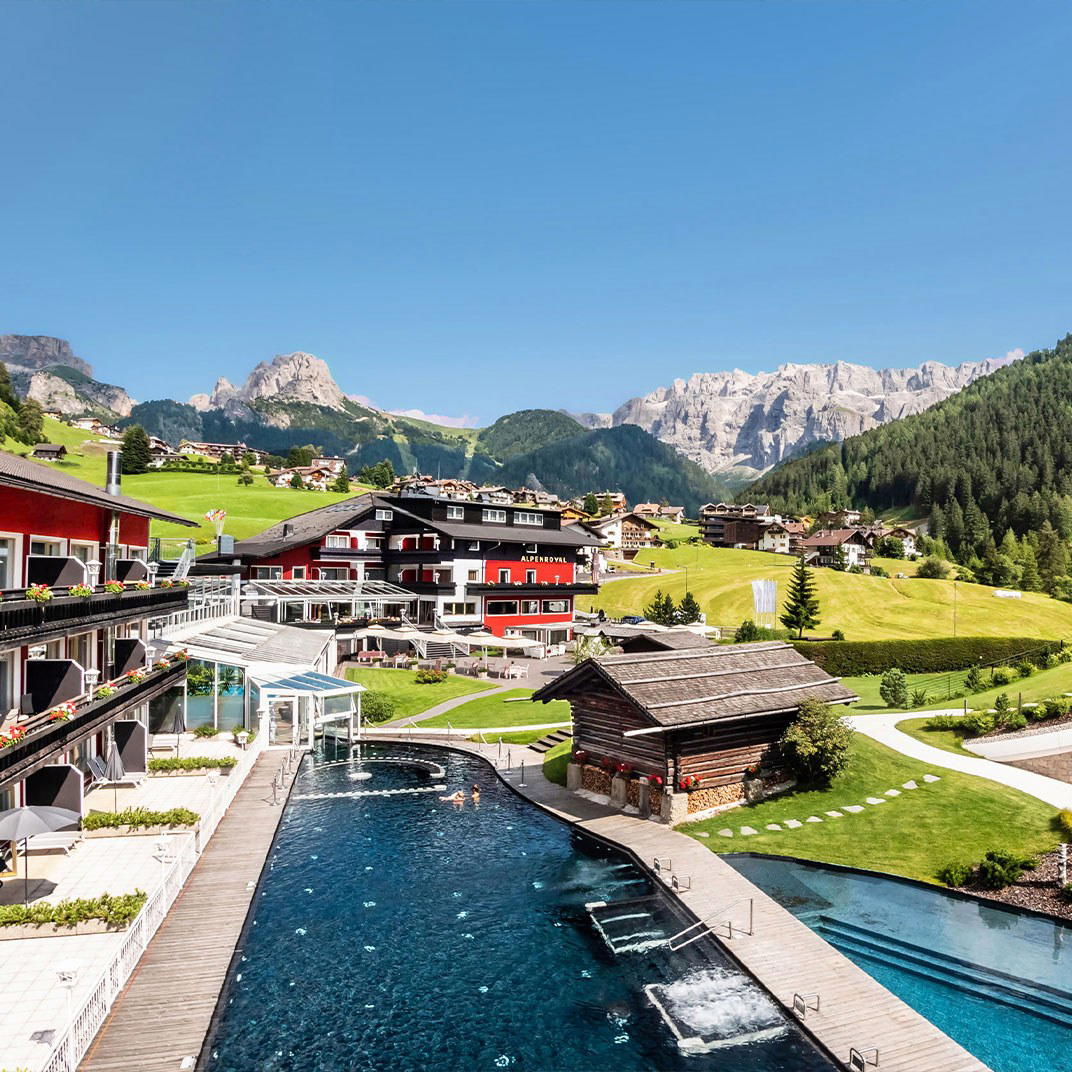
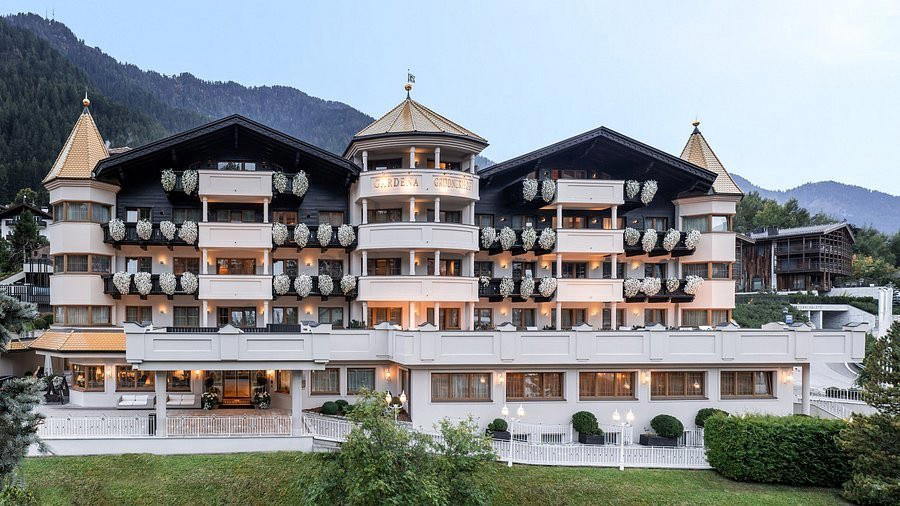
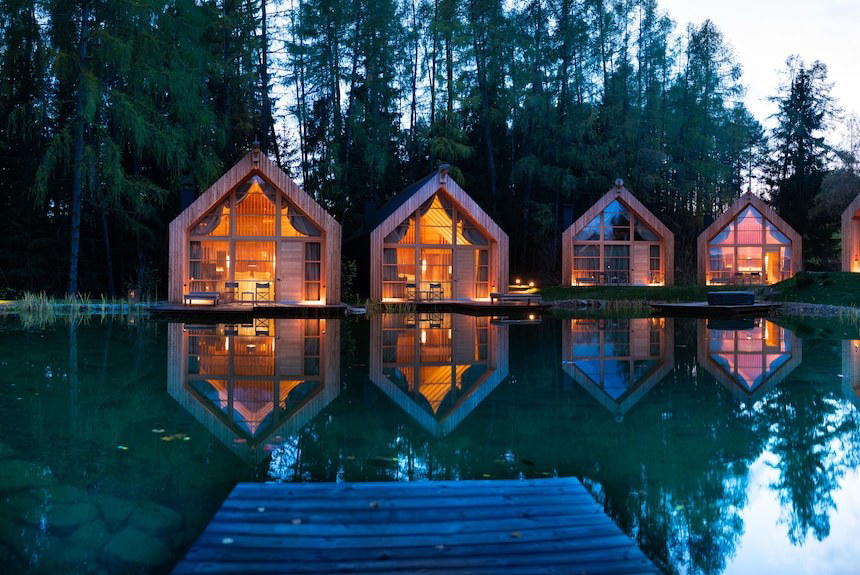
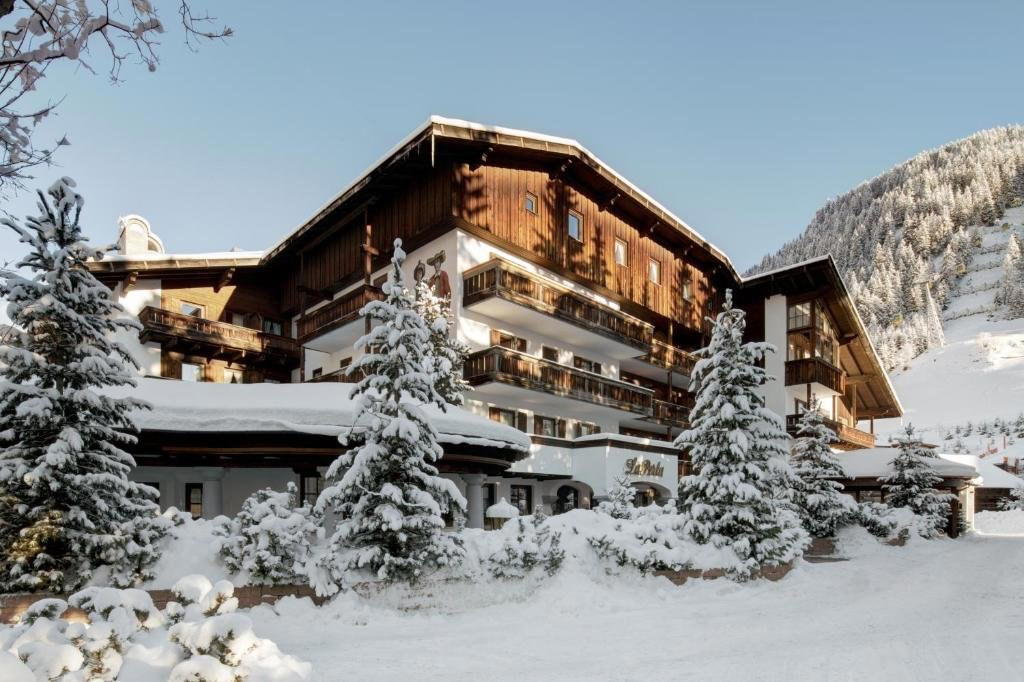
Pull up to Foresta on the Str. della Comunità de Fiem and the setting announces the menu before you've read a word of it. A dense stand of fir trees presses in close, and the building draws its logic from the same landscape: this is Ladin mountain country, and the cooking reflects that without apology. The Michelin inspectors who awarded Foresta a Bib Gourmand in 2025 were recognising something the valley's regular diners already knew — that the kitchen treats local sourcing not as a marketing position but as a structural constraint on what ends up on the plate.
The Bib Gourmand Tier in Dolomite Dining
To understand where Foresta sits, it helps to map the wider Moena dining scene. At the leading end, Malga Panna holds a Michelin star and prices accordingly at the €€€ tier, with mountain-tradition cooking pushed into more formal territory. Below that, a cluster of €€ restaurants — including Agritur El Mas, Malga Roncac, InAlto Alfio Ghezzi Dolomites, and Ostaria Tyrol, compete at the same price point as Foresta for diners who want genuine regional cooking without the formality or cost of a starred room. Within that peer group, the Bib Gourmand is a differentiating signal: Michelin's recognition that the value-to-quality ratio crosses a threshold the inspectors found worth flagging.
Across the wider Alpine arc, this tier of cooking, mid-price, ingredients-led, rooted in a specific valley's produce, has become its own serious category. Comparable regional kitchens like Gannerhof in Innervillgraten and Fahr in Künten-Sulz work similar territory: local sourcing, seasonal constraints, and a menu vocabulary shaped by what the surrounding land and climate actually produce. The distinction matters because it separates this kind of cooking from the broader Italian fine-dining tradition, the long-run ambition of restaurants like Osteria Francescana in Modena, Le Calandre in Rubano, or Enoteca Pinchiorri in Florence, which operate at a different scale, price, and conceptual ambition entirely.
What the Ingredients Say About the Region
The Fassa Valley sits at the southern edge of the Dolomites, where the altitude and the mix of alpine meadow and dense conifer forest shape what can actually be grown, raised, and foraged nearby. Mushrooms come out of those fir woods in late summer and autumn; speck is the cured meat that defines the Trentino-Alto Adige food culture running up through this part of Italy toward the Austrian border; venison reflects both the managed hunting traditions of the valley and the sheer abundance of deer at altitude. These aren't decorative choices on a menu conceived elsewhere and imported into a mountain setting. They are the natural outcome of cooking in this specific place during this specific season.
The pappardelle with mushrooms and speck is the clearest expression of this logic. Wide, flat pasta holds a sauce built around the earthy weight of local fungi cut against the salt and smoke of cured pork, a combination that reads as almost formulaic in the Dolomite dining tradition, but which depends entirely on ingredient quality to distinguish one kitchen's version from another. At Foresta, the Michelin note specifically flags the flavour as a product of genuine local sourcing, which is the inspectors' way of saying the supply chain is doing most of the work. The venison fillet with redcurrant sauce follows the same structural principle: a local protein with an alpine fruit sauce that provides acidity without overwhelming the meat. Both dishes belong to a menu vocabulary that the valley's cooking has developed over generations, not one invented for a contemporary dining moment.
Chef Daniel Shu and the Kitchen's Position
Chef Daniel Shu leads the kitchen at Foresta. The Bib Gourmand places him in the same recognisable cohort as other Alpine chefs working this particular combination of technique and terroir fidelity, where the chef's role is less about imposing a personal conceptual framework and more about executing a deeply local brief with consistency and precision. The broader Italian regional tradition values exactly this: a kitchen that knows its place and produces from that knowledge, rather than one that uses location as backdrop for an imported culinary idea. For context on where this sits in northern Italy's ambition tier, Atelier Moessmer Norbert Niederkofler in Brunico and Enrico Bartolini in Milan represent the starred end of the regional-to-contemporary spectrum, while Dal Pescatore in Runate shows what a multi-generational family kitchen can become at the highest recognition level. Foresta operates outside all of that, its frame of reference is the valley, not the national reputation ladder.
Timing, Seasonality, and the Practical Case for Visiting
Moena operates on two distinct seasonal rhythms: the winter ski season, when the Fassa Valley fills with Italian and European visitors using the town as a base for the Dolomiti Superski area, and the summer hiking and cycling season, when the trails and the quieter alpine air draw a different crowd. Both windows are relevant for Foresta because the menu's core ingredients shift with them. Mushroom season runs from late summer into autumn, which means the pappardelle dish the Michelin guide specifically calls out is at its most compelling in September and October. Venison follows the hunting calendar. Visitors arriving in the ski season will find a menu that reflects the winter larder, different cuts, different fungi profiles, preserved and cured elements taking on more weight.
At the €€ price point, Foresta sits in the range where booking ahead is sensible but not the months-long exercise required at starred rooms. For anyone building a broader Moena itinerary, the full Moena restaurants guide covers the range of options at each tier, while the Moena hotels guide, bars guide, wineries guide, and experiences guide cover the rest of the valley's offer.
Frequently asked questions
Where exactly is Foresta?
Foresta is located at Str. della Comunità de Fiem, 42, 38035 Moena TN, Italy, Moena.
What distinctions does Foresta have?
Foresta has received recognition including: Overlooking the Tyrrhenian Sea, all the tables at this restaurant offer sea views, whether you’re sitting in the winter dining room or on the outdoor summer terrace. The menu here focuses on top-quality fish dishes, which are classic in sty….
What's the signature dish at Foresta?
The Michelin guide flags two dishes as central to the kitchen: pappardelle pasta with mushrooms and speck ham, and a fillet of venison with redcurrant sauce. Both reflect the Fassa Valley larder directly, using ingredients that define what the altitude and surrounding conifer forest produce. The Bib Gourmand recognition in 2025 was awarded in the context of this locally grounded cooking.
What's the pricing like at Foresta?
Pricing at Foresta is listed as €€.
Who's behind the kitchen at Foresta?
The chef associated with Foresta is Daniel Shu.
Budget and Context
| Venue | Cuisine | Price | Awards | Notes |
|---|---|---|---|---|
| ForestaThis venue — the venue you are viewing | Traditional Trentino Italian | $30–50 | Michelin Plate | Not listed |
| Malga Panna | Modern Trentino Regional Fine Dining | Not listed | 1 Michelin Star | Regional Cuisine |
| Agritur El Mas | Traditional Ladin Alpine Farmhouse Cuisine | $30–50 | Michelin Bib Gourmand | Regional Cuisine |
| Ostaria Tyrol | Traditional Trentino Tyrolean | $20–30 | Michelin Bib Gourmand | Country cooking |
| InAlto Alfio Ghezzi Dolomites | Modern Italian Mountain Cuisine | $50–100 | Michelin Plate | Regional Cuisine |
| Malga Roncac | Traditional Ladin Mountain Cuisine | $50–100 | Michelin Plate | Regional Cuisine |
Recognition history
Dated appearances from independent guides and award organizations, with the underlying list record or original source where available.
Michelin Plate
Michelin
Full recognition history (3 entries)
Michelin Bib Gourmand
Michelin
Michelin Bib Gourmand
Michelin
Continue exploring
More in Moena
Restaurants in Moena
Browse all →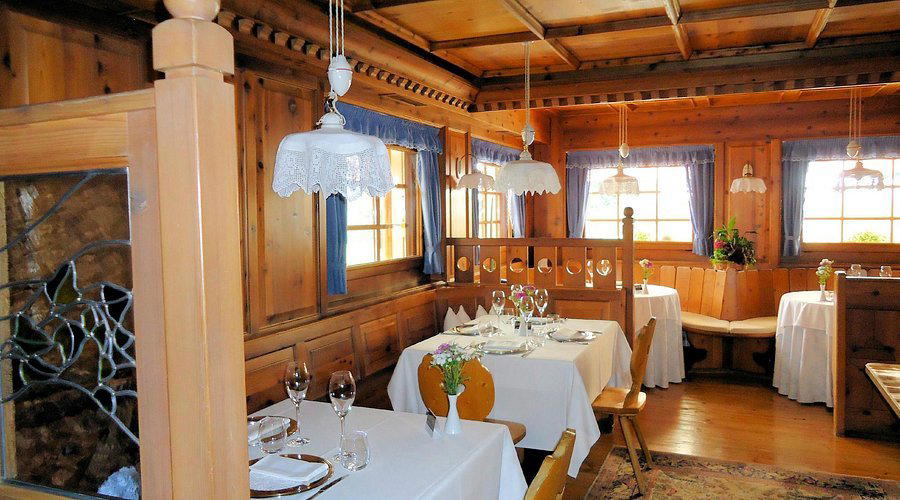
Bars in Moena
Browse all →
Hotels in Moena
Browse all →
Details
- Romantic
- Rustic
- Cozy
- Elegant
- Date Night
- Special Occasion
- Hotel Restaurant
- Extensive Wine List
- Local Sourcing
- Mountain
- A La Carte
- Vegetarian Friendly
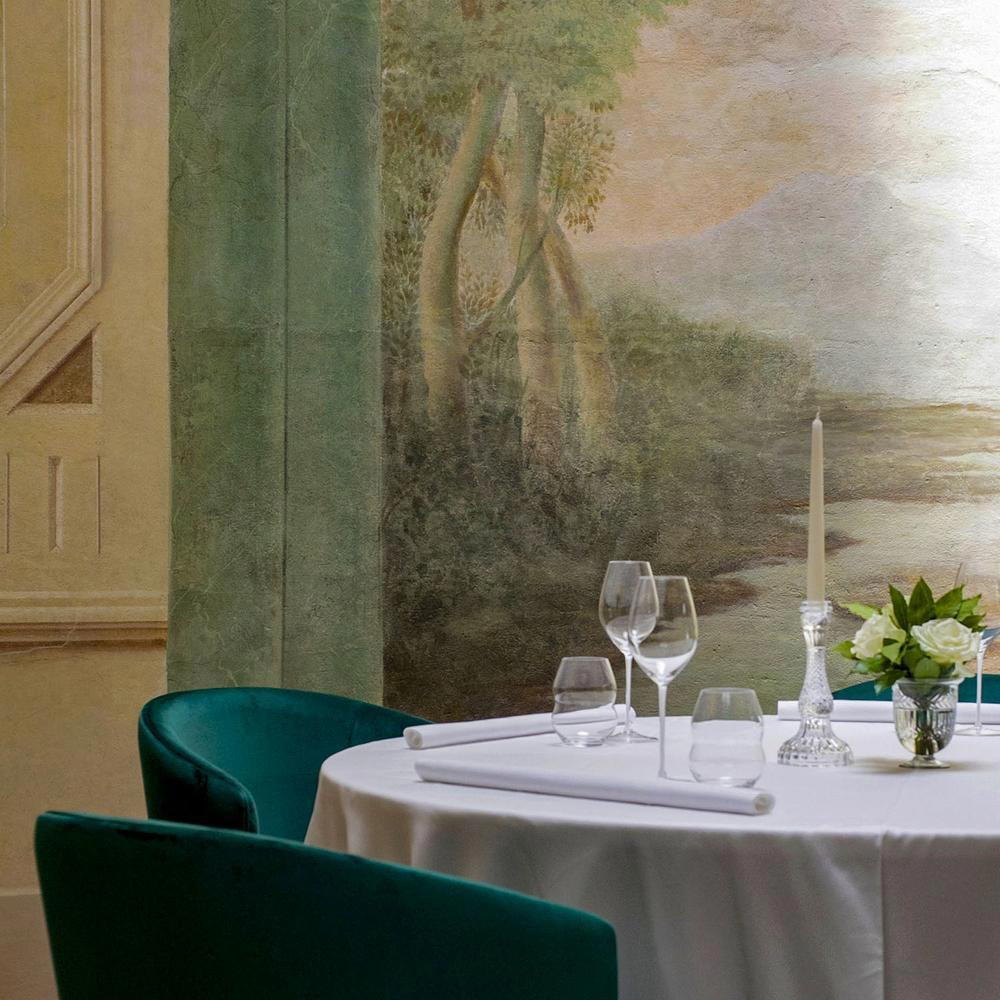
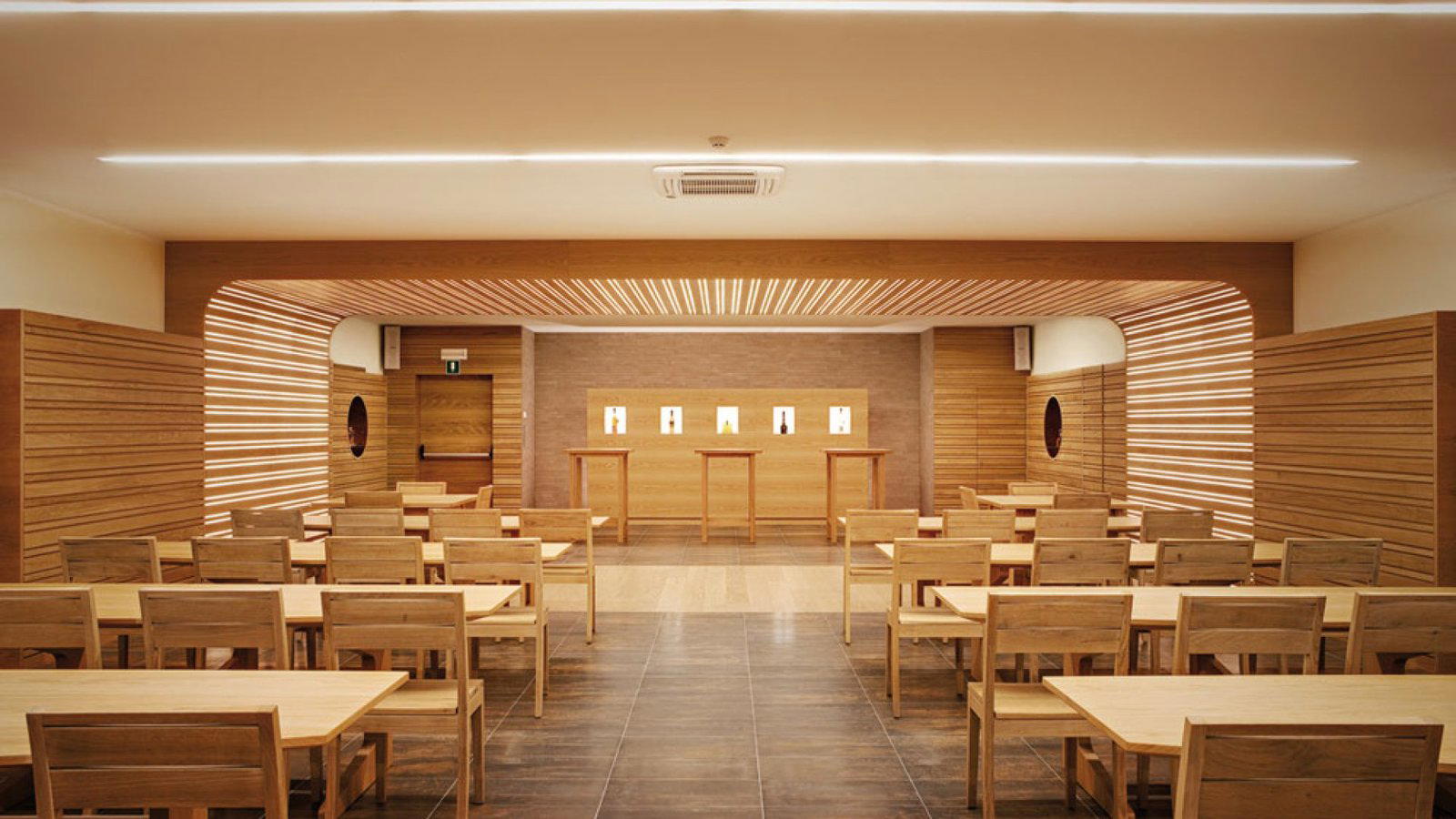
Soberly elegant wood furnishings with welcoming light wood decor, classic style, and tables spaced for intimacy.