Our verdict
Florès'Sens sits on the Avenue des Vendanges in Florensac, a small Hérault town whose name is inseparable from the vineyards of the Pézenas and Picpoul de Pinet appellations. The address places it inside one of Languedoc's most productive agricultural corridors, where the sourcing story is less a marketing choice than a geographical fact. For visitors to the region, it represents the kind of local table that earns its place through proximity to raw material rather than metropolitan acclaim.

Pearl is the En Primeur Club membership app — saves, bookings, and concierge access live there. Same editors, same standards.
- Address
- 5 Av. des Vendanges, 34510 Florensac, France
- Phone
- +33467770305
- Hours
- Mon ClosedTue–Thu 9 AM–1:45 PMFri–Sat 9 AM–1:45 PM, 7:30–9:30 PMSun 9 AM–1:45 PM
- Website
- restaurantfloressens.fr
- Directions
- Get directions
- Booking
- Book on the venue's website
The menu
What to order
- Risotto de cèpes
- Filet de bar rôti
- Gambas on chestnut puree
Where the Hérault Plain Sets the Menu
Florensac sits roughly midway between Montpellier and Béziers, in the flat agricultural corridor that runs south toward the Bassin de Thau. The town is small enough that its main commercial street, the Avenue des Vendanges, reads its own postcode into the address: this is a wine-harvest road, named for the annual grape-picking that has defined the local economy for centuries. Florès'Sens occupies number five on that avenue, which positions it not as a destination imported from outside but as something grown from the same soil as its surroundings.
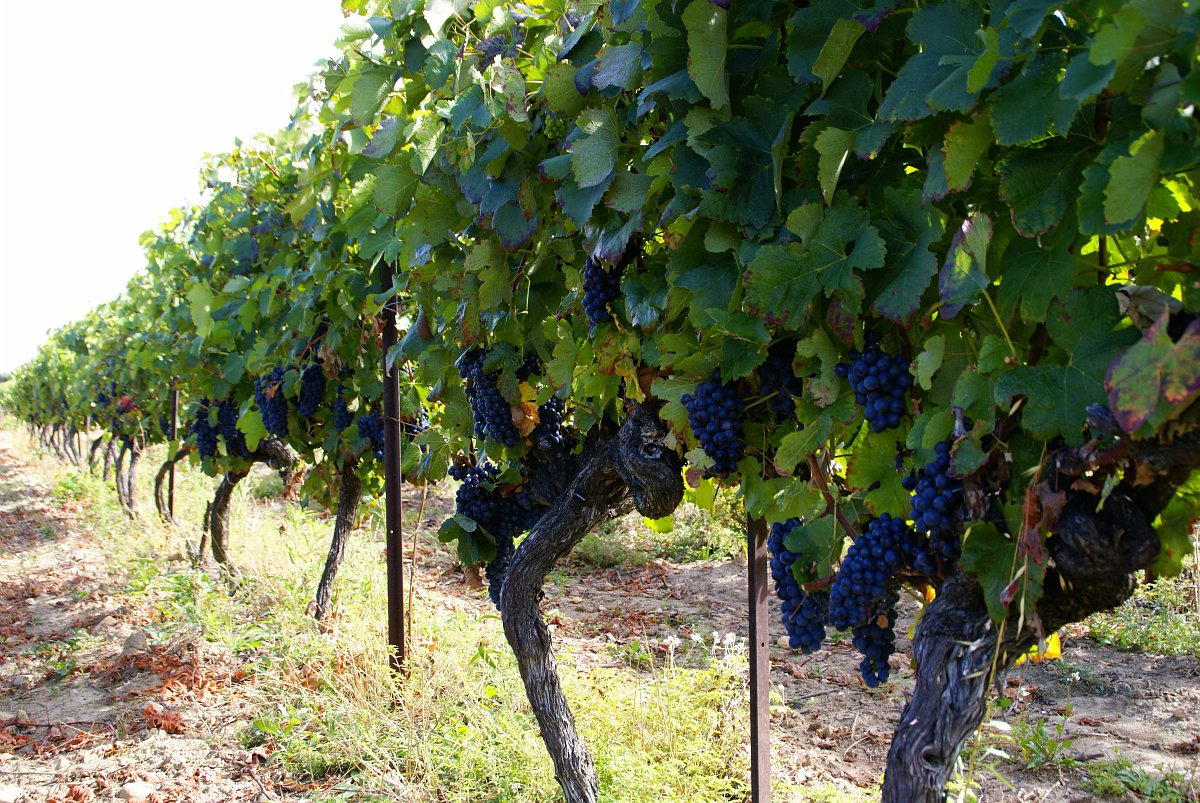
In France, this kind of geographic embedding matters for how a kitchen thinks about sourcing. The Hérault department is among the most agriculturally dense in the south: market gardens around Agde and Pézenas, oyster and mussel beds on the Étang de Thau a short drive south, stone-fruit orchards inland, and a wine plain that produces everything from Picpoul de Pinet to Faugères and Saint-Chinian. A restaurant on the Avenue des Vendanges in Florensac has the entire larder of southern Languedoc within reach without a motorway. That proximity is not incidental — it is the structural condition that makes ingredient-led cooking legible here in a way it would not be in a city centre.
The Logic of Languedoc Sourcing
The broader pattern across southern France is that smaller towns with strong agricultural identities tend to produce restaurants whose menus are dictated by what arrived that morning rather than what the menu card printed last season. This is the tradition that institutions like Bras in Laguiole and Auberge du Vieux Puits in Fontjoncouse have brought to international recognition: the Aubrac plateau and the Corbières garrigue, respectively, are not backdrops but supply chains. The Hérault plain operates on the same principle at a more quotidian register.
For Florès'Sens, the address on the Avenue des Vendanges functions as a declaration of that orientation. Whether the kitchen works with direct-from-farm relationships or operates through the Agde and Pézenas markets, the raw material is close. Languedoc's coastal shelf means that shellfish from the Étang de Thau — tellines, mussels, oysters from Marseillan and Bouzigues, can travel to a kitchen in Florensac in under thirty minutes. That supply chain is the same one that gives La Table du Castellet and L'Oustau de Baumanière in Les Baux their Mediterranean character, though both operate at a different scale and with different institutional profiles.
This is a meaningful distinction within French fine dining. The three-star establishments of the country, Mirazur in Menton, Alléno Paris au Pavillon Ledoyen, Flocons de Sel in Megève, have the resources to source from multiple regions simultaneously, building menus that represent a broader geographic ambition. A smaller table in an agricultural town like Florensac has a different mandate: to cook the place it is in, at the moment it is in it. The discipline is narrower and, when it works, more honest.
Approaching the Address
The Avenue des Vendanges is not a tourist thoroughfare. Florensac draws visitors primarily for its weekly market and its position along regional wine routes rather than for metropolitan restaurant density. Arriving from Montpellier by car takes roughly forty-five minutes via the A9 and D613; from Béziers, the drive is shorter, around twenty minutes along the D13. The town has no rail connection, so the visit requires planning. That logistical friction is part of what defines the character of restaurants in this tier: the dining room fills with people who made a deliberate choice to be there, not foot traffic that wandered in from a hotel lobby.
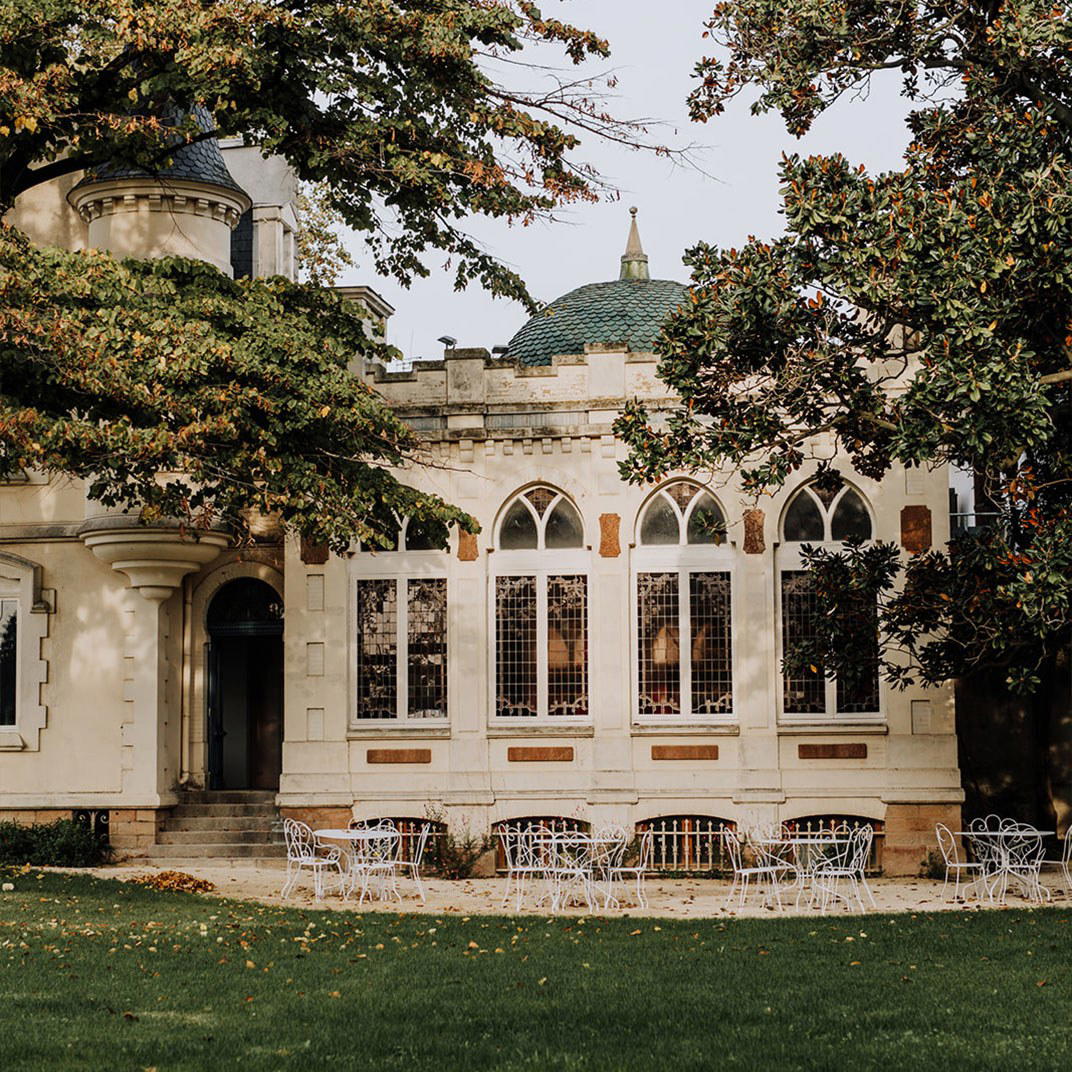
The feel of the avenue itself is provincial France in the direct sense: plane trees, a slow pace, the commercial rhythm of a market town rather than a tourist circuit. This context shapes expectations for Florès'Sens in the same way that the Aubrac remoteness shapes expectations for Bras or the Vonnas village setting frames Georges Blanc. You are not arriving at a restaurant that chose its location for visibility; you are arriving at one that is embedded in its town.
Languedoc has a growing number of serious kitchens operating outside the major cities, a pattern visible across southern France where lower real estate costs and strong agricultural supply chains make independent restaurant projects more viable than in Lyon or Paris. Florensac sits within this broader shift, in a region where the wine appellation system has long provided a framework for thinking about terroir that kitchens are now applying to food with more consistency.
The reference points for serious cooking in the French south range widely in ambition and price. Auberge du Vieux Puits in the Corbières operates at Michelin three-star level from a village of under two hundred inhabitants, demonstrating that institutional recognition can reach small-commune addresses when the cooking justifies it. Les Prés d'Eugénie in Eugénie-les-Bains has anchored Gascon terroir to a destination spa context. These are the category leaders. Florès'Sens operates in the same broad geography of southern France without, as far as available data shows, the same institutional profile, which places it in the tier of locally-rooted tables whose value proposition is about access to place rather than accumulated awards.
For a comparable experience at higher institutional weight, the Languedoc and Provence coastal arc also connects to La Vague d'Or in Saint-Tropez and, further afield in the French fine-dining canon, to Paul Bocuse's Auberge du Pont de Collonges and Maison Lameloise in Chagny. These are the anchors of the French provincial restaurant tradition that Florensac operates in the shadow of, without yet claiming a comparable position within it. See our full Florensac restaurants guide for the broader local picture.
Planning Your Visit
Given that provincial French restaurants at this address tier frequently operate on limited service days, many close Monday and Tuesday, and some observe a summer pause in August, confirming opening hours before travelling is sensible. The Florensac market, held on Thursday mornings, provides a useful complement to a meal at any local table: the same producers supplying area kitchens are typically present, which gives the sourcing context a legible face.
Frequently asked questions
Is Florès'Sens child-friendly?
No specific family policy is confirmed for Florès'Sens. The restaurant sits on Avenue des Vendanges in Florensac, a quiet agricultural town rather than a resort destination, which typically signals a neighbourhood dining room rather than a venue with dedicated children's facilities. check the venue's official channels to confirm.
What's the overall feel of Florès'Sens?
Florensac is a working Languedoc town midway between Montpellier and Béziers, known for its market and wine identity rather than tourism infrastructure. A restaurant on Avenue des Vendanges in that context reads as a local address with regional roots rather than a destination property styled for visitors. The address suggests an unhurried pace consistent with the surrounding agricultural plain.
Where is Florès'Sens located and how does its setting shape the cooking?
Florès'Sens is at 5 Avenue des Vendanges in Florensac, a town in the Hérault département positioned between Montpellier and Béziers along the flat agricultural plain that runs toward the Bassin de Thau. That geography places the restaurant within reach of some of the most productive wine and seafood territory in southern France, where the sourcing logic for a regionally focused kitchen writes itself from the surrounding land and water.
What dish is Florès'Sens famous for?
No specific signature dish is confirmed in available data for Florès'Sens. Given Florensac's position within the Hérault corridor and proximity to the Bassin de Thau, a kitchen here would logically draw from the area's shellfish, wine-country produce, and Mediterranean pantry, but specific menu details should be verified directly with the restaurant.
What's Florès'Sens's location?
Florès'Sens is located at 5 Av. des Vendanges, 34510 Florensac, France, Florensac.
Is Florès'Sens reservation-only?
For a restaurant of this scale in a small Languedoc town, booking ahead is a practical precaution, particularly around Florensac's market days when local foot traffic increases.
What makes Florès'Sens worth seeking out?
Florensac sits within a Languedoc agricultural corridor where proximity to local producers, regional wine appellations, and the Bassin de Thau gives smaller kitchens direct access to ingredients that city restaurants pay a premium to source. Florès'Sens occupies that supply chain at the point of origin, on Avenue des Vendanges in a town whose weekly market remains a working fixture rather than a tourist attraction.
How It Stacks Up
Comparable venues nearby, for context on price, style, and recognition.
| Venue | Cuisine | Price | Notes |
|---|---|---|---|
| Florès'SensThis venue — the venue you are viewing | French Regional Bistro | $30–50 | Not listed |
| Trinquefougasse O'Sud | French Tapas & Wine Bar | $30–50 | Port Marianne |
| Auberge du Vigneron | Traditional French with Catalan Influences | $20–30 | Cucugnan |
| Chez Eddy | Traditional Bistronomic French | $30–50 | Boujan-sur-Libron |
| La Taverne à Bacchus | Traditional French Grill | $20–30 | Limoux |
| Le Café du Dourdou | French Brasserie | $20–30 | Villecomtal |
Continue exploring
More in Florensac
Restaurants in Florensac
Browse all →
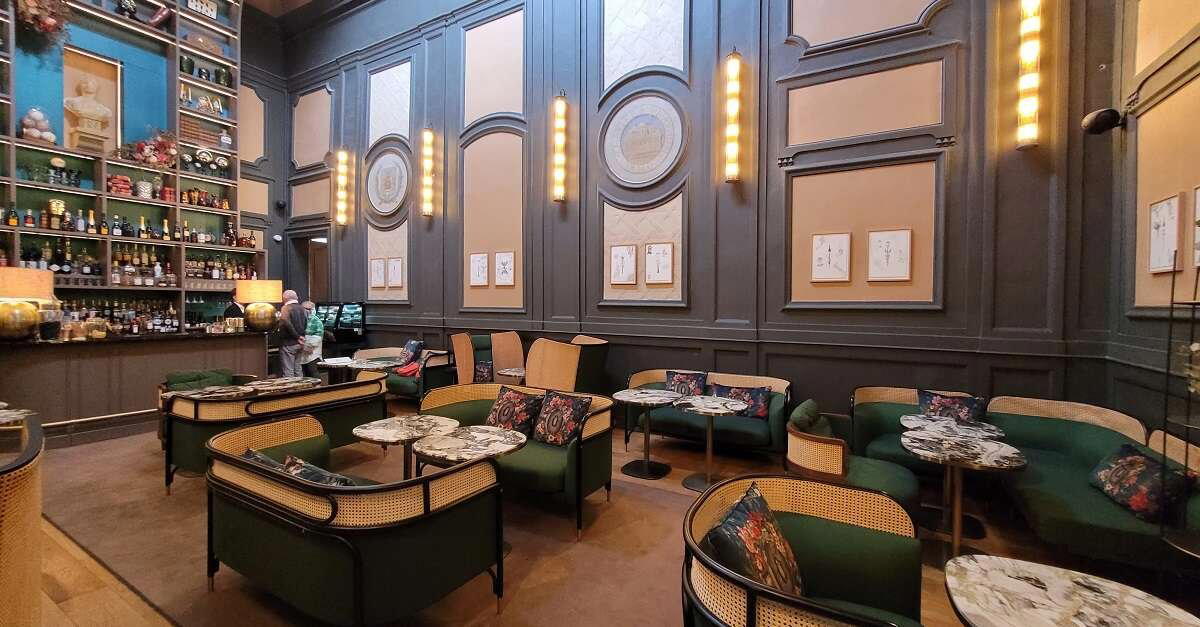
Hotels in Florensac
Browse all →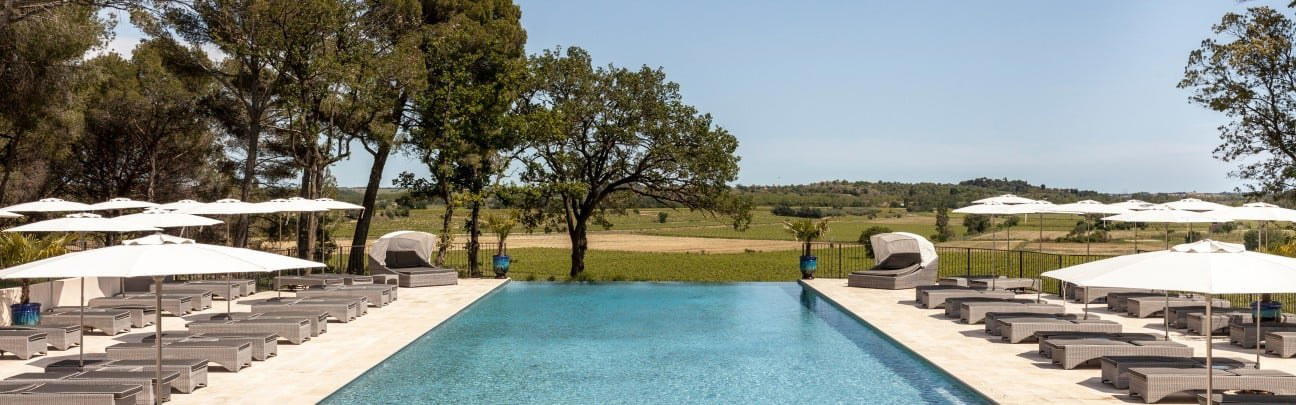


Details
- Elegant
- Cozy
- Date Night
- Special Occasion
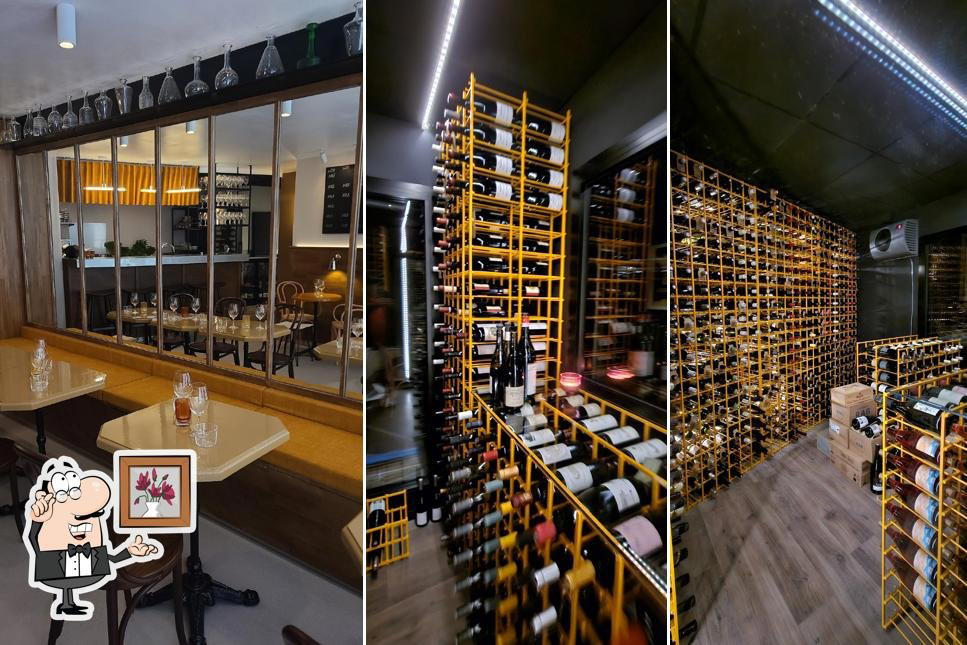
- Wine Cellar
- Extensive Wine List
- Local Sourcing
- A La Carte
- Wine
Current opening hours
- Monday
- Closed
- Tuesday
- 9 AM–1:45 PM
- Wednesday
- 9 AM–1:45 PM
- Thursday
- 9 AM–1:45 PM
- Friday
- 9 AM–1:45 PM, 7:30–9:30 PM
- Saturday
- 9 AM–1:45 PM, 7:30–9:30 PM
- Sunday
- 9 AM–1:45 PM
Hours can change for holidays and private events. Last verified .
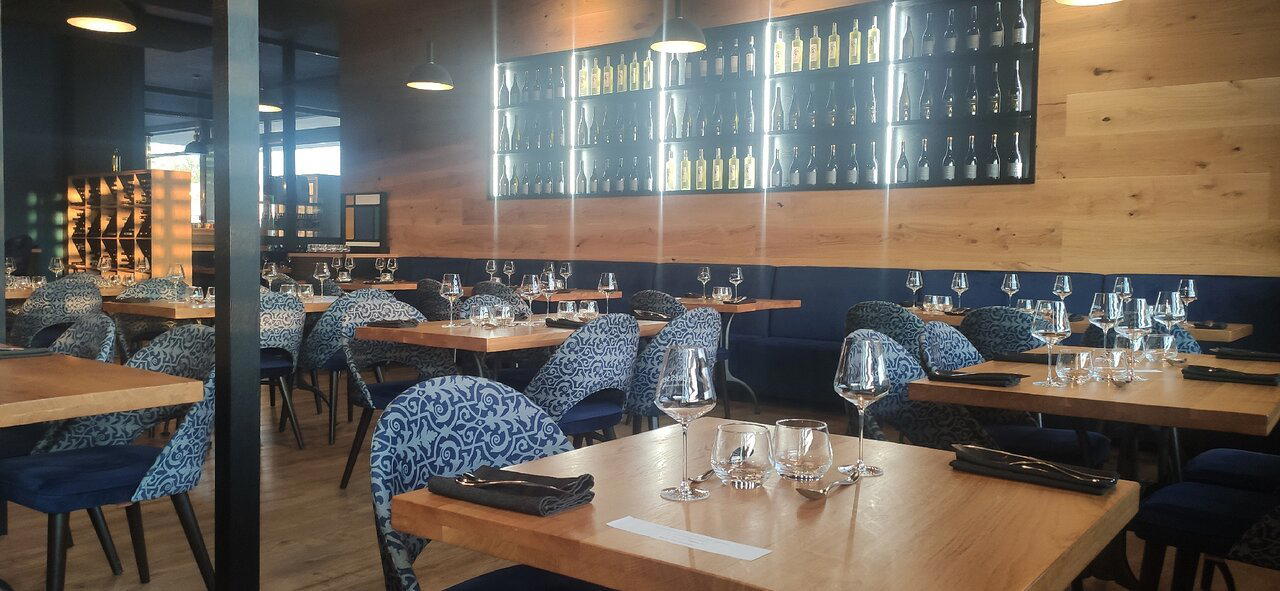
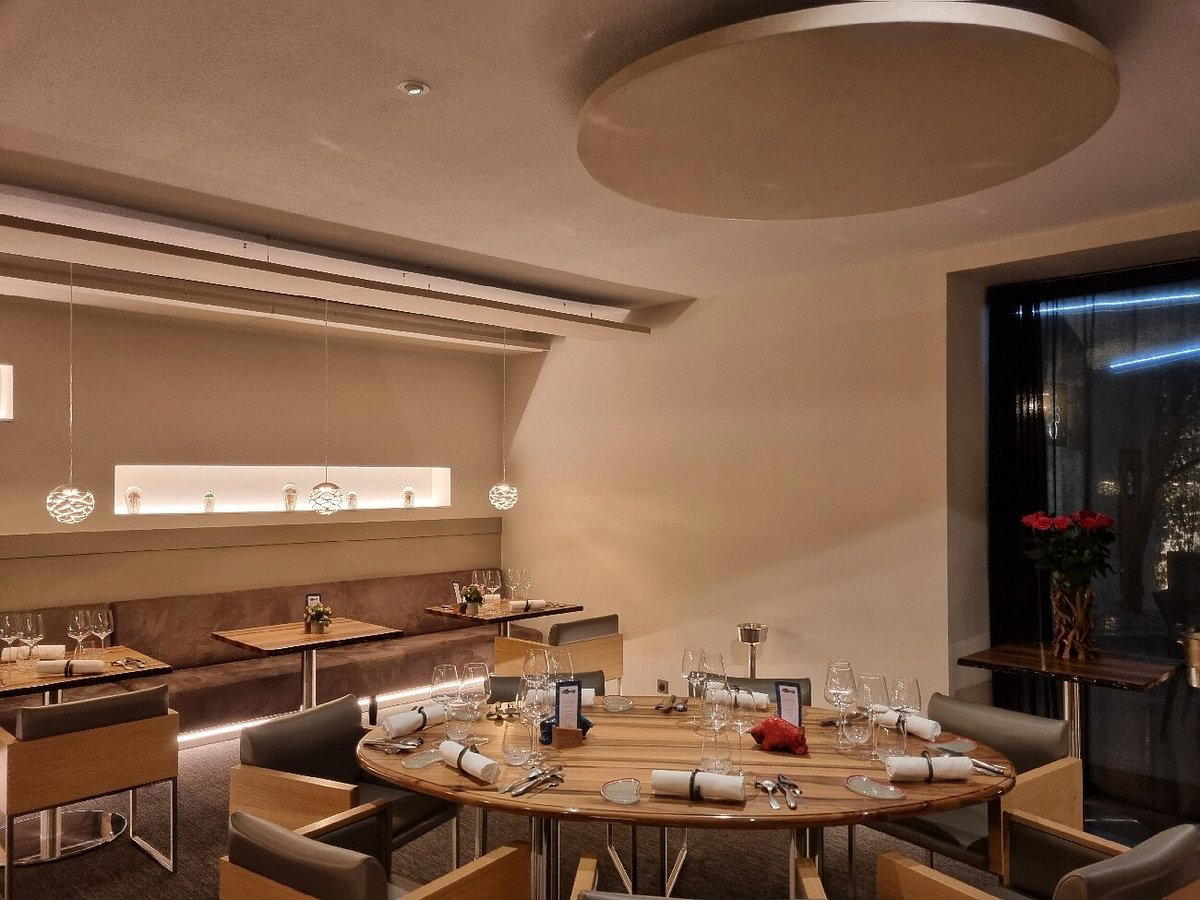
Beautifully decorated room with modern elegance inspired by Piet Mondrian's colorful geometric style, creating a refined and inviting atmosphere.