Trinque Fougasse O'Sud
On Rue de Galata in central Montpellier, Trinquefougasse O'Sud draws on the sourcing traditions of the Languedoc-Roussillon interior, where garrigue herbs, coastal seafood, and mountain-raised meat arrive in the kitchen with short supply chains rather than long ones. The address sits within a city whose restaurant scene has quietly built one of southern France's more coherent dining cultures, with Trinquefougasse O'Sud occupying a considered position within it.
Pearl is the En Primeur Club membership app — saves, bookings, and concierge access live there. Same editors, same standards.
- Address
- 148 Rue de Galata, 34000 Montpellier, France
- Phone
- +33499232705
- Website
- trinquefougasse.com
- Directions
- Get directions
 Saves & bookings on Pearl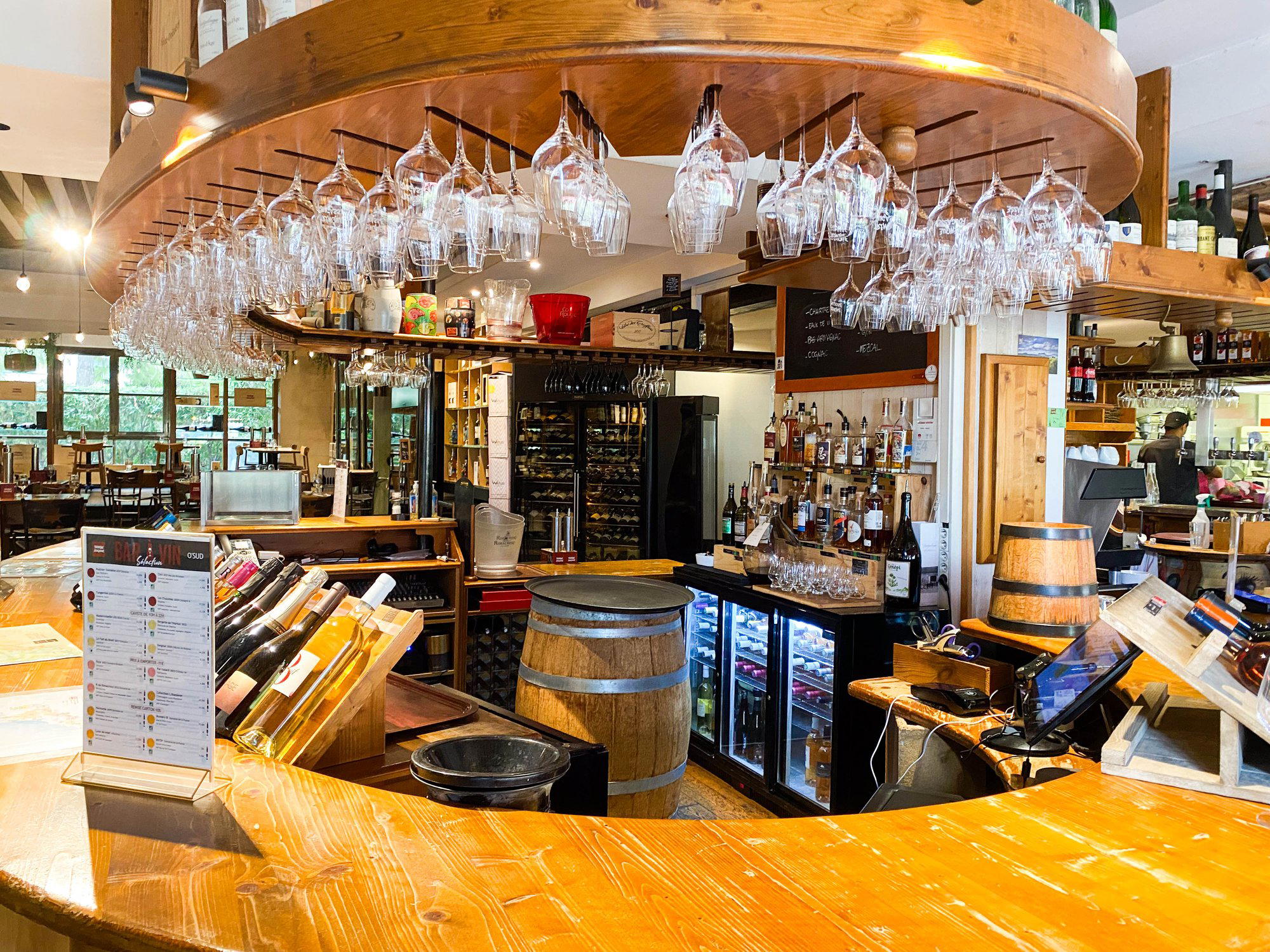
Where Southern France Eats What the Land Provides
Montpellier has spent the last two decades building a dining identity distinct from the Provençal mainstream to its east. The city draws from three overlapping larders: the Mediterranean coast running from Sète to the Camargue, the garrigue scrubland rising toward the Cévennes, and the wine-producing plains of the Hérault that supply both ingredients and a frame of reference for how food and drink belong together. Restaurants that understand all three zones, and cook from them honestly, occupy a particular place in the city's dining culture. Trinquefougasse O'Sud is a restaurant in Montpellier, France, at 148 Rue de Galata, and it serves French tapas and wine bar dishes in a casual setting.
The name itself signals a regional orientation. Trinquefougasse carries the trace of the Occitan table, the fougasse bread, the shared table, the south in its older sense, while O'Sud simply declares a direction of loyalty. For a city where one formally decorated address, Jardin des Sens, has long anchored the upper tier of French gastronomic cooking, and where addresses like La Réserve Rimbaud and Leclère define the modern-cuisine mid-range, Trinquefougasse O'Sud carves out a position rooted in place rather than technique as performance.
The Sourcing Logic of the Languedoc Table
Southern French cooking at its most coherent is not defined by elaborate process but by proximity. The Languedoc-Roussillon region produces olive oil, garrigue-scented lamb, Camargue rice, tielle from Sète, oysters and mussels from the Bassin de Thau, one of Europe's largest coastal lagoons, sitting roughly thirty kilometres southwest of Montpellier, and a depth of stone-fruit and herb aromatics that run through everything from a simple tapenade to a slow-braised daube. Kitchens that respect this geography tend to cook with less intervention: acid from local wine or verjuice rather than imported citrus, fat from regional sources, and seasoning that arrives via the ingredient itself rather than through layered technique.
This sourcing logic has a specific culinary consequence. It means the menu shifts with the calendar rather than holding a fixed identity across seasons. Spring in the Hérault brings violet artichokes from the coastal market gardens; summer arrives with tomatoes from the garrigue-adjacent smallholdings; autumn pushes toward game and mushroom; winter resolves into pulse-heavy dishes, slow-cooked cuts, and the clean salinity of Thau shellfish. Its position at 148 Rue de Galata places it within easy reach of Montpellier's central covered market, the Halles Castellane.
For the traveller arriving in the warmer months, this seasonal architecture matters. The summer table in Montpellier operates differently from the winter one, and a kitchen that draws from local supply rather than a centralised distribution network will reflect that gap more sharply than one importing uniformly year-round. This is not a minor detail, it is the structural reason why some meals in this city stay with you and others disappear from memory before you reach the train station.
Montpellier's Dining Tier and Where This Address Sits
The comparison set in Montpellier spans a clear range. At the formal upper end, Jardin des Sens operates at the €€€€ tier with full French gastronomic ambition. In the creative middle ground, addresses like Reflet d'Obione and Pastis Restaurant pursue modern cuisine at the €€€ level. Trinquefougasse O'Sud, based on its positioning and name resonance within the city's conversation, fits a tier where regional identity carries more argumentative weight than formal plating.
This places it in interesting company relative to what France's broader fine-dining circuit is doing. The sourcing-led approach has become a defining argument at some of France's most serious addresses: Mirazur in Menton built its reputation partly on a kitchen garden program so rigorous it functions as an editorial statement; Bras in Laguiole turned the Aubrac plateau's flora into a defining culinary vocabulary; Flocons de Sel in Megève demonstrated that Alpine terroir could underpin formal cooking at the highest level. The difference at the Montpellier scale is that the same instinct, cook from where you are, runs through restaurants that are not chasing trophies but simply feeding a city that happens to live close to excellent raw material.
Internationally framed, this is the approach that separates restaurants with a genuine regional grammar from those that import the same luxury proteins across different geographies. The contrast is visible when you move between, say, Le Bernardin in New York City, where the sourcing discipline is applied to seafood at a global scale, and the more tightly localised logic of a Languedoc kitchen that measures supply chain in kilometres rather than continents. Neither is more valid; they are different arguments about what a restaurant owes its setting.
Planning Your Visit
Trinquefougasse O'Sud operates at 148 Rue de Galata, 34000 Montpellier, a central address that places it within walking distance of the historic Écusson district and the tram network that connects to the Saint-Roch station. Booking is recommended. Montpellier's dining culture runs late by northern French standards; the southern rhythm of a longer lunch extending into mid-afternoon, or a dinner that does not begin in earnest until nine, is the norm here rather than the exception.
For broader orientation across the city's restaurant scene, the EP Club Montpellier guide covers the full range from formal gastronomic addresses to the neighbourhood-level tables worth knowing. Other addresses at the modern-cuisine tier, Leclère, Reflet d'Obione, and Pastis Restaurant, provide useful comparison points if you are building a multi-day itinerary around the city's dining scene. France's broader fine-dining reference points, from Alléno Paris au Pavillon Ledoyen to Au Crocodile in Strasbourg and Assiette Champenoise in Reims, share the broader French canon that informs what kitchens like this one are working within and occasionally pushing against.
City Peers
Comparable venues nearby, for context on price, style, and recognition.
| Venue | Cuisine | Price | Notes |
|---|---|---|---|
| Trinquefougasse O'SudThis venue — the venue you are viewing | French Tapas & Wine Bar | $$ | Not listed |
| L'Original | French Seafood Mediterranean Contemporary | $$$ | Pont De Sète |
| Balthazar café & restaurant | Classic French Brasserie | $$ | Ursulines |
| L'Atelier du Petit Jardin | Modern French Sharing Bistro | $$$ | Port Marianne |
| Le Sens Six | Modern French Bistro with Regional Mediterranean Influences | $$ | Astruc |
| La Table Des Poètes | Modern French Mediterranean | $$$ | Gambetta |
Continue exploring
More in Montpellier
Restaurants in Montpellier
Browse all →
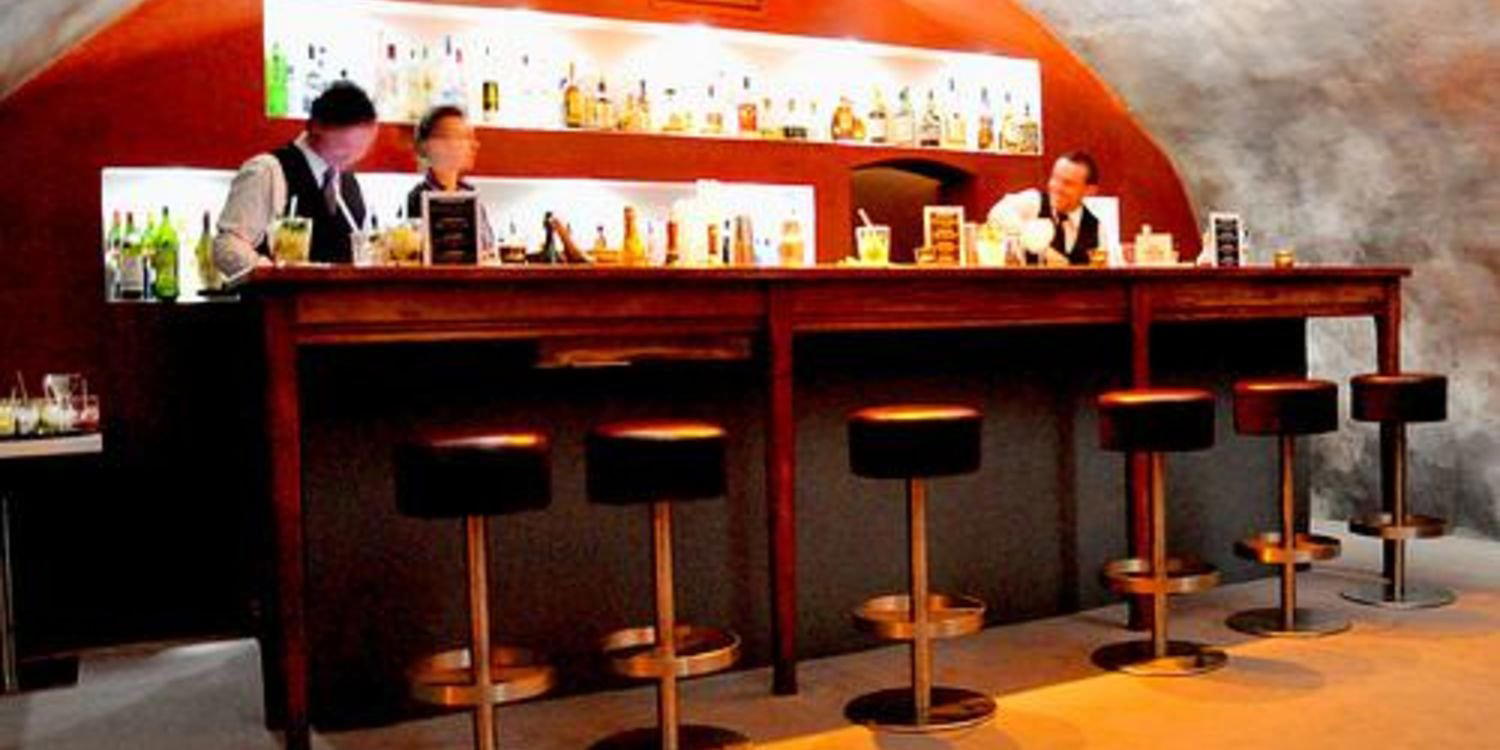
Bars in Montpellier
Browse all →
Hotels in Montpellier
Browse all →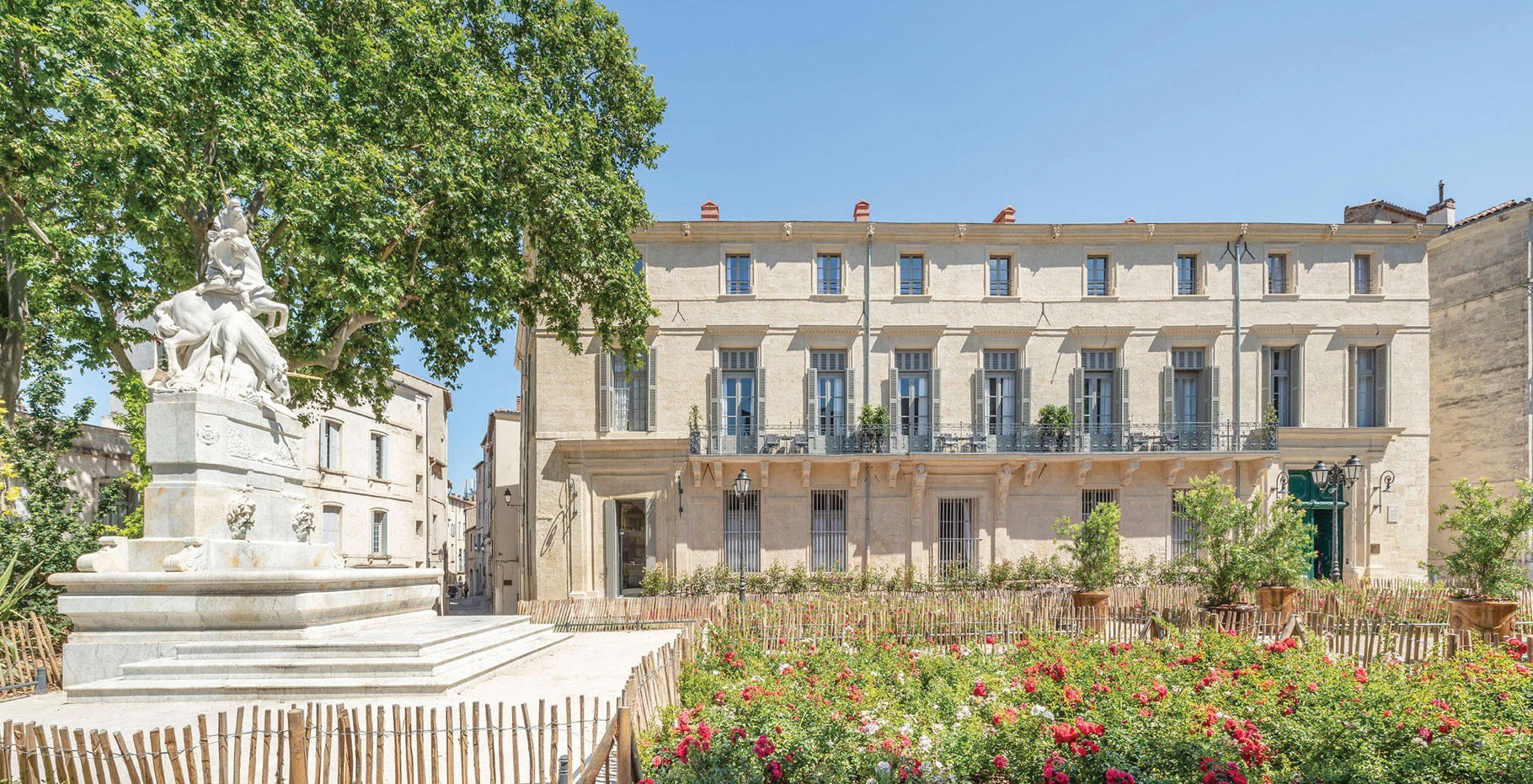

At a Glance
- Lively
- Cozy
- Bohemian
- Casual Hangout
- Group Dining
- After Work
- Date Night
- Live Music
- Terrace
- Waterfront
- Extensive Wine List
- Natural Wine
- Sommelier Led
- Local Sourcing
- Waterfront
Current opening hours
- Monday
- 10 AM–12:30 AM
- Tuesday
- 10 AM–12:30 AM
- Wednesday
- 10 AM–12:30 AM
- Thursday
- 10 AM–12:30 AM
- Friday
- 10 AM–12:30 AM
- Saturday
- 10 AM–12:30 AM
- Sunday
- 10 AM–12:30 AM
Hours can change for holidays and private events. Last verified .
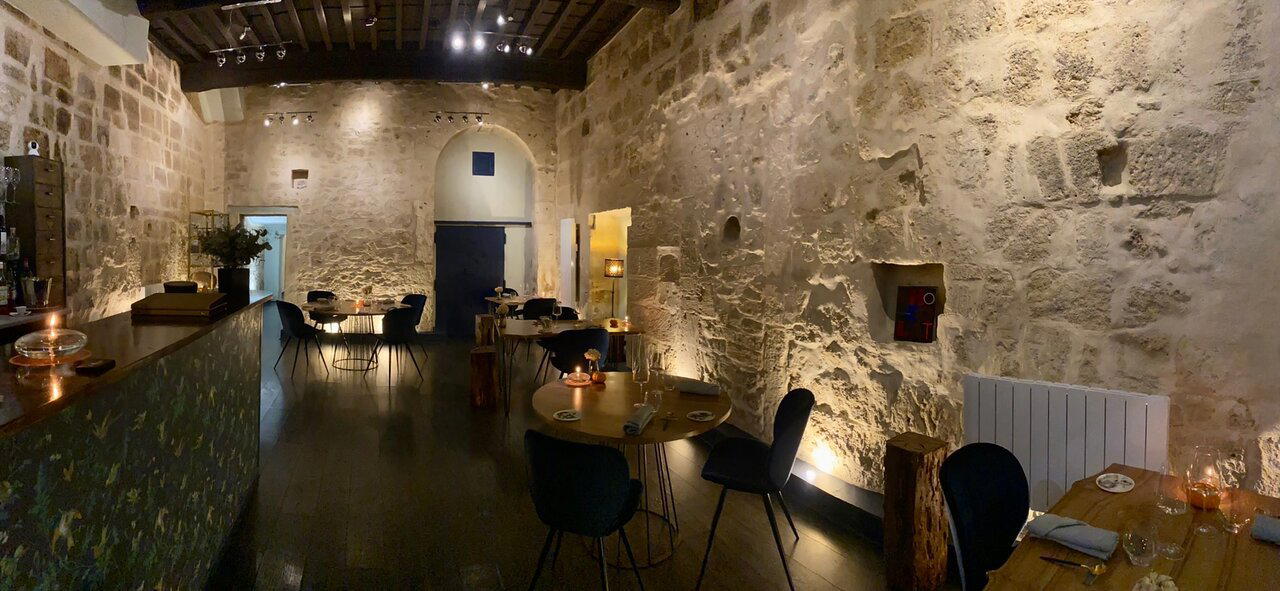
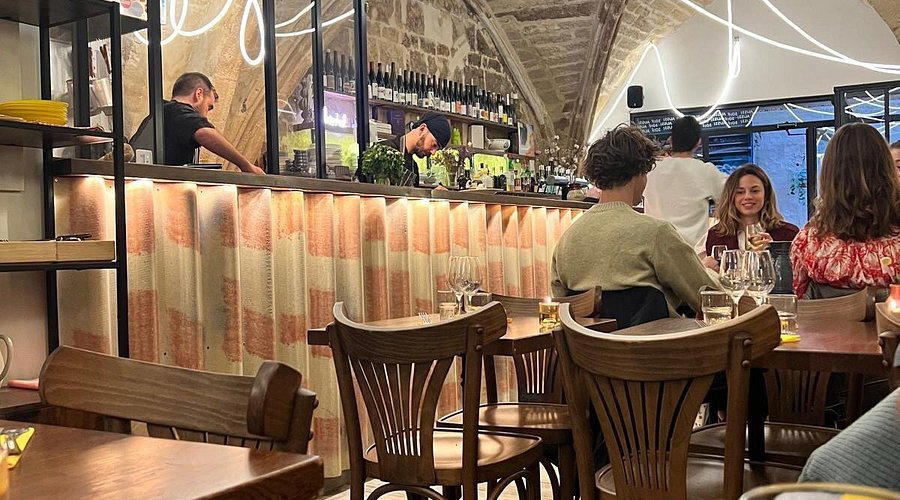
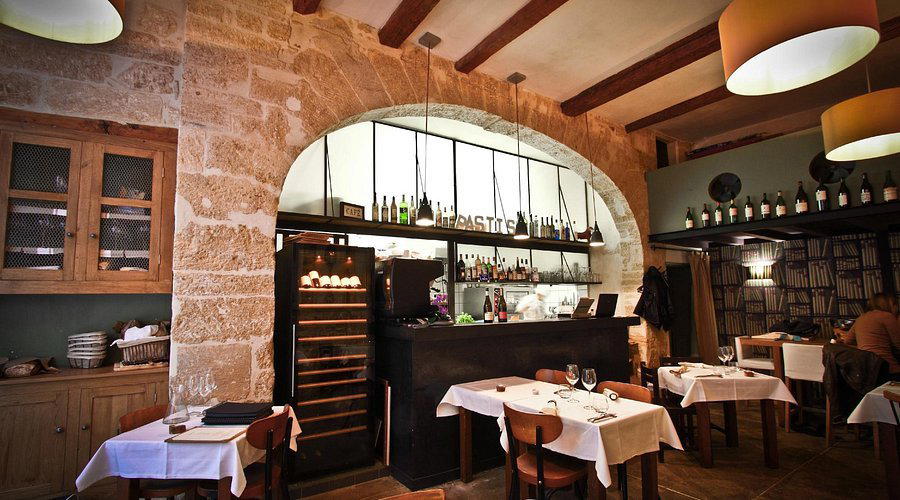
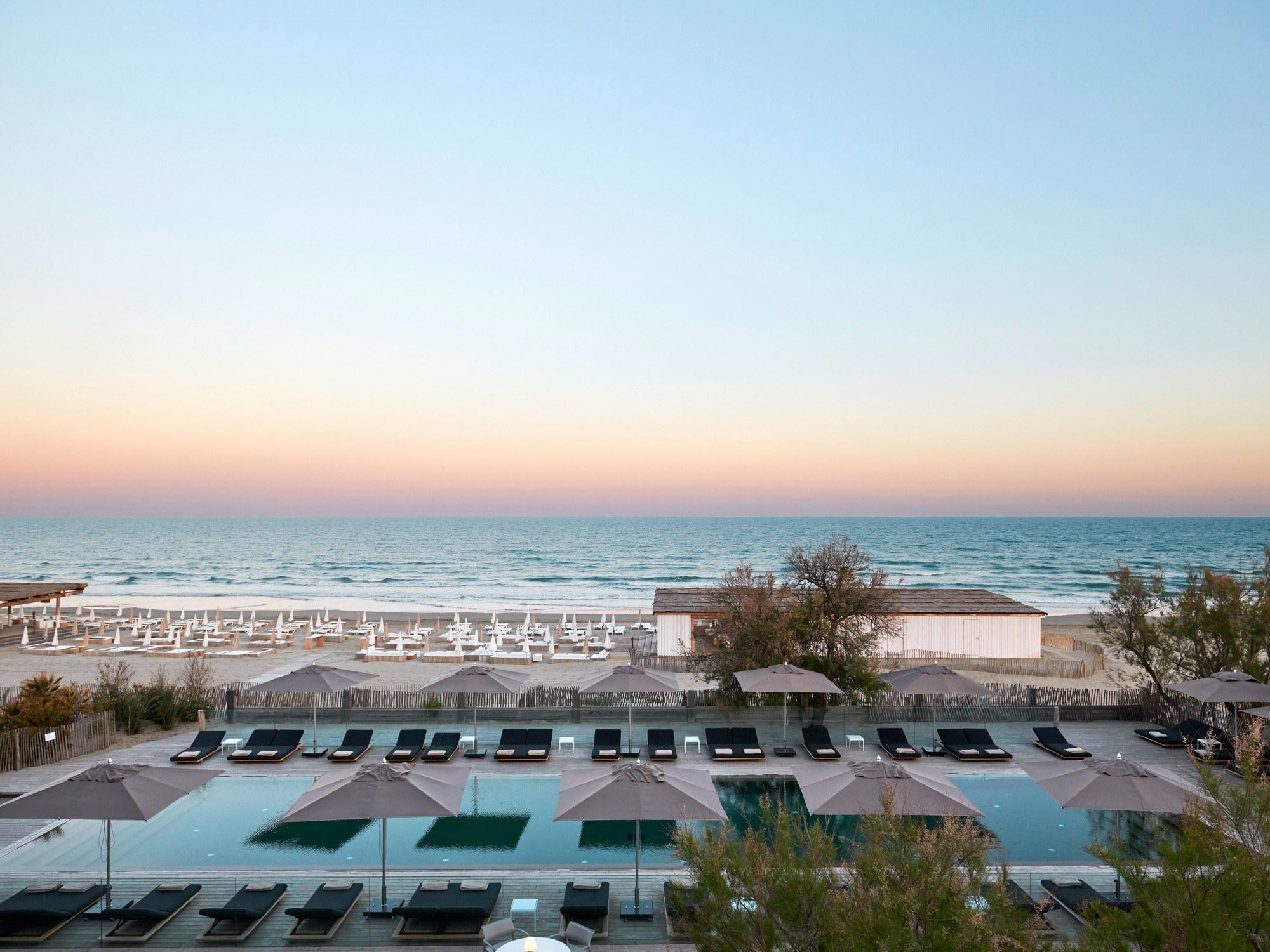
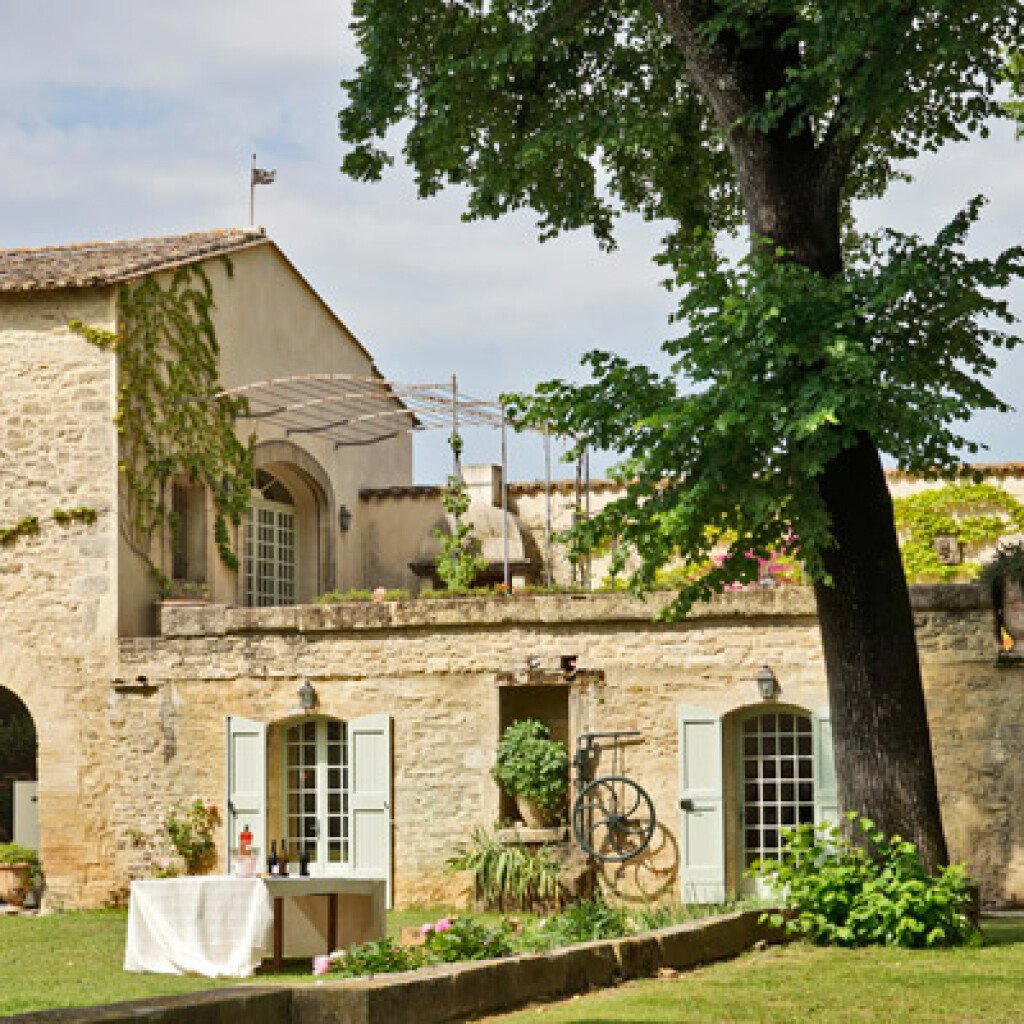
Warm, comfortable, and musical atmosphere with live jazz performances; stone-walled interior with a lively yet welcoming energy; spacious terrace with waterfront views.