Bratschtall Manala

Star Wine List
Our verdict
In the cobbled heart of Kaysersberg, Bratschtall Manala is the Viaux family's answer to honest Alsatian cooking: terrace tables open through all seasons, a kitchen rooted in valley produce, and the kind of straightforward generosity that makes it a reliable counterpoint to the town's higher-end tasting-menu circuit. The room runs at its own unhurried pace, and that is precisely the point.

Pearl is the En Primeur Club membership app, where members save venues, book tables and use the concierge.
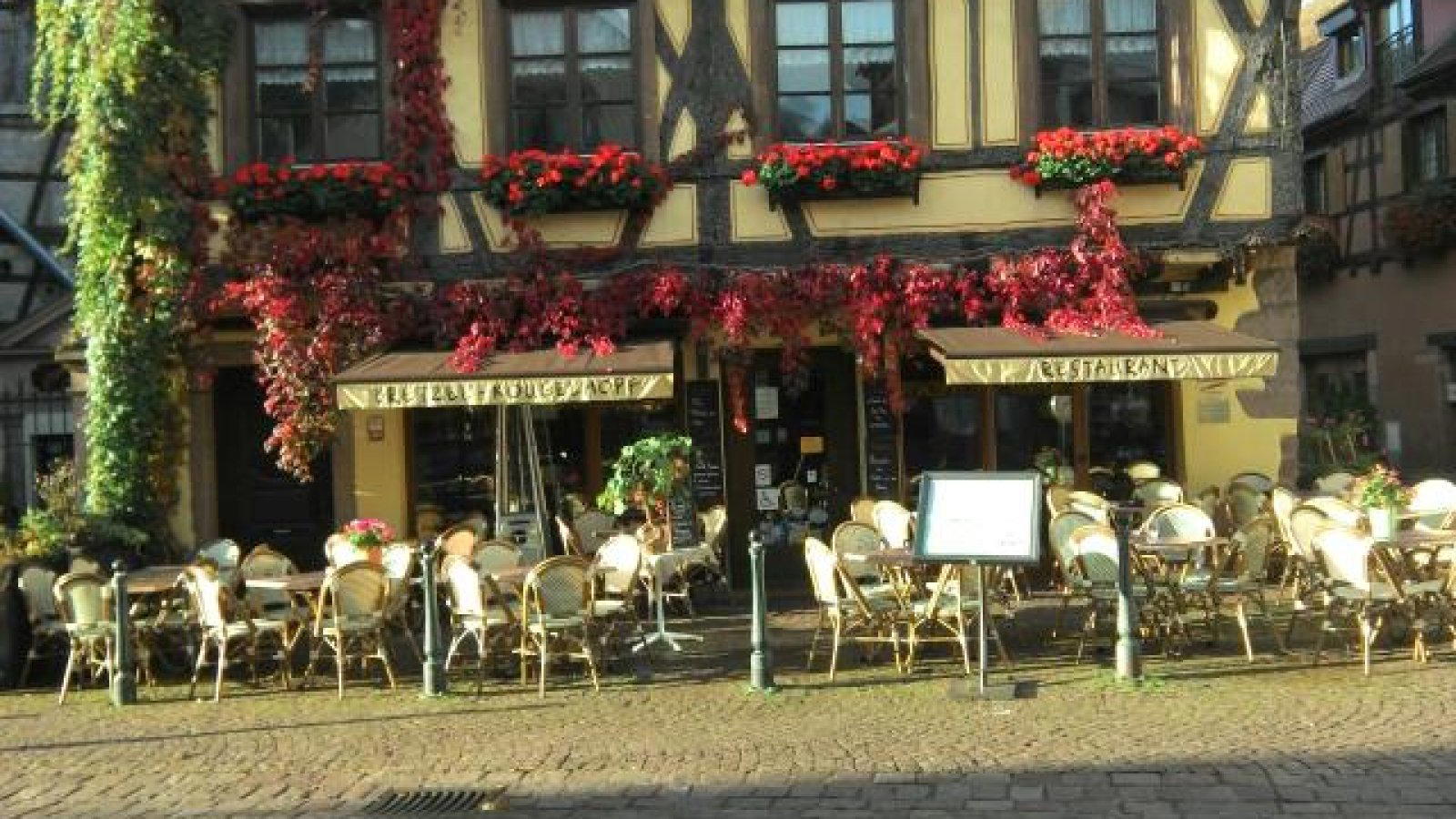
The Terrace on Rue du Général de Gaulle
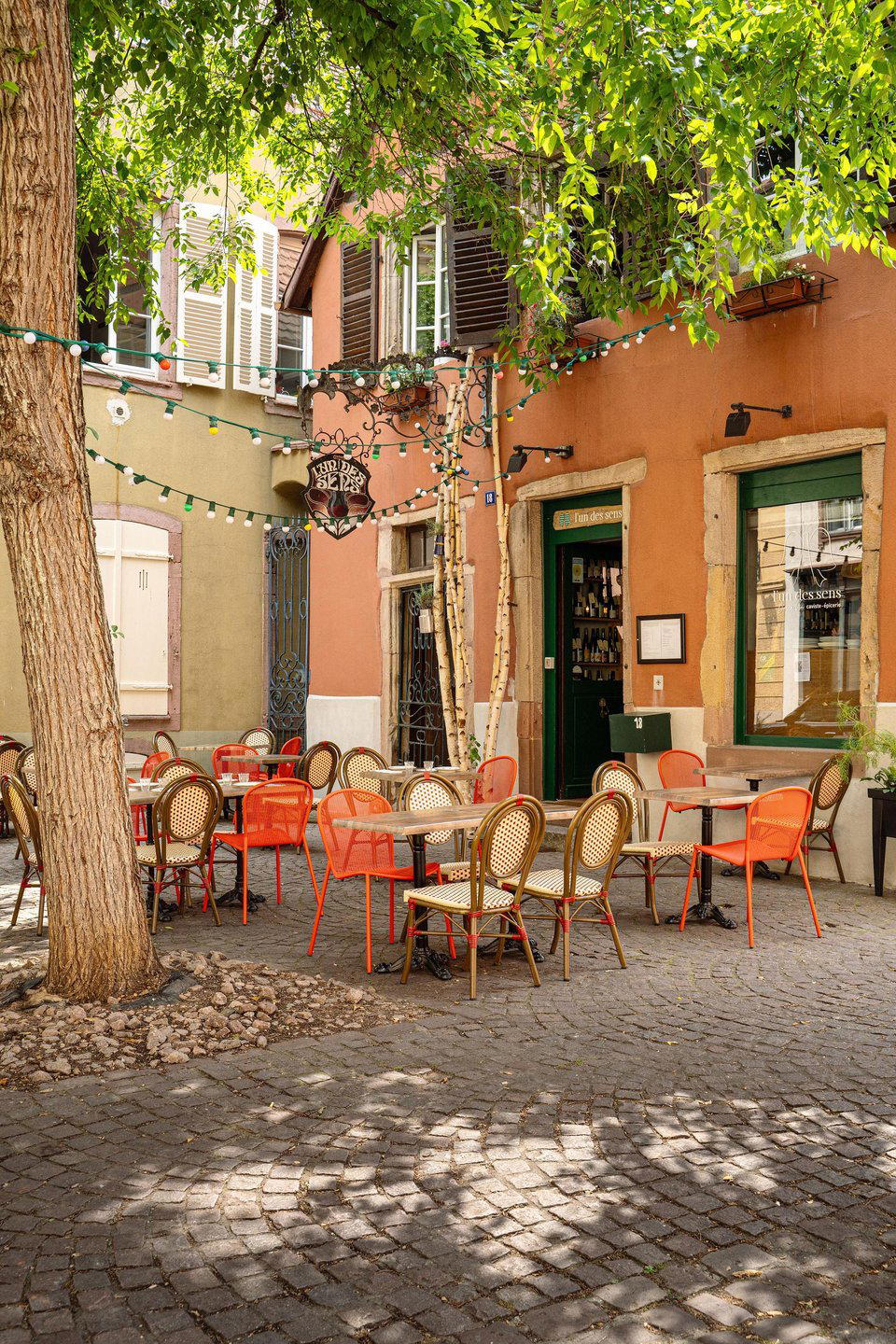
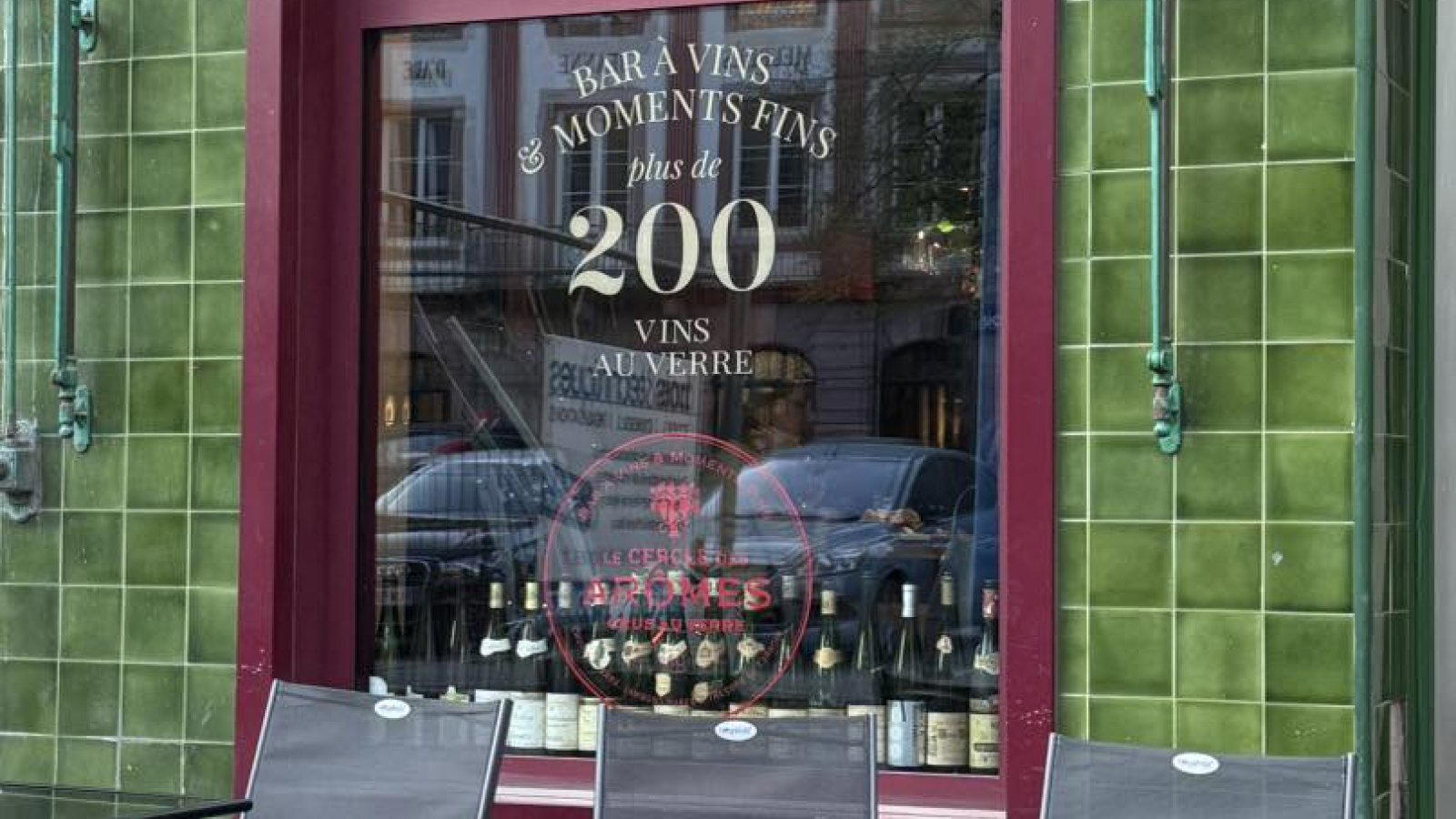
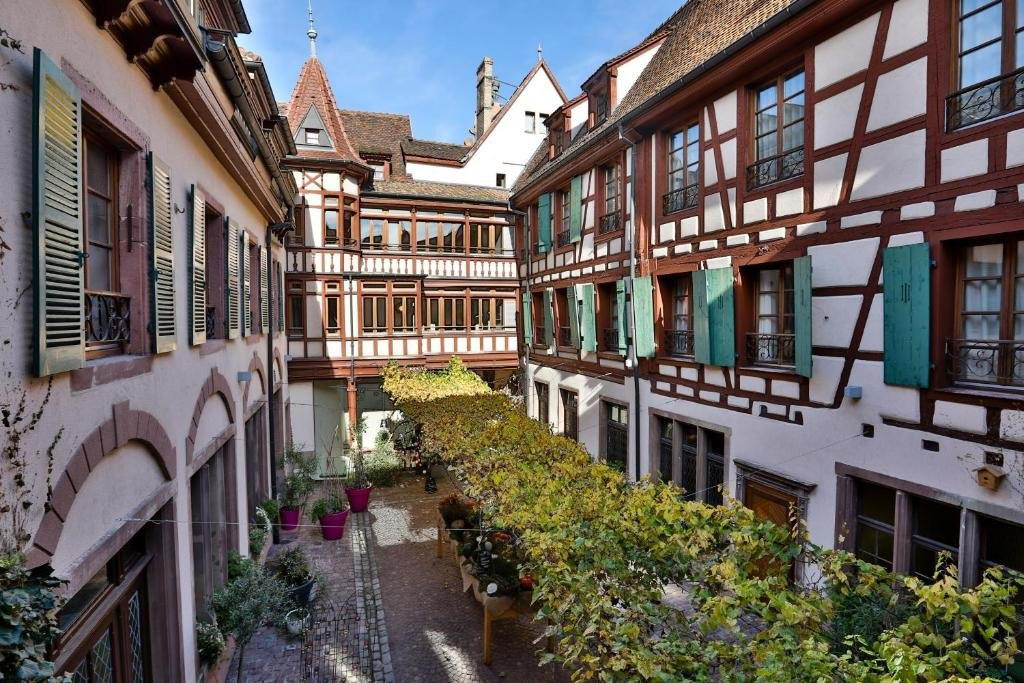
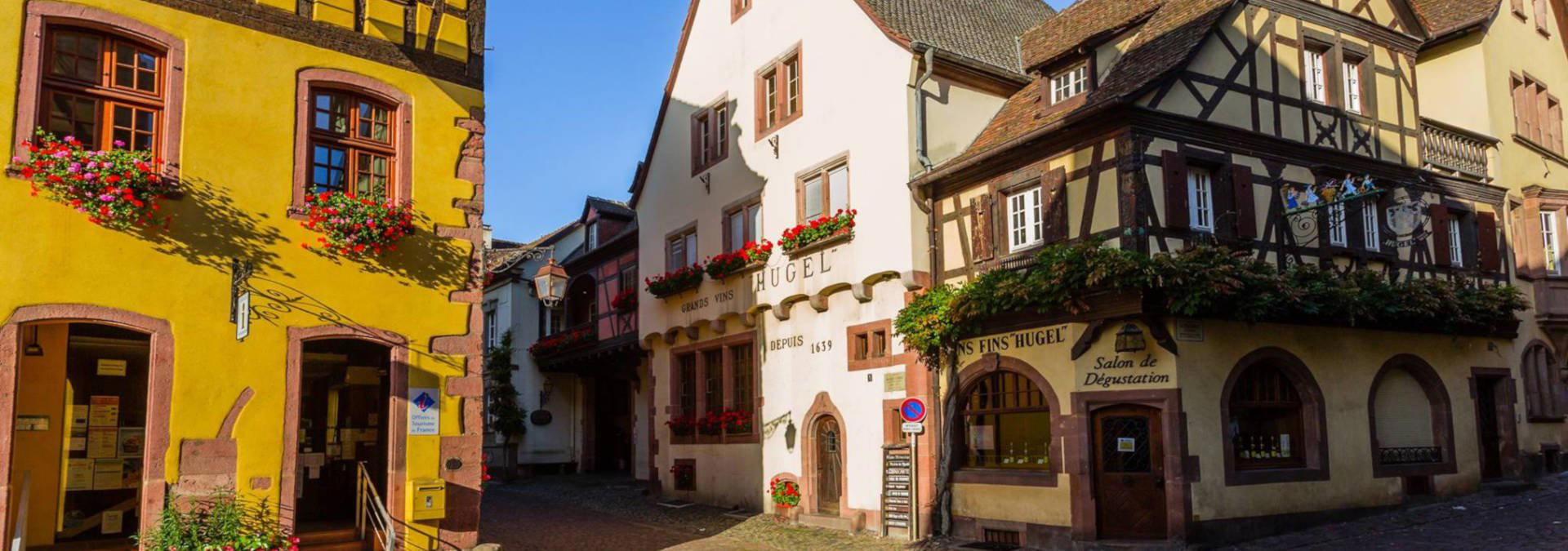
Kaysersberg is a small town that punches considerably above its weight in formal dining. Within a short walk of Bratschtall Manala's address at 104 Rue du Général de Gaulle, you can find La Table d'Olivier Nasti operating at the €€€€ tier and Alchémille doing the same. That concentration of ambitious, technically demanding cooking is rare for a village of this size, and it creates a specific gravitational pull: visitors often arrive expecting the formal register and nothing else. Bratschtall Manala occupies a different position in that ecosystem. Its terrace faces the street in the lively, cobbled part of town, and it is designed to be used at any hour, in any weather, which already tells you something about the philosophy here.
What Valley Cooking Actually Means
The phrase "hearty cuisine deeply rooted in its valley" appears in almost every written account of this address. It is worth unpacking what that means in practice in Alsace, because the tradition it references is specific and well-documented. The Rhine plain and the Vosges foothills to its west have historically produced a dense, produce-driven food culture: choucroute built on fermented local cabbage, tarte flambée from farmhouse wheat, game from the upland forests, freshwater fish from the Ill and its tributaries, and pork preparations that pre-date refrigeration as a preservation technique. This is not a cuisine that abstracts its ingredients or borrows from outside the region. It announces where it comes from with every dish. Bratschtall Manala draws from that lineage in the same way Winstub du Chambard does at its €€ tier, a register that prioritises abundance and directness over architectural plating.
The contrast with restaurants that sit at the opposite end of the sourcing conversation is instructive. Kitchens like Mirazur in Menton or Flocons de Sel in Megève have built their reputations around translating regional produce through a transformative, high-technique lens. The winstub and bratschtall tradition does something different: it argues that the most honest way to communicate the character of a valley is to cook from it without elaborate mediation. That argument has its own integrity, and in a town like Kaysersberg it reads as a deliberate cultural statement rather than a lack of ambition.
The Viaux Family and the Bratschtall Tradition
Family-run rooms of this type are not incidental to Alsatian food culture; they are the structure through which village cuisine has always been transmitted. The bratschtall format, a term rooted in Alsatian dialect, historically describes a semi-informal eating house, somewhere between the formality of a gastronomic restaurant and the purely social function of a bar. The Viaux family's version on Rue du Général de Gaulle sits within that tradition, running a terrace operation that functions as a genuine neighbourhood anchor rather than a tourist-facing attraction. That distinction matters: the former requires consistency across local regulars who eat there repeatedly, while the latter can survive on novelty alone. The evidence of the latter is a kitchen that has maintained its identity in a street dominated by higher-profile dining addresses.
For reference on how French regional cooking of this type fits into a broader national conversation, the through-line runs from operations like Auberge de l'Ill in Illhaeusern, a generational Alsatian institution, down through the village-scale family rooms that keep the everyday version of that tradition alive. Bratschtall Manala belongs to the latter tier, without apology.
Where It Sits in Kaysersberg's Dining Picture
Kaysersberg's restaurant offer is concentrated enough that it is worth mapping clearly. At the leading end, La Table d'Olivier Nasti and Alchémille both operate at €€€€ with formal tasting formats. Le Chambard covers the French Alsatian register with hotel backing. At the €€ tier, La Vieille Forge works a modern cuisine angle, while Winstub du Chambard anchors the traditional Alsatian end. Bratschtall Manala fits closest to the winstub register: generous portions, regional recipes, and pricing that does not require a special-occasion budget. For a town where dinner for two at the leading end can run well above €200 per head, that matters to how you plan a two or three-day visit. See our full Kaysersberg restaurants guide for a complete picture of how these tiers sit alongside each other.
The broader Kaysersberg experience extends beyond the table. Wine touring in the surrounding Alsace Grand Cru vineyards is direct from the town centre, and the village is on the Route des Vins d'Alsace, which runs between Marlenheim in the north and Thann in the south. Our full Kaysersberg wineries guide covers the producers worth visiting. For accommodation context, our Kaysersberg hotels guide maps the options, and the bars guide and experiences guide fill in the rest of the itinerary.
It is also worth noting that the French regional cooking tradition Bratschtall Manala draws from has produced some of the country's most celebrated tables. Kitchens like Troisgros in Ouches, Bras in Laguiole, and Alléno Paris au Pavillon Ledoyen have all, in different ways, built on the argument that French terroir is a legitimate foundation for serious cooking. The bratschtall format does not operate at that level of ambition or price point, nor does it try to. But it shares the same foundational premise: that the valley provides, and the kitchen's job is to honour that rather than obscure it.
Planning Your Visit
Bratschtall Manala is at 104 Rue du Général de Gaulle in Kaysersberg Vignoble, in the active, walkable core of the village. The terrace operates across seasons, which makes it a practical option when Kaysersberg's more formal rooms are booked solid, as they frequently are during the December Christmas market period and across the summer wine-touring months. For those pairing the town's dining circuit across multiple meals, this address functions as an accessible, no-ceremony option that can anchor lunch while the evening slot goes to a longer tasting format. For the broader Kaysersberg dining picture, our full restaurant guide covers the complete range of options across tiers.
Frequently asked questions
Is Bratschtall Manala okay with children?
The Viaux family operates a terrace open across seasons and hours, which points to a relaxed, all-comers format rather than a formal dining room with restrictions. Hearty, valley-rooted Alsatian cooking of this type has historically served multigenerational tables in the region. Families visiting Kaysersberg's walkable centre on Rue du Général de Gaulle will find the setting fits that kind of visit.
Is Bratschtall Manala formal or casual?
Casual, without qualification. The terrace operates at any hour and in any weather, which signals a come-as-you-are approach consistent with the winstub tradition in Alsace. The Viaux family's style sits firmly in the convivial, filling-your-stomach end of Kaysersberg's dining offer, well below the formality of La Table d'Olivier Nasti a short walk away.
What distinctions does Bratschtall Manala have?
Bratschtall Manala has received recognition including: In the lively, cobbled suburbs of Kaysersberg, the Viaux family serves hearty cuisine deeply rooted in its valley. You can sit on the terrace at any hour and in any weather, to fill your stomach and r....
What dish is Bratschtall Manala famous for?
The Viaux family's kitchen draws from that regional canon rather than from a modernist or fusion frame.
Where is Bratschtall Manala in Kaysersberg?
Bratschtall Manala is located at 104 Rue du Général de Gaulle, 68240 Kaysersberg Vignoble, France, Kaysersberg.
Can I walk in to Bratschtall Manala?
The terrace is described as accessible at any hour and in any weather, which suggests walk-in dining is part of how this address operates day-to-day. That said, Kaysersberg draws significant visitor numbers, particularly in summer and during the Christmas market season, so arriving early or outside peak hours is practical. No booking contact is currently documented.
What is Bratschtall Manala known for?
Bratschtall Manala is known as a family-run address serving hearty, valley-rooted Alsatian cooking in the cobbled heart of Kaysersberg at 104 Rue du Général de Gaulle. The Viaux family's approach belongs to the winstub tradition, filling, generous, and grounded in the village rather than in the formal fine-dining circuit that Kaysersberg also sustains. The open terrace, available across seasons, is central to the venue's identity.
Comparable Spots, Quickly
Comparable venues nearby, for context on price, style, and recognition.
| Venue | Cuisine | Price | Awards | Notes |
|---|---|---|---|---|
| Bratschtall ManalaThis venue (the venue you are viewing) | Traditional Alsatian Bistro | $20–30 | Star Wine List | Not listed |
| Flamme & Co | Modern Alsatian Flammenkuchen | $20–30 | Not listed | Kaysersberg Vignoble |
| Le Chambard | Traditional Alsatian Winstub | $50–100 | La Liste Top Restaurants · Relais Chateaux Award | Kaysersberg |
| Winstub du Chambard | Traditional Alsatian Winstub | $30–50 | Michelin Bib Gourmand · Star Wine List | Kaysersberg |
| La Vieille Forge | Modern Alsatian French Bistro | $50–100 | Michelin Bib Gourmand | Kaysersberg |
| Alchémille | Modern French Nature-Driven Fine Dining | $150–200 | 1 Michelin Star · We're Smart World 5 Radishes | Kaysersberg |
Recognition history
Dated appearances from independent guides and award organizations, with the underlying list record or original source where available.
Star Wine List
Star Wine List
Continue exploring
More in Kaysersberg
Restaurants in Kaysersberg
All restaurants in Kaysersberg →
Bars in Kaysersberg
Browse all →
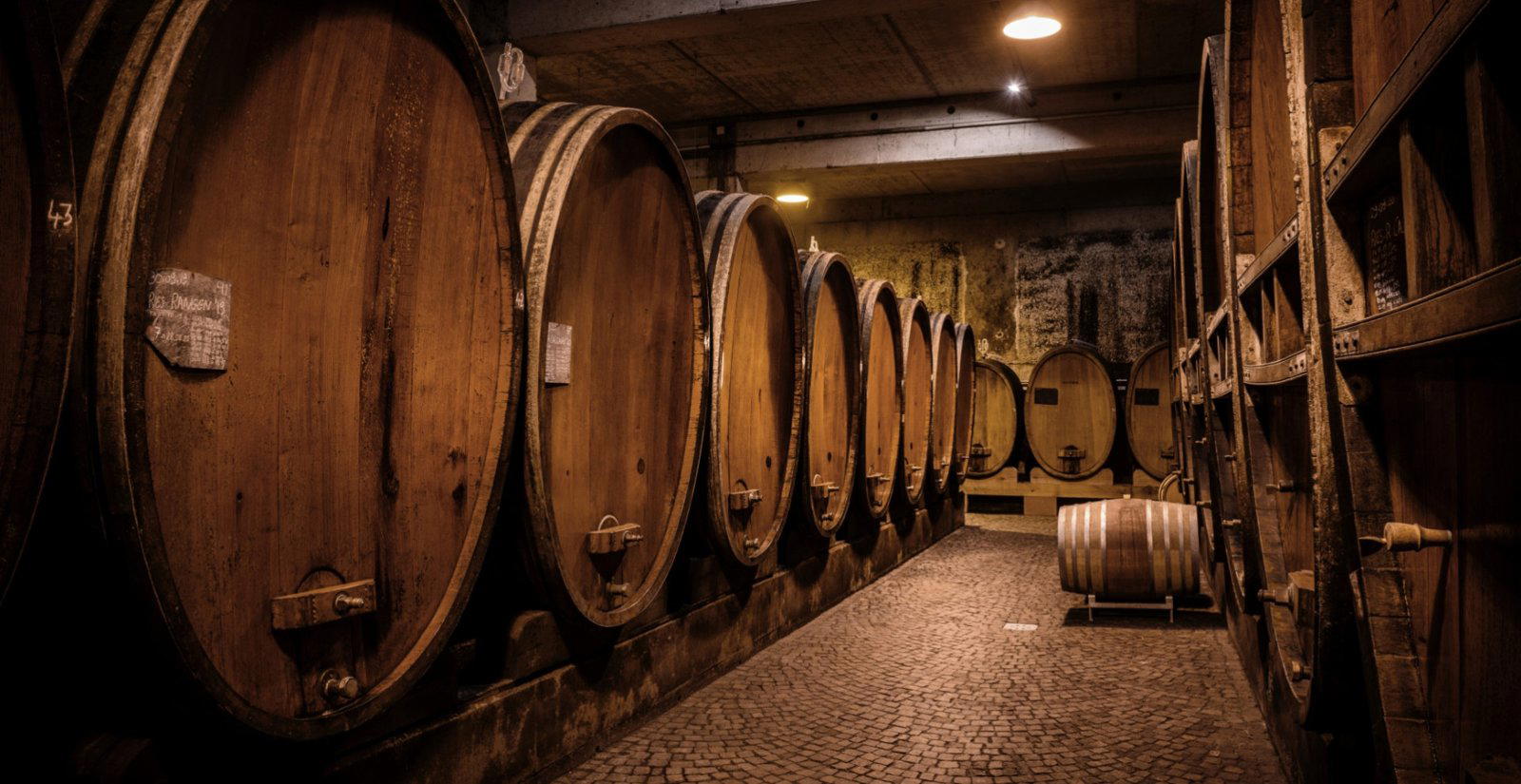
Bratschtall Manala
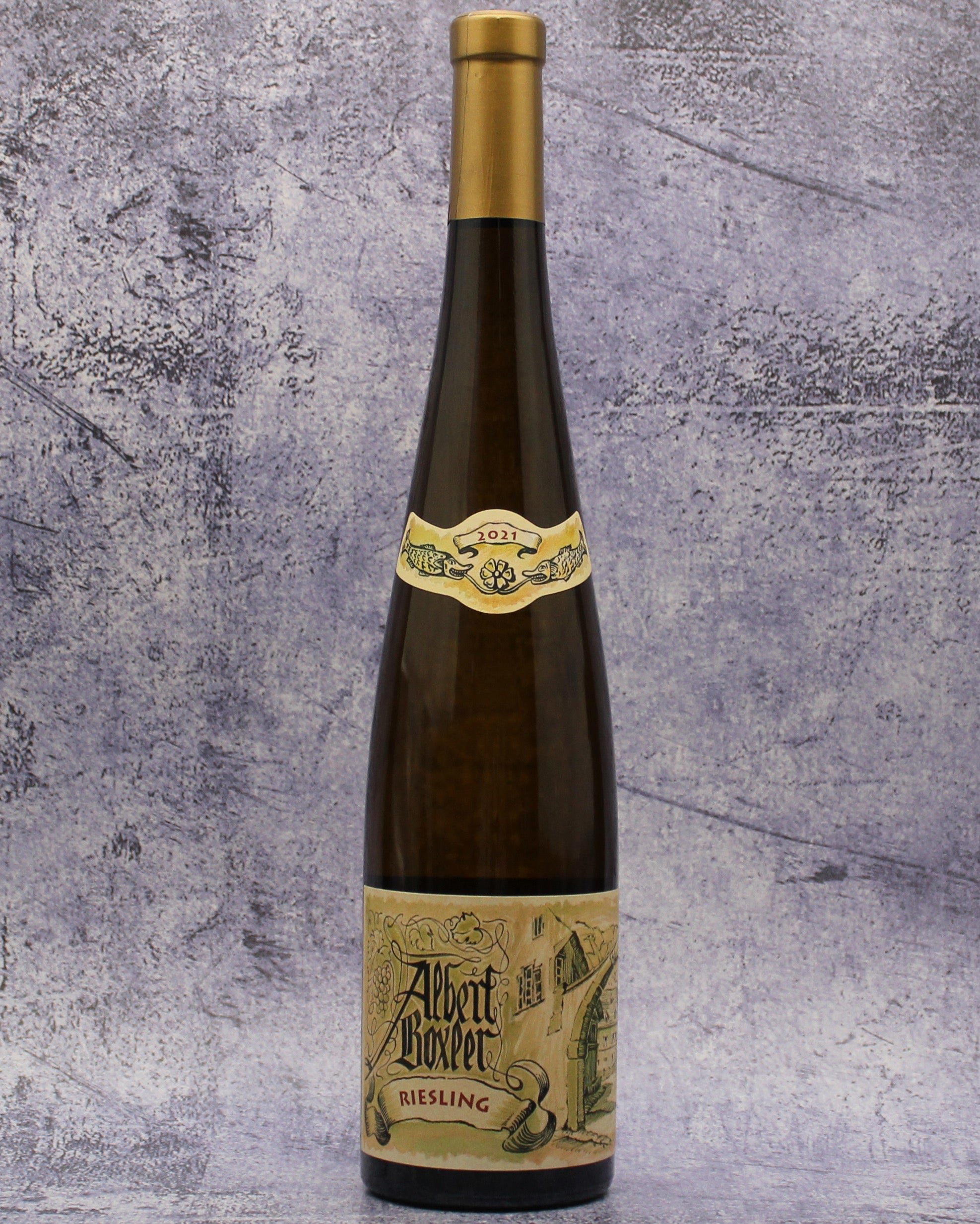
The wine
- Wine program
- Deep wine list
- Extensive wine list
- Natural wine
Details
- Rustic
- Cozy
- Classic
- Family
- Casual Hangout
- Terrace
- Extensive Wine List
- Natural Wine
- Local Sourcing
- Street Scene
- A La Carte
- Alsace Wines
- Vegetarian Friendly
- Gluten Free Options
Current opening hours
- Monday
- Closed
- Tuesday
- Closed
- Wednesday
- 9 AM–9 PM
- Thursday
- 9 AM–9 PM
- Friday
- 9 AM–9 PM
- Saturday
- 9 AM–9 PM
- Sunday
- 9 AM–9 PM
Hours can change for holidays and private events. Hours as of .
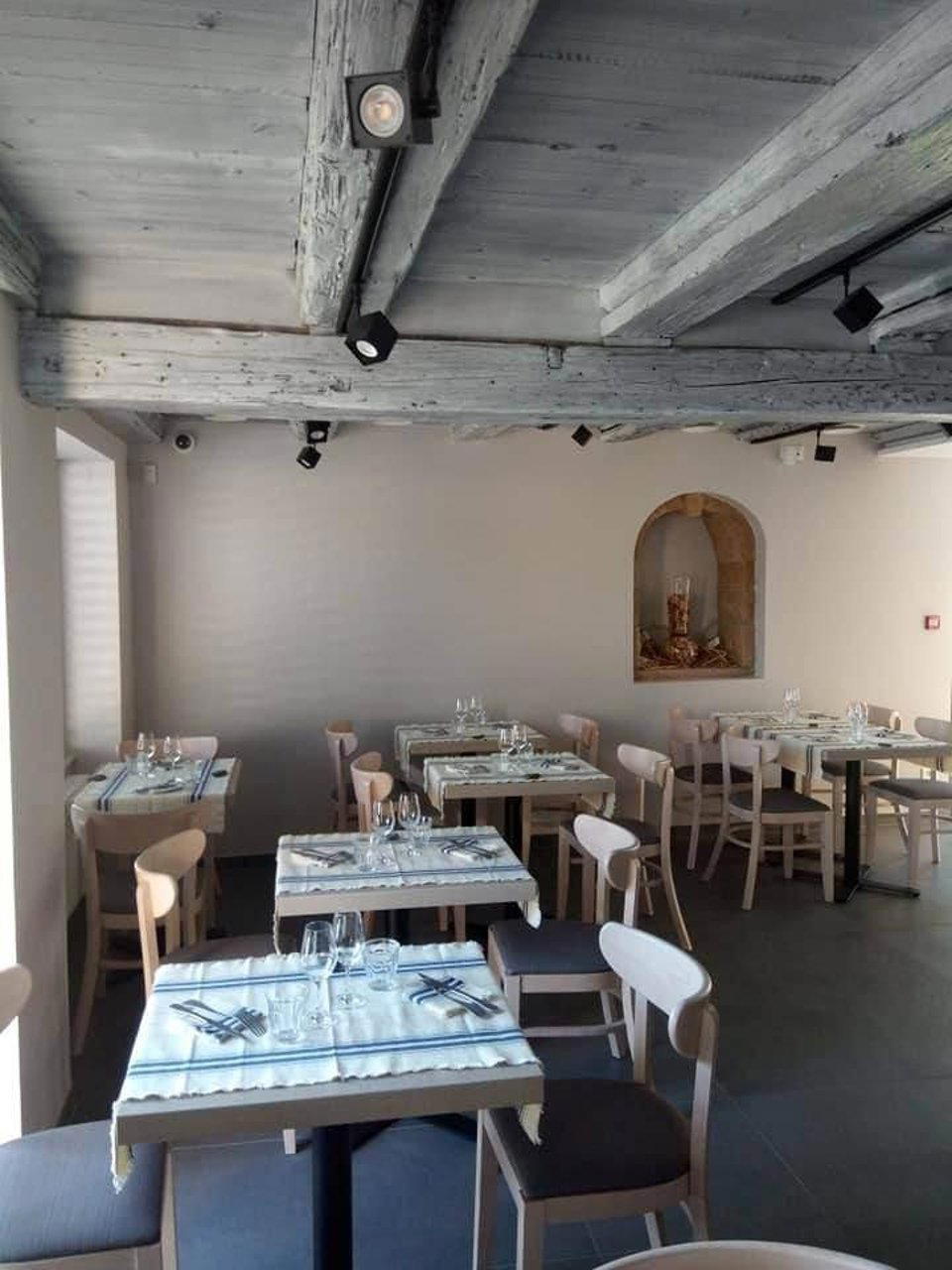
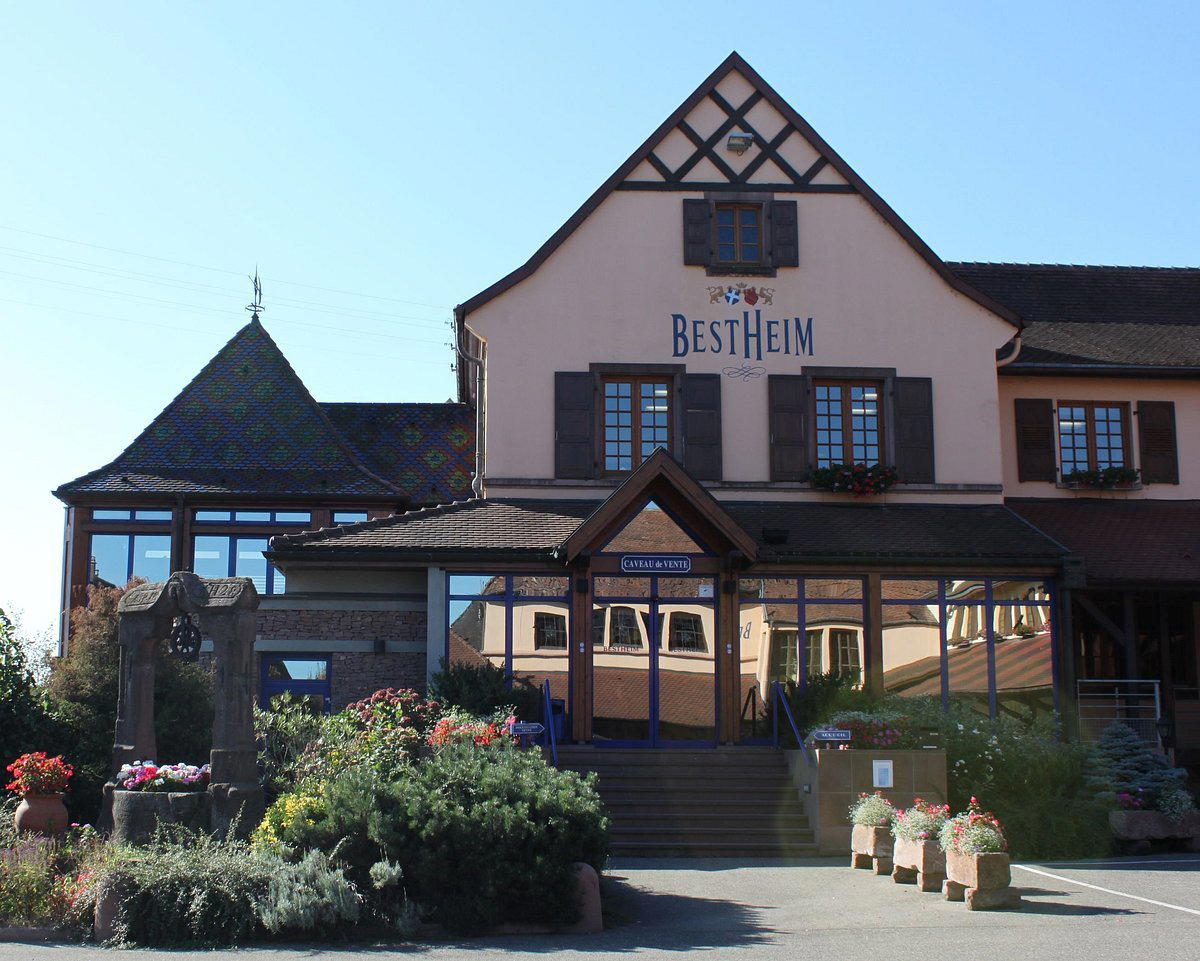
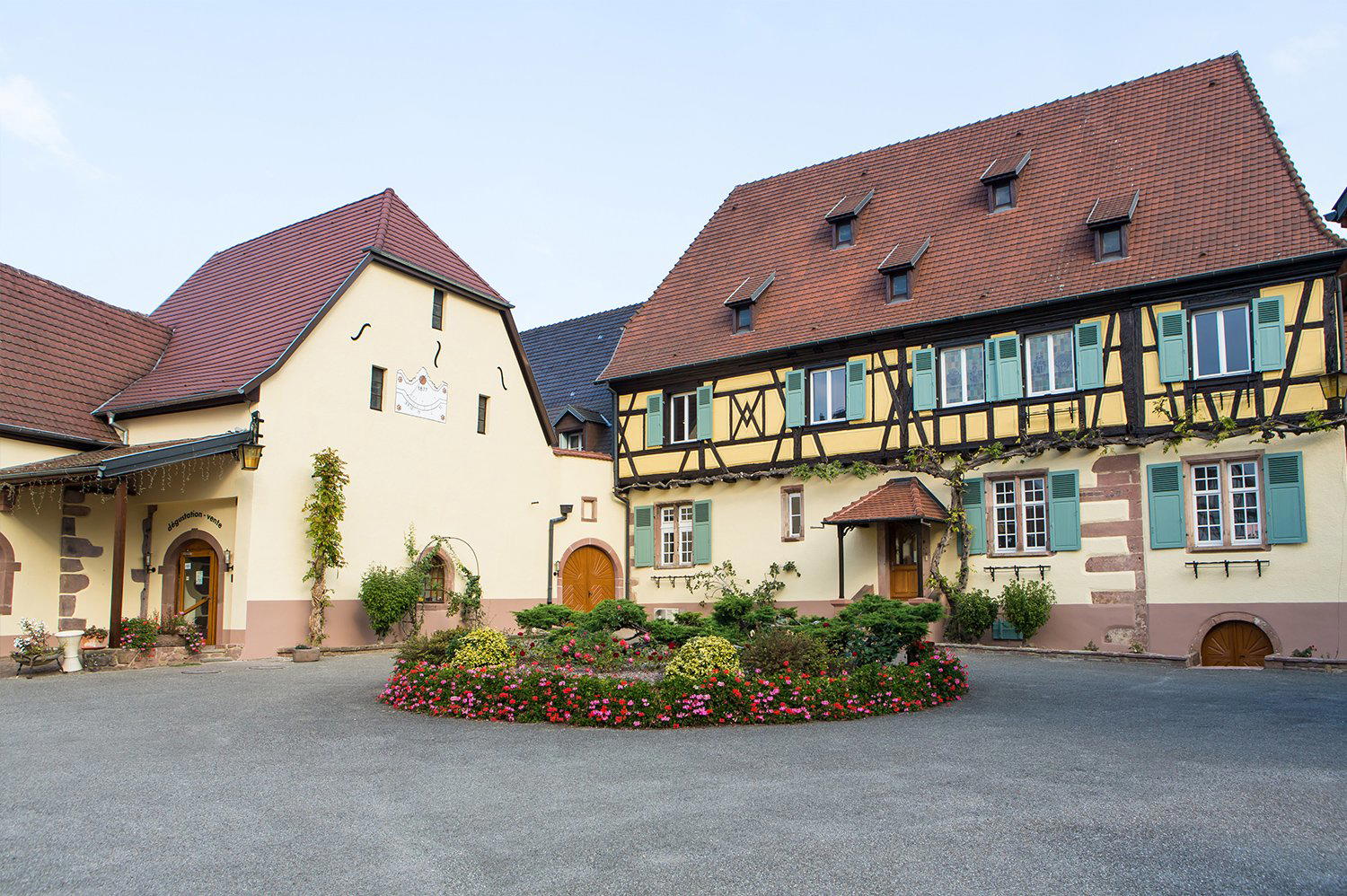
Bistro atmosphere with typical Alsatian decor warm and welcoming lively during peak times.