
SCMP 100 Top Tables Restaurants
Our verdict
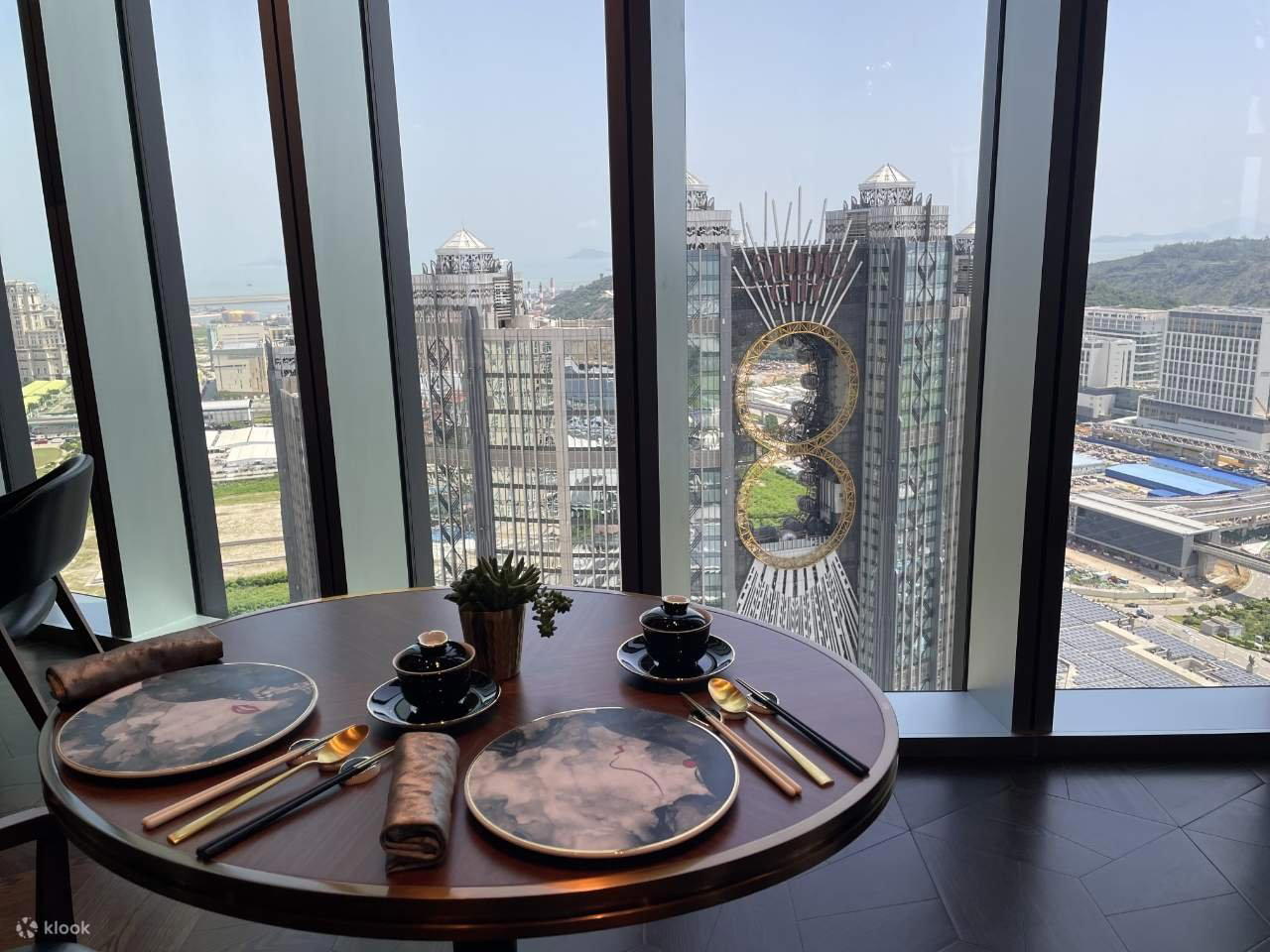
Diva places the formal dining ritual high above Cotai, inside Studio City Macau, where the city’s resort-dining culture turns meals into paced occasions rather than casual stops. Its value sits in that high-rise setting, daily lunch-and-dinner rhythm, and one-award recognition, with the broader Macau context spanning Cantonese ceremony, Portuguese inheritance, Japanese precision, and casino-resort fine dining.

Pearl is the En Primeur Club membership app, where members save venues, book tables and use the concierge.
The menu
What to order
- Dragon Boat pork dumplings
- Honey-glazed Spanish black pork char siu
- Deep-fried Handbag Puffs
- Mega Crispy Buns
- Stir-fried abalone with black truffle sauce
Arriving for a meal at Diva changes the tempo before the first course. Macau’s premium restaurant culture often begins with ceremony: hotel corridors, polished thresholds, and the sudden shift into a room built for controlled pacing. At Diva, that sense of arrival matters. Macau’s premium restaurant culture is unusually tied to architecture, because many serious tables sit inside large hospitality settings rather than street-level neighbourhoods. The meal begins with the city around you and the service choreography in front of you.
That setting places Diva within Macau’s polished dining tradition, where lunch and dinner are not simply time slots but different rituals. Midday service in Macau tends to favour composed, businesslike meals; evening service usually carries more ceremony, with longer pacing and a stronger sense of occasion. Diva is best understood as a room with that broader role rather than as a special-occasion-only name. The distinction matters in Macau, a city where restaurant identity is often shaped as much by timing and room culture as by cuisine label.
A polished dining room in a city built around ceremony
Macau’s restaurant scene has overlapping identities. One is local and inherited, shaped by the food culture of a port city and by the habits of celebratory dining. The other is imported through hotels and destination hospitality: formal service, disciplined pacing, and meal structures designed for international travellers. Diva belongs to that more polished category by setting and cadence, yet its usefulness to a visitor comes from understanding the wider city as well. A meal here reads differently after a day spent moving between older Macau and the city’s resort-driven dining zones.
The competitive frame is not a casual city restaurant. In Macau, dining rooms are asked to perform several jobs at once: host hotel guests, satisfy destination diners, and maintain enough polish to sit beside the city’s wider entertainment and hospitality infrastructure. That produces a particular etiquette. Meals move with more visible structure, staff presence is part of the room’s rhythm, and the dining decision is often planned rather than spontaneous. Diva’s SCMP 100 Top Tables 2026 recognition supports that positioning without turning the experience into trophy dining by default.
For readers mapping Macau by category, the contrast is useful. Other Macau dining rooms speak to the city’s local appetite at ground level, while still others show how international fine dining has been translated into polished hospitality form. Some rooms sit closer to a ceremonial model; others lean more casual or itinerary-led. Diva is best read through that larger spread: not as an isolated name, but as part of Macau’s habit of turning dinner into a staged sequence.
The meal is about pacing, not just plates
The dining ritual in Macau rewards attention to pace. Polished restaurants tend to compress travel, entertainment, and dinner into the same day, so the room has to manage transitions: arrival from the city or hotel setting, the first exchange with service, the handoff from menu to table, the slower middle of the meal, then the exit back into Macau’s bright machinery. In that context, a composed room offers distance from the rush outside, which is often the point. The ceremony is not only what happens on the plate; it is the act of stepping out of the current for a meal with sequence and control.
Because chef and cuisine details are not foregrounded here, the sharper editorial question is how Diva functions in the city’s dining map. It is a polished Macau address with formal-meal expectations and an award signal that separates it from purely convenience-led dining. That puts it in a more deliberate bracket than restaurants chosen only because they are nearby. The reader choosing between Macau rooms should think less in generic luxury terms and more in ritual terms: composed room, structured service, city context, and a meal planned as part of the day’s architecture.
Macau also rewards comparison by mood. Some dining rooms centre appetite and directness; others signal cross-cultural technique or a more experimental approach. The city’s resort and hotel rooms, including comparison addresses such as Kiku, La Chine, Lotus Palace, Gala, and Hundred Tastes Kitchen, point to how broad the dining range has become. Diva’s role is quieter: a polished room for diners who want the meal to feel composed from arrival to departure.
How to place it within a Macau dining itinerary
Diva makes the most sense when a polished Macau meal is already part of the day. Its setting means the restaurant naturally pairs with hotel stays, entertainment plans, or a dinner built around Macau’s hospitality circuit rather than a purely street-level evening. That matters because Macau is compact but not textureless; choosing between different parts of the city changes the night. One meal can feel tied to street life and historic layers, while another is more controlled, vertical, and hospitality-driven.
For a broader read on the city, use Diva as one point in a larger circuit rather than the whole story. The full Macau dining spread runs from local rooms and banquet houses to international, Japanese, grill, and hybrid formats; our full Macau restaurants guide is the natural map for that. Travellers building a complete itinerary may also need our full Macau hotels guide, our full Macau bars guide, our full Macau wineries guide, and our full Macau experiences guide to understand how dining, drinking, lodging, and entertainment fit together.
The wider EP Club archive shows how specific formats travel across cities: sake-bar focus, compact Japanese comfort, set-piece hot-pot or beef rituals, and Iberian or Latin-leaning informality all have their own grammar. Diva belongs to a different grammar: the polished Macau dining room where timing, setting, and ceremony shape the experience before the menu does.
Frequently asked questions
Is Diva open every day?
Check directly with Diva for current opening days and service times before planning a visit.
What awards or recognition does Diva have?
Diva is listed in SCMP 100 Top Tables 2026 - Restaurants.
What's the address for Diva?
Macau.
What makes Diva worth seeking out?
Diva’s clearest draw is its polished Macau setting and its place within the city’s more deliberate dining circuit. It is also recognised by SCMP 100 Top Tables 2026 - Restaurants, which gives it a clear editorial signal for diners comparing premium Macau rooms.
Can Diva adjust for dietary needs?
Diva is a sensible place to raise dietary needs when planning a meal.
Is Diva okay with children?
Diva’s polished Macau setting may work for families who are comfortable with a more formal meal. Check directly with the restaurant when booking if children are part of the party.
Cuisine-First Comparison
Side-by-side context: comparable cuisine and price.
| Venue | Cuisine | Price | Awards |
|---|---|---|---|
| DivaThis venue (the venue you are viewing) | Contemporary Cantonese in a cinematic Art Deco setting | $100–150 | SCMP 100 Top Tables Restaurants |
| Hundred Tastes Kitchen | Taiwanese | Not listed | Not listed |
| Lotus Palace | Contemporary Cantonese and Chinese Cuisine | $50–100 | Not listed |
| La Chine | Modern Cantonese | Not listed | Wine Spectator Best of Award of Excellence · Black Pearl 1 Diamond |
| Gala | Modern Spanish Mediterranean | $30–50 | Michelin Bib Gourmand · Macarfi 7 Food Rating |
| Kiku | Seasonal Japanese Sushi, Teppanyaki and Robatayaki | Not listed | Not listed |
Recognition history
Dated appearances from independent guides and award organizations, with the underlying list record or original source where available.
SCMP 100 Top Tables Restaurants
SCMP 100 Top Tables
Continue exploring
More in Macau
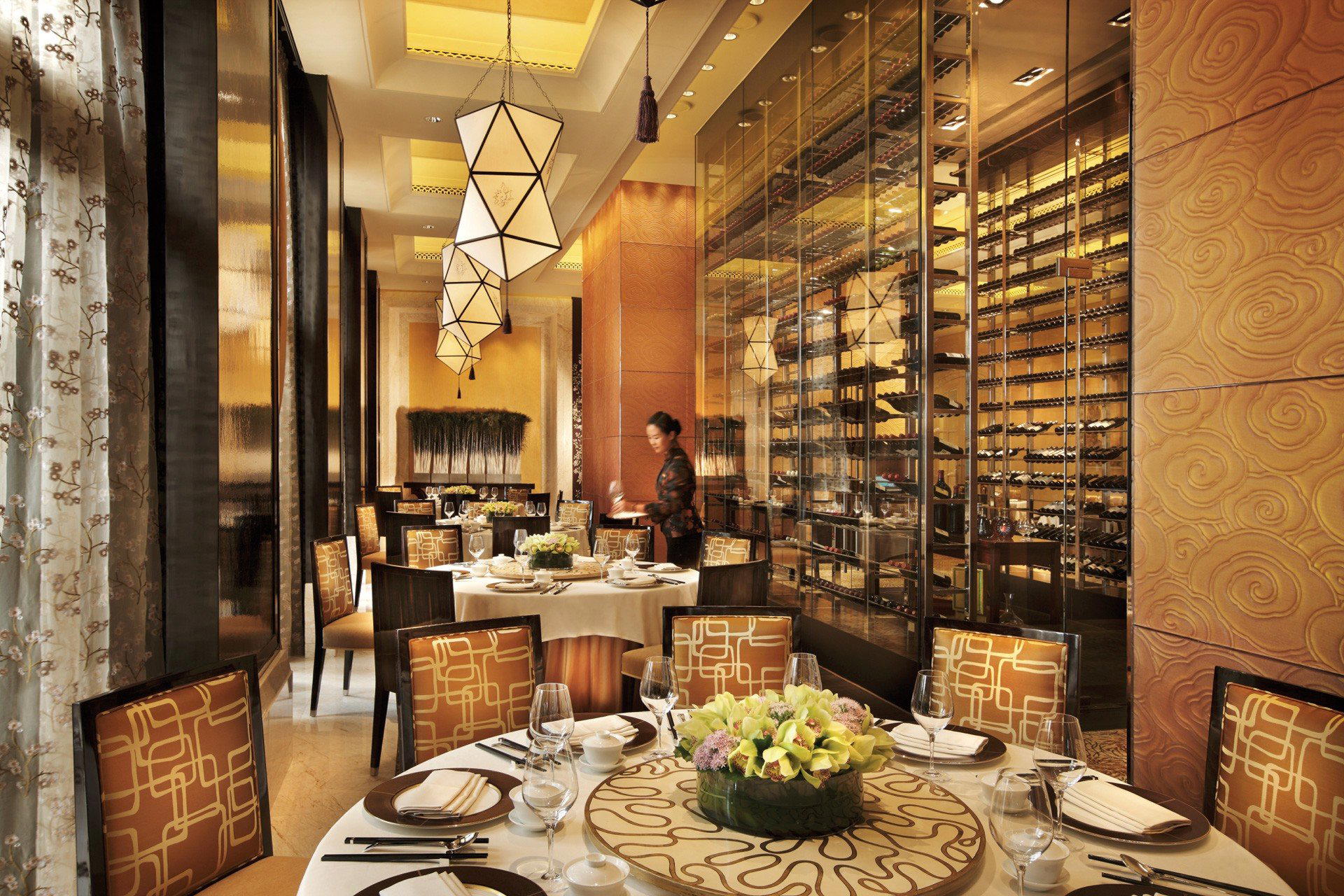
Restaurants in Macau
All restaurants in Macau →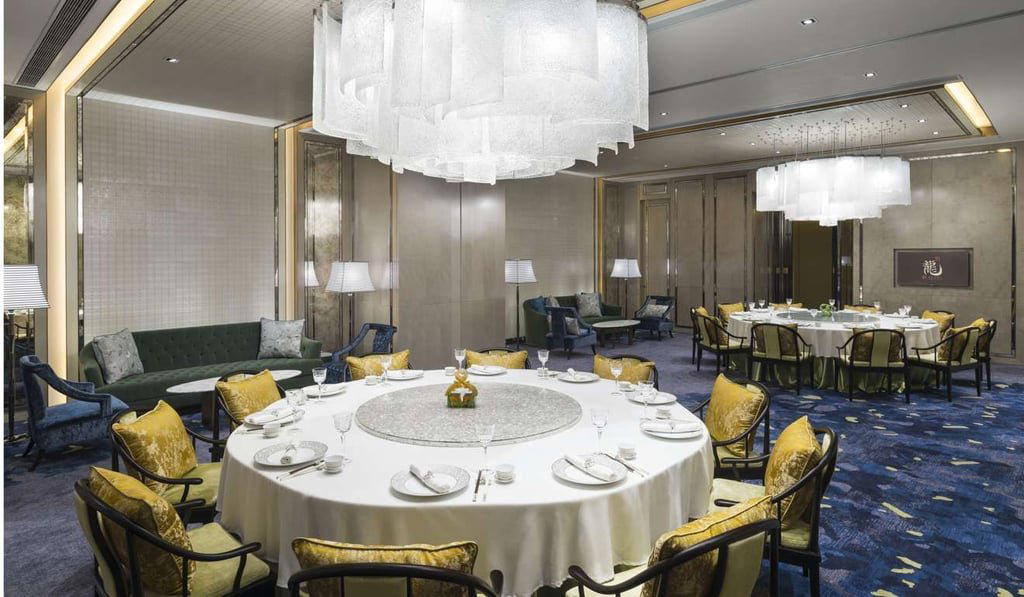
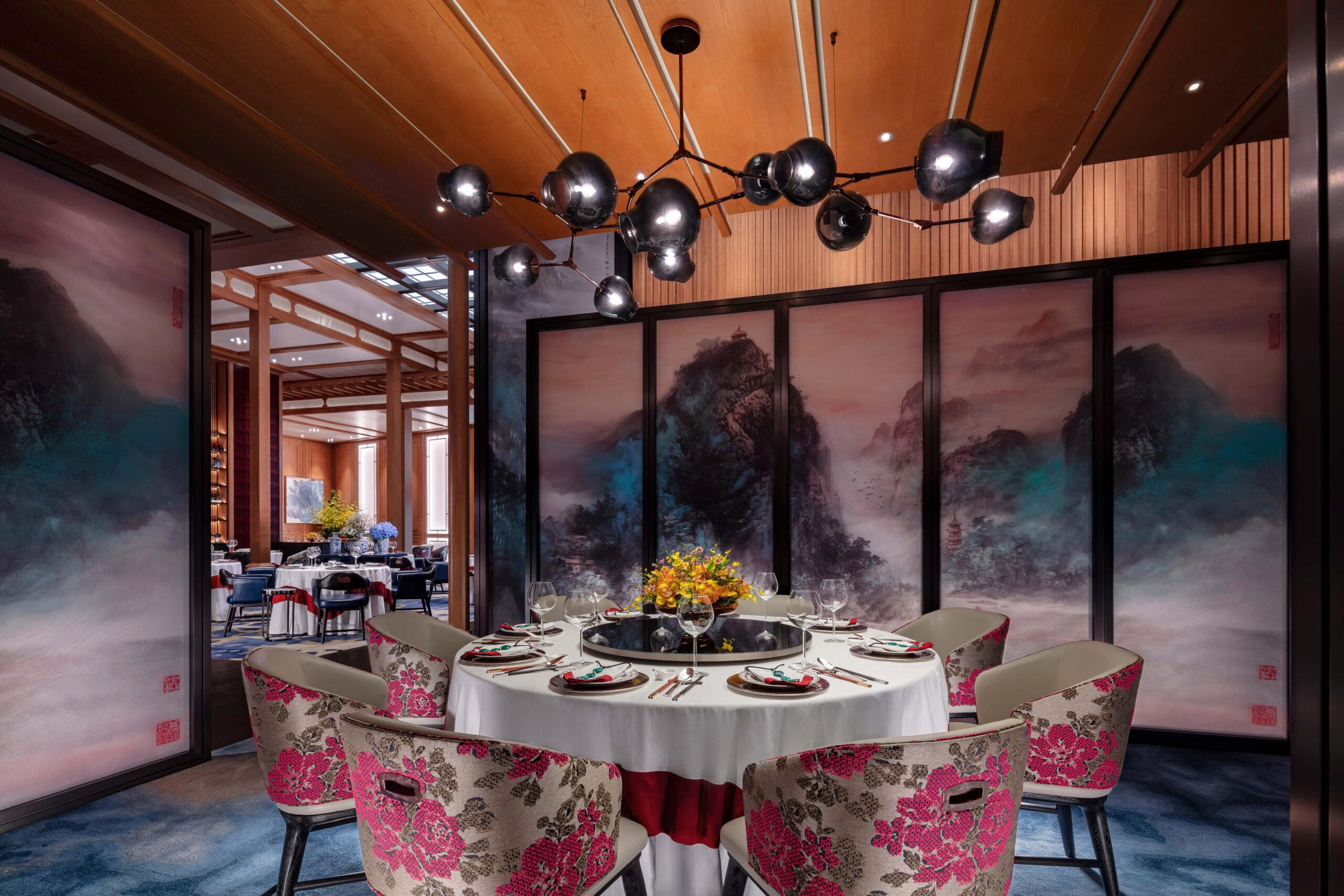
Bars in Macau
All bars in Macau →
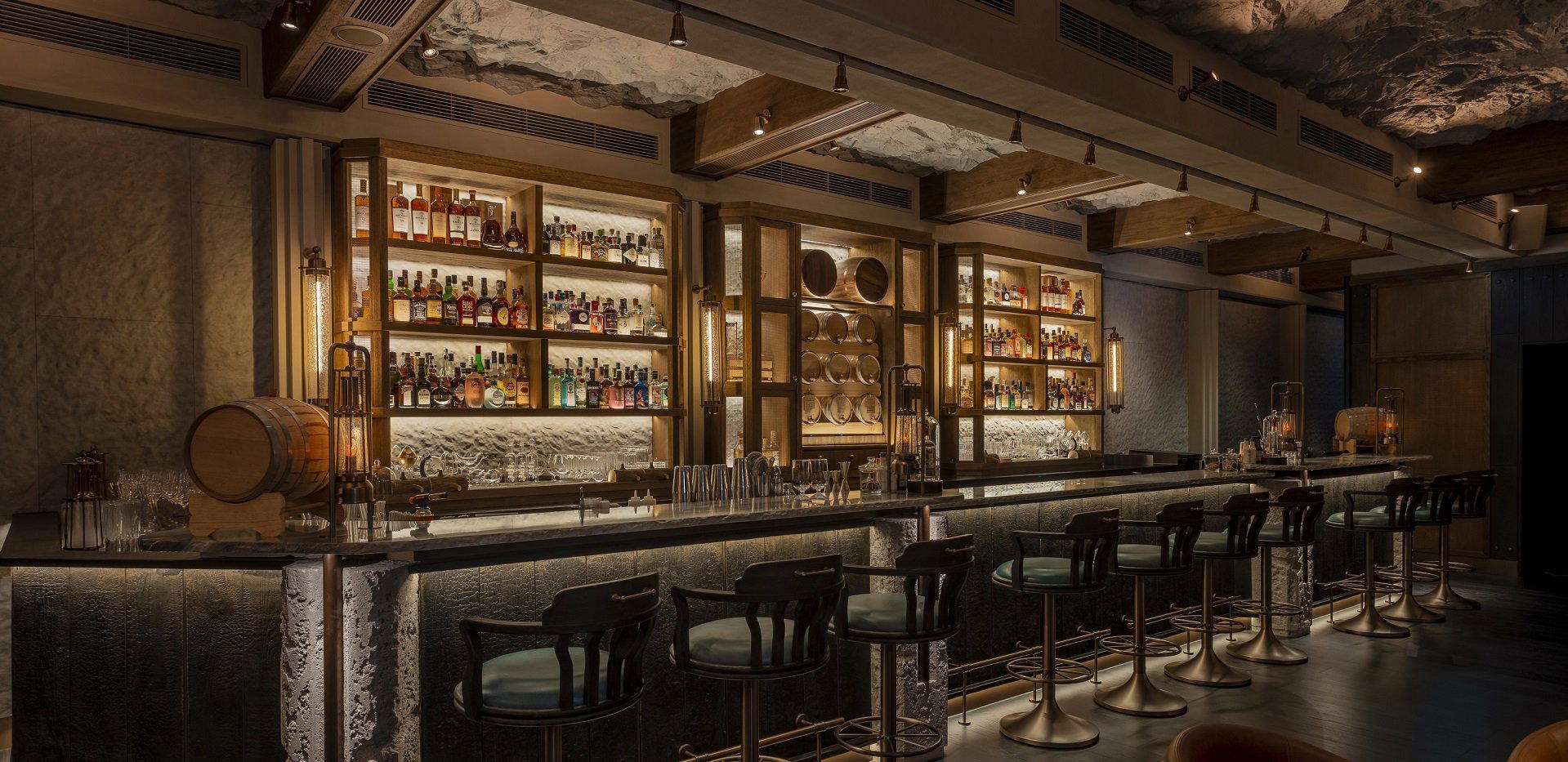
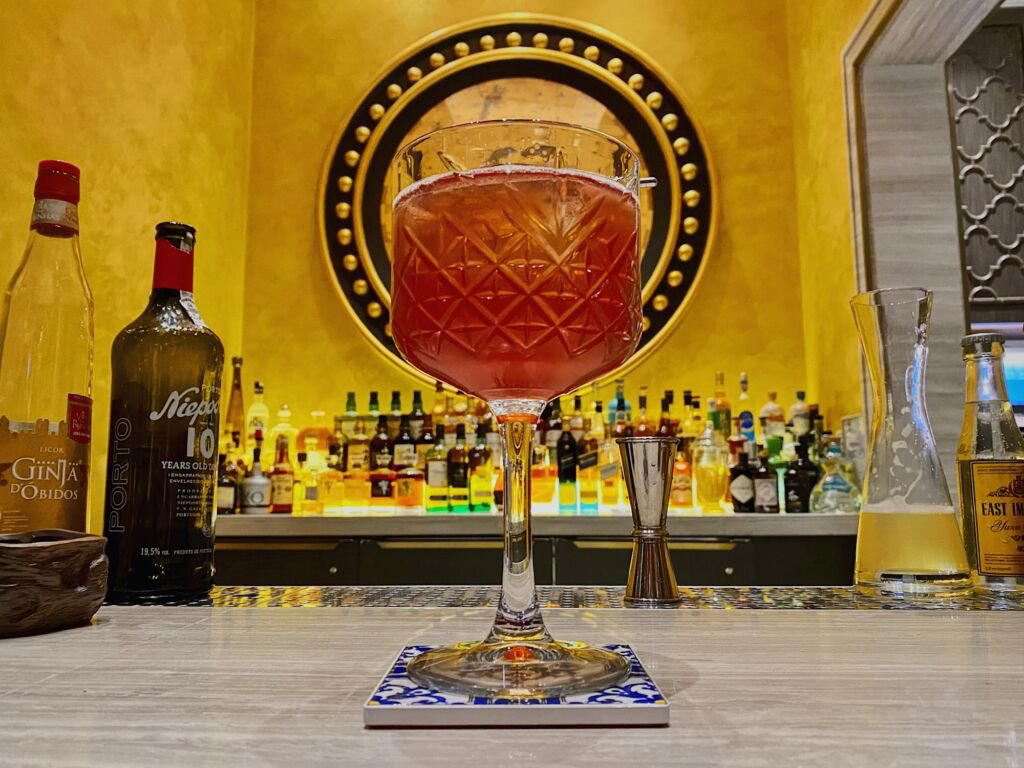
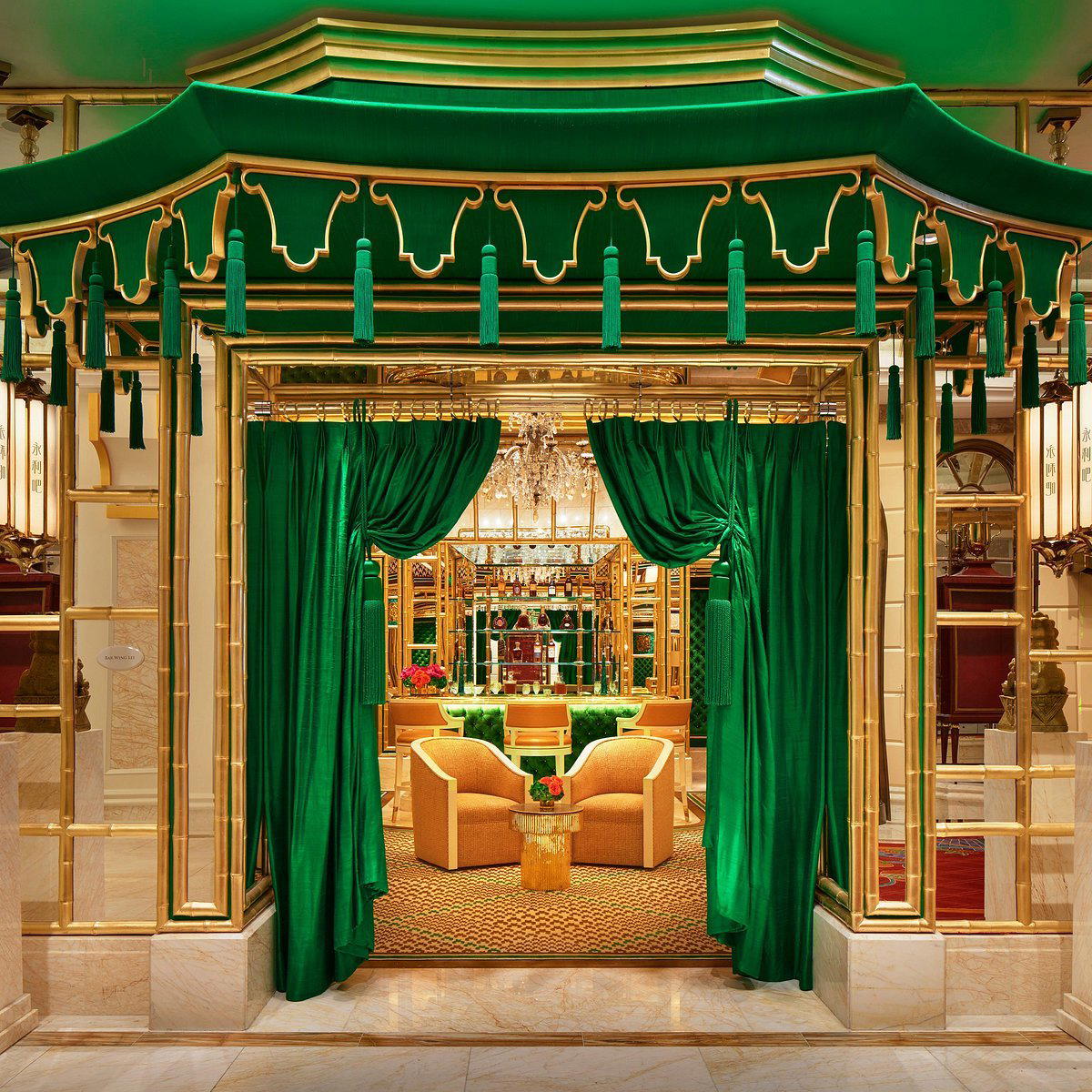
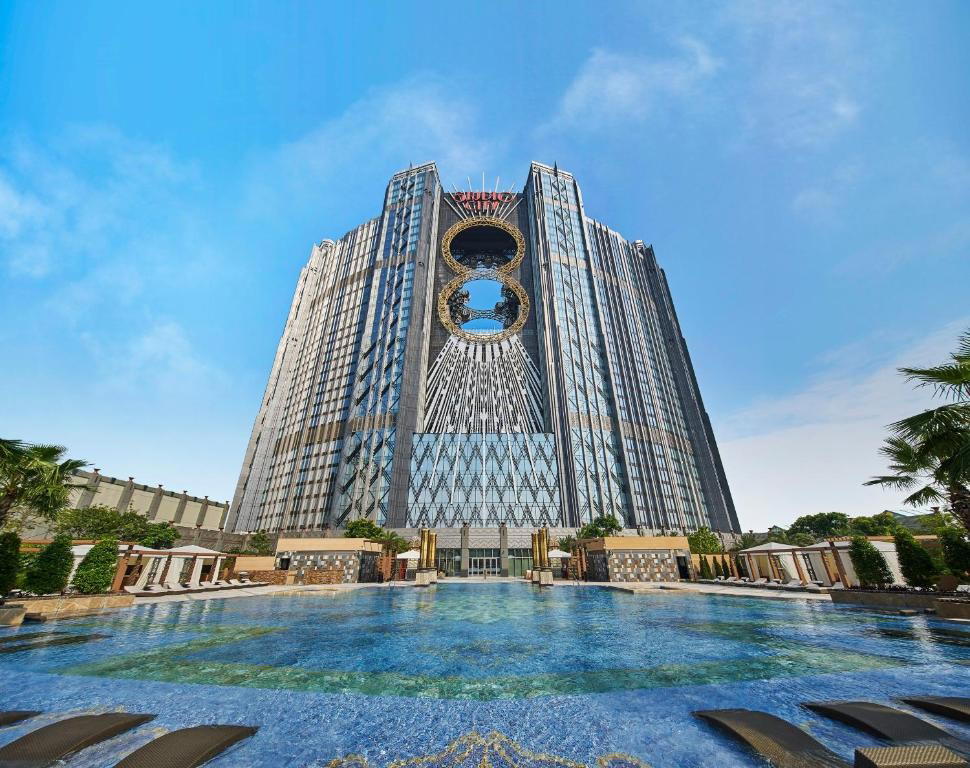
Diva
The wine
- Extensive wine list
- Sake program
- Craft cocktails
- Zero-proof drinks
Details
- Elegant
- Sophisticated
- Modern
- Ornate
- Romantic
- Trendy
- Date Night
- Business Dinner
- Celebration
- Special Occasion
- Group Dining
- Rooftop
- Panoramic View
- Design Destination
- Hotel Restaurant
- Private Dining
- Craft Cocktails
- Sake Program
- Extensive Wine List
- Zero Proof
- Skyline
- A La Carte
- Set Menu
- Tasting Menu
- Tea
- Cocktails
- Sake
- Wine
- Vegetarian Friendly
Current opening hours
- Monday
- 12–3 PM, 6–10:30 PM
- Tuesday
- 12–3 PM, 6–10:30 PM
- Wednesday
- 12–3 PM, 6–10:30 PM
- Thursday
- 12–3 PM, 6–10:30 PM
- Friday
- 12–3 PM, 6–10:30 PM
- Saturday
- 12–3 PM, 6–10:30 PM
- Sunday
- 12–3 PM, 6–10:30 PM
Hours can change for holidays and private events. Hours as of .
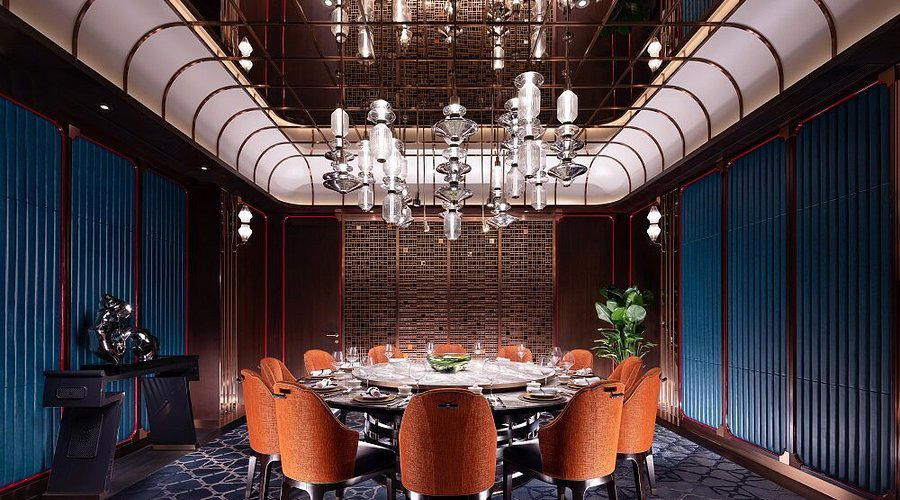
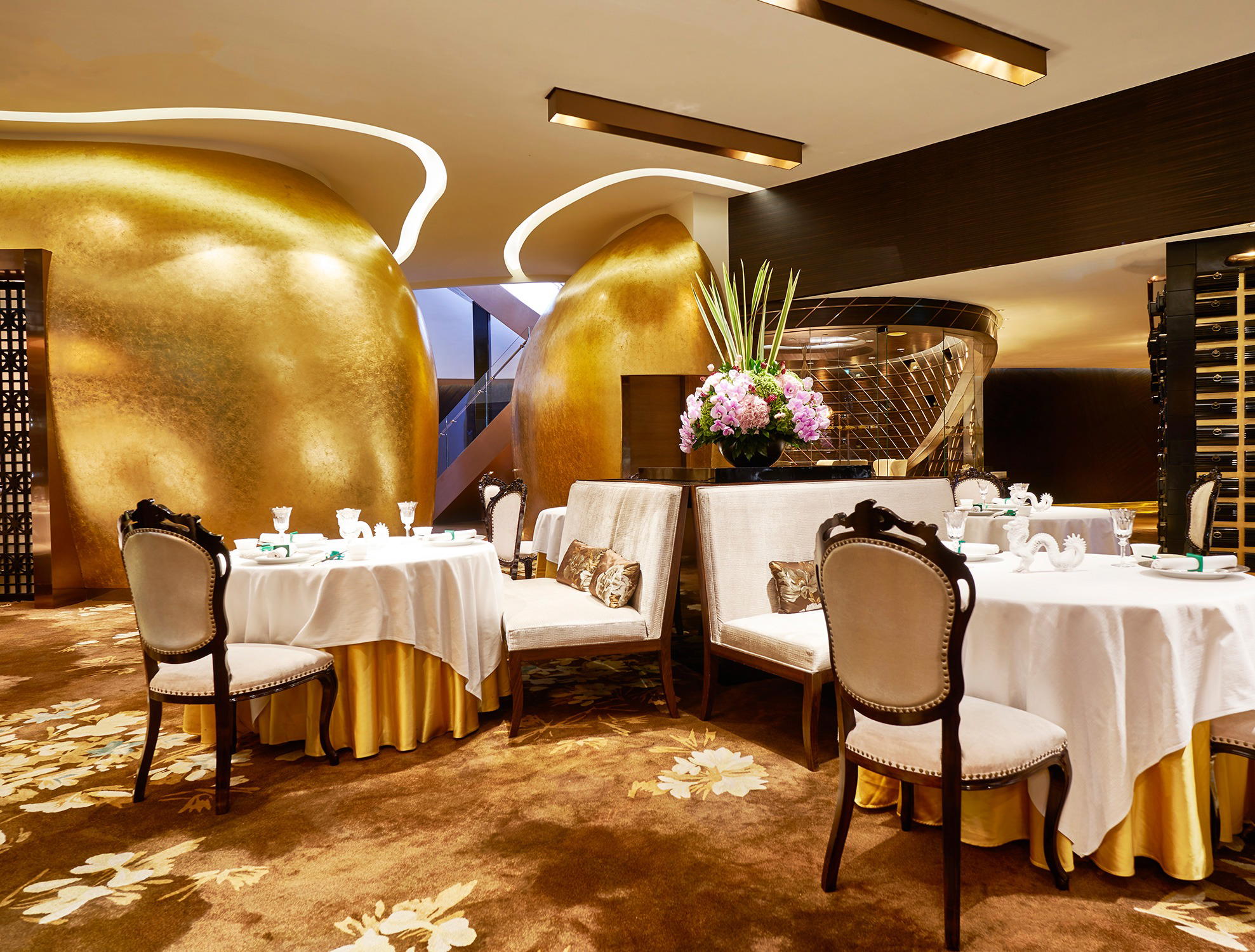
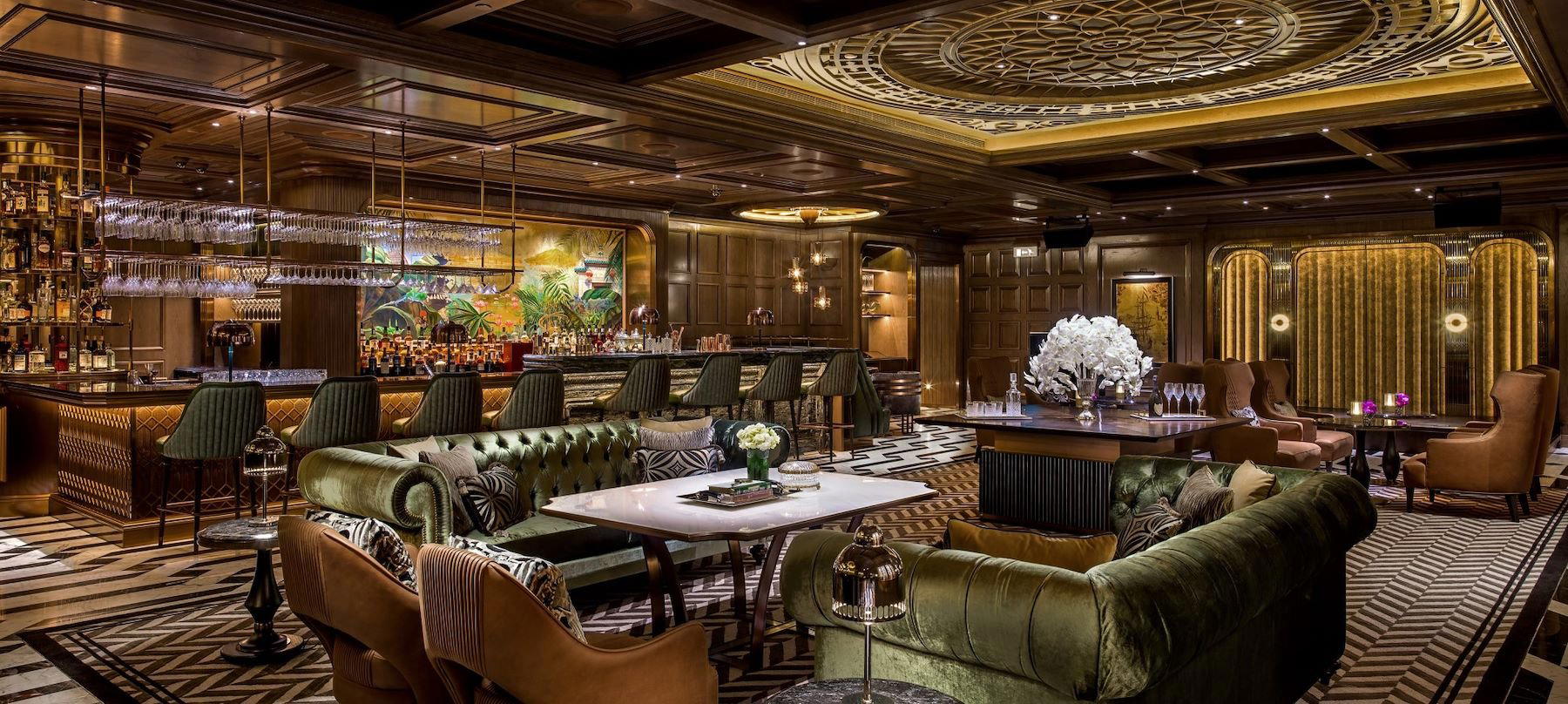
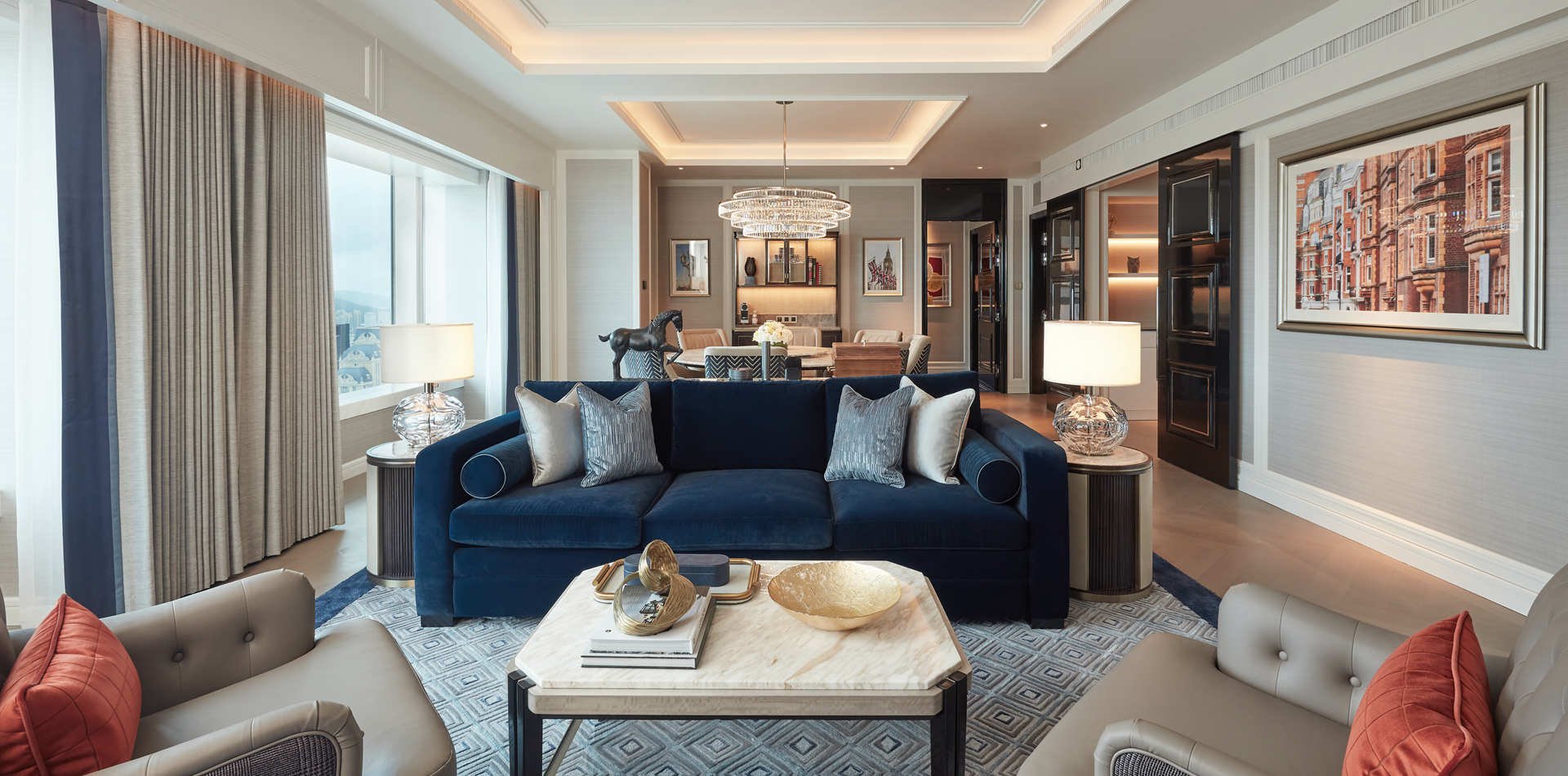
A cinematic, Art Deco-inspired room that feels glam and sophisticated, with polished hotel-restaurant service, city-skyline views, and a relaxed but upscale atmosphere suited to leisurely multi-course Cantonese meals.