Fischerhaus
Our verdict
Fischerhaus sits on Promenadenstrasse in Kreuzlingen, a Swiss town where the Rhine meets Lake Constance and the German border runs close enough to shape what lands on the plate. The address places it inside a regional dining tradition built on the lake's seasonal catch and the agricultural hinterland that feeds this corner of Thurgau canton. For visitors exploring the broader Kreuzlingen scene, it represents the lakeshore register of Swiss eating.

Pearl is the En Primeur Club membership app — saves, bookings, and concierge access live there. Same editors, same standards.
- Address
- Promenadenstrasse 52, 8280 Kreuzlingen, Switzerland
- Phone
- +41716881877
- Hours
- Mon–Thu 10 AM–2 PM, 5:30–11 PMFri 11:30 AM–2 PM, 6–11 PMSat–Sun 10 AM–11 PM
- Website
- fischerhaus.ch
- Directions
- Get directions
- Booking
- Book on the venue's website
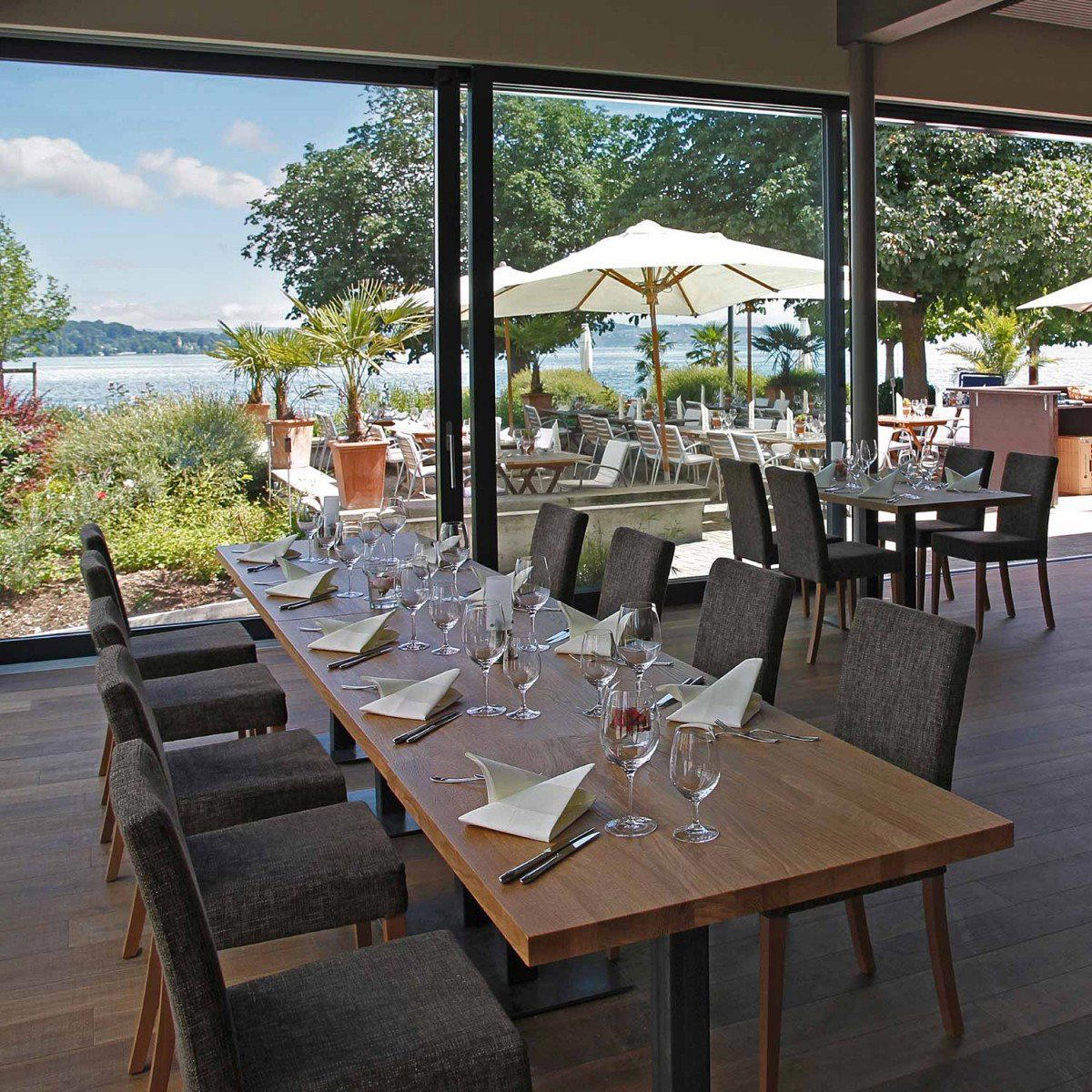
Where Lake Constance Meets the Table
The lakeshore towns of eastern Switzerland occupy a specific culinary position that the Michelin-starred circuit around Zurich and Basel rarely acknowledges. Kreuzlingen, pressed against the German border and looking out over the Bodensee, has its own register: freshwater fish pulled from one of Central Europe's largest lakes, regional produce from the Thurgau agricultural plain, and a hospitality character shaped more by cross-border traffic than by metropolitan ambition. Fischerhaus, on Promenadenstrasse 52, sits inside that tradition — the name itself, translating directly as "fisherman's house," signals where the kitchen's primary loyalties lie.
The address is deliberate. Kreuzlingen's Promenadenstrasse runs close to the lake, and proximity to the water is not merely scenic in a town like this. It reflects how quickly a kitchen can access what the Bodensee produces. Freshwater fishing on Lake Constance is a centuries-old industry, subject to strict catch quotas managed jointly by Switzerland, Germany, and Austria. What that regulatory structure creates, from a culinary standpoint, is a supply chain defined by genuine seasonality: felchen (the lake's native whitefish, often called Bodenseefelchen), perch, and pike come in when conditions allow, not when a menu needs filling. For context on how seriously Swiss kitchens take this kind of sourcing discipline, consider that establishments like Schloss Schauenstein in Fürstenau and Memories in Bad Ragaz have built nationally recognised reputations in large part by anchoring menus to what the surrounding landscape actually yields at a given moment in the year.
The Bodensee as Ingredient Source
Lake Constance fishing has declined significantly over the past three decades, partly due to improved water quality — a counterintuitive dynamic where cleaner water means fewer nutrients, which means fewer fish. The felchen catch in particular has been under pressure, making the fish both rarer at table and more meaningful when it appears. A kitchen that builds around Bodenseefelchen is making a commitment to supply uncertainty, to price variability, and to the rhythms of a regulated natural system rather than a predictable distribution chain.
This is the ingredient context that defines lakeshore dining in Kreuzlingen. It positions local fish-forward restaurants differently from the modern Swiss creative tier represented by venues like focus ATELIER in Vitznau or Einstein Gourmet in Sankt Gallen, where sourcing is equally rigorous but the culinary language tends toward elaboration and technique-driven transformation. On the lakeshore, the ingredient often remains more legible on the plate, presented in ways that foreground provenance rather than obscure it beneath multiple preparations.
Thurgau canton, which surrounds Kreuzlingen, adds further sourcing depth. The region is Swiss apple and pear country, with significant soft fruit production and a dairy tradition that feeds into local cheese and cream. A kitchen operating in this geography has access to a distinct set of raw materials that a Zurich restaurant, sourcing from the same national distribution networks, does not necessarily prioritise. That regionality is part of what makes lakeshore eating in Kreuzlingen a different proposition from a train trip to the city.
Kreuzlingen's Dining Position
Kreuzlingen does not carry the fine-dining density of Zurich or Geneva, nor the destination-restaurant magnetism of the Graubünden valley towns. What it has is a cross-border dining culture shaped by German day-visitors and Swiss residents who want direct, honest cooking in a lakeside setting. The town sits within driving range of Konstanz on the German side, and the two communities share a culinary culture more than the border suggests. For a broader map of where to eat in the area, our full Kreuzlingen restaurants guide covers the range from lakeshore casual to regional specialist.
Further afield, the Thurgau region hosts Taverne zum Schäfli in Wigoltingen and Mammertsberg in Freidorf, both operating in the Swiss creative-regional tier at the higher end of the price range. Fischerhaus occupies a different niche: rooted in the lake, oriented toward a local and cross-border clientele, and shaped by the specific ingredient realities of the Bodensee rather than by the ambitions of the national fine-dining circuit.
Swiss dining at the top of the market, represented nationally by Hotel de Ville Crissier in Crissier, Cheval Blanc by Peter Knogl in Basel, or Maison Wenger in Le Noirmont, operates in a different register entirely. The comparison is instructive precisely because Kreuzlingen's lakeshore restaurants are not competing in that category. They are serving a place, a lake, and a season, which is its own form of discipline.
Getting There and Planning Your Visit
Kreuzlingen is accessible by train from Zurich in approximately 75 minutes via Frauenfeld or Weinfelden, with Kreuzlingen Hafen station placing visitors close to the lakefront. The town is also a short walk from the Konstanz train network on the German side, making it viable as a day trip from anywhere in southwestern Germany. Promenadenstrasse 52 is within comfortable walking distance of the lakefront and the main pedestrian areas.
Given that no booking information is currently confirmed for Fischerhaus, contacting the venue directly before visiting is the practical approach, particularly for weekend lunches when lakeshore seating tends to attract higher demand from both Swiss and German visitors. Spring and early summer, when lake fish are in active season and Thurgau produce is at its most varied, represent the periods when a kitchen of this character is working with the most material.
For readers whose Switzerland itinerary extends beyond the eastern lake region, the broader Swiss fine-dining network connects through venues like La Table du Valrose in Rougemont, Da Vittorio in St. Moritz, or La Brezza in Ascona for those heading south toward Ticino. For those planning a broader itinerary beyond Switzerland, fish-forward sourcing discipline at the highest level has international reference points in Le Bernardin in New York City, while the community-rooted dining model has a North American counterpart in Lazy Bear in San Francisco and regionally in Switzerland with Skin's in Lenzburg and The Japanese Restaurant in Andermatt.
Frequently asked questions
Is Fischerhaus a family-friendly restaurant?
Fischerhaus is located at Promenadenstrasse 52 in Kreuzlingen, a residential lakeshore address that typically suits a relaxed, cross-generational crowd rather than an exclusively adult dining scene. Kreuzlingen itself is a town-scale setting without the formality pressure of Zurich or Geneva, which generally makes lakeshore restaurants here more accommodating to families. Confirming specific children's menus or seating arrangements directly with the venue is advisable before visiting.
Is Fischerhaus formal or casual?
The address on Promenadenstrasse, Kreuzlingen's lakeside promenade, points toward a setting that leans relaxed rather than ceremonial. Eastern Swiss lakeshore restaurants in this postcode tend toward a mid-register, where a collared shirt fits but a jacket is not expected.
What makes Fischerhaus different from other restaurants along the Lake Constance shoreline?
Fischerhaus occupies a specific address on Kreuzlingen's Promenadenstrasse, placing it directly on the Swiss side of the Bodensee at a point where the lake is shared with Germany and Austria. That tri-national geography shapes the regional food culture in ways distinct from purely Swiss inland towns — the Bodensee's shared fishing tradition and cross-border market connections give lakeshore restaurants here a provenance context that urban Swiss dining rarely matches. No awards or chef data are currently confirmed for Fischerhaus, so its draw remains rooted in location and setting rather than a named critical pedigree.
What should I eat at Fischerhaus?
Fischerhaus sits on the Lake Constance shoreline in Kreuzlingen, a context that historically centres menus on Bodensee catch — Felchen (whitefish) and perch are the lake's signature species, though stock levels have shifted considerably over recent decades as water quality improved.
How do I find Fischerhaus?
Fischerhaus is located at Promenadenstrasse 52, 8280 Kreuzlingen, Switzerland, Kreuzlingen.
Do I need a reservation for Fischerhaus?
No booking data is publicly documented for Fischerhaus at this time. Kreuzlingen's proximity to the German border at Konstanz means foot traffic can spike on weekends, particularly along the lakeshore promenade in warmer months. Contacting the restaurant at Promenadenstrasse 52 in advance is the safest approach, especially for weekend visits.
Fast Comparison
| Venue | Cuisine | Price | Awards | Notes |
|---|---|---|---|---|
| FischerhausThis venue — the venue you are viewing | Swiss Lakefront | Not listed | Not listed | Not listed |
| Schloss Schauenstein | Creative Swiss Country Fine Dining | $300–500 | 3 Michelin Stars · World's 50 Best #52 | Modern European, Creative |
| Memories | Modern Swiss Alpine Cuisine | $300–500 | 3 Michelin Stars · La Liste Top Restaurants | Modern Swiss |
| focus ATELIER | Modern French Fine Dining | $200–300 | 2 Michelin Stars · La Liste Top Restaurants | Modern Swiss, Creative |
| Taverne zum Schäfli | Classic French Fine Dining with Creative Accents | $200–300 | 2 Michelin Stars · La Liste Top Restaurants | Swiss, Creative |
| Magdalena | Modern Vegetarian Fine Dining | $200–300 | 2 Michelin Stars · La Liste Top Restaurants | Alpine-Vegetarian, Modern Cuisine |
Continue exploring
More in Kreuzlingen
Restaurants in Kreuzlingen
Browse all →
Bars in Kreuzlingen
Browse all →

Hotels in Kreuzlingen
Browse all →

Fischerhaus
The wine
- Wine program
- Curated wine list
- Extensive wine list
Details
- Scenic
- Cozy
- Date Night
- Group Dining
- Celebration
- Waterfront
- Terrace
- Extensive Wine List
- Waterfront
- A La Carte
- Vegetarian Friendly
Current opening hours
- Monday
- 10 AM–2 PM, 5:30–11 PM
- Tuesday
- 10 AM–2 PM, 5:30–11 PM
- Wednesday
- 10 AM–2 PM, 5:30–11 PM
- Thursday
- 10 AM–2 PM, 5:30–11 PM
- Friday
- 11:30 AM–2 PM, 6–11 PM
- Saturday
- 10 AM–11 PM
- Sunday
- 10 AM–11 PM
Hours can change for holidays and private events. Last verified .
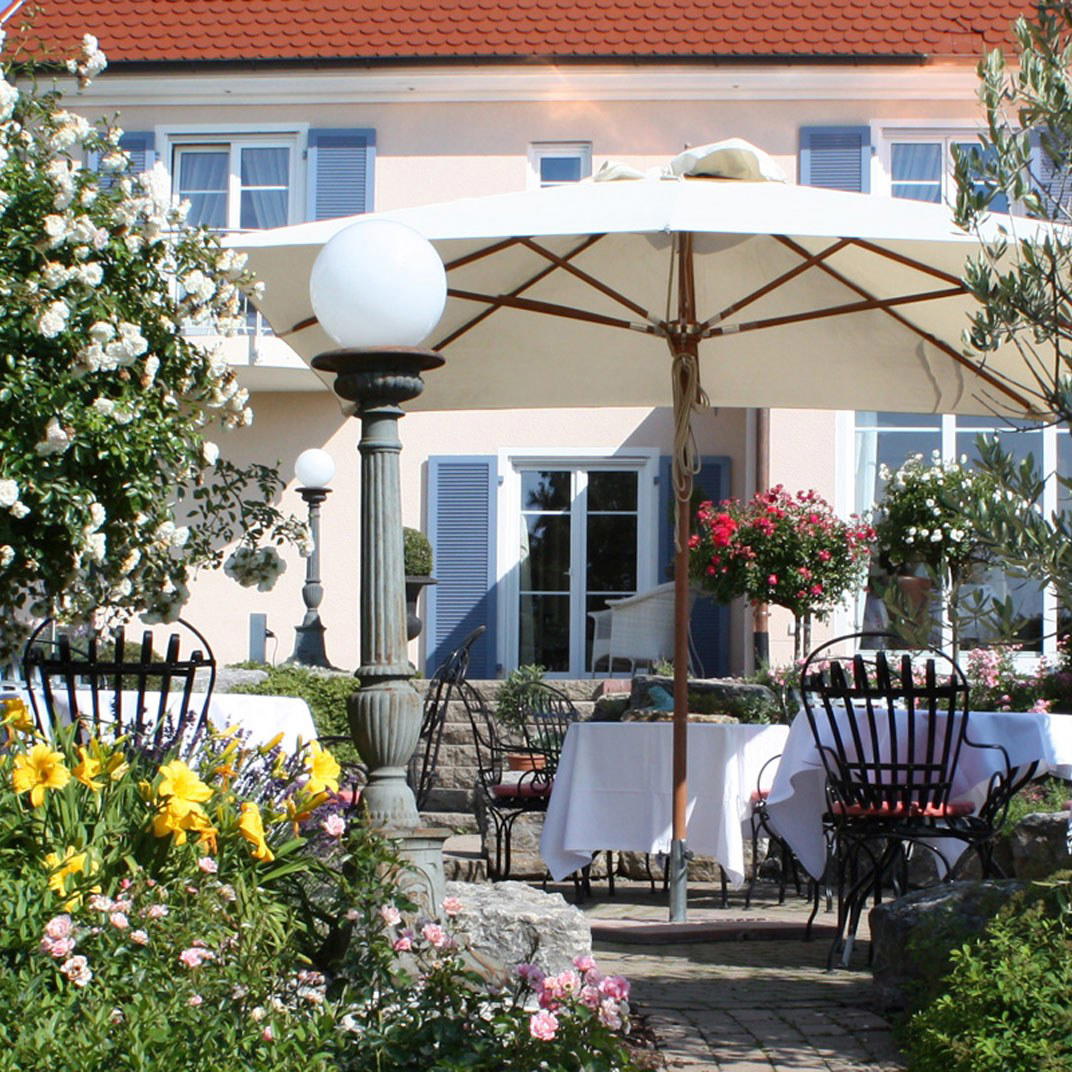
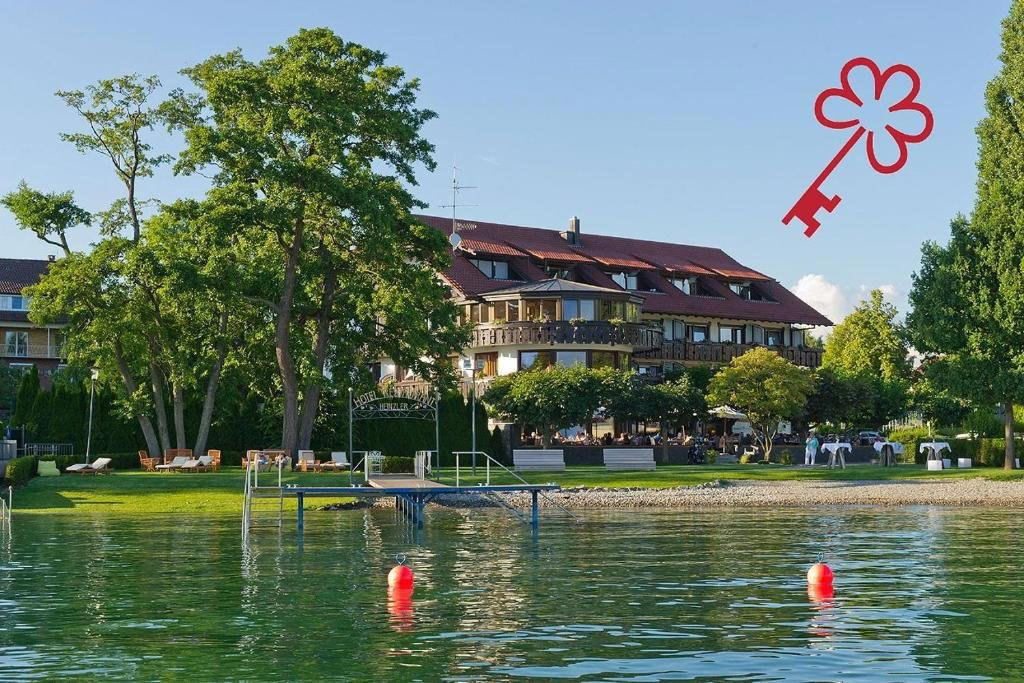
Beautiful ambience close to the lake with pleasant decor and terrace views.