Our verdict
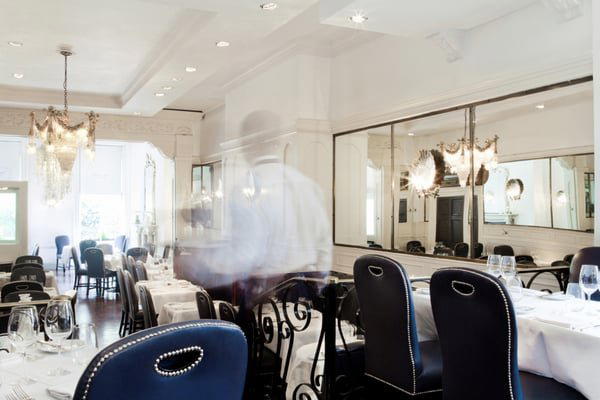
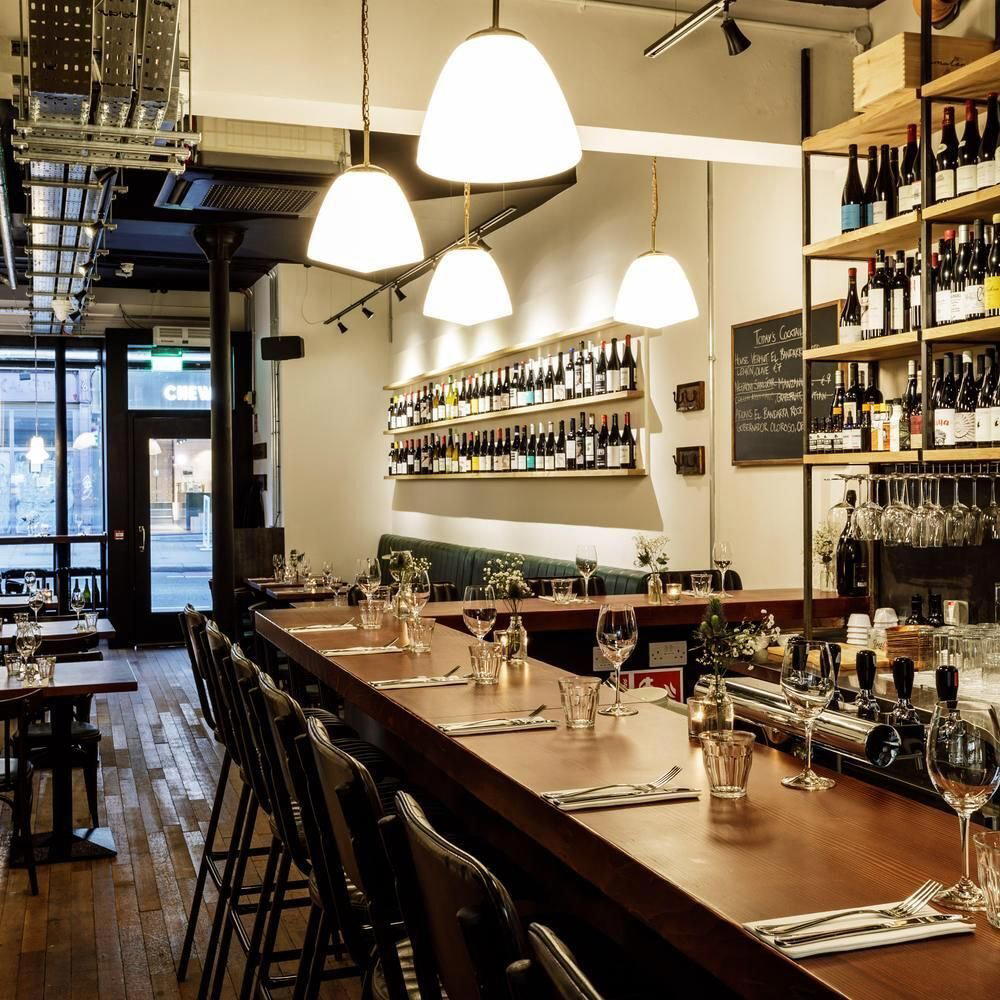
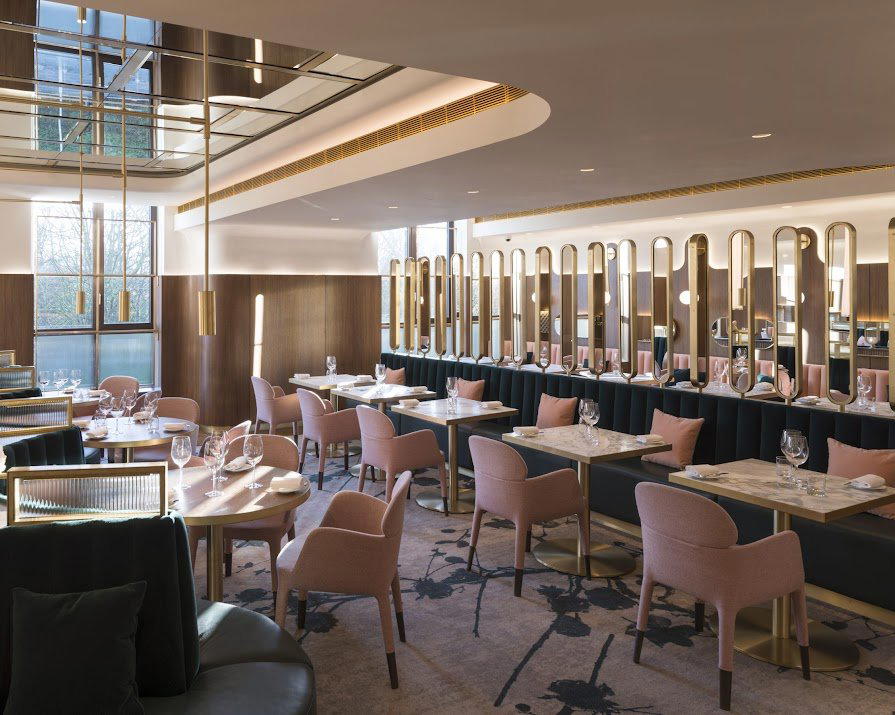
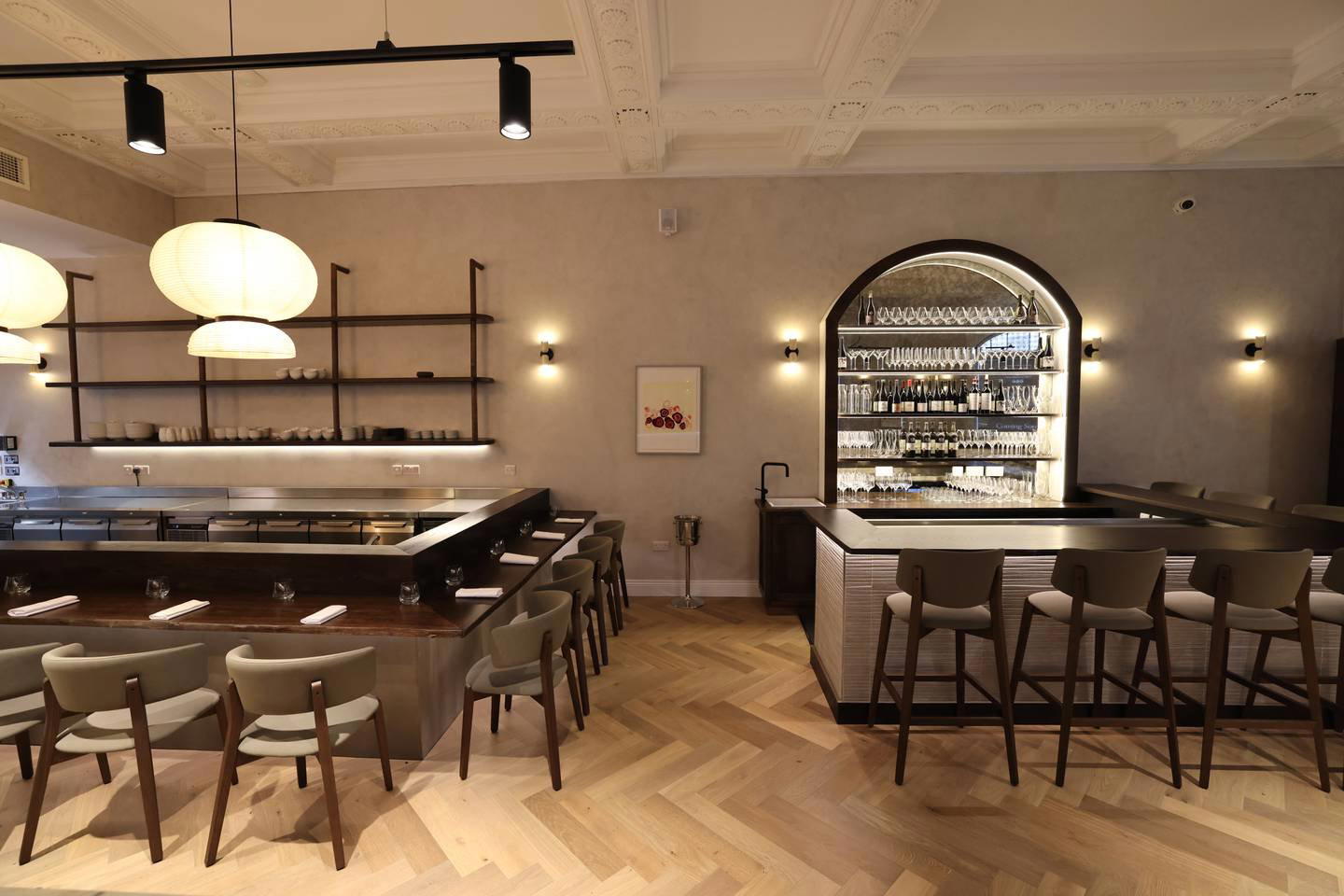
First Chapter occupies a Fade Street address in Dublin's creative core, operating within the city's growing tier of neighbourhood-anchored dining rooms where the repeat visitor shapes the room as much as the menu does. The space draws a loyal cohort who return for consistency rather than occasion, placing it alongside Dublin's broader shift toward accessible, conversation-led dining over formal ceremony.

Pearl is the En Primeur Club membership app — saves, bookings, and concierge access live there. Same editors, same standards.
- Address
- 16 Fade St, Dublin 2, D02 XA58, Ireland
- Hours
- Mon–Fri 9 AM–5 PMSat 9 AM–6 PMSun 10 AM–6 PM
- Website
- opentable.com
- Directions
- Get directions
- Booking
- Book on OpenTable
Fade Street and the Return Visit
Dublin's Fade Street sits at the productive edge of the Creative Quarter, where the city's older pub culture and its newer wave of independent restaurants share the same narrow footprint. The street has accumulated enough critical mass over the past decade to function as a genuine dining corridor rather than a collection of isolated spots, and the addresses here tend to attract a particular kind of diner: someone who has been before, knows what they want, and is not especially interested in a performance. First Chapter, at number 16, fits that pattern. The room works for people who treat eating out as a regular habit rather than a special event, and that orientation toward the repeat visitor is legible in everything from the way tables are set to the pace at which the evening moves.
That shift from occasion dining to habitual dining is one of the defining stories of Dublin's restaurant culture in the post-pandemic period. The city's formal tier, represented by rooms like Patrick Guilbaud and Glovers Alley, remains well-supported, but a parallel cohort of more accessible, neighbourhood-inflected restaurants has grown steadily. These are places where the staff recognize faces, where the menu changes with enough frequency to reward return visits but not so often that regulars lose their footing. First Chapter occupies that cohort on Fade Street.
What Keeps People Returning
The regulars' relationship with a restaurant is a different kind of intelligence than a first-timer's impression. A first visit produces a snapshot; a fifth or tenth visit reveals the underlying logic of a kitchen. At addresses that attract a loyal cohort, you learn quickly that what drives return visits is rarely the most elaborate dish on the menu. It tends to be consistency, a kitchen that delivers the same quality on a Tuesday as on a Saturday, and a floor team that reads the room without over-managing it.
Dublin's most-returned-to rooms share certain characteristics. Bastible on Camden Street has built its following on a disciplined modern Irish approach that improves with familiarity. Chapter One by Mickael Viljanen has converted the formal dining occasion into something that rewards regular attendance through a tasting menu format rigorous enough to evolve season by season. D'Olier Street has found its own footing in the city's more accessible register. First Chapter sits within this broader pattern: a room that appears to earn its repeat visitors through the reliability of the experience rather than through novelty alone.
That orientation has a geographic logic, too. Fade Street is walkable from much of Dublin 2, close enough to offices and apartments that a regular visit does not require planning. The city's most loyal dining rooms tend to cluster in areas with residential and working populations dense enough to support frequent visits, and the Creative Quarter qualifies. Compare this to the out-of-city model practiced by restaurants like Liath in Blackrock or Terre in Castlemartyr, where the journey itself becomes part of the occasion. Fade Street operates on a different logic: proximity as the enabler of habit.
The Unwritten Menu
Every restaurant that develops a loyal following eventually develops an unwritten menu: the things regulars know to ask for, the timing they know works, the table they prefer. This is not insider knowledge in any exclusionary sense; it is simply the accumulated intelligence of repeated visits. At Dublin's most frequented rooms, it might mean knowing that the bar seats are better for solo visits, or that a particular section of the wine list consistently overdelivers for the price, or that certain dishes disappear from the printed menu but remain available to those who ask.
This kind of accumulated knowledge is what separates a dining room that earns loyalty from one that processes covers. Ireland's wider restaurant culture has been producing more of the former in recent years, from Aniar in Galway to Campagne in Kilkenny to the quieter rooms in smaller towns like Homestead Cottage in Doolin and Chestnut in Ballydehob. The pattern holds in Dublin city itself, where the most durable addresses are those that have built a relationship with a local cohort rather than relying on tourism or destination-dining traffic alone. First Chapter's Fade Street address positions it within that model.
Placing First Chapter in the Dublin Dining Conversation
Dublin's dining scene has matured to the point where it can support multiple tiers simultaneously without those tiers cannibalizing each other. The city's highest-profile rooms, including those with formal awards recognition, operate on a different frequency from neighbourhood rooms that run on repeat business. Both are necessary components of a functioning food culture, and the city's Creative Quarter has become a reliable home for the latter. For international visitors looking for a point of comparison, the dynamic is not unlike what Lazy Bear in San Francisco has built around a committed local following, or the way Le Bernardin in New York City maintains a core of regulars alongside its destination reputation, though the scale and context differ considerably.
Within Ireland, the counterparts to Fade Street-style neighbourhood dining include Bastion in Kinsale, dede in Baltimore, and The Morrison Room in Maynooth, each of which has developed a loyal local following in a smaller geography. In Dublin itself, the Creative Quarter has the density to make that model work at city scale. For anyone building a broader picture of Irish dining, The Oak Room in Adare and Bastible round out the range from formal country house to urban neighbourhood room. Our full Dublin restaurants guide maps the wider picture.
Know Before You Go
- Address: 16 Fade St, Dublin 2, D02 XA58, Ireland
- Neighbourhood: Creative Quarter, Dublin 2
- Pricing: Confirm current pricing directly with the venue
- Accessibility: Fade Street is accessible on foot from most of Dublin 2; the LUAS Green Line stop at St Stephen's Green is approximately a five-minute walk
- Tip: Weekday evenings tend to attract the regular local cohort; weekend bookings are advisable
Frequently asked questions
Where exactly is First Chapter?
First Chapter is located at 16 Fade St, Dublin 2, D02 XA58, Ireland, Dublin.
Is First Chapter a good choice for a mid-week dinner in Dublin City Centre?
First Chapter's Fade Street address in Dublin 2 puts it inside the Creative Quarter, which retains foot traffic and energy mid-week when other parts of the city centre quiet down. The restaurant's regular following suggests it holds its standard outside weekend peaks, making it a practical choice for a Tuesday or Wednesday dinner.
What do regulars order at First Chapter?
The body of repeat-visitor knowledge at First Chapter on Fade Street, Dublin 2 points to dishes and timing cues that don't appear on the standard menu read-through. Regulars tend to know what to ask for and when — the kind of intelligence built over several visits rather than one.
Do I need a reservation for First Chapter?
First Chapter sits on Fade Street in Dublin's Creative Quarter, a stretch that draws consistent foot traffic from both neighbourhood regulars and visitors to the city centre. For a table at a predictable time, booking ahead is the practical move. Walk-ins depend on the night and the hour.
What makes First Chapter worth seeking out?
First Chapter occupies a specific position in Dublin's dining conversation: a Fade Street address that has built a repeat-visitor following rather than relying on novelty. The Creative Quarter location at 16 Fade Street, Dublin 2 places it within a compact area where restaurants are tested quickly by a knowledgeable local crowd. Longevity in that context is its own credential.
Do they accommodate allergies at First Chapter?
The venue is at 16 Fade Street, Dublin 2, and contacting them ahead of a booking is the reliable approach for anything specific.
Should I splurge on First Chapter?
What the restaurant's reputation within Dublin's Fade Street scene does suggest is that repeat custom — rather than occasion dining — drives its following, which typically signals accessible rather than ceremonial pricing.
Standing Among Peers
| Venue | Cuisine | Price | Awards | Notes |
|---|---|---|---|---|
| First ChapterThis venue — the venue you are viewing | Modern French Fine Dining | $150–200 | Not listed | Not listed |
| Patrick Guilbaud | Modern French Fine Dining | $150–200 | 2 Michelin Stars · La Liste Top Restaurants | Irish - French, Modern French |
| Bastible | Modern Irish | $100–150 | 1 Michelin Star · The Sunday Times Ireland’s 100 Best Restaurants | Modern Cuisine |
| Host | Modern Italian | $50–100 | Michelin Plate | Nordic, Modern Cuisine |
| mae | Modern Irish Fine Dining | $50–100 | Michelin Plate · The Sunday Times Ireland’s 100 Best Restaurants | Southern, Modern Cuisine |
| Matsukawa | Authentic Edomae Omakase | $100–150 | Michelin Plate · La Liste Top Restaurants | Kaiseki, Japanese |