Our verdict
Fine Food Murter sits on Majinova street in the Dalmatian island town of Murter, a compact address that positions it within the archipelago dining circuit stretching toward the Kornati islands. The restaurant operates in a region where seafood tradition and stone-town atmosphere set the baseline, placing it in the mid-to-upper tier of local dining options for visitors to the Šibenik-Knin county coastline.

Pearl is the En Primeur Club membership app, where members save venues, book tables and use the concierge.
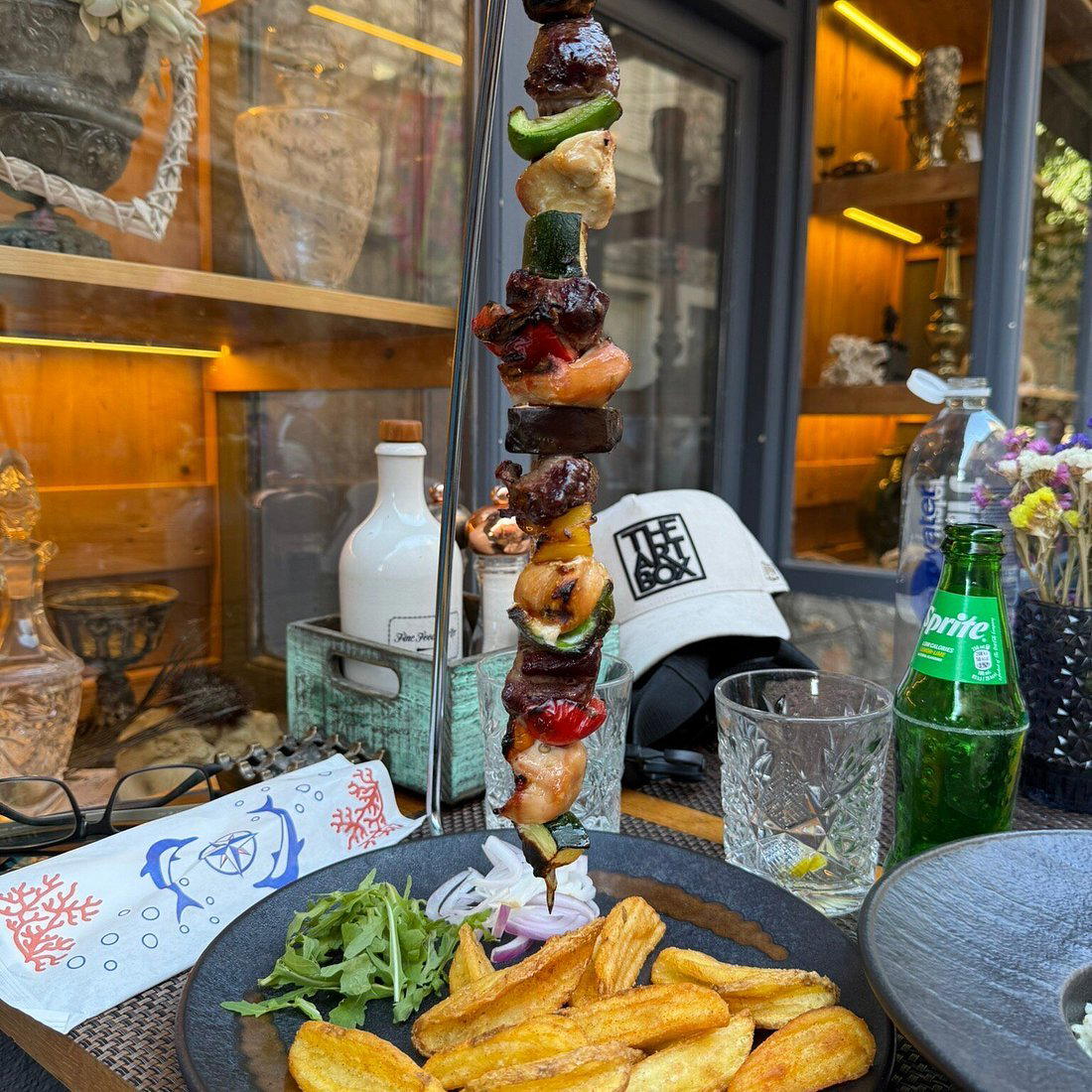
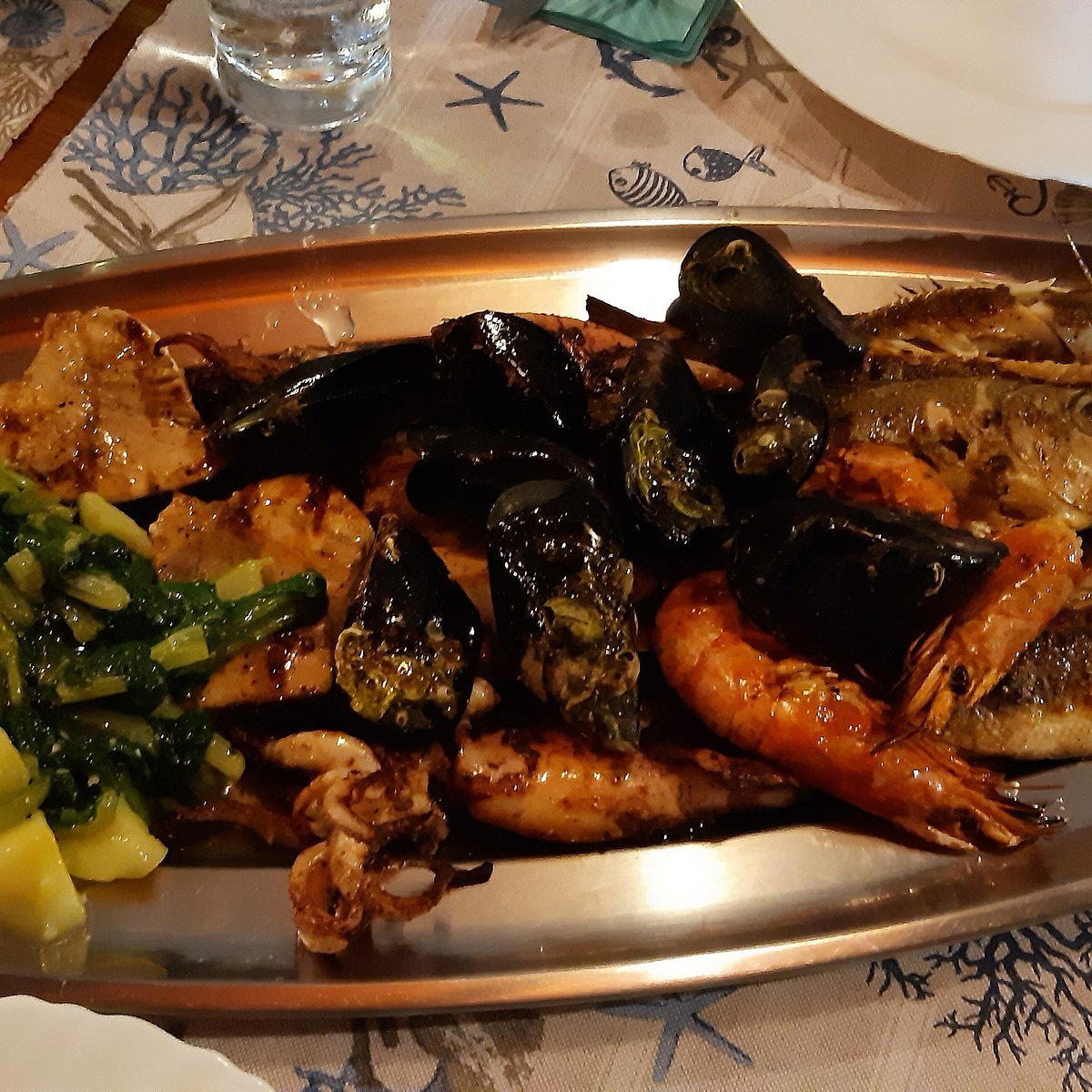
The menu
What to order
- Grilled octopus
- Beef tatar
- Raw starter platter
Murter and the Kornati Table
The island of Murter occupies a precise point in the Dalmatian dining map: close enough to Šibenik to draw day-trippers from one of Croatia's most decorated restaurant cities, yet distinct enough in character to operate on its own terms. This is the gateway to the Kornati archipelago, a national park of 89 islands where the only reliable meals come from the handful of working konobas on the larger islets or from the restaurants back on Murter itself. That geography concentrates appetite. Visitors who have spent a day on the water return to town looking for something specific: fresh catch, Croatian pantry ingredients, and a setting that reflects where they are rather than where they've been. Fine Food Murter, at Majinova 5, positions itself in that role.
The name signals ambition, and in a town where the dominant dining mode is the traditional konoba, a format built on shared plates, grilled fish sold by weight, and local wine poured from the barrel, a restaurant that leads with the word "Fine" is making a deliberate statement about its tier. That statement matters in the context of Croatian coastal dining more broadly, where the gap between a solid family-run seafood tavern and a technically sophisticated kitchen has narrowed considerably over the past decade, particularly at addresses like Pelegrini in Sibenik, which has pushed Dalmatian fine dining onto the international map from a city fewer than thirty kilometres away.
What Dalmatian Coastal Dining Actually Means
To understand where Fine Food Murter sits, it helps to understand the culinary culture it draws from. Dalmatian cooking is not a cuisine of complexity for its own sake. Its prestige ingredients, Adriatic bream, sea bass, scampi, octopus, Paški sir from the island of Pag, prosciutto from the Drniš hinterland, olive oil pressed from Oblica and Lastovka varieties, are powerful precisely because they require little intervention. The leading Dalmatian kitchens have always understood that restraint is a skill, and that sourcing is the first decision, not an afterthought.
That tradition sits in tension with the contemporary Croatian fine dining movement, which has produced internationally recognised kitchens at Agli Amici Rovinj in Rovinj, Nebo by Deni Srdoč in Rijeka, and Alfred Keller in Mali Lošinj. Each of those addresses works within a broader regional identity while pushing toward something more technical or composed. The question for any restaurant using the word "Fine" in a market like Murter is which side of that tension it occupies: the refined local-produce tradition, or the progressive tasting-menu format. Both are legitimate. They attract different guests and require different judgments.
The Setting on Majinova
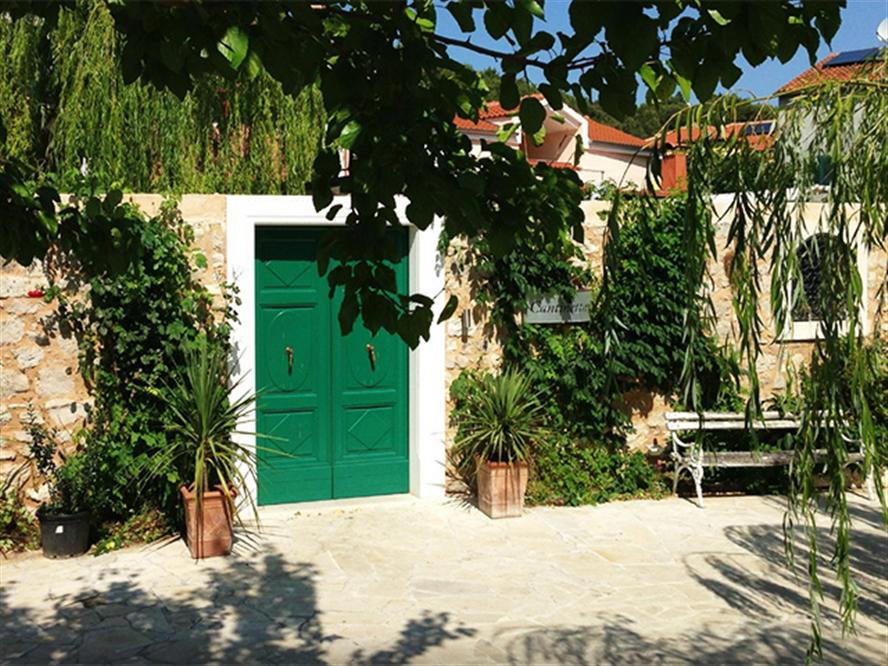
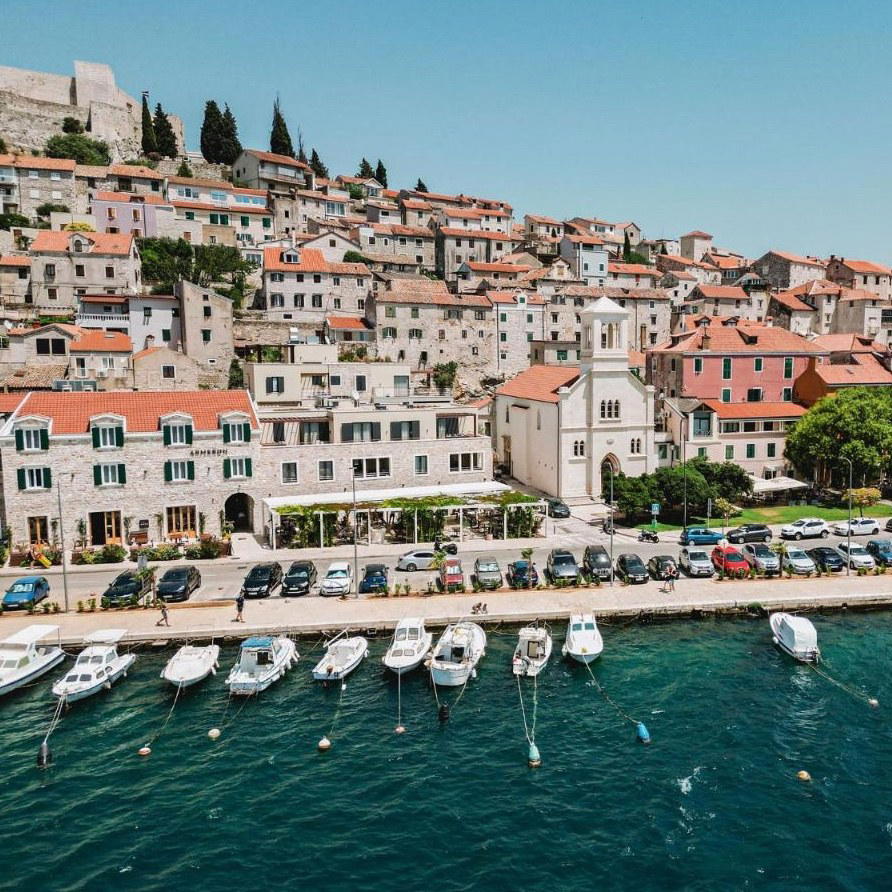
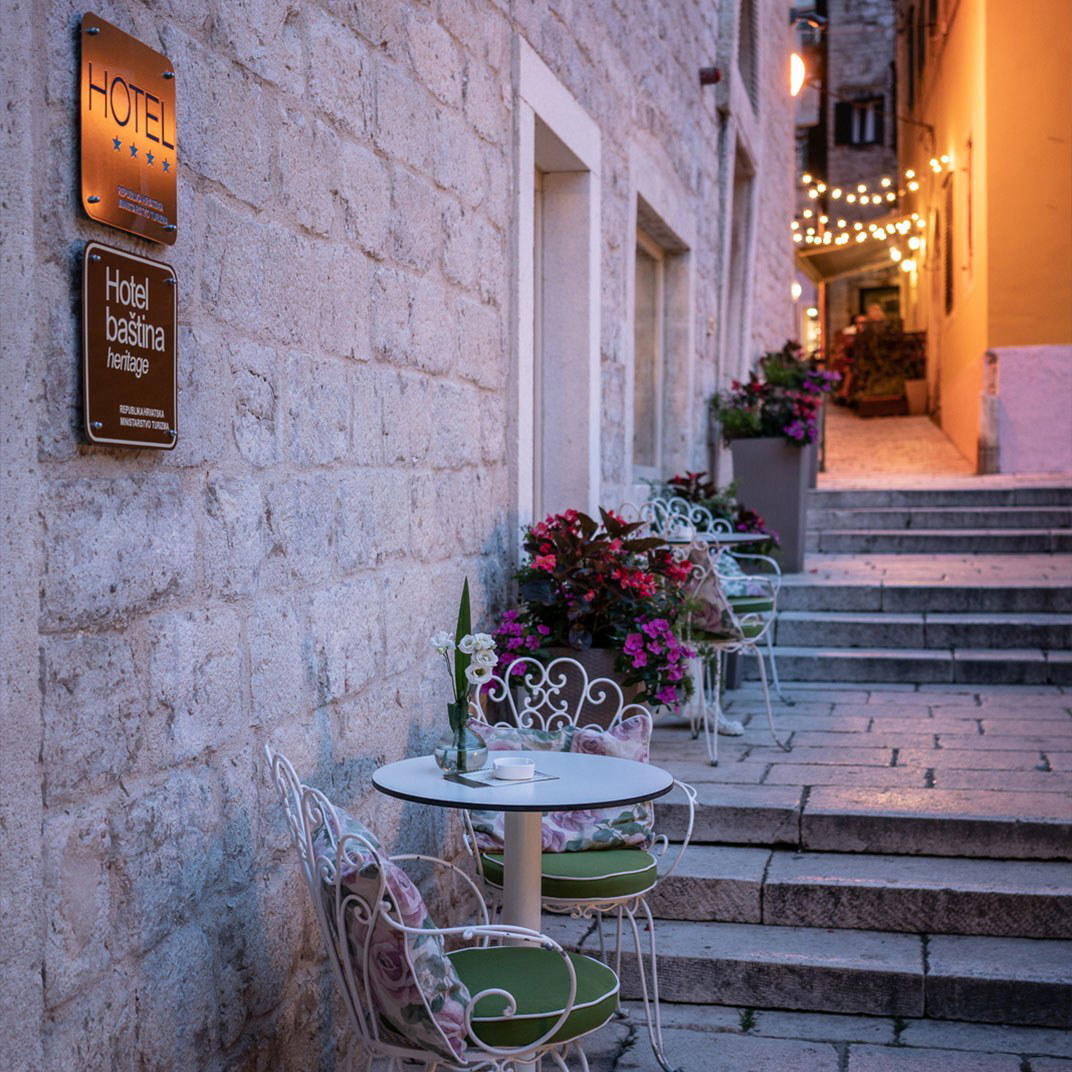
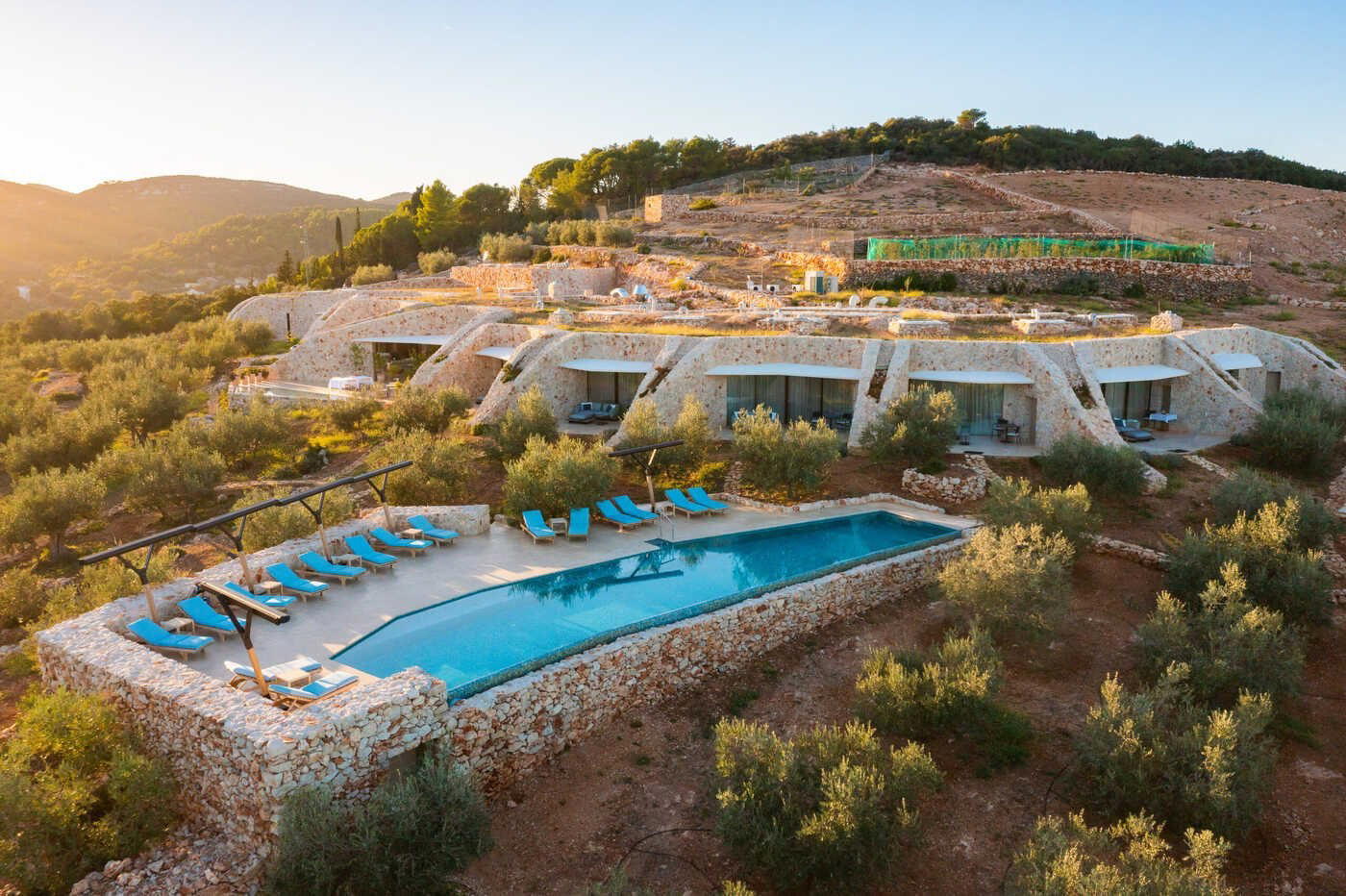
Murter's old town is a compact arrangement of narrow stone streets, low facades, and occasional glimpses of the channel that separates the island from the mainland. Majinova sits within that fabric. In a town of this scale, address is less about neighbourhood prestige and more about whether you're close to the waterfront promenade or tucked into the residential interior. The stone-wall architecture common to Dalmatian settlements creates a particular kind of dining atmosphere: shade, relative quiet, and a visual language that anchors the meal in place. For restaurants working in this physical context, the setting does significant editorial work before a single dish arrives.
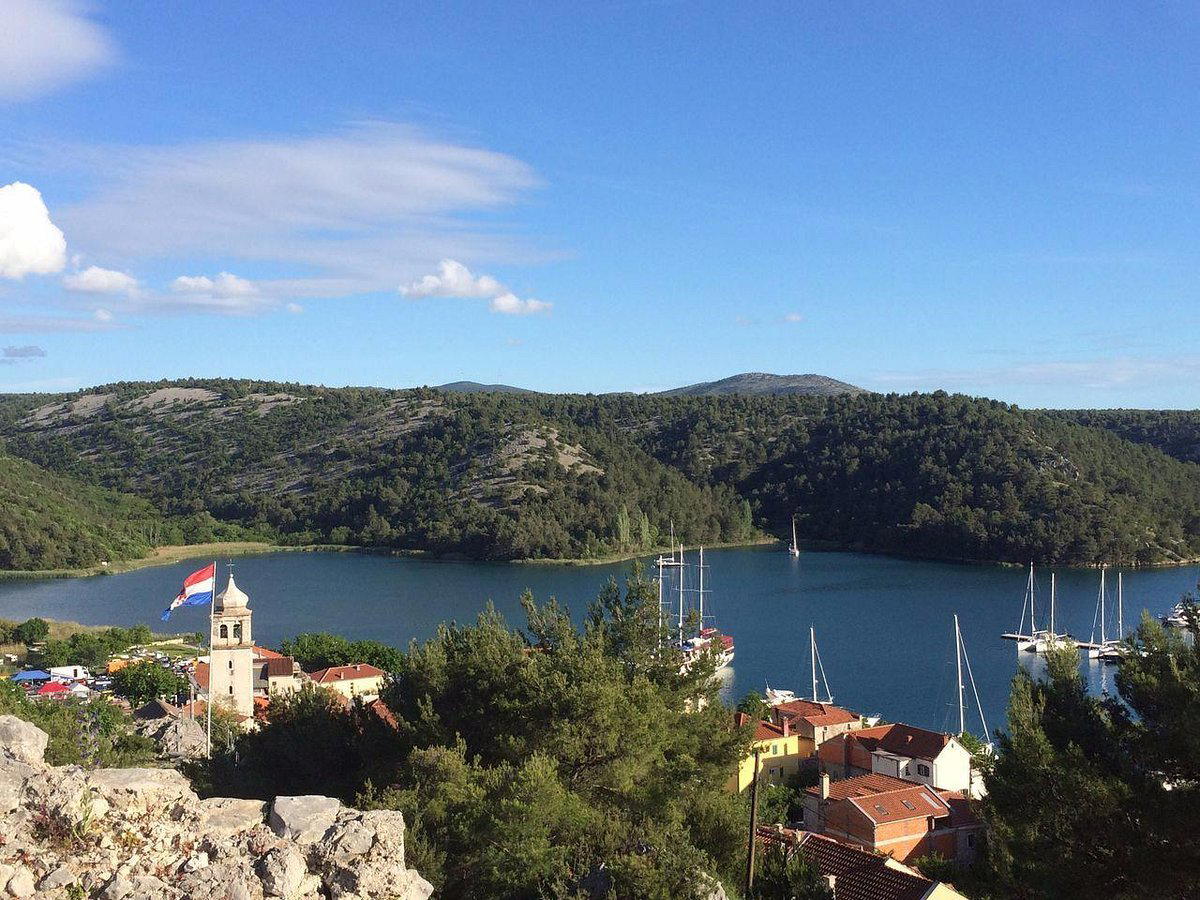
Murter also benefits from its proximity to the Kornati National Park entrance point at Betina, which creates a reliable flow of nautically-oriented visitors from late spring through early autumn. That seasonal pressure shapes the dining circuit: the busiest months run from June through August, with shoulder periods in May and September offering more relaxed conditions and, at some kitchens, more attentive service ratios. The island's restaurant scene also includes Boba and Konoba Opat, addresses that bracket the range from casual tavern to something more considered. See our full Murter Kornati restaurants guide for the complete picture.
Croatian Fine Dining Beyond the Major Cities
Croatia's restaurant recognition has historically concentrated in Zagreb, Split, Dubrovnik, and the Istrian peninsula. Addresses like Dubravkin Put in Zagreb, Krug in Split, and Restaurant 360 in Dubrovnik occupy well-documented positions in that hierarchy. Dalmatian island kitchens operating at a higher register, including LD Restaurant in Korčula and Boskinac in Novalja, have demonstrated that the island circuit can support serious dining year-round, not only as a summer overflow from the coast.
That shift matters for Murter. The island is not a prestige address in the way Hvar or Korčula have become, but it has the ingredient base, the visitor flow, and the geographic specificity to support a kitchen that works with intention. Restaurants in comparable positions, not in the first tier of Croatian fine dining recognition, but operating above the konoba baseline, tend to succeed when they commit clearly to a format. The ones that hedge, offering grilled fish for the conservative table and composed plates for the adventurous, often satisfy neither group fully.
Elsewhere on the Croatian coast and in Istria, the clearest examples of format commitment come from San Rocco in Brtonigla, EatIstria in Pluj, and Humska Konoba in Hum, all kitchens that have built recognisable identities by being precise about what they are. The comparison is useful: in smaller Croatian towns, clarity of concept has proven more durable than ambition without definition. Even internationally, the restaurants that have built sustained reputations in strong seafood traditions, Le Bernardin in New York City being the reference case, have done so through rigorous commitment to a specific approach. Closer to the casual end of the format spectrum, Lazy Bear in San Francisco demonstrates that format legibility matters even in informal registers. The principle holds across price points. And in the inland Croatian scene, Korak in Jastrebarsko has shown that regional identity, stated with conviction, translates into sustained relevance.
Planning a Visit
Fine Food Murter is located at Majinova 5, 22243 Murter, Croatia. Check current hours and booking arrangements before visiting during peak summer months. The Dalmatian high season runs from June through August; visiting in May or September reduces the pressure on both reservations and pricing across the island's dining circuit generally.
Frequently asked questions
What kind of setting is Fine Food Murter?
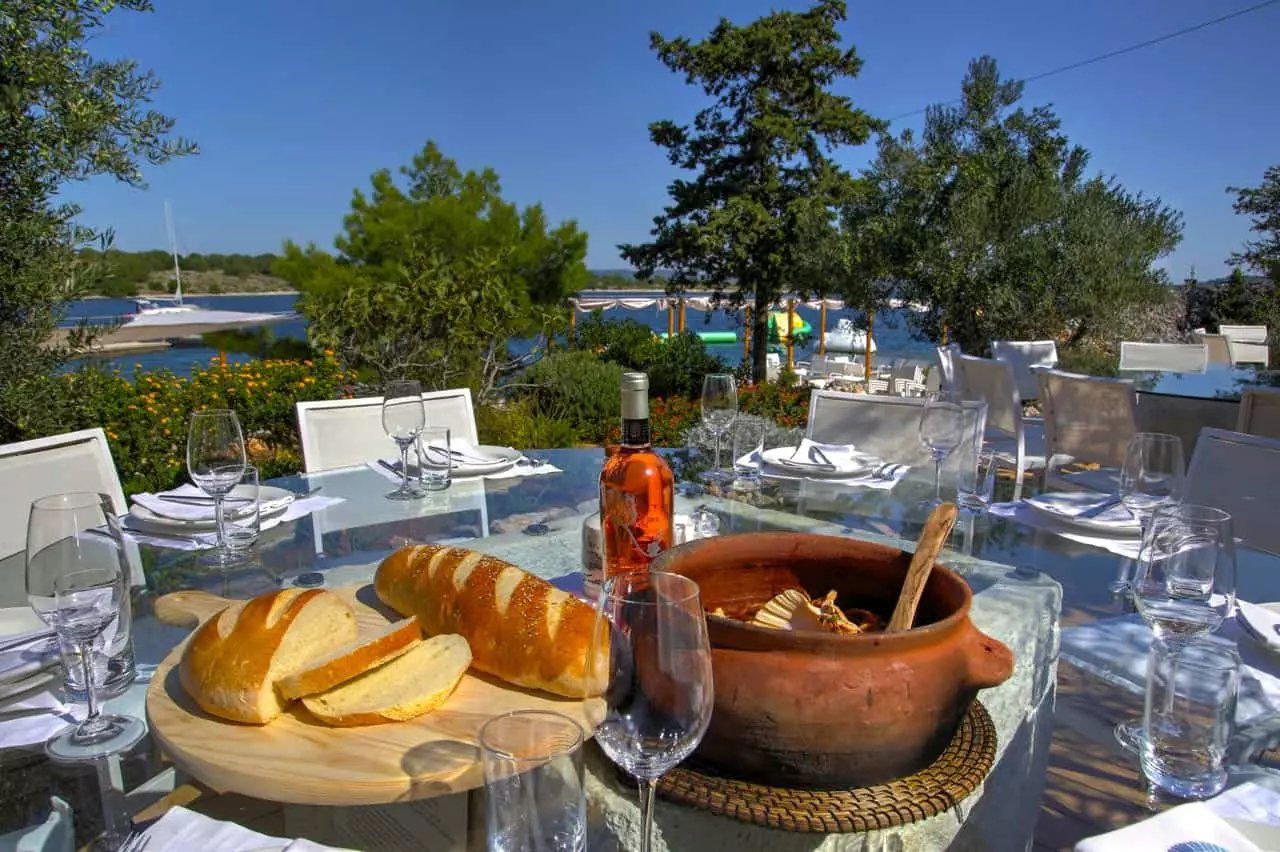
Fine Food Murter is at Majinova 5 in Murter's compact old centre, a neighbourhood of narrow stone streets and low-facade buildings typical of Dalmatian island towns. The address places it within walking distance of the channel separating Murter from the mainland, in a setting defined by local stone architecture rather than harbour-front spectacle. It is the kind of location where the surroundings do most of the atmospheric work.
How does Fine Food Murter compare to other serious restaurant addresses in the Šibenik region?
The wider Šibenik area includes Pelegrini, which holds Michelin recognition and operates in the city itself. Fine Food Murter occupies a different register, an island address in Murter's old town rather than a cathedral-district destination, which positions it as the most substantive kitchen on the island rather than a direct competitor to the region's decorated city restaurants. For visitors arriving by boat to the Kornati archipelago, Murter is a natural last or first stop, and Fine Food Murter is the address on the island most aligned with that itinerary.
How Fine Food Murter compares with a similar nearby venue.
| Venue | Cuisine |
|---|---|
| Konoba Boba | Modern Cuisine |
Continue exploring
More in Murter
Restaurants in Murter
All restaurants in Murter →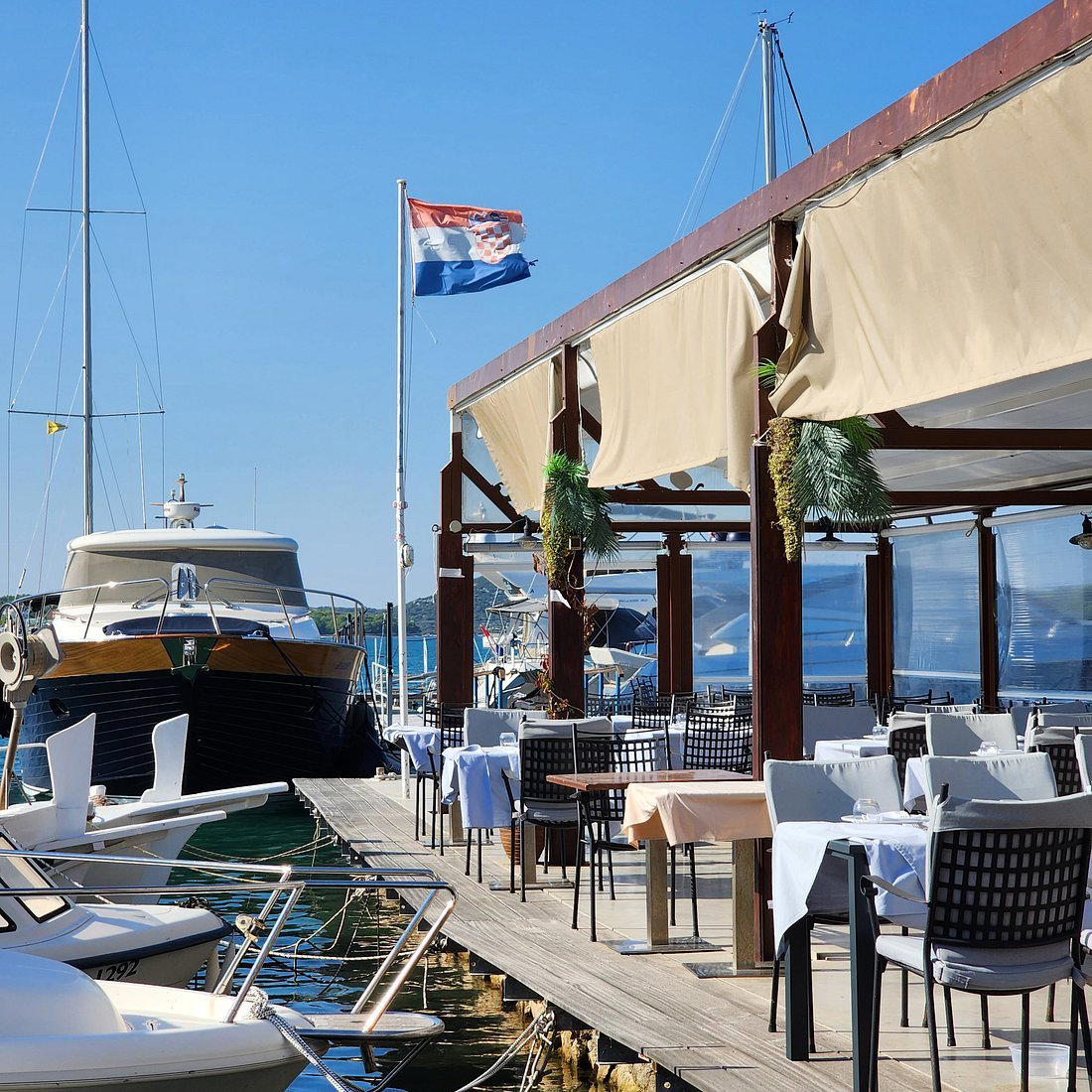

Details
- Cozy
- Intimate
- Rustic
- Date Night
- Special Occasion
- Standalone
- Organic
- Local Sourcing
- A La Carte
- Vegetarian Friendly
- Gluten Free Options
Current opening hours
- Monday
- 5–11 PM
- Tuesday
- 5–11 PM
- Wednesday
- 5–11 PM
- Thursday
- 5–11 PM
- Friday
- 5–11 PM
- Saturday
- 1–11 PM
- Sunday
- 1–11 PM
Hours can change for holidays and private events. Hours as of .
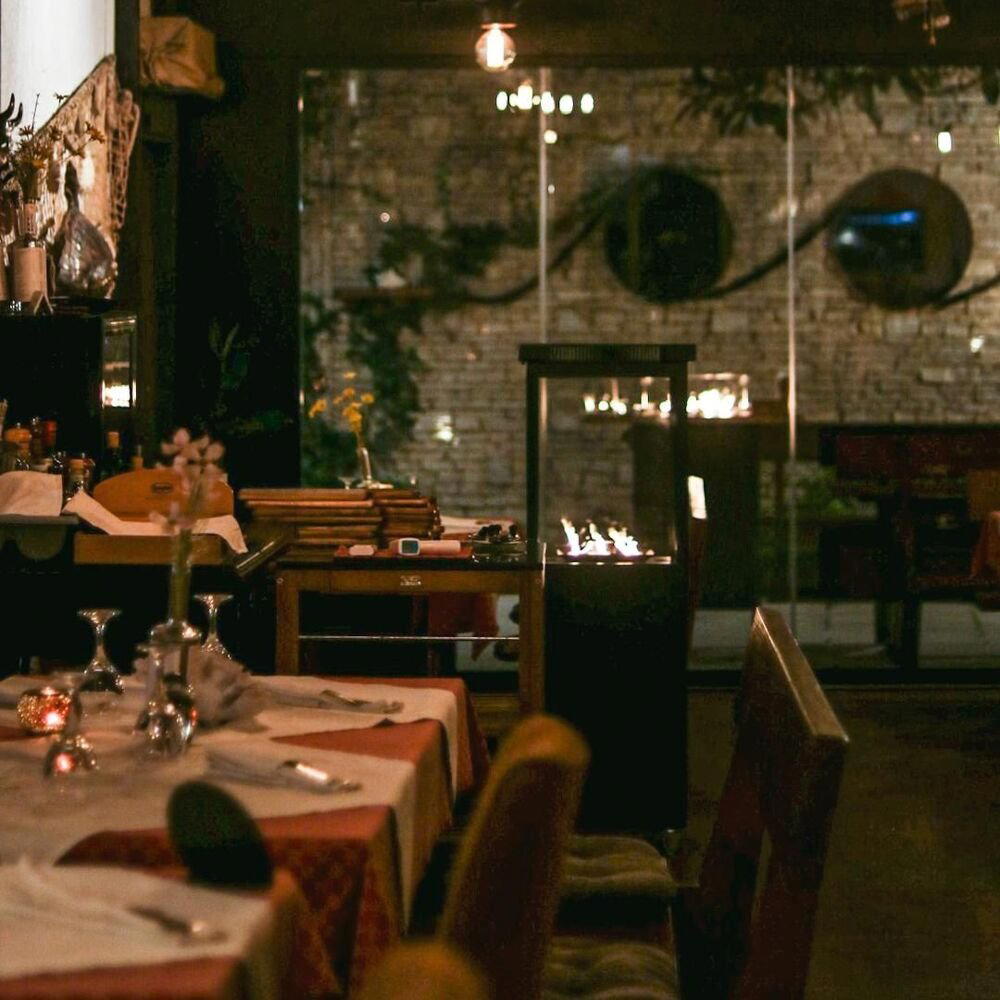
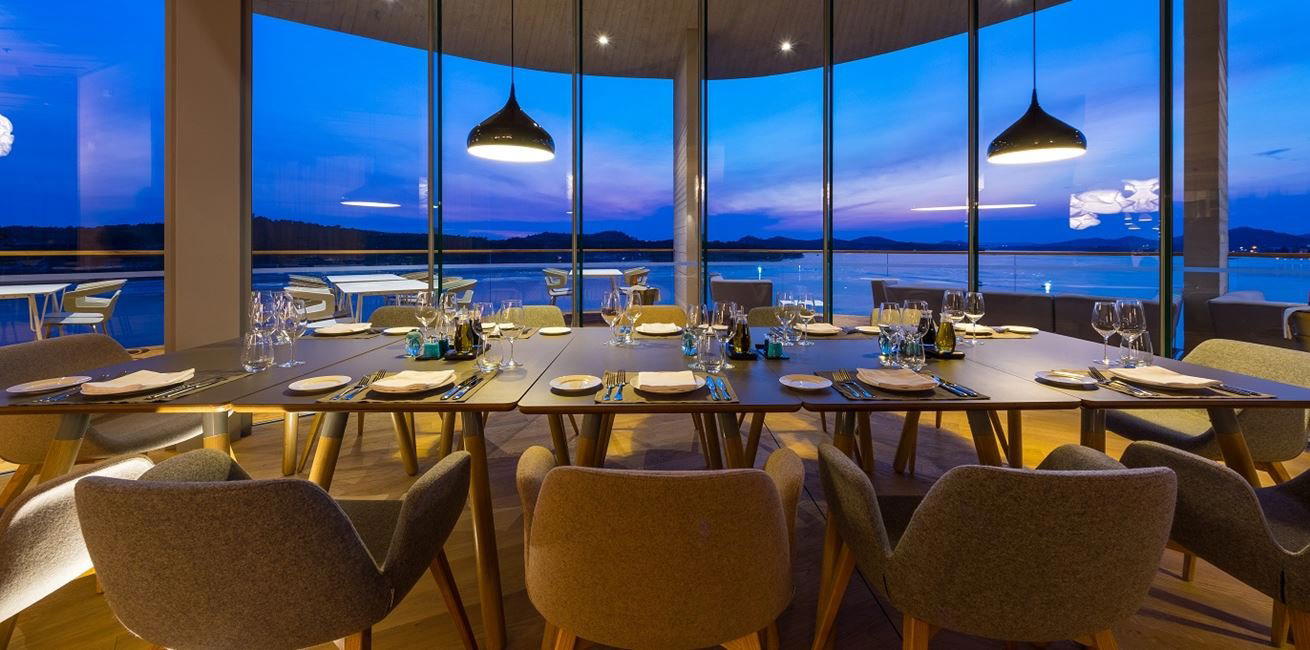
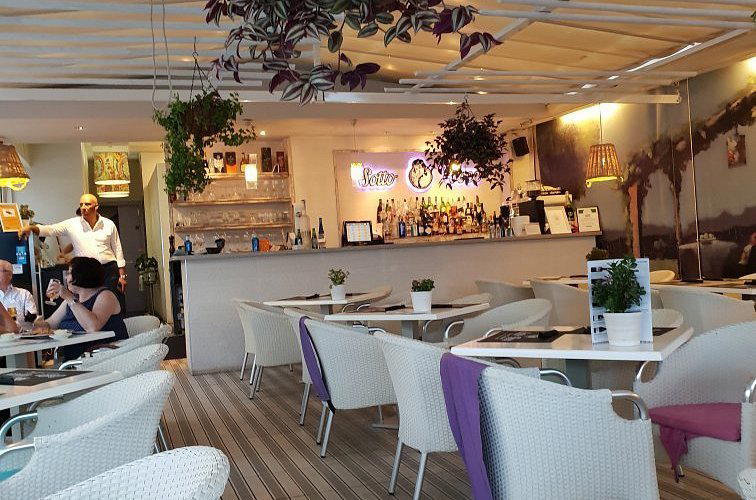
Cosy and harmonious atmosphere with lovely decor that makes guests feel relaxed.