Our verdict
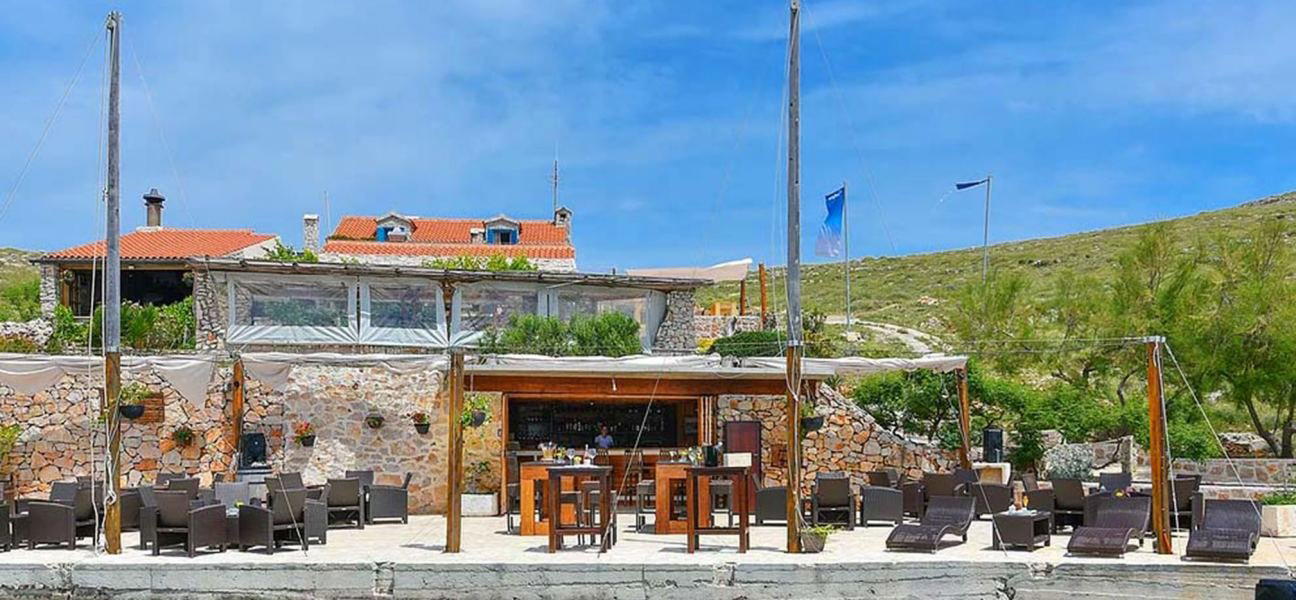
Konoba Opat sits within the Kornati archipelago, one of Croatia's most remote and ecologically protected island chains. The kitchen works from what the surrounding sea and local land provide, in the tradition of Dalmatian konoba dining that predates the region's tourist economy. For travellers arriving by boat, it represents a rare fixed point in an otherwise unpeopled stretch of the Adriatic.

Pearl is the En Primeur Club membership app, where members save venues, book tables and use the concierge.
The menu
What to order
- Fish carpaccio
- Spaghetti with lobster
- Fish baked in salt
The Kornati Context: Eating at the Edge of the Adriatic
The Kornati archipelago comprises roughly 140 islands and islets spread across the northern Dalmatian coast, the majority of which fall within a national park whose land use is tightly regulated. There are no hotels in the conventional sense, limited permanent infrastructure, and a population that drops to near zero outside the fishing and sailing seasons. Restaurants here do not operate within a competitive urban dining scene. They operate within a geography. Konoba Opat, addressed simply to Kornati, sits within that framework, and the fact of its location shapes everything about what it can and cannot offer.
The konoba format itself is worth understanding before arriving. Across Dalmatia, the term refers to a traditional tavern or farmhouse dining room, historically tied to the agricultural or fishing household that operated it. Unlike the polished Mediterranean kitchens found at Pelegrini in Sibenik or the contemporary international formats at Restaurant 360 in Dubrovnik, a konoba operates closer to necessity than curation. The menu reflects what is available, the season, and the catch. In the Kornati islands, where supply logistics are genuinely difficult and fresh produce arrives by boat, that principle is not a marketing position, it is a practical reality.
Sourced From the Sea: What the Ingredients Actually Mean Here
Editorial case for Konoba Opat rests almost entirely on provenance. The waters around the Kornati national park are among the least industrially fished in the Adriatic, a consequence of the protected status of the archipelago and the low permanent population. Fish caught in these waters, sea bass, bream, dentex, various shellfish depending on the season, are not trucked in from a regional wholesale market. The distance from the mainland that makes the Kornati feel so remote is precisely what preserves the quality of the surrounding sea.
Dalmatian coastal cooking in its traditional form is built on this kind of direct sourcing: fish grilled over wood, dressed with local olive oil, paired with seasonal greens. The approach shares a philosophical register with what places like Boskinac in Novalja on Pag island or Bodulo in Pag do further north, though the Kornati setting removes even more of the supply-chain infrastructure those venues can draw on. Here, the ingredient sourcing is not a chef's philosophy, it is the constraint that defines the kitchen's daily reality.
The contrast with Croatia's more ambitious dining addresses is instructive. At Agli Amici Rovinj in Rovinj or Alfred Keller in Mali Losinj, chefs work with regional ingredients inside sophisticated technical frameworks. At Konoba Opat, the framework is the landscape itself. Neither approach is inherently superior; they are answering different questions about what dining in coastal Croatia can mean.
Arriving at Konoba Opat: The Experience of Getting There
Almost everyone who eats at Konoba Opat arrives by water. The Kornati islands are accessible by ferry and excursion boat from Murter, Šibenik, and Zadar, with the crossing time varying by departure point. Private boat and charter sailing traffic accounts for a significant proportion of visitors during the summer months, and the rhythm of the lunch service often tracks the arrival patterns of vessels anchoring in nearby bays. The logistical reality is that you plan your day around the boat, not the restaurant, a reversal of urban dining logic that recalibrates expectations from the moment you set out.
Reaching a table at a remote Kornati konoba is itself a form of vetting. The effort required filters out the casual and rewards the deliberate. Travellers planning a broader Dalmatian itinerary will find useful bearings in our full Murter Kornati restaurants guide, which covers the range of dining options across the area.
Placing Konoba Opat Within the Murter Kornati Scene
The dining options across Murter and the surrounding Kornati area split into two broad tiers: the more developed restaurant scene on Murter island itself, including addresses like Boba and Fine Food Murter, and the more isolated konoba formats found within the archipelago. Konoba Opat belongs firmly to the latter category. Where the Murter town restaurants can offer more consistent service, broader wine lists, and greater ingredient variety, the archipelago konobas trade those advantages for an authenticity of setting and sourcing that the town cannot replicate.
For travellers who have experienced the more polished end of Croatian coastal dining, the tasting-menu formats at Nebo by Deni Srdoč in Rijeka, or the wine-forward dining at Dubravkin Put in Zagreb and Krug in Split, a meal at Konoba Opat reads as a productive counterpoint rather than a lesser option. It asks different things of its guests, and delivers on a different set of terms. Those who appreciate ingredient-focused, proximity-sourced cooking at the level of principle, rather than as a marketing claim, tend to find the exchange worthwhile.
For broader comparison, Croatia's emphasis on produce-driven coastal cooking connects to the same tradition that has given credibility to marine-focused kitchens globally. The fish-first discipline you find at a place like Le Bernardin in New York City traces a lineage back through exactly the kind of unmediated Adriatic sourcing that a Kornati konoba represents in its most unprocessed form, though the execution and register sit at opposite ends of the formality spectrum.
Planning Your Visit
Konoba Opat operates within the seasonal rhythms of the Kornati national park, which means summer months are the window of reliable access. Visitors should plan around boat schedules from Murter, Šibenik, or Zadar, with morning departures allowing enough time for a midday meal before the return crossing. Given the limited infrastructure of the archipelago, confirming availability before departure is advisable, facilities that appear open in high season may run reduced service in shoulder months. Travellers with dietary restrictions or specific expectations should approach with the flexibility that a remote island kitchen requires; the menu follows what arrives, not what is listed. For those building a wider Croatian dining itinerary, the editorial range runs from the rustic formats of the Dalmatian islands to ambitious addresses like LD Restaurant in Korčula, Korak in Jastrebarsko, and BioMania Bistro Bol in Bol, or further afield at Burin in Crikvenica and Atomix in New York City for a study in contrasting approaches to seasonal, ingredient-led cooking.
Frequently asked questions
Can I bring kids to Konoba Opat?
The setting is informal and outdoors-oriented, typical of the konoba tradition across Dalmatia, which means children are generally a practical fit rather than an awkward one. That said, getting to Konoba Opat requires a boat trip from Murter, Šibenik, or Zadar, so families should factor in sea crossing time and conditions. The island environment, not any formal policy, is the main logistical consideration.
What's the overall feel of Konoba Opat?
Remote and deliberately stripped back. Kornati sits within a national park covering roughly 140 islands on the northern Dalmatian coast, and the dining experience reflects that context: no ferry infrastructure, no town square, arrival by water only. The feel is closer to a working fisherman's stop than a polished coastal restaurant, which is precisely the point for the visitors who seek it out.
How do you actually get to Konoba Opat on the Kornati islands?
Almost all visitors arrive by boat, departing from Murter, Šibenik, or Zadar via excursion vessel or private charter. The Kornati archipelago has no road access from the mainland, and Konoba Opat's address sits within the island group at coordinates placing it squarely inside the national park boundary. Planning around ferry and excursion boat schedules from Murter is the standard approach for day visitors.
What do regulars order at Konoba Opat?
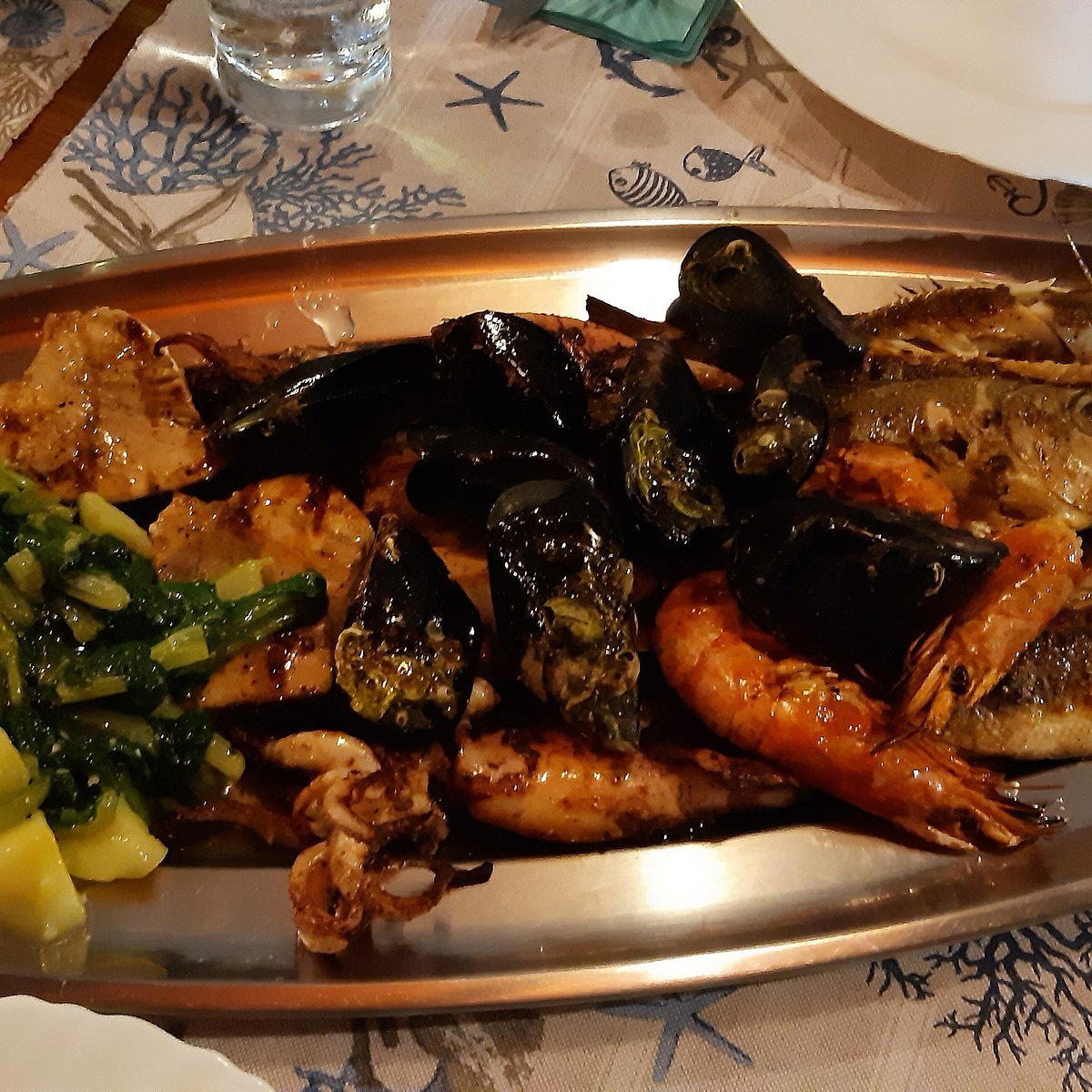
The editorial case for this konoba rests on the provenance of what comes out of the surrounding national park waters, among the least industrially fished in the Adriatic. Regulars tend to follow whatever was caught that day rather than a fixed menu, which in Dalmatian konoba culture means fresh fish grilled simply, shellfish, and local olive oil. Ordering off-script or asking for recommendations over set dishes is the established approach here.
What's the address for Konoba Opat?
Konoba Opat is located at 22243, Kornati, Croatia, Murter Kornati.
Comparable Venues
Comparable venues nearby, for context on price, style, and recognition.
| Venue | Cuisine | Price | Awards | Notes |
|---|---|---|---|---|
| Konoba OpatThis venue (the venue you are viewing) | Traditional Croatian Seafood | $50–100 | Not listed | Not listed |
| Boba | Contemporary Adriatic Seafood | $50–100 | Michelin Plate · Falstaff Restaurant - 92 Falstaff Points | Murter |
| Fine Food Murter | Modern Mediterranean Seafood | $20–30 | Not listed | Murter |
| Mazzgoon | Modern Croatian Seafood | $30–50 | Not listed | Split Old Town |
| FANTAŽIJA kitchen and wine | Modern Dalmatian Mediterranean | Not listed | Not listed | Old Town |
| Sedmo nebo | Authentic Dalmatian Seafood | Not listed | Not listed | Kaprije (Otok Kakan) |
Continue exploring
More in Murter
Restaurants in Murter
All restaurants in Murter →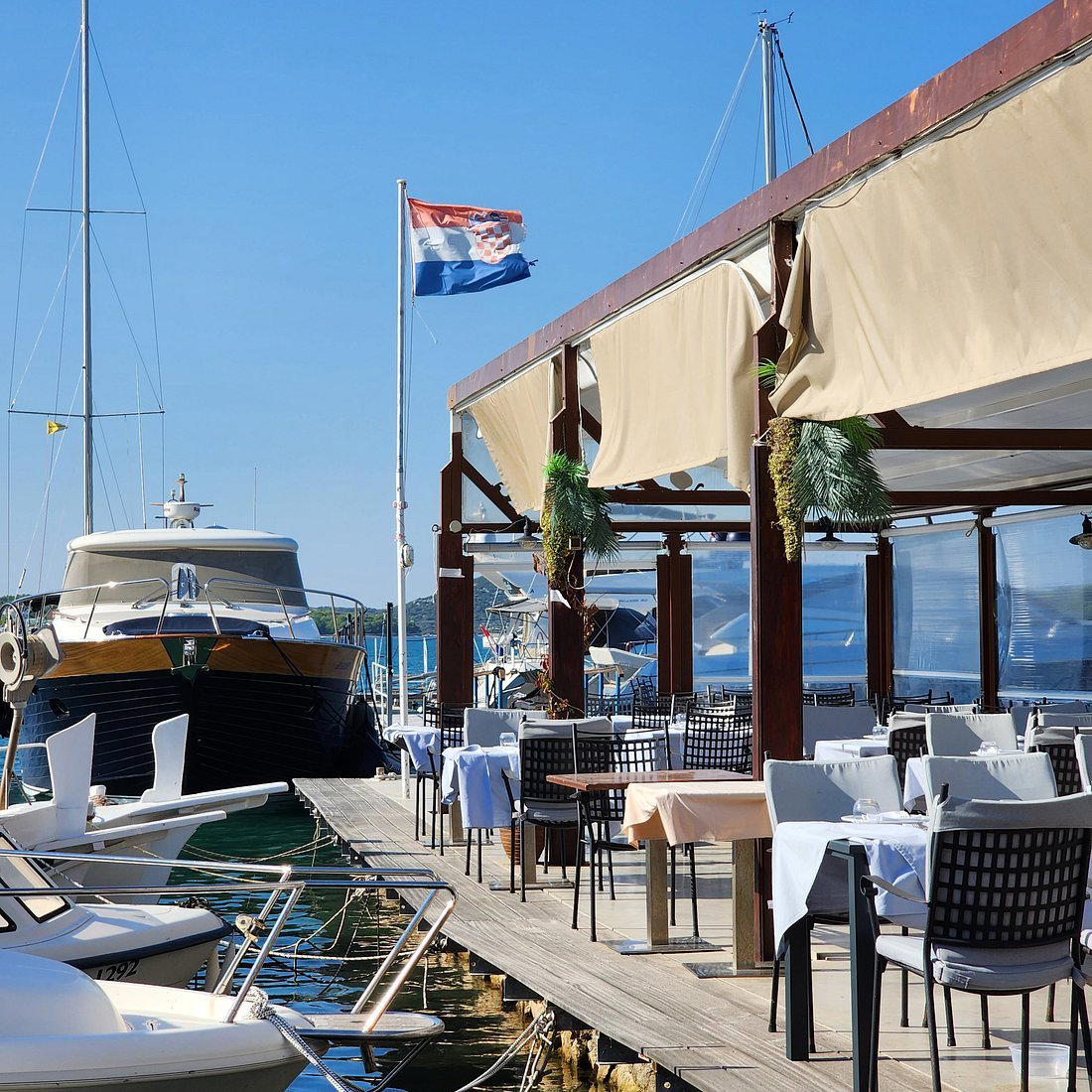

Details
- Rustic
- Scenic
- Cozy
- Special Occasion
- Date Night
- Waterfront
- Terrace
- Extensive Wine List
- Local Sourcing
- Waterfront
- A La Carte
- Vegetarian Friendly
Current opening hours
- Monday
- 9 AM–12 AM
- Tuesday
- 9 AM–12 AM
- Wednesday
- 9 AM–12 AM
- Thursday
- 9 AM–12 AM
- Friday
- 9 AM–12 AM
- Saturday
- 9 AM–12 AM
- Sunday
- 9 AM–12 AM
Hours can change for holidays and private events. Hours as of .
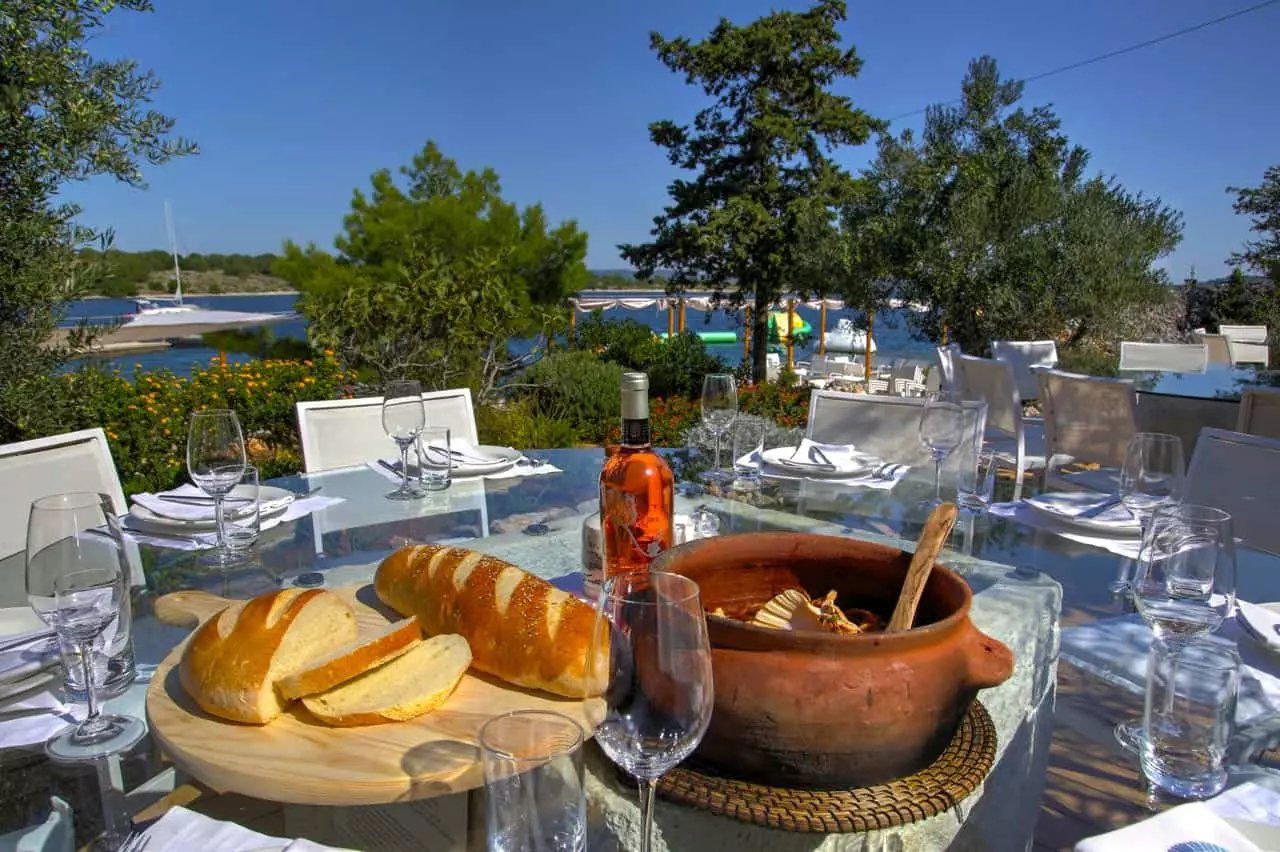
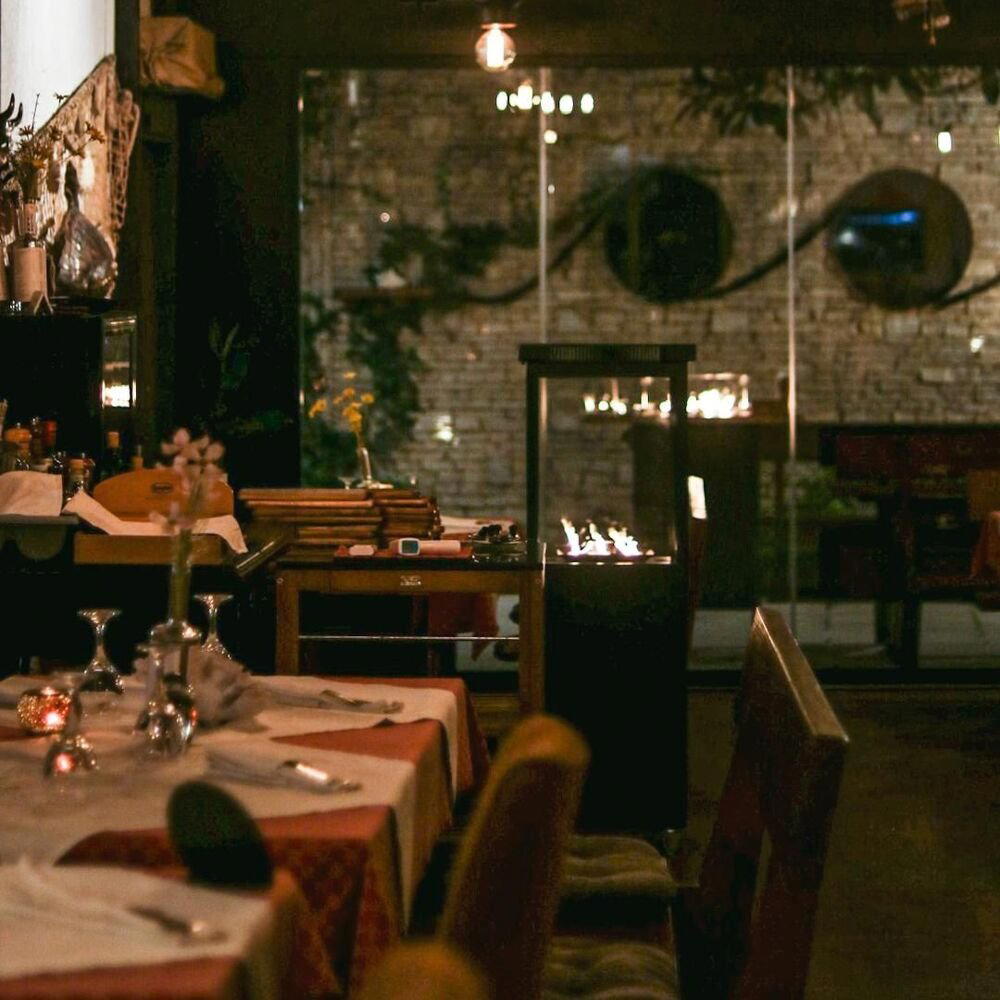
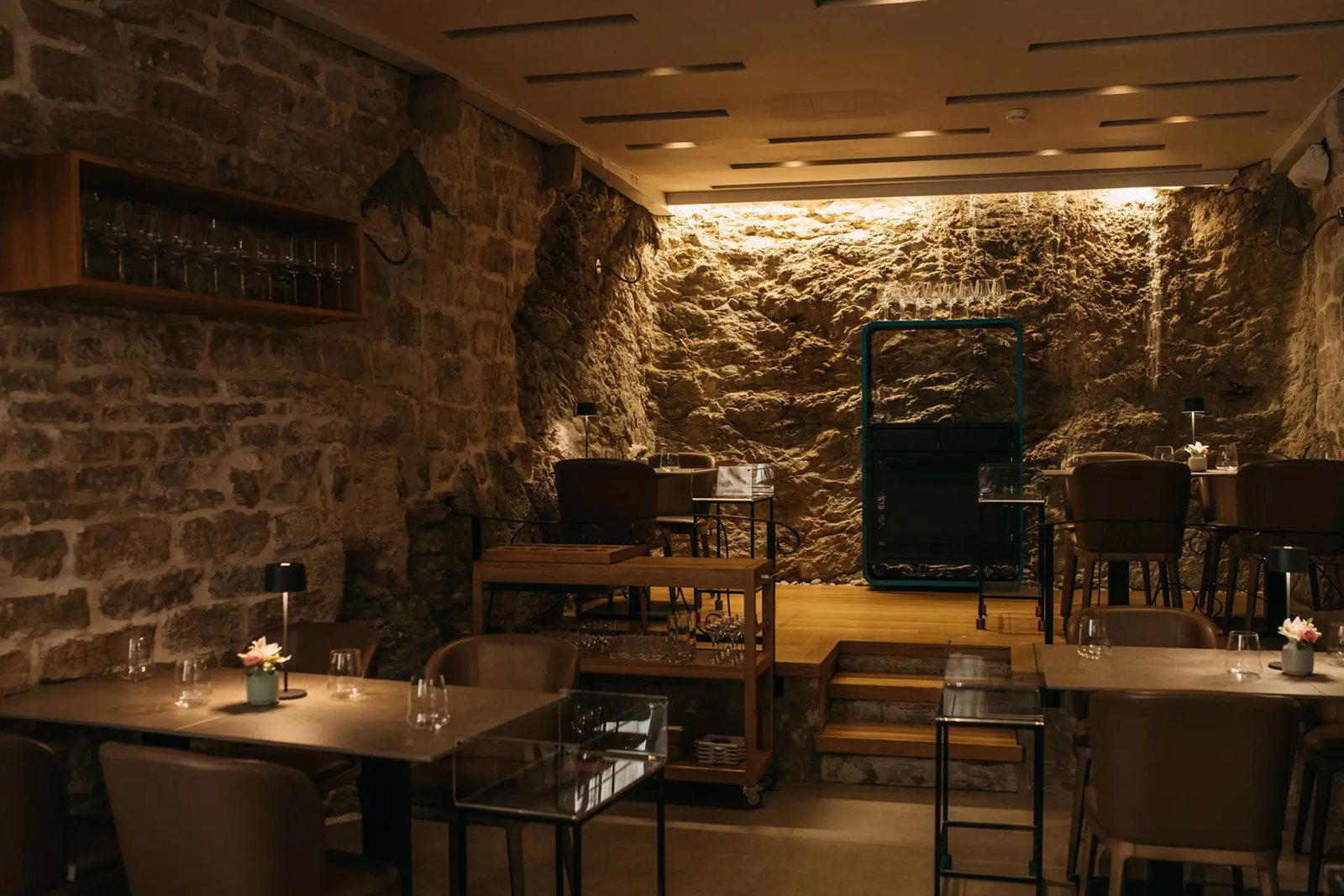
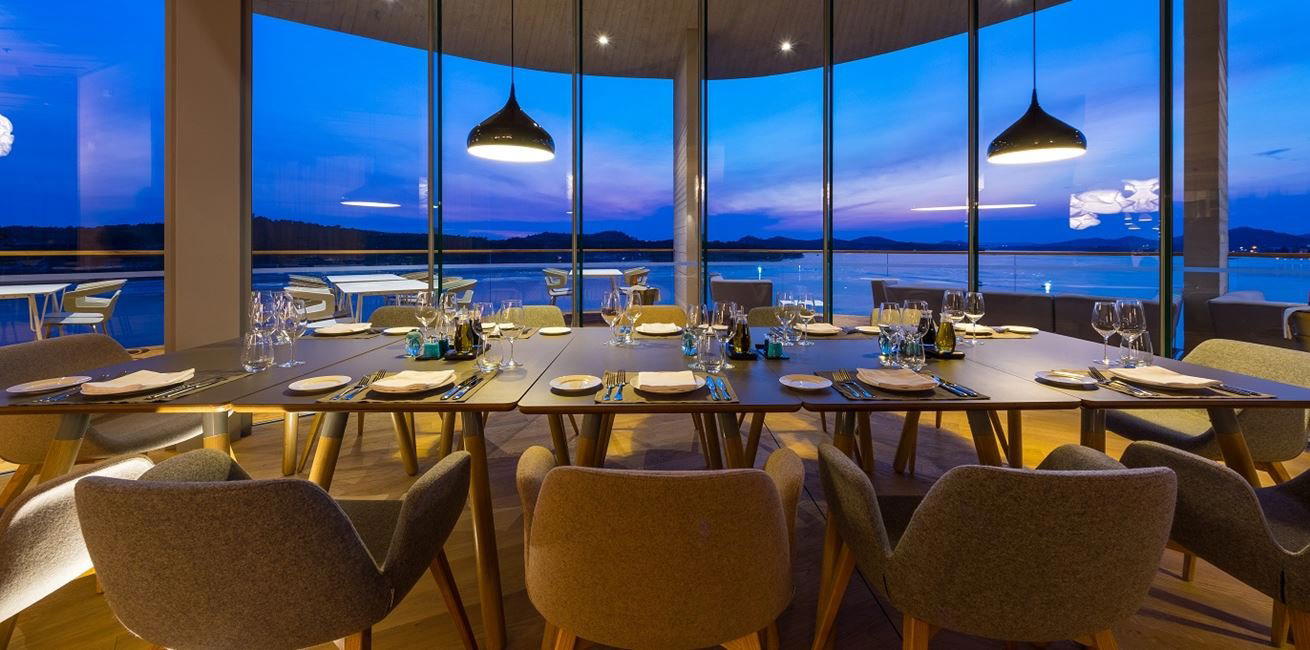
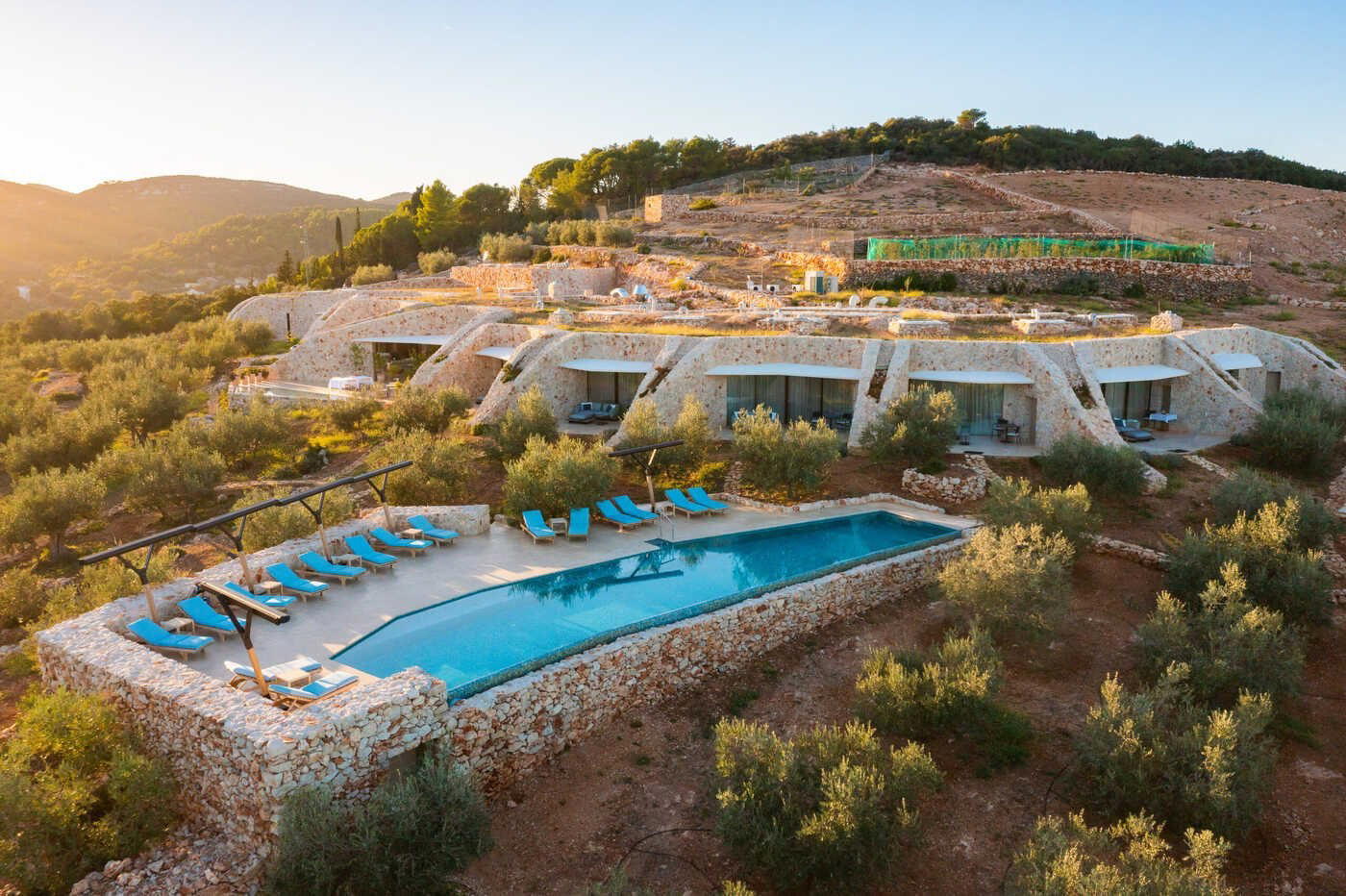
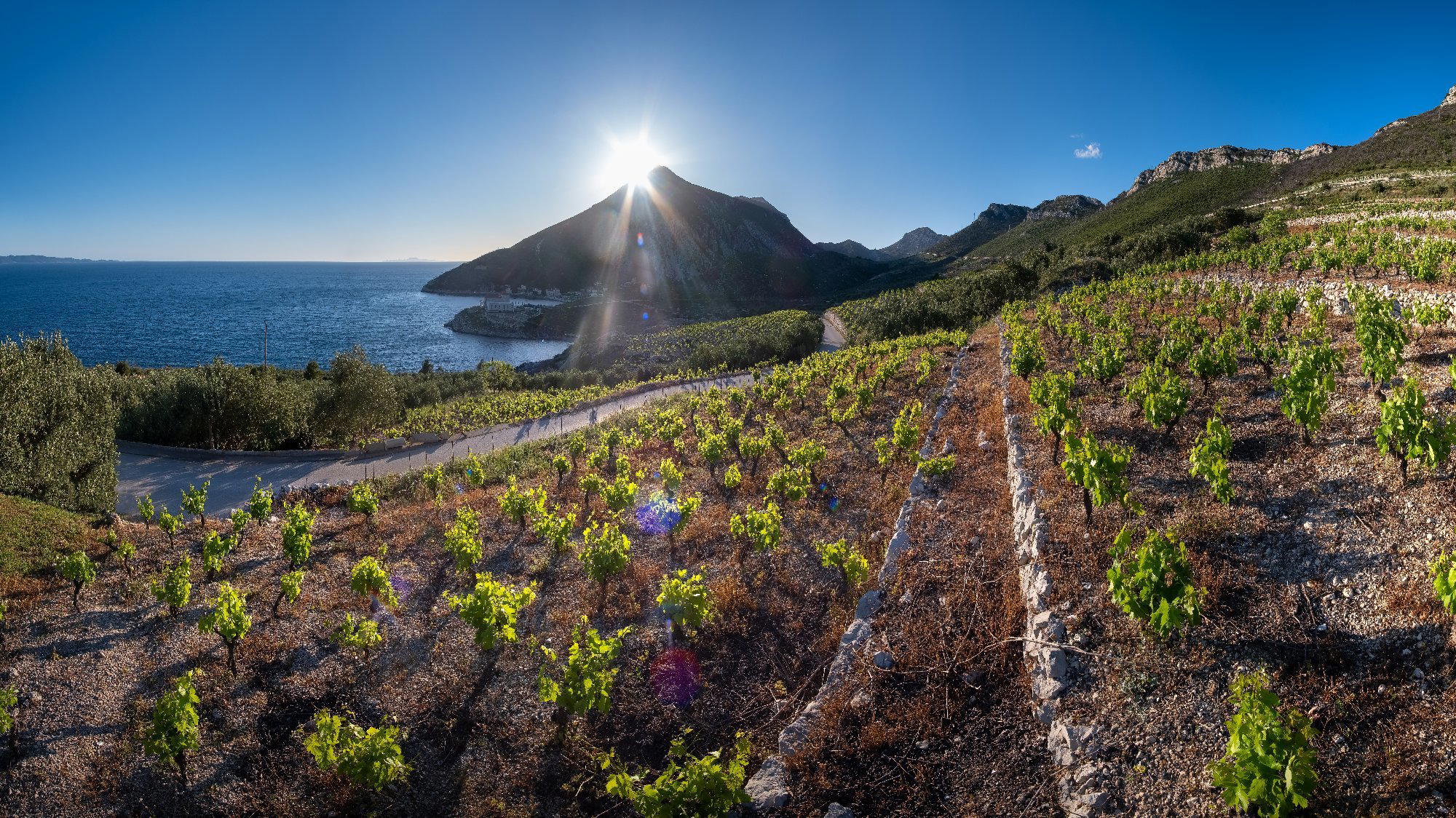
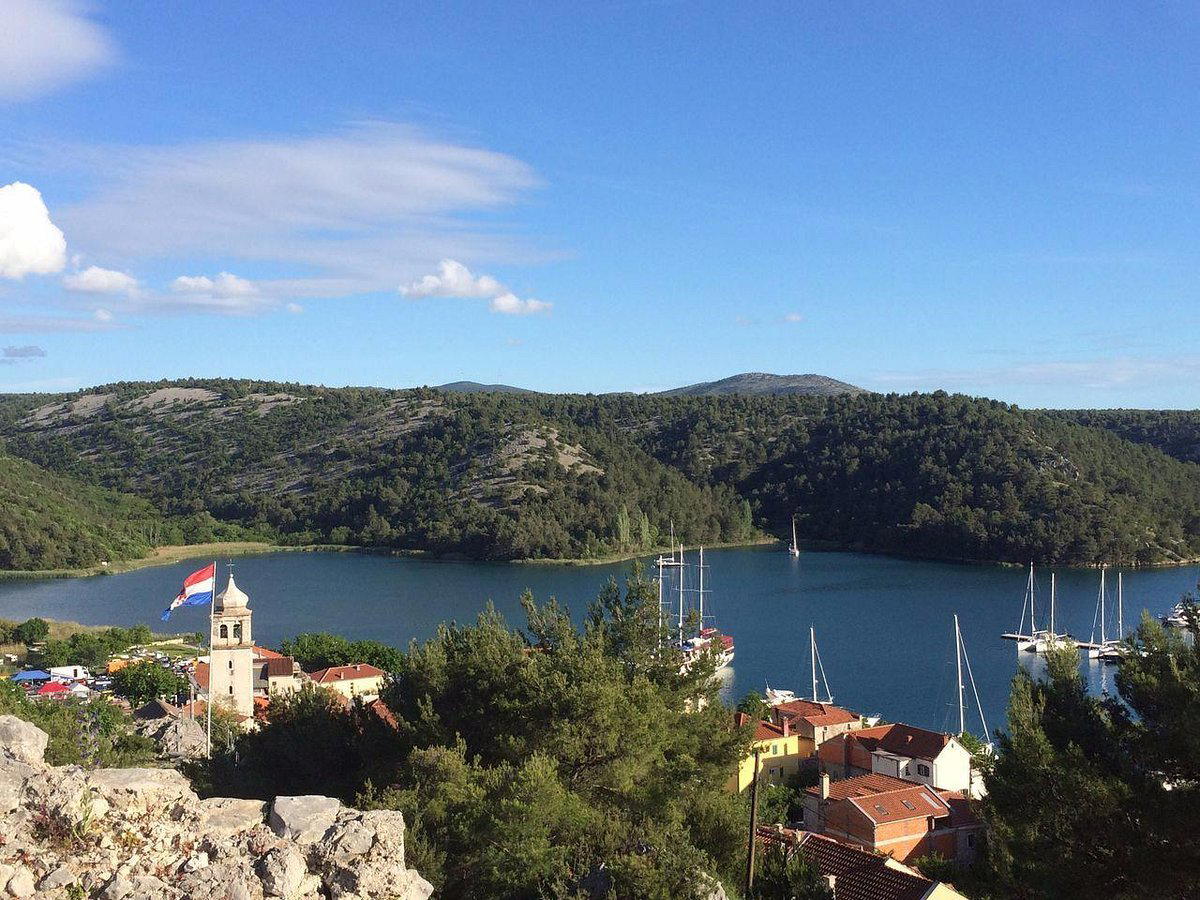
Rustic stone terrace at sea level with dramatic waterfront views in a peaceful bay surrounded by the silence of the Kornati archipelago.