
Tabelog 100 #59
Our verdict
fika. is a compact Kakuozan sweets address where Nagoya’s café culture meets the precision of a dedicated cake, bagel and takeaway format. Its repeated selection for Tabelog Sweets EAST “Tabelog 100” places it in a serious regional conversation, while the modest price band keeps the focus on craft rather than ceremony.

Pearl is the En Primeur Club membership app, where members save venues, book tables and use the concierge.
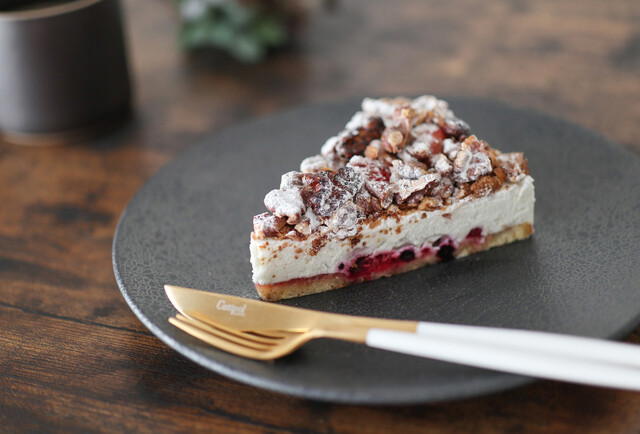
Approaching Nagoya’s quieter everyday food streets, the rhythm shifts from central department-store food halls to a smaller scale of counter, box and takeaway bag. This is where fika. fits: not a grand dessert salon, but part of a Japanese sweets culture that prizes restraint, regularity and limited production. Its Nagoya setting matters less as a landmark than as a reminder that some of the city’s best food stops are modest, practical and built for deliberate visits rather than hurried eating.
On Nagoya’s dining map, sweets have a particular role. The city is known nationally for breakfast culture, coffee-house habits and pragmatic eating, but its dessert addresses often carry sharper scarcity than casual café language suggests. Cake shops, bagel counters and small cafés can work less like lounges than daily-production workshops, where timing and availability define the visit. fika. spans cake, bagel and café, keeping the encounter focused on approachable sweets and daytime provisions made in finite quantity.
Nagoya sweets culture, scaled down to a counter format
The useful Nagoya comparison is not dessert versus fine dining, but low-price specialists versus full-service restaurants built for a longer evening. Nearby tbz Kakuouzan honten, Kakuozan Kichi Imo Honten and Baika Do sit in a modest sweets-and-snack tier, while Taverna Sukima and CORK occupy a higher restaurant bracket. That spread explains fika.’s appeal: low entry cost, serious selection signal. A Tabelog Hyakumeiten recognition in 2023 places the shop among sweets addresses Japanese diners have marked as worth tracking.
Ingredient focus is the quiet engine. Japanese cake culture has long borrowed European technique, then disciplined it through local expectations around seasonality, texture and portion. Strong small sweets shops rarely need theatrical plating; they depend on core ingredients behaving precisely within a narrow production window. Bagels add a daily-bread register, shifting the shop from dessert errand to daytime provision. The mix suggests a compact specialist rather than a dessert room for lingering.
That matters because Nagoya can be misread as only set-piece meals: hitsumabushi, miso katsu, kishimen, tebasaki. Those dishes deserve attention, but the city’s smaller food intelligence often appears in modest rooms earning routine local use. For wider planning, Our full Nagoya restaurants guide gives the broader dining frame, while other Nagoya dining rooms show the city’s range beyond famous local dishes.
Why sweets recognition matters more than a long menu
Japan’s Tabelog Hyakumeiten lists are not decorative here; for sweets, they are shorthand for consistency in categories where shops are small, hours can be narrow and production constrained. fika. has a Tabelog score of 3.66 and appears in the 2023 selection. The number does not replace taste; the recognition separates a neighbourhood errand from a specialist address worth building into a Nagoya itinerary.
The compact scale sets expectations. This is not necessarily a long café afternoon for conversation and refills; it is a precise sweets stop, best paired with a Nagoya walk or folded into a day of exploring the city. Its practical value lies in accepting the format rather than forcing it into a restaurant experience.
Seasonality is not menu romance in Japanese sweets shops; it affects crowding, perishability and production. Small-production shops manage demand through timing rather than high-volume absorption. For ingredient-led sweets, that restraint can protect texture and freshness, though late or casual planning can narrow choice.
Payment and access should be treated in the spirit of a small local shop: check current details before going, and keep the visit flexible. The broader point is that fika. reads as a compact specialist with serious sweets credentials, not a formal destination requiring ceremony.
How to place fika. inside a Nagoya day
The case for fika. is strongest within a Nagoya route, not as a single-purpose pilgrimage. The city rewards short distances and small stops: a walk, a café pause, a sweets purchase, then back toward dinner. That suits travellers seeking the city beyond station complexes and department basements, and repeat visitors who know Nagoya’s signature savoury dishes and want a narrower read on daily food culture.
For broader planning, Our full Nagoya hotels guide helps with where to stay, while Our full Nagoya bars guide, Our full Nagoya wineries guide and Our full Nagoya experiences guide place the sweets stop inside a larger city plan. Travellers comparing Japanese casual formats beyond Nagoya may find useful contrasts in other unnamed cities and casual dining rooms. For wider context on compact Japanese-leaning formats, focused menus elsewhere show how small formats can stay distinctive without becoming generic.
The recommendation is simple: treat fika. as a high-credibility sweets stop with limited-production logic. Go early enough for selection, check ahead if a specific item is the goal, and keep expectations practical. The reward is not spectacle, but a clear look at how Nagoya’s quieter food culture can be exacting, affordable and deeply local.
Frequently asked questions
What kind of setting is fika.?
fika. is a cake, bagel and cafe shop in Nagoya. It was selected for Tabelog Hyakumeiten recognition in 2023.
What's the price range at fika.?
Pricing at fika. is listed as - JPY 999 - JPY 999.
What's the address for fika.?
fika. is located in Nagoya.
How far ahead should I plan for fika.?
As with many small sweets shops, it is sensible to check current hours and availability before visiting. Go earlier in the day if selection matters.
Quick Comparison
Comparable venues to place this listing in its category.
| Venue | Cuisine | Price | Awards | Notes |
|---|---|---|---|---|
| fika.This venue (the venue you are viewing) | Japanese cake & baked sweets shop | $1–10 | Tabelog 100 #59 | Not listed |
| Cafe Tanaka Honten | French-style patisserie café | $20–30 | Tabelog 100 #98 | Kita |
| coffee Kajita | Specialty coffee & sweets café | $10–20 | Tabelog 100 #87 | Meitō |
| BAR BARNS | Bar / Whiskey & Cocktail Bar | $30–50 | Tabelog 100 #97 | Naka |
| PIERRE MARCOLINI Nagoya | Belgian chocolatier café & patisserie | $10–20 | Tabelog 100 #45 | Nakamura |
| LECRIN DE YUMIKO | Seasonal French-style cakes & Western confectionery | $10–20 | Tabelog 100 #47 | Chikusa |
Recognition history
Dated appearances from independent guides and award organizations, with the underlying list record or original source where available.
Tabelog 100 #59 · No. 59
Tabelog · Tabelog 100 - Sweets - EAST - 2023
Continue exploring
More in Nagoya
Restaurants in Nagoya
All restaurants in Nagoya →

Details
- Cozy
- Quiet
- Classic
- Intimate
- Solo
- Casual Hangout
- Family
- After Work
- Standalone
- A La Carte
Current opening hours
- Monday
- Closed
- Tuesday
- Closed
- Wednesday
- 11 AM–5 PM
- Thursday
- 11 AM–5 PM
- Friday
- 11 AM–5 PM
- Saturday
- 11 AM–5 PM
- Sunday
- Closed
Hours can change for holidays and private events. Last verified .
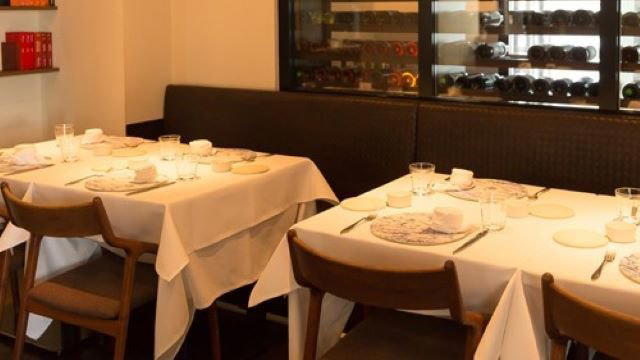
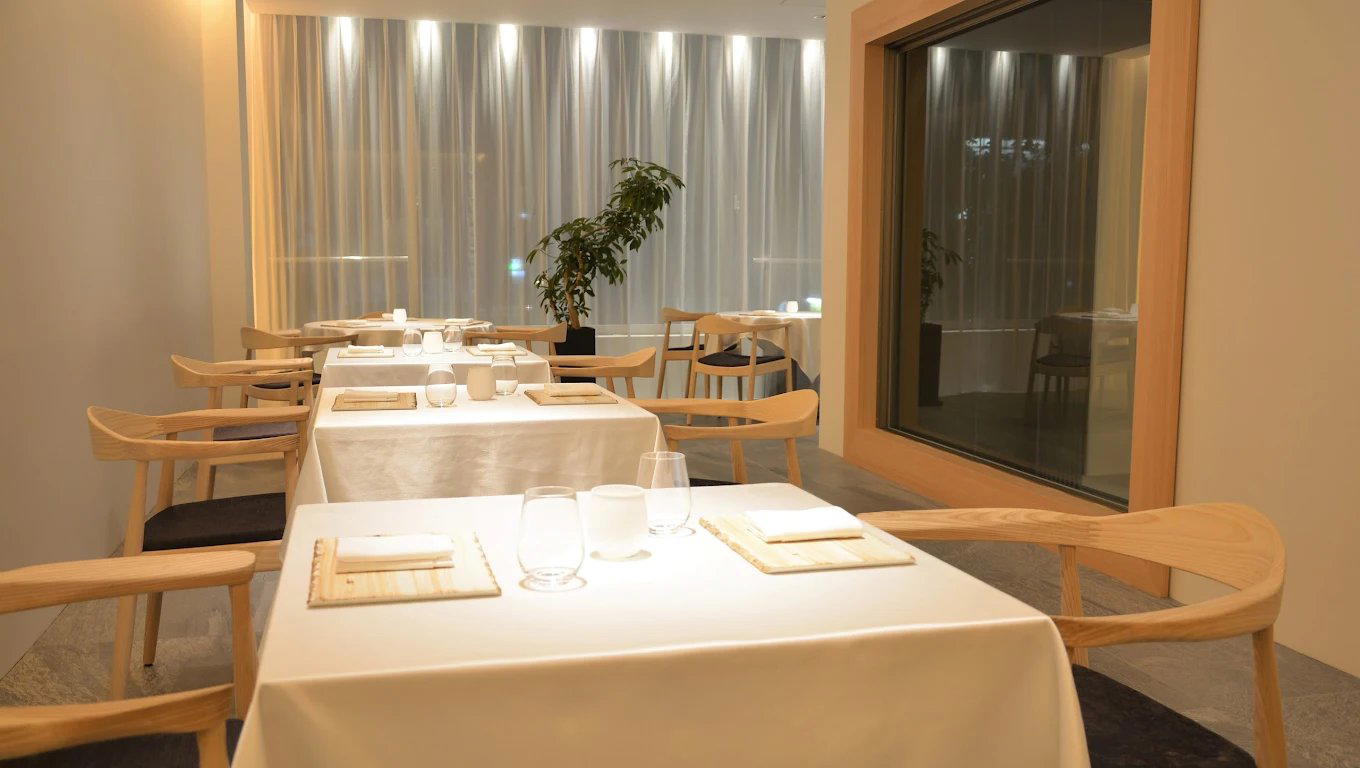
Calm, low-key atmosphere centered on a small retail counter of neatly arranged cakes and baked goods; simple decor and soft lighting give it a homely, classic cake-shop feel rather than a café for lingering.