


1 Michelin Star · The Best Chef One Knife
Our verdict
At FIEF on Rue de la Folie Méricourt, Victor Mercier's one-Michelin-star counter in the 11th arrondissement enforces a strict rule: every ingredient must originate in France. Sichuan pepper from Gers, yuzu from Montpellier, miso from Burgundy. The counter format puts diners close enough to the kitchen team to hear the reasoning behind each dish in real time, which changes the calculus of what a €€€€ meal here actually costs.

Pearl is the En Primeur Club membership app, where members save venues, book tables and use the concierge.
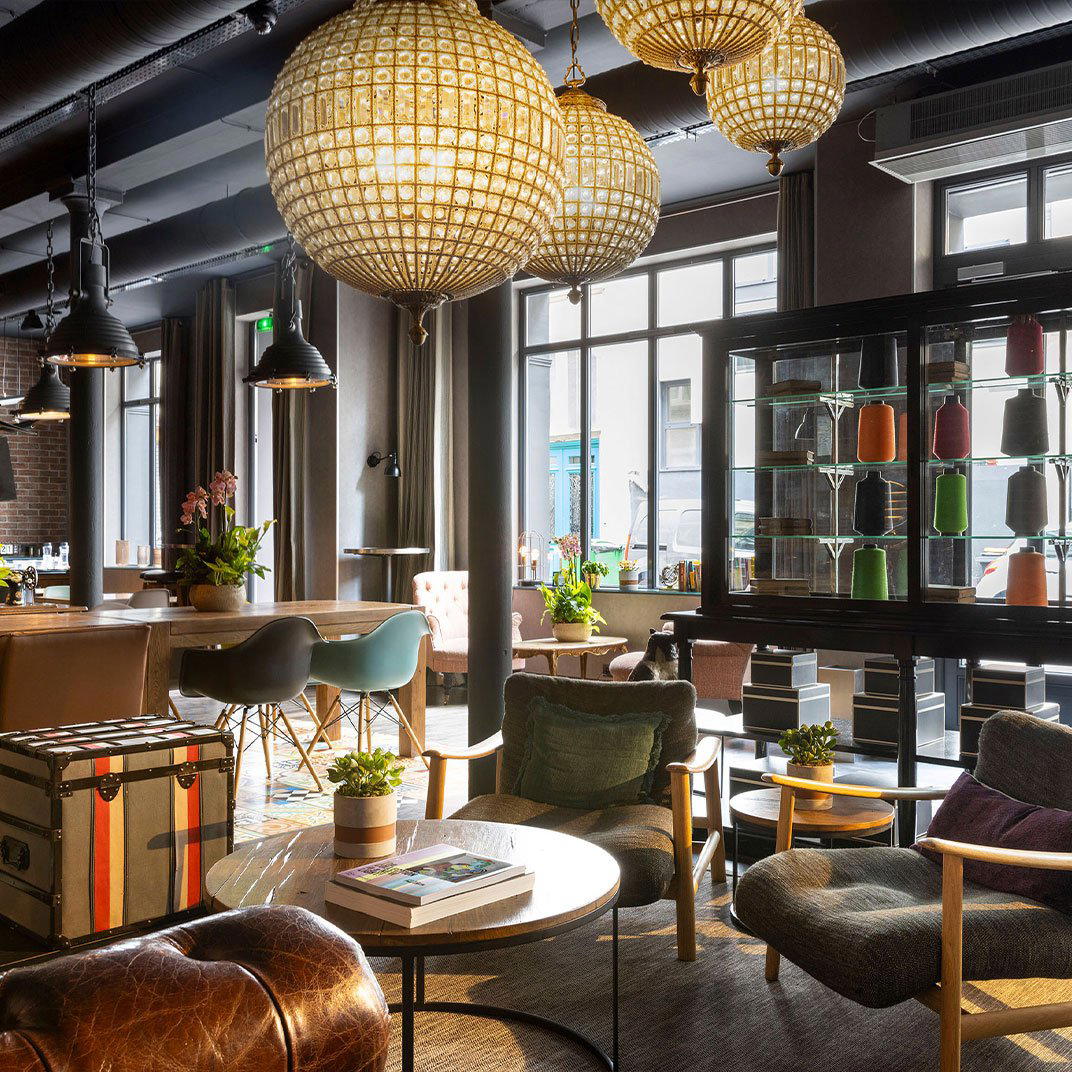
The Counter at the End of Rue de la Folie Méricourt
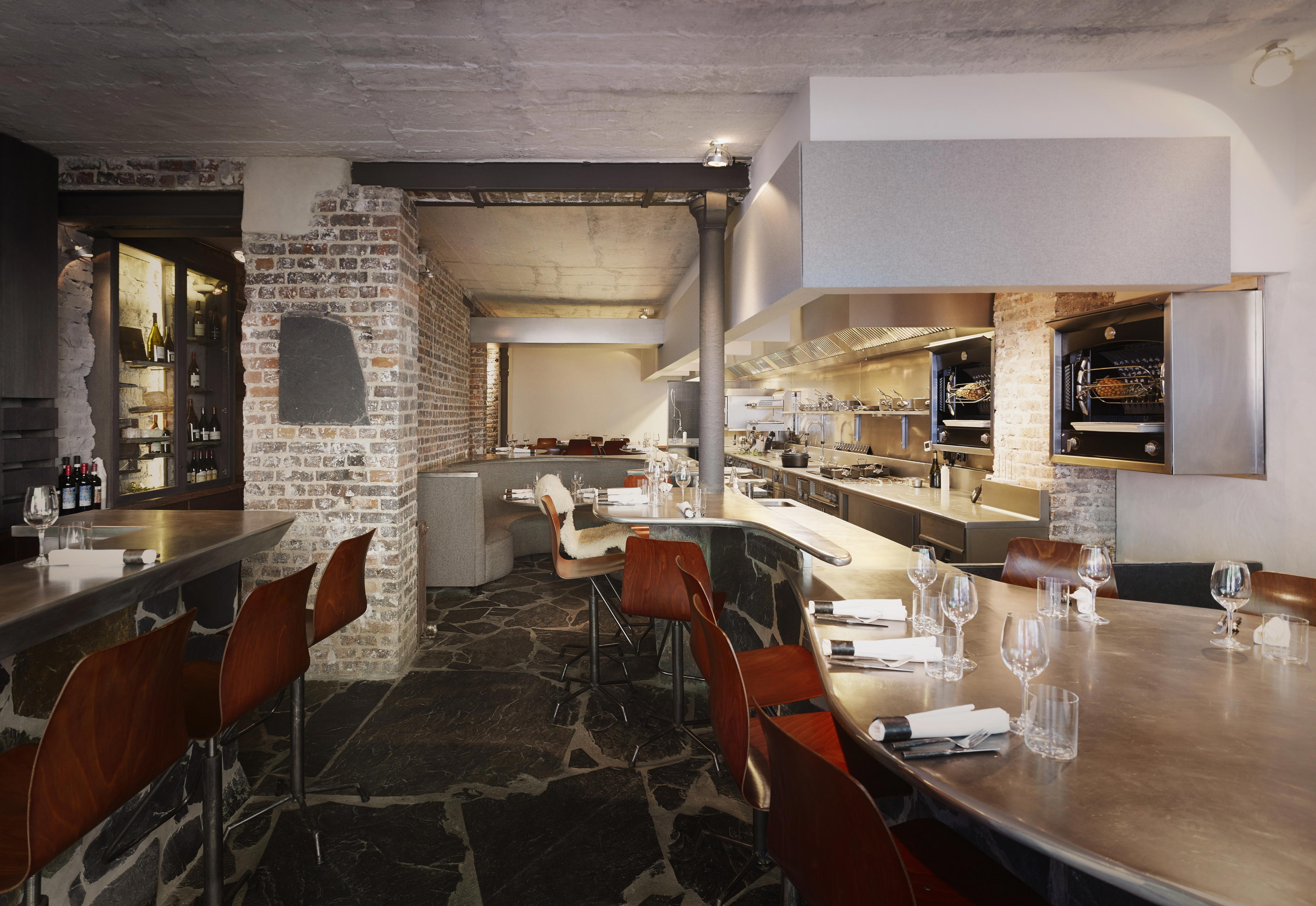
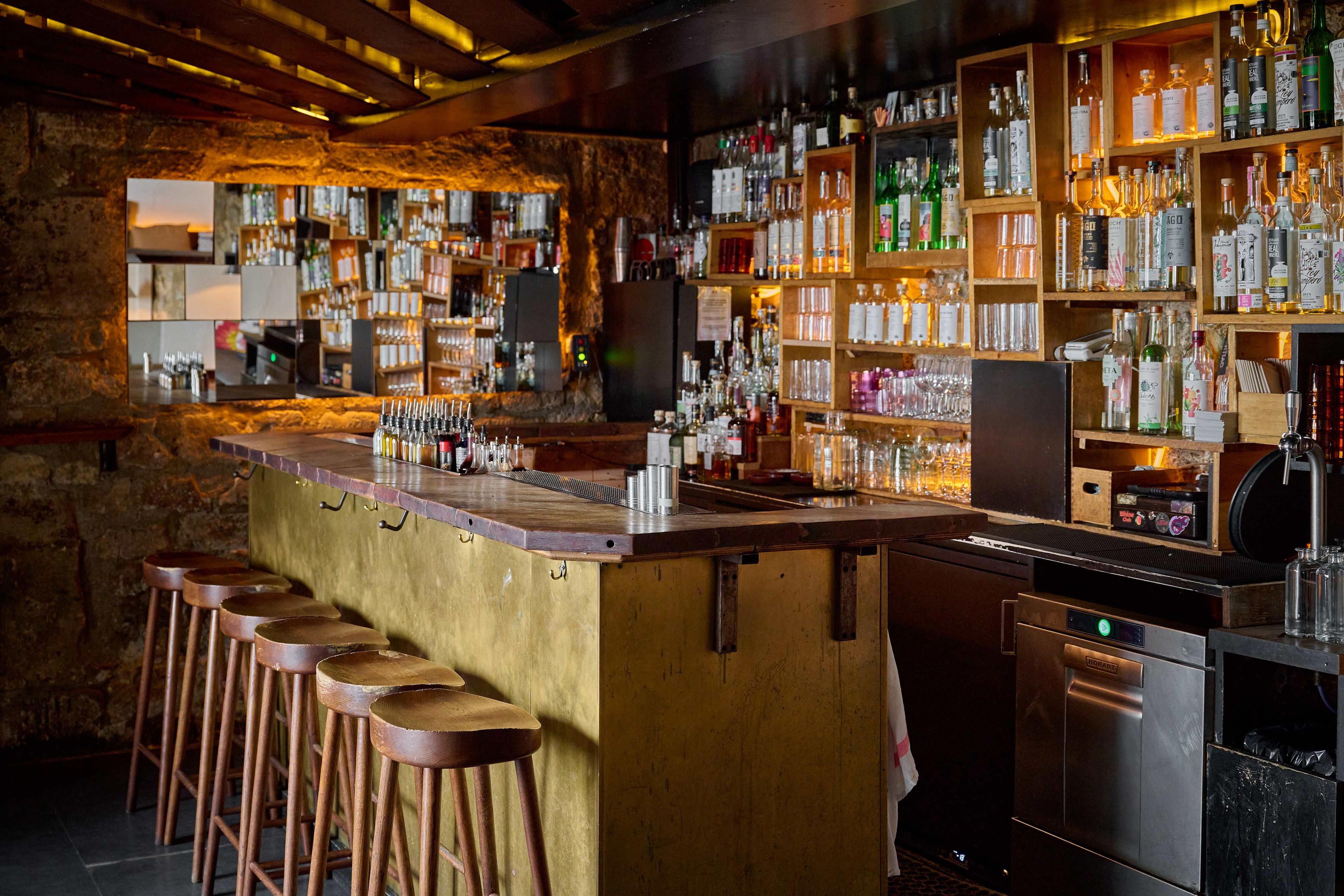
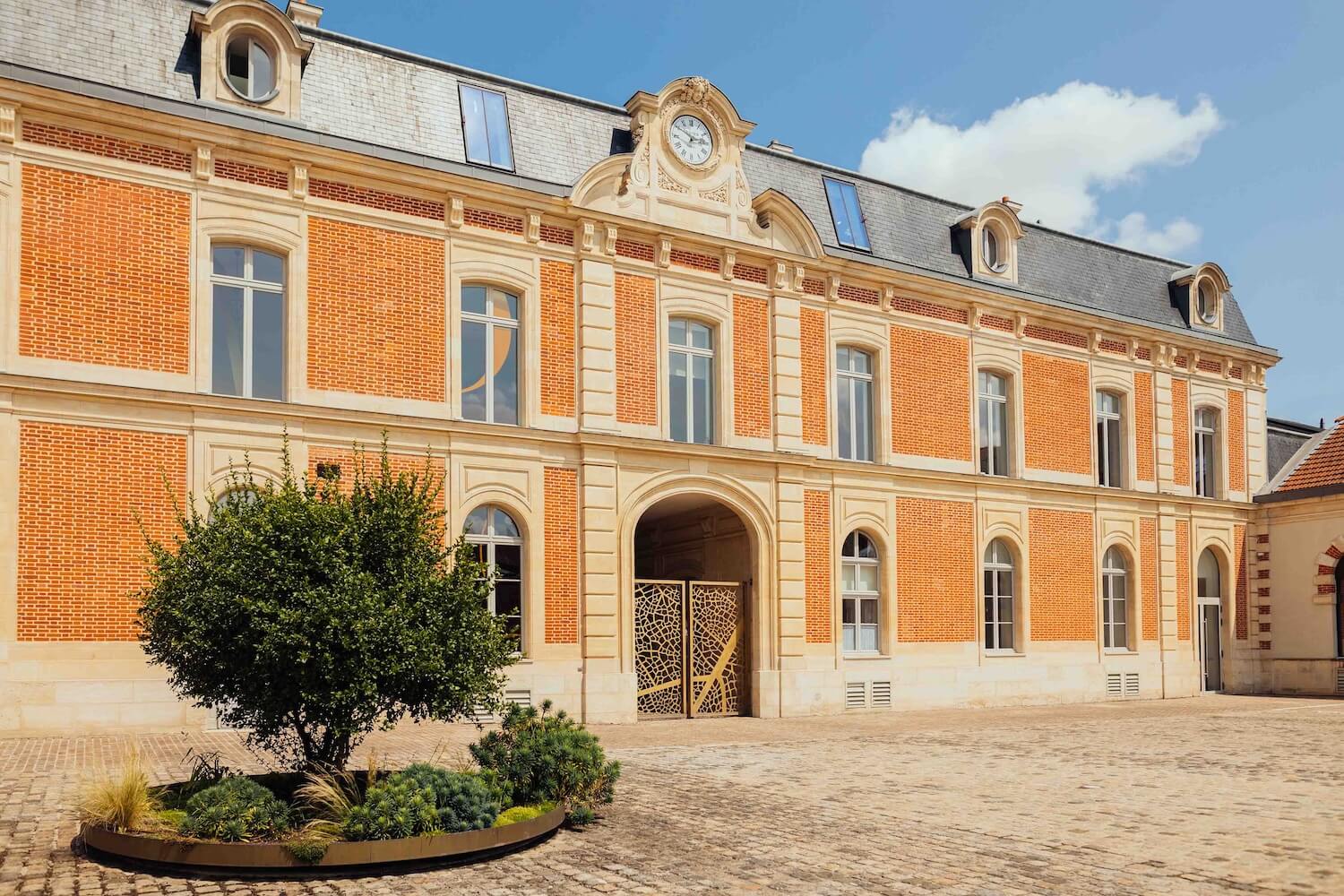
The 11th arrondissement has spent the better part of a decade repositioning itself relative to the grand dining rooms of the 8th. Where 114, Faubourg and Le Cinq operate inside hotels with architectural grandeur as part of their implicit argument, the restaurants that have defined this stretch of eastern Paris make their case differently: through proximity, informality, and a demonstrably sharper point of view about what French cooking actually means in the 2020s. FIEF, at 44 Rue de la Folie Méricourt, belongs to that cohort. The room itself is spare. The counter is the dining room. The kitchen is the theatre, and the distance between them is measured in centimetres.
This physical arrangement matters more than it sounds. Across Paris's higher-end market, the counter-led format has become a structural statement as much as a design choice. At three-Michelin-star rooms like Alléno Paris au Pavillon Ledoyen or L'Ambroisie, the geometry of the dining room keeps kitchen and guest at a formal remove. At FIEF, the counter collapses that distance, and the kitchen team fills the gap with running commentary on what is in front of you, where it came from, and why. That transparency is not incidental to the experience; it is the experience, and it reframes what the €€€€ price point is actually buying.
One Rule, Applied Without Exceptions
The restaurant's name is a double meaning. FIEF translates as both a feudal domain and an acronym: Fait Ici En France, made here in France. The constraint is total. Victor Mercier, who reached national recognition after appearing on Leading Chef France in 2018 and earned a Michelin star in 2024, sources every ingredient from within French borders. That sounds manageable until you consider the specifics. Sichuan pepper, typically imported from China, arrives here from Gers, in the southwest. Peanuts come from Soustons, on the Atlantic coast. Yuzu, almost universally associated with Japanese cuisine and Japanese growing regions, is sourced from producers in Montpellier. Miso is made in Burgundy. Ice cream is flavoured with sweet clover rather than vanilla, because vanilla requires a tropical climate France does not have.
This is not provenance-labelling in the mode of a brasserie menu listing its cheese supplier. It is a productive constraint that forces genuine culinary problem-solving. The interest is not in the rule itself but in what the rule generates: a menu that maps French regional agriculture in unusual detail, and sauces that draw character from ingredients rarely used at this register in this configuration. Modern French cooking's relationship with global flavour references, especially from East and Southeast Asia, usually depends on importing those references directly. FIEF's version routes them through French terroir, which produces something distinct from both traditional French cuisine and fusion. It occupies its own competitive position, which is why it ranks at number 424 on the Opinionated About Dining list of leading restaurants in Europe for 2025 within three years of opening at this level.
What the Price Point Buys
The €€€€ designation places FIEF in the same price band as Paris's three-Michelin-star institutions, among them Amâlia and multi-generational landmarks like Auberge de l'Ill in Illhaeusern. But the comparison merits some care. At those addresses, the price includes room scale, brigade size, and the accumulated weight of institutional prestige. At FIEF, it pays for something more concentrated: a single-chef creative vision, counter access to the team executing it, and the educational layer of real-time explanation. For readers deciding where that money goes furthest in terms of genuine intellectual and sensory engagement per euro spent, the counter format has a structural advantage over the grand dining room. You are not funding an overhead that mostly remains invisible to you.
The counter format also creates a particular kind of accountability. When a kitchen team must explain each dish to the guest eating it, in real time, the menu cannot sustain weak links for long. This is less true at rooms where the front of house mediates between the kitchen's intent and the guest's comprehension. At FIEF, the gap is closed by design. What that means practically is that a guest with genuine curiosity about sourcing, technique, or flavour logic will extract more information from a dinner here than from restaurants twice the price.
For a broader sense of how Paris's Michelin-starred restaurants compare at this price register, our full Paris restaurants guide maps the field across arrondissements and cuisine types.
FIEF in the Wider French Fine Dining Map
The all-French-sourcing constraint connects FIEF, conceptually, to a longer tradition of territory-anchored French haute cuisine. The approach taken at Bras in Laguiole built an entire culinary language from the Aubrac plateau. Flocons de Sel in Megève treats Alpine terroir with similar specificity. Troisgros in Ouches has built successive decades of cooking around deep regional supplier relationships. What distinguishes FIEF's version is that it applies this logic not to a single region but to the whole of France, while also importing a contemporary approach to Asian flavour references that those institutions largely do not share. The result is a restaurant that sits between two traditions without comfortably belonging to either, which is a more interesting place to be than it sounds.
The comparison also helps calibrate expectations. Guests arriving from three-star French institutions like Mirazur in Menton or Paul Bocuse's Auberge du Pont de Collonges will find a different register of formality entirely. FIEF does not compete on ceremony. Its argument is closer to what one-star counters in Copenhagen or Tokyo have made over the past decade: that focused, explained, sourcing-driven cooking at close quarters produces a different category of value from the formal grand table. On the European scene, the model has precedents at places like Frantzén in Stockholm, where the counter-and-kitchen integration is also central to the format, or FZN by Björn Frantzén in Dubai.
Other strong one-star addresses in Paris working at this creative register include Accents Table Bourse and Anona, each of which approaches the question of what modern Parisian cooking means from a different starting position. Auberge de Montfleury offers a contrasting classical frame if that comparison is useful.
Planning Your Visit
FIEF is at Address: 44 Rue de la Folie Méricourt, 75011 Paris, a short walk from the Oberkampf or Saint-Ambroise metro stations. Budget: €€€€, positioning it at the higher end of Paris's one-star counter market. Reservations: Given the counter format and the recognition the restaurant has accumulated since its 2024 Michelin star, booking well ahead is advisable; availability at short notice is limited. Rating:Format: Counter seating with live kitchen explanation of each dish. For planning beyond the meal itself, our full Paris hotels guide, Paris bars guide, Paris wineries guide, and Paris experiences guide cover the surrounding territory.
What Regulars Order at FIEF
What the sourcing record does confirm is that the menu's most discussed elements are the dishes where the all-French-ingredient rule produces the sharpest surprise: the Gers Sichuan pepper applications, the Burgundy miso preparations, and the sweet clover ice cream that closes the meal in place of vanilla. These are the points where Victor Mercier's constraint generates its most visible results, and where the kitchen team's counter explanations tend to spend the most time. The 2024 Michelin star and the 2025 Opinionated About Dining ranking at number 424 in Europe confirm that the concept has been assessed and validated at peer level, not just by volume of coverage.
Frequently asked questions
What's FIEF's location?
FIEF is located at 44 Rue de la Folie Méricourt, 75011 Paris, France, Paris.
Nearby-ish Comparables
| Venue | Cuisine | Price | Awards | Notes |
|---|---|---|---|---|
| FIEFThis venue (the venue you are viewing) | Modern French 100% Local | $50–100 | 1 Michelin Star · The Best Chef One Knife | Not listed |
| Alléno Paris au Pavillon Ledoyen | Modern French Fine Dining | $150–200 | 3 Michelin Stars · World's 50 Best #79 | Creative |
| Kei | Modern French with Japanese Influences | $300–500 | 3 Michelin Stars · World's 50 Best #93 | Contemporary French, Modern Cuisine |
| L'Ambroisie | Classic French Haute Cuisine | $300–500 | 2 Michelin Stars · World's 50 Best #23 | French, Classic Cuisine |
| Le Cinq - Four Seasons Hôtel George V | Modern French Fine Dining | $300–500 | 3 Michelin Stars · World's 50 Best #24 | French, Modern Cuisine |
| Plénitude | Modern French Sauce-Led Fine Dining | $300–500 | 3 Michelin Stars · World's 50 Best #14 | Contemporary French |
Recognition history
Dated appearances from independent guides and award organizations, with the underlying list record or original source where available.
Michelin 1 Star
Michelin
Opinionated About Dining Top Restaurants in Europe Recommended
Opinionated About Dining
The Best Chef One Knife
The Best Chef
Full recognition history (6 entries)
Michelin 1 Star
Michelin
Opinionated About Dining Top Restaurants in Europe Ranked #424
Opinionated About Dining
Michelin 1 Star
Michelin
Continue exploring
More in Paris
Restaurants in Paris
All restaurants in Paris →
Bars in Paris
All bars in Paris →



Details
- Modern
- Elegant
- Trendy
- Intimate
- Sophisticated
- Date Night
- Special Occasion
- Open Kitchen
- Chefs Counter
- Extensive Wine List
- Craft Cocktails
- Local Sourcing
- Tasting Menu
- Counter Dining
- Vegetarian Friendly
- Vegan Options
- Gluten Free Options
- Allergy Accommodating
Current opening hours
- Monday
- 7–9:45 PM
- Tuesday
- 7–9:45 PM
- Wednesday
- 7–9:45 PM
- Thursday
- 7–9:45 PM
- Friday
- 7–9:45 PM
- Saturday
- Closed
- Sunday
- Closed
Hours can change for holidays and private events. Hours as of .
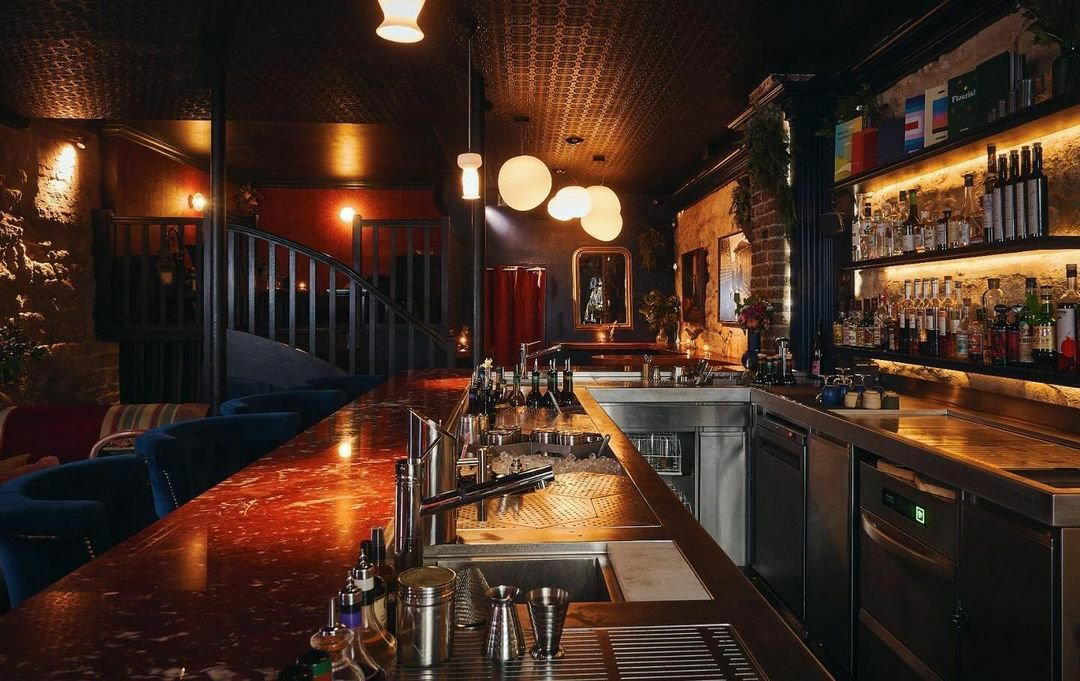
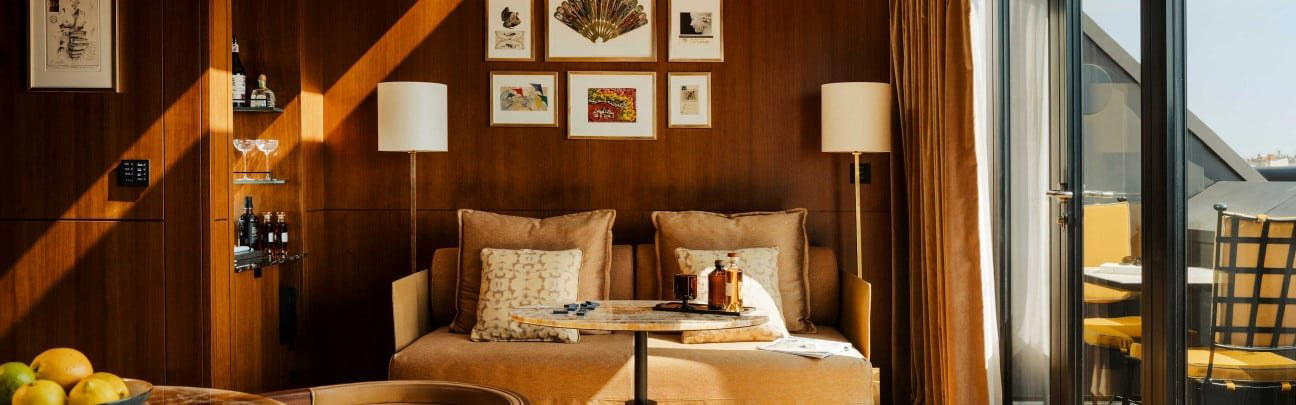
Sleek, modern space with warm, moody lighting, open kitchen views, and an elegant yet casual atmosphere.