


A one-Michelin-star address on Avenue Bugeaud, Nomicos sits within the 16th arrondissement's tradition of serious French dining rather than outside it. Chef Jean-Louis Nomicos anchors the kitchen in classical technique, earning consistent recognition from both Michelin and the Opinionated About Dining Classical in Europe rankings. The wine programme matches the register of the food: considered, regionally grounded, and suited to a long lunch.
Pearl is the En Primeur Club membership app — saves, bookings, and concierge access live there. Same editors, same standards.
- Address
- 16 Av. Bugeaud, 75116 Paris, France
- Phone
- +33 1 56 28 16 16
- Website
- nomicos.fr
- Directions
- Get directions
 Saves & bookings on Pearl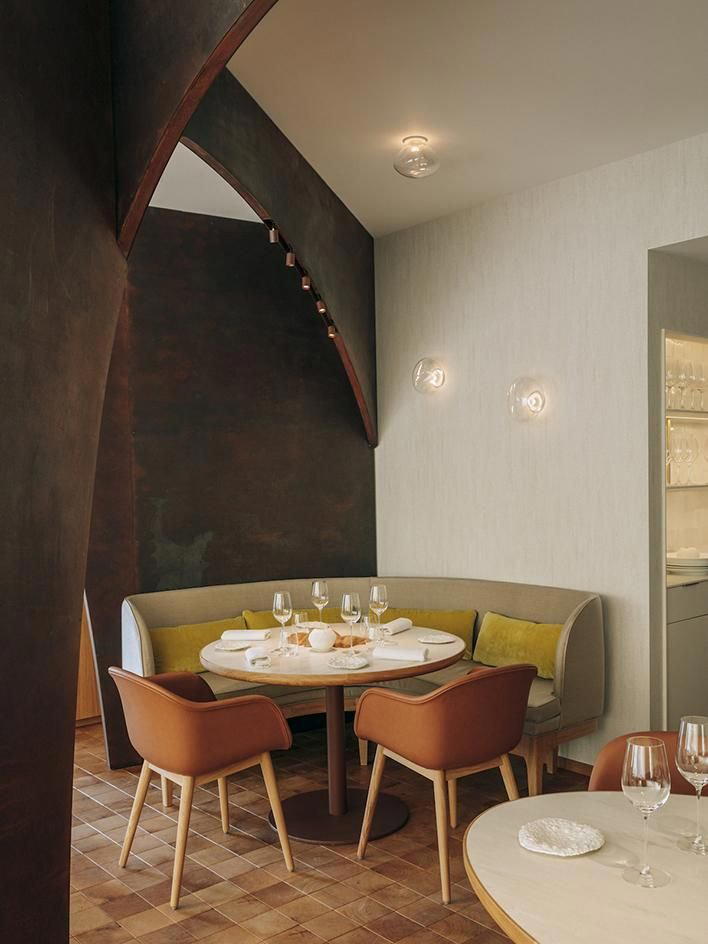
Classical French Dining in the 16th: Where Nomicos Sits in the City's Hierarchy
Paris operates several tiers of serious French dining simultaneously. At the apex sit the three-star palaces, places like Le Cinq at the Four Seasons George V and Guy Savoy, where ceremony and price are both maximised. Below them, and more useful to the regular diner, is a tier of one-star restaurants where technical ambition and classical grounding coexist without the full weight of grand-hotel production. Nomicos, on Avenue Bugeaud in the 16th arrondissement, has occupied that second tier with consistency. A Michelin star, combined with a ranking of 251st on the Opinionated About Dining Classical in Europe list for 2024, marks it as a restaurant that critics return to rather than discover once.
The 16th is not a neighbourhood that chases trends. Its dining identity has long been defined by the kind of restaurants that Parisian families book for anniversaries and where business lunches run to three courses without apology. That conservatism is exactly the right context for what Nomicos does. Chef Jean-Louis Nomicos trained under Lasserre, one of the grande maisons that shaped classical haute cuisine in the postwar decades, and the restaurant carries that lineage in its posture: composed plates, technique-led cooking, a room that takes the meal seriously. Among Paris addresses in the same classical French category, the peer comparison is instructive. L'Orangerie and La Scène occupy the same price bracket but lean further toward contemporary plating and modernist technique. Nomicos holds its position by doing the opposite: staying inside the classical tradition with enough precision to justify the rating.
The Wine Programme: Cellar Logic in a Classical House
In a restaurant where the cooking is rooted in technique and restraint, the wine programme is not decoration. Classical French kitchens of this register have always been built around a complementary cellar, one in which Burgundy and Bordeaux anchor the list, the Loire provides a counterpoint in white, and the Rhône offers weight when the menu calls for it. That is the architecture most houses of this type maintain, and it is the architecture that makes sense when the food on the plate is built around reduction, emulsion, and the kind of sauce work that demands wine with genuine structure.
France's one-star tier tends to divide cellars into two camps: those where the list is broad and deep, and those where it is focused and precise. The better rooms at this price point, and the ones where the wine experience justifies the €€€€ designation, treat the cellar as a second kitchen. The sommelier's role in houses like this extends well beyond service: the pairings carry part of the meal's argument. A well-matched Meursault against a butter-rich sauce, or a Gevrey-Chambertin against game, is not incidental to the experience at a classical French address. It is structural.
For context on what the French classical tradition has produced in its wine culture, it is worth noting the comparable set beyond Paris. Houses like Troisgros in Ouches, Auberge de l'Ill in Illhaeusern, and Paul Bocuse's Auberge du Pont de Collonges have each built cellar programmes that are as much a statement of identity as the cooking itself. That same priority applies in the 16th. Visitors who engage with the wine list at Nomicos rather than defaulting to a single bottle will get more from the meal.
What the OAD Ranking Signals
The Opinionated About Dining Classical in Europe list is a specific instrument. It does not measure creativity or innovation. It measures how well a restaurant executes within a classical tradition, as assessed by a large cohort of experienced diners who travel specifically to eat. A ranking of 251st in 2024 indicates movement within that cohort's assessment, which is a useful signal alongside the Michelin star. Michelin and OAD measure different things; when both point in the same direction, the convergence is worth noting.
The comparison set for that OAD ranking extends across France and into neighbouring countries. Houses like Bras in Laguiole and Flocons de Sel in Megève sit in that same classical European conversation from their regional bases, while within France's contemporary fine dining circuit, addresses like Mirazur in Menton occupy a different register entirely. Nomicos, by contrast, is working within a defined tradition and being assessed on how well it inhabits it, not whether it departs from it.
For diners who have eaten at modern French restaurants in London, the register at Nomicos will feel noticeably different. Hélène Darroze at The Connaught brings French technique to a British hotel context with considerable creative latitude. Nomicos operates without that latitude, and that is a deliberate choice. Classical restraint, when executed at this level, requires as much decision-making as invention. The absence of theatrical presentation or modernist borrowings is its own argument.
Format, Service, and the Rhythm of a Meal Here
The kitchen operates Tuesday through Saturday, with lunch from noon to 2pm and dinner from 7pm to 10pm. The restaurant is closed on Mondays and Sundays. That Tuesday-to-Saturday rhythm is characteristic of serious Paris restaurants at this level: the rhythm protects kitchen quality and signals that this is not a volume operation.
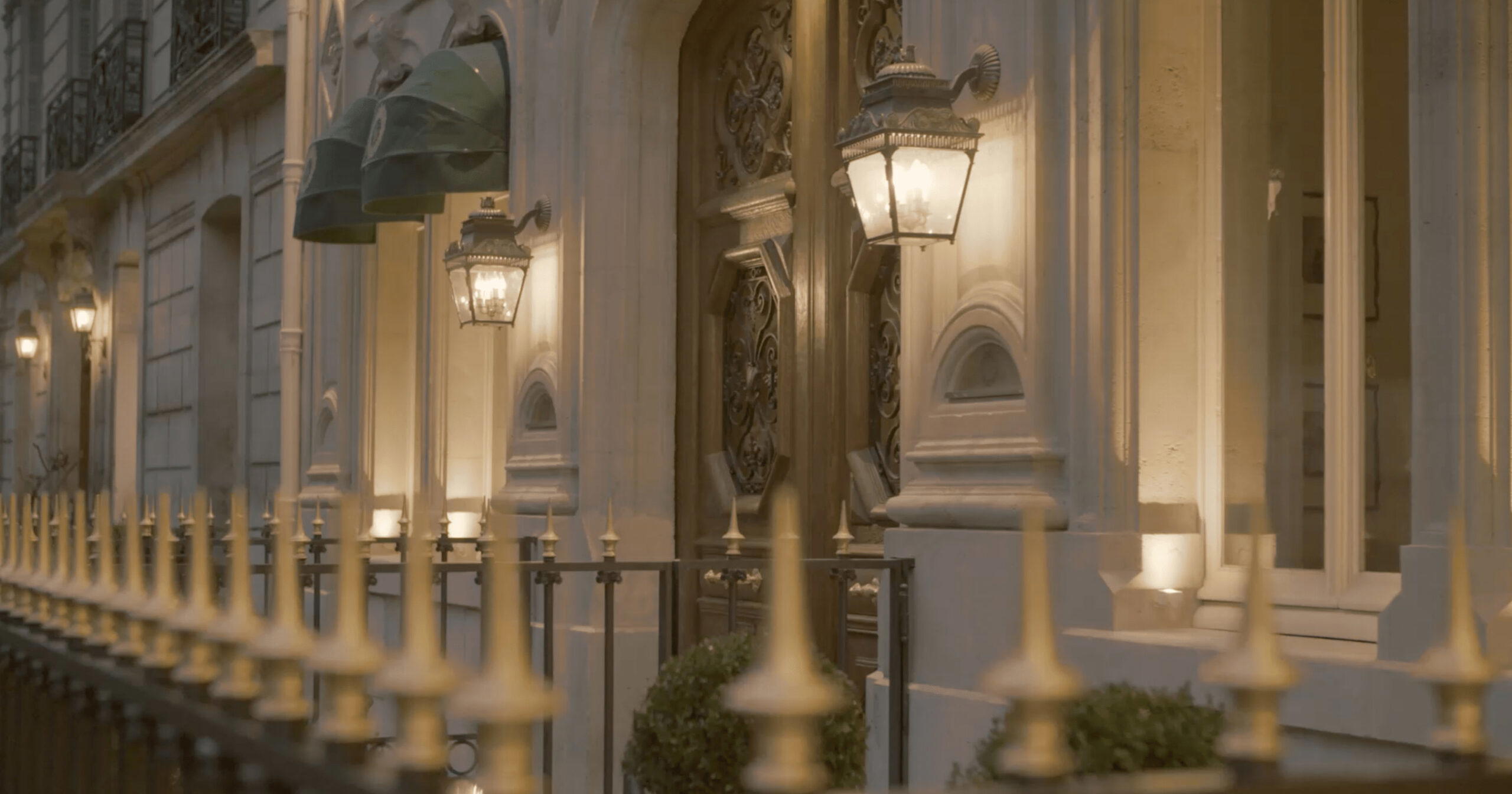
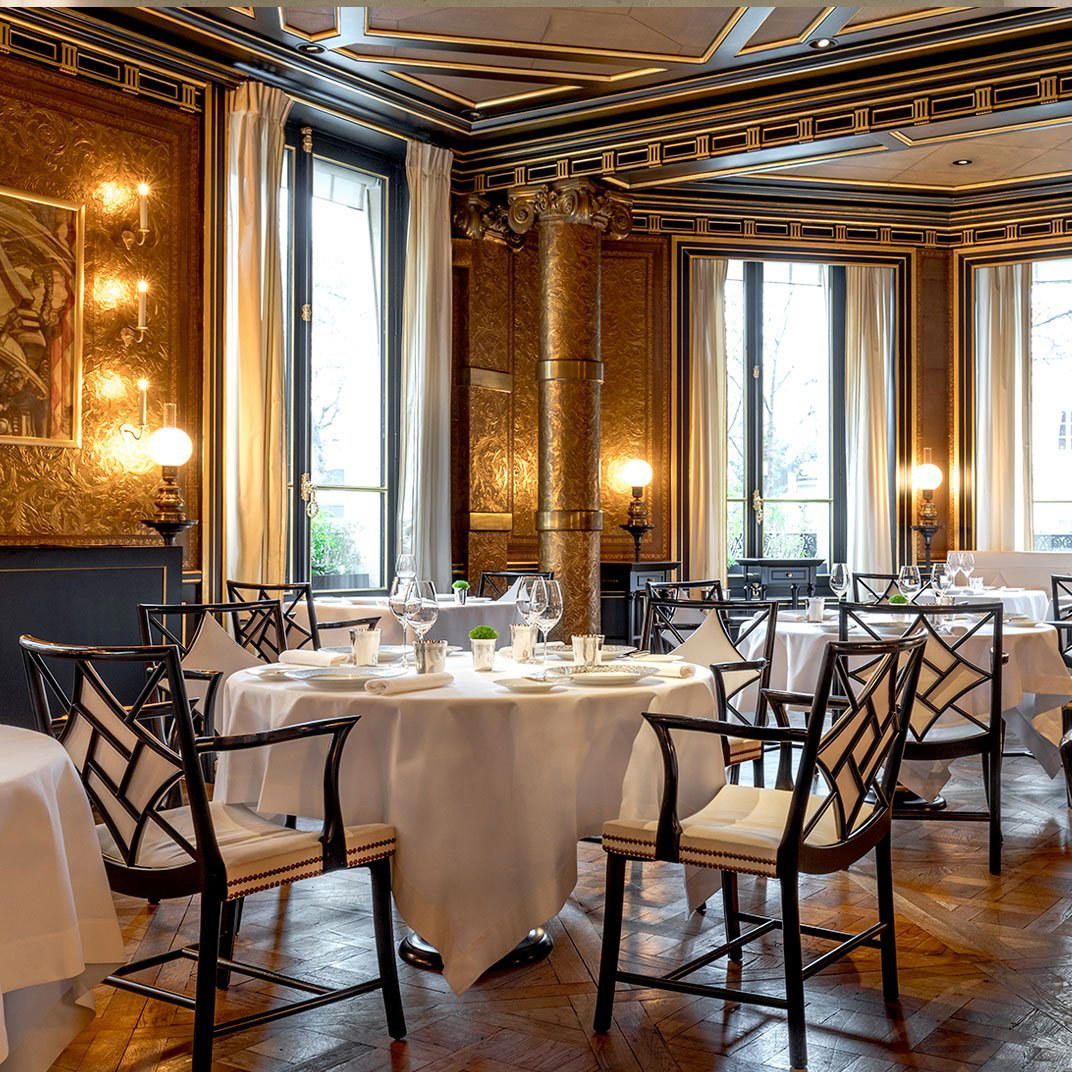
Avenue Bugeaud sits in the residential heart of the 16th, within walking distance of the Trocadéro and a short taxi or metro ride from the 8th arrondissement's cluster of palace hotels. Diners staying in the 8th who want to eat outside the immediate grand-hotel orbit will find the 16th's classical address register a useful contrast. The neighbourhood imposes no performance on its restaurants; Avenue Bugeaud is a quiet residential street, and the room at Nomicos is understood to match that register.
The price point, €€€€, places it in the same tier as Paris addresses with significantly more production overhead: Tour d'Argent with its Seine view, and the palace-hotel flagships that fold room service, cellar depth, and theatre into the bill. At Nomicos, the same spend goes directly into what is on the plate and in the glass. Whether that represents value is a question of what the diner is paying for.
For those interested in the broader Alsatian and eastern French classical tradition, La Fourchette des Ducs in Obernai offers a regional counterpoint to the Paris classical model.
The Quick Read
Comparable venues nearby, for context on price, style, and recognition.
| Venue | Cuisine | Price | Notes |
|---|---|---|---|
| NomicosThis venue — the venue you are viewing | French, Modern Cuisine | $$$$ | Not listed |
| Agapé | Not listed | $$$$ | 17th arrondissement, Modern French Fine Dining |
| Jean Imbert au Plaza Athénée | Not listed | $$$$ | 8th Arrondissement, Modern Classic French Gastronomy |
| Onor | Not listed | $$$$ | 8th arrondissement, Modern French Gastronomic |
| Lucas Carton | La Madeleine, Modern French Fine Dining | $$$$ | Not listed |
| Pages | Not listed | $$$$ | 8th arrondissement, Modern French Fine Dining with Japanese Influence |
Recognition history
Dated appearances from independent guides and award organizations, with the underlying list record or original source where available.
Michelin 1 Star
Michelin
Gault & Millau Remarkable Restaurant
Gault & Millau
Michelin 1 Star
Michelin
Michelin 1 Star
Michelin
Opinionated About Dining Classical in Europe Ranked #251
Opinionated About Dining
Opinionated About Dining Classical in Europe Recommended
Opinionated About Dining
Continue exploring
More in Paris
More from Chef Jean-Louis Nomicos
Browse all →
Restaurants in Paris
Browse all →

Hotels in Paris
Browse all →
Wineries in Paris
Browse all →
At a Glance
- Elegant
- Sophisticated
- Intimate
- Classic
- Date Night
- Special Occasion
- Business Dinner
- Private Dining
- Extensive Wine List
- Sommelier Led
- Local Sourcing
Current opening hours
- Monday
- Closed
- Tuesday
- 12–2 PM, 7–10 PM
- Wednesday
- 12–2 PM, 7–10 PM
- Thursday
- 12–2 PM, 7–10 PM
- Friday
- 12–2 PM, 7–10 PM
- Saturday
- 12–2 PM, 7–10 PM
- Sunday
- Closed
Hours can change for holidays and private events. Last verified .
Contemporary decor with Corten steel arches, unpolished oak floors, and watery light effects creating soothing Mediterranean warmth in elegant Parisian setting.