
A Michelin Bib Gourmand recipient in the Lower Bavarian countryside, Feilmeiers Landleben serves regional, seasonally driven cooking through set menus and à la carte options. Hans Feilmeier's approach is grounded in local produce and a sense of place, with cordial service and matched wine advice completing the picture. At the €€ price point, it represents honest, well-executed country cooking without pretension.
Pearl is the En Primeur Club membership app — saves, bookings, and concierge access live there. Same editors, same standards.
- Address
- Schwarzhöring 14, 94575 Windorf, Germany
- Phone
- +49 8541 8293
- Website
- feilmeiers-landleben.de
- Directions
- Get directions
 Saves & bookings on Pearl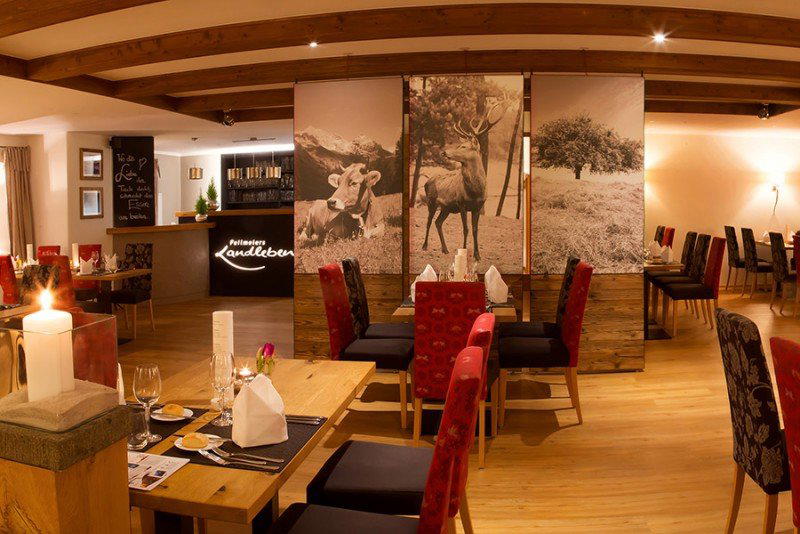
Where the Bavarian countryside meets the dining room
The road to Schwarzhöring 14 narrows as the village of Windorf gives way to the gentler rhythms of the Lower Bavarian farmland. There is nothing in the approach that signals a restaurant of note: no valet stand, no architectural statement, no queue of destination diners consulting their phones. What greets you instead is the kind of modest, direct welcome that the Bib Gourmand was designed to recognise, cooking and hospitality that earn their place through consistency rather than theatre.
Feilmeiers Landleben sits in a category that Germany does quietly well and rarely publicises: the regional kitchen that operates at the edge of what premium travel itineraries consider, yet delivers cooking that would embarrass a number of higher-priced urban addresses. Michelin awarded the restaurant its Bib Gourmand in 2025, a designation that specifically marks quality and value together. Here, the conversation is different.
Country cooking as a regional commitment
The phrase "country cooking" covers a wide range of intentions across Europe. In some restaurants it is a stylistic affectation, urban chefs adopting rural signals for atmosphere. At Feilmeiers Landleben, the Michelin citation is explicit: Hans Feilmeier's cooking reflects both a love of his native region and what the guide describes as a sense of duty. That framing matters. Regionally and seasonally inspired food, in this context, is not a marketing position but a set of actual sourcing and menu decisions that change with what the surrounding agricultural landscape produces.
This places the restaurant in a lineage shared by similar kitchens across German-speaking Europe, where the local inn or Gasthof has historically served as the primary vehicle for regional cuisine. Unlike the high-concept German addresses at the starred level, or the Italian country kitchen tradition represented by venues such as 21.9 in Piobesi d'Alba and Andrea Monesi's Locanda di Orta, the Feilmeier approach is more legible, less intellectualised. The seasonal reference is in the ingredients and in the menu rotation, not in a philosophical statement printed on the cover.
The format: set menus, à la carte, and the service that ties it together
Diners choose between set menus or ordering à la carte, a flexibility that broadens the practical appeal of the restaurant for different occasions and group compositions. The Michelin citation singles out the service as extremely charming and cordial, with matching wine advice included as part of the experience rather than charged separately or left to the guest to pursue. At the €€ price range, that kind of integrated guidance is not automatic, it reflects a deliberate hospitality decision.
The service register here is worth dwelling on. Across Germany's more ambitious kitchens, from Vendôme in Bergisch Gladbach to Restaurant Haerlin in Hamburg, service operates within a formal framework shaped by the expectations of the Michelin starred environment. Feilmeiers Landleben operates without that scaffolding, and the result, by all available accounts, is warmth rather than formality, the kind of room where diners feel welcome rather than assessed.
One specific detail from the Michelin record deserves attention: the house-made jams. In a kitchen defined by regional and seasonal principles, preservation and larder work are natural extensions of the cooking philosophy. The jams function as both a practical expression of that approach and as one of the clearest signals of the kitchen's relationship with its local produce calendar.
Reading the 4.9 rating against the comparable set
9 from 757 reviews is an unusual data point. Ratings at that level with that volume of responses typically indicate consistent hospitality delivery rather than outlier visits, the kind of score that accumulates when expectations are being met and exceeded across diverse guest profiles. For a countryside restaurant at the €€ tier, it also suggests a loyal local following alongside the destination visitors the Bib Gourmand recognition will continue to attract.
To place that in context: the starred restaurants in Germany's premium tier, including Schanz in Piesport, Victor's Fine Dining by Christian Bau in Perl, and Waldhotel Sonnora in Dreis, operate with different guest expectations and at substantially higher price points. The restaurant is not competing with those addresses on ambition or technique. It is competing on honesty, regional coherence, and value, and the guest response suggests it is winning that particular argument.
Who this restaurant is for, and when to go
The practical case for the restaurant is strongest for travellers in the Lower Bavaria region who want cooking grounded in the local agriculture rather than a globalist menu with seasonal garnish. The address at Schwarzhöring 14 in Windorf puts it in the Danube Valley stretch of the Bavarian Forest region, an area that rewards slow travel but rarely appears on the short list of German dining destinations. That gap between culinary quality and destination profile is what the Bib Gourmand has historically been positioned to close.
Given the seasonal and regional emphasis of the menu, timing matters. Returning guests and those familiar with Bavarian agricultural cycles will have views on which season brings the kitchen to its strongest expression, but the Michelin recognition applies year-round, suggesting the cooking maintains its standard across the calendar rather than peaking in a single window.
Booking ahead is the sensible approach for any Bib Gourmand recipient, particularly following the 2025 award when discovery traffic from the guide will have increased. Arriving without a reservation at a well-reviewed destination-level address in a small village is a risk not worth taking.
Elsewhere in Germany's regional tier, Bagatelle in Trier and JAN in Munich represent other points on the spectrum between accessible excellence and higher-concept ambition.
Quick Comparison
Comparable venues nearby, for context on price, style, and recognition.
| Venue | Cuisine | Price | Awards | Notes |
|---|---|---|---|---|
| Feilmeiers LandlebenThis venue — the venue you are viewing | Modern Bavarian | $$$ | Bib Gourmand | Not listed |
| Rait'ner Wirt | Modern Bavarian | $$$ | Bib Gourmand | Schleching |
| Landhaus Tanner | Modern Bavarian | $$$ | Bib Gourmand | Waging am See |
| Landgasthof zum Müller | Regional Bavarian with Mediterranean influences | $$ | Bib Gourmand | Ruderting |
| Gasthaus Egertal | Classic German Country Cooking | $$$ | Bib Gourmand | Weissenstadt |
| Anetseder | Modern German Country Cooking | $$ | Bib Gourmand | Haag |
Recognition history
Dated appearances from independent guides and award organizations, with the underlying list record or original source where available.
Michelin Bib Gourmand
Michelin
Michelin Bib Gourmand
Michelin
Michelin Bib Gourmand
Michelin
At a Glance
- Cozy
- Rustic
- Elegant
- Modern
- Intimate
- Date Night
- Special Occasion
- Celebration
- Open Kitchen
- Standalone
- Garden
- Sommelier Led
- Farm To Table
- Local Sourcing
Current opening hours
- Monday
- Closed
- Tuesday
- Closed
- Wednesday
- 5–11 PM
- Thursday
- 5–11 PM
- Friday
- 5–11 PM
- Saturday
- 12–11 PM
- Sunday
- 12–10 PM
Hours can change for holidays and private events. Last verified .
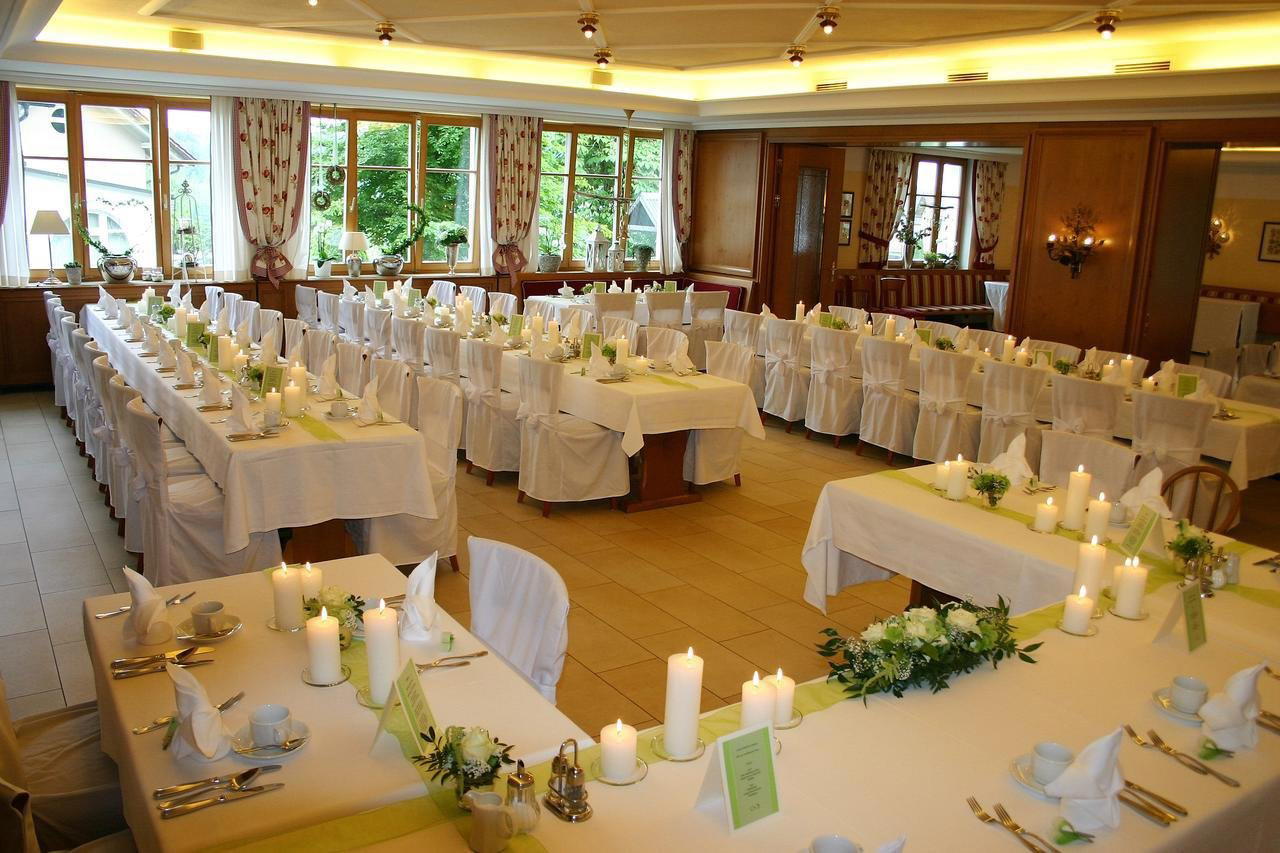
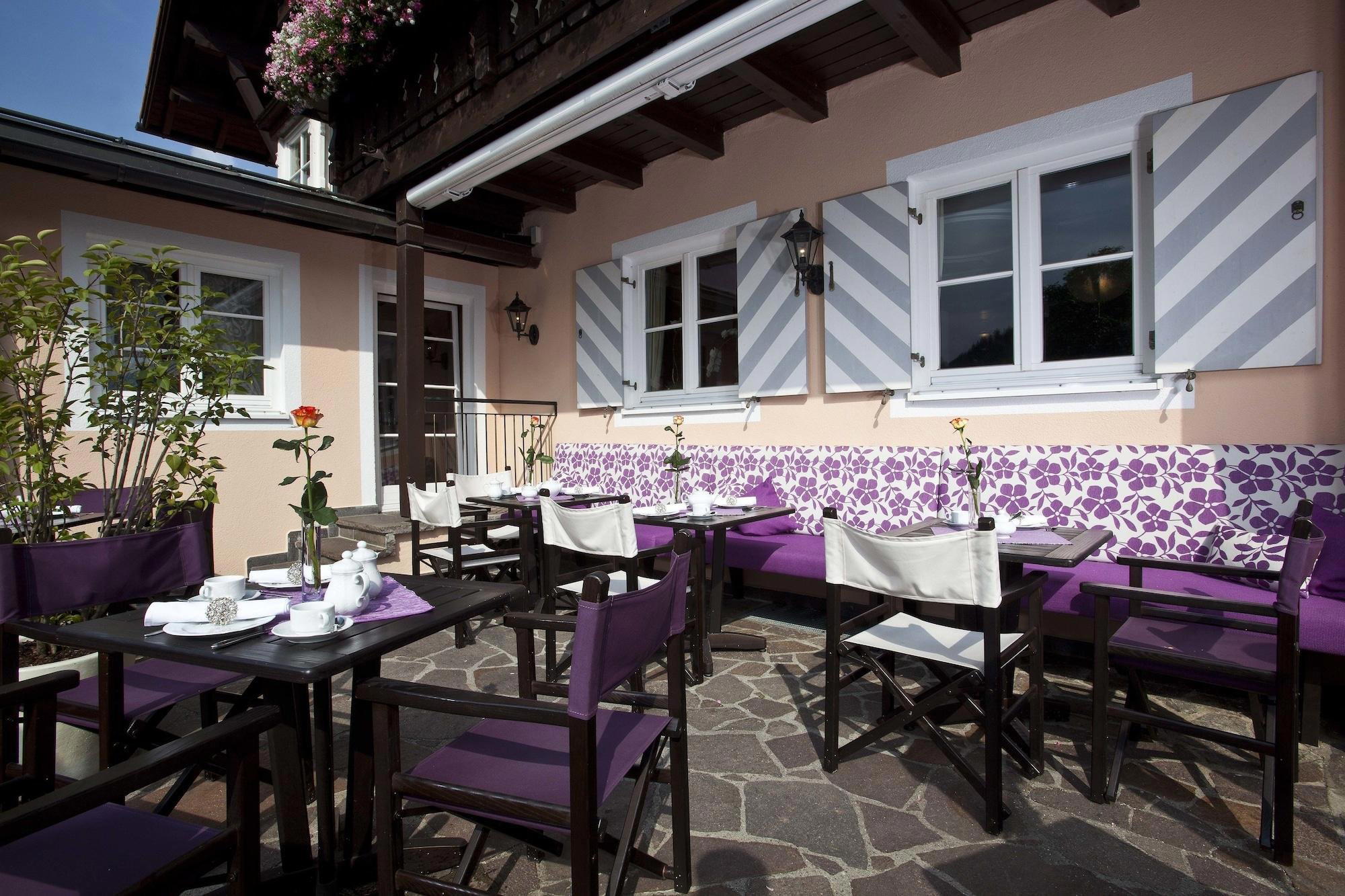
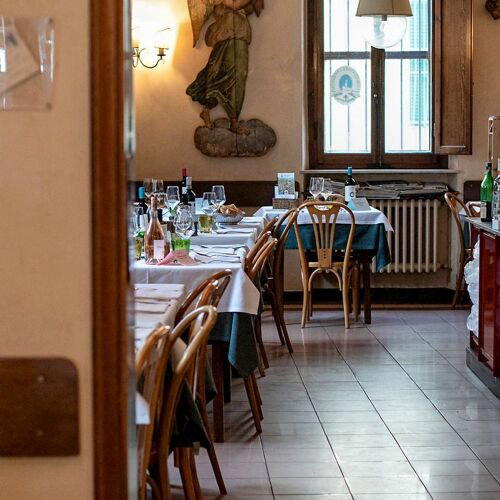
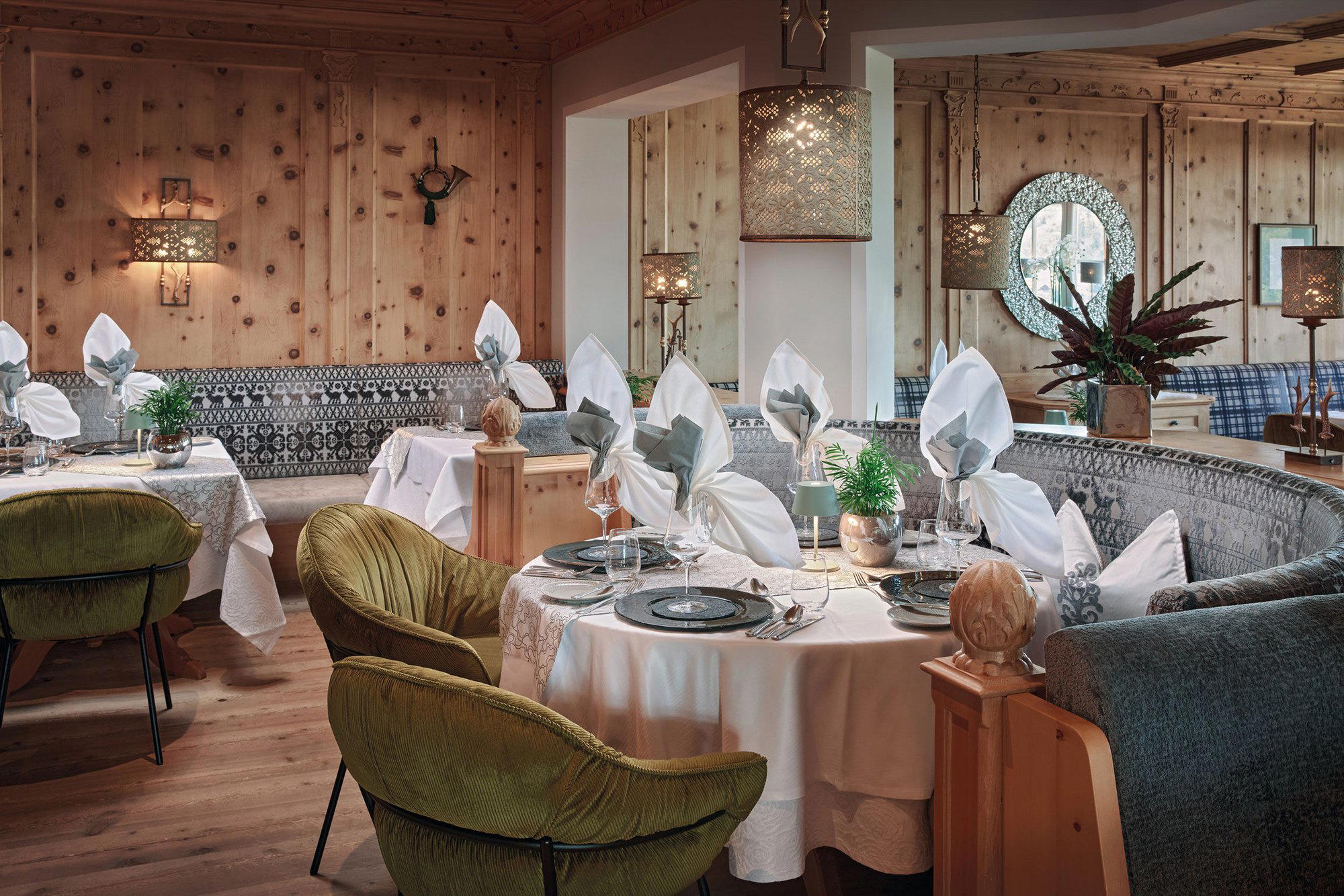
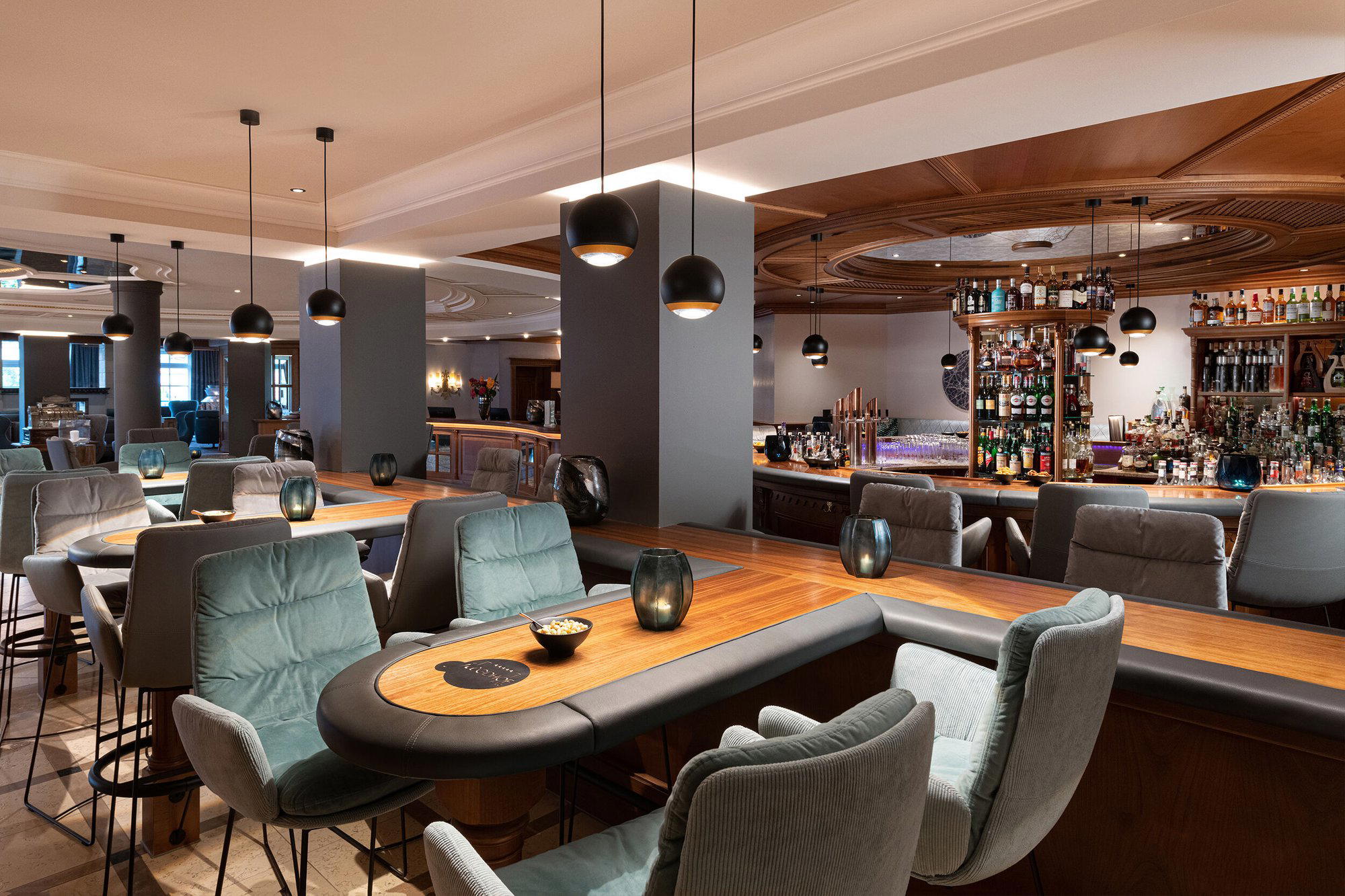
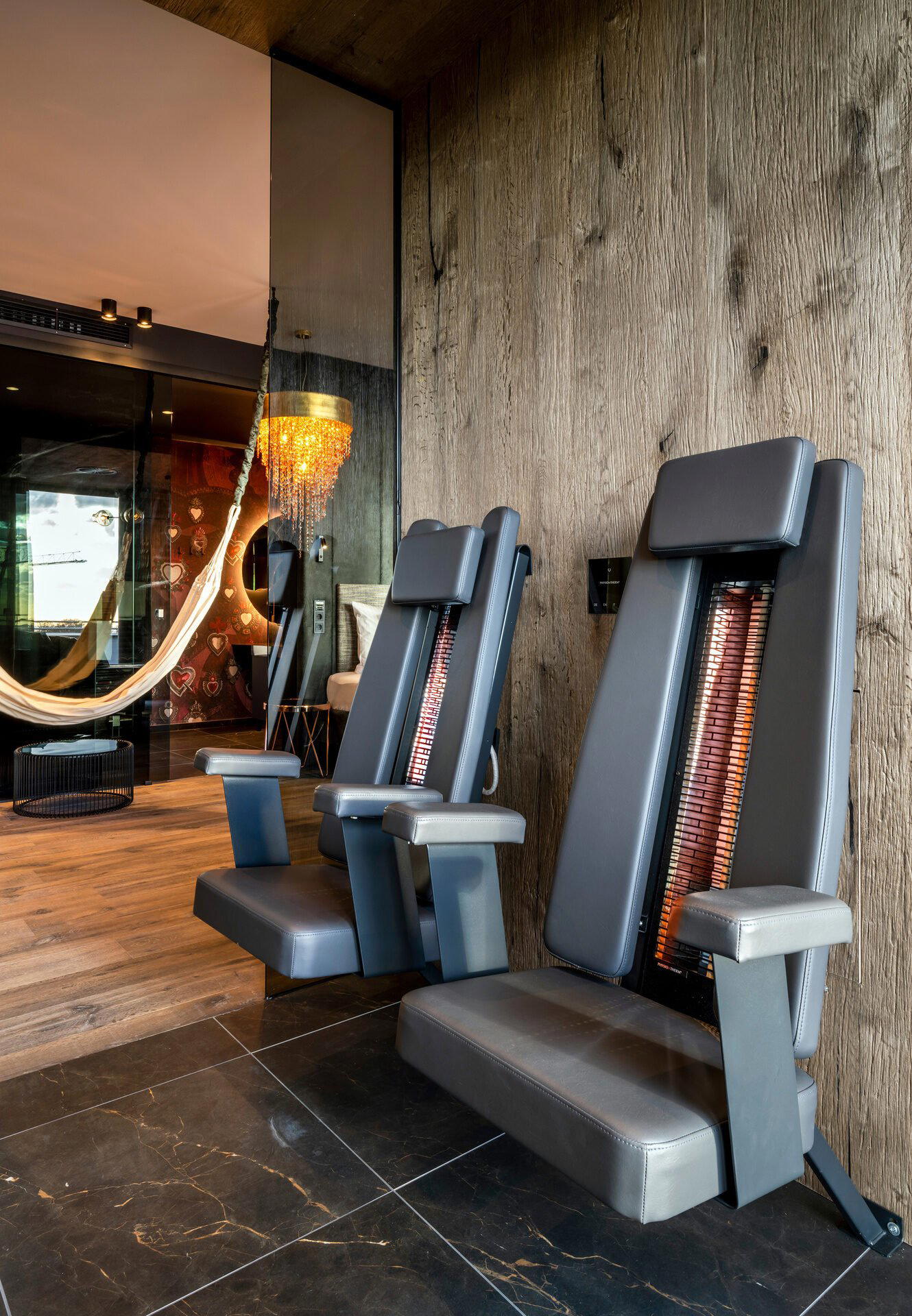
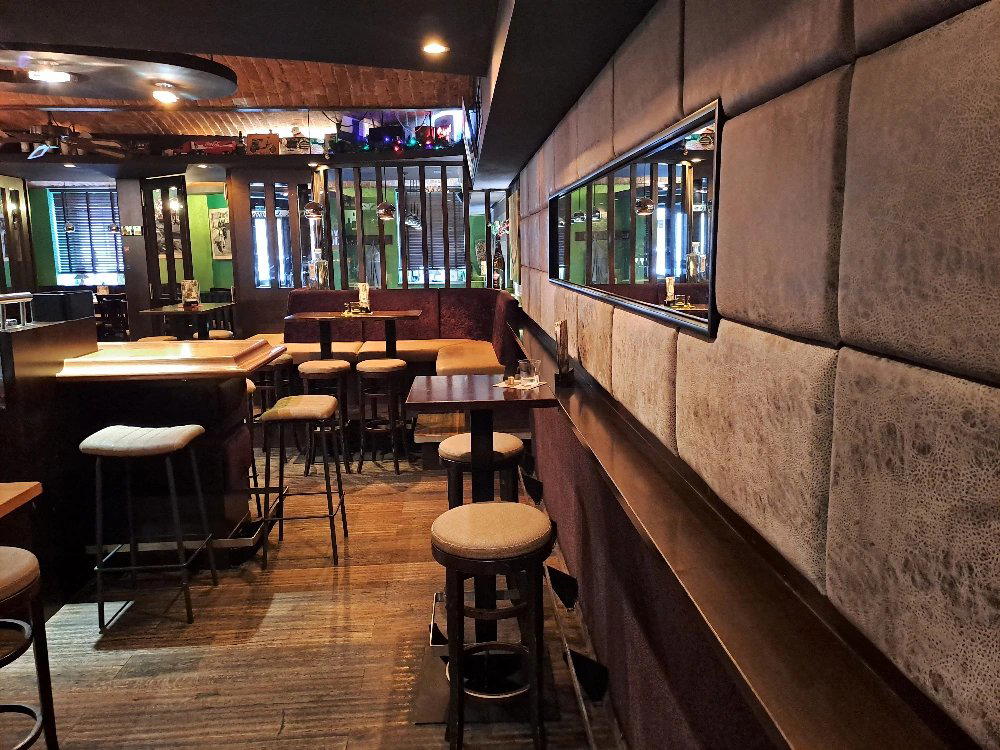
Cosy and modern with warmly designed spaces that evoke a personal, familial atmosphere; the rural village setting creates a peaceful, welcoming environment for relaxation and fine dining.