Favorite Son at Romer Waikīkī at the Ambassador
Favorite Son occupies a considered spot within the Romer Waikīkī at the Ambassador on Kūhiō Avenue, bringing a globally informed approach to Hawaiʻi's ingredient wealth. The kitchen works at the intersection of imported technique and local produce, a framework that defines a growing cohort of Honolulu restaurants pushing beyond resort-strip conventions. For travelers already tracking spots like Fête or 3660 On the Rise, this is a natural next conversation.
Pearl is the En Primeur Club membership app — saves, bookings, and concierge access live there. Same editors, same standards.
- Address
- 2040 Kūhiō Ave., Honolulu, HI 96815
- Phone
- +18087512495
- Website
- romerhotels.com
- Directions
- Get directions
 Saves & bookings on Pearl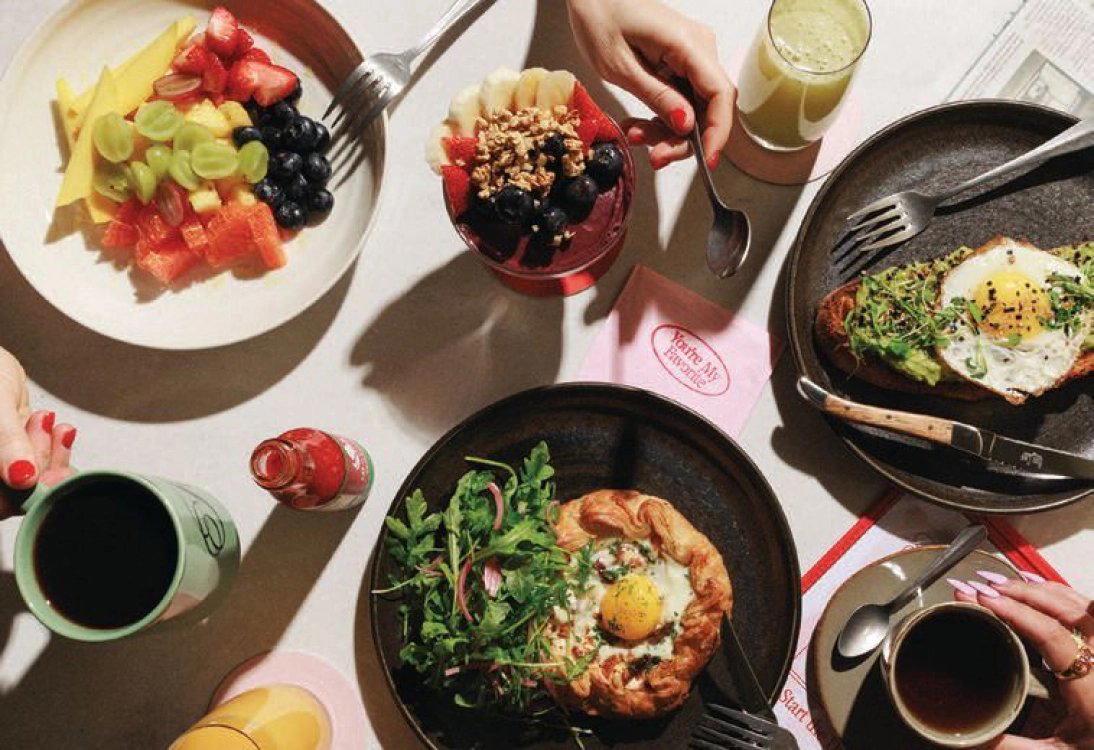
Kūhiō Avenue and the Hotel Restaurant That Earns Attention on Its Own Terms
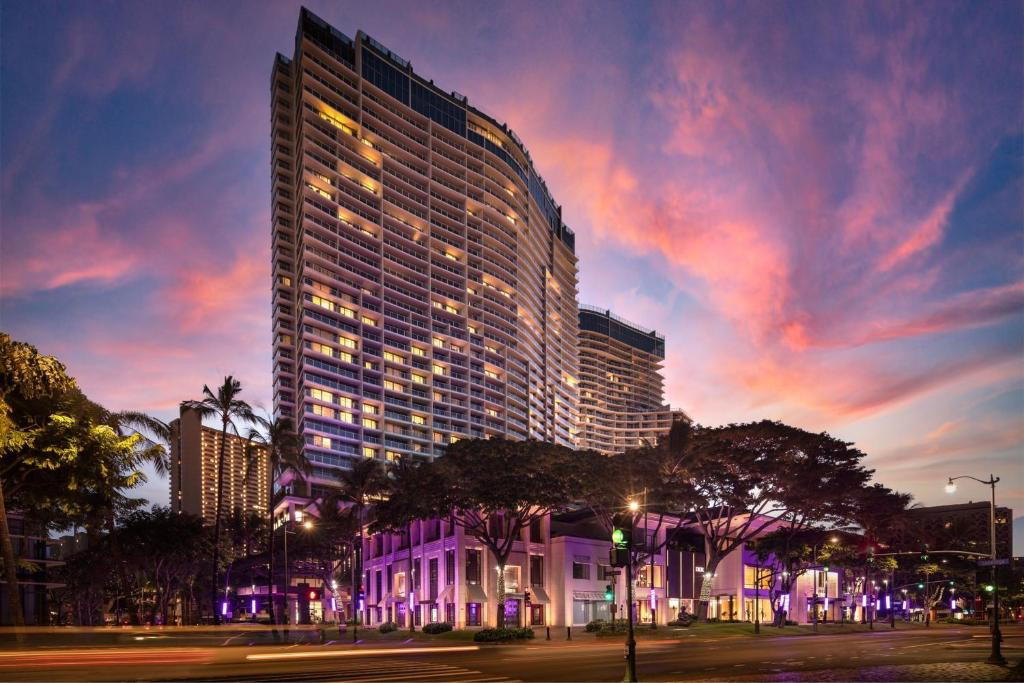
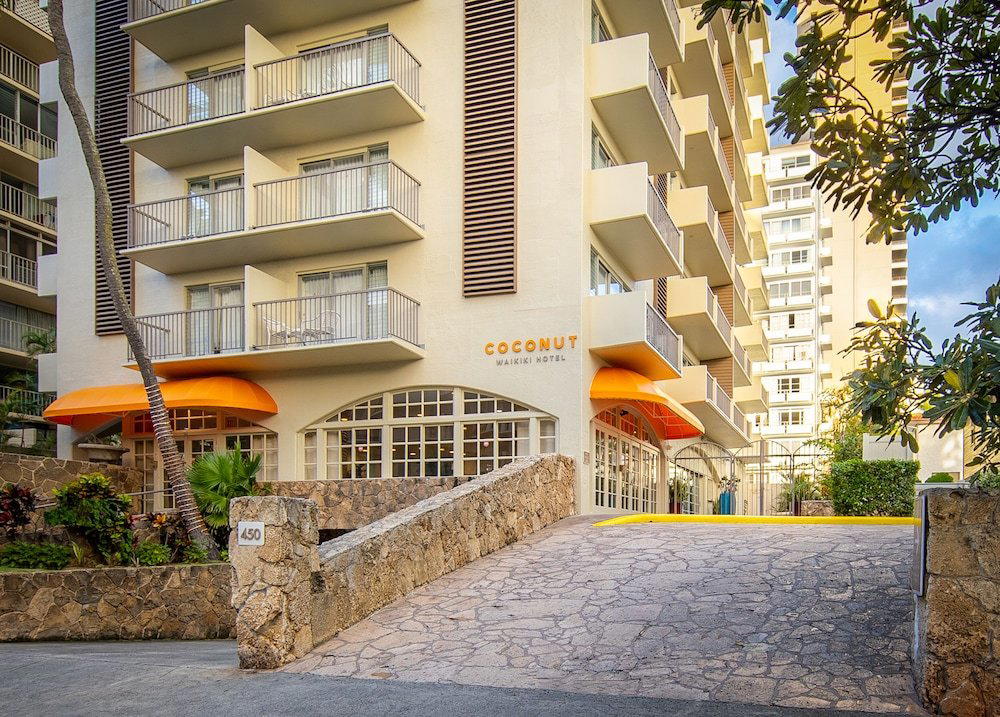
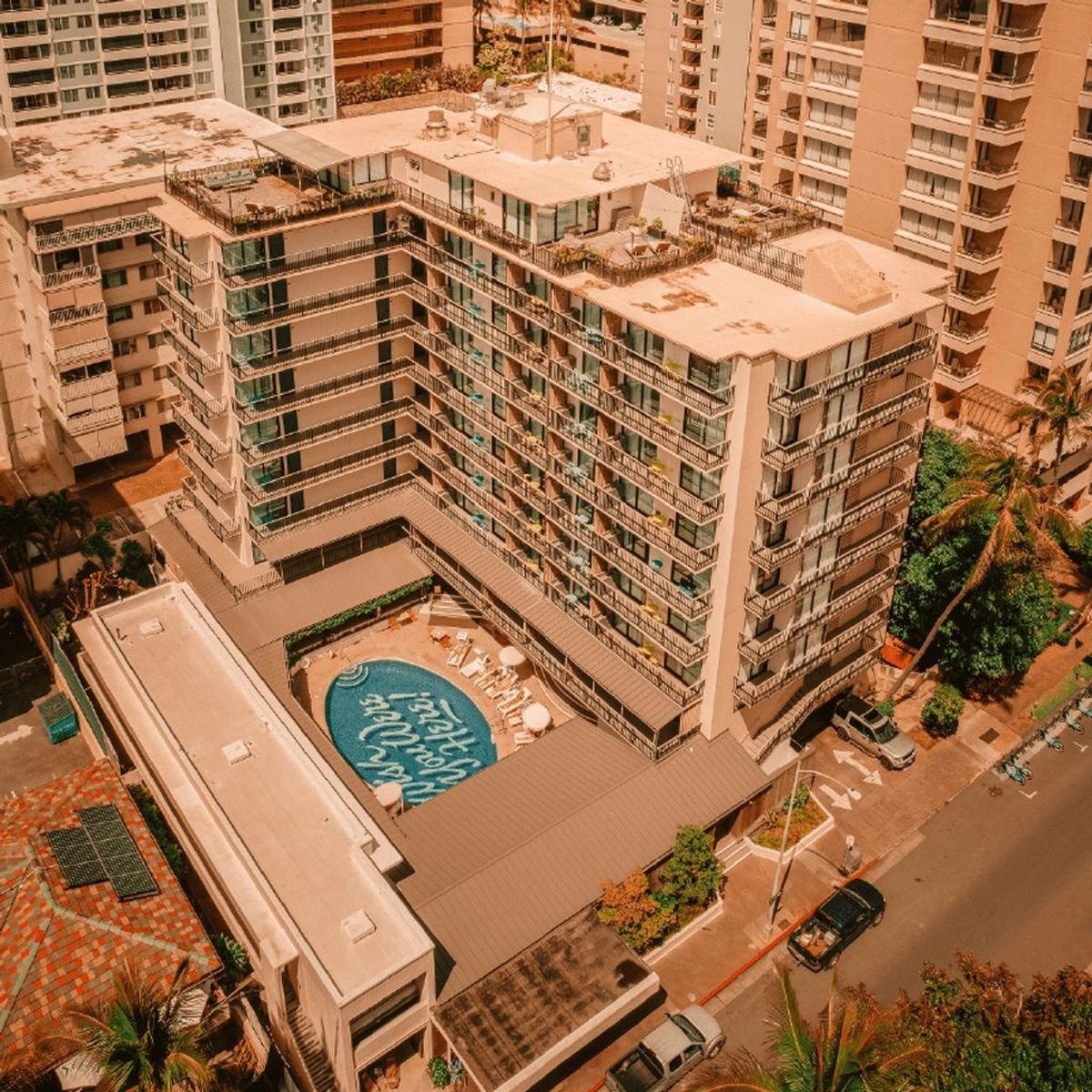
Kūhiō Avenue runs parallel to Kalākaua but at a different frequency. The street carries more foot traffic from long-stay visitors and Honolulu residents than from first-time tourists pivoting between beach and luau, and that character shapes what works there commercially and culinarily. Favorite Son sits inside the Romer Waikīkī at the Ambassador at 2040 Kūhiō Ave. a property that positions itself at the design-conscious, mid-luxury tier rather than the mega-resort scale of the Kahanamoku corridor. In that context, the restaurant operates with a degree of independence from the gravitational pull of hotel dining conventions, the kind of programming that tends to default to broad-appeal menus and safe executions.
Hotel restaurants in Waikīkī occupy a complicated position. The category has historically meant buffet spreads for package tourists or steakhouses designed to absorb large groups. A smaller cohort has broken from that pattern over the past decade, aligning instead with the same logic driving Honolulu's independent dining scene: imported technique applied to the archipelago's exceptional raw materials. Favorite Son belongs to that cohort, and understanding it means placing it in that broader shift rather than reading it in isolation.
The Local-Global Framework That Defines Honolulu's Serious Kitchens
Hawaii's ingredient environment is genuinely unusual among American states. The Pacific offers species unavailable on the continental shelf, from weke and opah to Kona kampachi raised in deep offshore pens. The volcanic soil across the islands produces taro, breadfruit, hearts of palm, and a range of tropical produce that mainland kitchens treat as specialty imports but Honolulu chefs can access through direct relationships with farms on Oʻahu and the neighboring islands. The challenge, historically, has been technique: Hawaii's culinary training infrastructure has lagged behind the quality of its ingredients, sending ambitious cooks to the mainland or abroad before they return to work with what grows and swims at home.
The result, for restaurants now operating in that framework, is a cuisine that reads as genuinely hybrid rather than fusion-by-marketing. Preparations referencing French classical structure, Japanese precision, or American smoke-and-fire traditions arrive with Pacific proteins and local vegetables that change those techniques in substantive ways. You find this logic at Fête (New American) on the edge of Chinatown, and at 3660 On the Rise in Kaimukī, where Euro-Pacific cooking has been a consistent reference point for years. Favorite Son operates within this same intellectual framework, making the local-global intersection the core organizing principle of what appears on the plate.
This approach connects Honolulu's serious kitchens to a broader American conversation. Restaurants like Single Thread Farm in Healdsburg and Blue Hill at Stone Barns in Tarrytown have made ingredient provenance the structural spine of their menus, while Smyth in Chicago and Providence in Los Angeles demonstrate how classical European training can be reoriented around regionally specific materials without losing technical rigor. Hawaii's version of this argument has the added dimension of cultural plurality: the islands' Japanese, Filipino, Portuguese, and Native Hawaiian food traditions all pull on the same local ingredients, giving any kitchen working in this mode multiple legitimate reference points simultaneously.
Where Favorite Son Sits in the Honolulu Dining Tier
Honolulu's restaurant scene stratifies in ways that don't always map neatly onto mainland frameworks. The city has a handful of destination-level restaurants drawing visitors with specific culinary intent, a deeper layer of neighborhood spots serving the island's resident population, and a large volume of tourist-facing operations calibrated for throughput rather than depth. 53 By The Sea occupies the occasion-dining tier with its waterfront position; 855-ALOHA and Ahaaina Luau serve the experiential end of the market. Favorite Son at Romer Waikīkī occupies a different tier, aiming at travelers and residents who want considered cooking in a setting that doesn't require occasion-level commitment.
Favorite Son isn't pricing against luaus or competing with the casual plate-lunch counters that define much of Honolulu's weekday eating. It's in conversation with the restaurants that take both their ingredients and their technique seriously, and it's doing so from within a hotel footprint on a street that sees more residential and long-stay traffic than the immediate beach blocks. For visitors already oriented toward restaurants like Addison in San Diego or Lazy Bear in San Francisco at home, the framework will be immediately legible.
Internationally, the logic of indigenous-ingredient, imported-technique cooking has found its most rigorous expression at places like Atelier Moessmer Norbert Niederkofler in Brunico, where Alpine products are handled through classical European discipline, or at Atomix in New York City, which layers Korean culinary grammar over French fine-dining structure. Hawaii's version of this argument is less codified institutionally but no less coherent as a culinary proposition.
Planning Your Visit
Favorite Son is located at 2040 Kūhiō Ave. within the Romer Waikīkī at the Ambassador, a walkable distance from the central Waikīkī strip but set slightly back from the highest-density tourist blocks, which affects both the atmosphere and the ease of arrival. The Kūhiō corridor has reliable bus access from Honolulu's TheBus network, and the address sits within the main Waikīkī walkable zone for visitors based anywhere between the Ala Moana end and the Diamond Head side of the resort district. Specific hours, pricing, and booking channels were not available at the time of publication; contacting the Romer Waikīkī directly or checking current listings is the reliable path for reservation details. For visitors building a broader Honolulu dining itinerary, our full Honolulu restaurants guide maps the city's dining tiers with context on neighborhoods, price ranges, and kitchen styles.
The broader American fine-dining reference points for this style of cooking, should you want comparative context before or after your visit, include Le Bernardin in New York City for seafood-focused technical precision, Emeril's in New Orleans for the American regional tradition, The French Laundry in Napa for California's version of the ingredient-first argument, and The Inn at Little Washington for American fine dining's longer institutional arc.
Reputation Context
| Venue | Cuisine | Awards |
|---|---|---|
| Favorite Son at Romer Waikīkī at the AmbassadorThis venue — the venue you are viewing | Not listed | This venue |
| Fête | New American | New American |
| Liliha Bakery | Bakery | Bakery |
| Sushi Izakaya Gaku | Izakaya | Izakaya |
| Miro Kaimuki | French - Japanese | French - Japanese |
| Zigu | Japanese | Japanese |
At a Glance
- Casual
- Modern
- Cozy
- Casual Hangout
- Brunch
- Courtyard
- Hotel Restaurant
- Craft Cocktails
- Local Sourcing
- Street Scene
Current opening hours
- Monday
- Open 24 hours
- Tuesday
- Open 24 hours
- Wednesday
- Open 24 hours
- Thursday
- Open 24 hours
- Friday
- Open 24 hours
- Saturday
- Open 24 hours
- Sunday
- Open 24 hours
Hours can change for holidays and private events. Last verified .
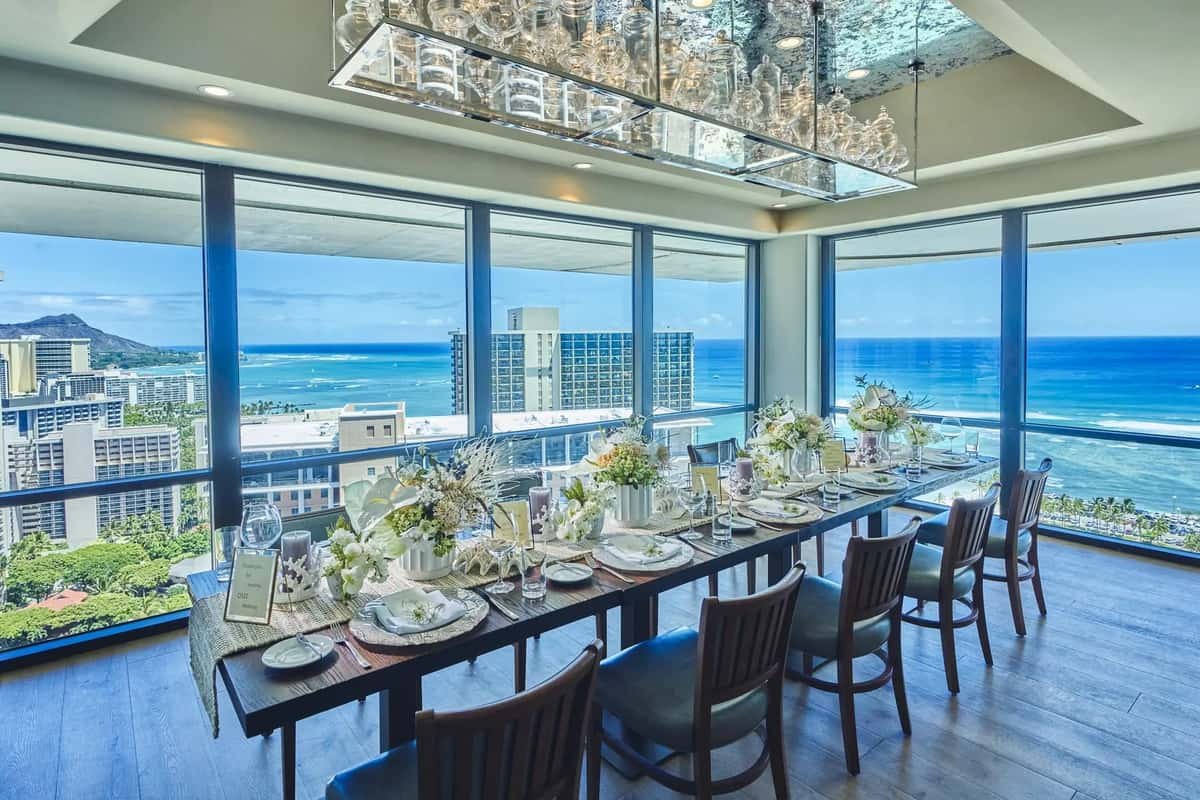
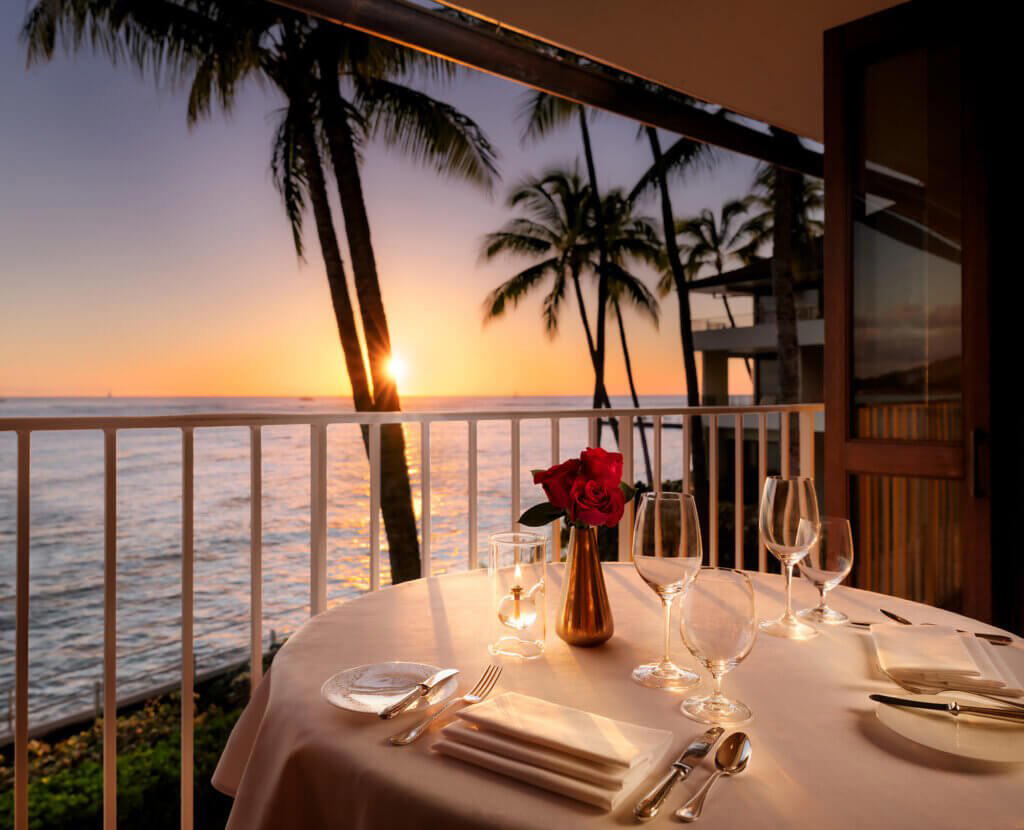
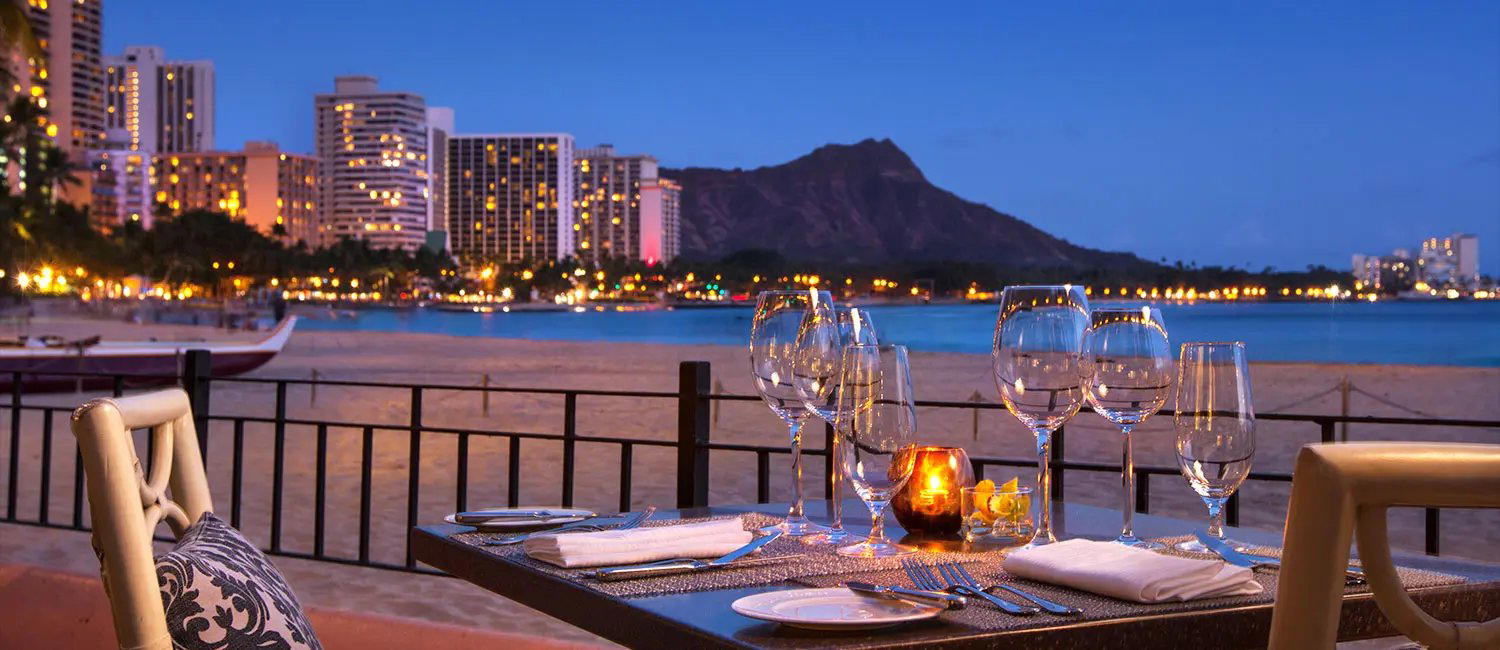
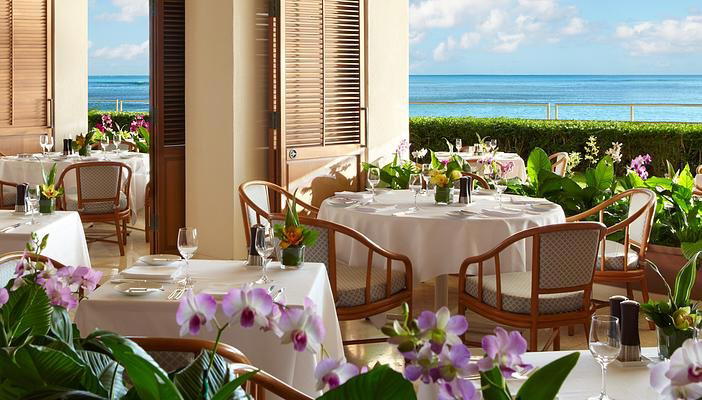
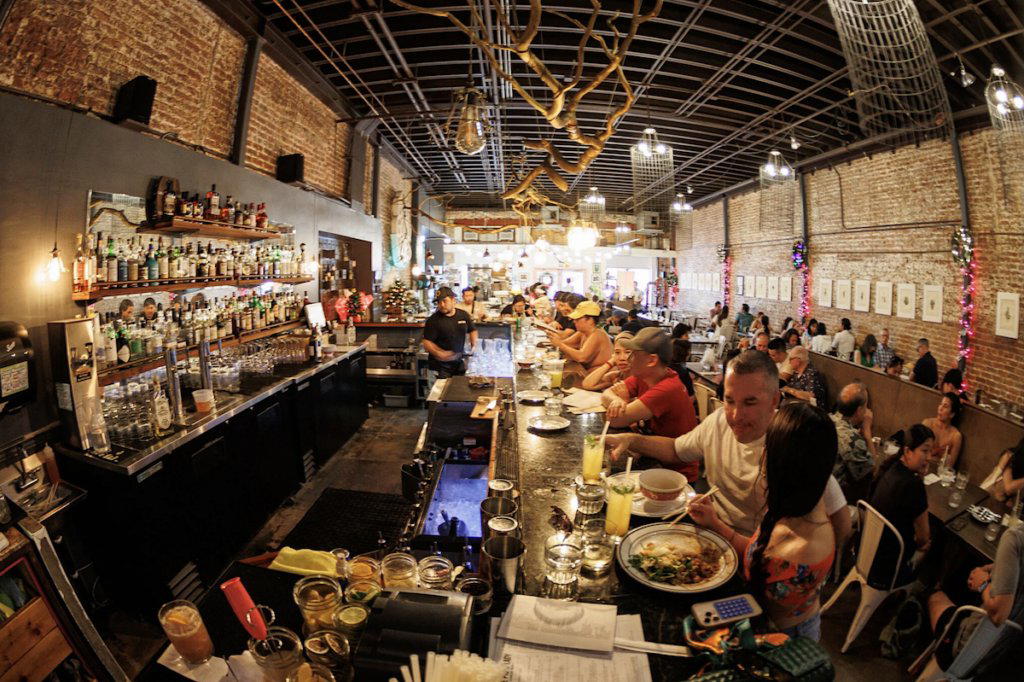
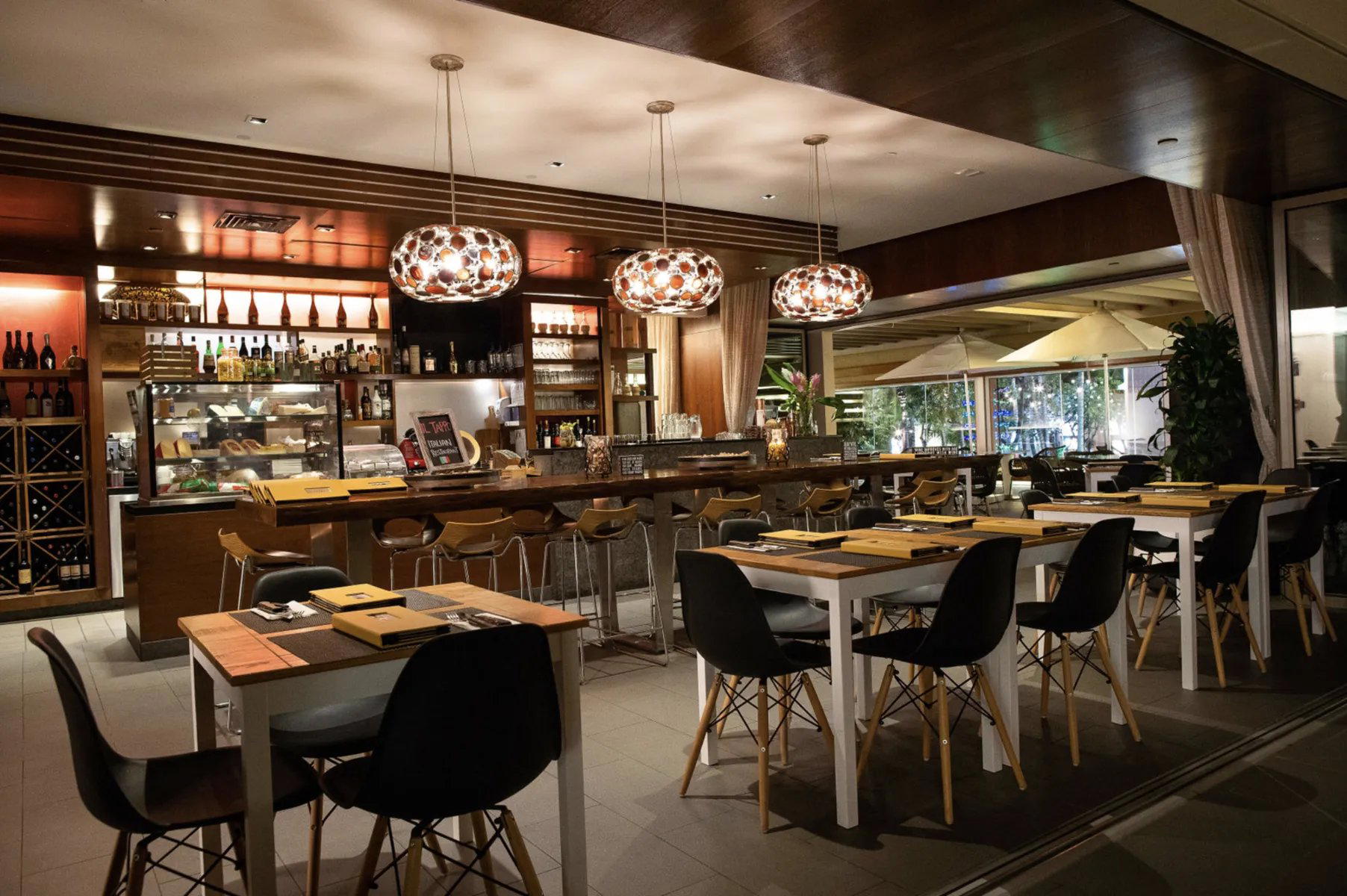
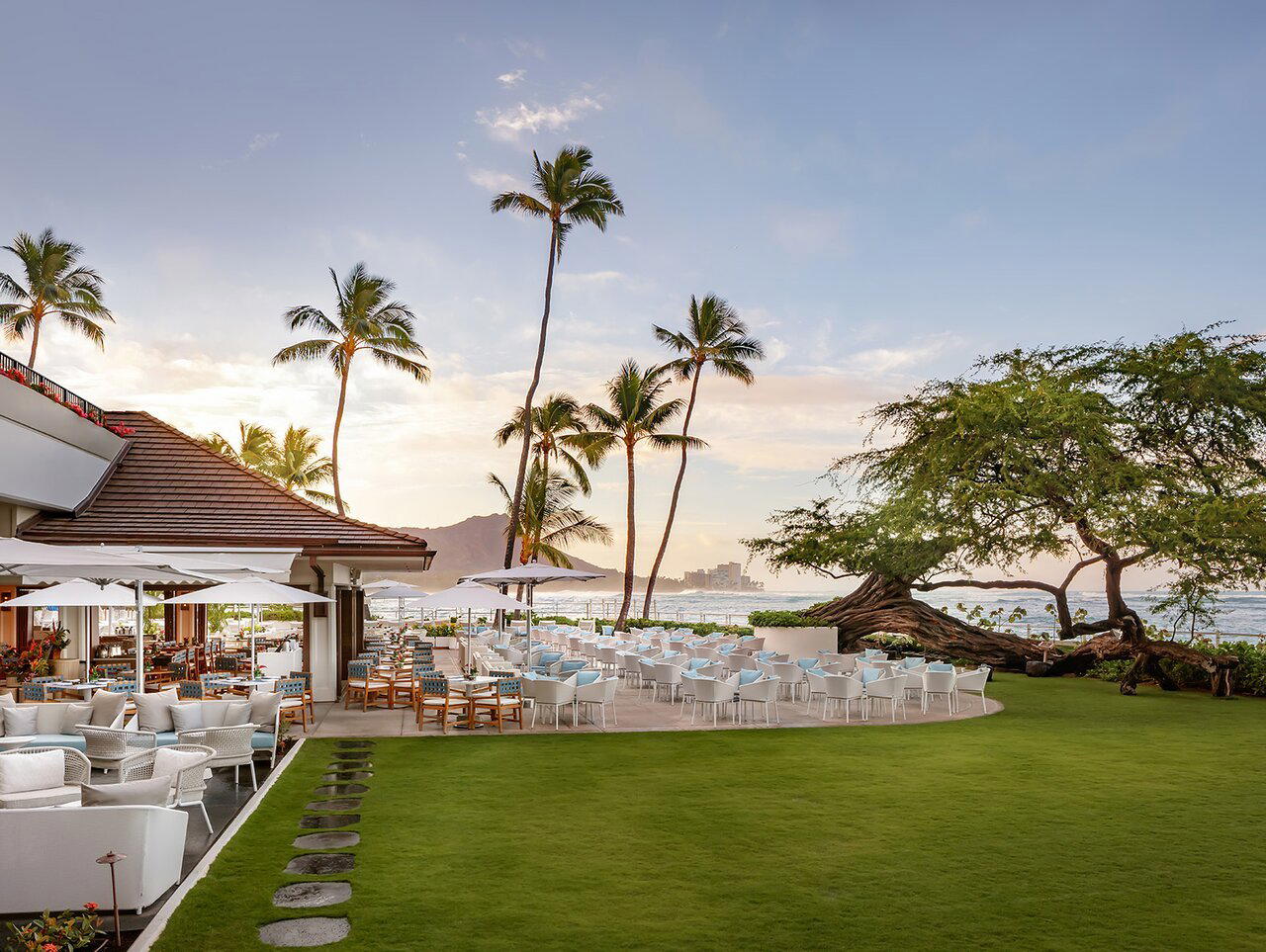
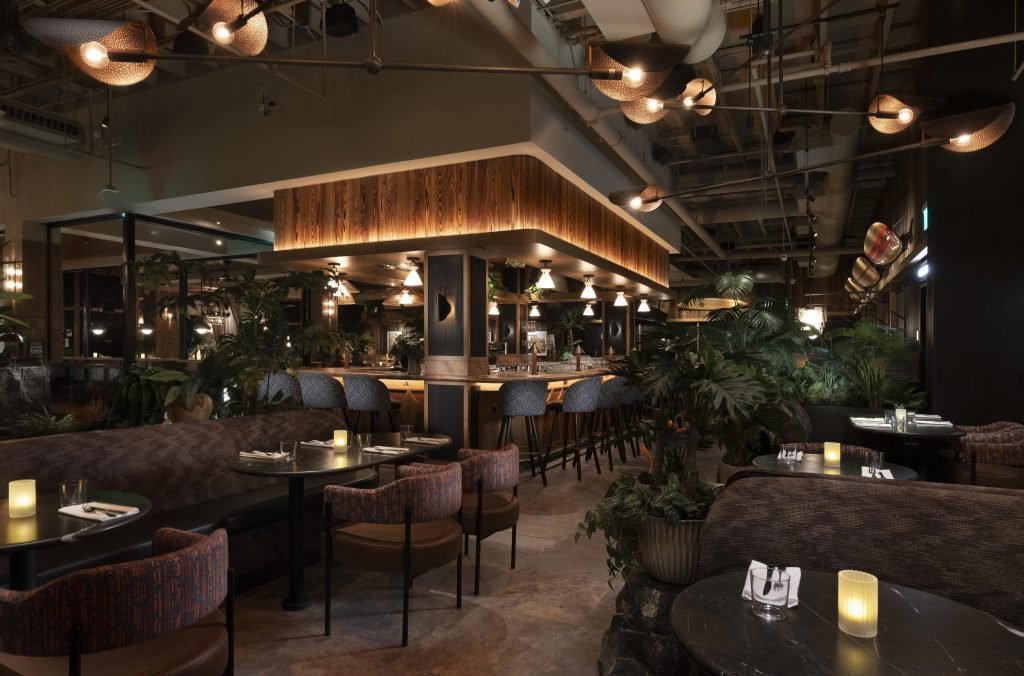
Casual indoor-outdoor courtyard with welcoming atmosphere and moderate noise.
Know Before You Go
- Getting there
- 2040 Kūhiō Ave., Honolulu, HI 96815