Farmhaus
Our verdict
Farmhaus operates out of a residential stretch of Lindenwood Park on St. Louis's south side, where the dining scene runs quieter and more neighborhood-rooted than the central corridors. The kitchen leans toward locally sourced, seasonally driven cooking in a format that reads as serious without being stiff. For diners willing to leave downtown behind, it offers a different register of St. Louis dining entirely.

Pearl is the En Primeur Club membership app — saves, bookings, and concierge access live there. Same editors, same standards.
- Address
- 3257 Ivanhoe Ave, St. Louis, MO 63139
- Phone
- (314) 647-3800
- Hours
- Mon–Thu 5:30–9 PMFri–Sat 5:30–9:30 PMSun Closed
- Website
- farmhausrestaurant.com
- Directions
- Get directions
- Booking
- Book on Tock
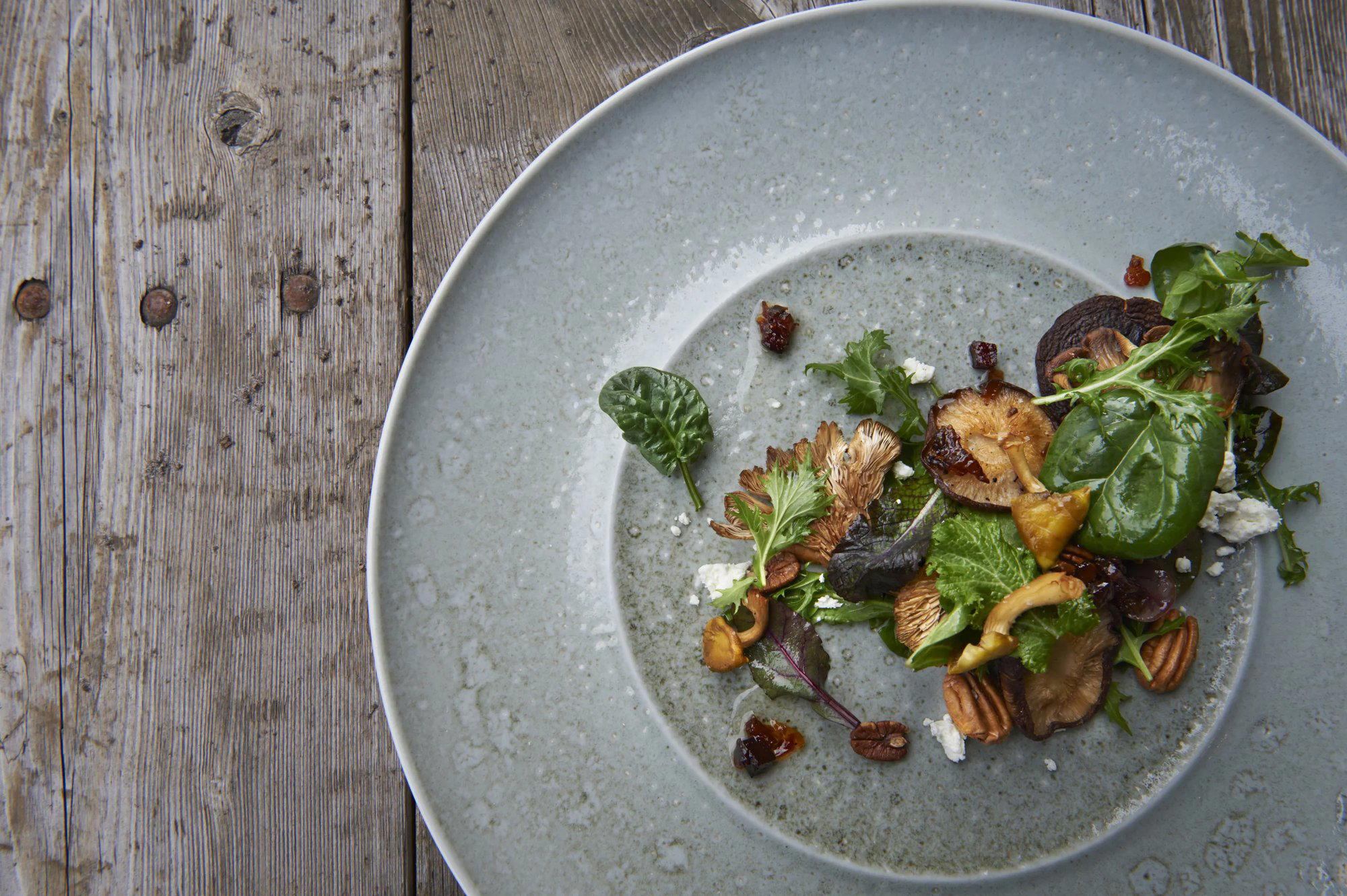
The menu
What to order
- Beef Tartare
- Mushroom Salad with Warm Bacon Vinaigrette
- Spaghetti Roja
- Butcher's Plate
- Blue Plate Lunch
South Side Setting, Serious Intent
St. Louis's dining identity has long concentrated along a handful of recognizable corridors: the Central West End, Clayton, and the Grove account for the bulk of the city's higher-profile openings and closures. Lindenwood Park, the residential neighborhood on the south side where Farmhaus sits at 3257 Ivanhoe Avenue, operates at a different pace. The streets around it are quieter, the foot traffic more local, and the expectations set accordingly. That context matters, because it shapes how Farmhaus functions as a restaurant and who it serves.
In cities where farm-to-table cooking has matured beyond its early-2010s marketing phase, the restaurants that survive that transition tend to do so by grounding their sourcing claims in specific, verifiable relationships with producers rather than vague seasonal language. St. Louis has a handful of restaurants operating in this mode. Farmhaus is among the most cited examples on the south side, and its Lindenwood Park address positions it as a neighborhood anchor rather than a destination that draws from the metro's outer edges.
For context on where this sits within the broader St. Louis dining scene, the full St. Louis restaurants guide maps out the city's key corridors and what distinguishes each. Farmhaus's south side address places it in a tier of restaurants that serve a genuinely local clientele first, with out-of-neighborhood visitors arriving by intention rather than accident.
What the Format Signals
Across American cities, the casual-serious restaurant has become one of the more interesting formats to track. It sits between the white-tablecloth tasting menu and the direct neighborhood bistro, offering cooking with genuine technical ambition in a room that doesn't price or dress-code its way to exclusivity. In St. Louis, this tier includes a range of operations from the more established Annie Gunn's in Chesterfield to livelier spots like Atomic Cowboy in the Grove. Farmhaus occupies a distinct position within this spread, leaning toward the quieter, produce-forward end of the spectrum.
The format signals something specific about the dining experience: this is a room where the cooking is meant to be the primary focus, not the event programming or the cocktail list. That positioning is relatively common in cities like Chicago, where Smyth operates within a similar philosophy of ingredient-led seriousness in a non-ceremonial setting, or in San Francisco, where Lazy Bear has built its reputation around communal eating with a clear culinary point of view. In St. Louis, this register is less crowded, which gives Farmhaus a distinct position in the local conversation.
Sourcing-Led Cooking in the Midwest Context
The Midwest has legitimate advantages when it comes to sourcing-led cooking that coastal markets sometimes overlook. Proximity to agricultural production is real here: Missouri and the surrounding region support a range of small-scale farms, dairies, and producers whose output rarely makes it to Chicago, let alone further east or west. Restaurants willing to build menus around those supply chains gain access to ingredients that don't travel far, which is a structural advantage in any season-dependent kitchen.
This is the broader context in which Farmhaus's approach makes most sense. The restaurant's positioning on the south side of St. Louis, away from the higher-rent corridors that tend to attract larger, more format-driven operations, suggests a deliberate alignment with a slower, more ingredient-dependent model of cooking. It's a model that has gained significant traction at the higher end of American dining: Blue Hill at Stone Barns in Tarrytown and Single Thread Farm in Healdsburg represent the premium extreme of this approach. Farmhaus operates without that level of infrastructure or price tier, but the underlying logic, that the quality of what's grown matters more than technical flourish, is consistent.
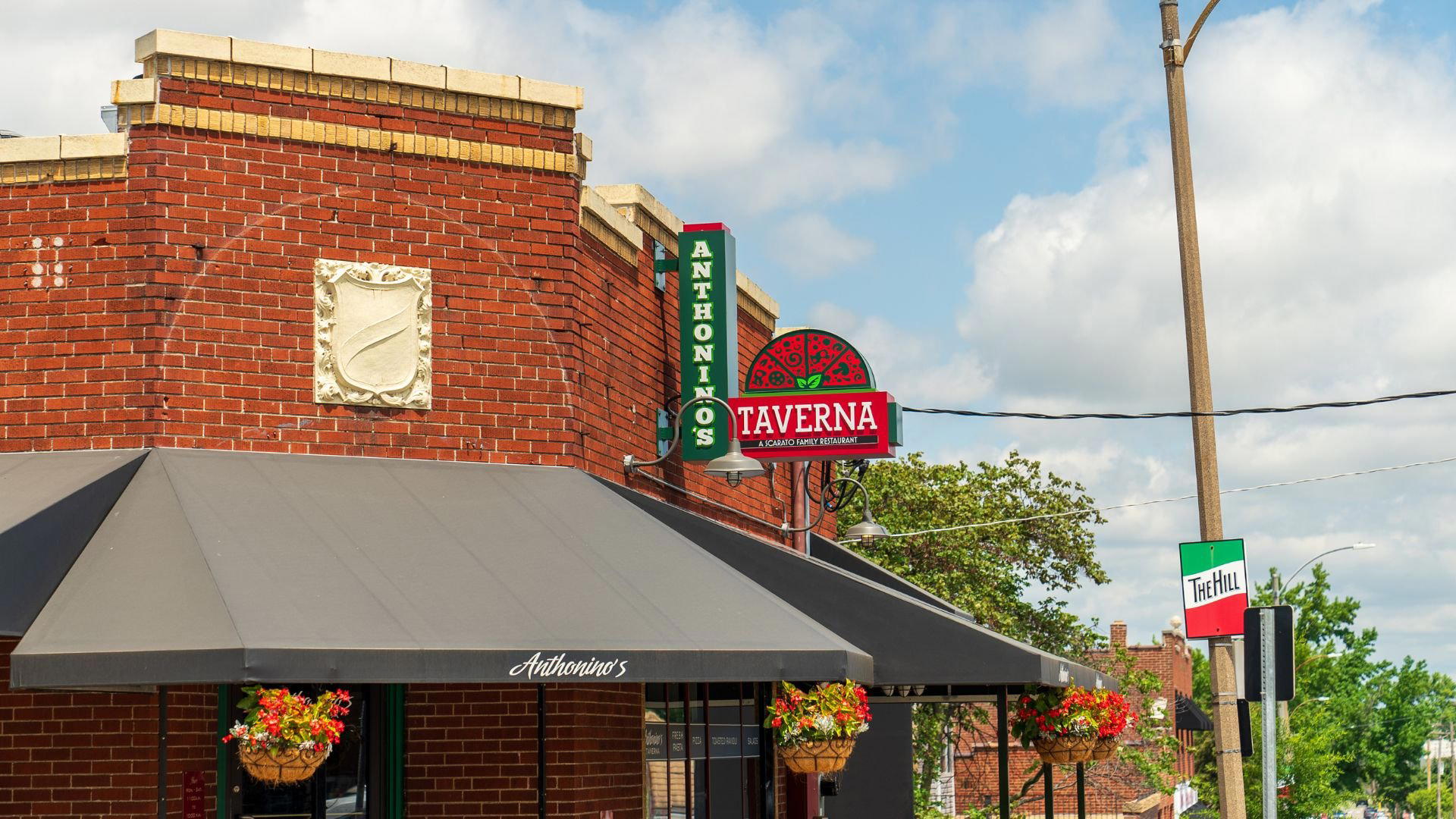
Other St. Louis restaurants working within more defined culinary traditions offer useful comparison points. Al's Restaurant and Anthonino's Taverna each anchor themselves in specific immigrant food traditions, while BaiKu Sushi Lounge works within a Japanese format that has its own sourcing demands. Farmhaus occupies a different lane: American cooking defined by what's available locally rather than by a fixed culinary heritage.
Positioning Within American Farm-Driven Dining
At the national level, farm-driven American restaurants have split into recognizable tiers. The highest-profile operations, including The French Laundry in Napa, Le Bernardin in New York City, and Addison in San Diego, carry Michelin recognition and price points that reflect it. A second tier, including places like Providence in Los Angeles, Emeril's in New Orleans, and The Inn at Little Washington, carries significant regional authority and sustained critical recognition. Below that, in cities across the country, a dense middle layer of neighborhood-serious restaurants operates with lower profiles but genuine cooking intent.
Farmhaus belongs in that third tier by geography and format, not by ambition. The distinction matters because it sets the right expectations. You are not arriving for a tasting menu with the scope of Atomix in New York City or the ingredient provenance signaling of Atelier Moessmer Norbert Niederkofler in Brunico. You are arriving for a south-side St. Louis restaurant that takes its sourcing seriously and serves a room of regulars who know the menu shifts with the season.
Planning a Visit
Farmhaus is located at 3257 Ivanhoe Avenue in the Lindenwood Park neighborhood on St. Louis's south side. The address is residential in character, which means street parking is the operative mode and the approach on foot or by rideshare feels notably different from dining in the central city. Visitors coming from downtown or the Central West End should allow fifteen to twenty minutes by car depending on time of day. Because this is a smaller neighborhood operation rather than a large-footprint venue, booking ahead is advisable, particularly for weekend sittings when local demand is highest. Hours, current booking availability, and menu pricing are best confirmed directly with the restaurant, as this information is subject to change with the kitchen's seasonal calendar.
Frequently asked questions
What's the overall feel of Farmhaus?
Is Farmhaus okay with children?
What's the signature dish at Farmhaus?
How does Farmhaus compare to other farm-driven restaurants in the St. Louis area?
A Pricing-First Comparison
| Venue | Cuisine | Price | Awards |
|---|---|---|---|
| FarmhausThis venue — the venue you are viewing | Contemporary Farm-to-Table American | $50–100 | Not listed |
| Truflles | Modern American Steakhouse | $50–100 | Star Wine List · Wine Spectator Best of Award of Excellence |
| Annie Gunn's | Steakhouse & Seafood | $50–100 | Star Wine List · Wine Spectator Best of Award of Excellence |
| Atomic Cowboy | Tex-Mex BBQ Fusion | Not listed | Not listed |
| BaiKu Sushi Lounge | Fusion Sushi Lounge | Not listed | Not listed |
| Broadway Oyster Bar | Cajun & Creole Seafood | $20–30 | Not listed |
Details
- Rustic
- Elegant
- Intimate
- Sophisticated
- Cozy
- Date Night
- Special Occasion
- Celebration
- Standalone
- Open Kitchen
- Farm To Table
- Local Sourcing
- Organic
- A La Carte
- Small Plates
- Tasting Menu
- Local Sourcing
- Vegetarian Friendly
- Gluten Free Options
Current opening hours
- Monday
- 5:30–9 PM
- Tuesday
- 5:30–9 PM
- Wednesday
- 5:30–9 PM
- Thursday
- 5:30–9 PM
- Friday
- 5:30–9:30 PM
- Saturday
- 5:30–9:30 PM
- Sunday
- Closed
Hours can change for holidays and private events. Last verified .
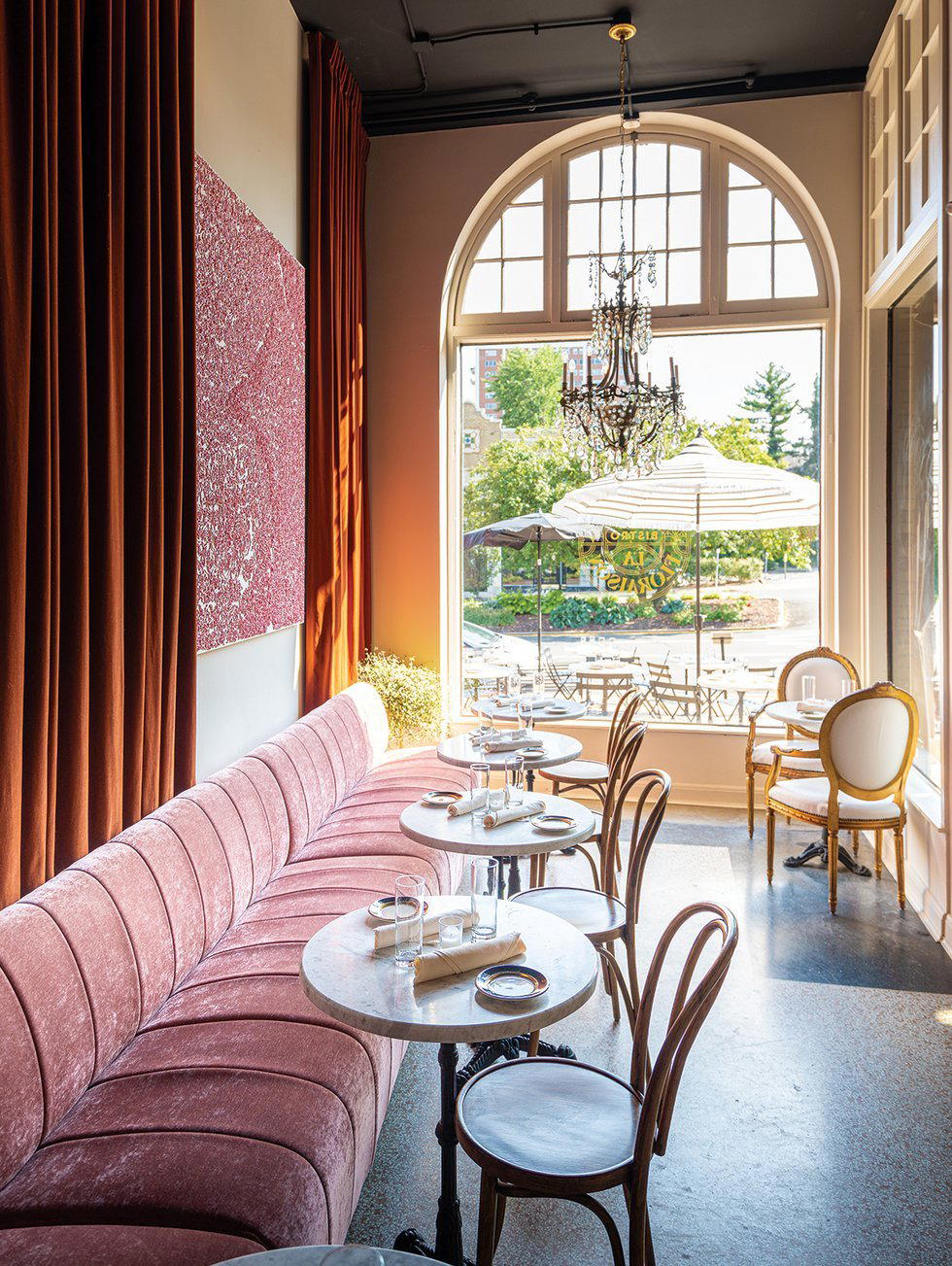
Rustic, comfy casualness with upscale sophistication; intimate 50-seat dining room with warm, unfussy atmosphere that belies the refined cooking.