Google: 4.6 · 3,315 reviews
.png)
On the Untertrave waterfront in Lübeck's Old Town, Fangfrisch has held the Michelin Plate in both 2024 and 2025, signalling consistent kitchen discipline in a city better known for marzipan than fine dining. The €€ price point makes it one of the more accessible recognised tables in Schleswig-Holstein's regional cuisine scene, and a Google rating of 4.6 across more than 3,000 reviews suggests it performs reliably at volume.
 Discover on Pearl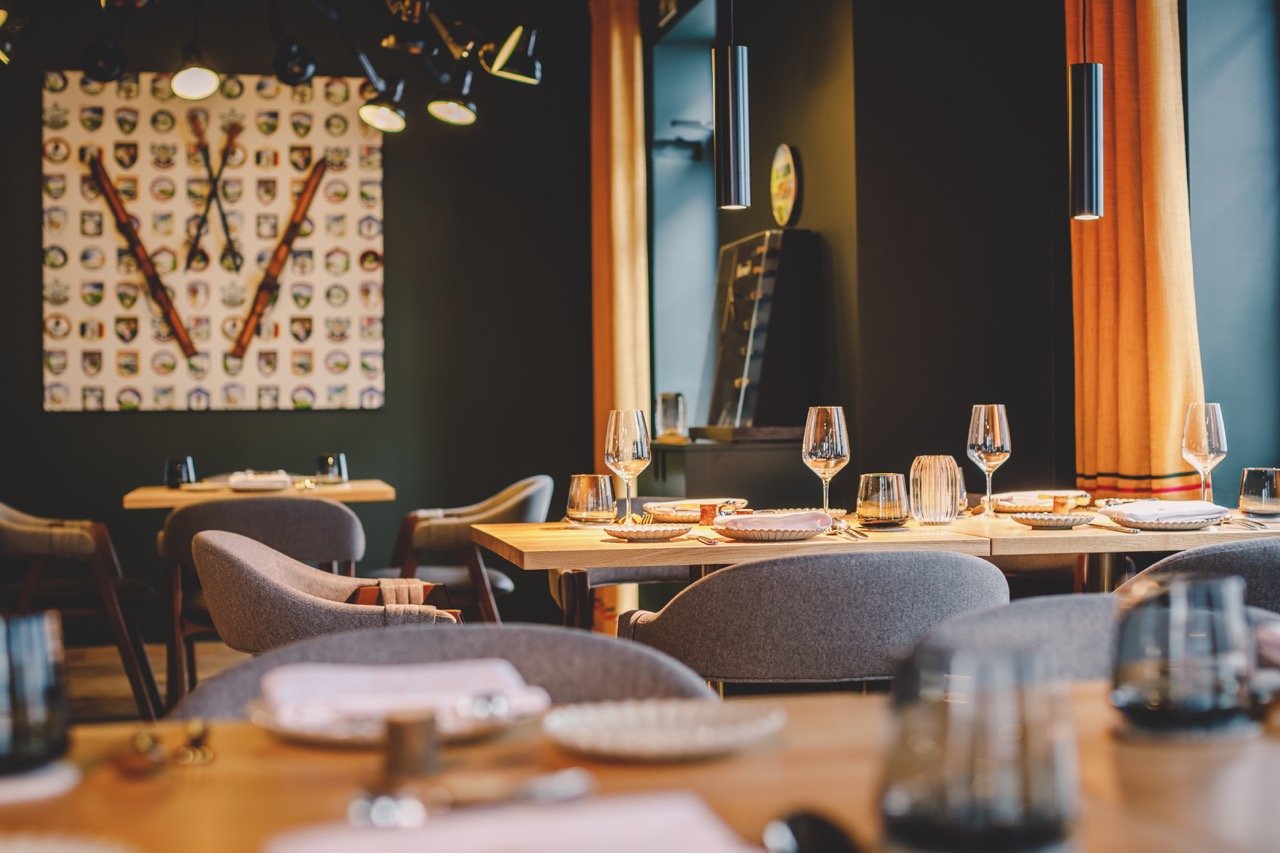
Where the Trave Meets the Table
An der Untertrave is one of Lübeck's more instructive addresses. The street runs along the southern bank of the river that once made this city the commercial capital of the Hanseatic League, and the buildings lining it carry the weight of that mercantile past in their brick gables and warehouse proportions. Restaurants here sit inside a specific kind of expectation: the waterfront position implies freshness, proximity to supply, and a certain no-nonsense relationship with what the northern German coast actually produces. Fangfrisch, at number 51, occupies that position in a literal sense. The name translates roughly as "freshly caught," and in a city where the Baltic is a short drive north and the Trave itself has historically fed the market, that framing is more than decorative.
Regional Cuisine as a Discipline, Not a Style
Northern German regional cooking sits in an interesting position relative to the broader German fine-dining conversation. At the high end of that conversation, restaurants like Aqua in Wolfsburg or Schwarzwaldstube in Baiersbronn operate with three Michelin stars and price structures in the €€€€ tier, drawing on international technique and global sourcing. The regional cuisine category operates from a different premise: the sourcing radius is the point. What grows or lives within reach of the kitchen defines the menu's architecture, not the other way around.
That discipline is harder than it looks. Schleswig-Holstein's larder runs to smoked fish, root vegetables, game from the Holsteinische Schweiz, lamb from the Elbe marshes, and, in season, white asparagus from the sandy soils around Lübeck itself. Working within those parameters at a consistent level of execution is what earns recognition. Fangfrisch has held the Michelin Plate for two consecutive years, in 2024 and 2025, which within the Guide's logic signals a kitchen producing cooking worth stopping for, even if it has not yet crossed into starred territory. For comparison, other regional-rooted European tables that have taken a similar path include Gannerhof in Innervillgraten and Fahr in Künten-Sulz, both of which use a defined geographic sourcing frame to anchor their menus.
What Sourcing Signals at This Price Point
At the €€ price point, the Michelin Plate is a meaningful signal. It means the kitchen is executing at a level that Michelin's inspectors consider worth flagging, without the overhead structure of a starred operation. In practice, that tends to mean tighter menus, less brigade depth, and closer direct relationships with suppliers rather than the consolidated procurement networks that larger restaurants use. For a waterfront address in Lübeck, the logical supply chain runs through the city's fish market, the farms of the Lübecker Bucht hinterland, and the regional producers who have supplied this stretch of coast for generations.
That relationship between sourcing proximity and price accessibility is one of the more interesting dynamics in German regional dining. Restaurants in the starred tier, from Restaurant Haerlin in Hamburg to JAN in Munich, absorb sourcing costs into their price structures. At Fangfrisch, the €€ positioning implies a different model: direct, seasonal, and built around what is actually available rather than what a premium supply network can deliver year-round.
Lübeck's Dining Context
Lübeck is a city most visitors read through the lens of its UNESCO-listed medieval centre, its marzipan industry, and its Thomas Mann associations. Its restaurant scene is less internationally profiled than Hamburg's, which sits roughly an hour to the south-west, but it has its own coherent character. The waterfront and the Old Town together support a range of options from casual fish-and-bread formats to more considered regional tables. Fangfrisch sits in the latter group, with a Google rating of 4.6 drawn from more than 3,000 reviews, a volume that suggests the restaurant is performing at a consistent level across a broad dining public rather than only for occasional special-occasion visits.
Within Lübeck's more formal tier, Wullenwever operates at the classic cuisine end of the spectrum, while Meilenstein takes a contemporary approach. Fangfrisch's regional framing places it in a different lane from both. For visitors building a multi-day itinerary, the full Lübeck restaurants guide maps those distinctions across the city's options. The Lübeck hotels guide, bars guide, and experiences guide fill out the rest of a stay.
The Broader German Regional Table
Germany's regional cuisine movement has produced some of the country's most interesting dining in the past decade, partly in reaction to the internationalisation of the starred tier. While Vendôme in Bergisch Gladbach and Victor's Fine Dining by Christian Bau in Perl operate with multi-star recognition and global technique, a parallel conversation has been happening at restaurants that measure quality by sourcing discipline and seasonal fidelity rather than tasting-menu ambition. ES:SENZ in Grassau and Schanz in Piesport represent regional anchoring in their own geographic contexts. Fangfrisch belongs to that broader tendency, applied to the specific conditions of the Baltic coast and the Hanseatic interior. For dessert-focused creative work at the other end of the German dining spectrum, CODA Dessert Dining in Berlin offers a point of contrast.
The Lübeck wineries guide provides relevant context for what local and regional producers are pairing with this kind of cooking in northern Germany, and the wine list at a regional-focused restaurant at this price tier will typically reflect a similar provenance-first logic.
Planning a Visit
Fangfrisch is at An der Untertrave 51 in Lübeck's Old Town, at the €€ price tier and within walking distance of the Holstentor and the central train station. The waterfront location makes it an accessible stop within a day spent in the historic centre. Given the 4.6 rating across more than 3,000 Google reviews, table availability is worth confirming in advance, particularly during the asparagus season in May and June and the summer months when Lübeck draws heavier tourist traffic. Booking method and current hours are leading confirmed directly with the restaurant, as those details are not available through this guide.
What Do Regulars Order at Fangfrisch?
Without verified menu data, specific dish recommendations cannot be confirmed here. What the Michelin Plate recognition and regional cuisine designation together imply is a kitchen built around what the northern German coast and hinterland produce seasonally: fish from the Baltic and local rivers, game in autumn and winter, white asparagus in late spring, and root vegetables through the colder months. Regulars at this kind of table tend to follow the kitchen's seasonal logic rather than anchoring to fixed signatures. The most reliable approach is to ask the front-of-house what has arrived most recently and is on the menu that week, which at a restaurant operating from this kind of sourcing premise is typically the most honest answer available.
Comparable Spots, Quickly
A fast peer set for context, pulled from similar venues in our database.
| Venue | Cuisine | Price | Awards | Notes |
|---|---|---|---|---|
| Fangfrisch | Regional Cuisine | €€ | Michelin Plate (2025); Michelin Plate (2024) | This venue |
| Wullenwever | Classic Cuisine | €€€€ | Michelin 1 Star | Classic Cuisine, €€€€ |
| Johanna Berger | International | €€ | International, €€ | |
| Meilenstein | Contemporary | €€€ | Contemporary, €€€ |
Continue exploring
More in Lübeck
Restaurants in Lübeck
Browse all →
At a Glance
- Modern
- Rustic
- Cozy
- Trendy
- Industrial
- Casual Hangout
- Date Night
- Family
- Group Dining
- Waterfront
- Open Kitchen
- Standalone
- Beer Program
- Craft Cocktails
- Farm To Table
- Local Sourcing
- Sustainable Seafood
- Waterfront
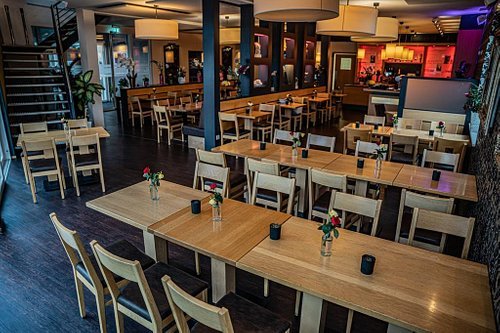
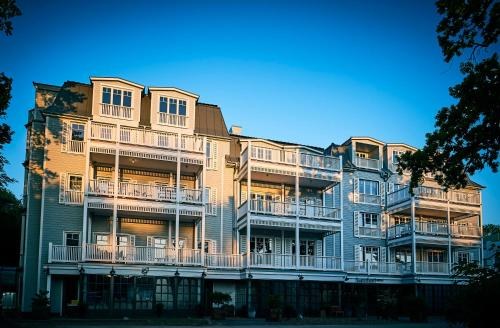
Industrial-style design with stone walls, candles, and soft cushions; warm, inviting lighting with a relaxed, friendly atmosphere; located waterside with views of the Untertrave.