Our verdict
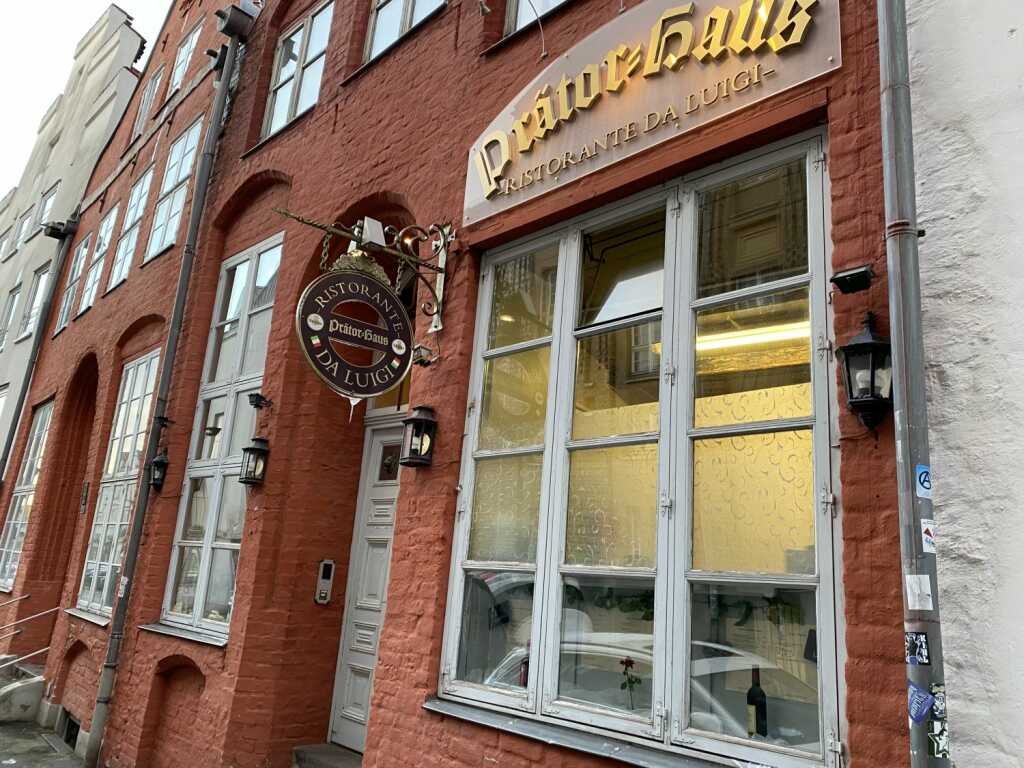
On Fischergrube, one of Lübeck's most photographed medieval lanes, Da Luigi occupies the ground floor of the Prätor-Haus with the low-key confidence of a neighbourhood Italian that has earned its regulars. The address alone signals something: this is a city that takes its built heritage seriously, and the restaurants that endure here tend to match that weight with substance on the plate.

Pearl is the En Primeur Club membership app — saves, bookings, and concierge access live there. Same editors, same standards.
- Address
- Fischergrube 18, 23552 Lübeck, Germany
- Phone
- +4945188308414
- Hours
- Mon ClosedTue–Sun 5–11 PM
- Website
- speisekartenweb.de
- Directions
- Get directions
- Booking
- Book on the venue's website
The menu
What to order
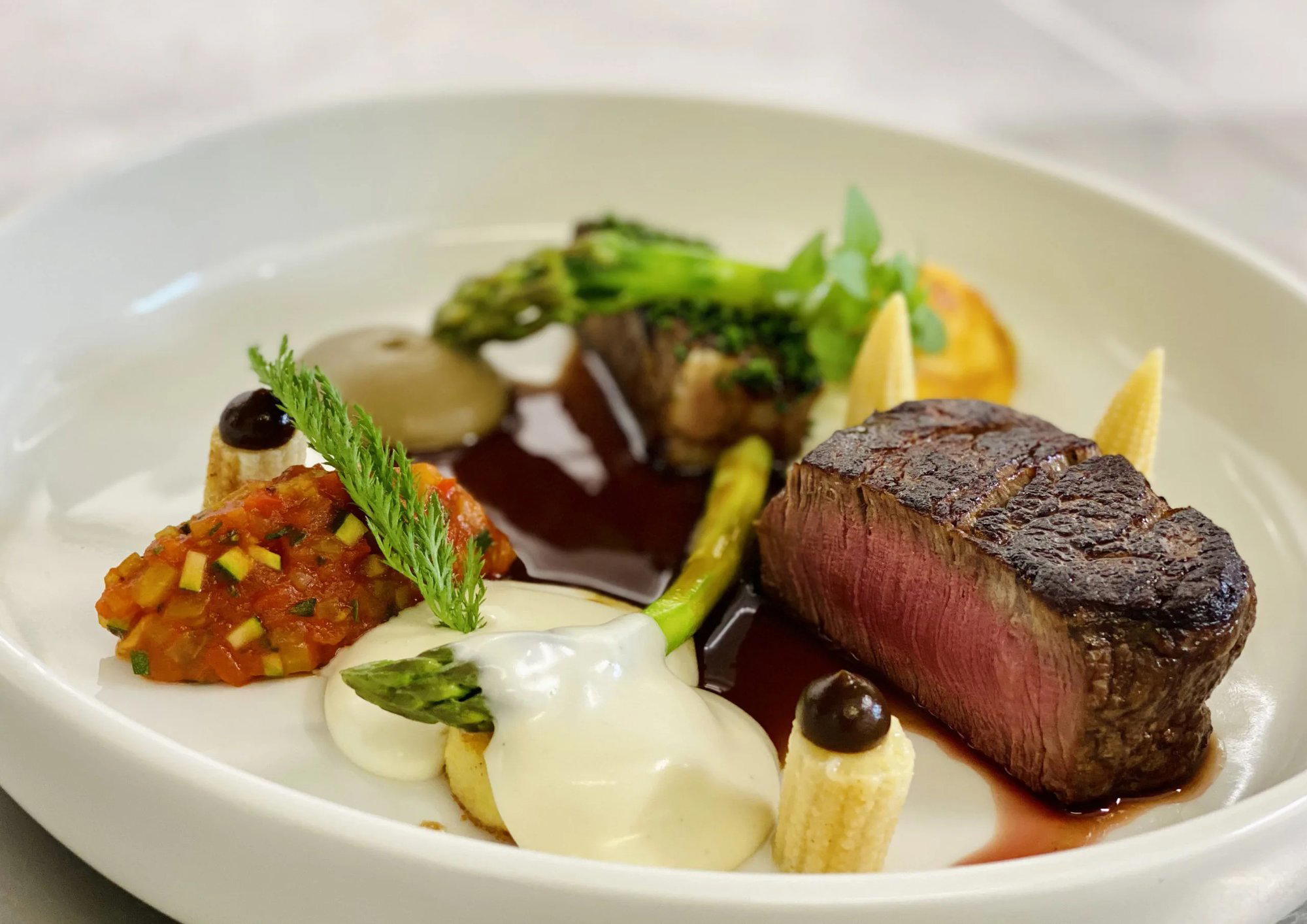
- Pizza Diavola
- Frische Ravioli
- Tiramisu
- Dorade
- Pizza Capricciosa
- Saltimbocca alla romana
A Medieval Street, an Italian Kitchen
Fischergrube 18 is not a tourist address in the casual sense. The street runs close to the Trave waterfront in Lübeck's Old Town — a UNESCO-listed medieval core where the brick-gabled architecture is not decorative but structural, part of a continuous urban fabric that survived the Second World War better than most Hanseatic cities. The Prätor-Haus itself is one of those buildings: a name that carries the weight of civic history, the kind of address that, in a German context, implies centuries of occupation before any restaurant ever opened its doors. Walking along Fischergrube toward number 18, the effect is of a city that has decided its past is worth keeping intact, and that the restaurants inside these walls should be worth the walk.
Da Luigi operates within that context, and the setting shapes expectations in both directions. Lübeck's dining scene is not large by the standards of Hamburg, 65 kilometres to the southwest, but it is more considered than visitors often anticipate. The city supports a range of price points and cuisines, from the Michelin-recognised classicism of Wullenwever (Classic Cuisine) at the top of the market to the approachable regional cooking at Fangfrisch (Regional Cuisine) and the street-food informality of Haus des Döners. An Italian kitchen on a historic lane sits somewhere in the middle of that spectrum, drawing on a format that Northern European cities have long absorbed into their own dining cultures.
What the Menu Format Reveals
Italian restaurants in Germany have a particular challenge: the cuisine is so widely replicated, at so many price points, that positioning matters as much as execution. A trattoria-style menu that leads with pasta and secondi tells you one thing about a kitchen's priorities; a more structured format with antipasti, a tight pasta selection, and composed mains tells you another. Da Luigi's name and address together suggest the former register — neighbourhood in spirit, rooted in the conventions of cucina casalinga rather than the tasting-menu Italian that has emerged in Germany's major dining cities.
That positioning, if accurate, places it in a different competitive conversation from the fine-dining Italian operations found at destinations like Vendôme in Bergisch Gladbach or the internationally recognised rooms such as Le Bernardin in New York City. The point of reference for Da Luigi is more likely the neighbourhood trattoria model, a format where the menu architecture is deliberately familiar, designed to reward return visits rather than first impressions, and where the kitchen's craft shows in proportion and seasoning rather than technique-forward plating.
This is not a lesser ambition. German cities with strong neighbourhood Italian traditions, Munich, Düsseldorf, Hamburg, have long supported a tier of Italian restaurants that compete on consistency and sourcing rather than concept. In Lübeck's smaller market, holding that position over time is itself a signal of quality. The city's restaurant-going population is not large enough to sustain mediocrity in a historic address for long.
Lübeck's Dining Context
Understanding Da Luigi requires understanding where Lübeck sits in Germany's broader dining map. The city is not a fine-dining destination in the way that, say, Aqua in Wolfsburg or Schwarzwaldstube in Baiersbronn anchor their respective regions. Lübeck's identity is historical and cultural, the Thomas Mann connection, the marzipan tradition, the Holstentor, and its restaurants reflect a city where day-trippers from Hamburg and Schleswig-Holstein mix with a local population that values the familiar over the experimental.
That does not make it provincial. The city supports serious cooking at Wullenwever, international registers at Alhambra Orient Food and HANA, and enough range to sustain a genuine dining culture rather than a tourism-dependent one. An Italian restaurant in this environment succeeds by becoming part of the local fabric rather than marketing itself to visitors. The Fischergrube address accelerates that process: it is a street Lübeckers walk along, not just one that appears in travel articles.
For a broader view of where Da Luigi sits among the city's options, our full Lübeck restaurants guide maps the complete range by cuisine and price.
Where It Fits in Northern Germany's Italian Register
Northern Germany's relationship with Italian cuisine has deepened considerably since the 1980s, when trattorias were largely defined by their red-checked tablecloths and undifferentiated pasta. The current generation of neighbourhood Italians in Hamburg, Kiel, and Lübeck tends to be more ingredient-focused, with sourcing from Italian producers and a tighter, seasonal menu architecture that reflects what the kitchen can execute well rather than a comprehensive regional survey.
This is a different trajectory from the high-concept Italian that has emerged in Berlin, CODA Dessert Dining in Berlin represents one end of that experimental register, or the Michelin-decorated precision at JAN in Munich. Da Luigi on Fischergrube occupies the honest middle: a restaurant whose appeal is built on the expectation that pasta is properly cooked, that the secondi have substance, and that the room feels like somewhere worth returning to on a Tuesday evening in November as much as on a summer Saturday.
Planning Your Visit
Fischergrube is walkable from Lübeck's central train station in under fifteen minutes, cutting through the Old Town past the Holstentor. The street itself is narrow and cobbled, and the Prätor-Haus address is easier to find on foot than by car, given the restricted access to much of the Old Town by vehicle. For visitors arriving from Hamburg by rail, direct services run frequently and the journey takes between 45 and 50 minutes, making Lübeck a viable evening destination rather than a full overnight commitment. Booking ahead is advisable for weekend evenings, particularly in summer when the Old Town draws larger visitor numbers. The restaurant's position on a relatively quiet historic lane means the immediate environment is calmer than the more tourist-trafficked streets nearer the market square.
Frequently asked questions
Is Prätor-Haus - Da Luigi good for families?
The setting on Fischergrube 18, a quieter residential street in Lübeck's Old Town, suggests a neighbourhood trattoria format rather than a high-volume tourist operation — which tends to work in favour of relaxed, unhurried meals. Italian restaurants in this register typically accommodate families without difficulty. Confirming specific arrangements, such as children's portions or high chairs, is best done by contacting the venue directly before visiting.
What is the atmosphere like at Prätor-Haus - Da Luigi?
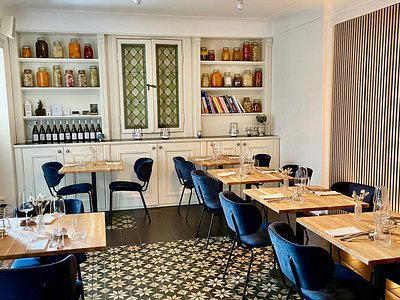
Fischergrube is one of the more characterful streets in Lübeck's UNESCO-listed medieval core, running close to the Trave waterfront. A restaurant operating under the Prätor-Haus address occupies a historic building fabric that shapes the atmosphere before a single dish arrives. Expect the feel of an established neighbourhood Italian rather than a contemporary dining room — the street context alone sets that tone.
How does Da Luigi's location on Fischergrube compare to other Lübeck restaurants for a dinner visit?
Fischergrube 18 sits within Lübeck's UNESCO-designated Altstadt and is walkable from the central train station in under fifteen minutes via the Old Town. The street runs near the Trave waterfront, placing Da Luigi away from the busier tourist corridors around the Holstentor while remaining well inside the historic centre. For visitors based in Lübeck's central hotels, the address is a practical and atmospheric choice for an evening meal in the Old Town.
What part of town is Prätor-Haus - Da Luigi in?
Prätor-Haus - Da Luigi is located at Fischergrube 18, 23552 Lübeck, Germany, Lübeck.
Awards and Standing
Comparable venues nearby, for context on price, style, and recognition.
| Venue | Cuisine | Price | Awards | Notes |
|---|---|---|---|---|
| Prätor-Haus - Da LuigiThis venue — the venue you are viewing | Traditional Italian Trattoria | $30–50 | Not listed | Not listed |
| Schlumachers | Modern French-North German Fusion | $50–100 | Not listed | Altstadt |
| The Newport Marina & Restaurant | Modern Northern German Seafood | $50–100 | Not listed | Media Docks / Harbor District |
| Fangfrisch | Modern Nordic Seafood | $30–50 | Michelin Plate | Altstadt (Old Town) |
| Namaste India | Authentic Indian | $20–30 | Not listed | Altstadt |
| Johanna Berger | Modern Mediterranean | Not listed | Michelin Plate | Lübecker Altstadt |
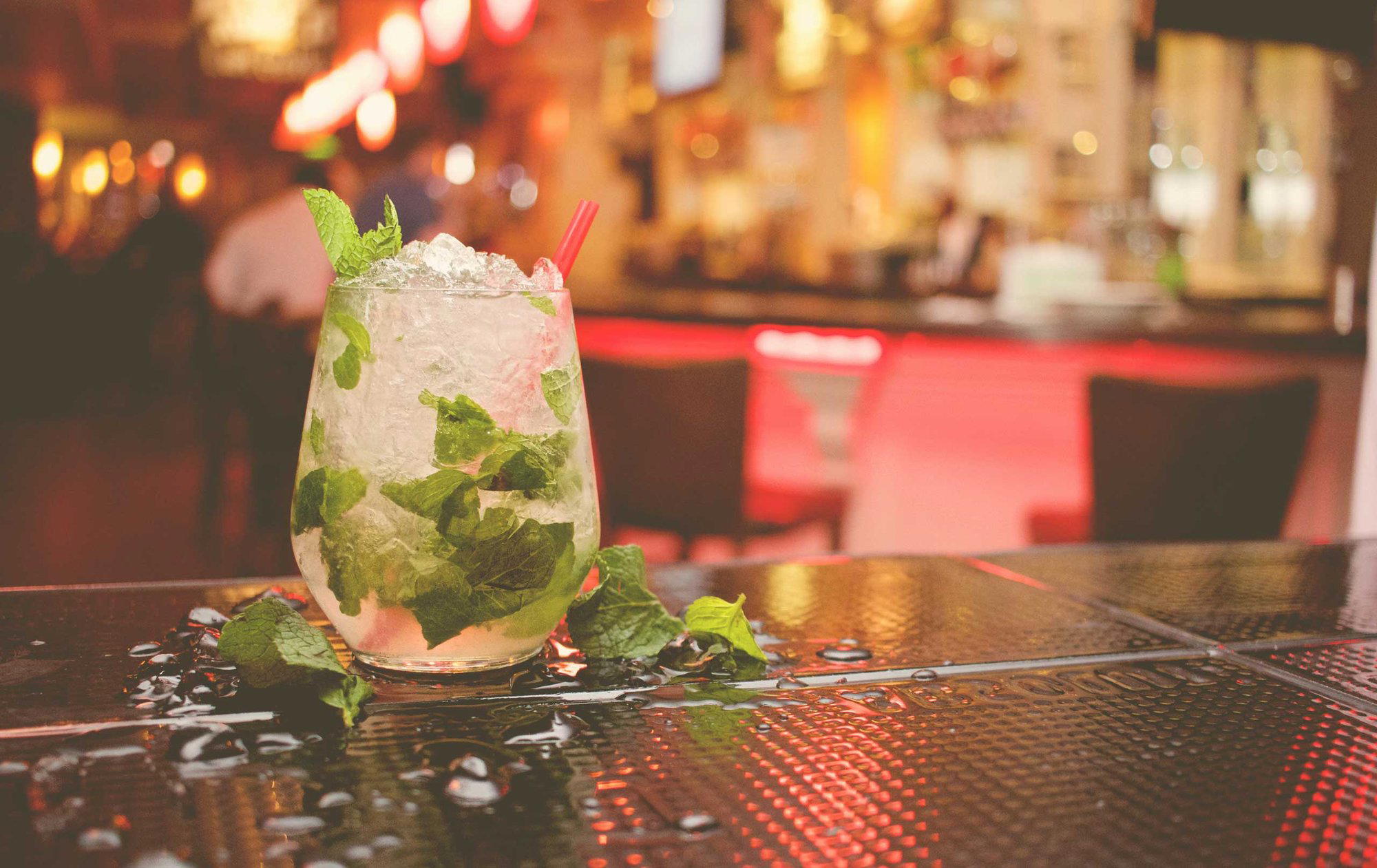
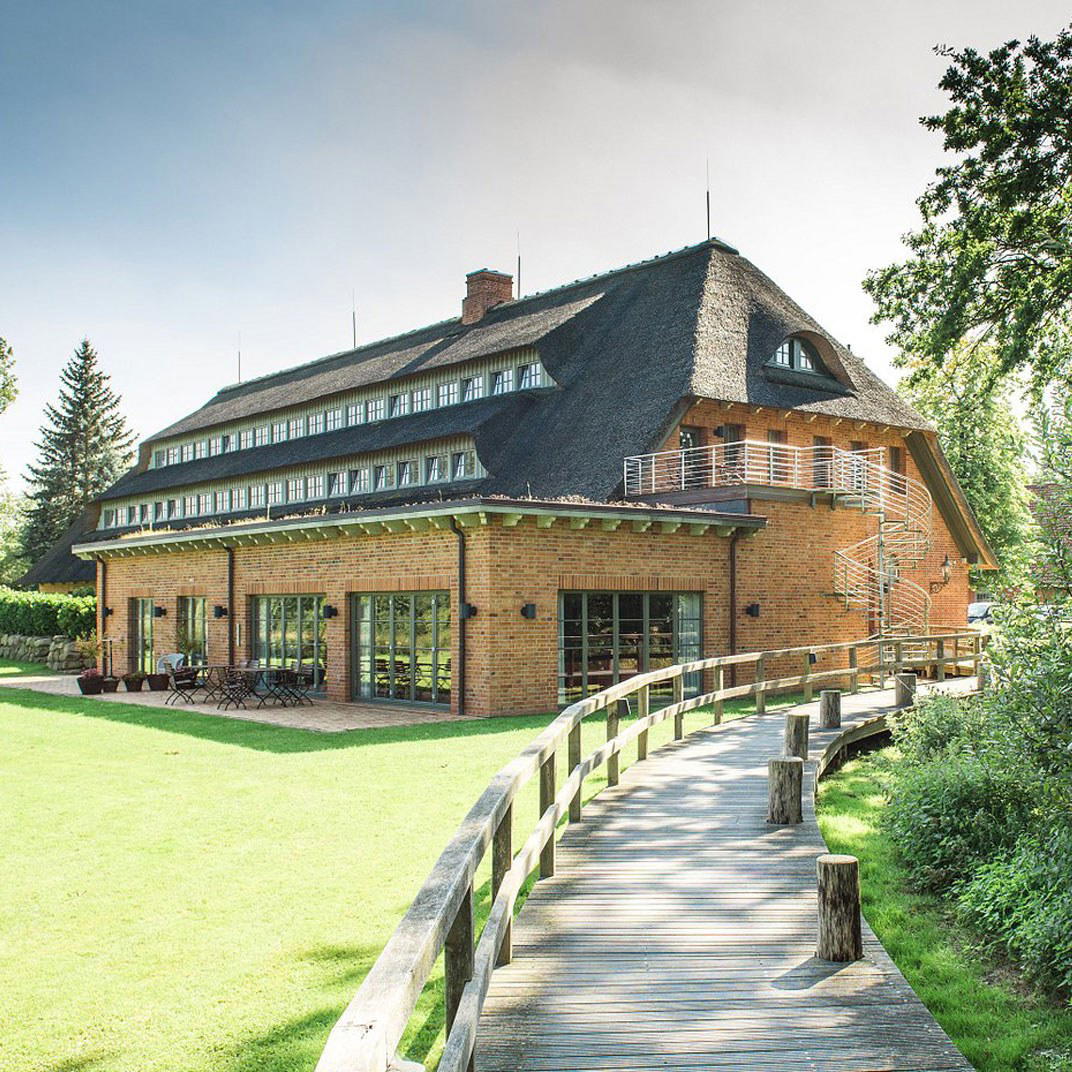
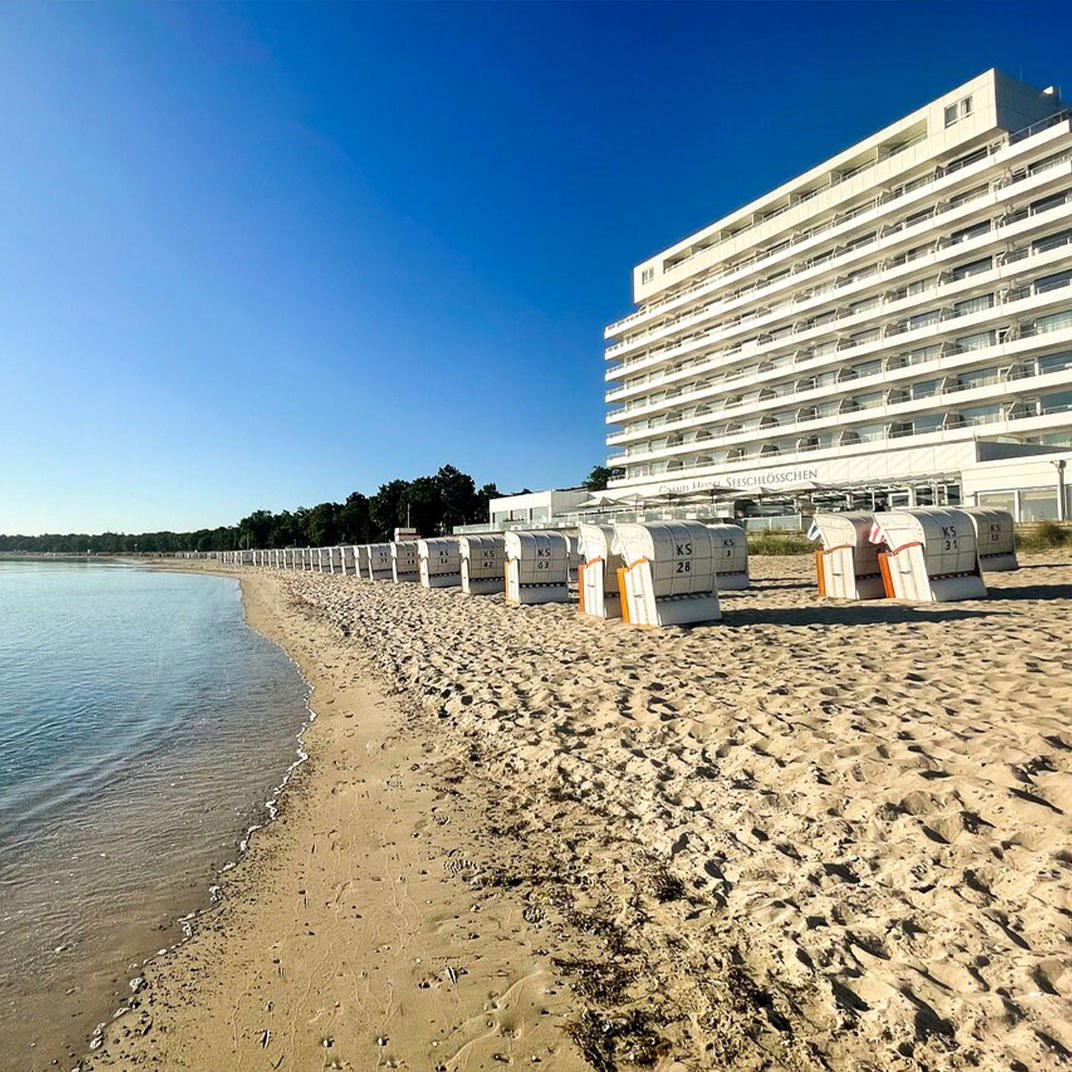

Prätor-Haus - Da Luigi
The wine
- Wine program
- Curated wine list
- Extensive wine list
Details
- Cozy
- Classic
- Romantic
- Date Night
- Group Dining
- Casual Hangout
- Special Occasion
- Historic Building
- Terrace
- Extensive Wine List
- A La Carte
- Wine
- Vegetarian Friendly
- Vegan Options
- Gluten Free Options
Current opening hours
- Monday
- Closed
- Tuesday
- 5–11 PM
- Wednesday
- 5–11 PM
- Thursday
- 5–11 PM
- Friday
- 5–11 PM
- Saturday
- 5–11 PM
- Sunday
- 5–11 PM
Hours can change for holidays and private events. Last verified .
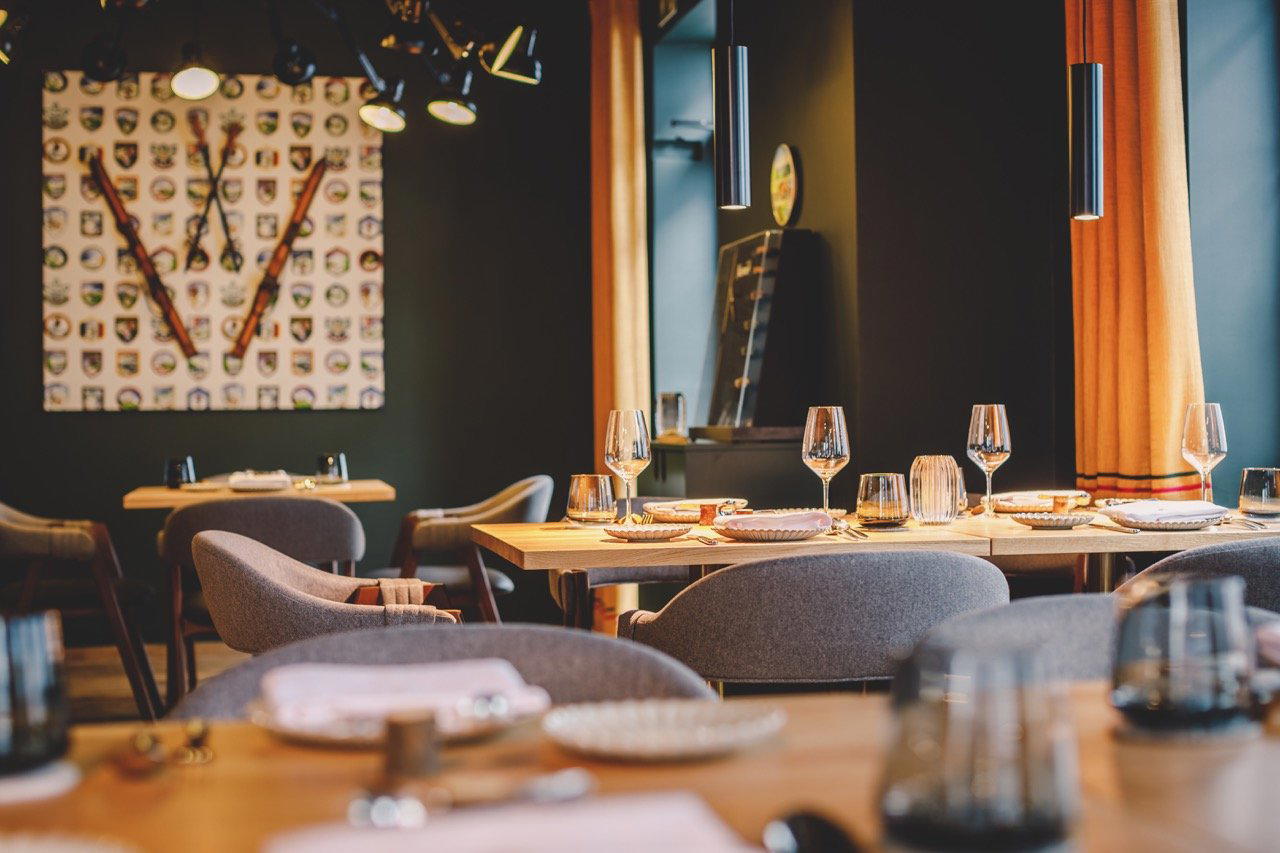
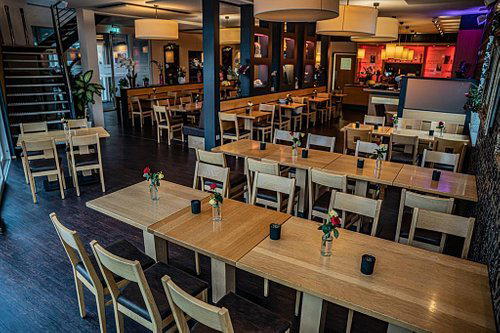
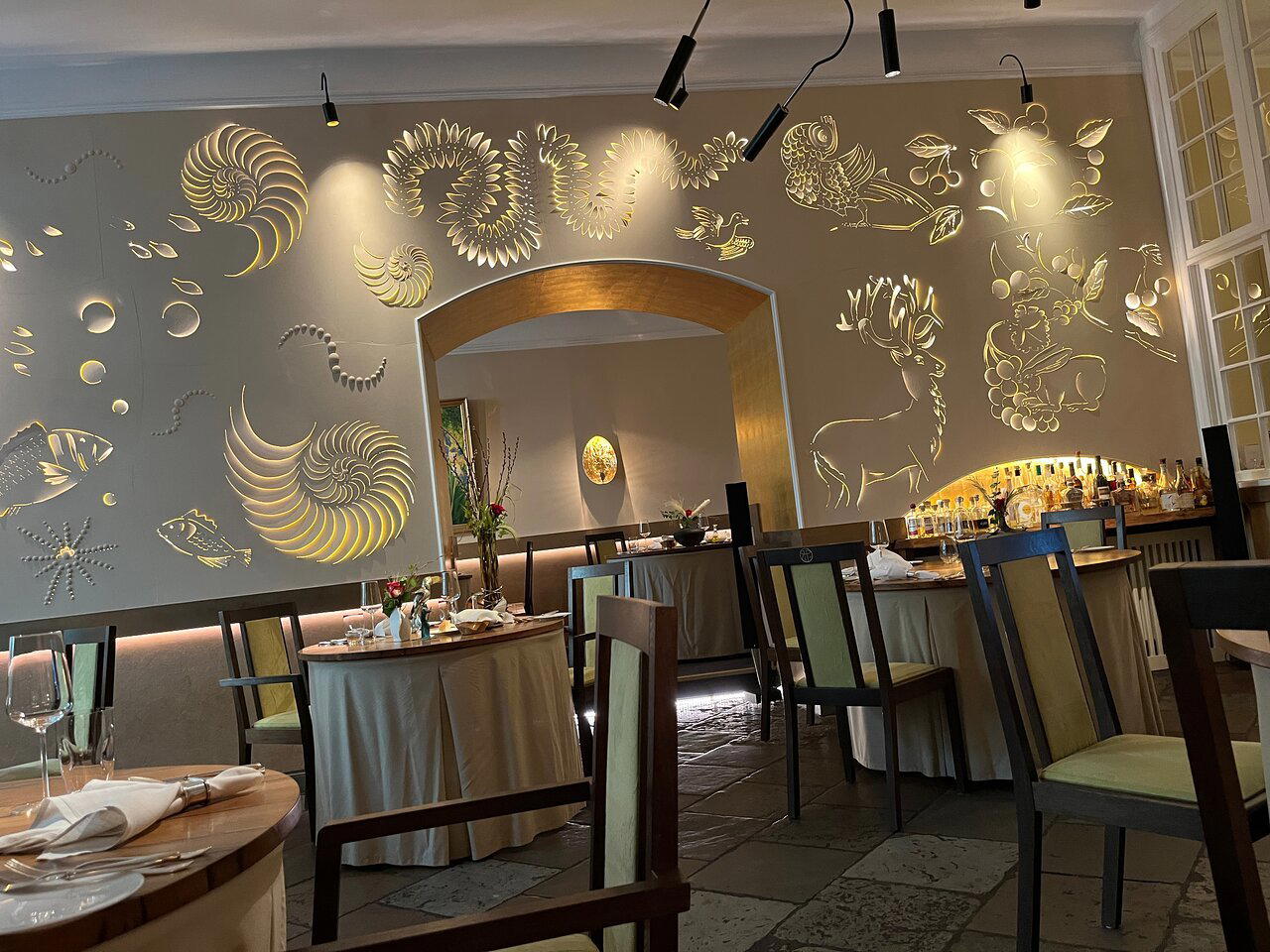
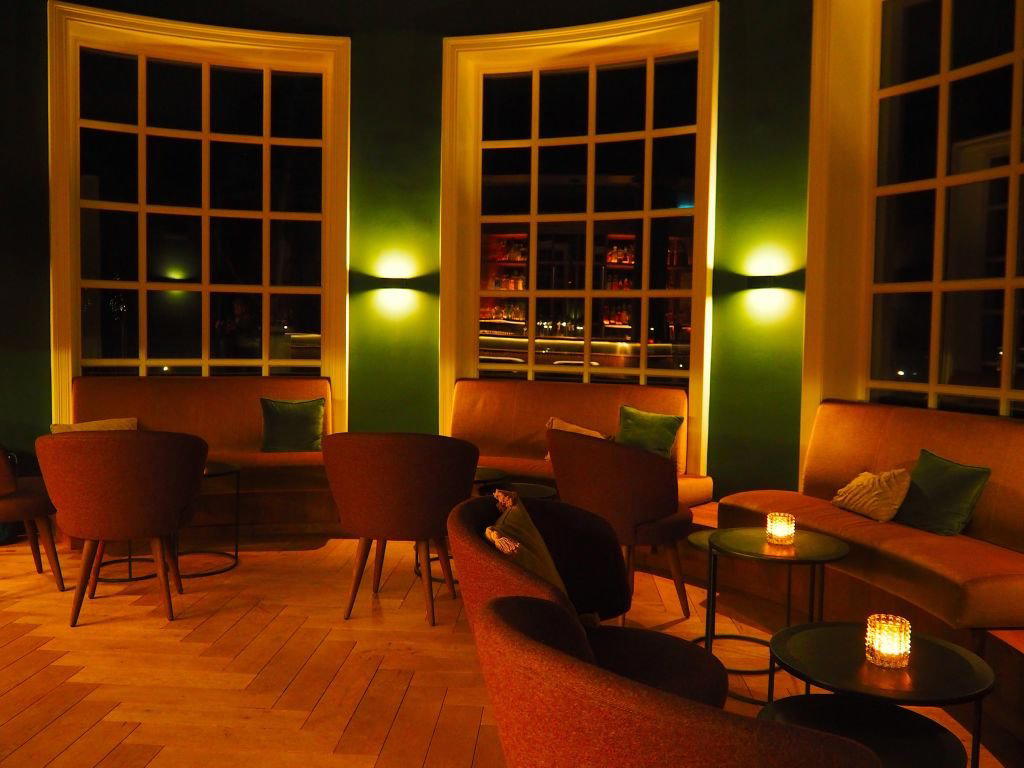
Warm and inviting with cozy lighting in a historic setting; guests describe it as charming and authentic with a welcoming atmosphere.