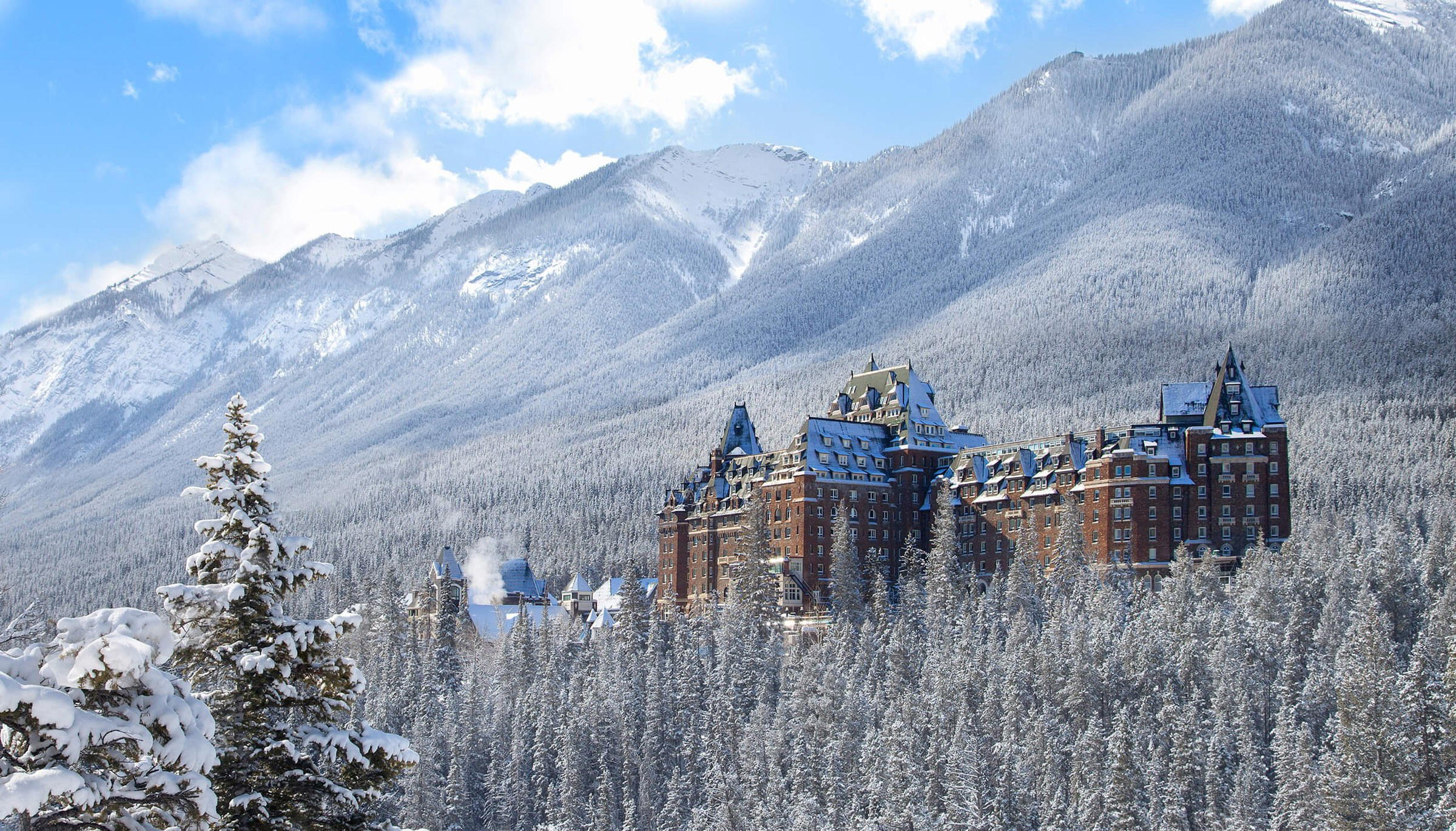
The Fairmont Banff Springs has anchored the town's hospitality identity since 1888, operating as a full-scale castle resort in the Canadian Rockies. Its dining program spans casual to formal, with the rhythm of service shifting noticeably between daytime visitors and evening hotel guests. For travellers passing through Banff, understanding that divide is the first step to getting genuine value from the property.
Pearl is the En Primeur Club membership app — saves, bookings, and concierge access live there. Same editors, same standards.
- Address
- 405 Spray Ave, Banff, AB T1L 1J4, Canada
- Phone
- +14037622211
- Website
- fairmont.com
- Directions
- Get directions
 Saves & bookings on Pearl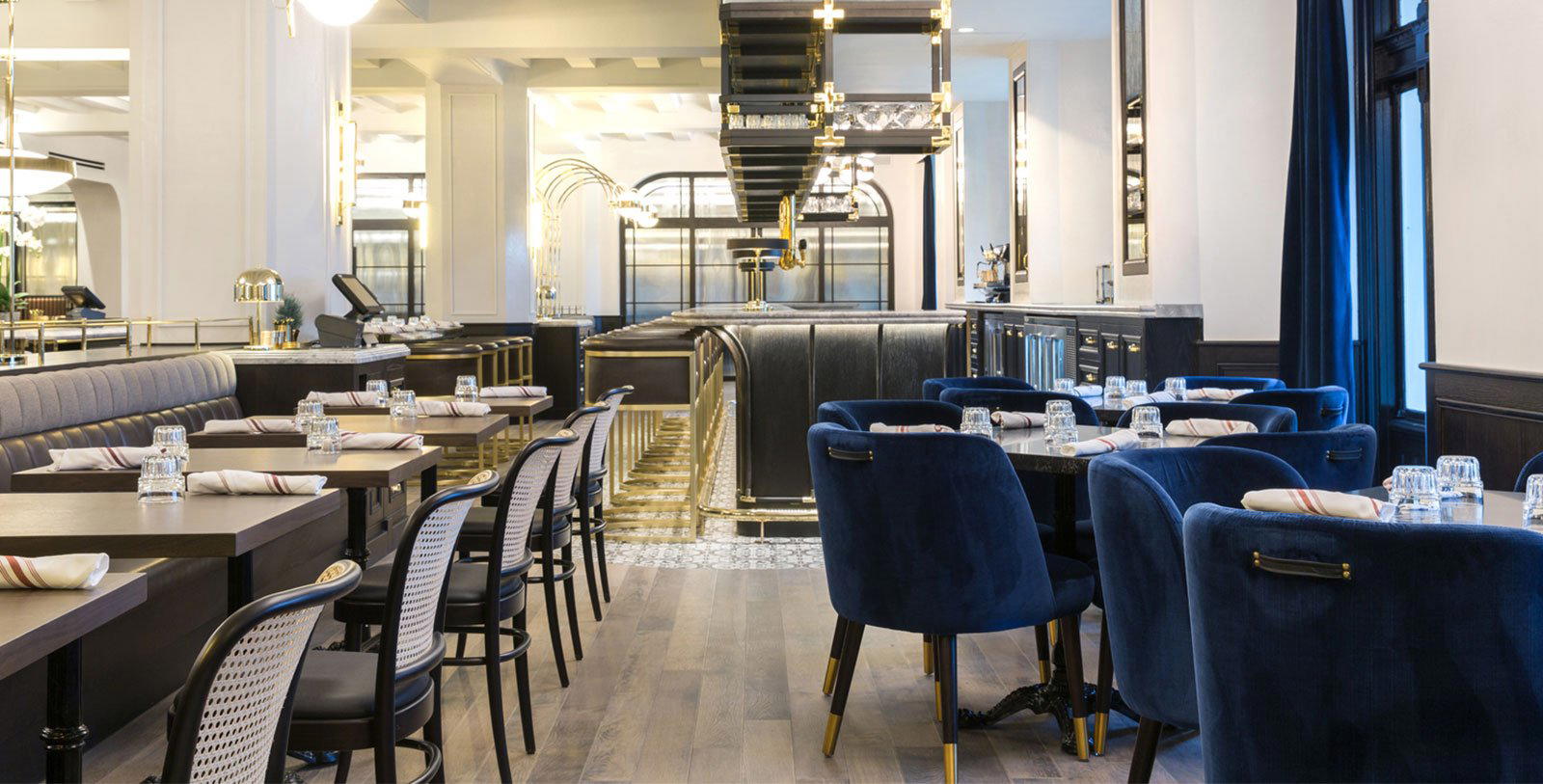
A Castle in the Rockies, and What That Actually Means for Dining
In most mountain towns, the dominant hotel sets the ceiling for local hospitality expectations. In Banff, the Fairmont Banff Springs does something more complicated: it sets a parallel ceiling that exists somewhat apart from the independent dining scene along Banff Avenue. Built in 1888 as a Canadian Pacific Railway destination resort, the property has operated continuously long enough that its dining rooms carry institutional weight rather than the kind of credibility that accrues to newer, chef-driven rooms. That is not a criticism. It is a structural reality that shapes how the property's food and beverage program should be read, and when it delivers leading.
Banff's independent restaurant scene has grown considerably in range and seriousness. Places like Añejo Restaurant and Balkan Mediterranean Restaurant operate at a different register from a large legacy hotel. The Fairmont sits in its own competitive tier, one defined by scale, breadth, and the logistical machinery required to serve a property of its size. Against that tier, the question is not whether it competes with smaller independents, but whether its individual dining outlets justify the spend relative to peer resort hotels and relative to each other.
The Lunch vs. Dinner Divide: Where the Value Actually Lives
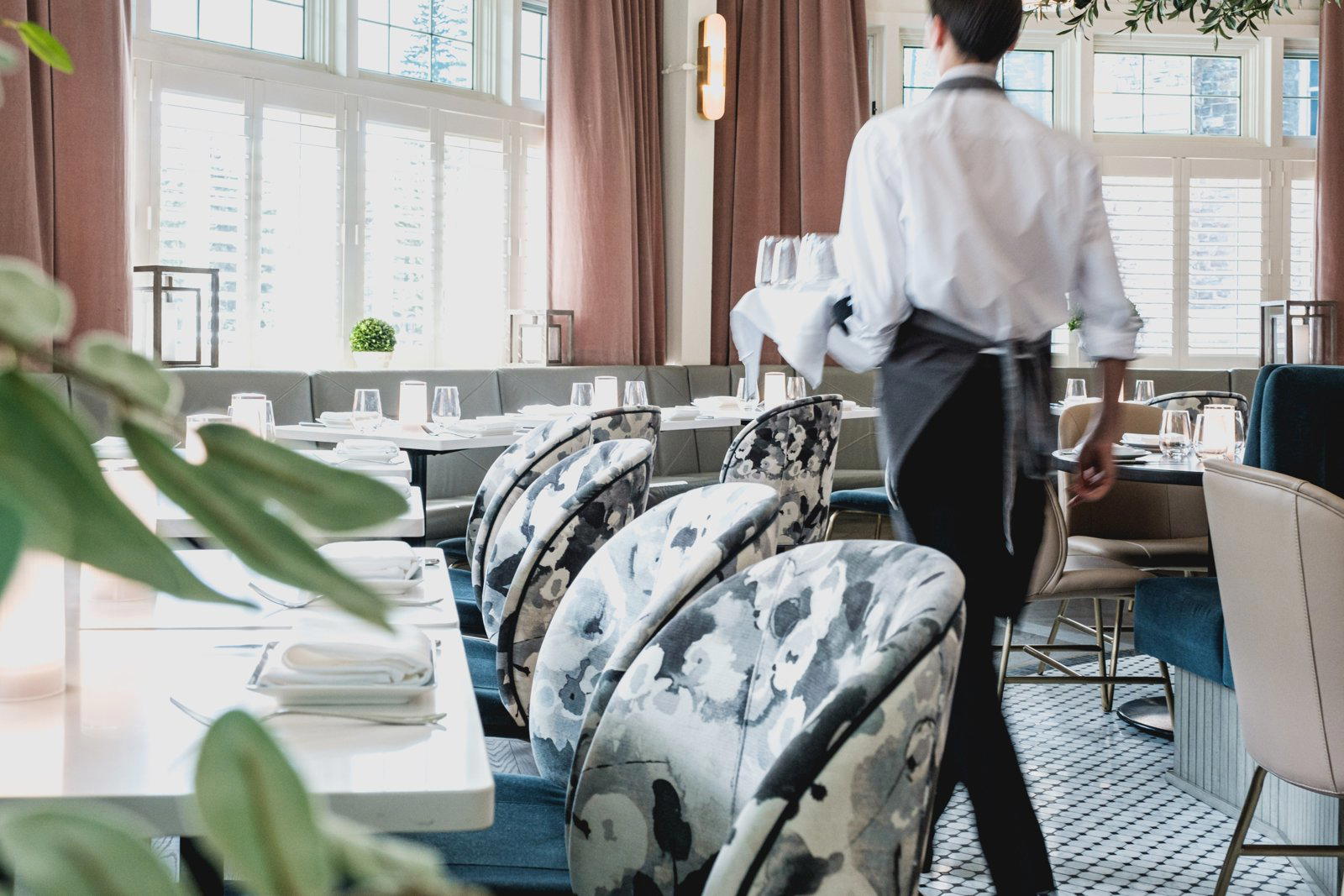
The most useful editorial lens for a resort of this scale is the gap between its daytime and evening identities. Lunch at a large mountain hotel typically draws a different crowd and a different energy than dinner: more transient, more varied in purpose, and often more forgiving in pace. At the Fairmont Banff Springs, daytime service across its multiple outlets tends to attract day visitors and skiers in season alongside hotel guests, which creates a livelier, less ceremonial atmosphere than the more formal evening rhythm.
That distinction matters practically. Dinner at the hotel's signature outlets, including the 1888 Chop House, positions itself at the upper end of Banff's price range, where it competes with the likes of Eden at The Rimrock Resort for the formal evening market. Lunch, by contrast, offers access to the property's setting and service infrastructure at a lower commitment level. For travellers not staying on-site, a midday visit to the hotel's casual dining or bar spaces can be the more sensible entry point, capturing the architecture and mountain views without the full formal dinner outlay.
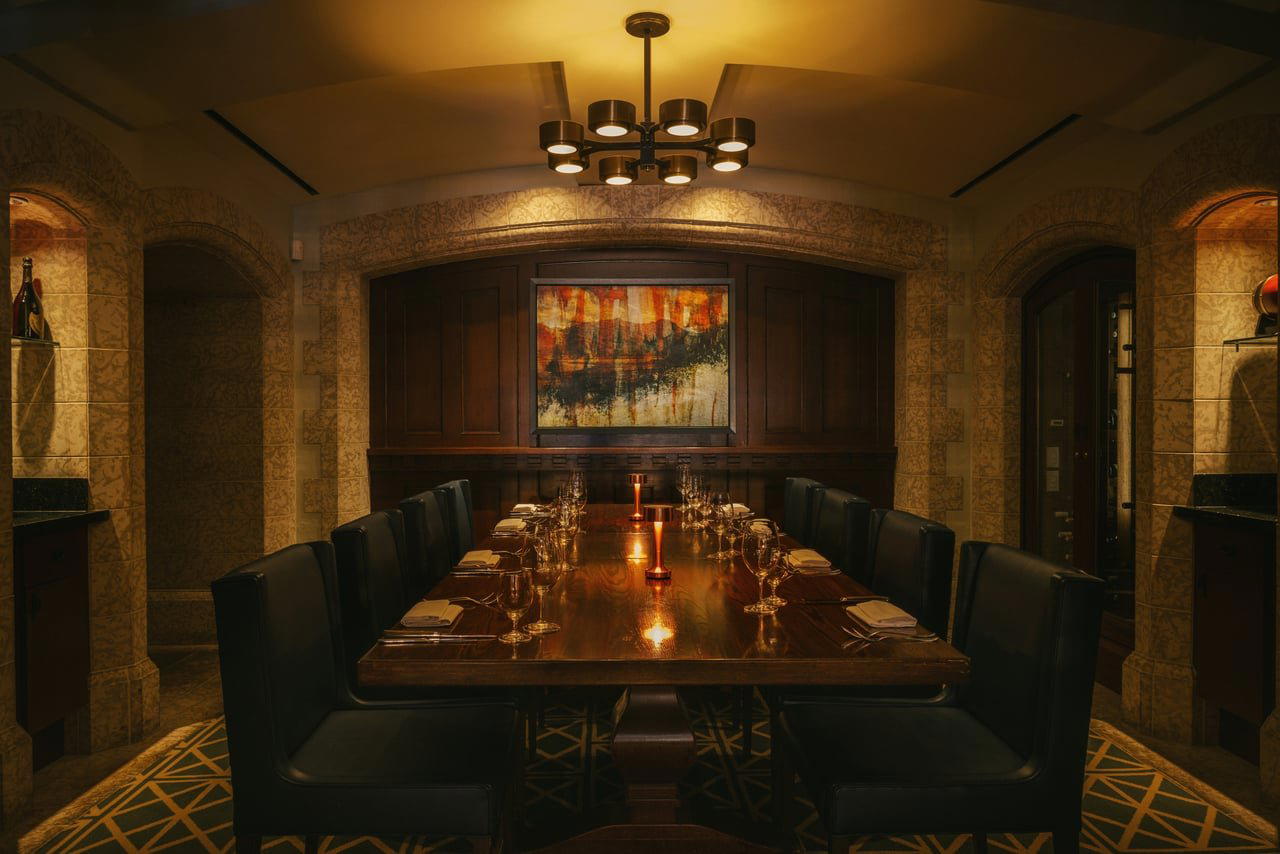
The 1888 Chop House itself is the property's most consistently referenced fine-dining room, operating in a tradition of hotel steakhouses that prize consistency and sourcing provenance over seasonal experimentation. That format, common to legacy hotel restaurants across Canada from Toronto to Vancouver, tends to reward confidence in its core proteins rather than menu range. Comparing it to destination-driven rooms like Alo in Toronto or Tanière³ in Quebec City would be a category error. Within its own format, a formal hotel chophouse in a major resort, it holds a reasonable position.
The Property in Banff's Broader Context
Banff's dining options have diversified enough that the Fairmont no longer functions as the only serious food destination in town. The town's independent operators, including Bear Street Tavern and Banff Social, serve different parts of the market with more flexibility and often sharper focus. The Fairmont's advantage is not cuisine depth but contextual totality: the 1888 building, the mountain backdrop, the breadth of service under one roof. For travellers whose primary reason to be in Banff is the landscape rather than the food, the hotel's dining functions as a convenience and an atmosphere, which is a legitimate use case.
For those who place food at the centre of a Canada trip, the country's most ambitious kitchens are operating elsewhere. Restaurant Pearl Morissette in Lincoln, Eigensinn Farm in Singhampton, and AnnaLena in Vancouver represent a different level of culinary intentionality than what a full-service mountain resort can realistically sustain. That is not a failing of the Fairmont; it is an honest account of what a 700-plus-room property in a national park town is structurally capable of delivering. The comparison helps calibrate expectations rather than diminish the property.
Seasonal Timing and When to Visit
Mountain resort dining follows seasonal rhythms more sharply than urban restaurants. Summer and ski season bring the highest occupancy and, correspondingly, the most animated dining rooms, but also the longest waits and the most stretched service teams. Shoulder seasons, particularly late autumn before the ski season opens and early spring after it closes, can offer a quieter experience with the same setting at potentially lower room rates. For those booking primarily around dining rather than skiing or hiking, the shoulder window is often worth prioritising. Reservations at the signature rooms during peak summer and December through March are advisable well in advance, a common pattern across comparable Rockies resort properties.
See our full Banff restaurants guide for context on how the town's dining options sit relative to one another by price tier and cuisine type. Elsewhere in Canada's fine dining circuit, Jérôme Ferrer - Europea in Montreal, Narval in Rimouski, and Fogo Island Inn Dining Room in Joe Batt's Arm each offer a sense of what Canadian fine dining looks like when a kitchen has a singular point of view. For international reference points at the formal end, Le Bernardin in New York City and Lazy Bear in San Francisco show how tasting-format restaurants anchor a destination dining identity. The Fairmont Banff Springs operates with a different mandate than any of these, but understanding the range helps place its dining program accurately.
Planning Your Visit
The hotel is located at 405 Spray Ave in Banff, Alberta, a short drive or uphill walk from the town centre. For guests staying on the property, access to all dining outlets is direct. For non-residents visiting specifically to dine, arriving with a reservation at the 1888 Chop House or whichever outlet matches your occasion is advisable during any peak period. Contacting the hotel directly through its website is the standard route for reservations and dietary accommodation queries, as the property's scale means policies and availability are updated regularly. Travellers with specific dietary requirements should communicate these at the booking stage rather than on arrival, a standard practice across large resort properties worldwide.
Cuisine Lens
| Venue | Cuisine | Awards |
|---|---|---|
| Fairmont Banff SpringsThis venue — the venue you are viewing | This venue | Not listed |
| Eden - The Rimrock Resort | Canadian Cuisine | Canadian Cuisine |
At a Glance
- Elegant
- Classic
- Well Known
- Scenic
- Sophisticated
- Special Occasion
- Celebration
- Business Dinner
- Historic Building
- Hotel Restaurant
- Panoramic View
- Extensive Wine List
- Local Sourcing
- Mountain
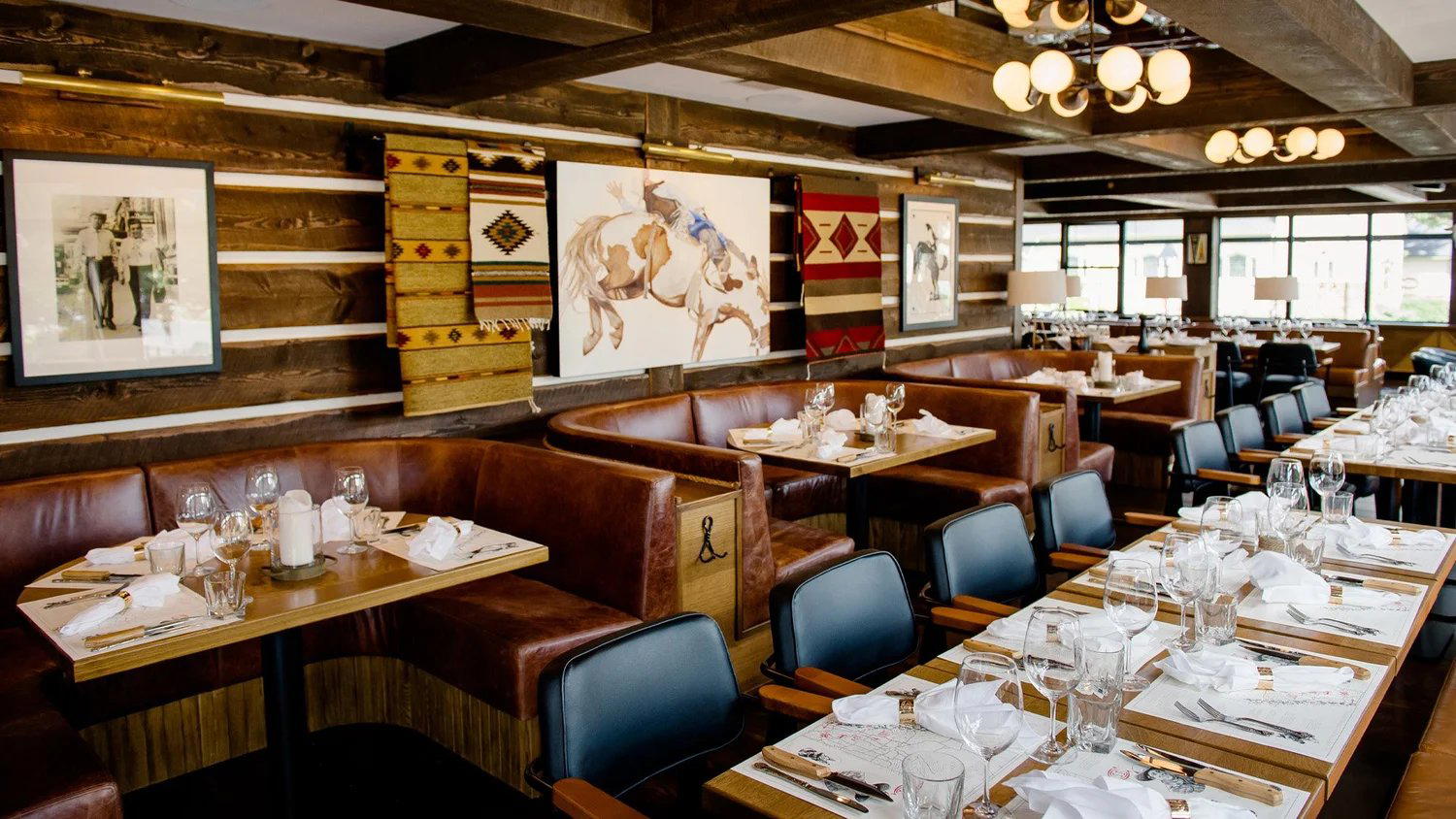
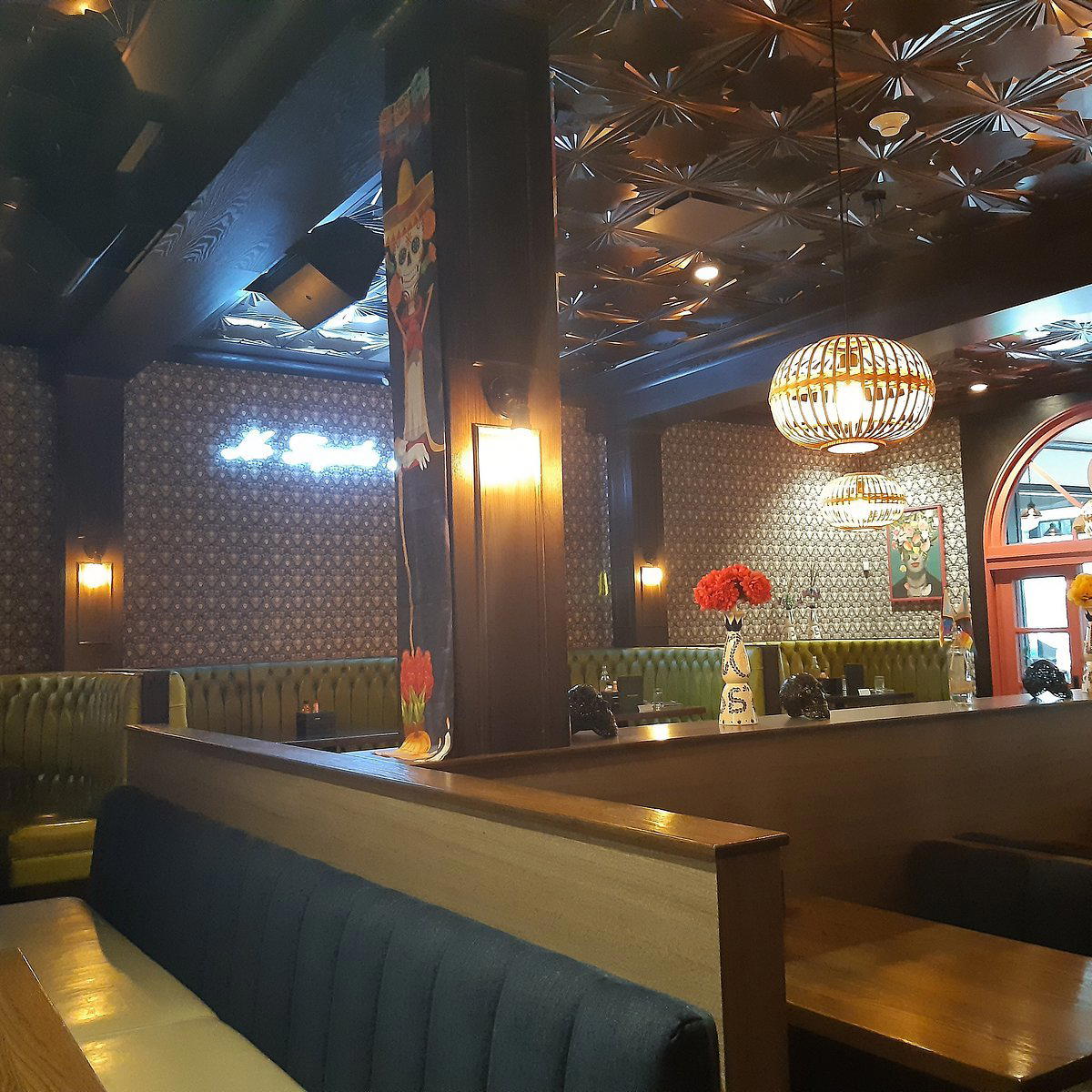
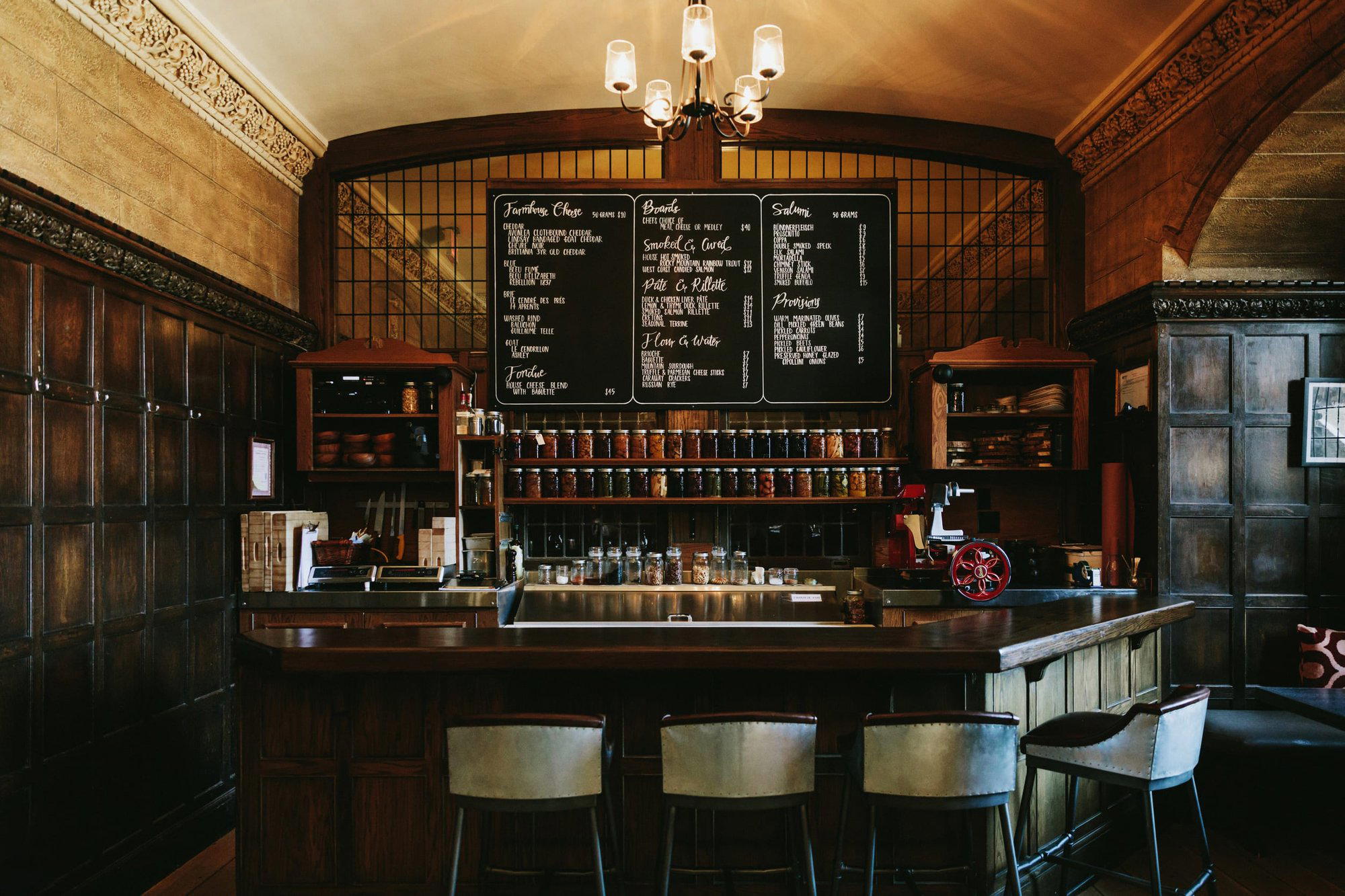
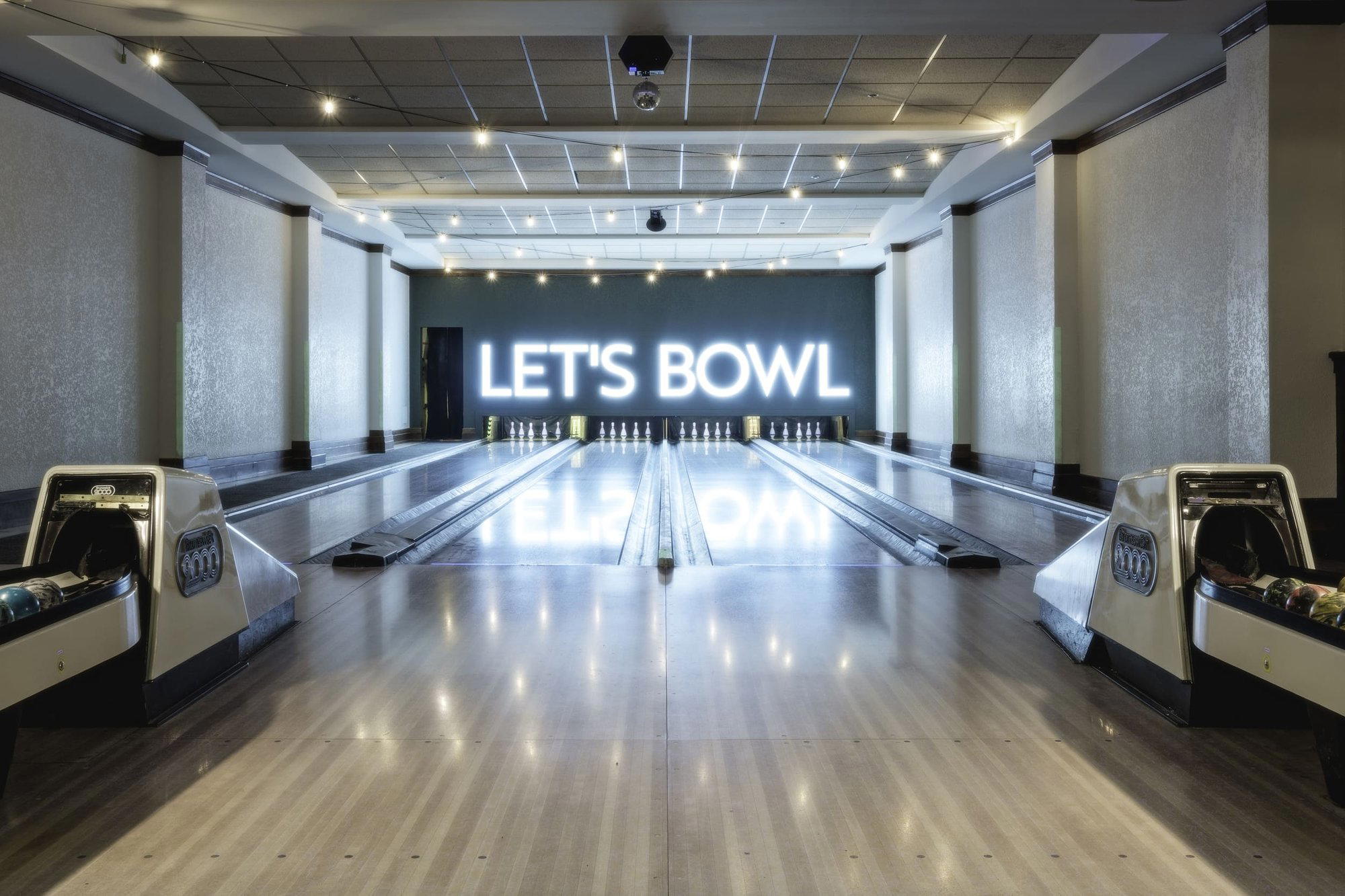
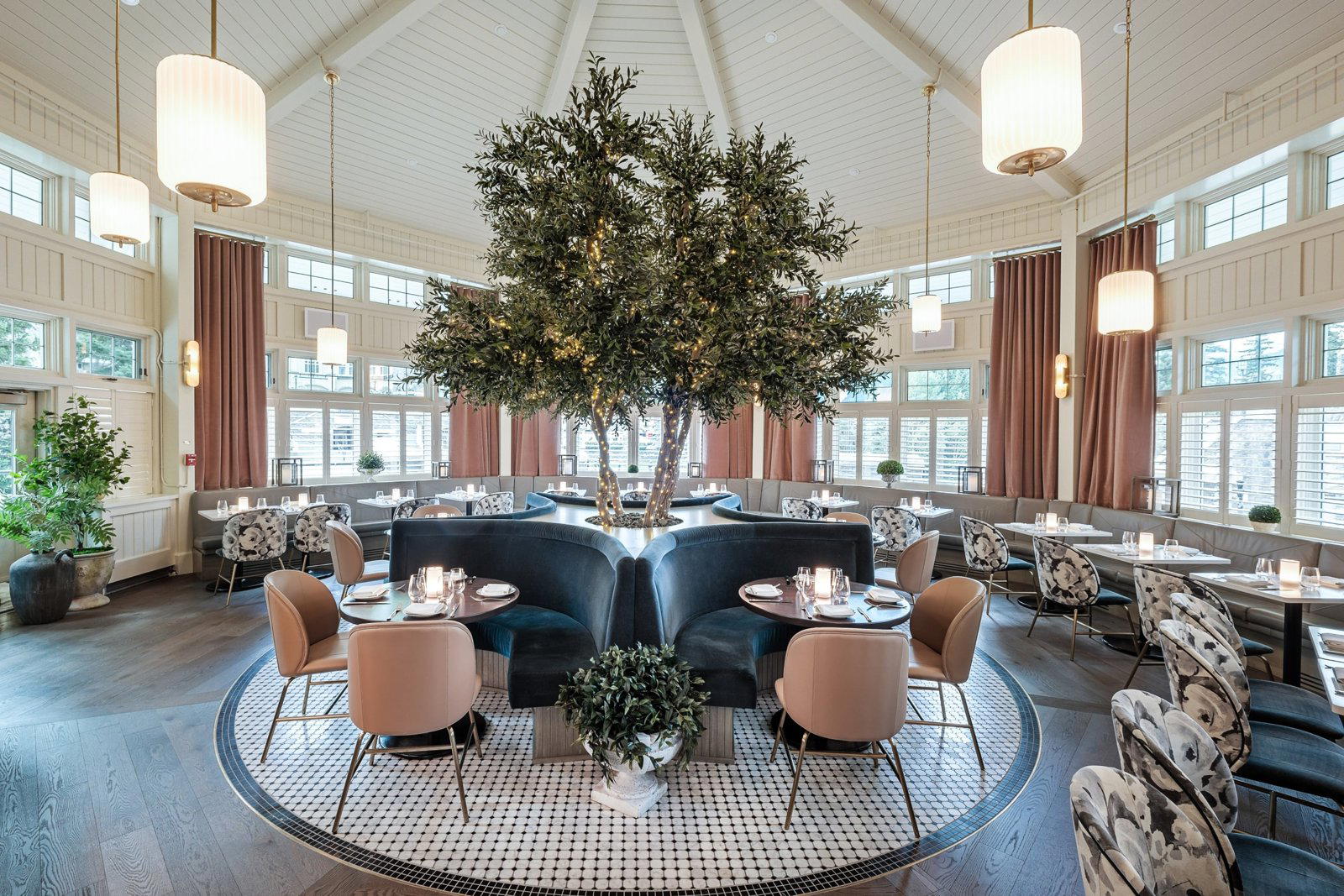
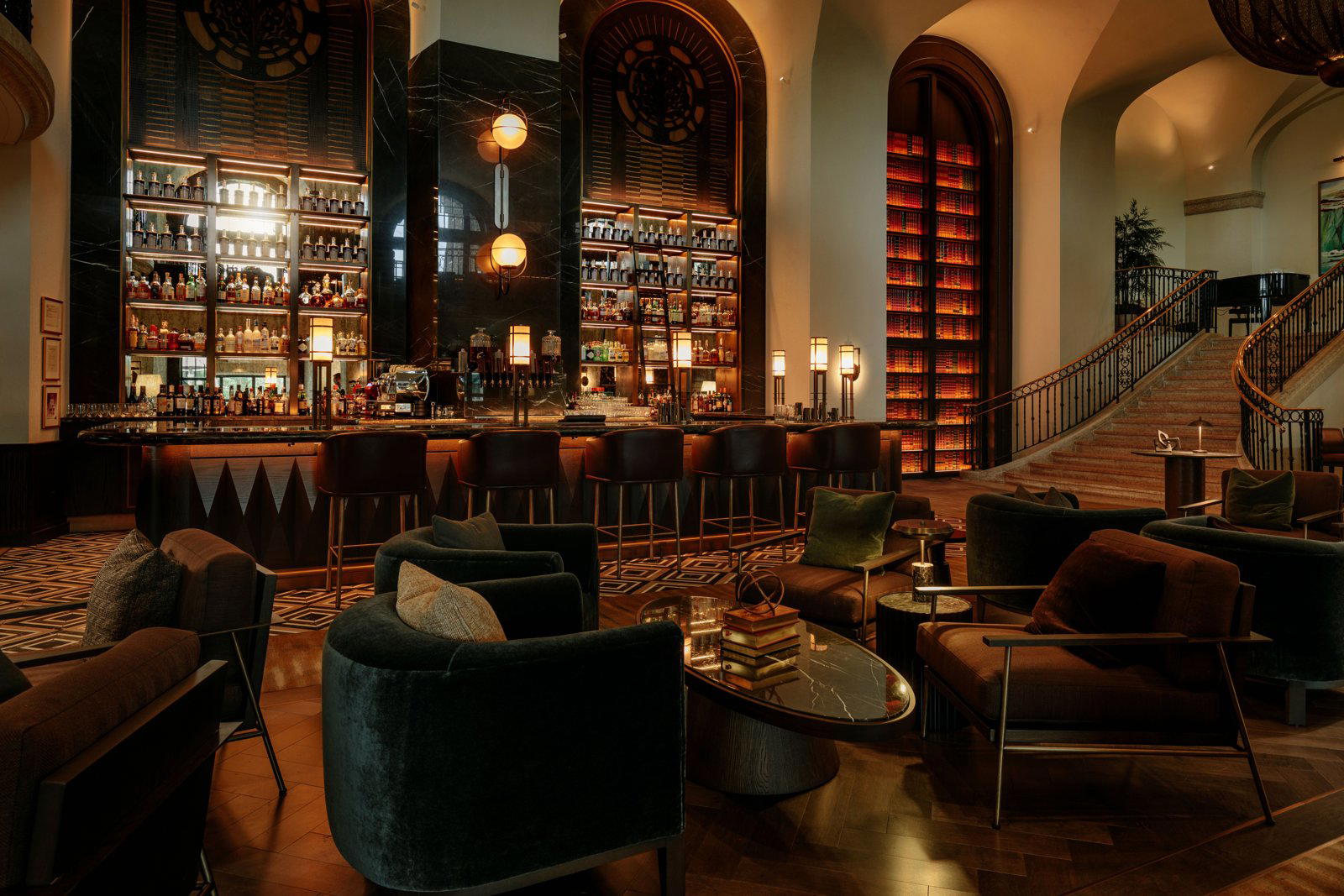
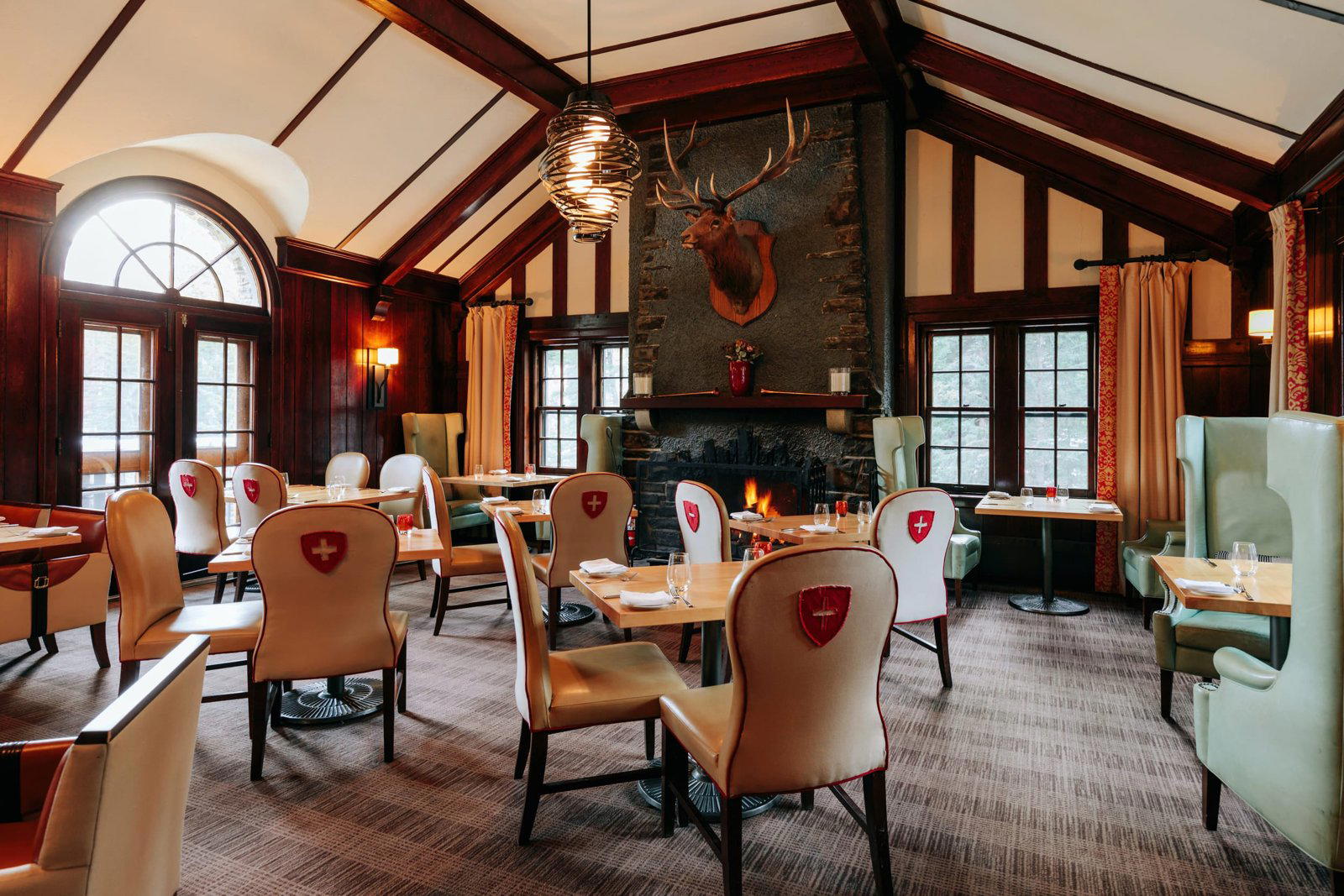
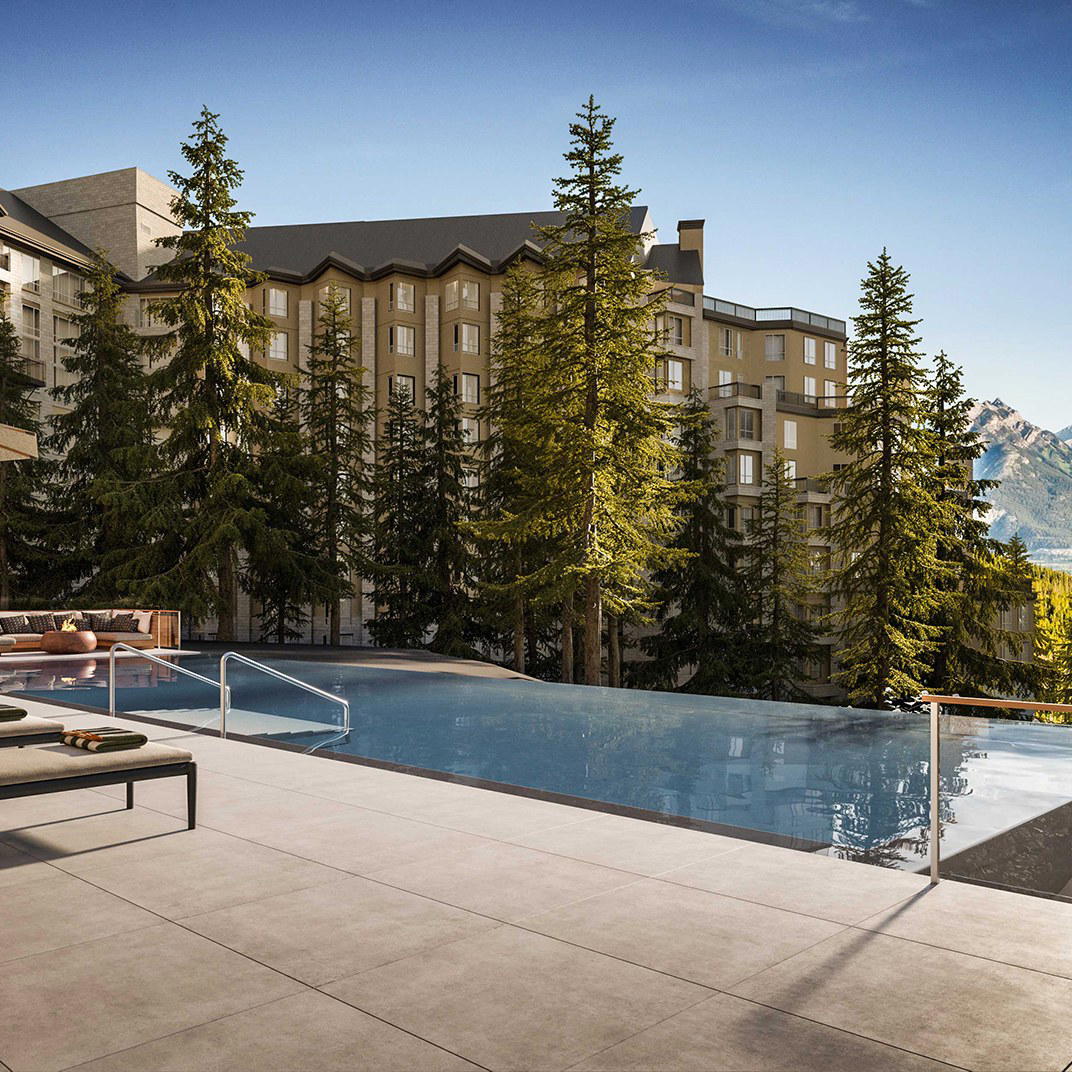
Ornate historic castle atmosphere with elegant Art Deco interiors and alpine grandeur.
Know Before You Go
- Getting there
- 405 Spray Ave, Banff, AB T1L 1J4, Canada