Estampa Gaucha - Raleigh
Our verdict
The format centers on the gaucho barbecue lineage — slow-fired, skewer-roasted meats served with the rhythms of a Brazilian-Argentine steakhouse.

Pearl is the En Primeur Club membership app — saves, bookings, and concierge access live there. Same editors, same standards.
- Address
- 3931 Macaw St Suite A, Raleigh, NC 27617
- Phone
- (919) 323-4050
- Hours
- Mon–Fri 11:30 AM–2 PM, 5–9 PMSat 1–9:30 PMSun 1–9 PM
- Website
- estampagaucha.com
- Directions
- Get directions
- Booking
- Book on OpenTable
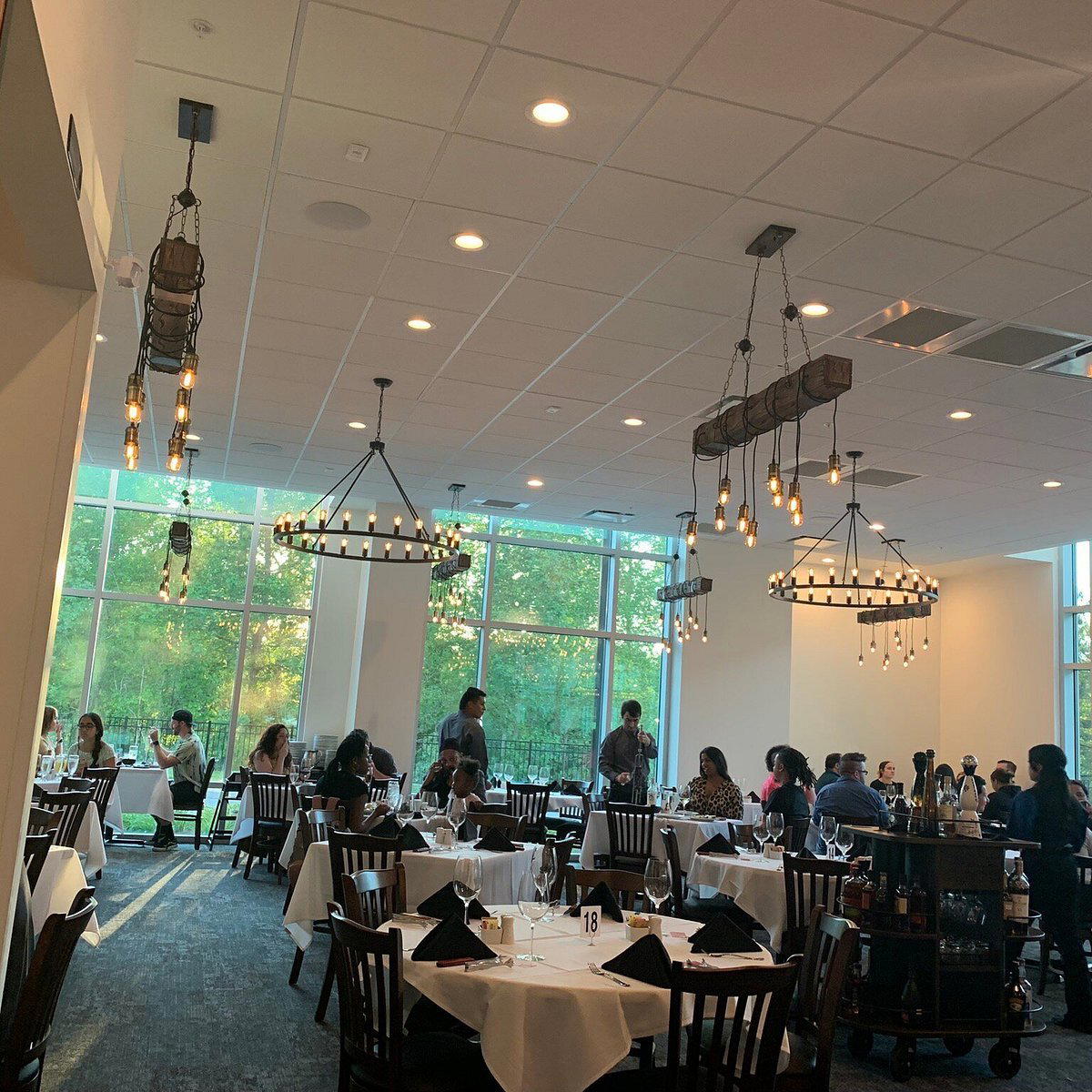
The gaucho steakhouse format, at its core, is about sequence and volume rather than the single-plate centerpiece model that dominates American fine dining. Skewer-roasted meats circulate through the dining room, carved tableside by passadores — a service choreography that rewards diners who pace themselves and penalizes those who load up on the first pass. Understanding that rhythm is the single most useful piece of knowledge a first-time visitor can carry in.
Lunch and Dinner: Two Different Propositions
The lunch versus dinner calculus at a full-service churrascaria is worth examining carefully, because the two services are rarely equivalent. In the churrasco format generally, dinner tends to draw the fuller parade of cuts, the harder-to-source picanha, lamb, and specialty sausages appear more reliably during evening service, when kitchen labor is at full deployment and the theatrical dimension of the experience has a more receptive audience. Lunch, by contrast, often runs a tighter rotation: fewer skewer varieties, faster table turns, and a price point that reflects the abbreviated offering.
For a diner whose priority is exploring the full range of the gaucho tradition, understanding what separates a properly fire-kissed picanha from an overcooked fraldinha, or how chimichurri functions as a palate reset rather than a condiment, dinner is the more instructive service. For a diner who wants the format's core pleasure (tableside carving, continuous meat service, the salad bar as counterweight) at a more accessible price point and without a two-hour commitment, lunch makes practical sense. Neither choice is wrong; they are simply answers to different questions.
This lunch-dinner divide is worth benchmarking against what churrascaria culture looks like at the format's more decorated end. Properties like The French Laundry in Napa or Le Bernardin in New York City operate lunch services that are structurally different from dinner, lower price, compressed format, but using the same kitchen infrastructure. The churrascaria applies similar logic: the same fire, the same passadores, a tighter menu. That compression does not necessarily diminish the experience, but it changes what the experience is.enprimeurclub.enprimeurclub.enprimeurclub. The live-fire tradition it draws from has more in common with the wood-forward cooking at places like Blue Hill at Stone Barns in Tarrytown or Single Thread Farm in Healdsburg, in terms of its elemental cooking philosophy, than it does with any local peer. That positioning means Estampa Gaucha is not competing for the same occasions as Providence in Los Angeles, Addison in San Diego, or Atomix in New York City will find the churrascaria service model a structural departure: less composed, more kinetic, with the diner exercising meaningful agency over pace and selection. That agency is part of the format's appeal, but it requires engagement rather than passivity. Come with appetite, come with time, and come with at least a basic understanding of what picanha is and why it occupies the best of the gaucho hierarchy.
Frequently asked questions
Where is Estampa Gaucha - Raleigh located?
Estampa Gaucha - Raleigh is located at 3931 Macaw St Suite A, Raleigh, NC 27617, Raleigh.
How does Estampa Gaucha in Raleigh compare to other churrascarias in North Carolina?
Estampa Gaucha at 3931 Macaw St, Raleigh occupies a specific gap in the North Carolina market: a gaucho-tradition churrascaria operating outside the chain restaurant tier (Fogo de Chão, Texas de Brazil) that dominates the format regionally. No independent awards are currently documented for the Raleigh location, but its positioning in North Raleigh rather than the downtown core means it draws a primarily local, neighborhood-anchored clientele rather than convention or tourism traffic — a different operating context than the churrascarias clustered near Raleigh's commercial hotel districts.
What should I order at Estampa Gaucha - Raleigh?
In a traditional churrascaria format, the core proposition is the rodizio service — a continuous rotation of skewered, fire-grilled meats carved tableside. At a gaucho-style operation like Estampa Gaucha in Raleigh, the cuts to prioritize are typically the picanha (top sirloin cap) and lamb, as these are the benchmarks by which churrascarias are judged. Consult your server on the day's rotation, as cut availability varies by service.
What has Estampa Gaucha - Raleigh built its reputation on?
Estampa Gaucha positions itself within the gaucho churrascaria tradition — a format rooted in southern Brazilian and Argentine cattle culture, where fire technique and cut selection carry more weight than kitchen elaboration. In Raleigh, a city whose dining identity has historically centered on Southern American wood-smoke cooking, this South American fire approach occupies a distinct niche, particularly in the North Raleigh commercial corridor outside the downtown and Glenwood South circuits.
How does Estampa Gaucha - Raleigh handle allergies?
No allergy or dietary accommodation policy is publicly documented for Estampa Gaucha - Raleigh. Given that churrascaria formats center heavily on meat proteins and shared salad bar service, guests with specific allergen concerns should contact the restaurant at 3931 Macaw St Suite A, Raleigh, NC 27617 before visiting to confirm what substitutions or modifications are available.
Is eating at Estampa Gaucha - Raleigh worth the cost?
No price range is publicly confirmed for Estampa Gaucha - Raleigh, so a direct cost comparison isn't possible here. As a reference point, full-service rodizio churrascarias in comparable U.S. markets typically run $45–$70 per person for dinner, with lunch services priced meaningfully lower. The value calculation at any churrascaria depends on appetite and willingness to work the rotation — guests who stay through multiple meat passes consistently extract more from the format than those on shorter schedules.
What It’s Closest To
| Venue | Cuisine | Price | Awards |
|---|---|---|---|
| Estampa Gaucha - RaleighThis venue — the venue you are viewing | Brazilian Rodizio Steakhouse | $50–100 | Not listed |
| Brewery Bhavana | Dim Sum & Asian Brew Pub | $30–50 | Michelin Plate |
| Poole’s Downtown Diner | Modern Southern Diner | $30–50 | Michelin Plate |
| Gravy | Italian Trattoria | $30–50 | Not listed |
| Death & Taxes | Modern Wood-Fired American Fine Dining | $50–100 | Not listed |
| Fairview Dining Room | Regional Neo-American Fine Dining | Not listed | Forbes Recommended · Wine Spectator Award of Excellence |
Details
- Lively
- Elegant
- Group Dining
- Celebration
- Special Occasion
- Open Kitchen
- Prix Fixe
- Vegetarian Friendly
Current opening hours
- Monday
- 11:30 AM–2 PM, 5–9 PM
- Tuesday
- 11:30 AM–2 PM, 5–9 PM
- Wednesday
- 11:30 AM–2 PM, 5–9 PM
- Thursday
- 11:30 AM–2 PM, 5–9 PM
- Friday
- 11:30 AM–2 PM, 5–9 PM
- Saturday
- 1–9:30 PM
- Sunday
- 1–9 PM
Hours can change for holidays and private events. Last verified .
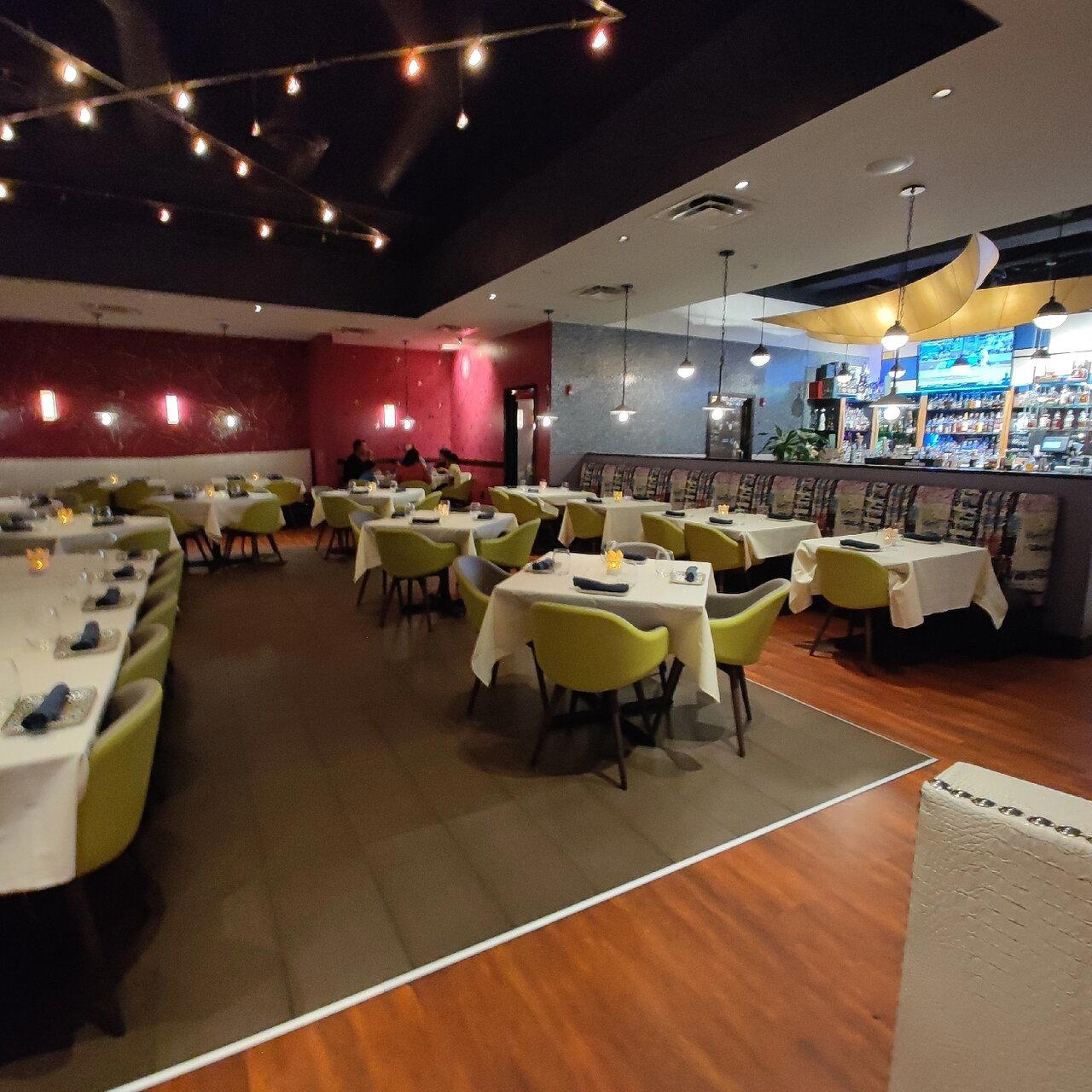
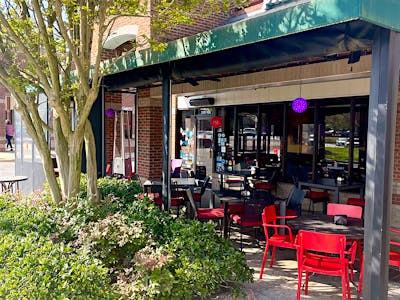
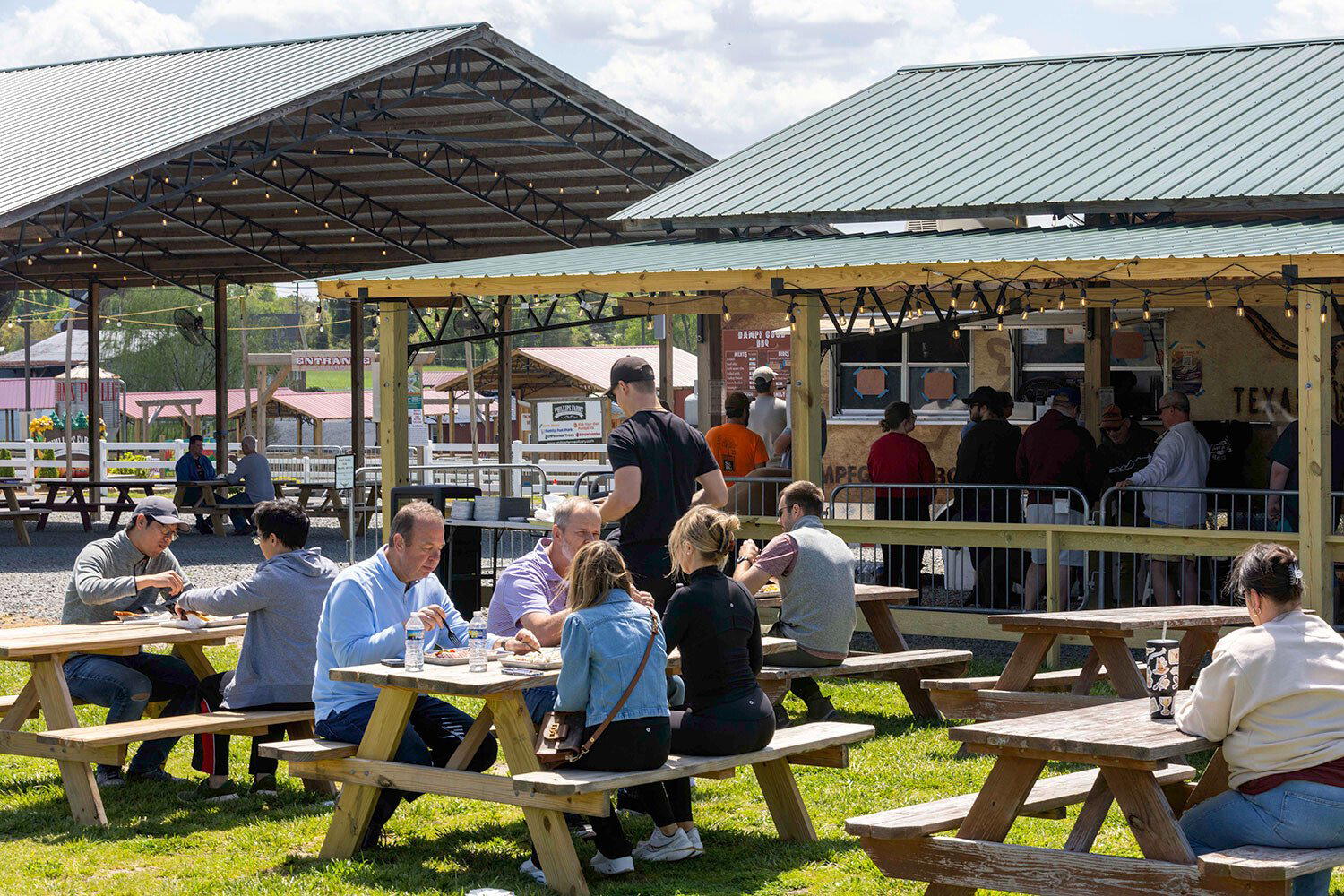
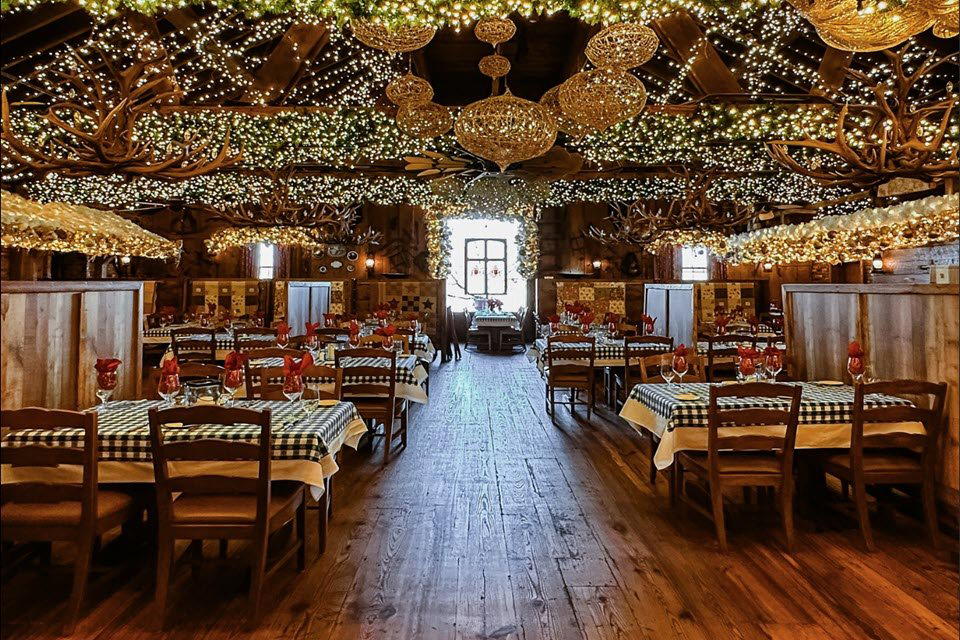
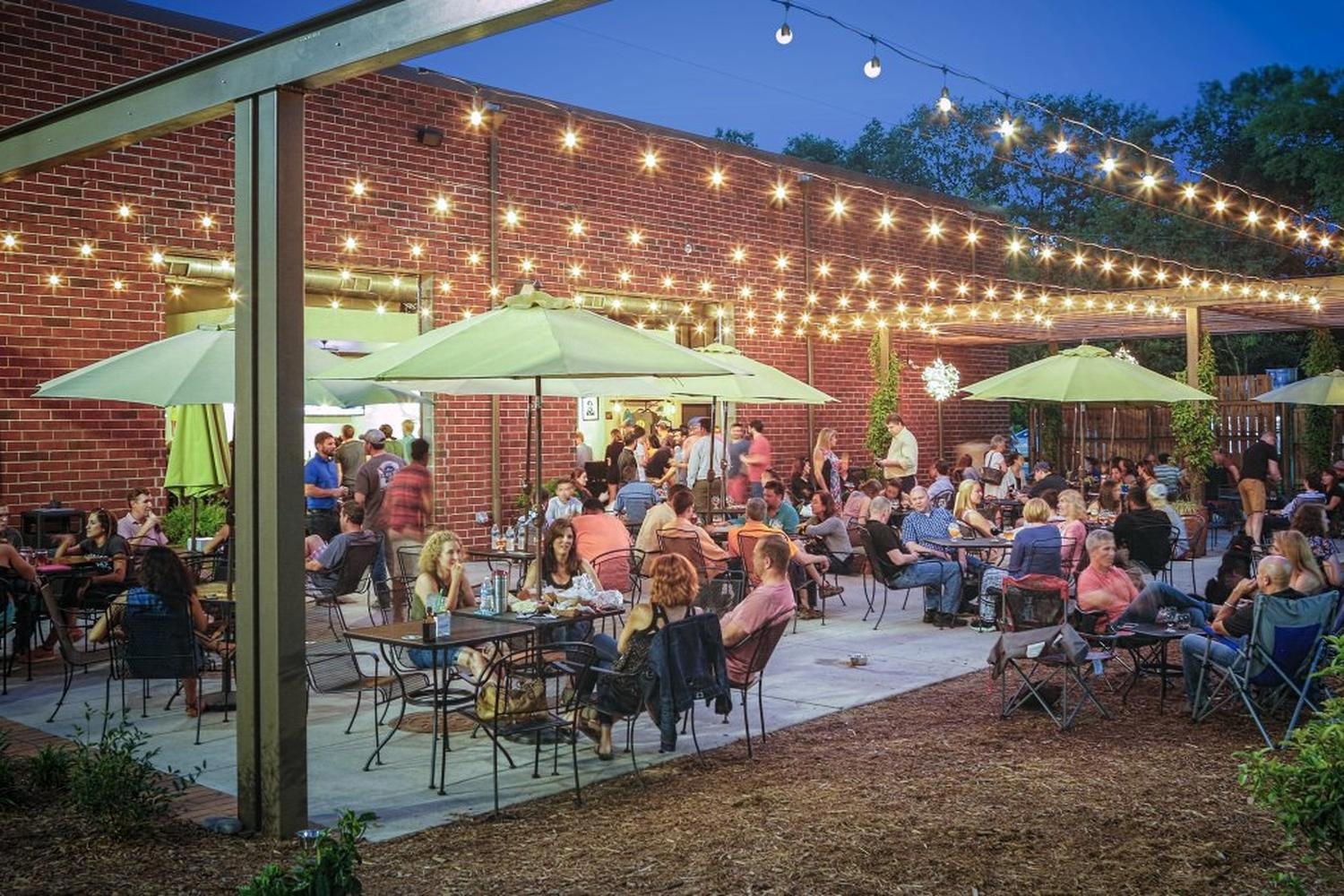
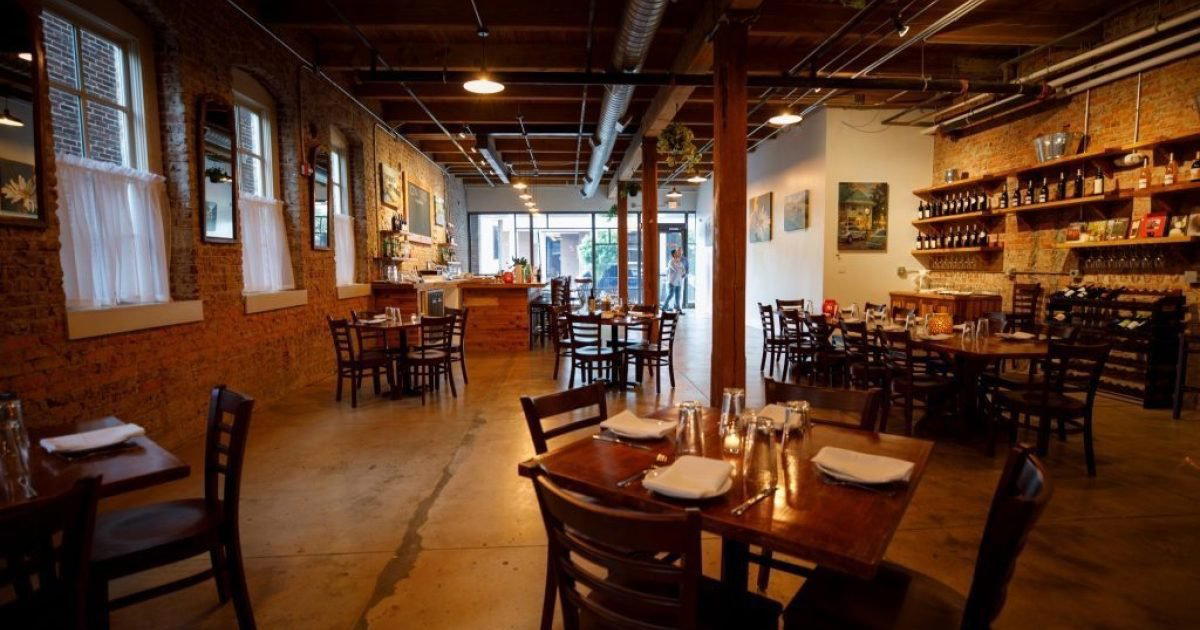
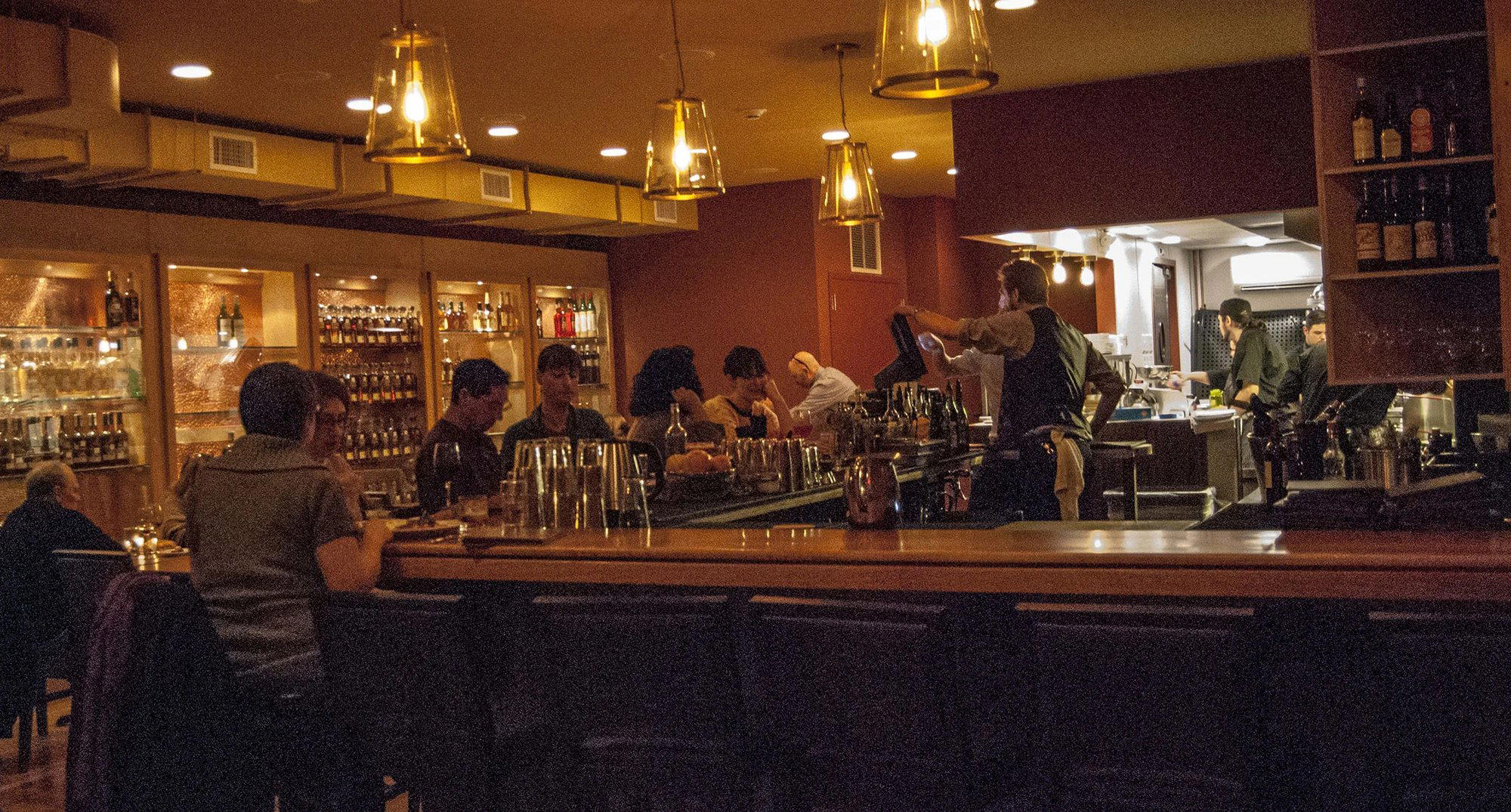
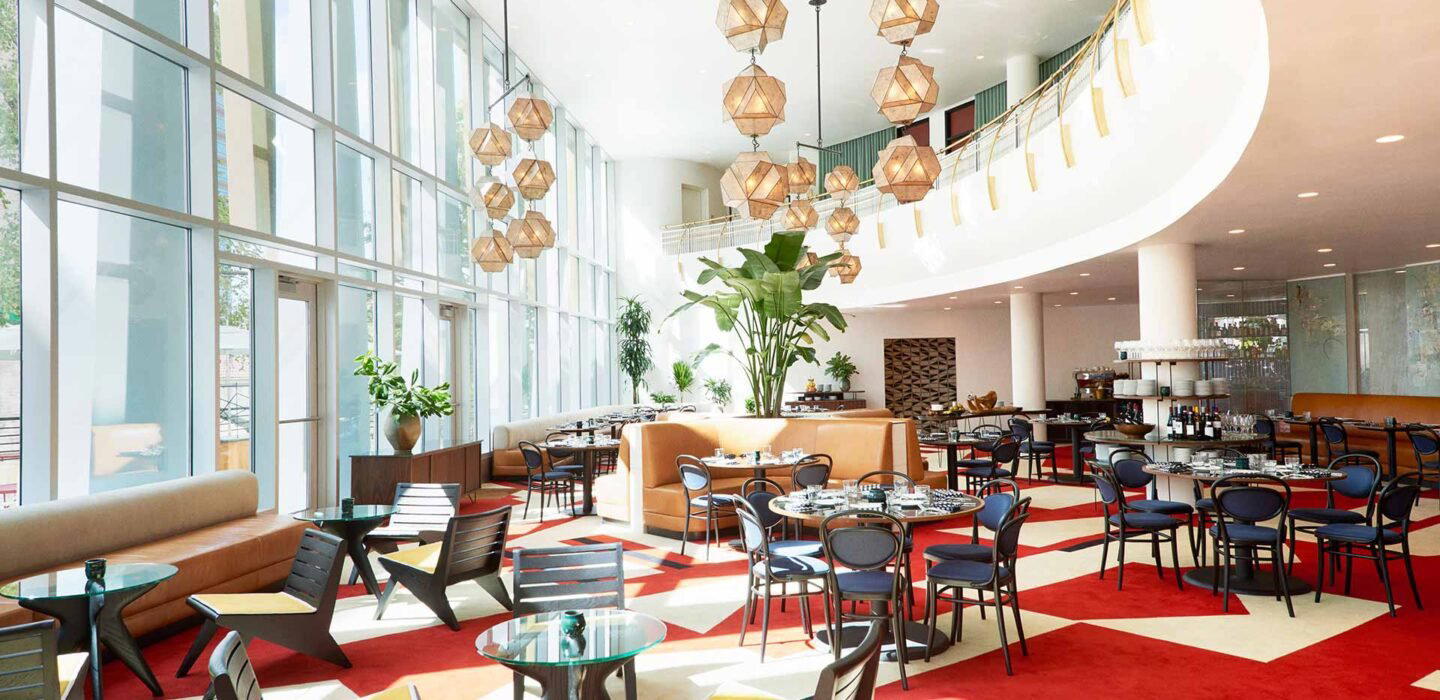
Festive and welcoming atmosphere celebrating Brazilian gaucho traditions with attentive tableside service.