Engine 23 Squad 3
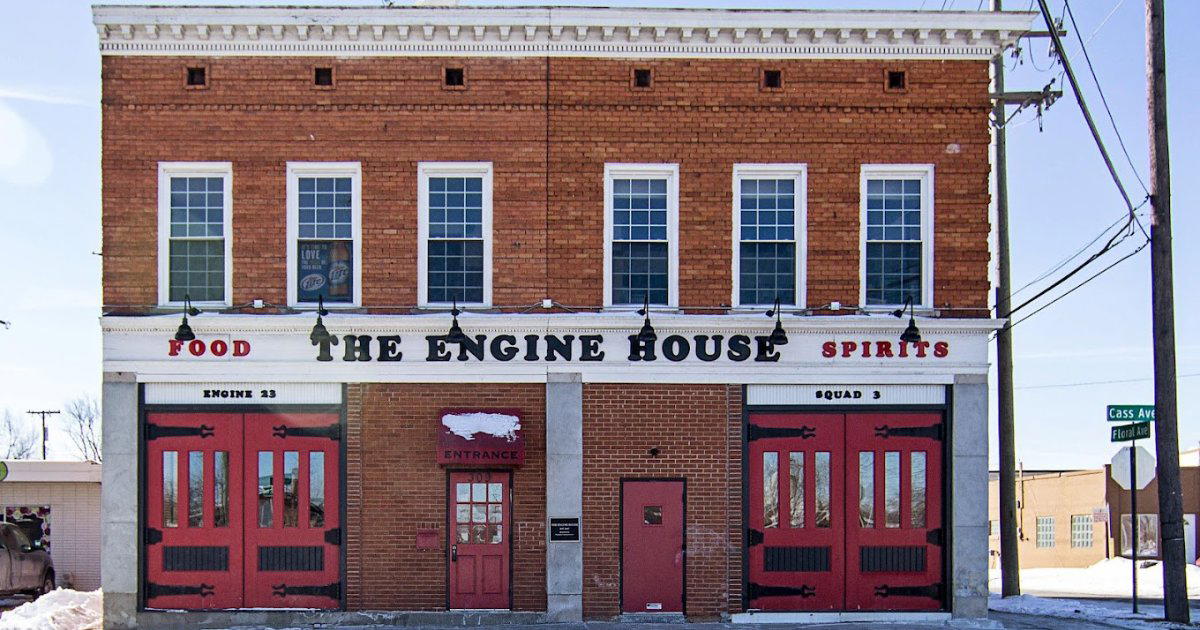
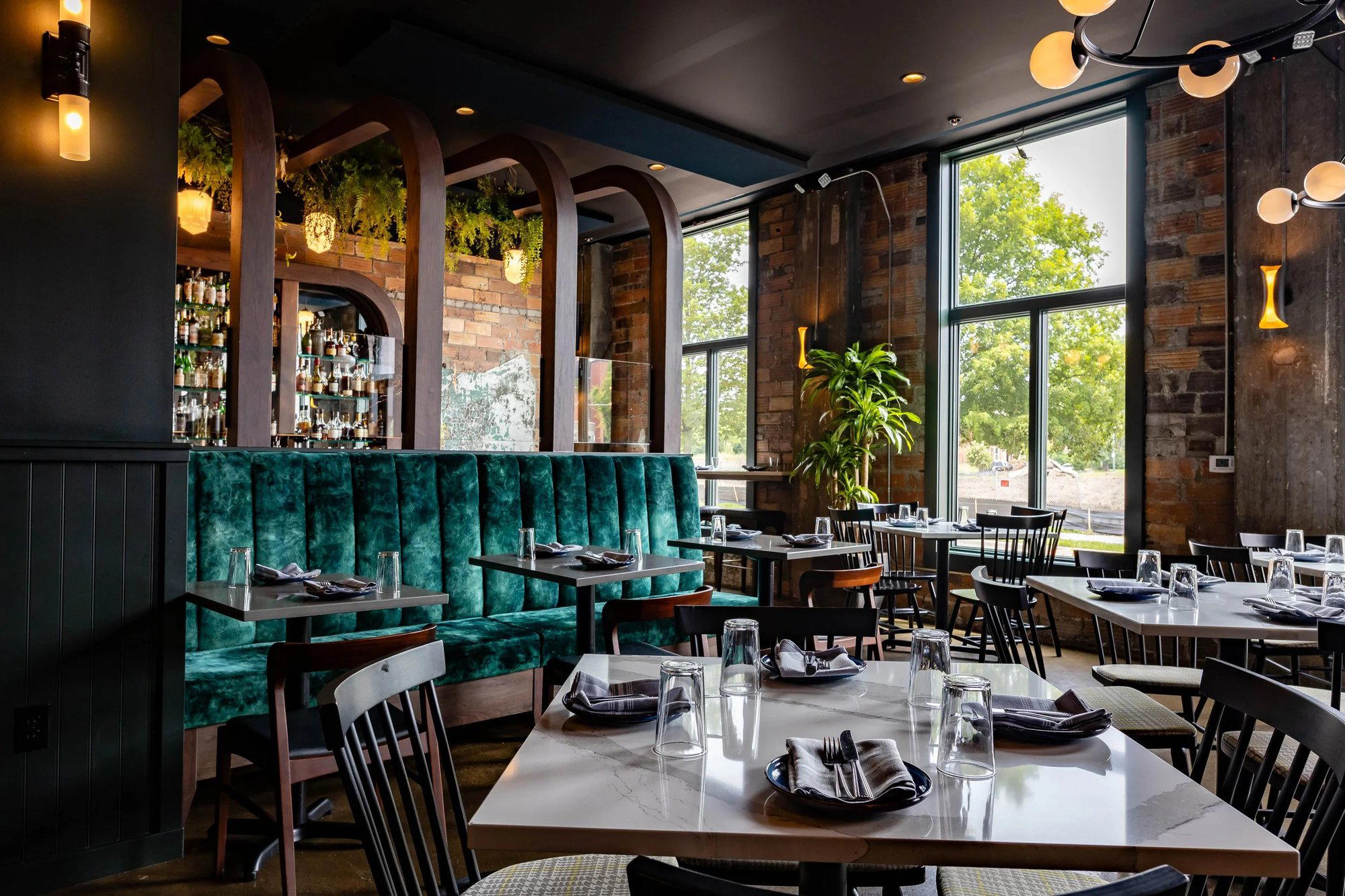
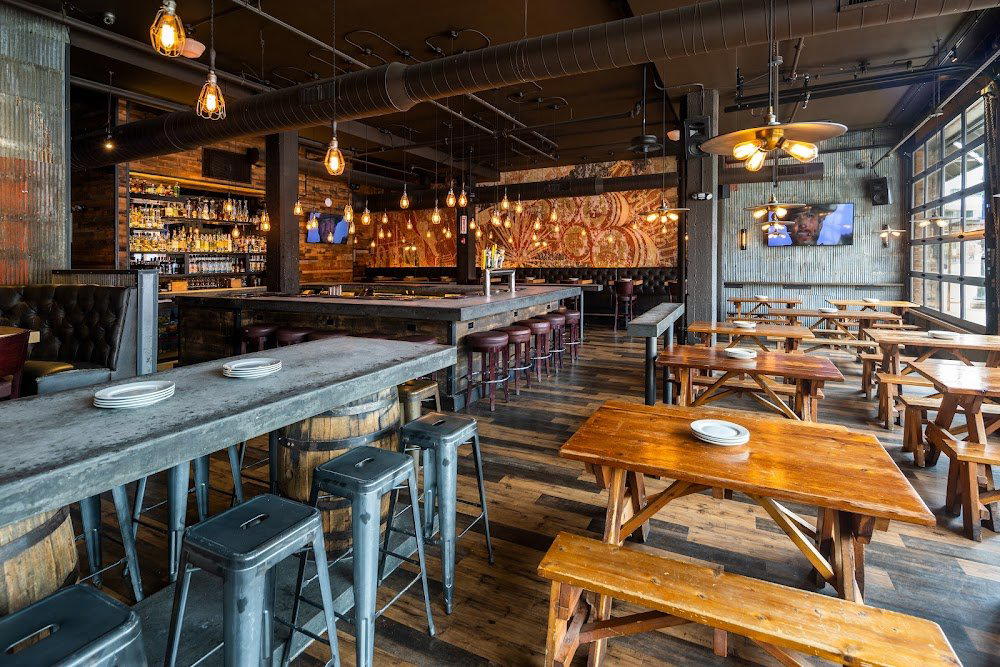
Engine 23 Squad 3 occupies a repurposed Detroit firehouse at 1818 E Grand Blvd, a building whose industrial past gives the space a particular kind of weight that few purpose-built dining rooms can manufacture. Located in a city whose dining scene has diversified sharply over the past decade, the address sits within reach of several of Detroit's more interesting culinary corridors. Specific details on cuisine format, pricing, and booking are best confirmed directly before visiting.
 Discover on Pearl
Pearl is the En Primeur Club membership app — saves, bookings, and concierge access live there. Same editors, same standards.
- Address
- 1818 E Grand Blvd, Detroit, MI 48211
- Phone
- +1 313 333 8926
A Firehouse Address on Detroit's East Side
Detroit's restaurant scene has reorganized itself more than once in recent memory, and the east side of the city has been among the more active zones of that reorganization. The stretch of E Grand Blvd running through the area carries the kind of architectural inventory, solid brick buildings, wide setbacks, industrial bones, that tends to attract operators willing to work with a room rather than against it. Engine 23 Squad 3, at 1818 E Grand Blvd, occupies a former firehouse, and the address alone signals something about the venue's relationship to the city it operates in. It is a restaurant in Detroit's East Side neighborhood. Repurposed civic infrastructure has become a recurring feature of Detroit's hospitality identity, not as a stylistic conceit but as a practical response to the building stock available in neighborhoods that have seen population shifts over decades.
A firehouse is a particular kind of space: high ceilings, functional layout, a structure designed for coordinated action rather than repose. Whether a dining room inhabits that geometry or leans into it tends to determine whether the conversion feels authentic or merely theatrical. The building at this address carries its history visibly, and that history sets a tone before a single plate arrives.
Detroit's Dining Moment and Where This Address Fits
Understanding Engine 23 Squad 3 requires some sense of where Detroit's dining scene currently sits. The city's restaurant culture has moved well past the narrative of recovery and into something more confident and specific. Venues like Baobab Fare have brought East African cooking into serious local conversation; operations like Selden Standard have staked out New American territory with real culinary intent; and addresses in neighborhoods that were largely overlooked a decade ago now anchor genuine dining destinations.
Against that backdrop, a venue operating out of a converted firehouse on the east side occupies a specific position. It is neither the polished downtown address designed for expense-account dinners nor the neighborhood spot that trades primarily on proximity. The building's history, and the implicit weight it carries, tends to attract operators and guests who have a particular relationship to Detroit's material culture.
Nationally, the venues that have most successfully built on similar premises, spaces where the physical context is inseparable from the dining experience, include places like Blue Hill at Stone Barns in Tarrytown, where the farm infrastructure is the editorial frame, or Single Thread Farm in Healdsburg, where agriculture and hospitality are presented as a single argument. The ambition varies, but the principle, that a space should mean something before the food arrives, is consistent across that tier.
The Team Dynamic in Detroit's Collaborative Dining Era
One of the more useful lenses for reading a venue like this is the relationship between its front-of-house and kitchen operations. Detroit's stronger dining rooms over the past several years have generally been built on tight internal collaboration rather than single-auteur kitchen hierarchies. That model, where sommelier, chef, and floor team operate as genuinely integrated functions, has produced the city's most consistent guest experiences, and it shows up across formats from the more casual end of the spectrum through to the city's more ambitious tasting-menu formats.
At restaurants operating in converted or historically significant spaces, that collaboration tends to be more visible than in purpose-built rooms, because the space itself demands a kind of collective interpretation. A team that reads a room well, that understands what the ceiling height and the original equipment bays communicate to a first-time guest, tends to pace service differently, use the floor more deliberately, and make beverage pairing decisions that respond to the environment as much as to the food. That dynamic is worth watching for in venues where the architecture is as present as the menu.
For reference points at the higher end of this collaborative approach, Atomix in New York City has built its reputation partly on the integration of front-of-house narrative with kitchen intent. Smyth in Chicago operates similarly, with floor and kitchen functioning as a single editorial voice. Closer in format to what a converted industrial space might support, Lazy Bear in San Francisco has made the communal, team-forward dining format into a specific and defensible position.
Planning a Visit: What to Know Before You Go
The venue is open 24 hours every day.
Detroit's east side dining corridor is also worth building into a broader itinerary rather than treating as a standalone destination. Other venues worth considering in the same visit window include ADELINA and Alpino, both of which operate with distinct culinary identities that contrast usefully with the industrial-heritage character of the E Grand Blvd address. For something more casual before or after, 313 Cinnamon Rolls and American Coney Island anchor the more informal end of Detroit's eating culture, while Amore da Roma offers a different register entirely.
For travelers building a longer Midwest dining itinerary, the national context is useful: Emeril's in New Orleans, Providence in Los Angeles, Addison in San Diego, The French Laundry in Napa, The Inn at Little Washington, and Le Bernardin in New York City each represent different arguments about what American fine dining can be. Detroit's more serious venues, including those operating in repurposed civic spaces, are increasingly part of that national conversation rather than peripheral to it.
Pricing, Compared
Comparable venues nearby, for context on price, style, and recognition.
| Venue | Cuisine | Price | Awards |
|---|---|---|---|
| Engine 23 Squad 3This venue — the venue you are viewing | , | , | |
| Roses | Marina District, Classic American Diner | $$ | , |
| Flowers of Vietnam | Mexicantown, Modern Vietnamese Fusion | $$ | , |
| Ima Izakaya | North Corktown, Modern Japanese Izakaya | $$ | , |
| Babo | Wayne State, Modern American Cafe | $$ | , |
| Warda Pâtisserie | Midtown, Algerian-Inspired Pâtisserie | $$ | , |
Continue exploring
More in Detroit
Restaurants in Detroit
Browse all →

Bars in Detroit
Browse all →
Hotels in Detroit
Browse all →
Wineries in Detroit
Browse all →
At a Glance
:null