Ima Izakaya
Our verdict
Ima Izakaya on Michigan Avenue brings the informal, drink-forward tradition of the Japanese izakaya to Detroit's Corktown corridor. The format sits between a bar and a full dining room, with small shared plates anchoring a session built around conversation and repetitive ordering. It represents a format that remains underrepresented in the Midwest compared to coastal markets.

Pearl is the En Primeur Club membership app — saves, bookings, and concierge access live there. Same editors, same standards.
- Address
- 2100 Michigan Ave, Detroit, MI 48216
- Phone
- (313) 306-9485
- Hours
- Mon–Thu 11 AM–10 PMFri 11 AM–11 PMSat 12–11 PMSun 12–10 PM
- Website
- imanoodles.com
- Directions
- Get directions
The menu
What to order
- Ramen
- Yakitori
- Sushi Rolls
- House-smoked Salmon
The Izakaya Format and What It Asks of Detroit
The izakaya is one of Japanese food culture's most durable exports, and also one of its most frequently misunderstood outside Japan. In its original context, it is neither a restaurant in the Western sense nor a bar in the Anglo-American one. It is a place where office workers and friends decompress over beer, highballs, and skewers, ordering in rounds rather than courses, staying two hours past what any sensible schedule would allow. The format migrated to American cities in waves, finding early traction in Los Angeles and New York before spreading into markets with smaller Japanese-American populations. Detroit's adoption of the form reflects a broader pattern across Midwestern cities: a growing appetite for Asian dining formats that don't compress themselves into combination-plate shortcuts.
Ima Izakaya at 2100 Michigan Avenue occupies the Corktown stretch that has accumulated more culinary ambition per block than almost anywhere else in the city. The neighbourhood itself has a particular character: pre-war brick buildings, a density of independent operators, and a diner demographic that skews toward locals who eat out regularly rather than tourists working through a list. For a format like the izakaya, which depends on return visits and accumulated familiarity, Corktown provides the right conditions. You don't arrive here once on a conference trip and check it off. You come back.
What the Izakaya Tradition Actually Delivers
In Japan, the izakaya's power lies in its informality — the fact that it carries no pretension about being a destination, while simultaneously delivering food that rewards genuine attention. The small-plate structure is not a concession to modern sharing trends; it predates them by centuries. Dishes arrive as they're ready, not according to a composed sequence, and the evening's shape is determined by what's being drunk and who's at the table, not by a kitchen's preferred narrative arc.
That structural freedom is harder to execute well in American dining rooms than it looks. Guests trained on timed courses sometimes resist the apparent randomness. Kitchens accustomed to table turns struggle with the format's open-ended tempo. The izakayas that work in the US tend to be places where the staff genuinely understands the format's logic and communicates it without condescension — where a server can explain, without making you feel remediated, that ordering the skewers across two rounds is better than ordering them all at once.
Detroit's dining scene has grown comfortable with formats that require some explanation, partly through the influence of places like Baobab Fare, which asks guests to engage with East African sharing traditions, and Vecino, whose modern Mexican framework operates at a remove from Tex-Mex familiarity. The audience for Ima Izakaya has been, in a sense, trained by the city's broader expansion into non-Western formats.
Michigan Avenue as a Context for This Kind of Dining
Positioning an izakaya on Michigan Avenue rather than in Midtown or Downtown places it adjacent to a particular kind of restaurant-goer. Corktown regulars tend to be residents and workers from surrounding neighbourhoods who have watched the strip develop over years and have strong opinions about it. This is the audience that sustained Selden Standard's New American model on the other end of the city and that has made certain spots on the strip effectively neighbourhood institutions.
The address also puts Ima Izakaya in a competitive set that includes ambitious formats rather than volume operators. Comparisons to izakayas in larger markets are instructive: in New York, Korean-inflected concepts like Atomix operate at the formal tasting-menu end of the Korean dining spectrum, while lower-key formats occupy a different tier entirely. Detroit's version of this dynamic plays out with less hierarchy, the gap between the most formal and least formal dining on Michigan Avenue is smaller than on a Manhattan block, which creates an environment where an izakaya can compete on quality without needing to declare itself fine dining.
How This Fits Detroit's Wider Dining Pattern
Detroit's restaurant development over the past decade has followed a pattern visible in other post-industrial American cities: a concentration of talent and ambition in specific corridors, a preference for independent over chain operators, and a growing range of reference points for what counts as a serious meal. That pattern has produced a city where barbecue spots like Slow Bar's Bar-BQ sit blocks from Italian-influenced rooms like Amore da Roma and ADELINA, and where institutions like American Coney Island coexist with newer arrivals testing more cosmopolitan formats.
An izakaya lands in this context as an argument that Detroit diners are ready to engage with a format on its own cultural terms rather than expecting it to adapt itself for comfort. That argument has been made successfully in other Midwestern cities. Chicago's izakaya tier has expanded considerably, and the format has found audiences in Columbus and Minneapolis. Detroit's version of this shift is still consolidating, but Michigan Avenue is a plausible place for it to take hold.
For those building out a Detroit itinerary, the izakaya format works well early in a longer evening, particularly if you're pairing it with a stop somewhere along the same strip. Corktown's walkability makes it practical to treat two or three spots as a loose sequence rather than a single destination. A beginning at Ima Izakaya, with its round-by-round rhythm and drink-driven pacing, sets a tone that carries well into whatever follows. Nearby Alpino and 313 Cinnamon Rolls represent the range of what the neighbourhood offers across different meal occasions.
For context on what the izakaya format looks like at extreme levels of formality and resource, the distance between Ima Izakaya and something like The French Laundry, Alinea, or Le Bernardin is not just geographic. The izakaya makes no claim to the composed, controlled experience those rooms offer. Its value proposition is different: it asks for less commitment in return for a different kind of pleasure, one built on accumulation and informality rather than on a single, carefully orchestrated progression. That distinction matters when deciding how to place any given evening.
Other US destinations where the format has found clear footing include Providence in Los Angeles and Blue Hill at Stone Barns in the broader New York region, both of which demonstrate how American kitchens can take cultural frameworks from outside the Western canon and make them legible to local audiences without stripping them of meaning. The izakaya's challenge in Detroit is, in miniature, the same challenge any serious format faces in a city still building its dining infrastructure: finding a consistent audience that returns often enough to sustain the format's particular logic.
Planning Your Visit
Ima Izakaya is located at 2100 Michigan Ave in Detroit's Corktown neighbourhood, accessible by car with street parking typical of the area, and within reach of the Michigan Avenue dining corridor. For a broader view of what Detroit's dining scene offers across neighbourhoods and formats, the EP Club Detroit guide covers the full range of options across price points and cuisines.
Frequently asked questions
Where do I go for Ima Izakaya?
Ima Izakaya is located at 2100 Michigan Ave, Detroit, MI 48216, Detroit.
How does Ima Izakaya fit into Detroit's Corktown dining scene?
Located at 2100 Michigan Ave, Ima Izakaya sits within Corktown, Detroit's oldest surviving neighborhood and a district that has drawn an increasing concentration of independent restaurants and bars over the past decade. An izakaya format here addresses a gap in Detroit's Japanese dining options, which have historically skewed toward sushi-focused concepts rather than the drink-and-small-plates model. For Corktown regulars, it represents a distinct category of dining — social, extended, and tied to a specific Japanese cultural tradition rather than a generalized Asian-American restaurant identity.
What do regulars order at Ima Izakaya?
The izakaya format at Ima Izakaya is built around shared small plates alongside drinks, which means regulars typically graze across multiple dishes rather than ordering a single main. The menu follows the Japanese izakaya tradition of pairing food with beer, sake, or shochu, so the ordering pattern tends to be iterative rather than structured.
Is Ima Izakaya reservation-only?
Izakayas in the Japanese tradition typically operate with walk-in availability as part of the format's informal character, though American adaptations vary. Contacting the venue directly before visiting is advisable, particularly for larger groups.
What is Ima Izakaya known for?
Ima Izakaya operates within the izakaya format on Michigan Avenue in Detroit's Corktown neighborhood, a positioning that places it alongside an independent, neighborhood-focused dining scene rather than the more concentrated restaurant corridors of Midtown or Downtown. The izakaya model itself is defined by informality, drink-forward service, and small plates designed for sharing over an extended sitting. In Detroit's dining context, that format occupies a specific and underserved niche.
What if I have allergies at Ima Izakaya?
Japanese izakaya menus commonly include soy, seafood, and gluten across multiple dishes, often as foundational ingredients rather than optional additions. Communicating specific allergies directly with staff before ordering is the standard and necessary step at this type of venue.
Does Ima Izakaya justify its prices?
Izakayas generally operate in a mid-range price tier, with costs scaling based on how many rounds of drinks and shared plates a table moves through. The format inherently rewards a slower, more social pace, which tends to affect final bill size regardless of per-item pricing.
Cost and Credentials
Comparable venues nearby, for context on price, style, and recognition.
| Venue | Cuisine | Price | Notes |
|---|---|---|---|
| Ima IzakayaThis venue — the venue you are viewing | Modern Japanese Izakaya | $20–30 | Not listed |
| Sushi Lounge | Gluten-Free Sushi | $20–30 | Midtown, Gluten-Free Sushi |
| Greedy Greg's Soul Food | Detroit Soul Food BBQ | Not listed | East Side, Detroit Soul Food BBQ |
| The Old Shillelagh - Detroit's #1 Irish Pub Since 1975 | Elevated Irish Comfort Food | $20–30 | Greektown, Polished Irish Comfort Food |
| Tacos Wuey | Modern Mexican Taqueria | $20–30 | Mexicantown, Modern Mexican Taqueria |
| Cork & Gabel | Irish-Italian-German Fusion | Not listed | North Corktown, Irish-Italian-German Fusion |
Details
- Cozy
- Lively
- Trendy
- Casual Hangout
- Date Night
- Group Dining
- Open Kitchen
- Sake Program
- Craft Cocktails
- Local Sourcing
- Small Plates
- A La Carte
- Sake
- Cocktails
- Vegetarian Friendly
Current opening hours
- Monday
- 11 AM–10 PM
- Tuesday
- 11 AM–10 PM
- Wednesday
- 11 AM–10 PM
- Thursday
- 11 AM–10 PM
- Friday
- 11 AM–11 PM
- Saturday
- 12–11 PM
- Sunday
- 12–10 PM
Hours can change for holidays and private events. Last verified .
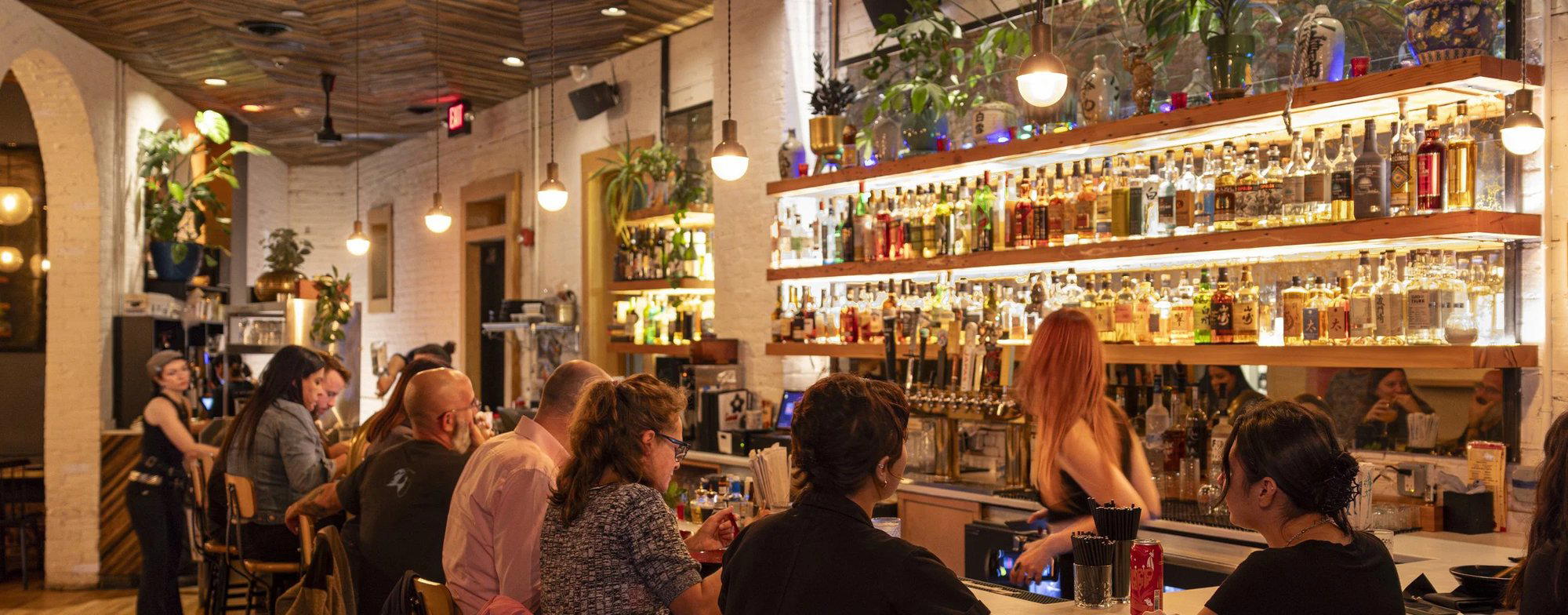
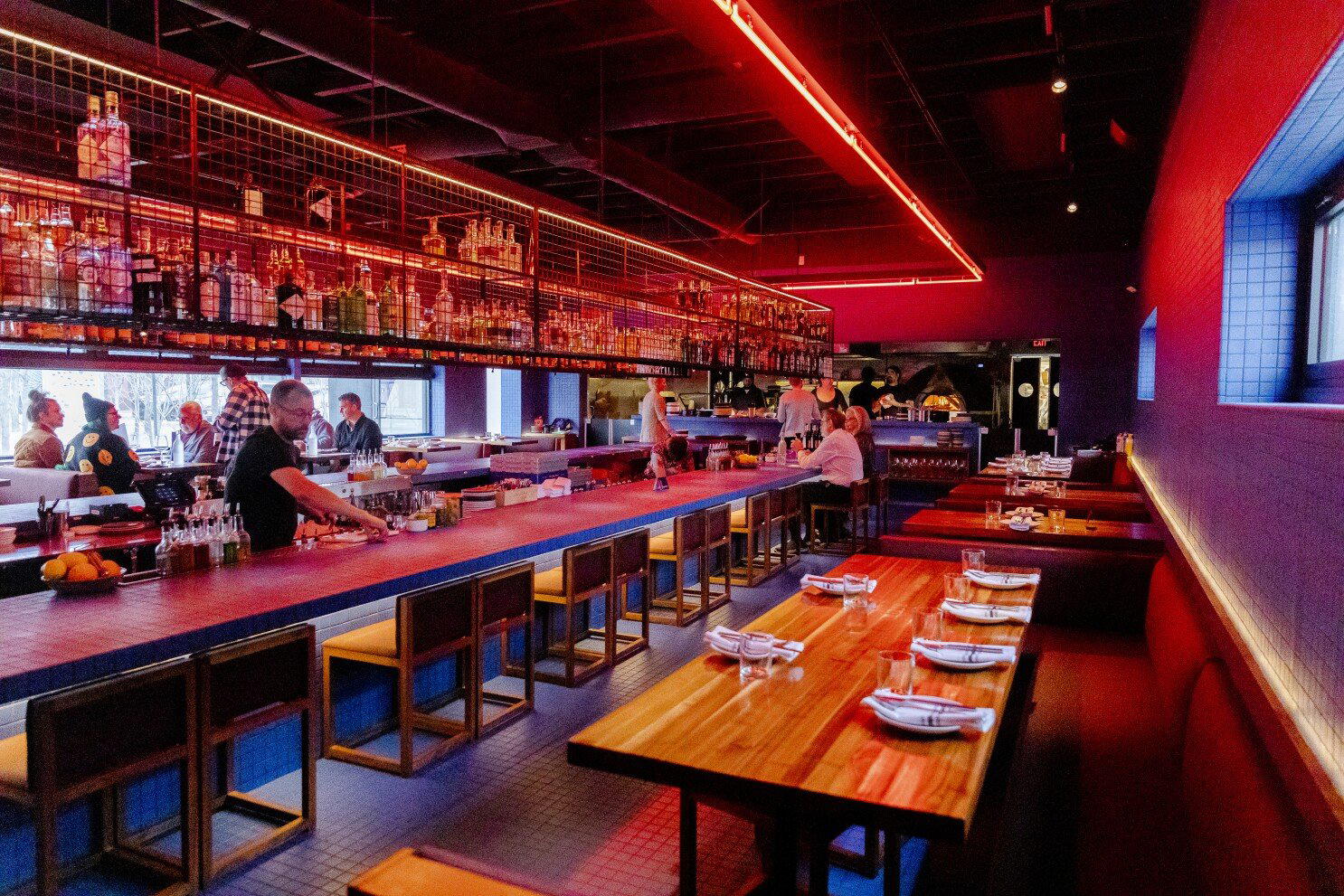
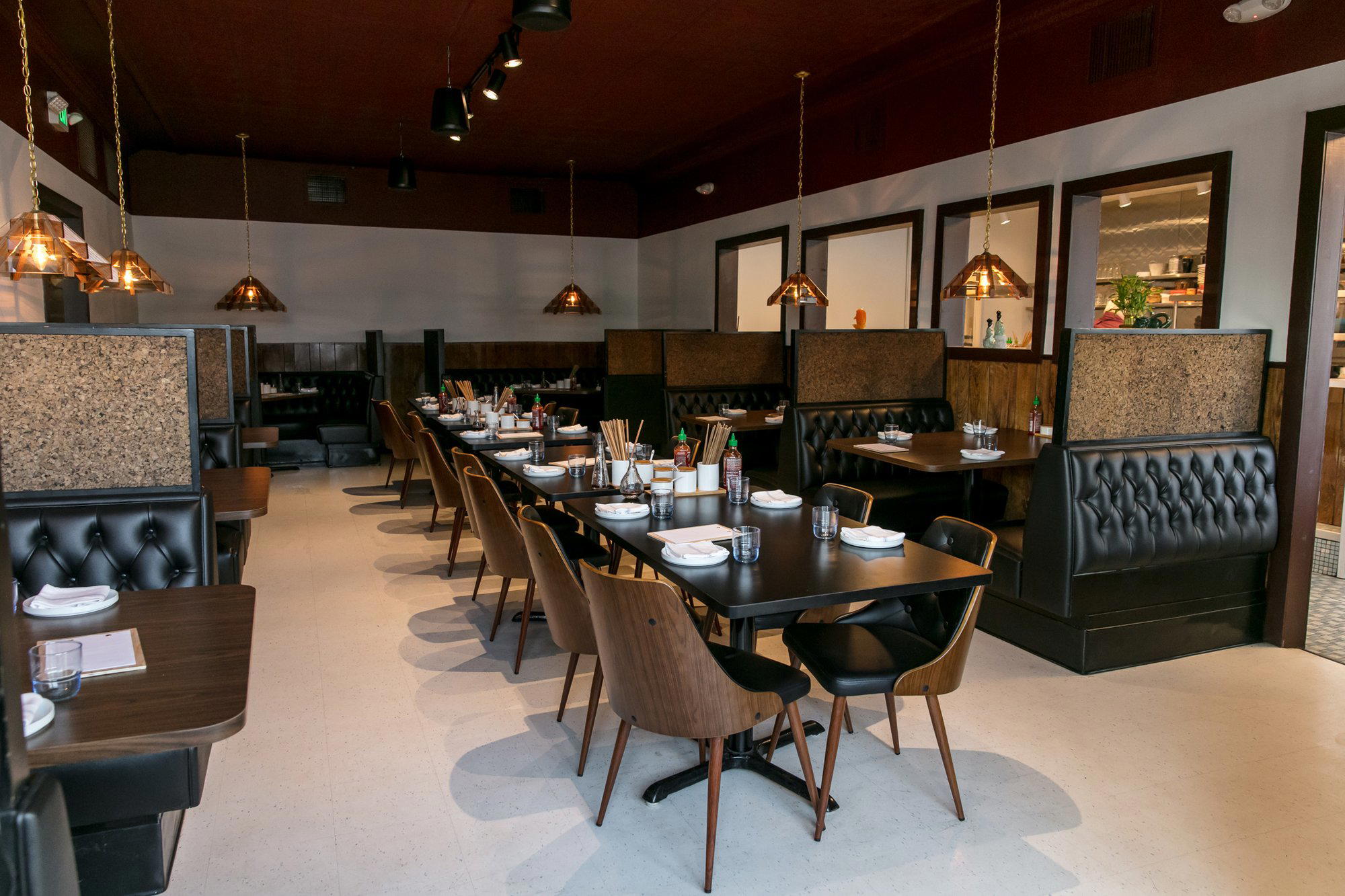
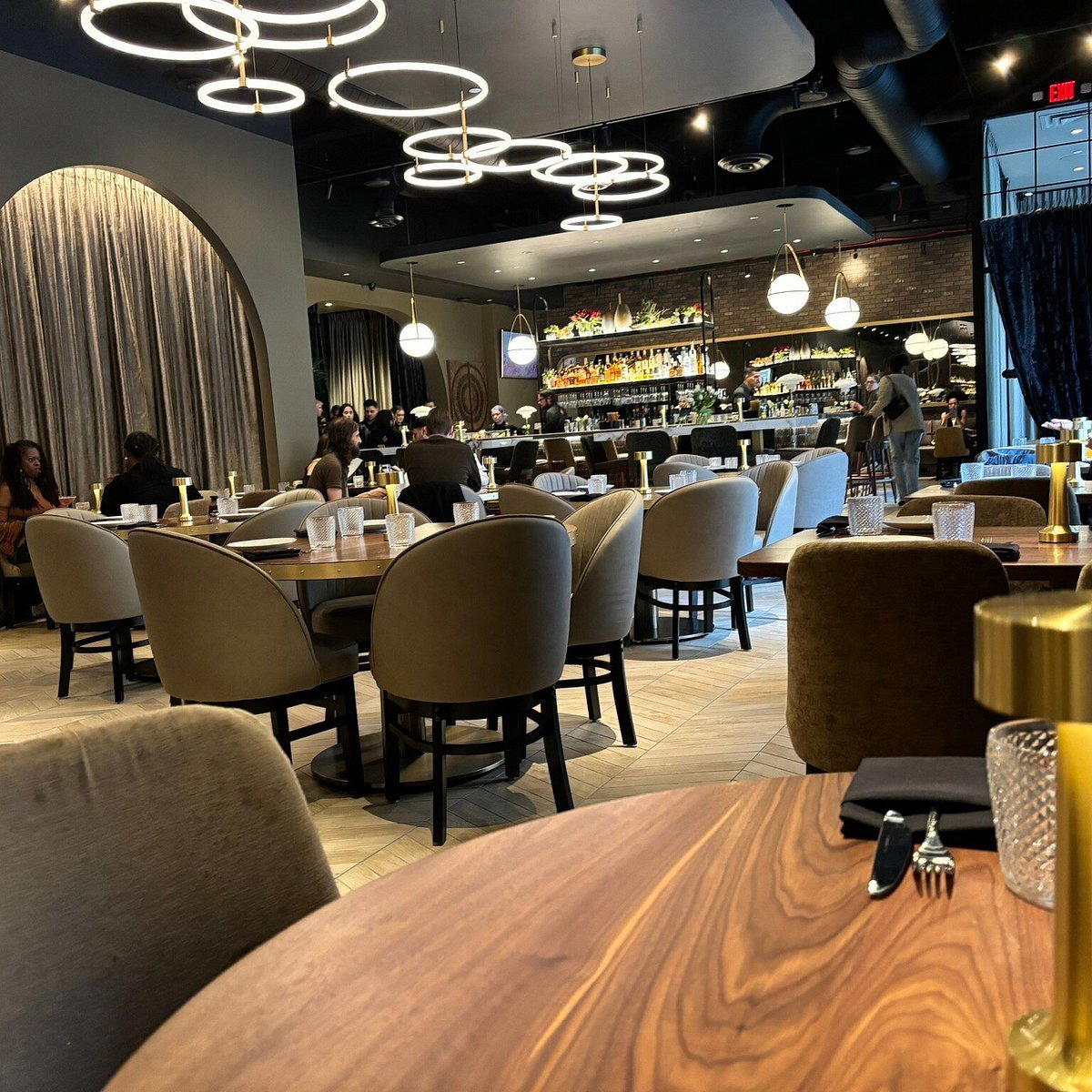
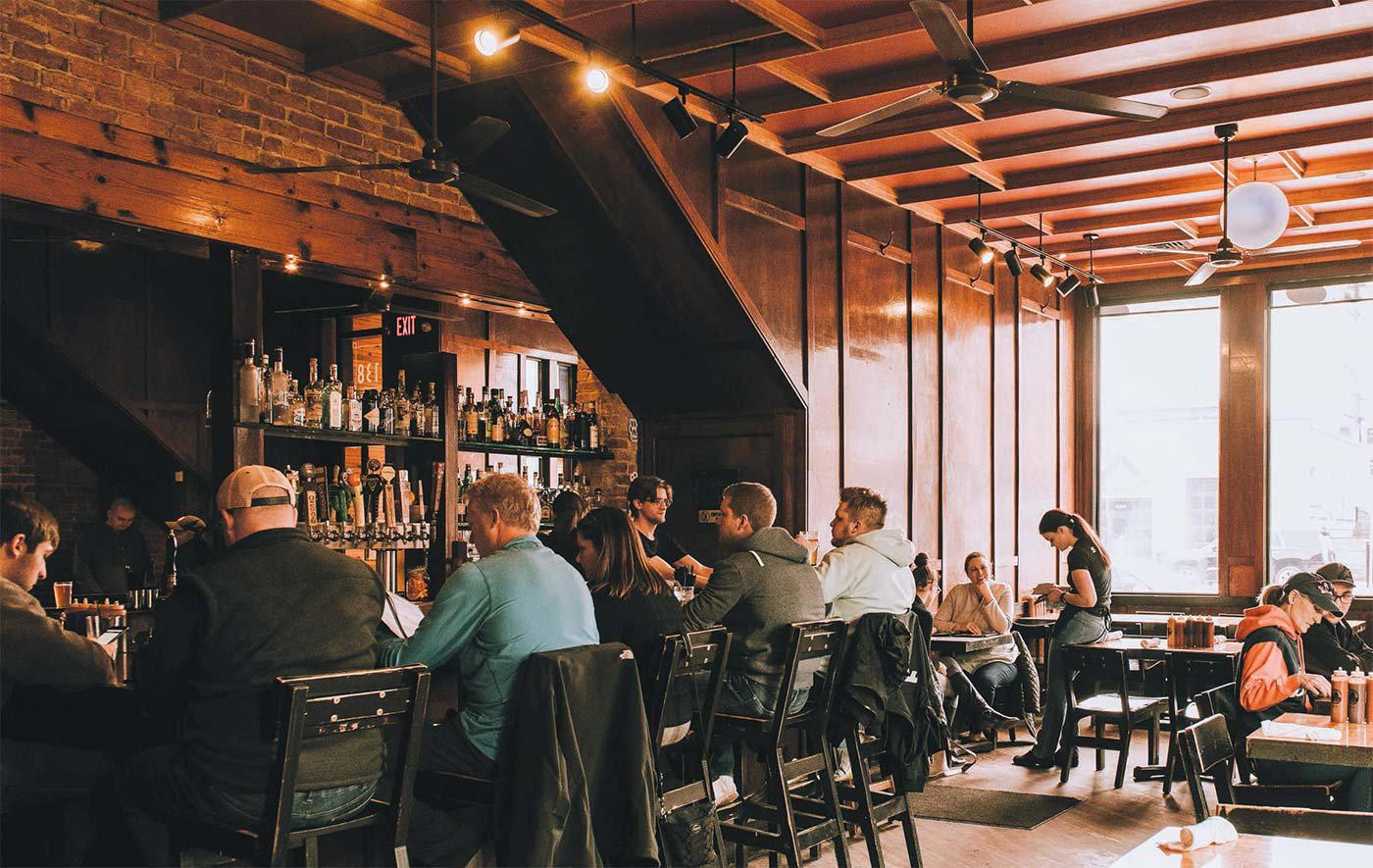
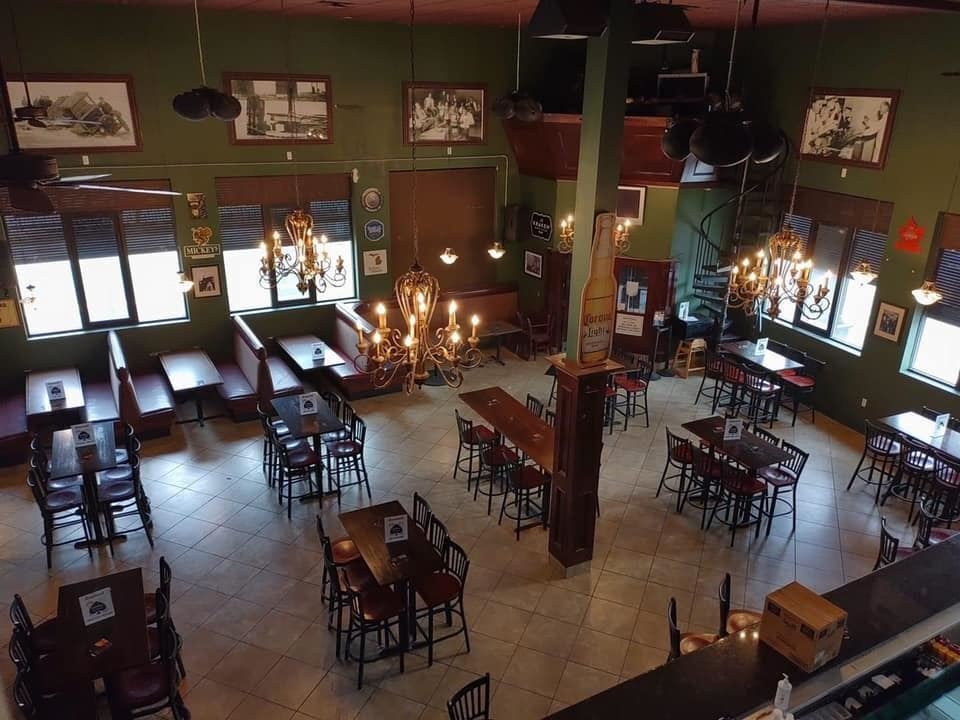
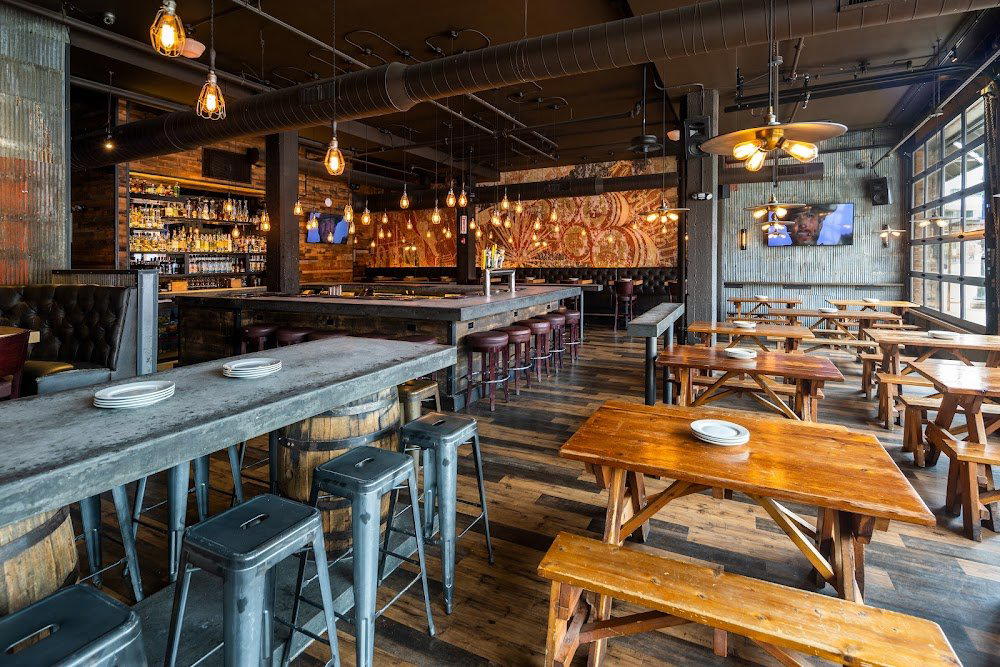
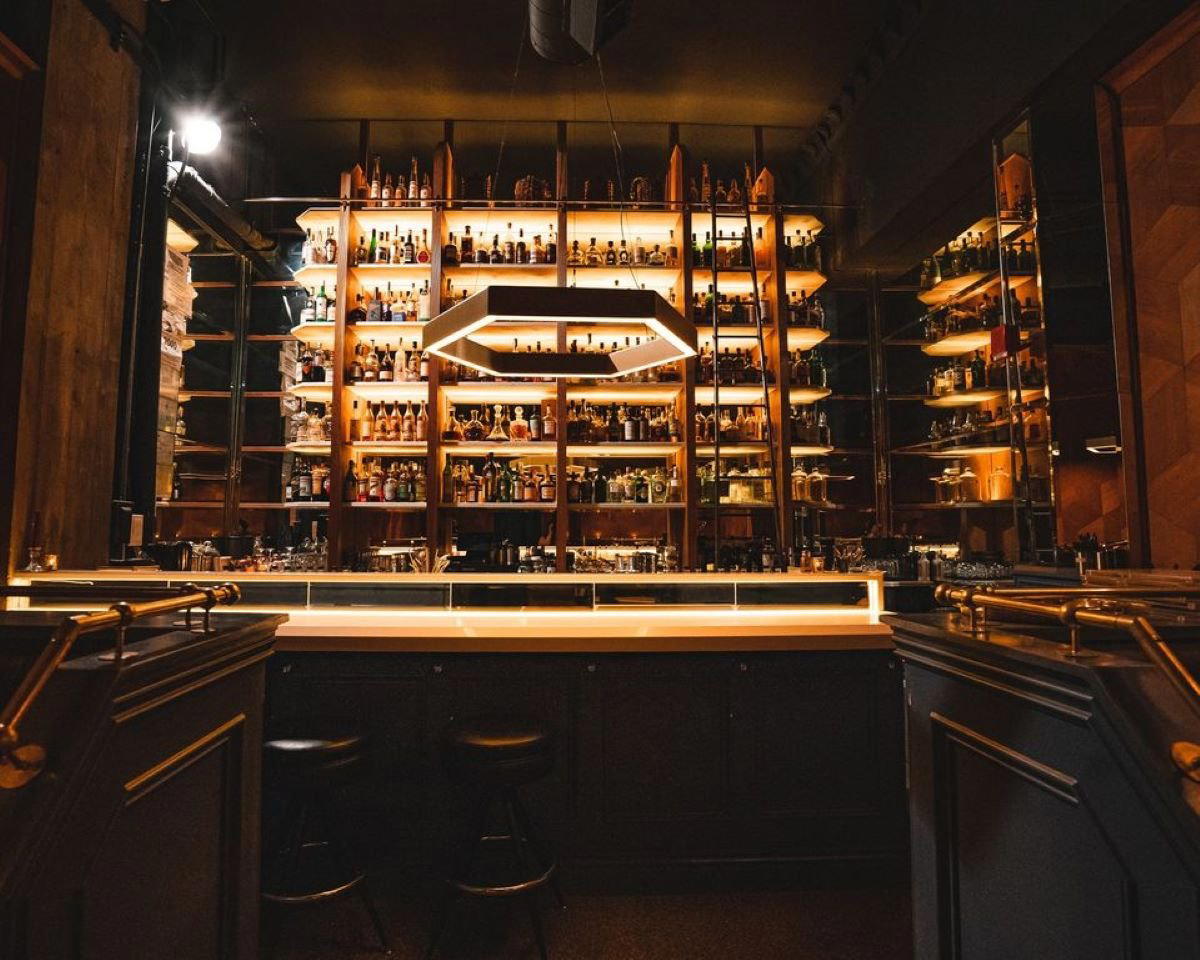
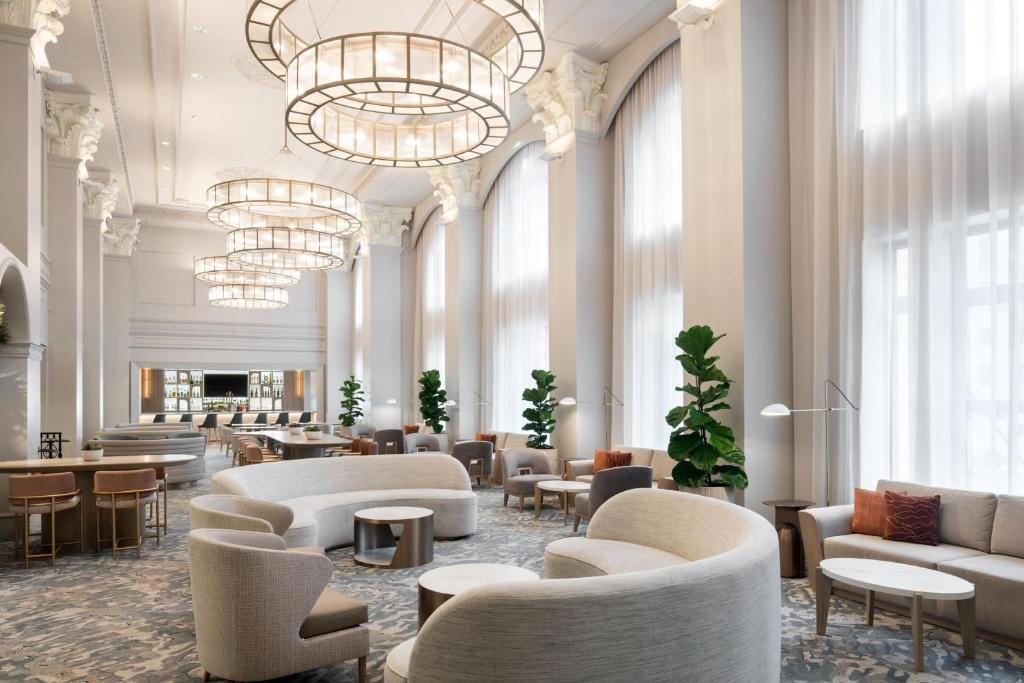
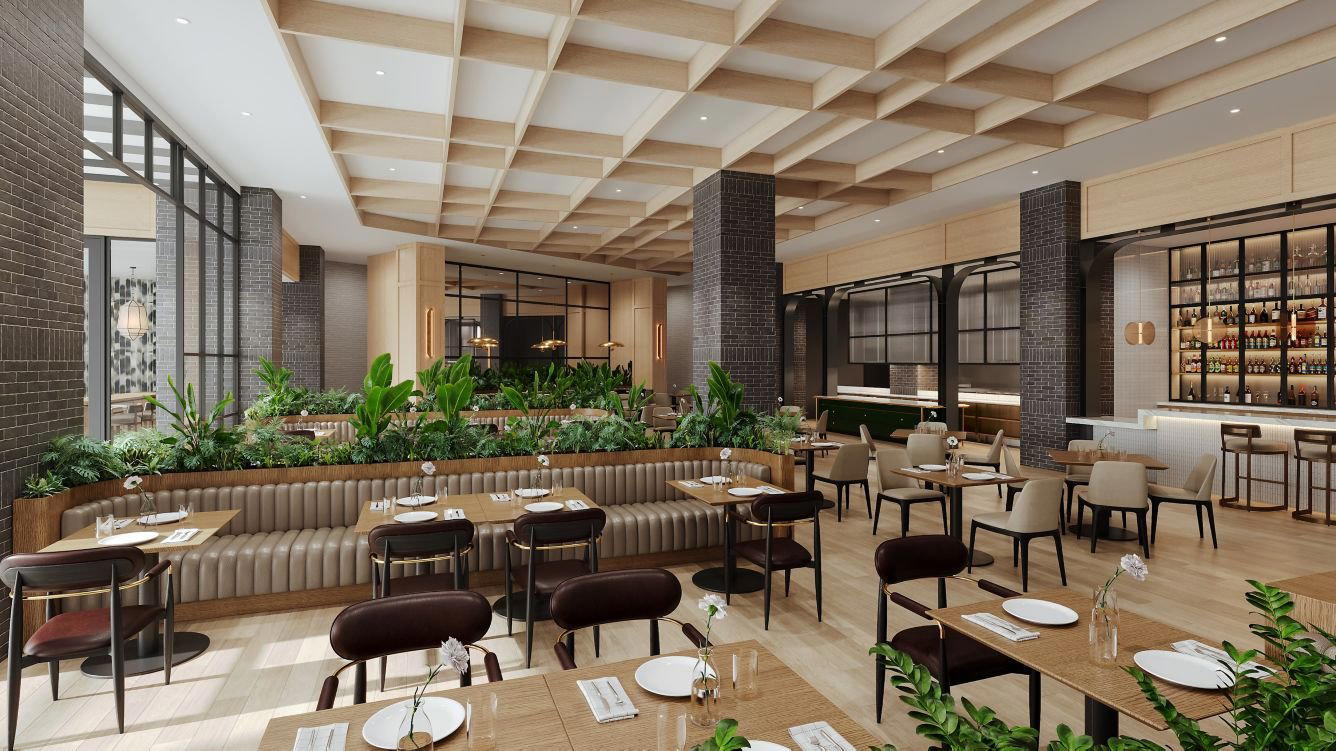
Cozy, laid-back atmosphere with communal tables, warm lighting, and a lively pub-like energy.