Fisk

Michelin Plate
Our verdict
Fisk brings Scandinavian cooking to Tampa's Westshore corridor with two consecutive Michelin Plate recognitions (2024 and 2025). Chef Fletcher Andrews runs a program rooted in Nordic technique at a price point that sits below the city's starred tier. For Tampa diners looking beyond Italian and Japanese, it's a substantive alternative.

Pearl is the En Primeur Club membership app, where members save venues, book tables and use the concierge.
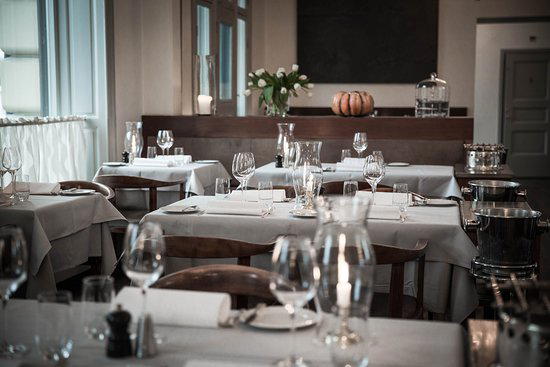
The menu
What to order
- Fisk soup
- Smoked salmon eclair
- Swedish meatballs
Where the Nordic Table Lands in Tampa
The Westshore corridor is not where you'd expect to find aquavit on the menu. Tampa's restaurant energy tends to cluster in Hyde Park, downtown, and the Channelside waterfront, where Spanish-inflected Cuban traditions and Italian-leaning rooms compete for attention. But at 2205 N Westshore Blvd, Fisk occupies a different register: a Scandinavian kitchen running a tight, considered program that has earned a Michelin Plate in both 2024 and 2025, placing it in verified territory alongside peers like Lilac, Ebbe, and Koya in Tampa's recognized dining tier.
The name itself signals the intent. Fisk is the Scandinavian word for fish, and the kitchen under Chef Fletcher Andrews works from a Nordic framework where seafood, preserved ingredients, and clean acidic contrasts form the structural logic of the menu. That's a meaningful departure from the steakhouse and sushi formats that anchor the $$$$-tier competition across the bay. Fisk prices at $$$, which positions it below the starred operators like Kōsen and gives it a different value argument than a room like Rocca.
The Nordic Drinking Tradition at the Table
Scandinavian dining culture has a ritual that doesn't translate automatically to American rooms: the snaps tradition. In Denmark, Sweden, and Norway, aquavit is not an afterthought or a novelty spirit. It arrives at the table as part of the meal's architecture, accompanying pickled and cured courses with the logic of a wine pairing. The caraway and dill notes in a well-made aquavit do for smoked fish and rye what a Chablis does for oysters: they make the food taste more like itself.
At Fisk, the presence of Nordic spirits on the list is an editorial statement about how the kitchen wants the food to be experienced. The skål toast culture, where glasses are raised and eye contact held, carries a formality that feels distinct in a Florida dining room accustomed to craft beer and rum-forward cocktails. In Scandinavian tradition, aquavit is consumed in a single pull, not sipped, and the ritual marks the beginning of a shared meal rather than a prelude to it. Whether Fisk fully commits to that cadence is something the table will discover, but the presence of the spirit in a Tampa program reflects a broader movement in American restaurants toward treating Nordic drinks with the same seriousness given to sake or natural wine.
The closest North American parallels for this drinking approach appear at Scandinavian-influenced rooms where the bar and kitchen communicate: the aquavit selection is selected by provenance and botanical profile, not assembled as an exotic garnish. For travelers who've tracked this tradition across Scandinavian restaurants in Europe, a useful comparison reference exists in programs like Endlich in Sankt Anton am Arlberg or Familjen in Gothenburg, where the drinking culture is inseparable from the food logic.
What the Michelin Recognition Actually Means Here
A Michelin Plate is not a star, and the distinction matters. The Plate signals that inspectors ate at the table and found the cooking competent and consistent, falling below the threshold for star consideration but above the noise of the general market. Two consecutive Plate awards, in 2024 and 2025, suggest the kitchen is stable rather than episodic, a meaningful signal in a city where restaurant turnover runs high and Scandinavian cooking has no long-established peer group to benchmark against.
Tampa's Michelin Guide presence is still recent, and the city's starred cohort includes Ebbe and Lilac at the one-star tier. Fisk sits one bracket below, which puts it in a competitive position for diners who want recognized cooking at a price point that doesn't require the full commitment of a tasting menu format.
For reference, the gap between a Plate and a Star is where many of the most interesting meals in any Michelin city happen. The kitchen is cooking to a standard without the premium pricing that star ambition tends to impose. In cities like San Francisco, where Lazy Bear operates at the starred tier, or Chicago, where Alinea occupies the best of the market, the Plate category functions as the layer of serious cooking that most diners actually visit on a regular basis.
Nordic Cooking in a Subtropical City
The geographic tension in Fisk's premise is real. Nordic cuisine developed as a response to cold-climate scarcity: preservation techniques like smoking, curing, and fermenting were practical necessities before they became aesthetic choices. Bringing that tradition to Tampa, where the Gulf supplies year-round warm-water seafood and local produce skews toward citrus, stone fruit, and tropical varieties, requires a kitchen that can translate technique without imposing climate.
The most durable Scandinavian restaurants outside Scandinavia are those that apply Nordic method to local ingredient: the smoking and curing logic applied to Gulf fish rather than Norwegian salmon, the fermentation approach turned toward Florida vegetables rather than Scandinavian root crops. This is the adjustment that separates a themed restaurant from one doing serious work. Fisk's two-year Michelin Plate consistency suggests the kitchen has found a working position on that question.
For diners who've followed Nordic cooking at American addresses, the category has a short but traceable arc. Before the New Nordic wave reached the United States in meaningful depth, Scandinavian flavors read as novelty. Today, with fermentation, minimalism, and Nordic-leaning ingredient philosophy embedded in programs as different as Single Thread Farm in Healdsburg and The French Laundry in Napa, the underlying ideas are mainstream. What Fisk offers is the specific Scandinavian register, the aquavit, the preserved textures, the cold-climate restraint, in a warm-weather city with no direct competition in that niche.
Planning Your Visit
Fisk sits at 2205 N Westshore Blvd in Tampa's Westshore district, accessible from the airport corridor and a short drive from downtown. The restaurant prices at $$$, positioning it below the starred tier but above casual dining, which makes it a practical choice for a Thursday dinner or a weekend table without the full ceremony of a tasting-menu commitment. Hours and reservation methods are best confirmed directly with the venue. For a broader view of the city's dining options, see our full Tampa restaurants guide, and for context on where to stay, drink, and spend time around a visit, the Tampa hotels guide, bars guide, wineries guide, and experiences guide cover the full picture. For comparison against the city's other recognized rooms, Ebbe, Koya, and Lilac each represent a different tier and cuisine tradition worth understanding before committing to a night out in Tampa's upper dining bracket.
Frequently asked questions
How much does it cost to eat at Fisk?
Pricing at Fisk is listed as $$$.
What's Fisk known for in terms of accolades?
Fisk has received recognition including: Michelin Plate (2025); Michelin Plate (2024).
What do people recommend at Fisk?
Fisk earned consecutive Michelin Plate recognition in 2024 and 2025, with inspectors finding the cooking consistent and competent across the menu. The focus is Scandinavian cuisine, which means preservation techniques, cured fish, and cold-climate preparations translated into a Tampa dining room. Given the Nordic framework under chef Fletcher Andrews, dishes built around smoked or cured seafood are the natural focal point of the menu.
What's Fisk's location?
Fisk is located at 2205 N Westshore Blvd, Tampa, FL 33607, Tampa.
Is there a head chef associated with Fisk?
The chef associated with Fisk is Fletcher Andrews.
Do I need a reservation for Fisk?
Fisk's Michelin Plate status for two consecutive years has raised its profile considerably in Tampa, where Scandinavian restaurants are rare on the ground. Booking ahead is advisable, particularly for dinner on weekends. Check directly with the restaurant at 2205 N Westshore Blvd for current availability and reservation policies.
Style and Standing
| Venue | Cuisine | Price | Awards | Notes |
|---|---|---|---|---|
| FiskThis venue (the venue you are viewing) | Modern Scandinavian Seafood | $50–100 | Michelin Plate | Not listed |
| Koya | Modern Japanese Omakase | $200–300 | 1 Michelin Star | Japanese |
| Bern’s Steak House | Classic Dry-Aged Steaks | $100–150 | Michelin Plate · World's Best Steaks 50 Best #48 | Not listed |
| Columbia | Spanish-Cuban | $50–100 | Michelin Plate · Wine Spectator Best of Award of Excellence | Not listed |
| Ebbe | Nordic-Inspired Fine Dining | $200–300 | 1 Michelin Star | Contemporary |
| Rocca | Modern Italian Fine Dining | $50–100 | 1 Michelin Star · Star Wine List | Italian |
Recognition history
Dated appearances from independent guides and award organizations, with the underlying list record or original source where available.
Michelin Plate
Michelin
Full recognition history (2 entries)
Michelin Plate
Michelin
Continue exploring
More in Tampa
Restaurants in Tampa
All restaurants in Tampa →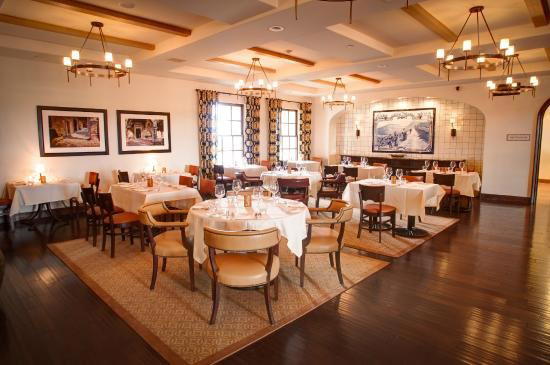
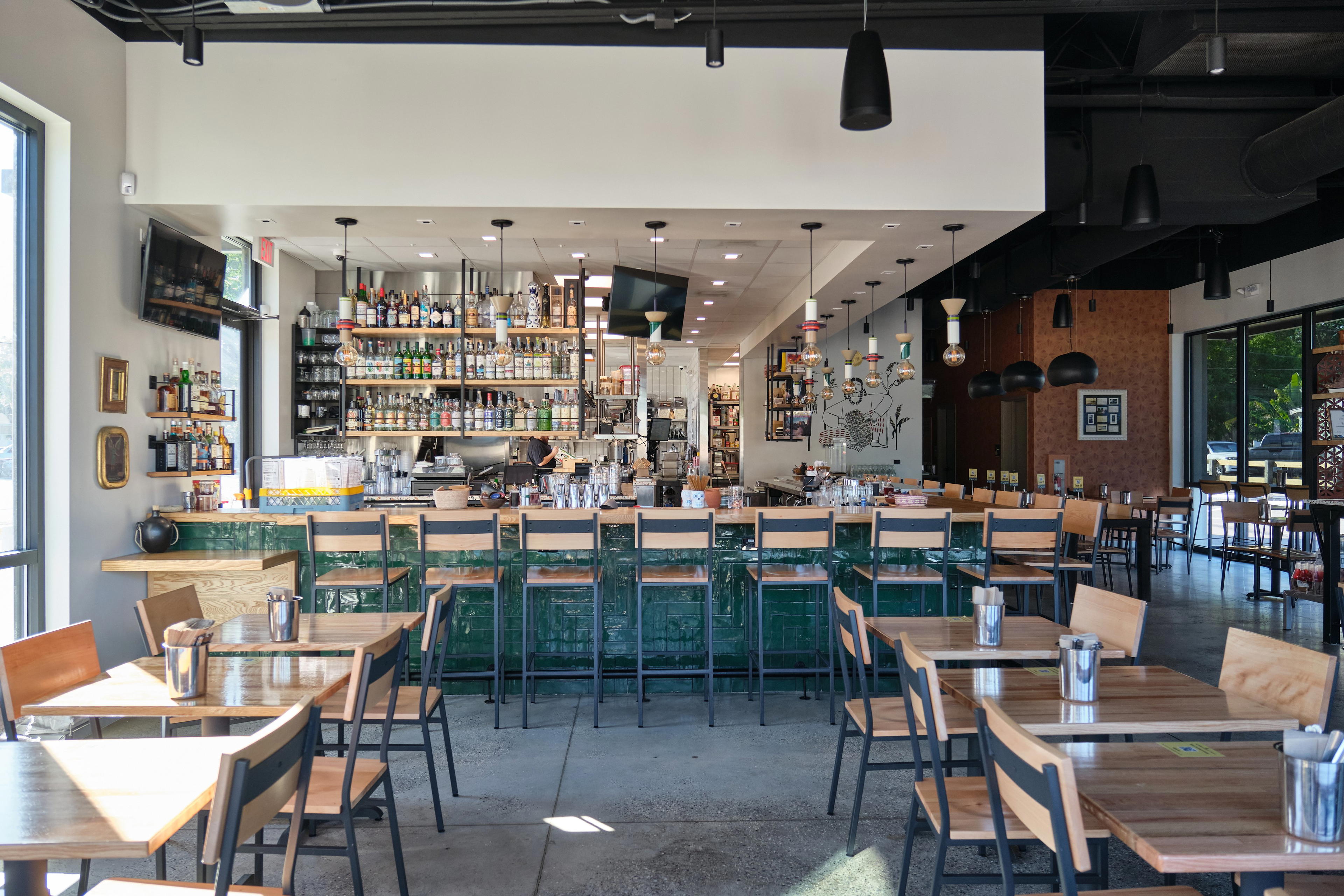
Bars in Tampa
All bars in Tampa →


Details
- Modern
- Minimalist
- Intimate
- Sophisticated
- Date Night
- Special Occasion
- Chefs Counter
- Open Kitchen
- Extensive Wine List
- A La Carte
- Set Menu
Current opening hours
- Monday
- 12–10 PM
- Tuesday
- 12–10 PM
- Wednesday
- 12–10 PM
- Thursday
- 12–10 PM
- Friday
- 12–10 PM
- Saturday
- 3–10 PM
- Sunday
- 5–9 PM
Hours can change for holidays and private events. Hours as of .
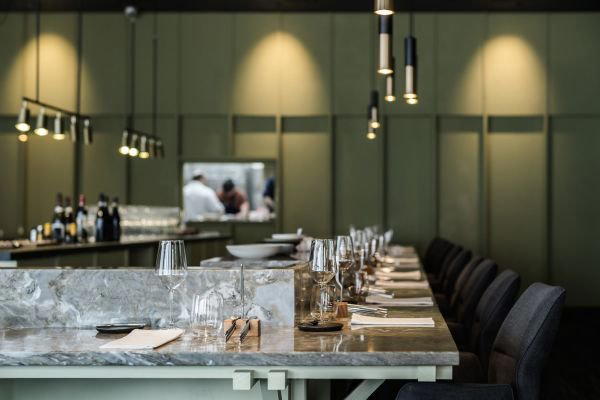
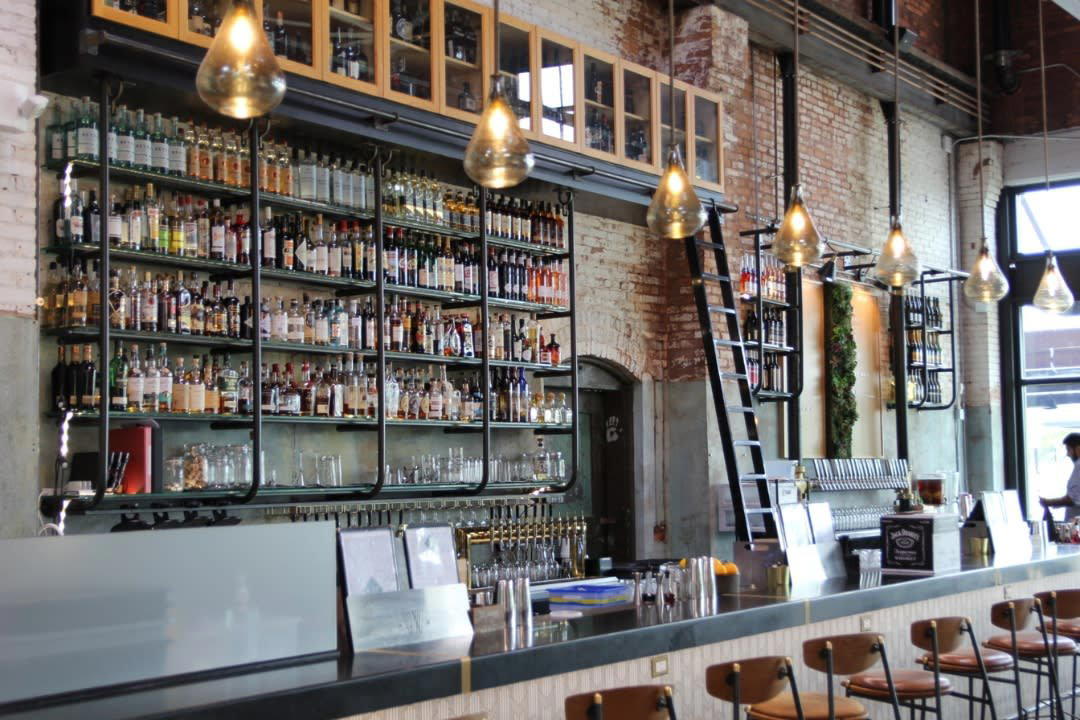
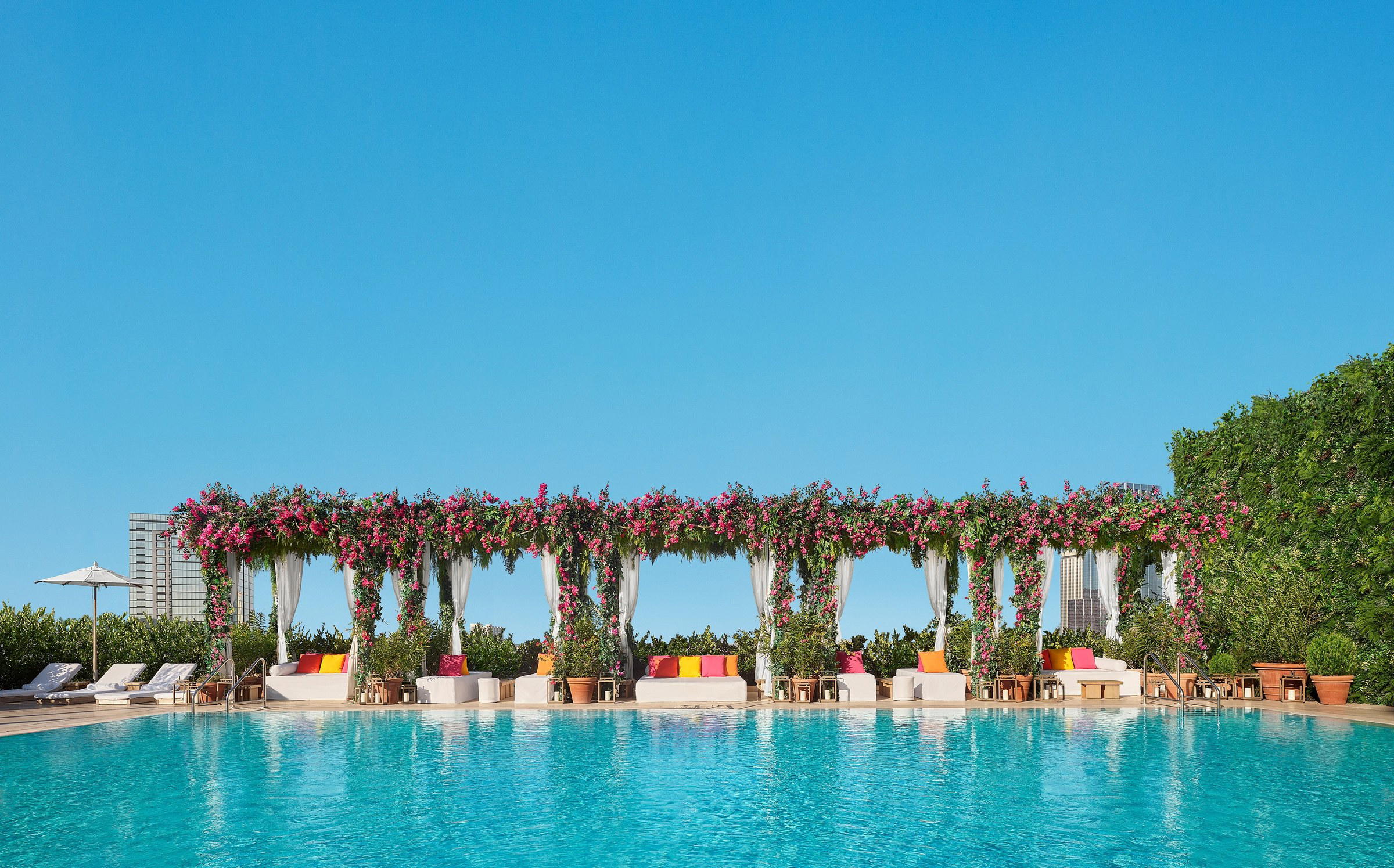
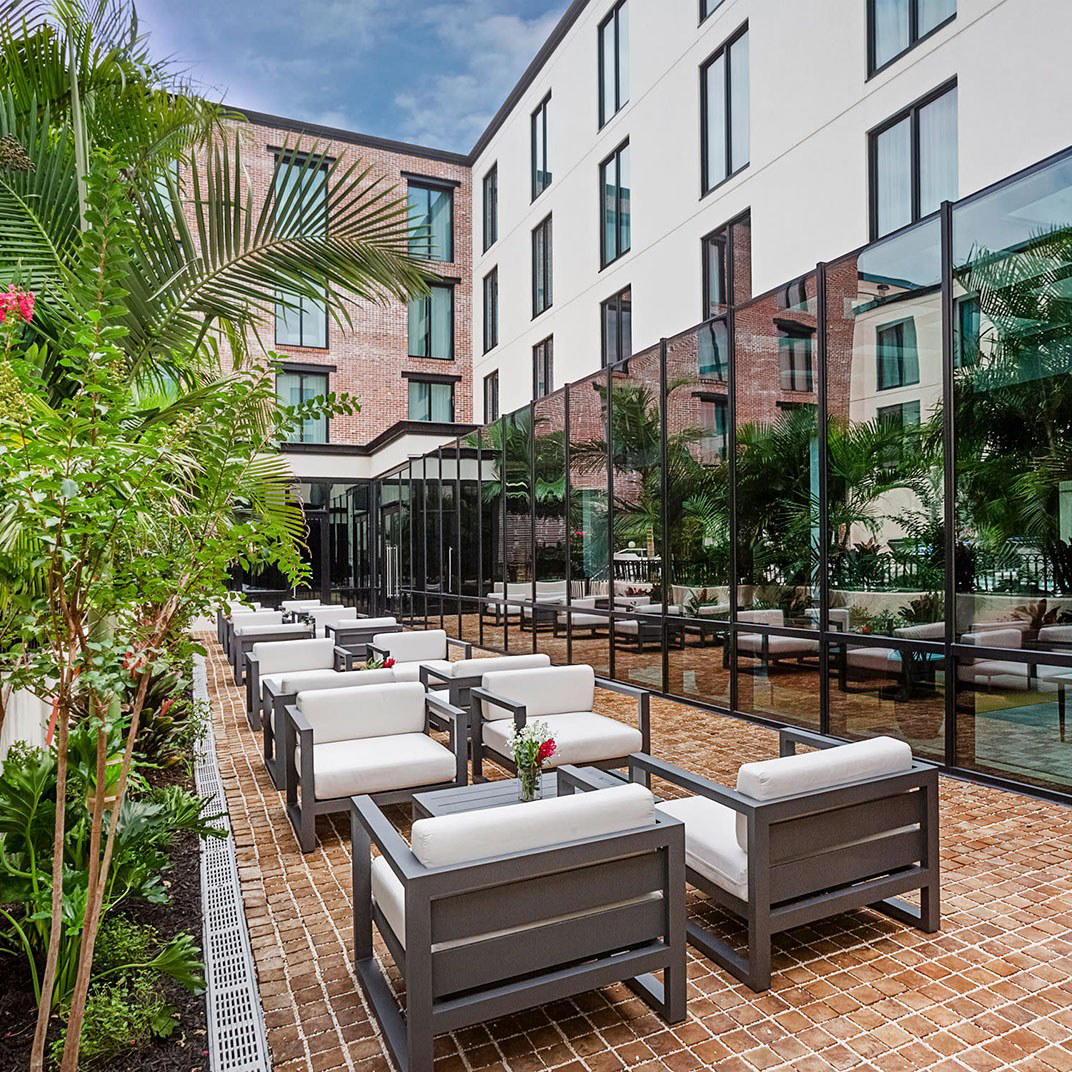
Clean lines and minimal ornamentation with chic Swedish-inspired decor; comfortable counter seating where chefs serve.