


Star Wine List · SCMP 100 Top Tables Restaurants
Our verdict
Embla is a Nordic fine dining restaurant on Upper Station Street in Sheung Wan, Hong Kong, founded by Stockholm-born chef Jim Löfdahl. Its wine program has claimed the Star Wine List top ranking in Hong Kong for 2024, making it one of the most decorated wine-focused fine dining addresses in the city. The setting is compact and precise, with a sensibility that sits apart from Hong Kong's dominant Cantonese and European fine dining tier.

Pearl is the En Primeur Club membership app, where members save venues, book tables and use the concierge.
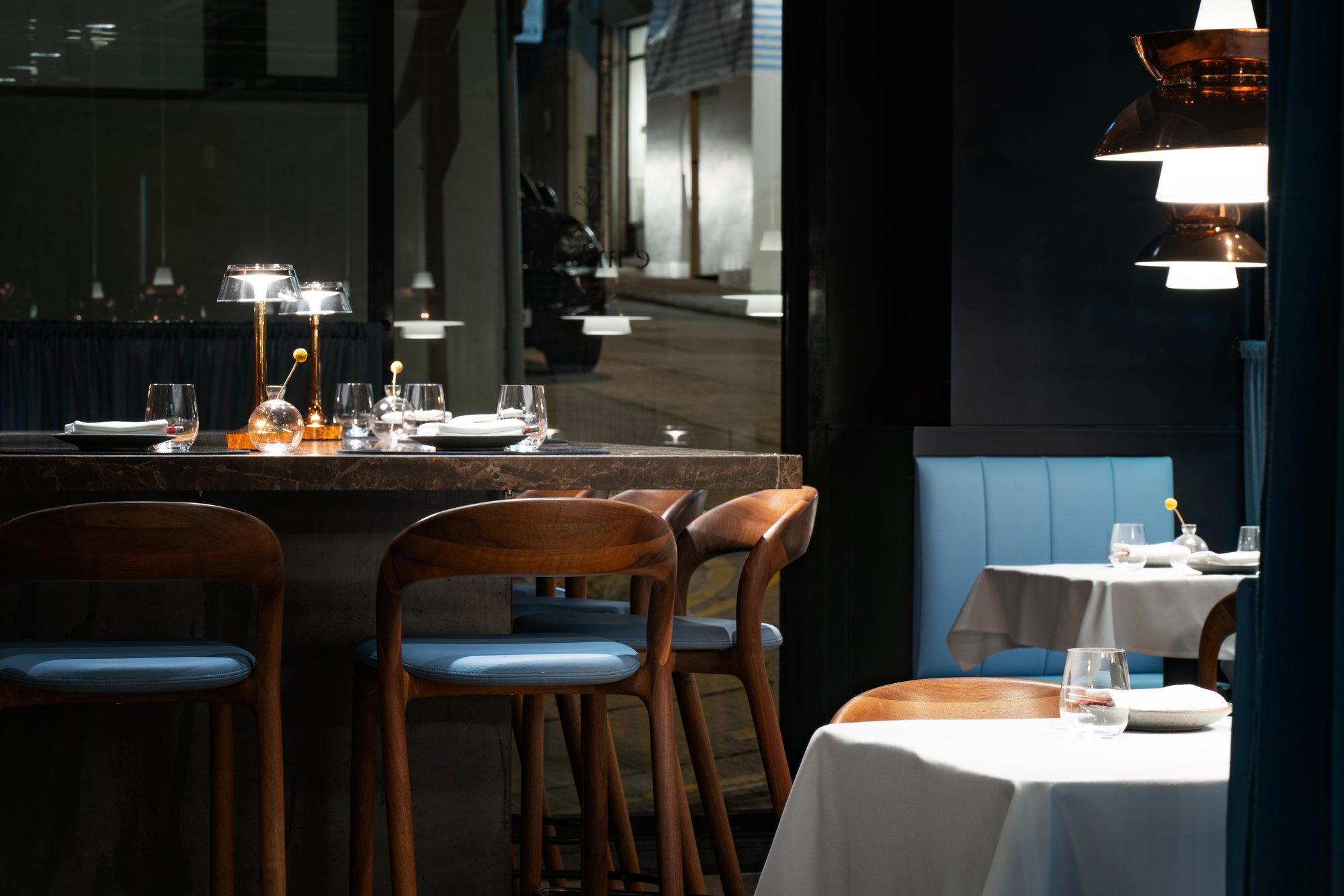
A Nordic Counter in Sheung Wan
Sheung Wan sits one stop west of Central on the MTR, but its dining character runs at a different frequency. Where Central concentrates hotel dining rooms and broad-audience French or Italian anchors like Caprice and 8 1/2 Otto e Mezzo Bombana, Sheung Wan has become the address for smaller, more architecturally considered restaurants operating outside established culinary categories. Embla, on Upper Station Street, belongs to that cohort. The building itself is a narrow, low-key shophouse typical of the neighbourhood, and the restaurant makes no effort to announce itself as fine dining in the conventional Hong Kong sense. There is no grand entrance, no uniformed doorman, no lobby designed to signal prestige. The prestige is inside, in the proportions of the room itself.
The Room as Editorial Statement
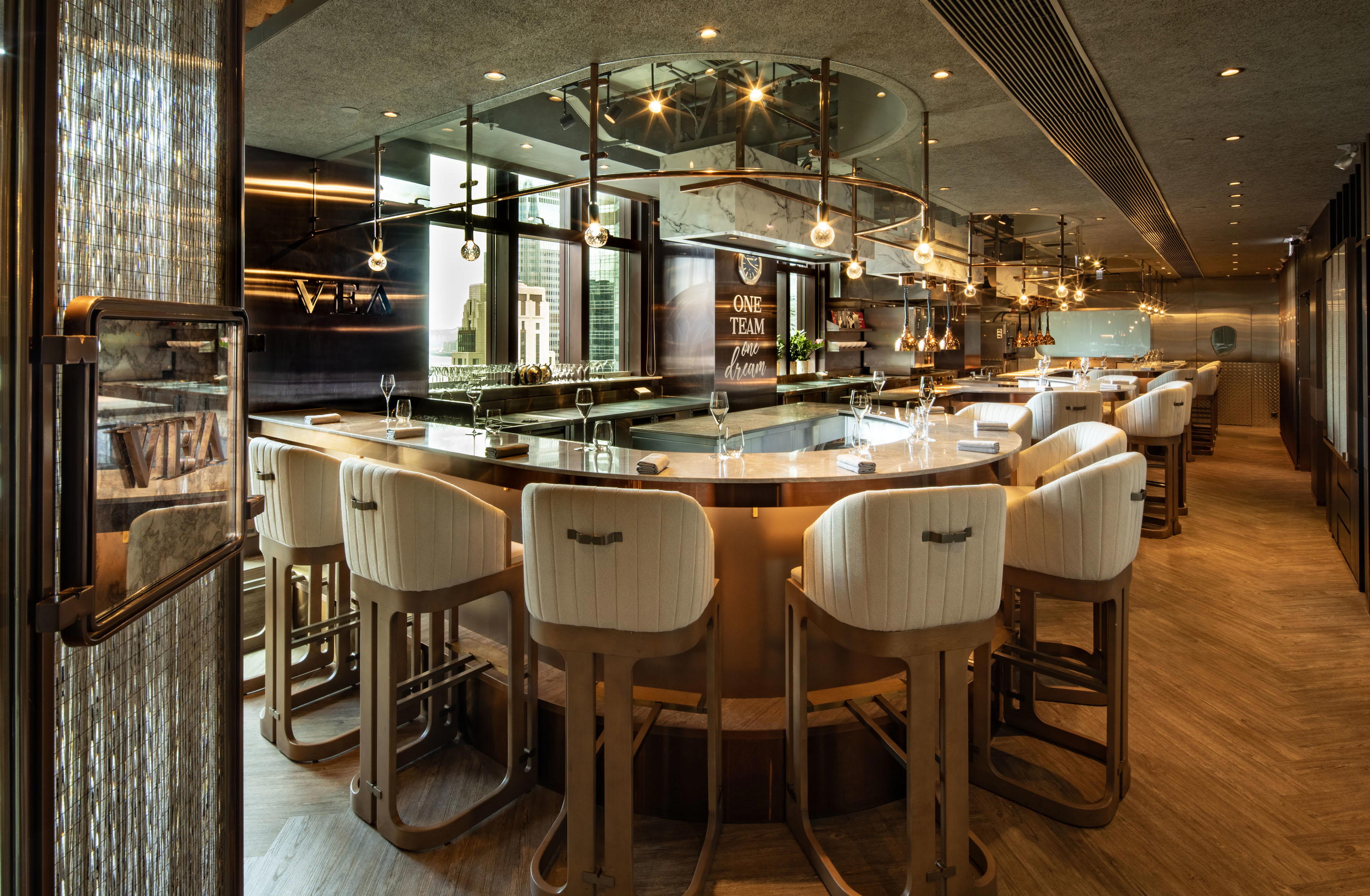
In Hong Kong's fine dining tier, spatial restraint is unusual. Most rooms at that price point default to high ceilings, formal table arrangements, and the kind of interior architectural language borrowed from European luxury hotels. Embla operates on a different logic. Small restaurants in Nordic culinary culture frequently treat the physical room as a direct extension of the food philosophy: spare materials, considered lighting, seating close enough that the kitchen becomes part of the atmosphere rather than a separated service zone. That principle is legible at Embla in ways that have no obvious parallel in Hong Kong's fine dining circuit. The room functions as a frame for close attention, not as a backdrop for occasion dining.
This spatial positioning places Embla in the same general peer category as Tokyo-style counter restaurants or the kind of low-capacity chef-driven formats seen at places like Lazy Bear in San Francisco or Alinea in Chicago, where the physical container is deliberately sized to concentrate the experience rather than expand it. It also distances it sharply from larger-format operations such as Alléno Paris au Pavillon Ledoyen or Alain Ducasse's Louis XV in Monte Carlo, where grandeur of space is itself part of the proposition.
Nordic Fine Dining in a Cantonese City
Hong Kong's fine dining scene has historically organised itself around Cantonese technique, French classicism, and the occasional Japanese-French hybrid. Restaurants like Ta Vie and Amber have built their reputations from within those traditions, and institutions such as Forum remain benchmarks for Cantonese craft. Nordic fine dining, with its emphasis on fermentation, foraged ingredients, preservation techniques, and cool-climate produce, occupies a genuinely distinct position in that context. The reference points are different, the flavour register is different, and the wine pairings tend to pull toward Scandinavian and northern European producers rather than the Burgundy and Bordeaux allocations that anchor most Hong Kong fine dining wine programs.
Chef Jim Löfdahl, who founded Embla and trained in Stockholm, brings a northern European culinary background to a city that has rarely seen Nordic technique executed at this level. That lineage matters as credential rather than biography: it signals what tradition Embla is working within and why the wine program looks the way it does. Nordic fine dining globally has placed unusual emphasis on wine list depth and curation, partly because the food's acidity and fermentation notes demand pairing precision that more conventional European wine lists are not always equipped to handle.
The Wine Program: A Recognised Benchmark
Star Wine List, which tracks and ranks wine programs across restaurants globally, ranked Embla's list first in Hong Kong in both 2023 and 2024, and second and third in separate 2023 category rankings. That density of recognition from a single specialist body is unusual and places the wine program among the most seriously considered in the city. For context, the restaurants that typically attract Star Wine List recognition internationally include addresses such as Le Bernardin in New York and Aponiente in El Puerto de Santa María, where wine is treated as a structural part of the dining proposition rather than an add-on. Embla's consistent placement in those rankings over two consecutive years indicates a list that has been built deliberately and maintained at a level that holds up under specialist scrutiny.
For a diner whose primary interest is wine, this signal matters more than it might at a restaurant where the list is managed at arms length from the kitchen. At Embla, the pairing logic appears to run through the food itself, which means the wine program is not operating independently of what arrives on the plate.
Where Embla Sits in Hong Kong's Fine Dining Map
Hong Kong's restaurant scene in 2024 is large and internally differentiated. The city has Michelin-starred Cantonese rooms, multi-starred European tasting menu restaurants, Japanese omakase counters, and a growing cohort of smaller chef-led restaurants working without easy category labels. Embla belongs to that last group, alongside addresses in the experimental or ingredient-driven tasting menu format. It is not competing for the same reservation against Le Salon de Thé de Joël Robuchon or the hotel dining rooms in Central. Its competition is the small-format specialist restaurants that have opened in Sheung Wan and the surrounding neighbourhoods over the past five years, where chef authorship and list depth are the primary differentiators.
The practical detail worth noting for planning purposes: Embla is at 11 Upper Station Street, reachable on foot from Sheung Wan MTR in under ten minutes. As a small restaurant, tables are limited in number, and its award recognition means reservations are not available on short notice. Booking well ahead is the approach, particularly if you are coordinating around a specific date. There is no hotel concierge infrastructure supporting the booking process; this is a direct-reservation operation in a neighbourhood restaurant format.
For further reading on where Embla fits within Hong Kong's broader dining, drinking, and hospitality offer, see our full Hong Kong restaurants guide, our full Hong Kong bars guide, our full Hong Kong hotels guide, our full Hong Kong wineries guide, and our full Hong Kong experiences guide. For comparable chef-driven formats in other cities, Emeril's in New Orleans represents a different but instructive model of how a single chef's culinary identity can anchor a restaurant's long-term positioning.
Frequently asked questions
Does Embla work for a family meal?
Embla is a small Nordic fine dining counter in Sheung Wan founded by Stockholm chef Jim Löfdahl. The format and price point are calibrated for adult dining rather than a casual family outing. Guests looking for a structured tasting experience will fit the room; those needing flexibility for young children likely will not.
What kind of setting is Embla?
Embla occupies a compact space at 11 Upper Station Street in Sheung Wan, operating in deliberate contrast to the high-ceiling formality common at Hong Kong's fine dining tier. The room reads as Nordic in its restraint, which in this context is a considered editorial choice rather than a budget constraint.
What awards or recognition does Embla have?
Embla has received recognition including: Embla is a Nordic fine dining restaurant located in Sheung Wan. This small restaurant was founded by chef Jim Löfdahl from Stockholm. The cuisine is absolutely one of a kind in Hong Kong. They focus o...; Star Wine List #1 (2024); Star Wine….
What's the best thing to order at Embla?
The wine program is the most independently verified strength on the menu: Star Wine List ranked it first in Hong Kong in both 2023 and 2024, and second and third in separate 2023 category rankings. Pairing the tasting menu with the sommelier's selections is the approach the format is built around.
Where is Embla in Hong Kong?
Embla is located at 11 Upper Station St, Sheung Wan, Hong Kong, Hong Kong.
How hard is it to get a table at Embla?
Embla is a small restaurant, which limits covers per service. Its Star Wine List #1 ranking in Hong Kong for 2024 and consistent recognition across 2023 have drawn a focused following.
Reputation Context
| Venue | Cuisine | Price | Awards | Notes |
|---|---|---|---|---|
| EmblaThis venue (the venue you are viewing) | Contemporary Nordic Fine Dining | $100–150 | Star Wine List · SCMP 100 Top Tables Restaurants | Not listed |
| 8 1/2 Otto e Mezzo Bombana (Hong Kong) | 3 Michelin-Star Italian Fine Dining | $200–300 | 3 Michelin Stars · World's 50 Best #94 | Italian |
| Ta Vie | Modern French-Japanese Fine Dining | $300–500 | 3 Michelin Stars · World's 50 Best #68 | Japanese - French, Innovative |
| Estro | Modern Neapolitan Italian | $150–200 | 1 Michelin Star · World's 50 Best #32 | Wine Bar, Italian |
| Feuille | Modern Vegetable-Forward French | $200–300 | 1 Michelin Star · World's 50 Best #93 | French Contemporary |
| Mono | Modern Latin American Fine Dining | $150–200 | 1 Michelin Star · World's 50 Best #46 | Latin American |
Recognition history
Dated appearances from independent guides and award organizations, with the underlying list record or original source where available.
Star Wine List
Star Wine List
Opinionated About Dining Top Restaurants in Asia Recommended
Opinionated About Dining
SCMP 100 Top Tables Restaurants
SCMP 100 Top Tables
Full recognition history (5 entries)
Star Wine List
Star Wine List
Star Wine List
Star Wine List
Continue exploring
More in Hong Kong
Restaurants in Hong Kong
All restaurants in Hong Kong →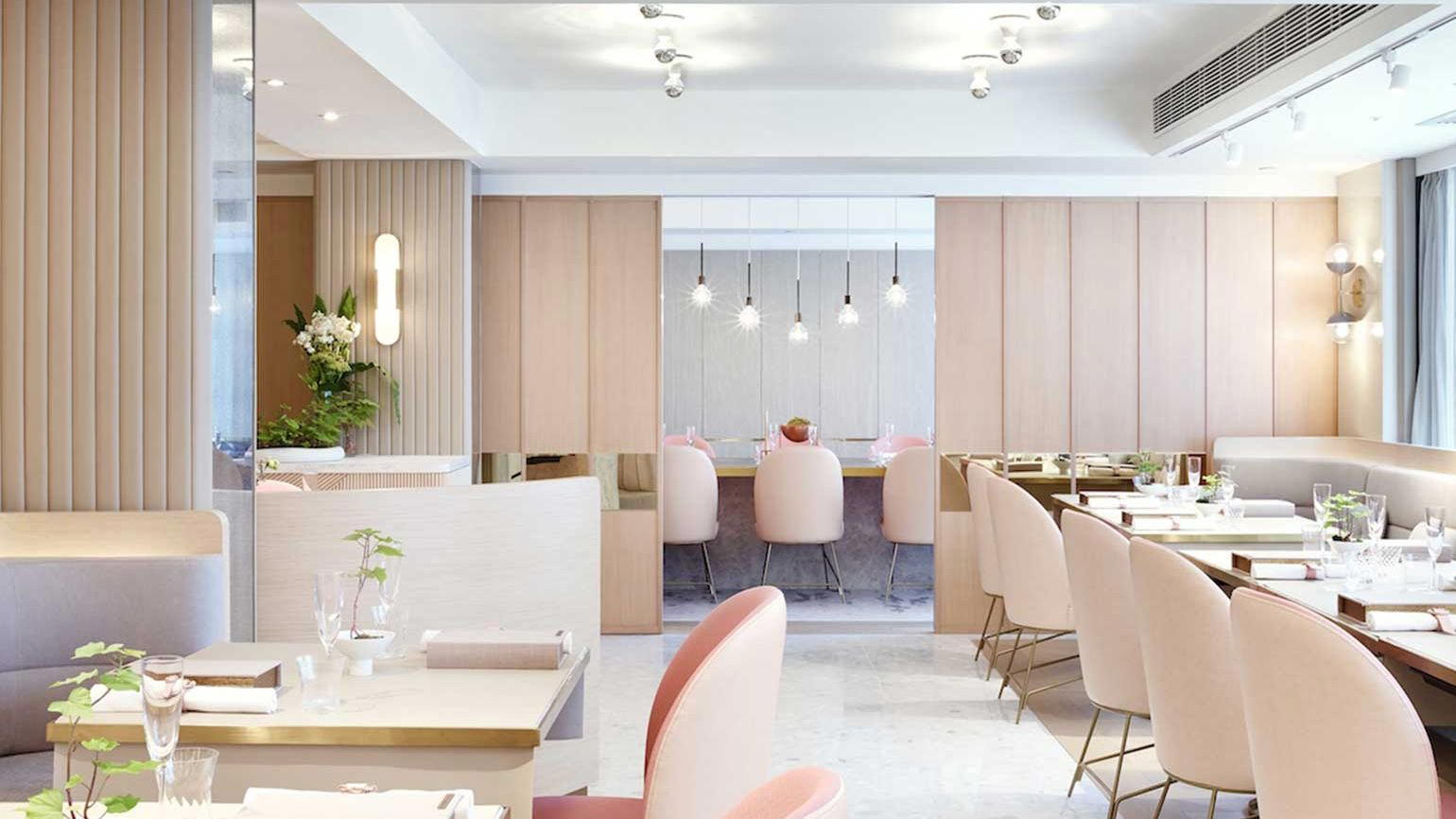
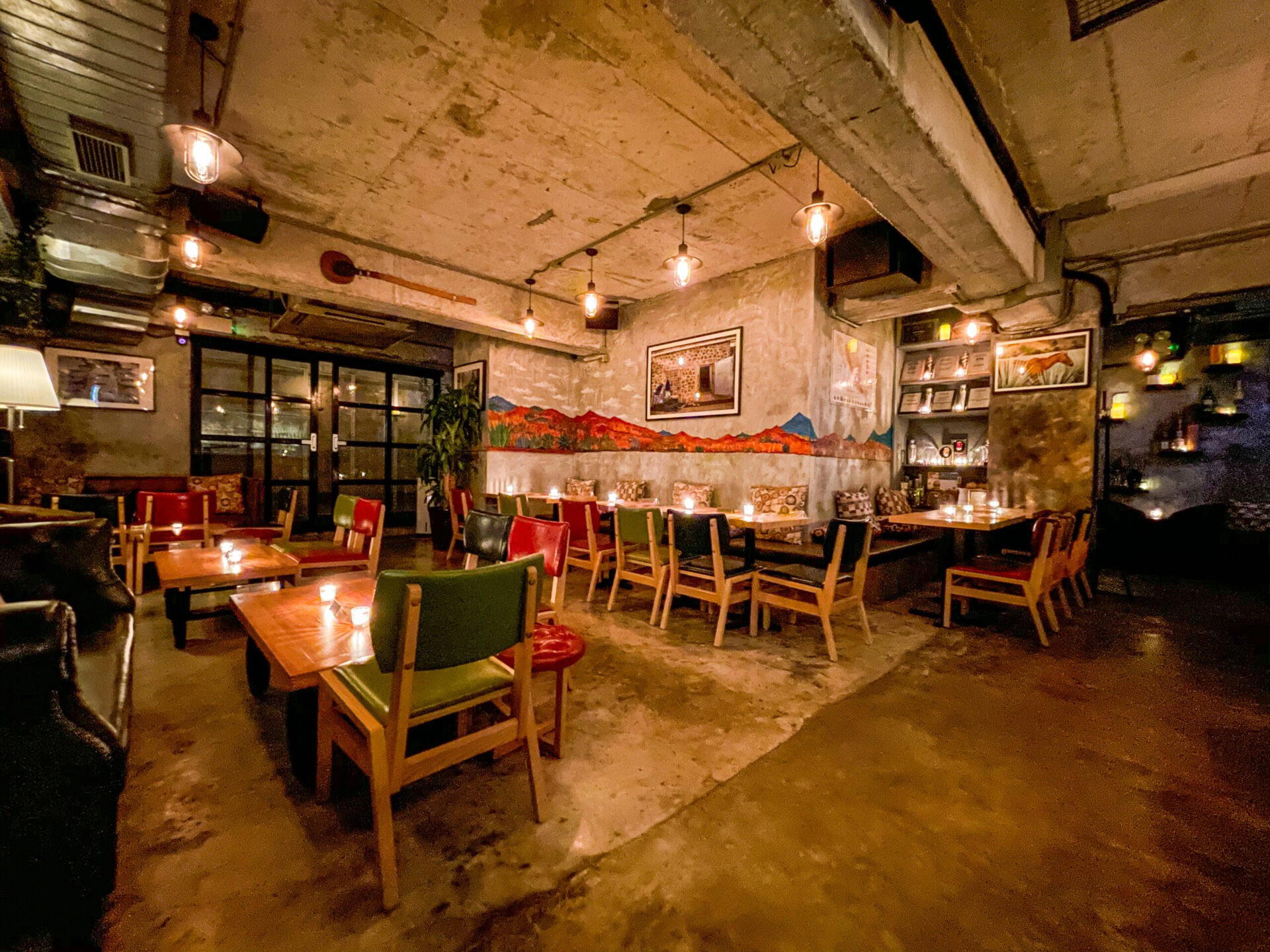
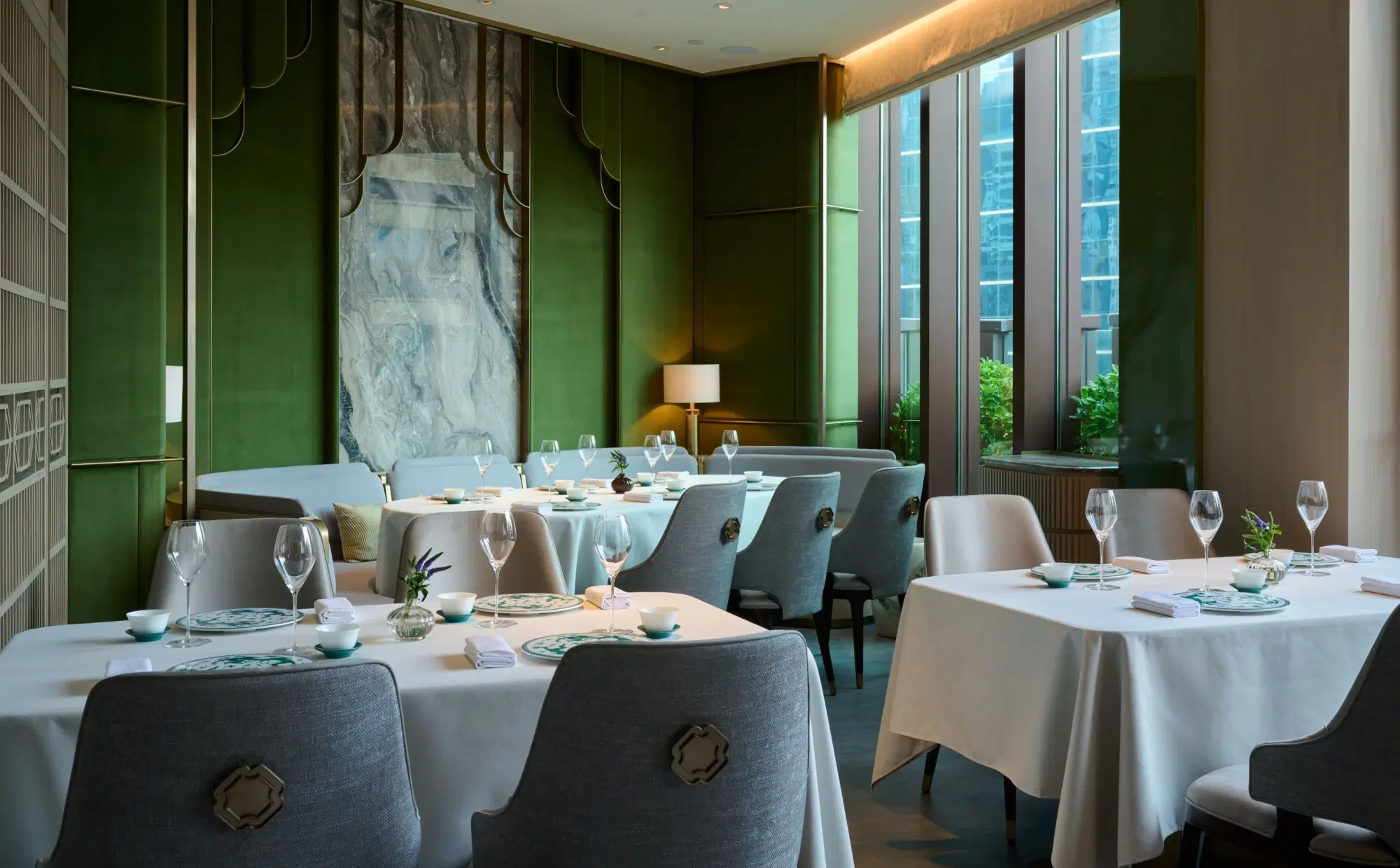
Bars in Hong Kong
All bars in Hong Kong →
Hotels in Hong Kong
All hotels in Hong Kong →
Wineries in Hong Kong
All wineries in Hong Kong →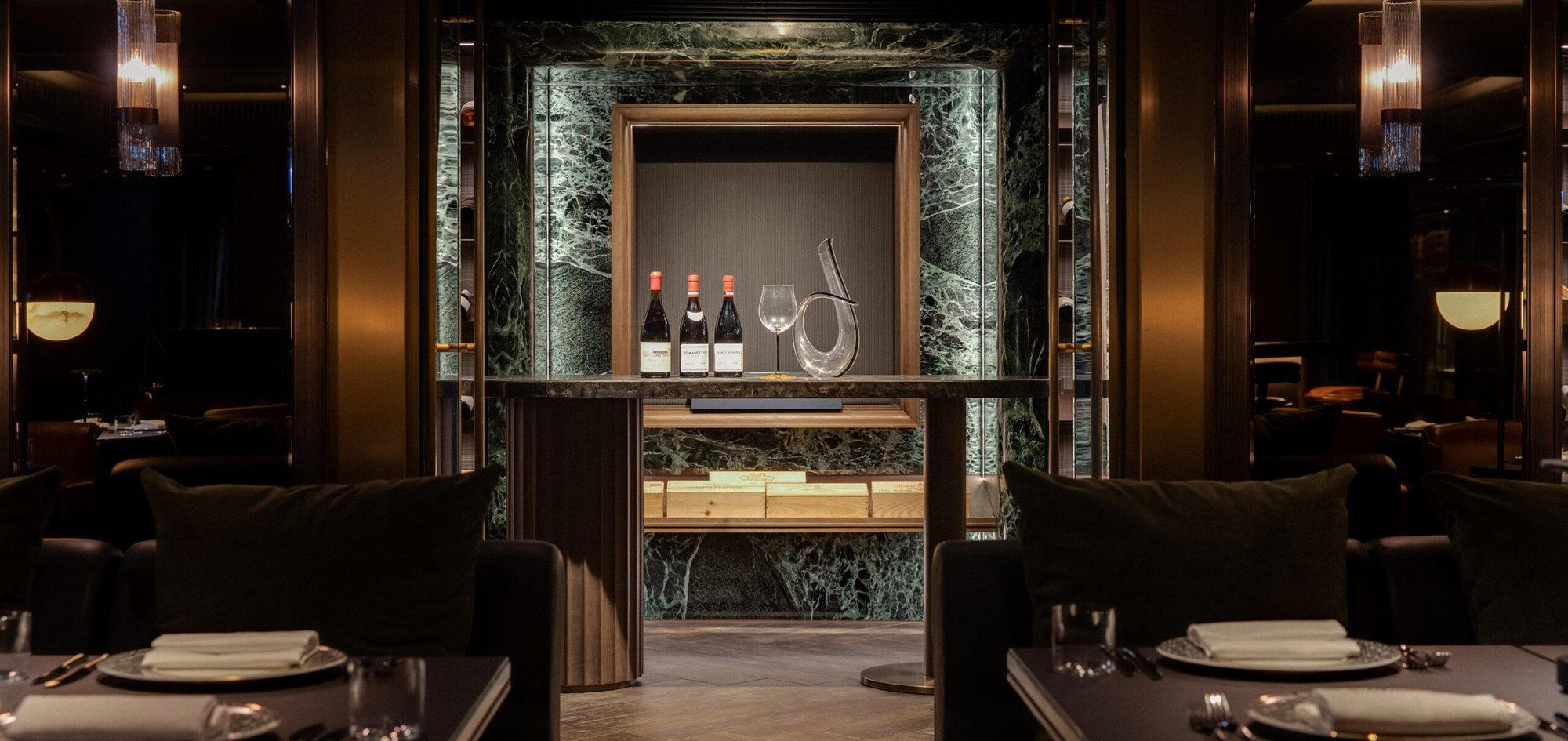
Embla
The wine
- Wine program
- Deep wine list
- Extensive wine list
- Sommelier-led
Details
- Cozy
- Intimate
- Sophisticated
- Elegant
- Modern
- Date Night
- Special Occasion
- Business Dinner
- Open Kitchen
- Extensive Wine List
- Sommelier Led
- Local Sourcing
- Tasting Menu
Current opening hours
- Monday
- Closed
- Tuesday
- 6 PM–12 AM
- Wednesday
- 12 PM–12 AM
- Thursday
- 12 PM–12 AM
- Friday
- 12 PM–12 AM
- Saturday
- 12 PM–12 AM
- Sunday
- Closed
Hours can change for holidays and private events. Hours as of .
Dim, inviting interiors with navy blue tones creating a peaceful, warm, relaxing, and cozy atmosphere.