
Elsass holds a Michelin Plate (2025) on Avenue Parmentier in Paris's 10th arrondissement, where modern cuisine meets the culinary crossroads of French regional tradition and contemporary technique.
Pearl is the En Primeur Club membership app — saves, bookings, and concierge access live there. Same editors, same standards.
- Address
- 153 Ave Parmentier, 75010 Paris, France
- Phone
- +33 9 55 66 77 68
- Website
- elsass.restaurant
- Directions
- Get directions
 Saves & bookings on Pearl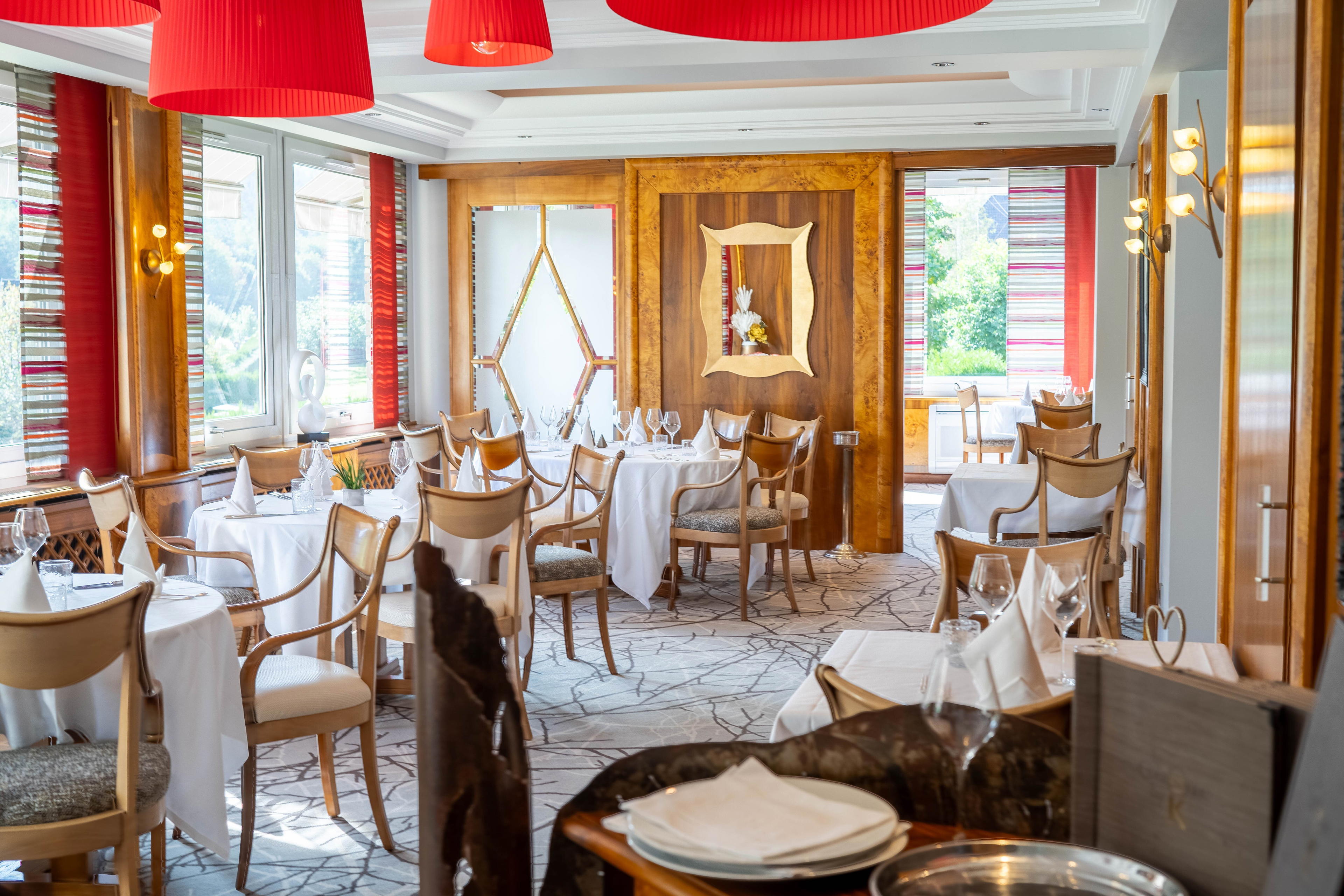
Avenue Parmentier and the 10th's Quiet Ambition
The 10th arrondissement has spent the better part of a decade repositioning itself. What was once a corridor between Canal Saint-Martin and the Gare du Nord, a neighbourhood of transit and affordable bistros, has steadily attracted a different kind of kitchen: smaller, more focused, less interested in white tablecloths than in what actually ends up on the plate. Elsass, a modern Alsatian bistronomie restaurant in Paris's 10th arrondissement at 153 Avenue Parmentier, sits inside that shift. The address places it away from the concentrated dining clusters of the Marais or Saint-Germain, in a stretch where the foot traffic is local and the audience is self-selecting.
That self-selection matters. Restaurants in this part of Paris tend to earn their following through food rather than location. The 10th does not carry the built-in tourist density of the 1st or the fashionable gravity of the 11th's rue Oberkampf strip. What it has, increasingly, is a cluster of kitchens where the cooking is the primary argument.
Where Regional Identity Meets Contemporary Method
The name Elsass is the German and Alsatian word for Alsace, France's easternmost region and one of its most distinctively coded food cultures. Alsatian cooking sits at a historical intersection, French technique applied to Germanic produce, where choucroute, baeckeoffe, and riesling-braised preparations share a table with classical French saucing traditions. The region has produced some of France's most technically rigorous restaurants; Auberge de l'Ill in Illhaeusern has held Michelin stars for decades and remains a reference point for what Alsatian fine dining can mean at its most sustained.
A Paris restaurant drawing on that lineage while working under the modern cuisine classification is doing something specific: it is importing a regional grammar into an urban, contemporary frame. This is not uncommon in Paris, the capital has always functioned as a place where provincial traditions get reinterpreted for a more mobile, internationally-aware dining public. What changes is the technique applied. Modern cuisine, in the Michelin classification, signals a kitchen that uses contemporary methods to reframe ingredients rather than reproduce heritage dishes unchanged. The editorial question, with a restaurant named after a region, is always whether the regional identity functions as flavour or as concept. At Elsass, the former is the more interesting possibility.
This tension between imported method and indigenous product is one of the more productive fault lines in French gastronomy. You see it at different scales: at Bras in Laguiole, where the Aubrac plateau's wild herbs and volcanic terroir underpin a modernist vocabulary; at Flocons de Sel in Megève, where Alpine ingredients are subjected to rigorous contemporary process. The same logic applies when Alsatian produce, white asparagus, Munster, Gewurztraminer, river trout, arrives in a Paris kitchen and is handled by chefs trained in modern technique rather than in the regional tradition alone.
Elsass in Paris's Mid-Tier Modern Dining Scene
At €€€ pricing, Elsass occupies a well-defined band in the Paris dining market. The city's upper tier, three-star rooms like Amâlia, or the palace-hotel dining of 114, Faubourg, operates at €€€€ with booking lead times that reflect their status. Below that, the €€€ segment is where Paris concentrates much of its most interesting current cooking: Michelin-recognised but not yet trophy-level, with enough pricing flexibility to attract a regular clientele rather than a purely occasion-driven one.
Within that band, a Michelin Plate signals something precise. It is not a star, but it is not absence of recognition either. Since 2016, the Plate has indicated that Michelin's inspectors found food quality worth noting, a consistent kitchen, executed with care, without the additional layer of creativity or signature that pushes a restaurant to one-star consideration. For a diner, it functions as a quality floor rather than a ceiling: you are unlikely to eat badly, and you may eat considerably better than the designation implies, depending on the night.
How Elsass Compares at a Glance
| Venue | Cuisine | Price | Recognition |
|---|---|---|---|
| Elsass | Modern Cuisine | €€€ | Michelin Plate 2025, 4.8 Google (167) |
| Kei | Contemporary French / Modern | €€€€ | Michelin 3 Stars |
| Alléno Paris au Pavillon Ledoyen | Creative | €€€€ | Michelin 3 Stars |
| L'Ambroisie | French / Classic | €€€€ | Michelin 3 Stars |
| Accents Table Bourse | Modern Cuisine | €€€ | Michelin recognised |
| Anona | Modern Cuisine | €€€ | Michelin recognised |
The comparison illustrates the tier gap clearly. Three-star Paris operates at a different price point and with a different audience expectation. Elsass and its €€€ peers in the modern cuisine space, including Accents Table Bourse and Anona, are the more relevant competitive set for most diners approaching the 10th arrondissement.
Regional Technique in a Global Context
The intersection of regional French identity and contemporary global technique is a conversation happening well beyond Paris. Internationally, the modern cuisine classification has expanded to cover restaurants that treat local or regional produce as primary material and use international technique as processing logic. Frantzén in Stockholm and FZN by Björn Frantzén in Dubai represent one version of this, Nordic product logic applied with Japanese-influenced precision. Mirazur in Menton applies a biodynamic and garden-to-table framework to the French Riviera's produce with Argentinian-Italian technique in the kitchen. Troisgros in Ouches reworks classic French gastronomy through a contemporary sensibility that has evolved across generations.
Elsass operates at a different scale to these reference points, but the underlying question is the same: what happens when a clearly identified regional product culture is processed through contemporary cooking methods rather than transmitted through traditional recipes? That question gives restaurants named after a region, and cooking under a modern classification, their particular editorial interest.
Planning Your Visit
Elsass is located at 153 Avenue Parmentier in Paris's 10th arrondissement, a short walk from the Goncourt or Parmentier Métro stops on line 11. The €€€ pricing positions it above the neighbourhood's casual dining layer but considerably below Paris's palace-tier restaurants. Booking through the restaurant directly is advisable; given the Michelin recognition, tables at peak service times will move faster than the address or neighbourhood profile might suggest.
For Alsatian cooking at its most institutionalised, Auberge de l'Ill remains the regional benchmark and offers useful contrast with what a Paris kitchen does with the same heritage. For context on how modern French kitchens at the highest level engage with regional produce, Paul Bocuse's Auberge du Pont de Collonges and Auberge de Montfleury illustrate different points on the same continuum.
At a Glance
Comparable venues nearby, for context on price, style, and recognition.
| Venue | Cuisine | Price | Notes |
|---|---|---|---|
| ElsassThis venue — the venue you are viewing | Modern Cuisine | $$$ | Not listed |
| Calice | Not listed | $$$ | 5th arrondissement, Modern French-Japanese Bistro |
| L'Auberge des Crus | Not listed | $$$ | 16ème, Traditional French Bistro |
| Towa | Not listed | $$$ | 12th Arrondissement, French with Japanese Flair |
| Au Fulcosa | Not listed | $$$ | Saint-Germain-en-Laye, Modern French Bistro |
| Clown Bar | Not listed | $$$ | 11th Arr., Modern French Bistro |
Recognition history
Dated appearances from independent guides and award organizations, with the underlying list record or original source where available.
Michelin Plate
Michelin
Michelin Plate
Michelin
Continue exploring
More in Paris
Restaurants in Paris
Browse all →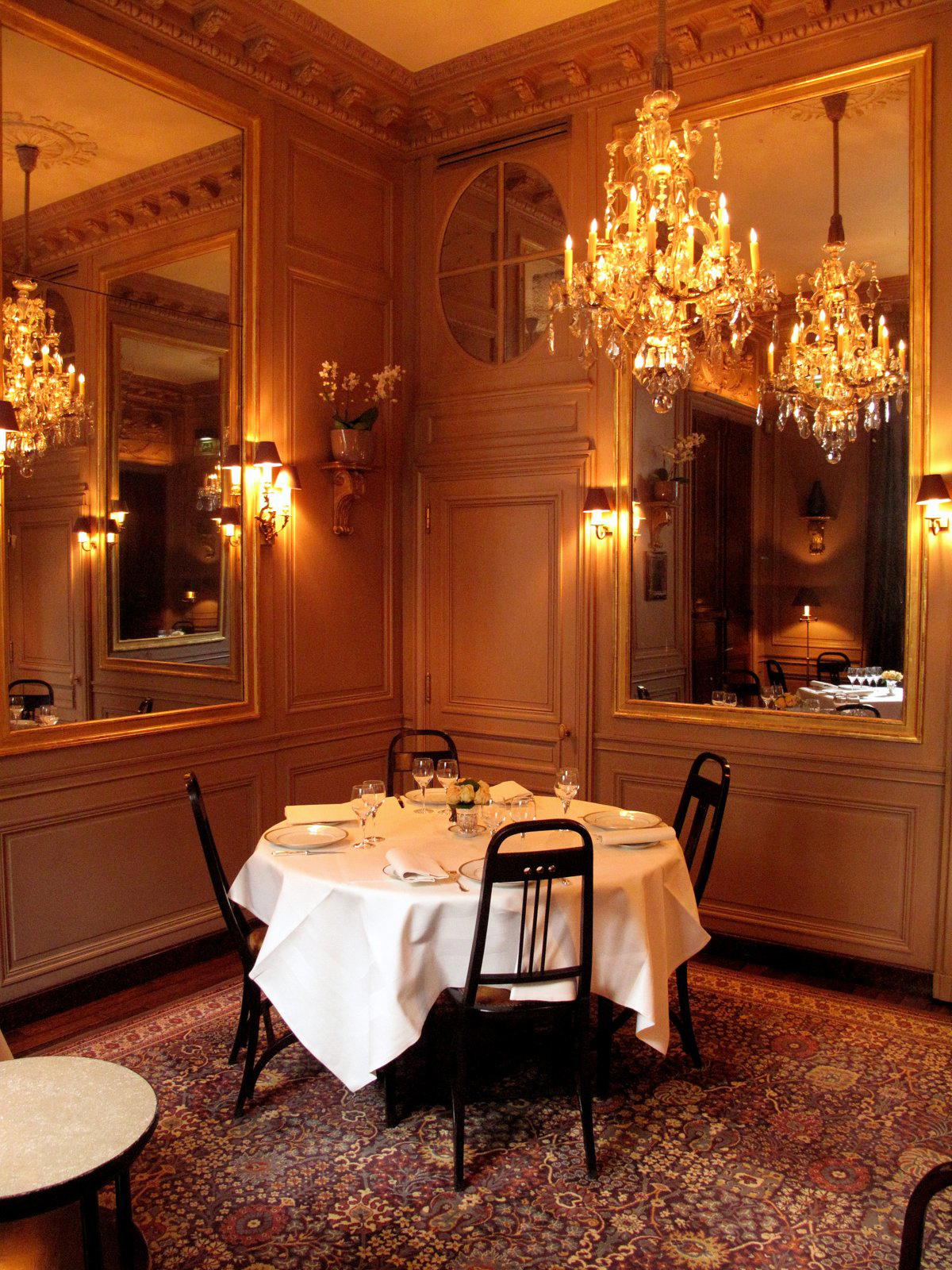
Bars in Paris
Browse all →
Hotels in Paris
Browse all →



At a Glance
- Modern
- Elegant
- Minimalist
- Sophisticated
- Intimate
- Date Night
- Special Occasion
- Business Dinner
- Open Kitchen
- Standalone
- Extensive Wine List
- Natural Wine
- Sommelier Led
- Local Sourcing
- Biodynamic
Current opening hours
- Monday
- Closed
- Tuesday
- 7:30 PM–12 AM
- Wednesday
- 12–2:30 PM, 7:30 PM–12 AM
- Thursday
- 12–2:30 PM, 7:30 PM–12 AM
- Friday
- 12–2:30 PM, 7:30 PM–12 AM
- Saturday
- 12–2:30 PM, 7:30 PM–12 AM
- Sunday
- Closed
Hours can change for holidays and private events. Last verified .
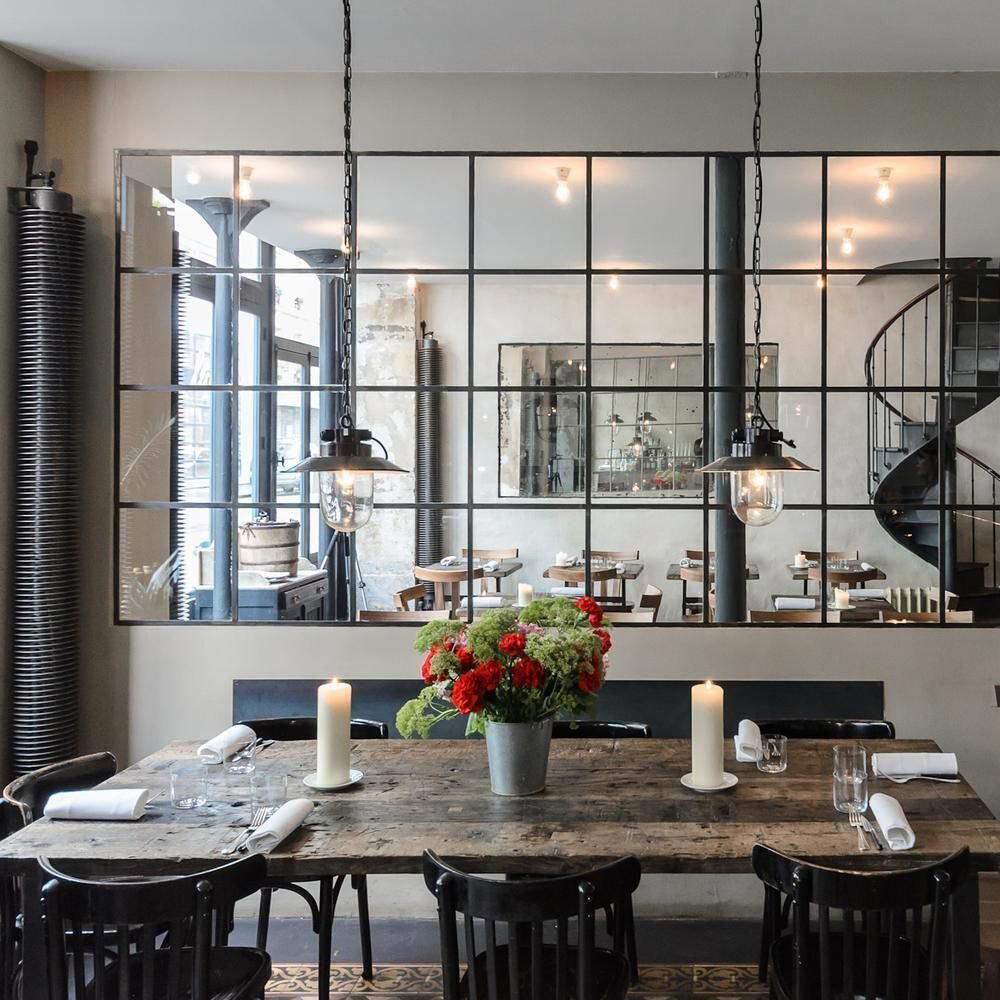
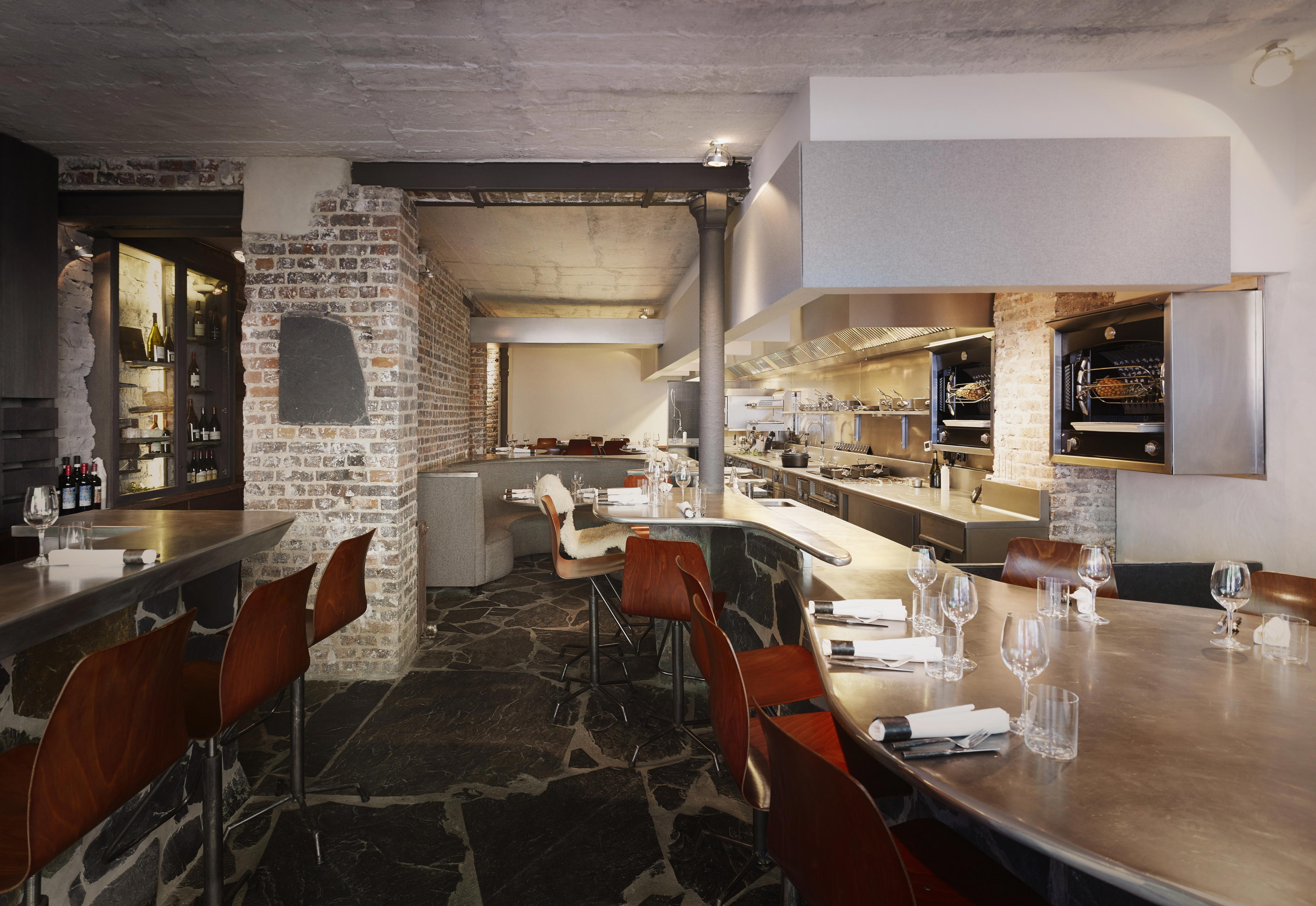
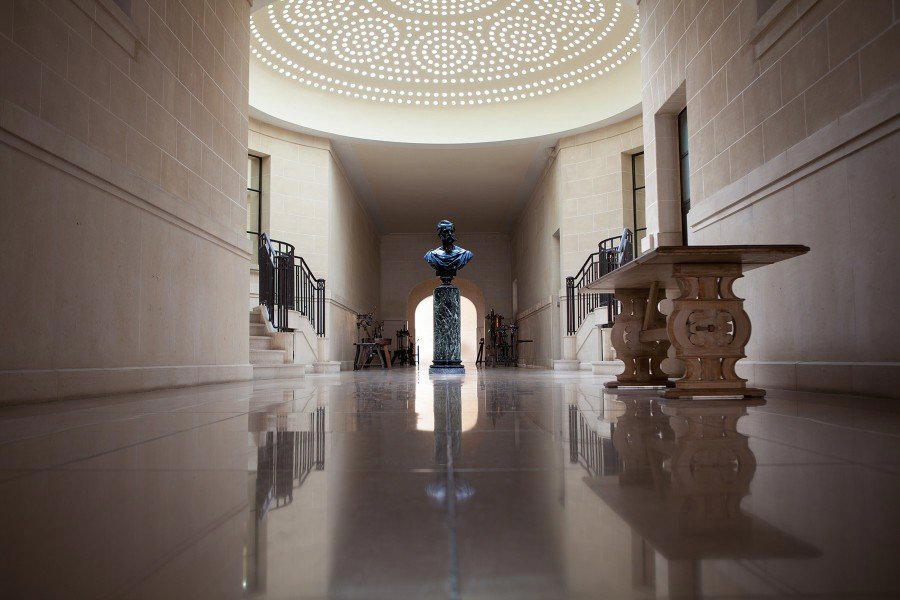
Clean-lined industrial loft-style space with open kitchen, softened by light wood hues and flower arrangements; well-spaced tables with ample lighting; minimalist but not depressing.