Elm Street Cask & Kitchen
Our verdict
On the corner of Elm Street in downtown Dallas, Cask & Kitchen occupies a position where the city's appetite for serious American cooking meets its long-standing instinct for hospitality done at scale. The address places it squarely in the Deep Ellum-to-downtown corridor where Dallas's dining ambitions have sharpened considerably over the past decade. A name that references both barrel-aged drinks and considered kitchen work signals intent before the door opens.

The menu
What to order
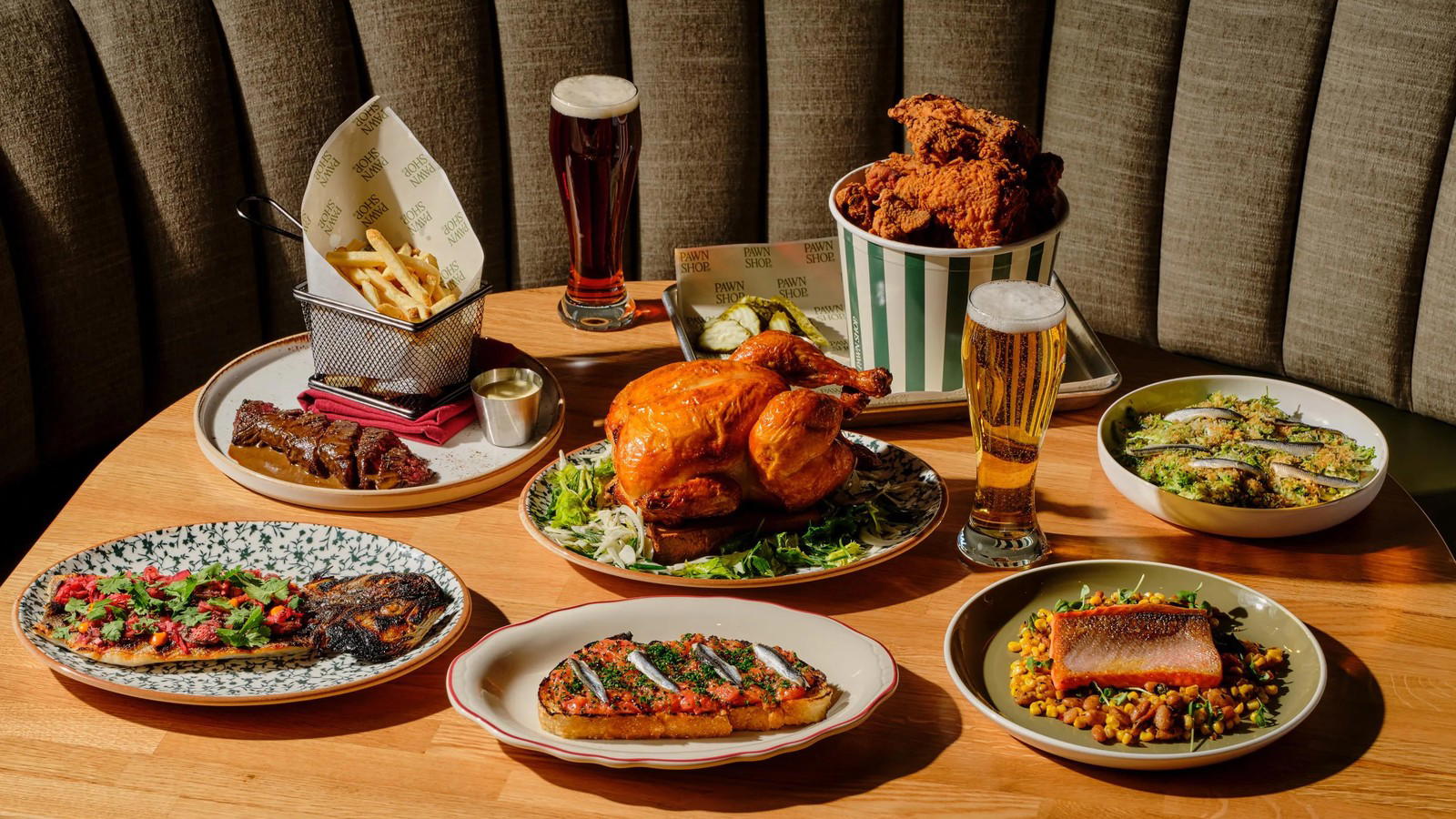
- Beer Can Chicken
- Fried Green Tomatoes
- Shrimp and Grits
Where Downtown Dallas Sets Its Register
Dallas's downtown dining corridor has undergone a structural shift that becomes clear when you map the addresses that have opened along and around Elm Street over the past several years. The block between the Arts District and Deep Ellum no longer functions as a transit zone between destinations, it has become a destination in its own right, anchored by venues that have pushed the city's expectations for what an American kitchen can do in a post-steakhouse era. Elm Street Cask & Kitchen, at 1525 Elm St, sits inside that transition.
The name itself carries editorial weight. "Cask" signals a program built around aged spirits or serious wine, not just a back bar assembled for visual effect. "Kitchen" insists on parity between the glass and the plate. That pairing is a meaningful positioning choice in a city where the bar program has historically operated as a secondary concern to the protein on the grill. In Dallas's current tier of ambitious all-day rooms, the venues that have separated themselves are precisely those where the front-of-house, the bar, and the kitchen operate with coordinated intent rather than parallel indifference.
The Collaboration Model in Practice
The editorial angle that distinguishes Elm Street Cask & Kitchen from comparable Dallas addresses is the working relationship between kitchen, bar, and floor. American dining at this register has moved, across most serious markets, away from the model where the chef runs the room as a solo auteur. The properties that have sustained attention, from Smyth in Chicago to Lazy Bear in San Francisco to Single Thread Farm in Healdsburg, share a structural feature: the sommelier, bar lead, and front-of-house are visible contributors to the guest experience, not support staff for a kitchen-led production.
Dallas has been slower to adopt this model than, say, New York or Chicago. The city's hospitality culture has long organized itself around the commanding chef personality, the theatrical steakhouse carve, the high-volume brunch. The venues that are beginning to break from that pattern, including Elm Street Cask & Kitchen's Elm Street neighbors, represent a meaningful shift toward collaborative formats where the drink pairing is curated with the same care as the menu itself, and where the floor team carries enough knowledge to drive the conversation rather than merely execute orders.
That shift matters for the reader because it changes the nature of the visit. A room structured around kitchen-floor-bar collaboration tends to produce a more flexible guest experience: the ability to build a meal around a cask-aged spirit flight, or to let the sommelier lead the pacing, is different from the linear progression of a chef's tasting menu where the guest is largely a spectator. For Dallas visitors cross-referencing this address against options like Mamani, Tatsu Dallas, or the more overtly theatrical format at 3Eleven Kitchen and Cocktails, the distinction is meaningful.
Mapping Elm Street Cask & Kitchen against the active Dallas competitive set helps clarify where it sits. Tei-An and Tatsu Dallas operate at the leading price tier ($$$$) with Japanese-led formats that reward patience and booking discipline. Fearing's, also $$$$, carries the weight of a long-established Southwestern identity. Lucia holds the $$$ Italian position with a well-regarded wine program. Pecan Lodge anchors the barbecue register. Elm Street Cask & Kitchen's address and name suggest it occupies a different lane from all of these, a room where American cooking and serious bar work converge at a price point designed for repeat visits rather than once-a-year occasions.
That positioning is increasingly viable in Dallas. The city's downtown population has grown faster than most Sun Belt metros anticipated, and the dining infrastructure has followed. The venues that will define Dallas's next chapter are not the legacy steakhouses or the hotel dining rooms built for corporate accounts, they are the mid-to-upper-tier independents where the team is the product. For context on how this plays out at the national level, see how Le Bernardin in New York City, Providence in Los Angeles, and Addison in San Diego have each built collaborative floor-kitchen structures that outlast individual chef tenures.
Eating and Drinking on Elm Street
The name's dual emphasis, cask and kitchen, suggests a format where neither element is subordinate. In practice, this means the drink program is likely to feature aged or barrel-influenced spirits alongside a considered wine list, while the kitchen operates at a register serious enough to demand that pairing attention. Dallas diners arriving from 360 Brunch House or a late lunch at 12 Cuts Brazilian Steakhouse will find a different cadence here, one where the bar is a destination in its own right rather than a holding area before the table.
The broader American tradition that informs this format has deep roots. Venues like Emeril's in New Orleans and, at a different price tier, The Inn at Little Washington have long demonstrated that American kitchens can operate with the same structural integrity as their European counterparts. The difference in 2024 is that this standard has filtered down from the Michelin-starred tier, represented nationally by properties like Atomix in New York City, The French Laundry in Napa, and Blue Hill at Stone Barns in Tarrytown, into the tier of ambitious independents that define neighborhood-level dining in cities like Dallas. Even Atelier Moessmer Norbert Niederkofler in Brunico demonstrates how the collaboration model translates across contexts. For our complete assessment of where Elm Street Cask & Kitchen fits within the city's broader dining map, see our full Dallas restaurants guide.
Planning Your Visit
| Venue | Cuisine / Style | Price Tier | Booking Approach |
|---|---|---|---|
| Elm Street Cask & Kitchen | American / Bar-Kitchen | Not confirmed | |
| Lucia | Italian | $$$ | Reservations recommended |
| Tei-An | Japanese / Izakaya | $$$$ | Reservations advised |
| Fearing's | Southwestern / American | $$$$ | Reservations accepted |
| Tatsu Dallas | Japanese | $$$$ | Reservations advised |
Address: 1525 Elm St, Dallas, TX 75201.
Frequently asked questions
What's Elm Street Cask & Kitchen's location?
Elm Street Cask & Kitchen is located at 1525 Elm St, Dallas, TX 75201, Dallas.
Does Elm Street Cask & Kitchen have a dedicated cask beer or spirits program?
The venue's name foregrounds the cask element as a defining feature rather than incidental branding, which in the Dallas independent bar scene typically signals a deliberate focus on cask-conditioned ales, barrel-aged spirits, or both.
What should I eat at Elm Street Cask & Kitchen?
The name's dual emphasis on cask and kitchen suggests a format where the food menu and drink program carry equal weight, which typically points to a kitchen building dishes that hold up against serious bar pairings. check the venue's official channels at 1525 Elm St, Dallas, TX 75201 for current menu details.
Is Elm Street Cask & Kitchen reservation-only?
At the downtown Dallas address tier, independent concepts operating a cask-focused bar program often split capacity between walk-in bar seating and reserved dining. Contacting the venue directly before your visit is advisable, particularly on weekends.
What makes Elm Street Cask & Kitchen worth seeking out?
The 1525 Elm St address places it in a downtown Dallas corridor that has drawn serious independent dining over the past several years, with operators from Tei-An to Tatsu Dallas establishing that stretch as a credible destination for considered, non-chain concepts. The cask-and-kitchen format, where the bar program is structured as a counterpart to the kitchen rather than an afterthought, is a meaningful distinction in a market where that integration is less common than it should be.
How does Elm Street Cask & Kitchen handle allergies?
If allergy management is a factor in your booking decision, call or email the venue directly before arriving at 1525 Elm St, Dallas, no kitchen operating at this format level should have difficulty fielding that question in advance.
Is Elm Street Cask & Kitchen worth the price?
In the downtown Dallas market, independent bar-and-kitchen concepts at this address tier generally sit in the $30–$60 per person range before drinks, though a cask-forward bar program can shift that ceiling depending on what you order. The value case ultimately depends on how well the kitchen and bar integration holds up in practice.
Budget Reality Check
Comparable options at a glance, pulled from our tracked venues.
| Venue | Cuisine | Price | Awards | Notes |
|---|---|---|---|---|
| Elm Street Cask & KitchenThis venue (the venue you are viewing) | Southern-inspired American comfort food | Not listed | Not listed | Not listed |
| Lucia | Contemporary Italian | $50–100 | Michelin Bib Gourmand · James Beard Award Semi Finalist | Italian |
| Tei-An | Japanese Soba House | $100–150 | Michelin Plate | Izakaya, Japanese |
| Fearing's | Southwestern American Steakhouse | $100–150 | Michelin Plate · Wine Spectator Award of Excellence | Southwestern, American |
| Tatsu Dallas | Traditional Edomae Omakase | $150–200 | 1 Michelin Star | Japanese |
| Pecan Lodge | Texas BBQ | $20–30 | Diners, Drive-Ins and Dives Featured Restaurant | Barbecue |


Continue exploring
More in Dallas
Restaurants in Dallas
All restaurants in Dallas →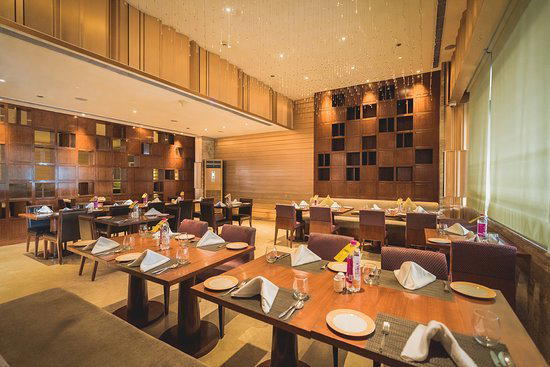
Bars in Dallas
All bars in Dallas →
Details
- Cozy
- Casual
- Modern
- Business Dinner
- Brunch
- Happy Hour
- Private Dining
- Craft Cocktails
- Beer Program
- Local Sourcing
- Street Scene
- A La Carte
- Bourbon
- Whiskey
- Vegetarian Friendly
- Vegan Options
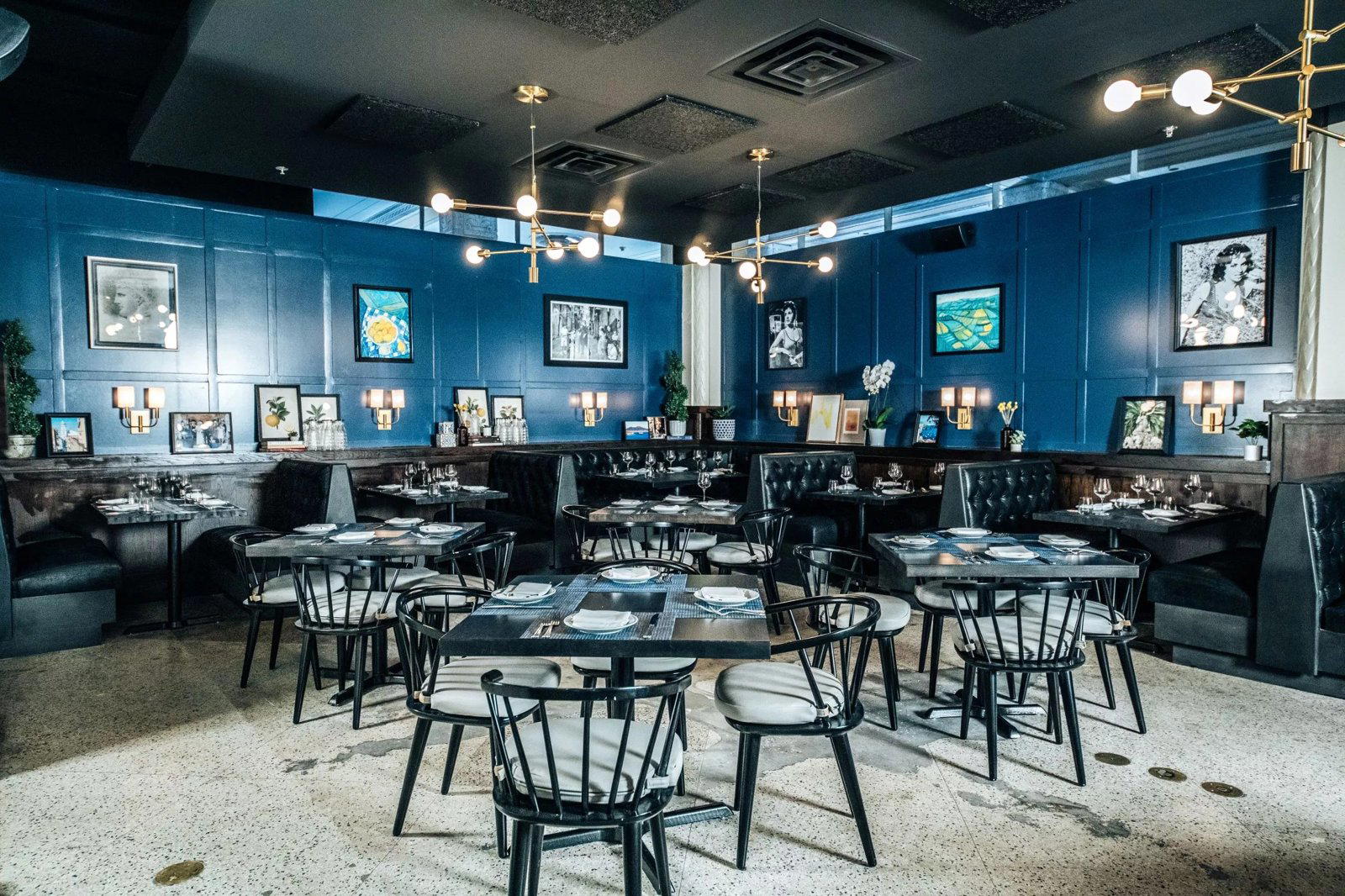
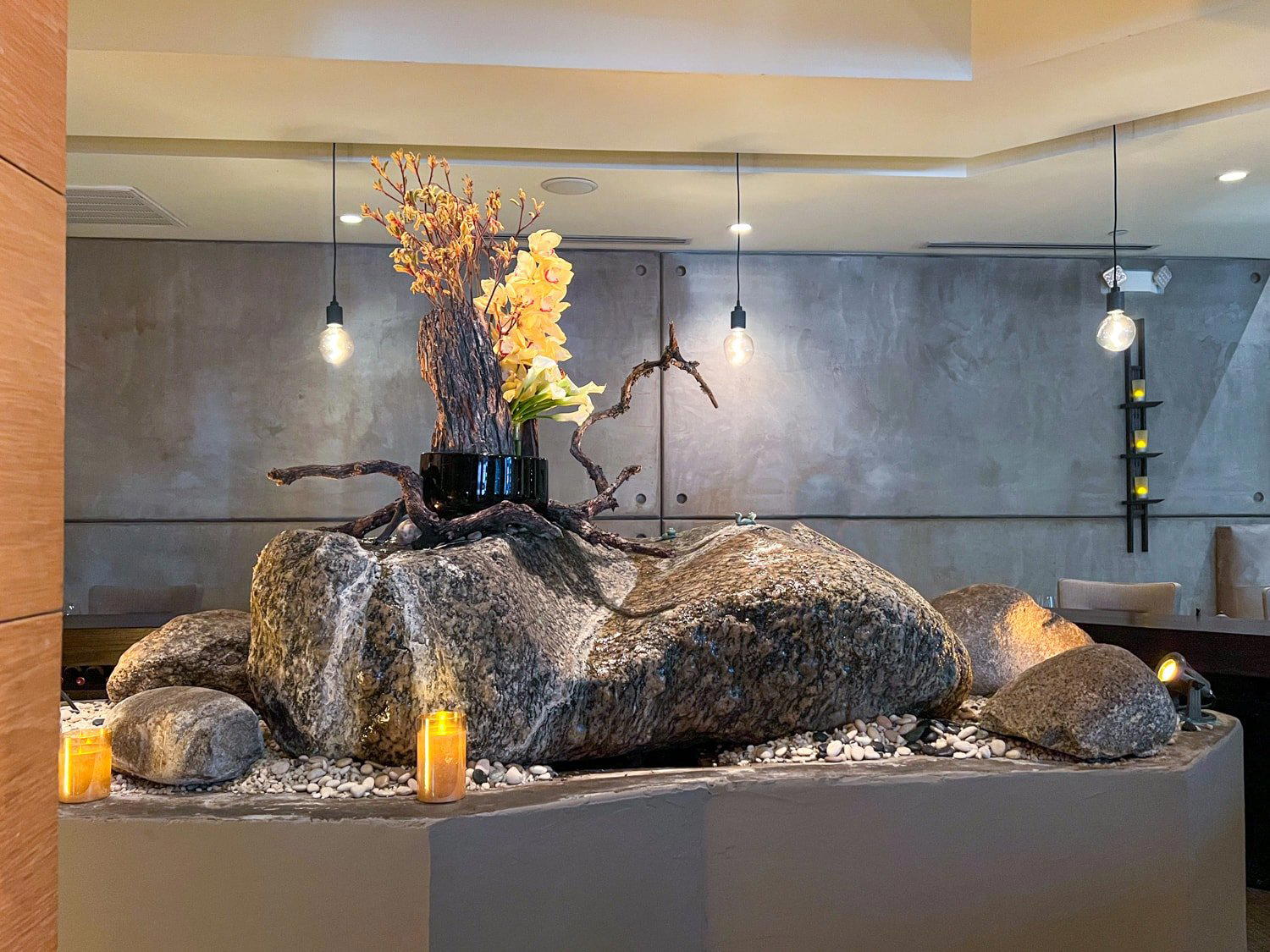
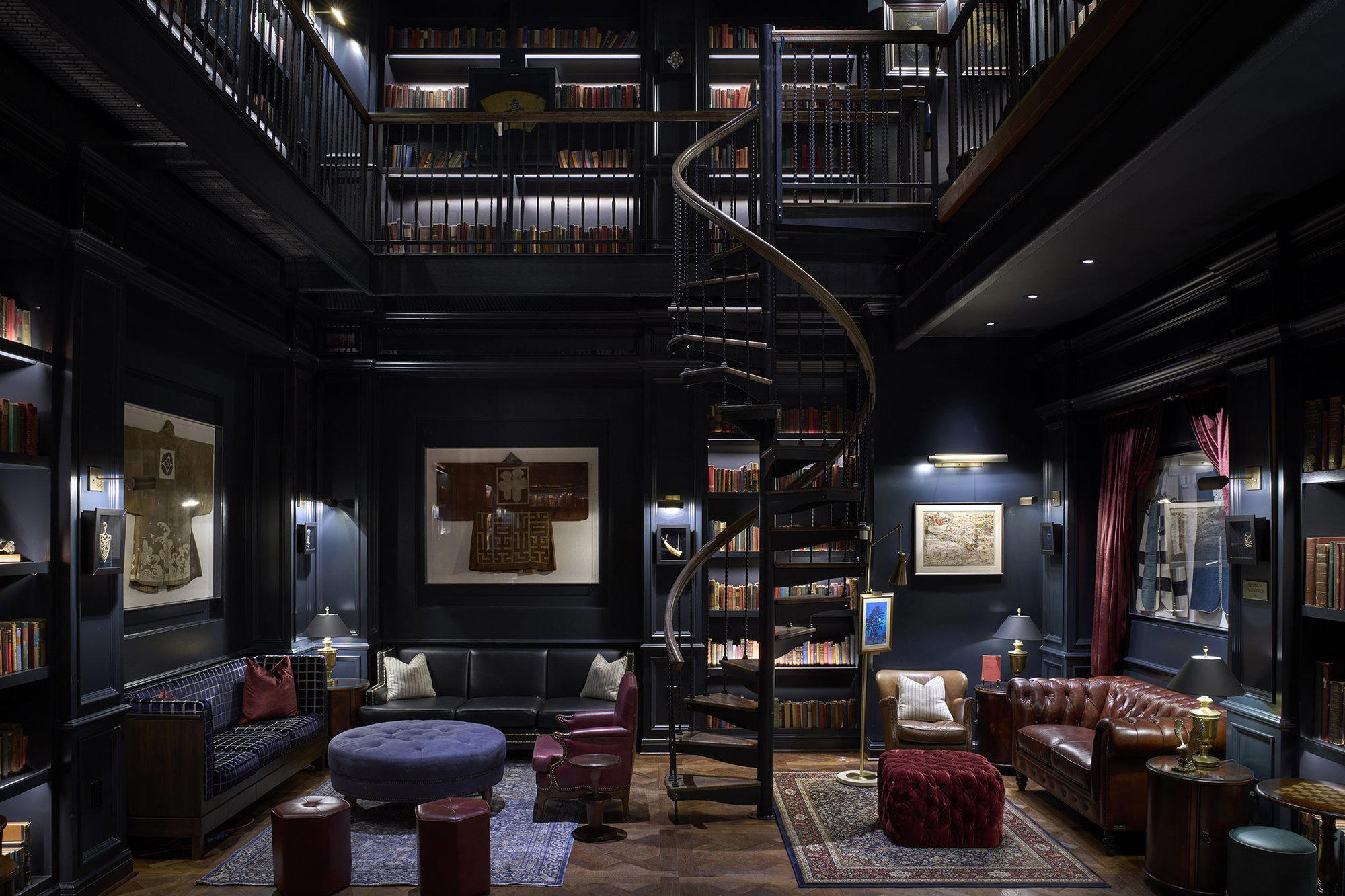
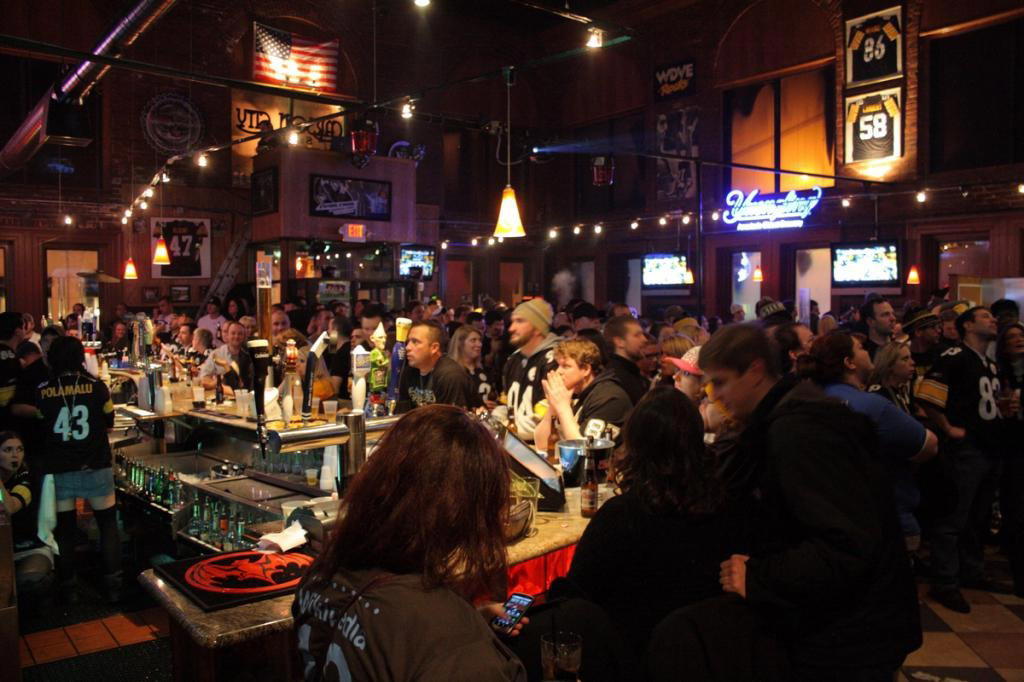
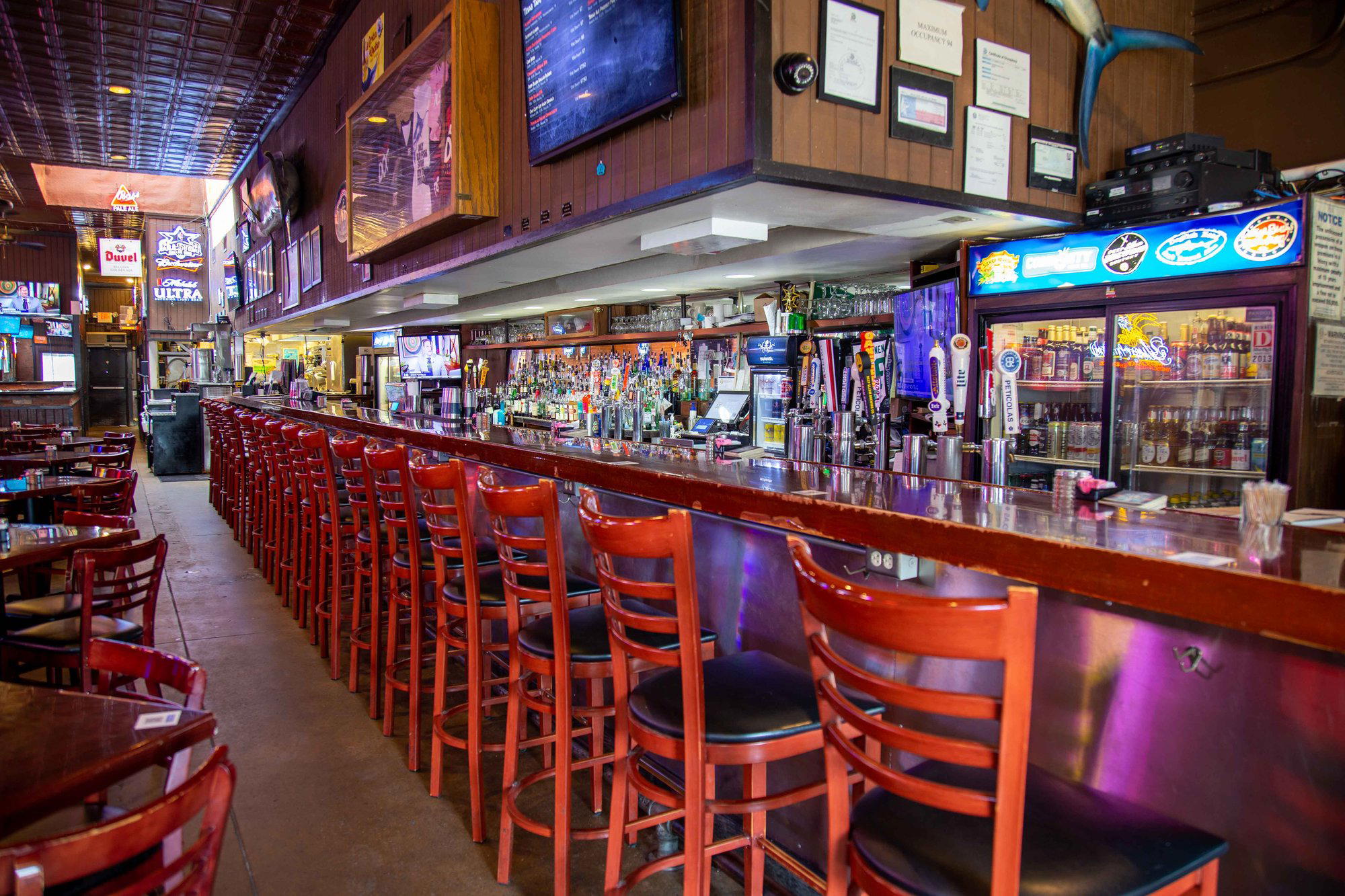
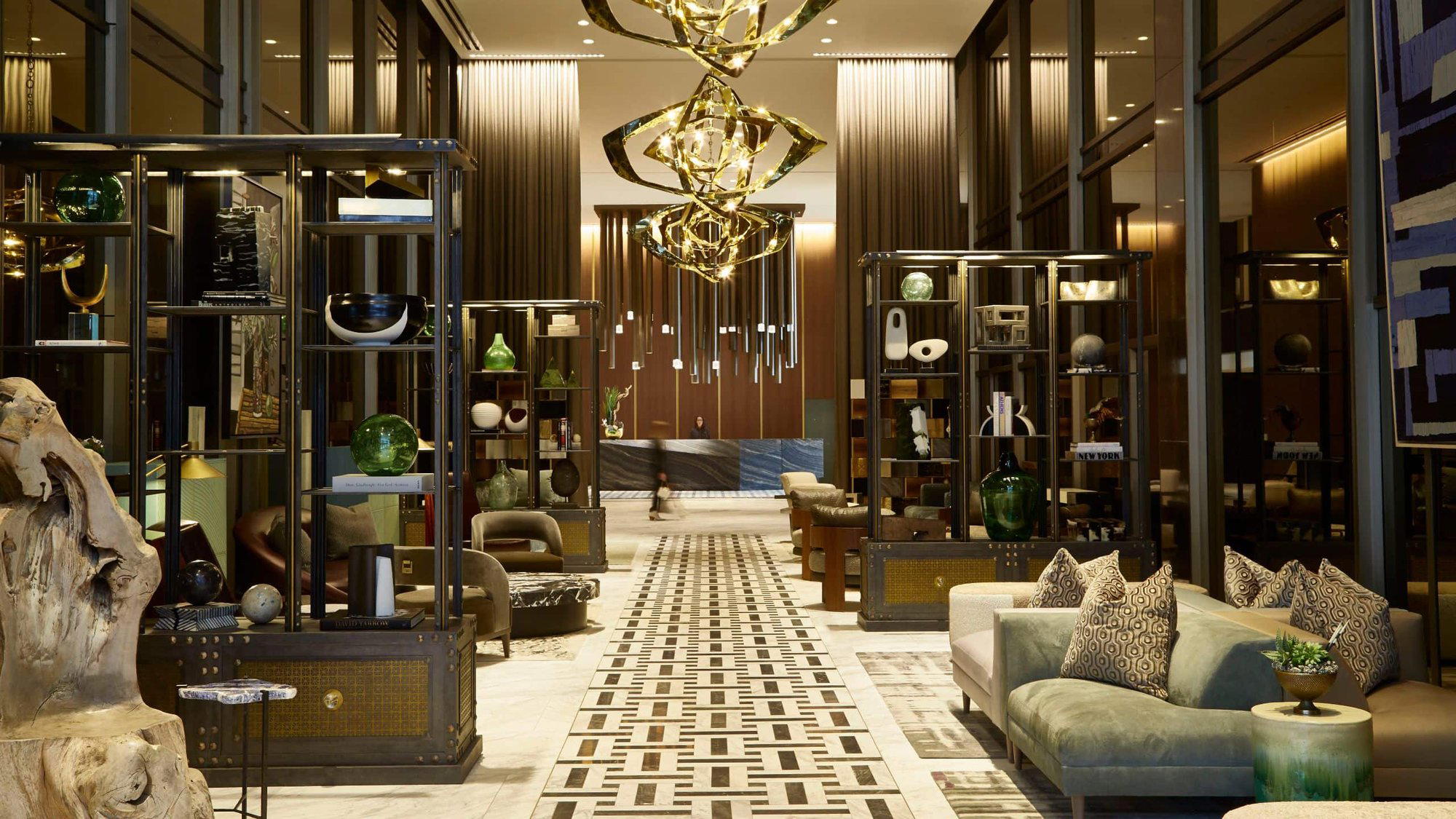
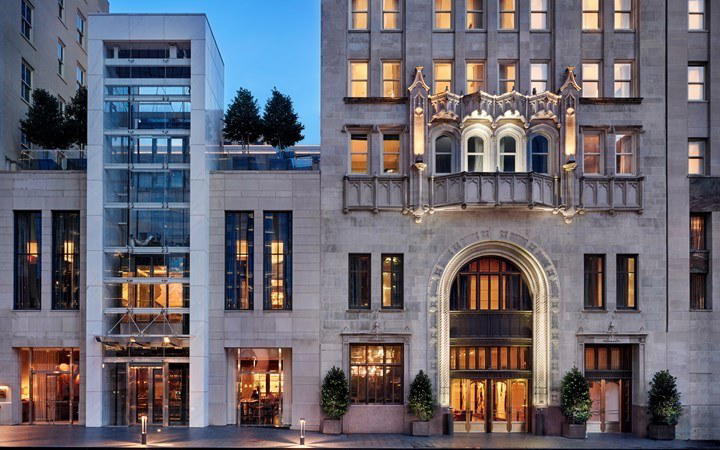
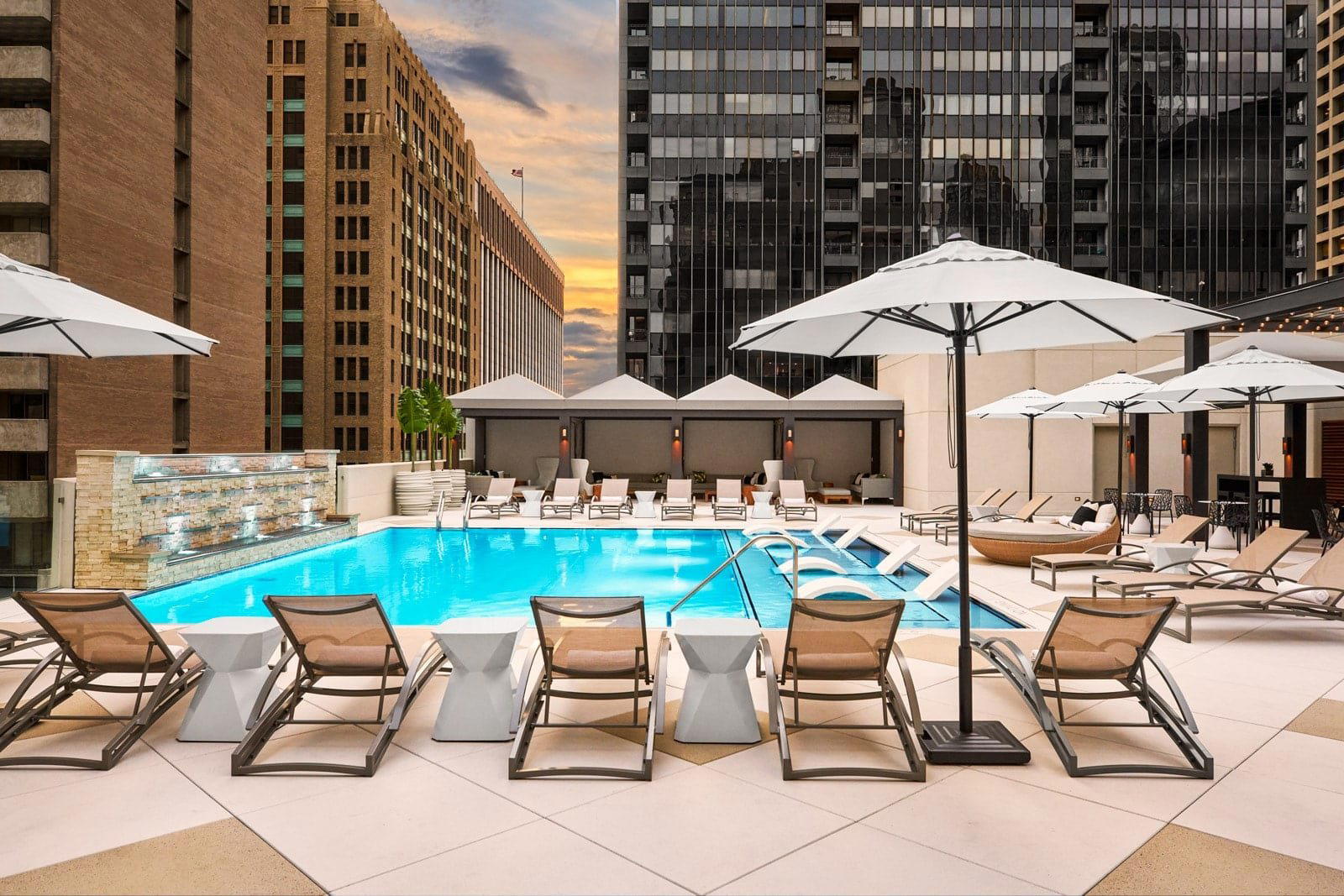
Contemporary casual design with expansive bar, whiskey-themed decor, and outdoor patio overlooking historic Elm Street.