Our verdict
Elle Chocolates operates from Stationsstraat in Duffel, a small Flemish town with a quietly serious artisan food culture. The shop sits within a broader Belgian tradition of treating chocolate as a craft discipline rather than a confectionery afterthought. For those passing through the Antwerp province, it offers a grounded, ingredient-focused alternative to the mass-market praline shops that dominate airport and tourist corridors.

Pearl is the En Primeur Club membership app — saves, bookings, and concierge access live there. Same editors, same standards.
- Address
- Stationsstraat 40/Unit 2, 2570 Duffel, Belgium
- Phone
- +32496396760
- Hours
- Mon–Tue ClosedWed–Sat 10 AM–6 PMSun 10 AM–3 PM
- Website
- ellechocolates.be
- Directions
- Get directions
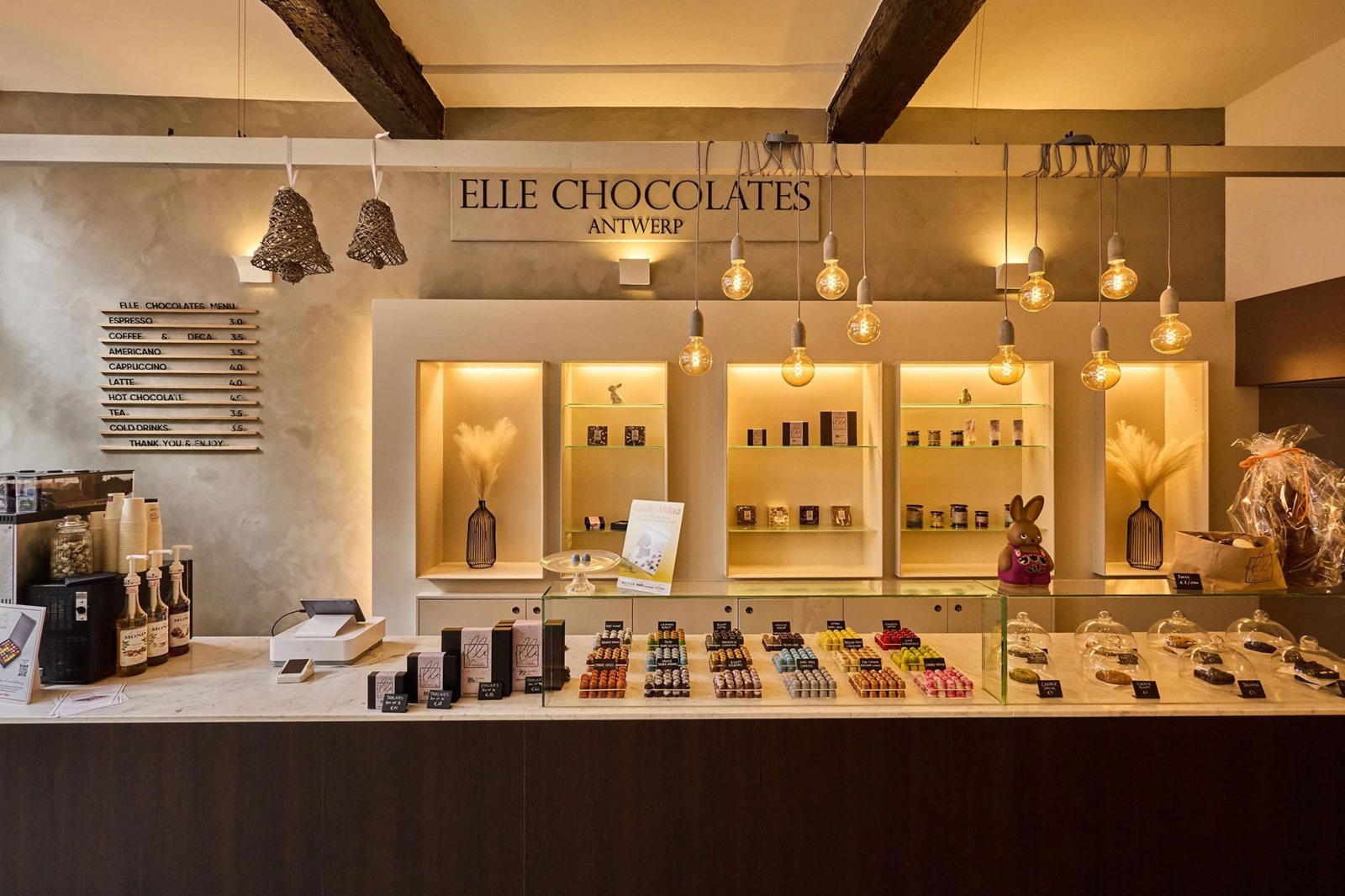
Duffel and the Flemish Chocolate Tradition
Belgium's relationship with chocolate is less about romance and more about process discipline. The country's chocolatiers have historically operated with a precision that mirrors its broader culinary culture: sourcing matters, technique is visible, and the finished product is expected to communicate something specific about its origin. This is the tradition into which Elle Chocolates, at Stationsstraat 40 in Duffel, fits. Duffel itself is a small municipality in the Antwerp province, sitting between the provincial capital and the quieter towns of the Nete valley. It is not a chocolate destination in the way Bruges or Brussels are marketed, which means the producers operating here tend to face a local and regional clientele rather than tourist volume. That context shapes the kind of work that survives.
The Belgian artisan chocolate scene has fractured over the past two decades into broadly two camps: producers who compete on prestige and international distribution, and smaller operations working closer to source, with more limited runs and a sharper focus on cacao provenance. Elle Chocolates occupies the latter register. Duffel's position within commuting distance of Antwerp means it draws customers who have access to the city's more prominent chocolate addresses, including those in Antwerp's fine dining circuit, but choose a smaller-scale producer for specific reasons. That self-selection tends to produce an informed, repeat clientele rather than a browsing one.
Ingredient Sourcing as Editorial Statement
In artisan chocolate, the sourcing question is increasingly the central one. Single-origin cacao from named cooperatives in Ecuador, Madagascar, or Vietnam has become a credibility marker across the European premium sector, much as named vineyards function in wine. The meaningful distinction is not simply between single-origin and blended, but between producers who understand the flavor implications of provenance and those who use origin labeling as marketing shorthand. Belgian artisans at the serious end of the market typically source through specialist importers who maintain direct relationships with farms, allowing traceability down to harvest year and processing method. This is the framework against which the work at Elle Chocolates is most usefully read.
The Antwerp province has developed a small but coherent cluster of producers who approach cacao with this kind of rigor. The logic is similar to what has happened in the broader Belgian culinary scene, where sourcing transparency has become a defining characteristic of the generation of restaurants and producers that emerged from the early 2000s onward. Compare this to the way restaurants like Nuance in Duffel or Boury in Roeselare treat ingredient provenance as a narrative anchor rather than a footnote. The same instinct operates at the level of artisan confectionery: where the cacao comes from, how it was fermented, and how that affects the final ganache or praline are not secondary details.
The Duffel Setting
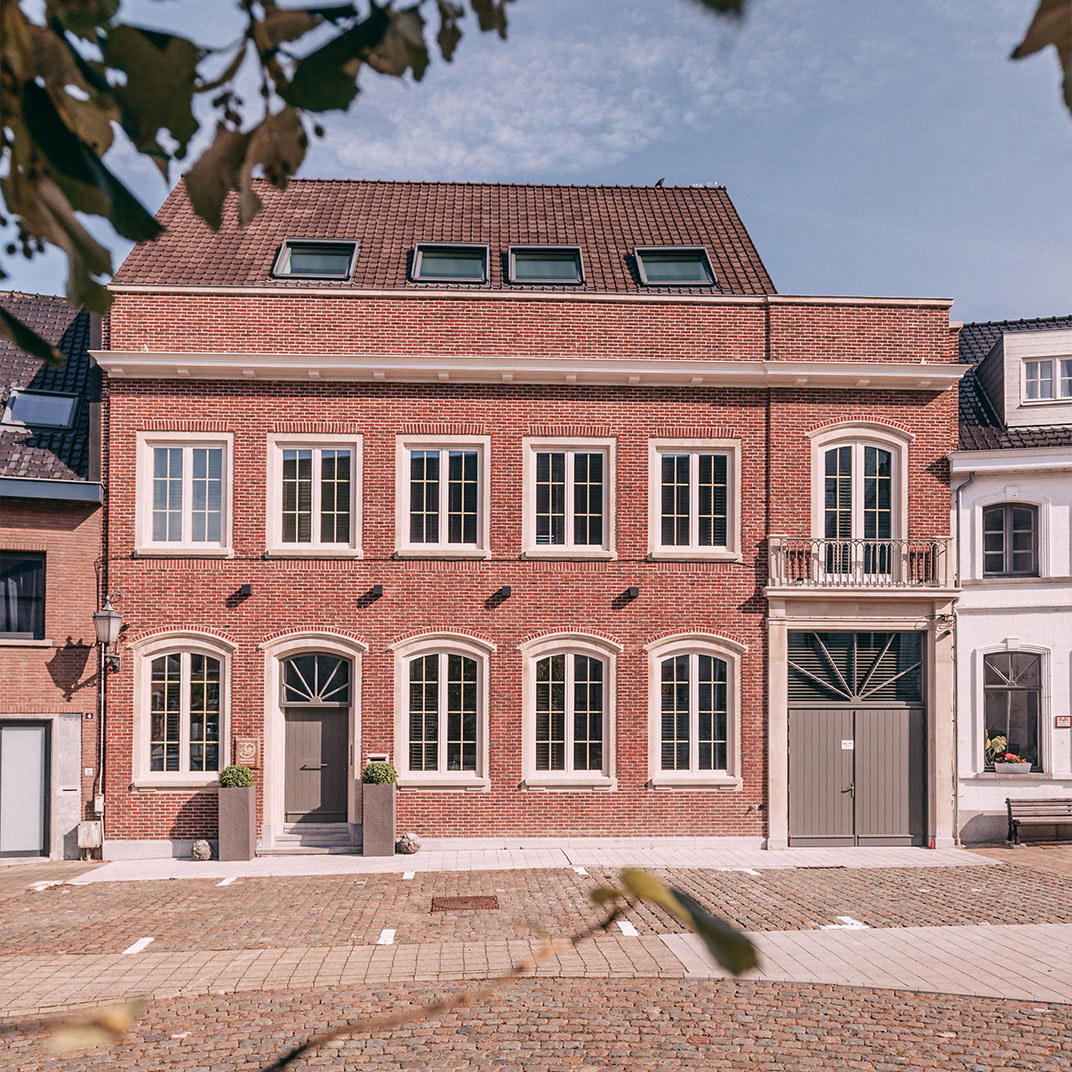
Stationsstraat is a functional street address, not a boutique destination. The unit at number 40 is modest in the way that most serious small producers tend to be: the presentation is clean, the environment is controlled for temperature and humidity as chocolate storage requires, and the emphasis is on the product rather than theatrical retail design. This is consistent with a broader pattern across Flemish artisan food producers, where the shop environment tends to communicate craft seriousness through restraint. For comparison, some of Belgium's most respected food producers operate from similarly unprepossessing premises, a pattern evident across the country's charcuterie, cheese, and beer sectors as much as chocolate.
Visitors arriving from Antwerp can reach Duffel by train on the Antwerp-Mechelen line, with the station a short walk from Stationsstraat. This accessibility gives Elle Chocolates a practical draw for day visitors from the province without requiring a car. For those also planning to explore Duffel's broader food offerings, the town's proximity to Antwerp means it functions as an extension of the province's artisan food circuit rather than a standalone destination. Our full Duffel restaurants guide covers the broader picture.
Belgian Chocolate in Its Wider Context
Understanding what a small Flemish chocolatier does requires some calibration against the broader Belgian premium food scene. The country's fine dining circuit, anchored by addresses like Hof van Cleve in Kruishoutem, Bozar Restaurant in Brussels, and Vrijmoed in Gent, has consistently treated Belgian chocolate as a serious pastry and confectionery medium. The relationship between high-end restaurants and artisan chocolate producers is increasingly close: chefs source from small producers, chocolatiers take technical cues from pastry departments, and the category as a whole has pushed toward greater flavor complexity and origin transparency. This is the broader current that informs how an operation like Elle Chocolates positions its work.
Internationally, the movement toward craft chocolate has produced notable operations far from Belgium's borders. At the restaurant end, kitchens such as Le Bernardin in New York and Lazy Bear in San Francisco treat chocolate as a technical discipline within their pastry programs, a shift that has raised the general expectation of what chocolate-forward desserts and confections should deliver. Belgian producers operate with the advantage of deep institutional knowledge in this medium, but the best of them have incorporated the single-origin and minimal-intervention thinking that has reshaped the global craft chocolate conversation.
Other Belgian producers and restaurants worth mapping in relation to this broader scene include Willem Hiele in Oudenburg, La Durée in Izegem, De Jonkman in Sint-Kruis, Le Chalet de la Forêt in Uccle, d'Eugénie à Emilie in Baudour, Ralf Berendsen in Neerharen, Castor in Beveren, Cuchara in Lommel, and La Table de Maxime in Our. Collectively, these addresses indicate the density and geographic spread of Belgium's serious food producers, a network that gives even small-town operations a credible context in which to operate.
Planning a Visit
The Duffel station connection from Antwerp makes the trip logistically low-effort as part of a broader day in the province. Those pairing a visit with dinner in the region should note that the Antwerp-Mechelen corridor contains several of Belgium's more serious restaurant addresses within a short radius.
Frequently asked questions
Is Elle Chocolates suitable for children?
A small artisan chocolate producer in Duffel is generally a good fit for children with a genuine interest in how chocolate is made, though this is a working production unit rather than an interactive attraction. The address at Stationsstraat 40 suggests a modest, functional space rather than a retail experience designed around younger visitors. Contact the producer directly before planning a family visit to confirm what the current setup accommodates.
Is Elle Chocolates formal or casual?
The Stationsstraat address in Duffel points to a working producer environment, not a salon or tasting room with dress expectations. Small Flemish chocolatiers of this type typically operate on a come-as-you-are basis, with the product rather than the setting carrying the weight of the visit.
What makes Elle Chocolates in Duffel different from larger Belgian chocolate brands?
Elle Chocolates operates from a single unit at Stationsstraat 40 in Duffel, placing it firmly in the small-producer category rather than the retail-chain tier that dominates Belgian chocolate internationally. In Flanders, this scale typically means tighter control over production batches and sourcing decisions that a larger operation would standardise away. Duffel itself sits within the Antwerp province food corridor, where several small-format producers work outside the tourist-facing infrastructure of Bruges or Brussels.
What's the signature dish at Elle Chocolates?
Elle Chocolates operates as a chocolate producer, so the relevant question is about product style rather than a single signature item. The surest approach is to check directly with the Duffel address for the current production range before visiting.
What's the address for Elle Chocolates?
Elle Chocolates is located at Stationsstraat 40/Unit 2, 2570 Duffel, Belgium, Duffel.
Quick Comparison
Comparable venues nearby, for context on price, style, and recognition.
| Venue | Cuisine | Price | Awards | Notes |
|---|---|---|---|---|
| Elle ChocolatesThis venue — the venue you are viewing | Artisanal Belgian Chocolates | Not listed | Not listed | Not listed |
| Nuance | Modern French Fine Dining | $150–200 | 2 Michelin Stars · La Liste Top Restaurants | Duffel |
| Les Brassins | Traditional Belgian Estaminet | $20–30 | Not listed | Ixelles |
| BelRoy's at Nine | Cocktail Bar | Not listed | Not listed | Historic Center |
| Lio | Artisanal Chocolates, Pastries & Ice Cream | Not listed | Not listed | Wavre |
| Chocolaterie Vandenbouhede | Artisanal Belgian Chocolate & Pralines | $10–20 | Not listed | Binnenstad |

Details
- Modern
- Trendy
- Elegant
- Casual Hangout
- Solo
- Design Destination
- A La Carte
Current opening hours
- Monday
- Closed
- Tuesday
- Closed
- Wednesday
- 10 AM–6 PM
- Thursday
- 10 AM–6 PM
- Friday
- 10 AM–6 PM
- Saturday
- 10 AM–6 PM
- Sunday
- 10 AM–3 PM
Hours can change for holidays and private events. Last verified .
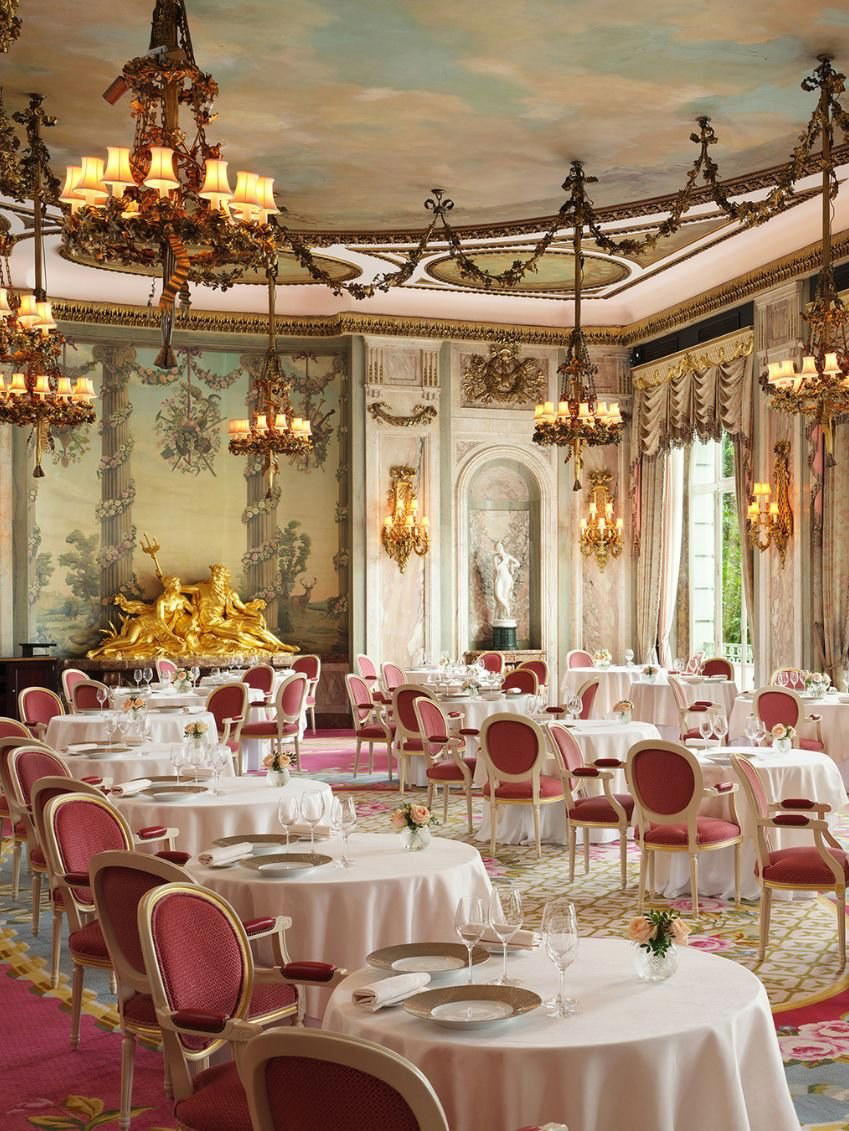
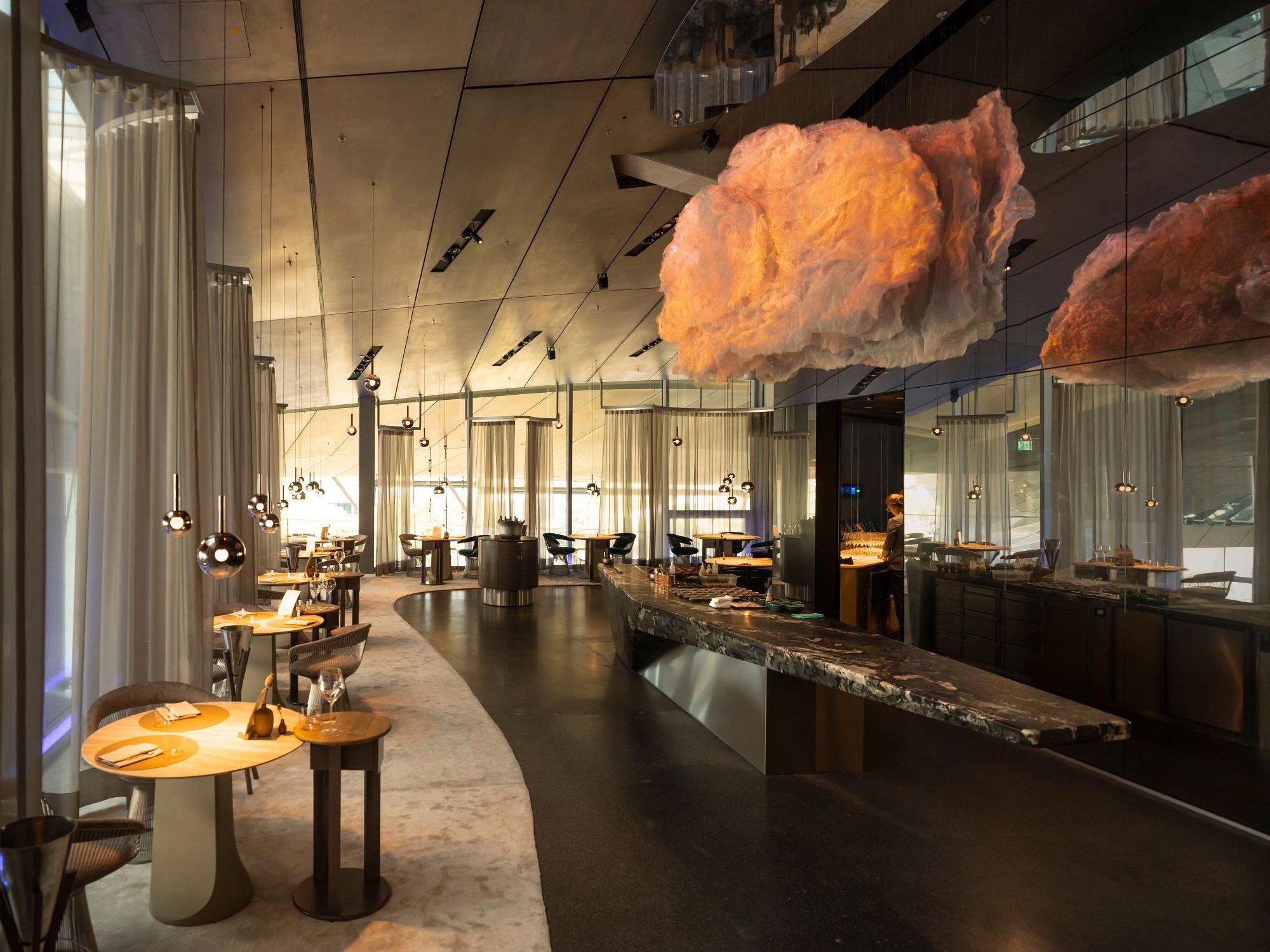
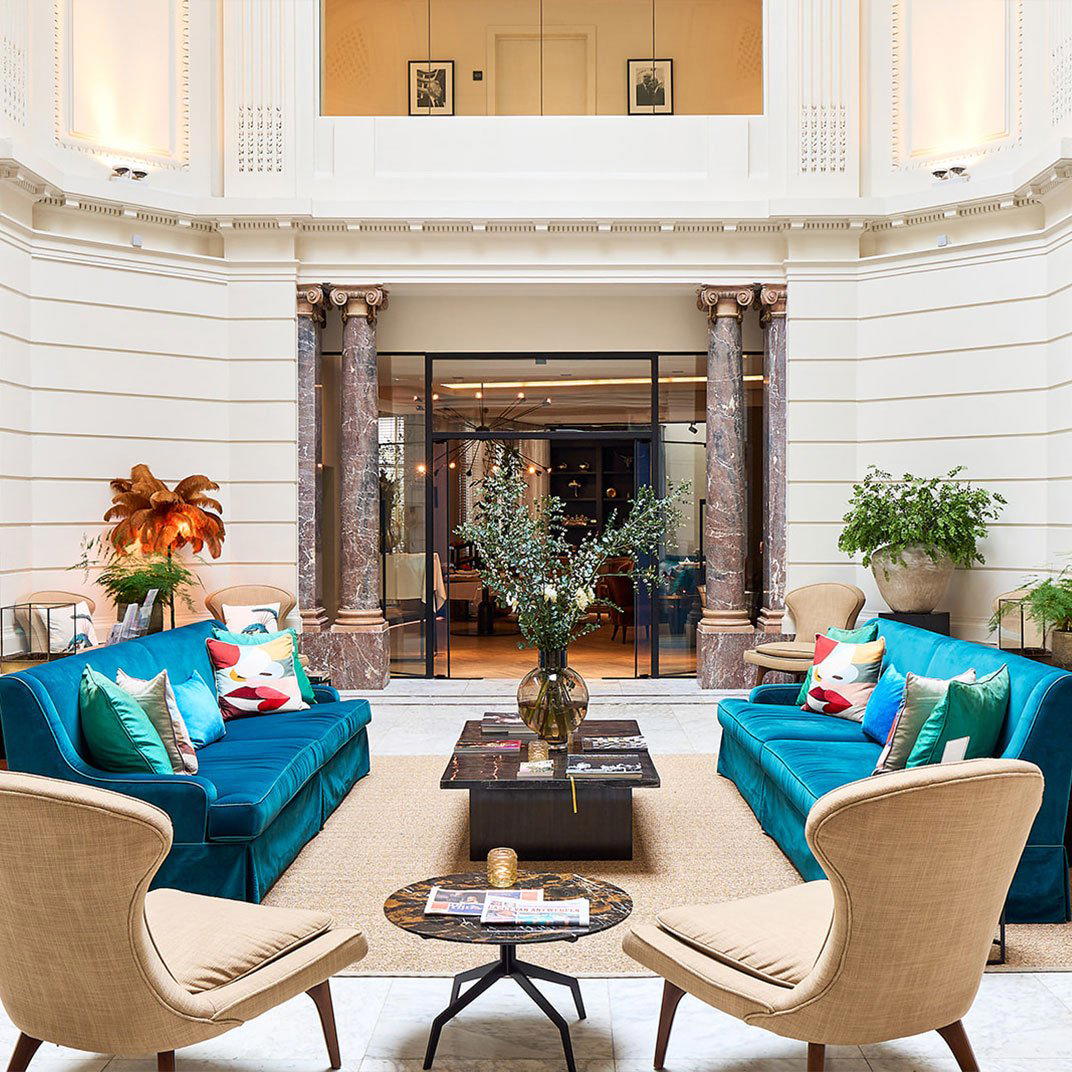
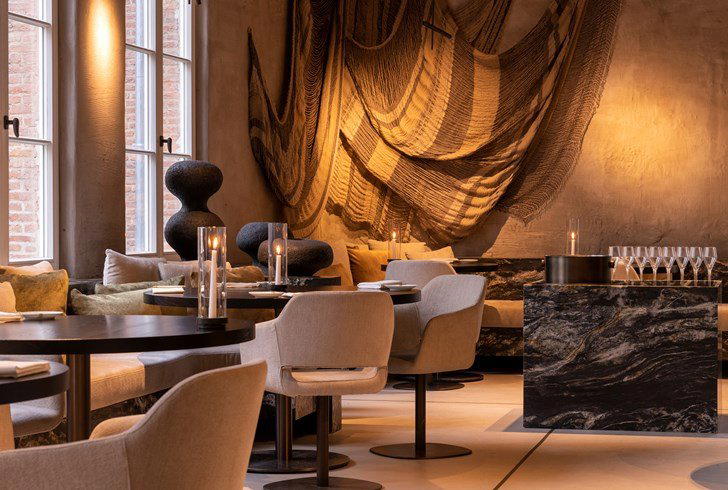
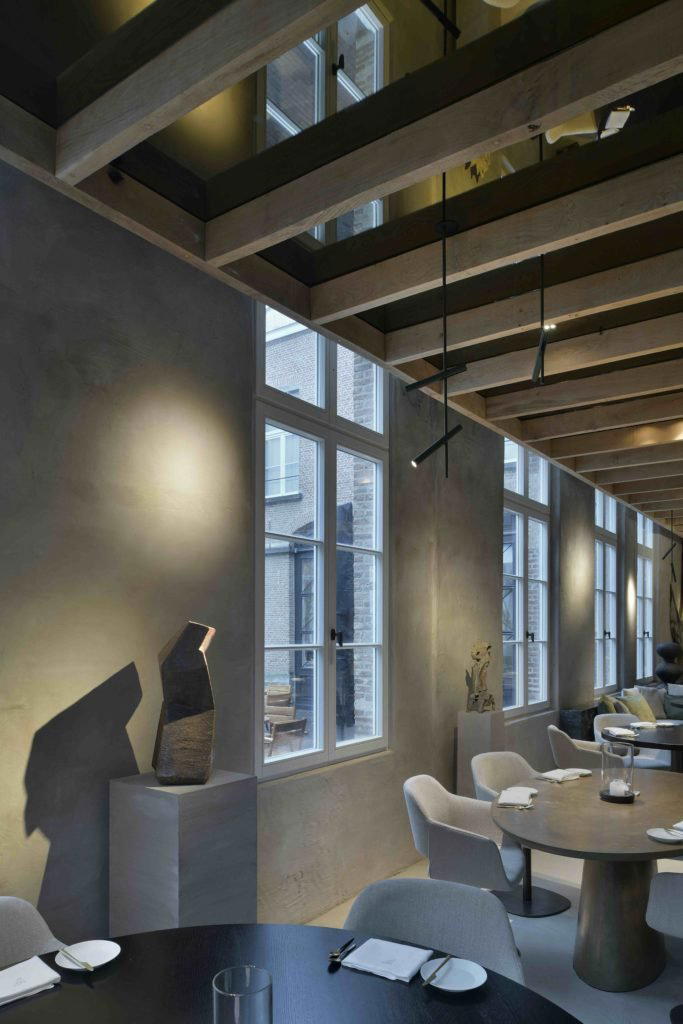
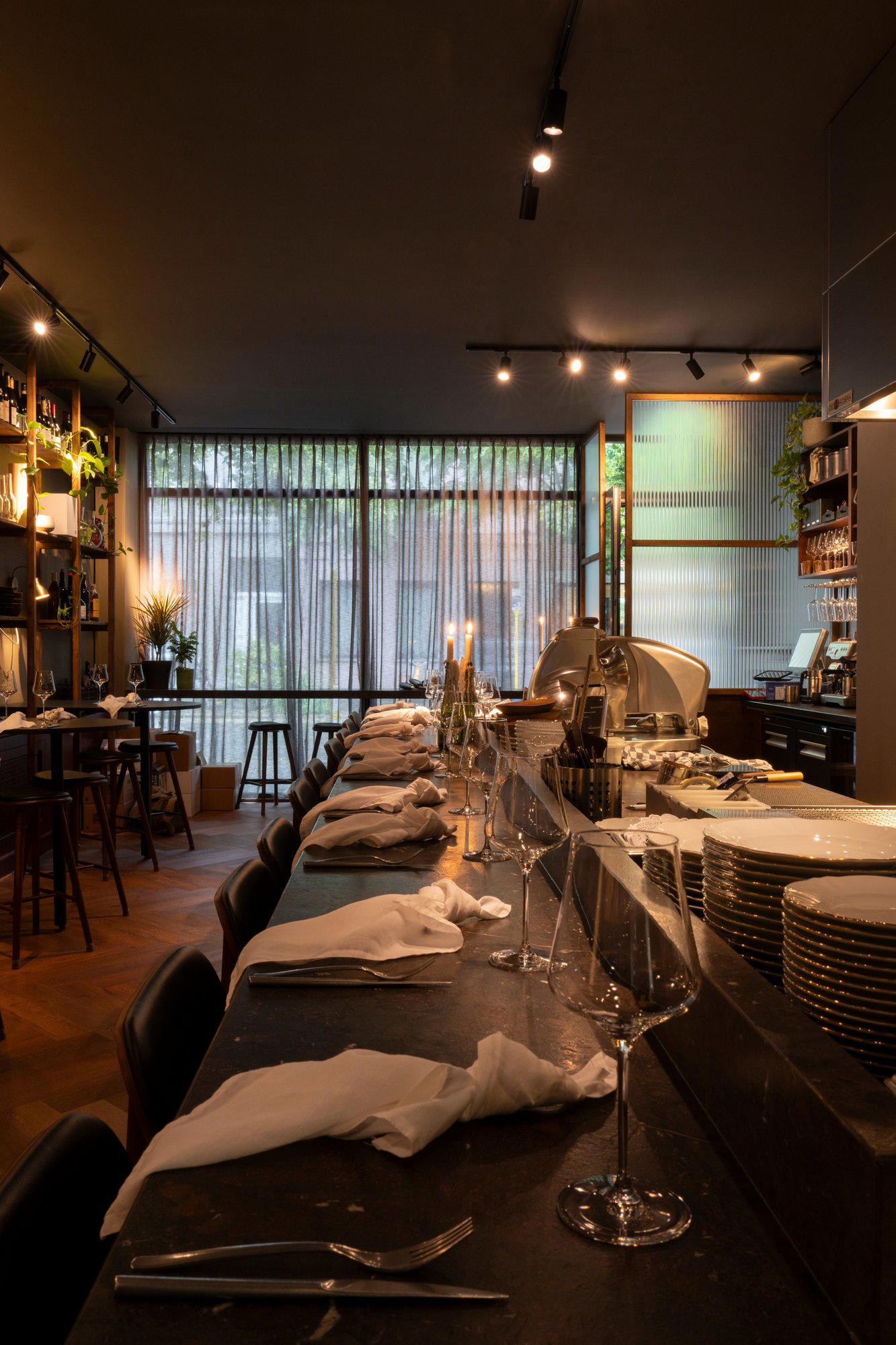
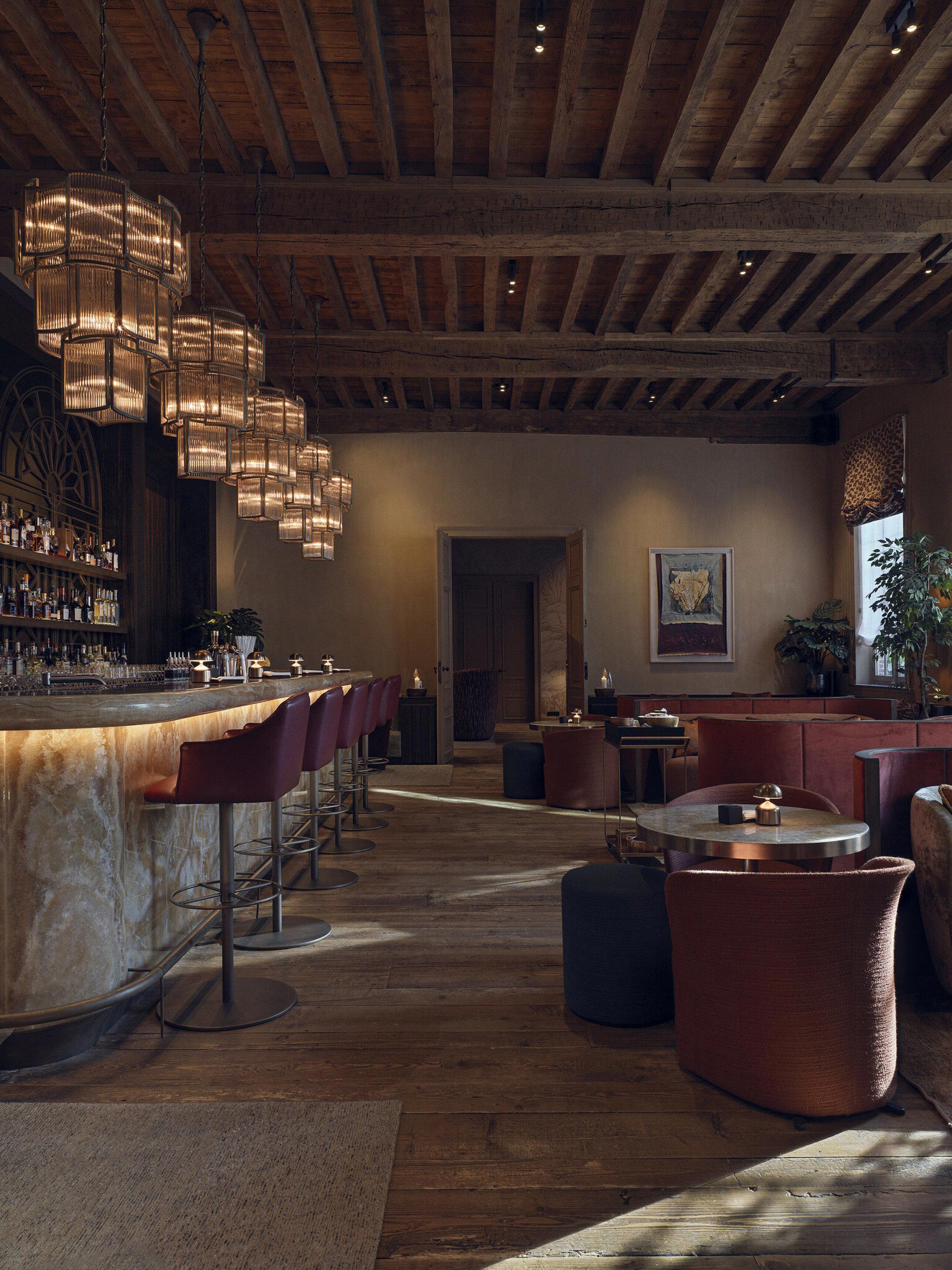
Bright, contemporary shop space showcasing handcrafted chocolates with a focus on visual presentation and culinary creativity.