Eleven
Our verdict
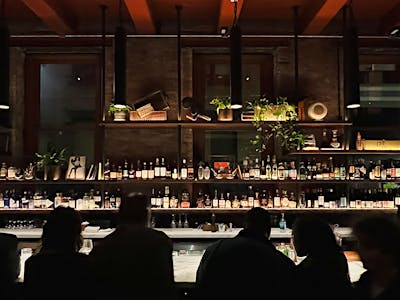
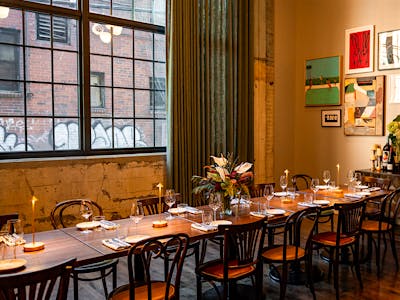
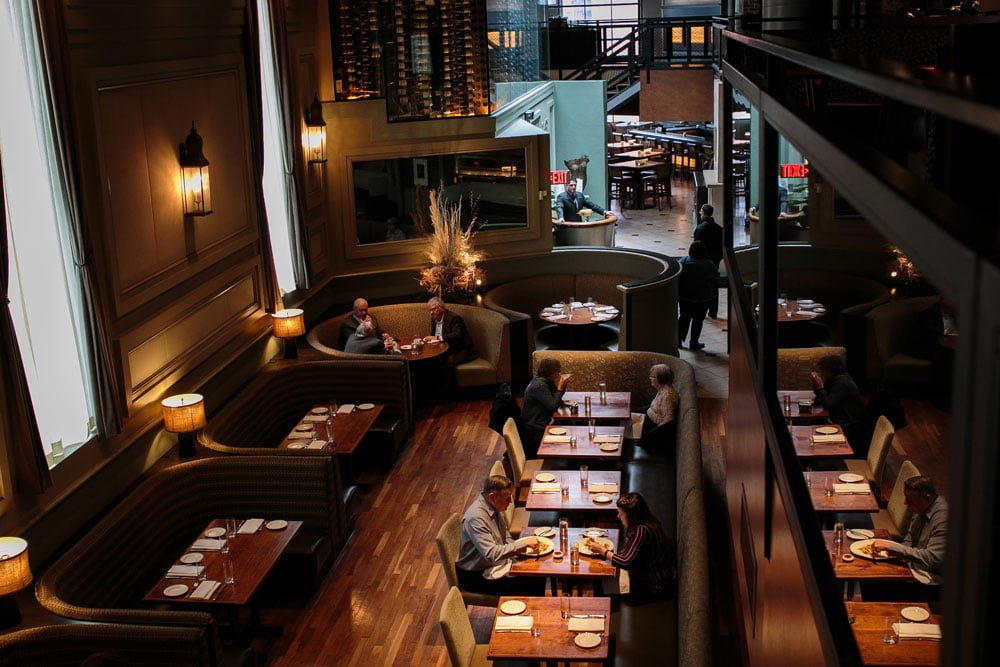
Eleven occupies a converted warehouse space on Smallman Street in Pittsburgh's Strip District, a corridor that has long connected the city's wholesale food trade to its restaurant scene. The address alone signals something about sourcing priorities. For Pittsburgh's farm-to-table tier, Eleven has been a consistent reference point in a city whose dining identity is still being written.

Pearl is the En Primeur Club membership app — saves, bookings, and concierge access live there. Same editors, same standards.
- Address
- 1150 Smallman St, Pittsburgh, PA 15222
- Phone
- (412) 201-5656
- Hours
- Mon 3–10 PMTue–Thu 4:30–9 PMFri 4:30–10 PMSat 4–10 PMSun 11 AM–2:30 PM, 4:30–9 PM
- Website
- elevenck.com
- Directions
- Get directions
- Booking
- Book on OpenTable
The menu
What to order
- Beef Tenderloin with Point Reyes Blue Cheese
- Braised Short Rib
- Raspberry Crème Brûlée
- Jumbo Lump Crab Cake
The Strip District and What It Means to Cook Here
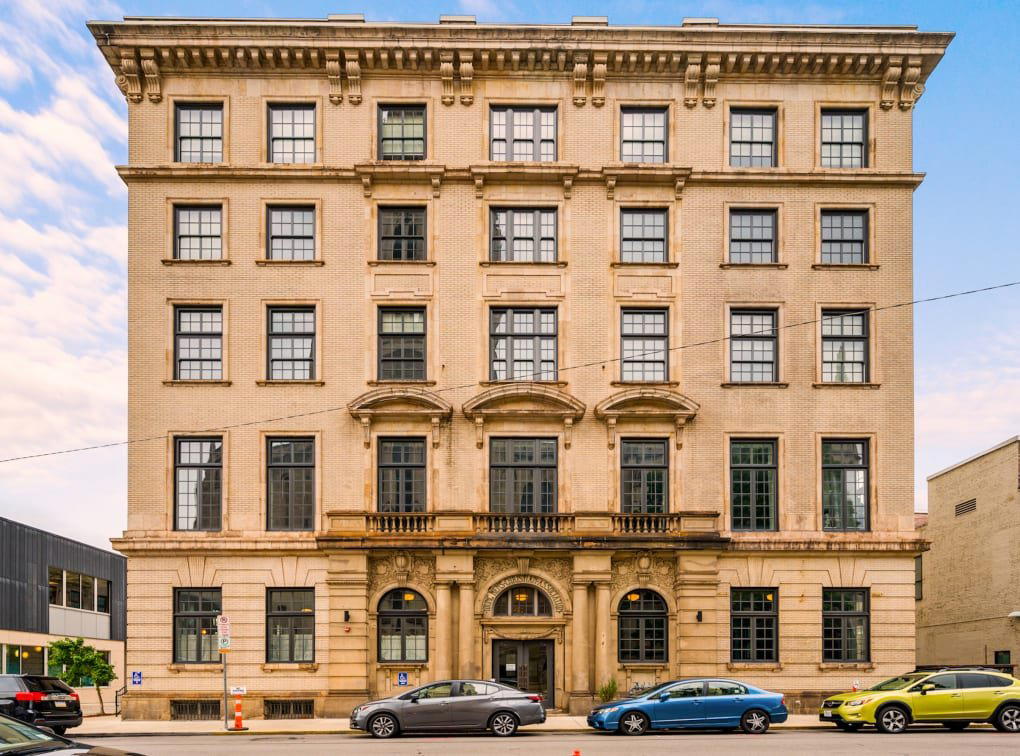
Smallman Street runs through the Strip District with the pragmatic energy of a place that never stopped being a working food corridor. Produce wholesalers, fish markets, and specialty importers have operated here for generations, and the restaurants that set up along this stretch tend to be deliberate about that proximity. Eleven, at 1150 Smallman St, sits inside that supply chain rather than merely adjacent to it. The warehouse architecture, exposed brick, and open sight lines read less as design choice and more as honest context: this is a building that was always about moving goods, and the kitchen that now occupies it treats that history as a working brief.
Pittsburgh's dining scene has developed along a different arc than coastal cities. Where Chicago's Smyth or San Francisco's Lazy Bear operate in markets with decades of fine-dining infrastructure, Pittsburgh's upper tier has built credibility through consistency and sourcing discipline rather than through Michelin cycles or celebrity-chef franchises. Eleven belongs to that credibility-through-practice category, and the Strip District address is not incidental to that positioning.
Sourcing as Editorial Statement
The farm-to-table framing has been so widely adopted across American dining that it has lost most of its descriptive force. What distinguishes restaurants that genuinely operate within regional supply chains from those that use the language as marketing is specificity: named farms, named products, seasonal constraint that actually changes what appears on the plate. In the American Midwest and mid-Atlantic, restaurants operating at this level tend to anchor their menus to the agricultural rhythms of a fairly compressed growing season, which means autumn and winter menus bear little resemblance to what a kitchen offers in June or July.
Eleven's Strip District position makes that kind of sourcing operationally plausible in a way it would not be from Pittsburgh's quieter neighborhoods. The wholesale infrastructure on Smallman and the surrounding blocks provides access to regional product that a restaurant in, say, Shadyside would have to work considerably harder to secure. That logistical advantage shapes the food before any kitchen decision is made. Comparable sourcing-led programs elsewhere in the country, from Blue Hill at Stone Barns in Tarrytown to Single Thread Farm in Healdsburg, have made geography and supply chain the explicit subject of their menus.
Pennsylvania's agricultural output is broader than most visitors expect. The state produces significant quantities of mushrooms, dairy, heritage grains, and market vegetables, and the western Pennsylvania region adds lamb, pork, and poultry from farms that have been supplying Pittsburgh's wholesale markets for decades. A kitchen positioned on Smallman Street has a reasonable claim to drawing on all of that without the sourcing story becoming logistically strained.
Where Eleven Sits in Pittsburgh's Dining Tier
Pittsburgh's upper dining bracket has been reshaping itself over the past decade, and Smallman Street has been part of that shift. The Strip District now operates as something between a destination dining corridor and a working food neighborhood, a combination that cities like New Orleans have long managed through venues like Emeril's but that Pittsburgh is still calibrating. Eleven holds a position near the best of that local tier without the external validation apparatus that some peer restaurants carry.
For context on how sourcing-led programs position themselves in American fine dining more broadly: The French Laundry in Napa, Providence in Los Angeles, and Addison in San Diego all anchor their kitchen identity to regional sourcing while operating within well-established fine-dining markets. Eleven operates in a market where the fine-dining infrastructure is thinner but the agricultural access is genuinely strong. That asymmetry is worth understanding before you book.
Within Pittsburgh specifically, the competition for the leading sourcing-led dining slot includes Altius, which approaches the question from a different vantage point on the North Shore, and newer arrivals like Alfabeto, which imports a different regional sourcing logic from Italian tradition. Apteka in Polish Hill represents a plant-forward counter-argument to the protein-led fine-dining model. 1930 by Atria's occupies a legacy position in the city's dining history. Each of these addresses a different version of what Pittsburgh dining should aspire to be. Eleven's answer has consistently been: start with what the region actually produces.
The Seasonal Argument
The strongest case for eating at Eleven is timing-specific. Pittsburgh's seasonal swing between late spring abundance and mid-winter scarcity is pronounced, and a kitchen built around regional sourcing will reflect that swing more visibly than one operating from a fixed national supply chain. Late spring through early autumn is when western Pennsylvania's agricultural output is at its broadest, and a meal during that window will access a different range of product than one taken in February. This is not a criticism of the winter menu; it is simply the honest arithmetic of cooking close to where food is grown.
Restaurants that operate this way internationally, from Atelier Moessmer Norbert Niederkofler in Brunico to Atomix in New York City and The Inn at Little Washington, treat seasonal constraint as a design feature rather than a limitation. The reader planning a first visit to Eleven should treat it the same way.
For a broader view of Pittsburgh's dining scene across neighborhoods and price points, our full Pittsburgh restaurants guide maps where Eleven fits relative to the city's other serious kitchens. The Strip District corridor, including nearby spots like Bakersfield Penn Ave, gives the area a range that runs from casual through serious, which makes Smallman Street a reasonable anchor for an evening that starts or ends somewhere less structured.
Planning a Visit
Eleven's address at 1150 Smallman St places it within walking distance of several Strip District parking structures and a short ride from downtown Pittsburgh across the 16th Street or 31st Street bridges. The Strip District is most accessible by car or rideshare; the neighborhood's parking supply is considerably more relaxed on evenings and weekends than during the morning wholesale hours when the street operates as a commercial corridor. Le Bernardin in New York City and comparable programs hold their bar seats as a genuine alternative to the main dining room, and sourcing-led restaurants of Eleven's type often follow a similar policy.
Frequently asked questions
Where is Eleven in Pittsburgh?
Eleven is located at 1150 Smallman St, Pittsburgh, PA 15222, Pittsburgh.
How does Eleven's Strip District location shape the cooking?
Smallman Street has functioned as Pittsburgh's primary produce and specialty food corridor for generations, with wholesale suppliers operating alongside retail and restaurant businesses on the same blocks. Eleven's address at 1150 Smallman St places the kitchen inside that supply chain rather than at a remove from it, which gives the seasonal sourcing argument at this restaurant a geographic grounding that suburban or downtown locations can't replicate. That proximity is the clearest distinction between Eleven and Pittsburgh dining rooms that use similar farm-forward language from further afield.
What should I eat at Eleven?
Eleven's menu rotates with Pittsburgh's pronounced seasonal calendar, so the strongest choices are whatever reflects the current harvest window. The Strip District address puts the kitchen steps from wholesale produce suppliers on Smallman Street, which shapes the menu's direction more than most farm-to-table claims in American dining actually do. Arrive with flexibility rather than a fixed dish in mind.
Can I walk in to Eleven?
Walk-in availability at Eleven depends on the day and season. The restaurant sits at 1150 Smallman St in Pittsburgh's Strip District, a corridor that draws consistent foot traffic from the surrounding wholesale market activity and downtown proximity. A reservation call ahead is advisable, particularly for weekend evenings when the neighborhood draws the heaviest dining traffic.
City Peers
Comparable venues nearby, for context on price, style, and recognition.
| Venue | Cuisine | Price | Notes |
|---|---|---|---|
| ElevenThis venue — the venue you are viewing | Contemporary American | $50–100 | Not listed |
| LeMont | Classic American Fine Dining | $50–100 | South Shore |
| 1930 by Atria's | Modern American Gastropub | $30–50 | Banksville |
| The Terrace Room | Classic American Fine Dining | $50–100 | Central Business District |
| Meat & Potatoes | Modern American Gastropub | $50–100 | Downtown |
| The Church Brew Works | American Gastropub in Historic Church | $30–50 | Lower Lawrenceville |