


Michelin Plate · We're Smart World 3 Radishes
Our verdict
On a quiet Ghent square, Elders operates within the city's growing vegetable-forward dining scene at an accessible price point. Chef Tom Pauwelyn shapes menus around market availability, earning back-to-back Michelin Plate recognition in 2024 and 2025. At €€ pricing, it sits well below Ghent's top-tier creative tables while drawing from the same regional, seasonal produce philosophy.

Pearl is the En Primeur Club membership app, where members save venues, book tables and use the concierge.
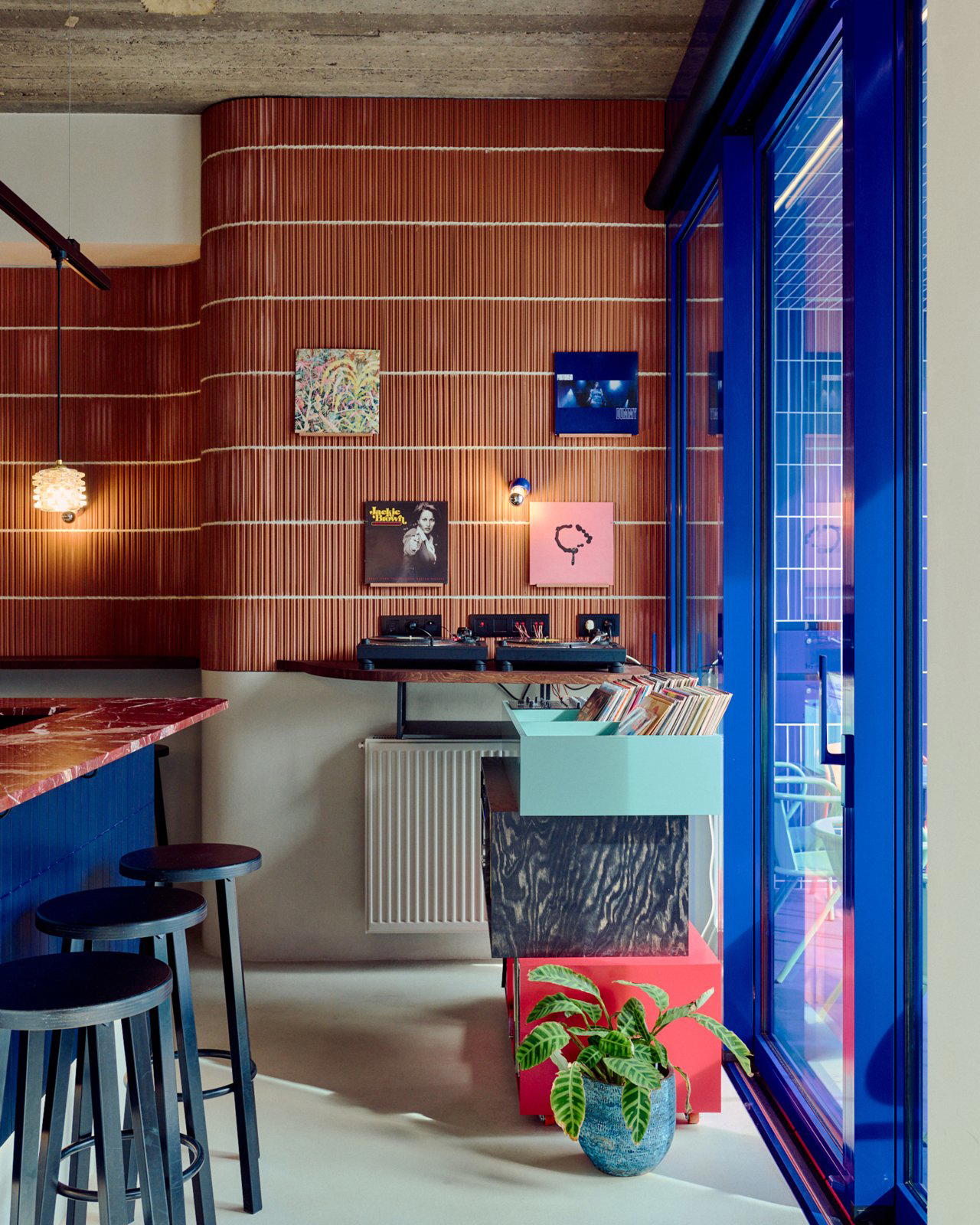
A Square, a Season, a Plate
Edmond Van Beverenplein is not one of Ghent's tourist-mapped squares. It sits away from the Graslei postcard corridor, in a neighbourhood that attracts residents more than visitors. Arriving at Elders, that geography matters: this is a bar-restaurant shaped by its immediate surroundings rather than by a desire to perform for an audience passing through. The room functions as a local anchor first, a dining destination second, and the menu reflects that hierarchy with market-driven dishes that change as supply does rather than as seasons are formally declared.
Ghent has developed a credible vegetable-forward dining culture over the past decade, and Elders sits inside that movement without grandstanding about it. Cities across northern Europe have watched plant-led cooking migrate from niche health positioning to genuine fine-dining territory, and Belgium has followed that arc with particular conviction. Ghent, historically strong on Flemish hearty traditions, has quietly accumulated a cohort of restaurants where vegetables are treated as the structural ingredient rather than the accompaniment. Elders belongs to that cohort at the accessible end of the price tier.
The Neighbourhood as Context
Understanding Elders requires understanding what Edmond Van Beverenplein offers as a setting. The square anchors a part of Ghent that operates at a different tempo from the medieval core. There are fewer day-trippers, more cyclists locking up for a weeknight dinner, and a general expectation that the food should justify a return visit rather than a single Instagram frame. Restaurants in these off-centre squares tend either to become neighbourhood institutions or to disappear quickly; the ones that stay develop regulars whose feedback shapes the kitchen over time.
That dynamic is visible in what Elders does with its menu. Dishes evolve according to market offerings rather than a fixed seasonal programme, which means the kitchen is in constant dialogue with suppliers. This is common language in European organic cooking but harder to execute consistently than menus that change quarterly. It requires a chef who can adapt without losing coherence, and the back-to-back Michelin Plate awards for 2024 and 2025 suggest that Elders is managing that balance well enough to draw sustained critical attention.
Where It Sits in Ghent's Dining Range
Ghent's restaurant scene has developed enough depth that price tier now maps fairly reliably onto a distinct dining register. At the top of the range, tables like Vrijmoed and Oak Gent operate at €€€€, with tasting menus, wine pairings, and full brigade kitchens. One tier below, Souvenir and Publiek sit at €€€, offering modern Flemish and contemporary cuisine with meaningful production investment. Elders lands at €€, which in Ghent's current market means accessible pricing without the format concessions that often accompany it elsewhere. The Michelin Plate recognition in consecutive years confirms the kitchen is operating above its price point in terms of craft attention.
That positioning makes Elders useful for a specific kind of Ghent itinerary: visitors who want to eat well across multiple meals without concentrating the budget into one high-end event. Pairing a dinner at Elders with a lunch at a food affair covers different registers of the city's current dining range without requiring a single tasting-menu outlay. For anyone building a longer stay, our full Gent restaurants guide maps the full range from casual to formal.
Organic Cooking in a Belgian Frame
Organic certification and vegetable-forward menus are not synonymous terms, but at Elders they operate together. The organic designation signals supply-chain decisions: sourcing from certified producers, avoiding synthetic inputs, accepting that availability is less predictable than conventional supply. The vegetable emphasis then builds on that foundation, treating the produce as the main structural element of each dish rather than dressing around a protein. In Belgian cooking, where pork, seafood, and game have historically anchored menus, that inversion is a genuine editorial decision.
The Michelin Plate, awarded to restaurants that serve food of good quality rather than to those operating at star level, is a useful calibration here. It signals that the kitchen is executing at a consistent technical standard without implying the full ceremony of a starred experience. Elders sits in the same broader Belgian organic conversation as Barge in Brussels and, further afield, Archibald De Prince in Luxembourg, both of which work within organic frameworks at different price and format points.
Belgium's wider fine-dining tier remains anchored by names like Hof van Cleve in Kruishoutem, Boury in Roeselare, Zilte in Antwerp, and Willem Hiele in Oudenburg, alongside Bartholomeus in Heist and Bozar Restaurant in Brussels. Elders occupies an entirely different register from those tables, but the Michelin Plate places it in acknowledged quality territory rather than simply the neighbourhood bistro category.
Practical Considerations
Elders is located at Edmond Van Beverenplein 16 in the 9000 postal district of Ghent. The €€ price range places it at an accessible tier for the city; a full dinner here sits comfortably below what the mid-tier €€€ tables charge, making it a realistic option for weeknight visits rather than special-occasion planning only.
Because the menu shifts with market supply, there is limited value in arriving with a fixed dish in mind. The better approach is to let the kitchen's current availability guide the order. Booking ahead is advisable given the venue's recognition and the relatively compact scale typical of bar-restaurant formats at this tier. For broader trip planning across the city, our Gent hotels guide, bars guide, wineries guide, and experiences guide cover the full city range.
Frequently asked questions
What's the price range at Elders?
Pricing at Elders is listed as €€.
What part of town is Elders in?
Elders is located at Edmond Van Beverenplein 16, 9000 Gent, Belgium, Gent.
Just the Basics
A compact comparison to help you place this venue among nearby peers.
| Venue | Cuisine | Price | Awards | Notes |
|---|---|---|---|---|
| EldersThis venue (the venue you are viewing) | Modern Vegetable-Focused French-Belgian | Not listed | Michelin Plate · We're Smart World 3 Radishes | Not listed |
| Vrijmoed | Creative Modern Fine Dining | Not listed | 2 Michelin Stars · La Liste Top Restaurants | Modern Flemish, Creative |
| Oak Gent | Modern Fusion Fine Dining | $30–50 | 1 Michelin Star · Star Wine List | Modern European |
| Souvenir | Modern Vegetable-Forward Fine Dining | Not listed | 1 Michelin Star · We're Smart World 5 Radishes | Modern Flemish, Creative |
| Bar Bask | Basque-inspired Spanish Grill | $50–100 | Michelin Plate · World's Best Steaks Europe's 50 Best #33 | Basque, Spanish Contemporary |
| Publiek | Modern Belgian Fine Dining | Not listed | 1 Michelin Star · We're Smart World 3 Radishes | Modern Cuisine |
Recognition history
Dated appearances from independent guides and award organizations, with the underlying list record or original source where available.
Michelin Plate
Michelin
Opinionated About Dining Top Restaurants in Europe Recommended
Opinionated About Dining
We're Smart World 3 Radishes
We're Smart World
Full recognition history (6 entries)
Opinionated About Dining Newly Added European Restaurants
Opinionated About Dining
Michelin Plate
Michelin
Michelin Plate
Michelin
Continue exploring
More in Ghent
Restaurants in Ghent
All restaurants in Ghent →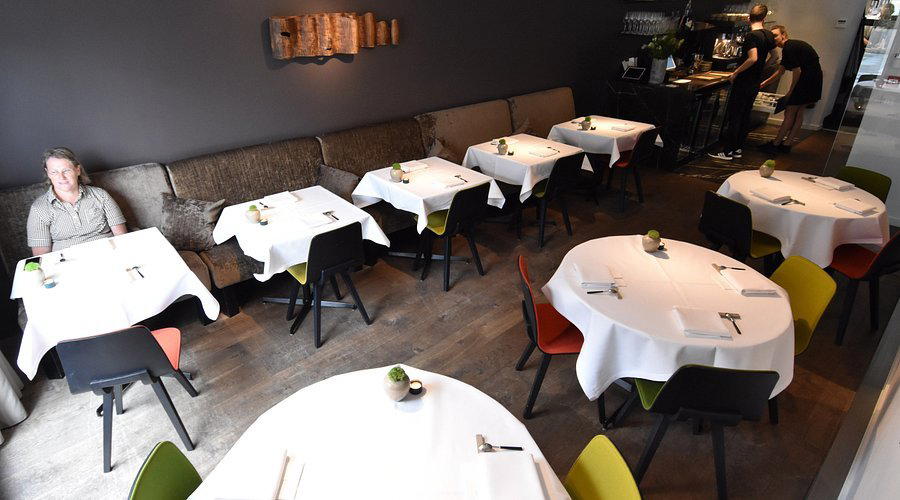




Details
- Modern
- Cozy
- Trendy
- Intimate
- Date Night
- Special Occasion
- Open Kitchen
- Organic
- Small Plates
- Vegetarian Friendly
Current opening hours
- Monday
- Closed
- Tuesday
- Closed
- Wednesday
- 6 PM–12 AM
- Thursday
- 12–4 PM, 6 PM–12 AM
- Friday
- 12–4 PM, 6 PM–12 AM
- Saturday
- 6 PM–12 AM
- Sunday
- 10:30 AM–5 PM
Hours can change for holidays and private events. Hours as of .
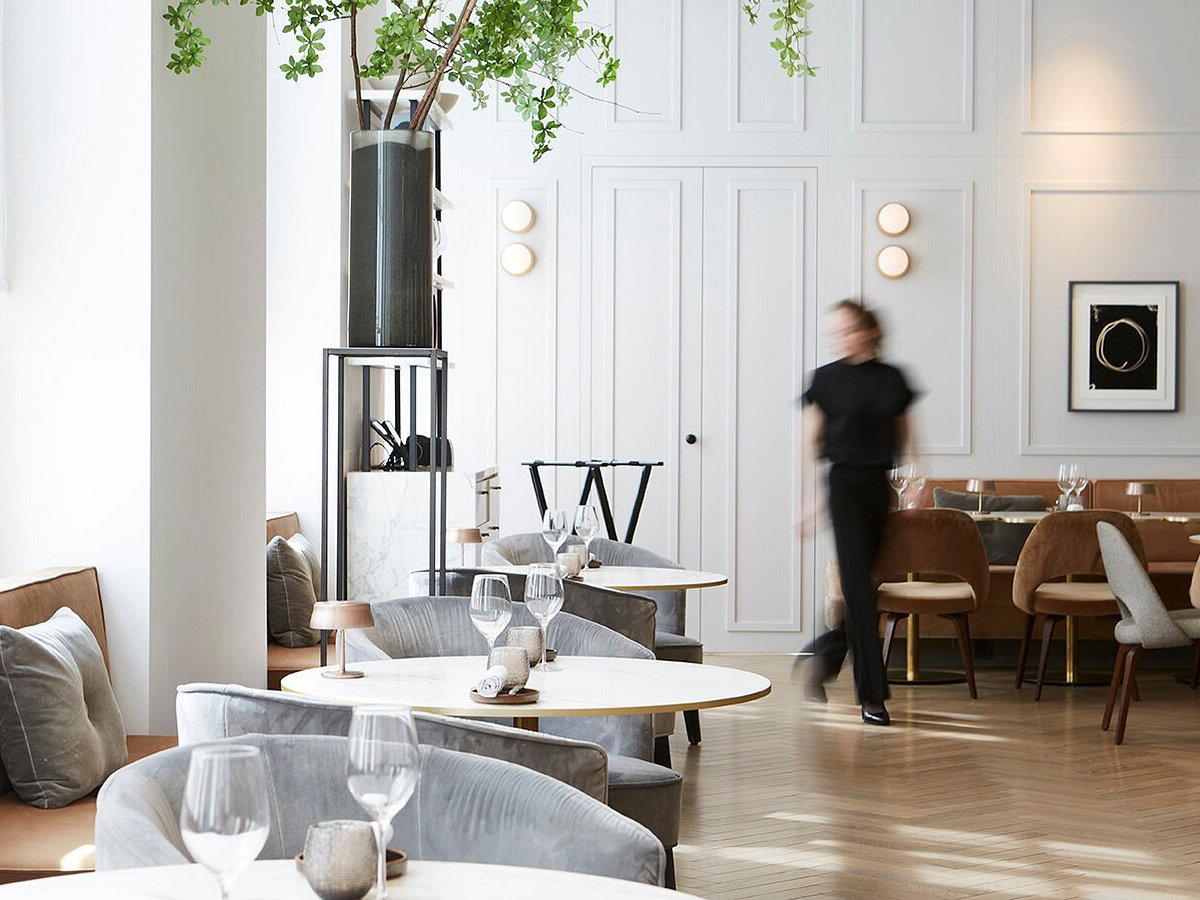
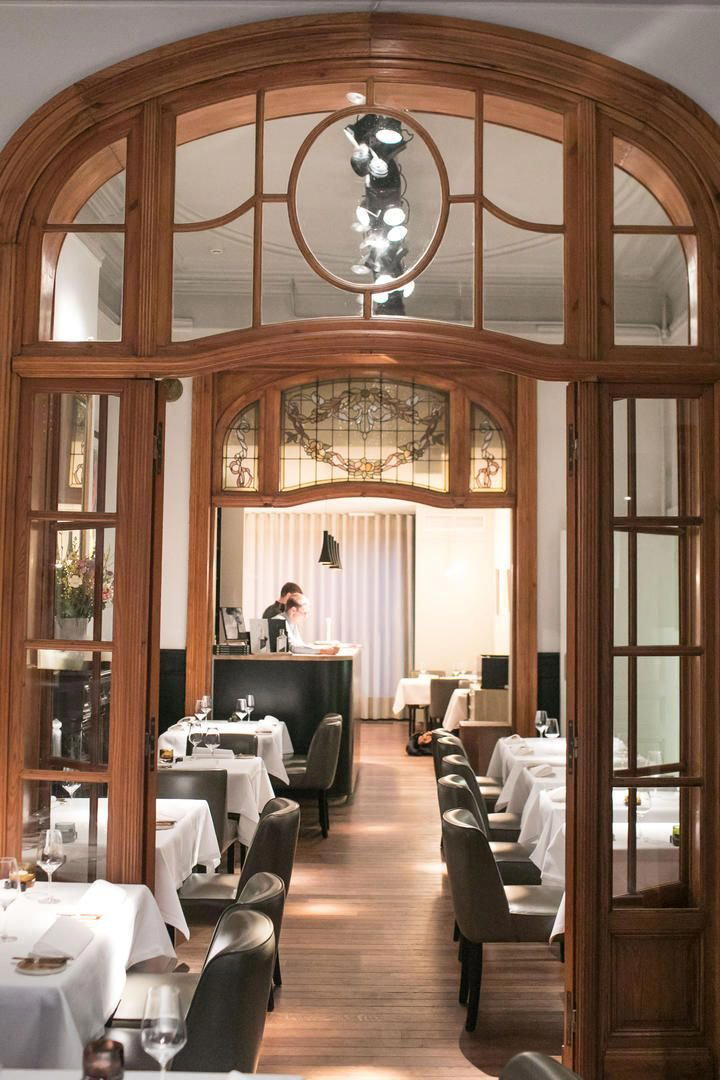
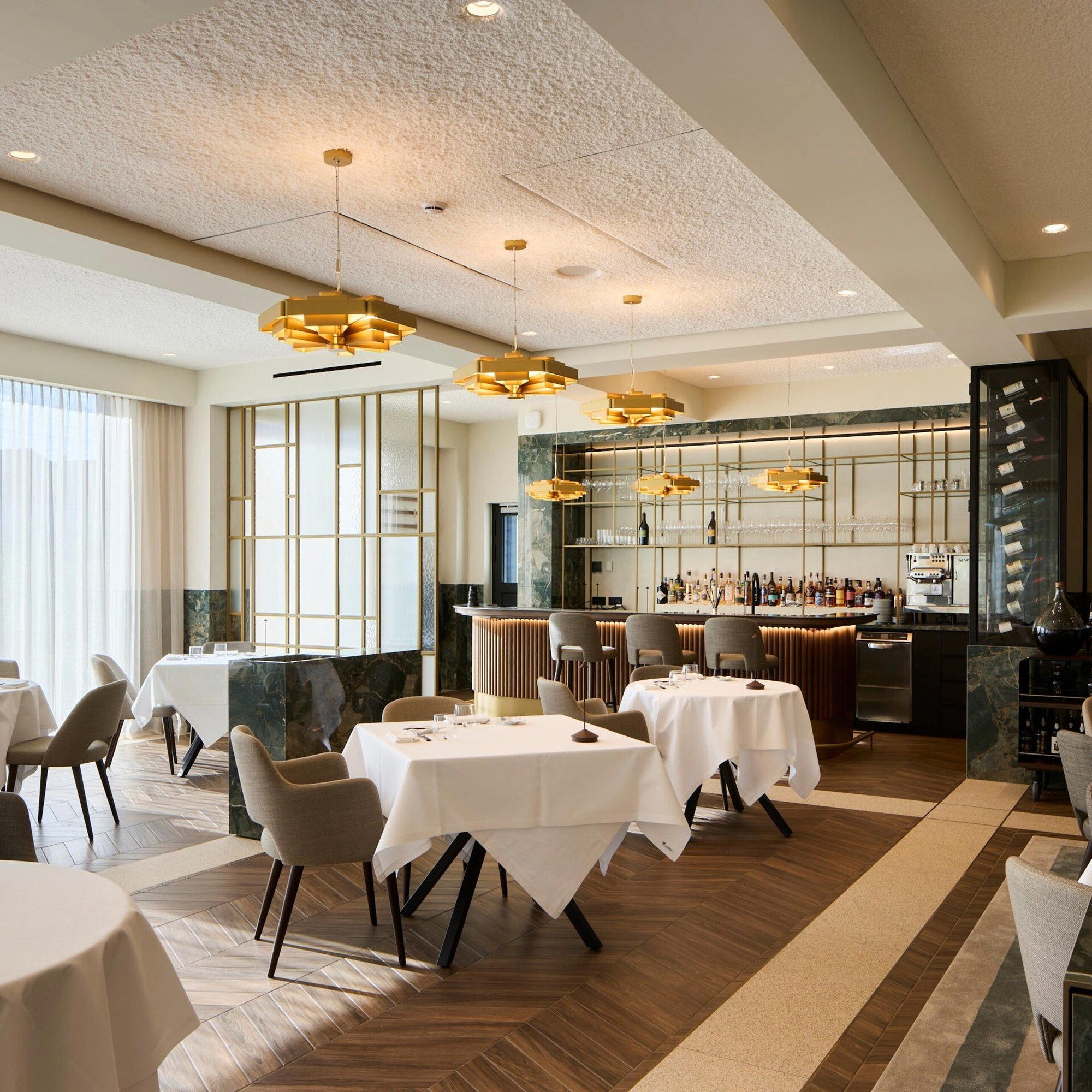
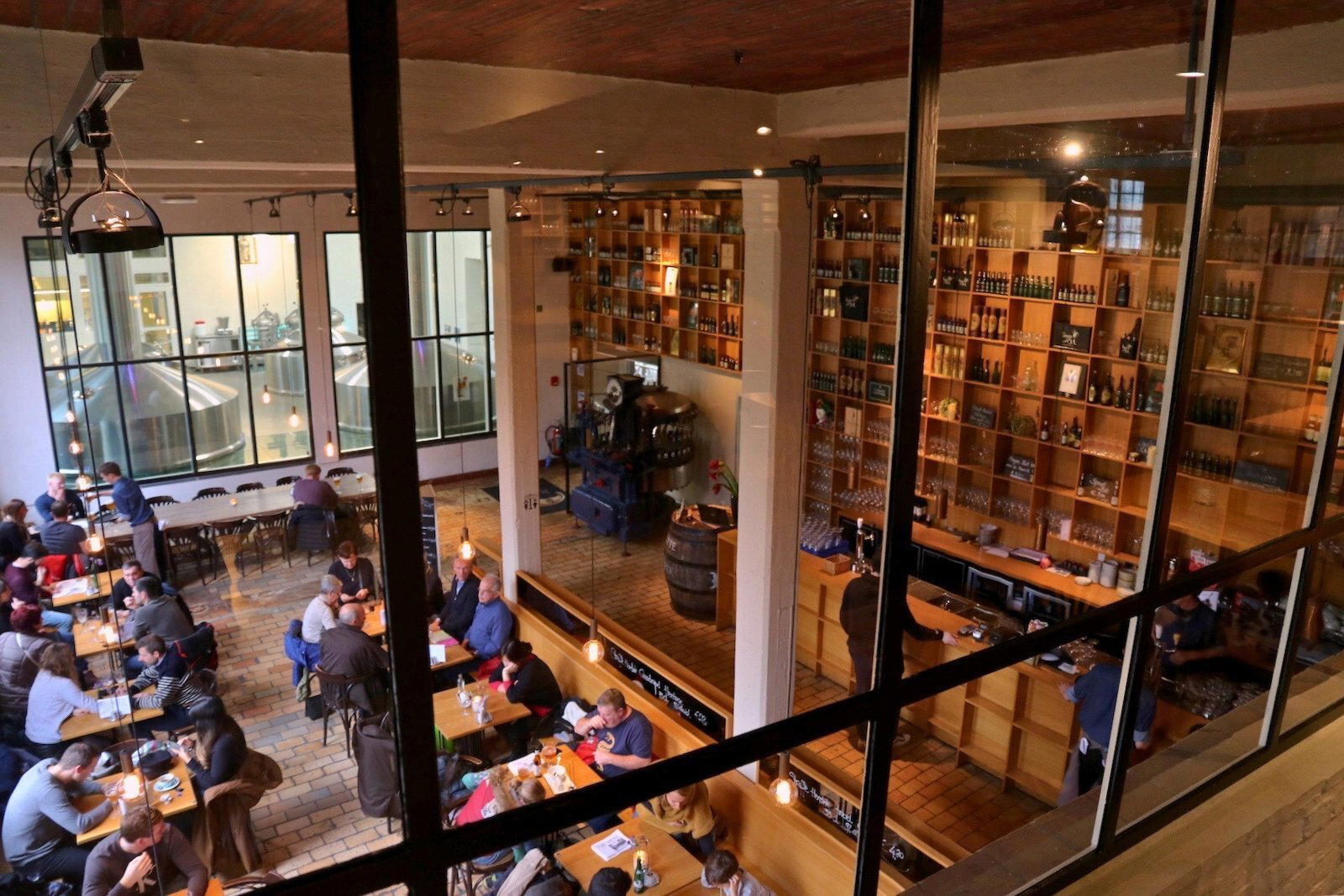
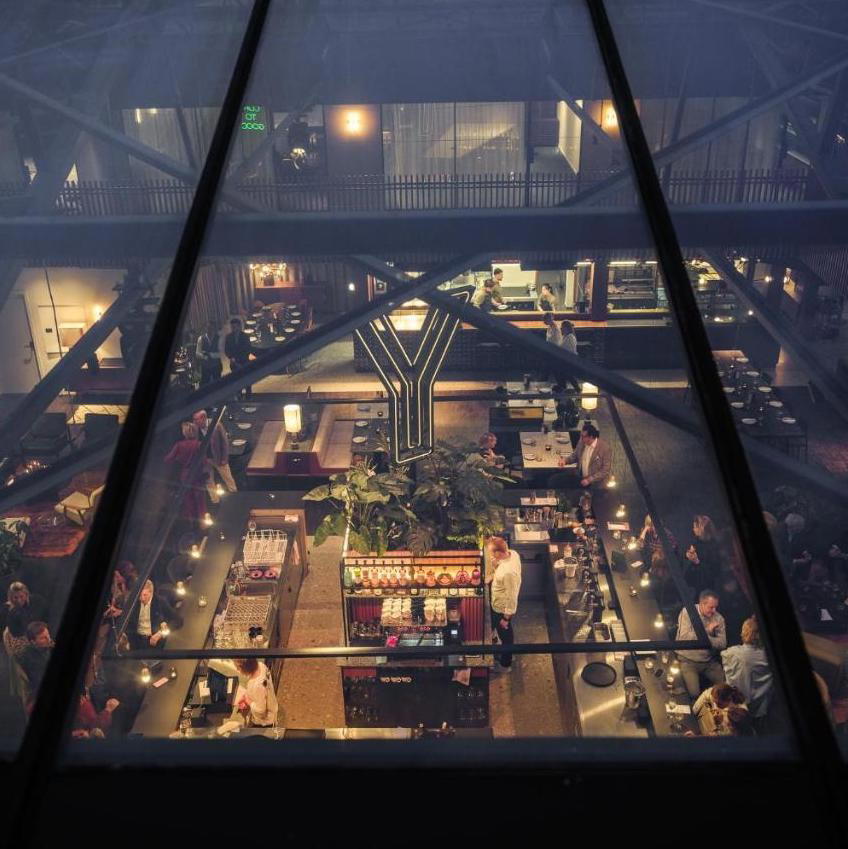
Urban, exciting, hip, cozy atmosphere with casual, friendly service and open kitchen proximity