Elckerlijc pairs a Belgian grill steakhouse menu with Josper-grilled lamb crown, dry-aged entrecotes, and grilled lobster, plus terrace and open-kitchen seating.
Pearl is the En Primeur Club membership app — saves, bookings, and concierge access live there. Same editors, same standards.
- Address
- Kraailokerkweg 17, 9990 Maldegem, Belgium
- Phone
- +3250715263
- Website
- elckerlijc.be
- Directions
- Get directions
 Saves & bookings on Pearl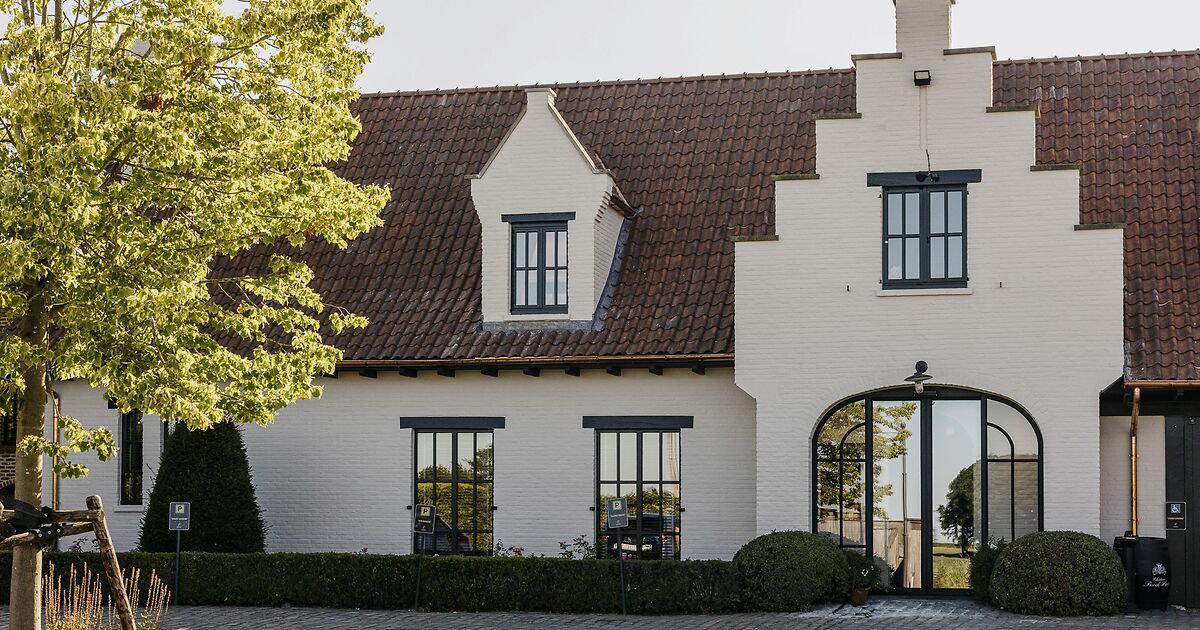
A Country Address in the Flemish Interior
Kraailokerkweg 17 is not an address you stumble across. The road runs through the agricultural flatlands outside Maldegem, a small municipality in the East Flemish province where the pace of life is tied more closely to the surrounding polders than to any urban dining calendar. Arriving at Elckerlijc, you are already removed from the circuit of Ghent brasseries and Antwerp tasting menus. That distance is the first thing you register, and it shapes everything that follows.
The Flemish interior has developed its own hospitality logic over several decades. Where Belgian fine dining tends to cluster around certified urban addresses, a parallel tradition has taken root in the countryside: restaurants that draw from the land around them, where the sourcing story is not a marketing choice but a practical one. Elckerlijc sits in that tradition. The name itself, drawn from the medieval Flemish morality play, places it squarely in a local cultural register rather than a pan-European one.
Where the Ingredients Begin
The editorial angle at a restaurant like Elckerlijc is inseparable from its geography. The farms and market gardens of the Meetjesland region, the area of northern East Flanders that Maldegem occupies, produce the kind of ingredient profile that urban kitchens spend considerable effort and expense to source: seasonal brassicas, root vegetables, pasture-raised animals, and the dairy output of a region that has fed Bruges and Ghent for centuries. A kitchen positioned inside that supply chain rather than at the end of it operates differently from one in a city centre.
This is a pattern visible across the more interesting tables in the Belgian countryside. At Willem Hiele in Oudenburg, the coastal terroir shapes a menu built around the North Sea and the polders behind it. At Hof van Cleve - Floris Van Der Veken in Kruishoutem, East Flanders farmland provides the raw material for one of Belgium's most decorated kitchens. The logic in both cases is the same: proximity to the source compresses the distance between field and plate, and the cooking is structured around what that proximity makes possible rather than what a global supply chain can deliver year-round.
For the traveller approaching Elckerlijc from outside the region, it is worth understanding that Maldegem's dining scene is not dense. The handful of restaurants operating at this address-level of specificity, including Kwizien (Country cooking) and LiJo (Seasonal Cuisine), share an orientation toward the seasonal and the local that distinguishes Maldegem from more anonymous dining stops. The presence of Jann Chocolates and the cocktail format of Maka-Maka Mobiele Tiki Cocktailbar rounds the offer, but the cooking restaurants in the area carry the weight of the local food identity.
The Broader Belgian Context
Belgium's restaurant culture runs deeper than its Michelin count suggests. The country has one of Europe's highest densities of starred kitchens relative to population, and the concentration in Flanders is particularly pronounced. Addresses like Boury in Roeselare, Zilte in Antwerp, and Vrijmoed in Gent anchor the urban end of that spectrum. But a different tier of eating exists in the Flemish countryside, one that operates outside the award cycle and serves a primarily regional clientele.
That tier is not lesser. It is operating according to a different set of priorities, where the question is less about technical ambition and more about the relationship between kitchen and terroir. The French equivalent would be the serious maison de pays: a restaurant with a specific sense of place, a stable menu philosophy, and a customer base that returns not because of critical attention but because the food is rooted in something real. La Durée in Izegem and d'Eugénie à Emilie in Baudour sit in adjacent territory. Ralf Berendsen in Neerharen and Cuchara in Lommel demonstrate how that model extends across the Belgian provinces.
For comparison outside Belgium, the format finds international expression in addresses like Lazy Bear in San Francisco, where a commitment to a specific ingredient philosophy drives bookings, and the urban fine dining comparator, Le Bernardin in New York City, shows what the maximally resourced end of ingredient-focused cooking looks like. Elckerlijc's coordinates, both literal and conceptual, place it closer to the first model than the second.
Planning a Visit
Maldegem is accessible from Ghent in under forty minutes by car and sits roughly equidistant from Bruges and the Dutch border. For visitors building a longer Flemish itinerary, it slots logically into a route that might also include Bozar Restaurant in Brussels or the wider range of options in our full Maldegem restaurants guide. Reaching Kraailokerkweg 17 requires a car; there is no practical public transport option for an address at this level of rural specificity. The current website and phone details for Elckerlijc are not publicly listed through EP Club's verified data, so confirming reservations directly through local search or a regional booking platform before travelling is advisable. Arriving without a confirmed reservation at a countryside address of this type carries meaningful risk, particularly outside the summer months when covers may be limited.
Luzt is another Maldegem address worth considering as part of a day in the area if availability at Elckerlijc is limited.
What the Address Represents
The most honest way to describe a restaurant operating at this intersection of location, scale, and tradition is to say that it asks something of the visitor: the willingness to leave the urban dining circuit and engage with a cuisine shaped by a specific patch of Flemish ground. That is not a concession. It is, for a certain type of traveller, the point. The Meetjesland has fed this part of Belgium for longer than its restaurants have had names, and a kitchen that takes that seriously is doing something worth a forty-minute drive from Ghent.
At a Glance
- Cozy
- Elegant
- Rustic
- Family
- Group Dining
- Open Kitchen
- Terrace
Current opening hours
- Monday
- 6–9 PM
- Tuesday
- Closed
- Wednesday
- Closed
- Thursday
- 12–2 PM, 6–9 PM
- Friday
- 12–2 PM, 6–9 PM
- Saturday
- 12–2 PM, 6–10 PM
- Sunday
- 12–2 PM, 6–9 PM
Hours can change for holidays and private events. Last verified .
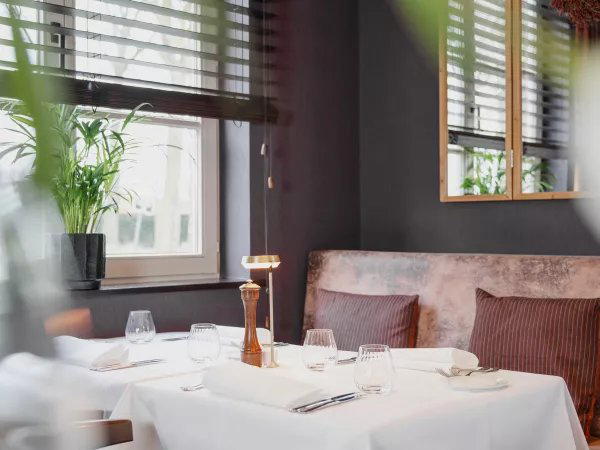
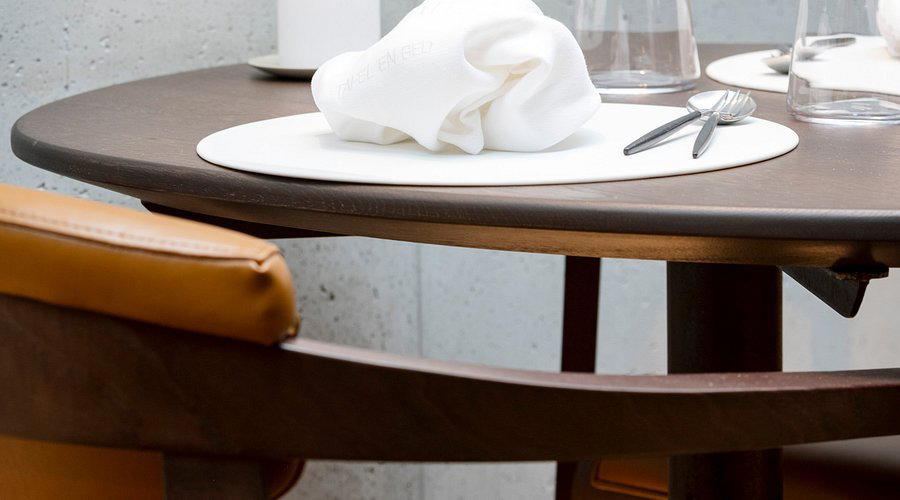
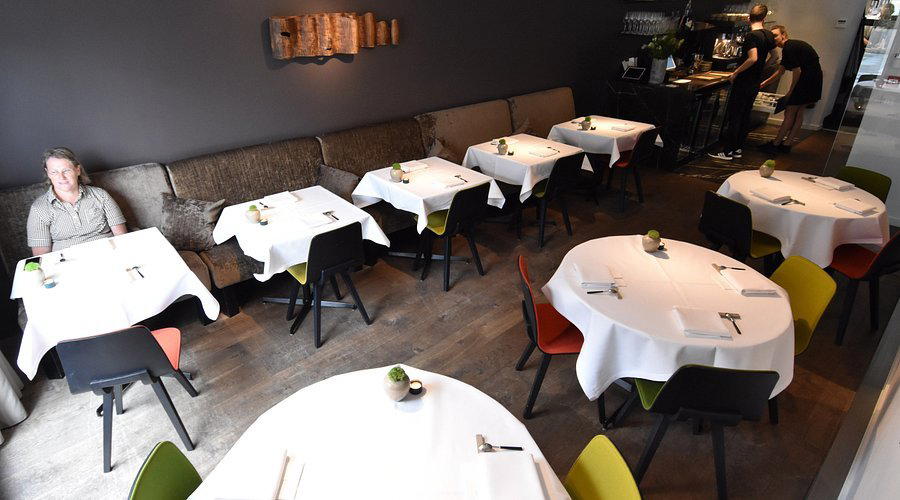
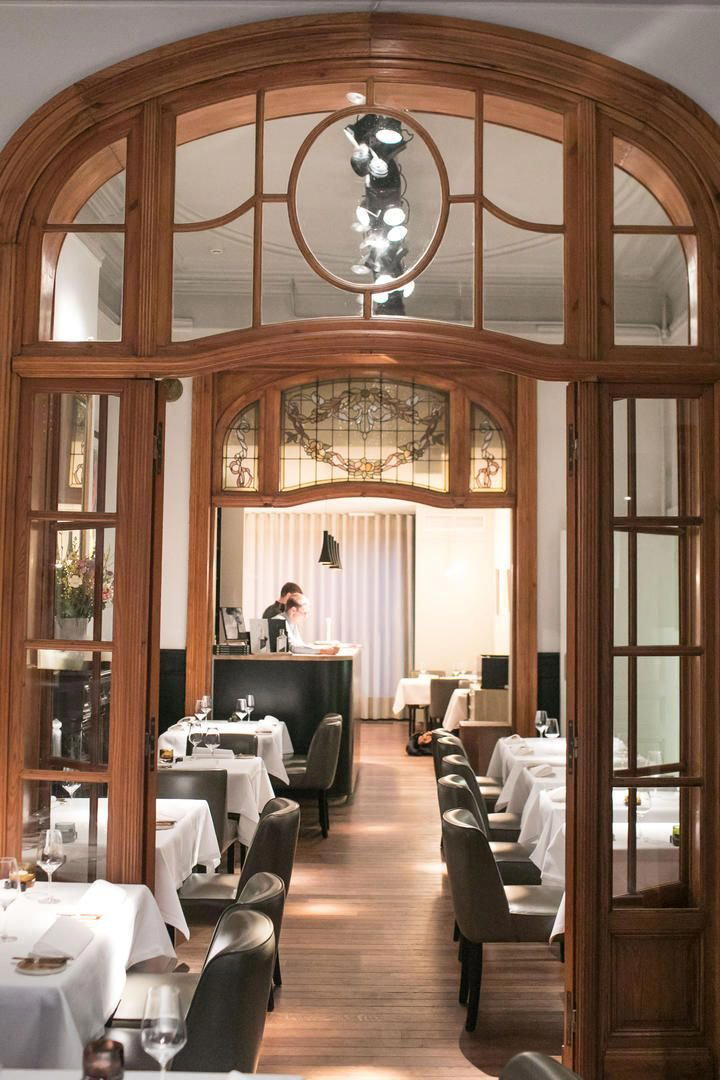
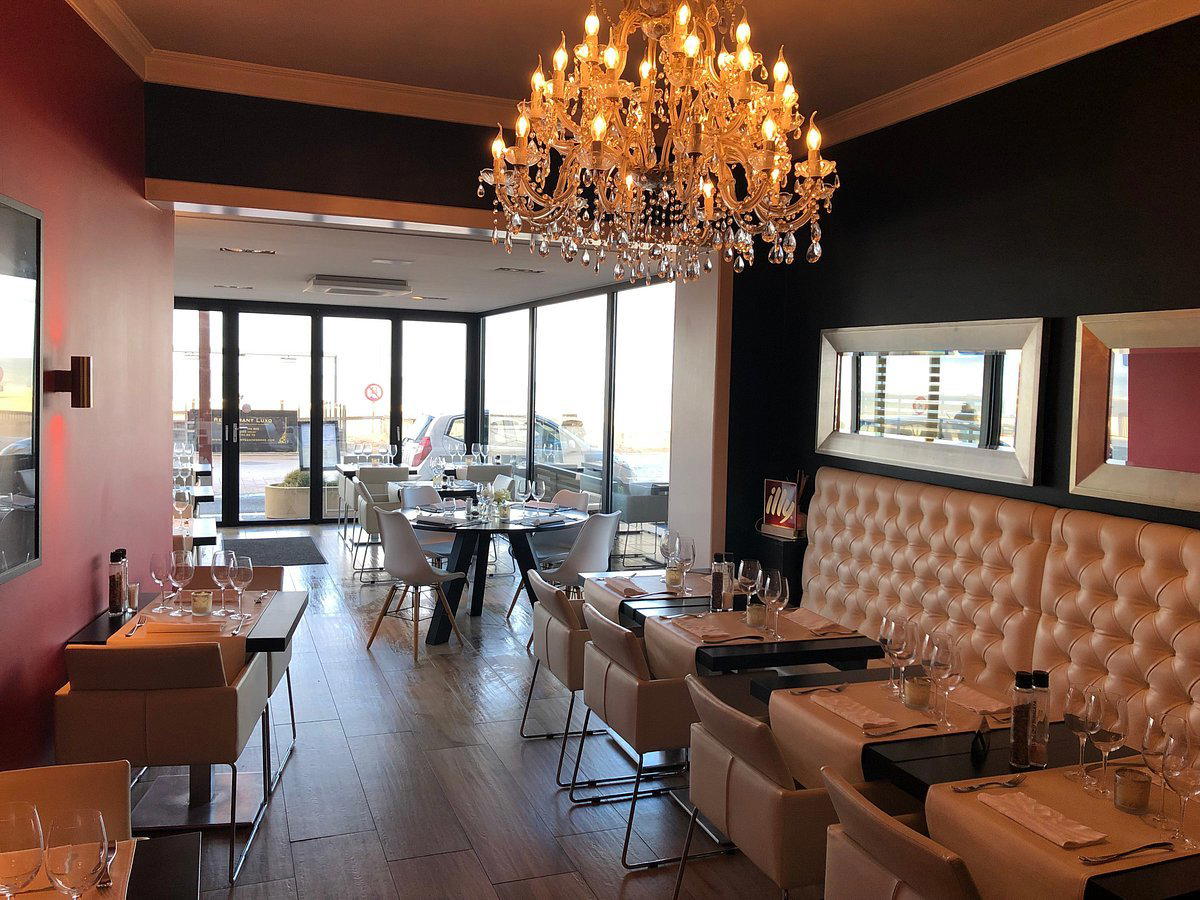
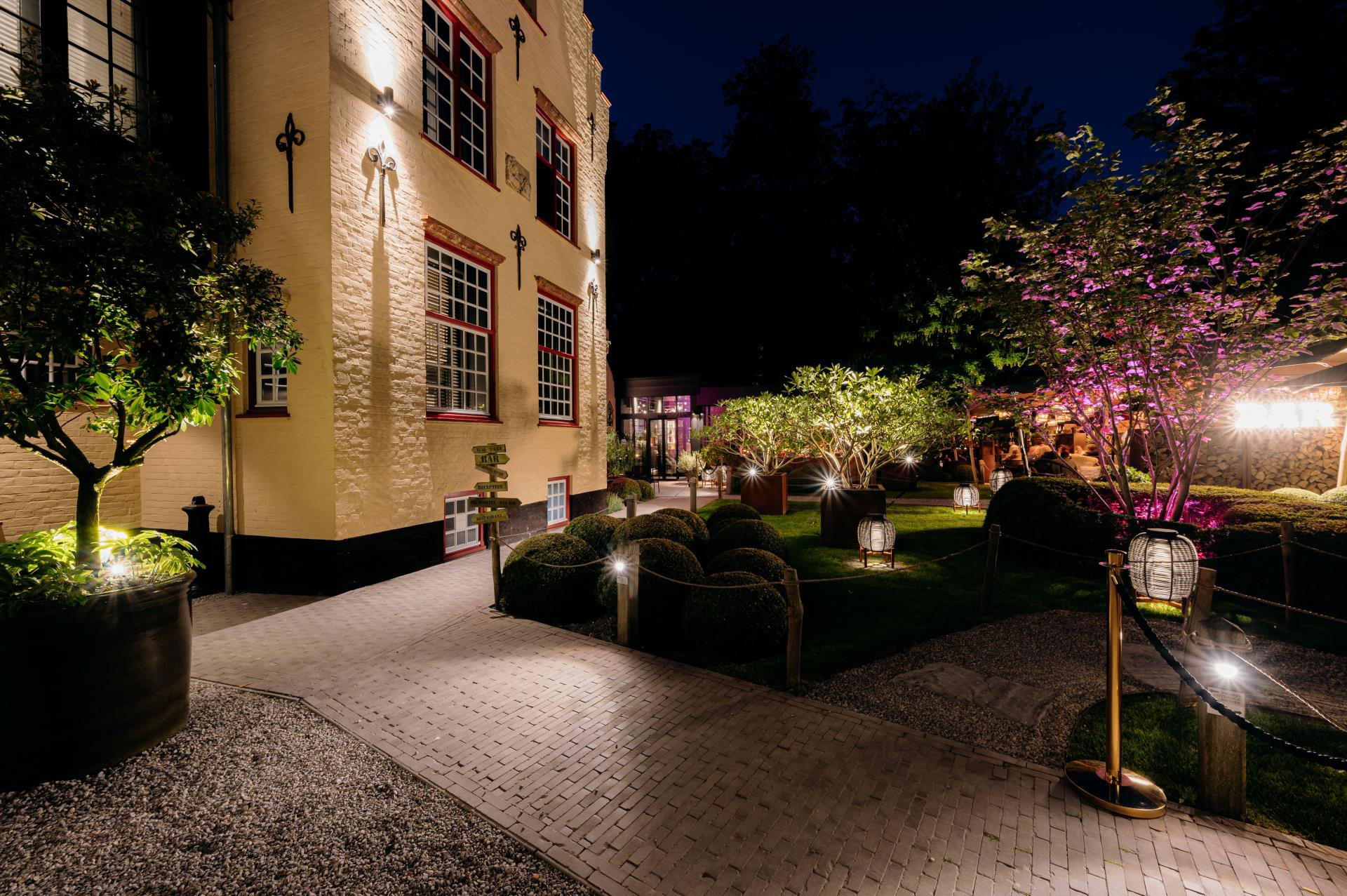
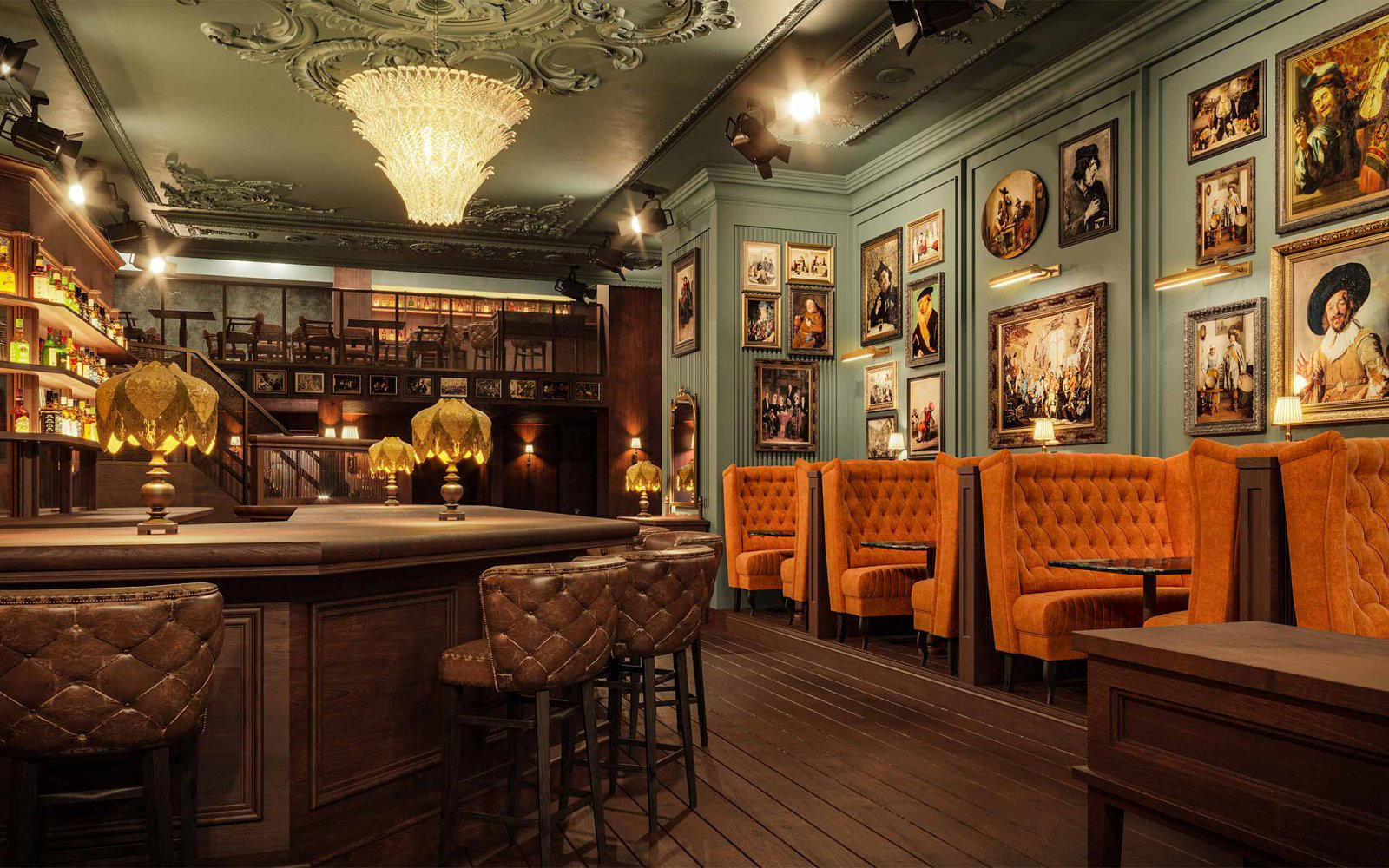
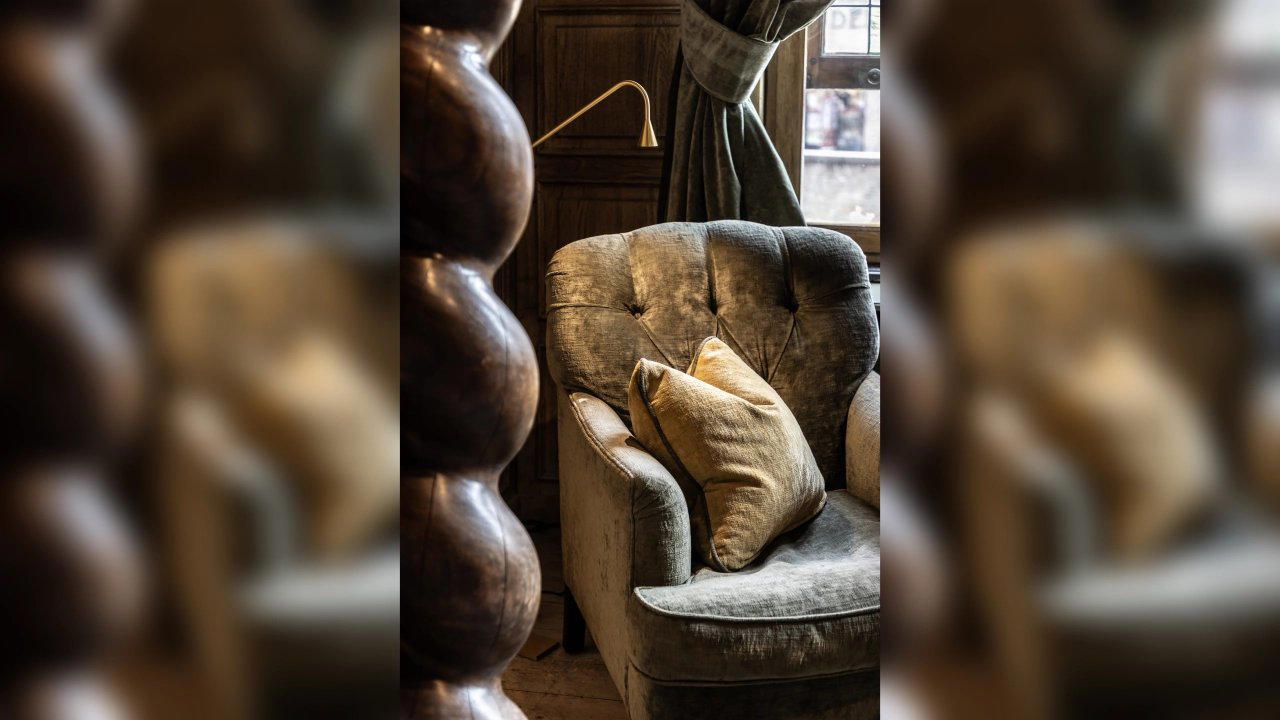
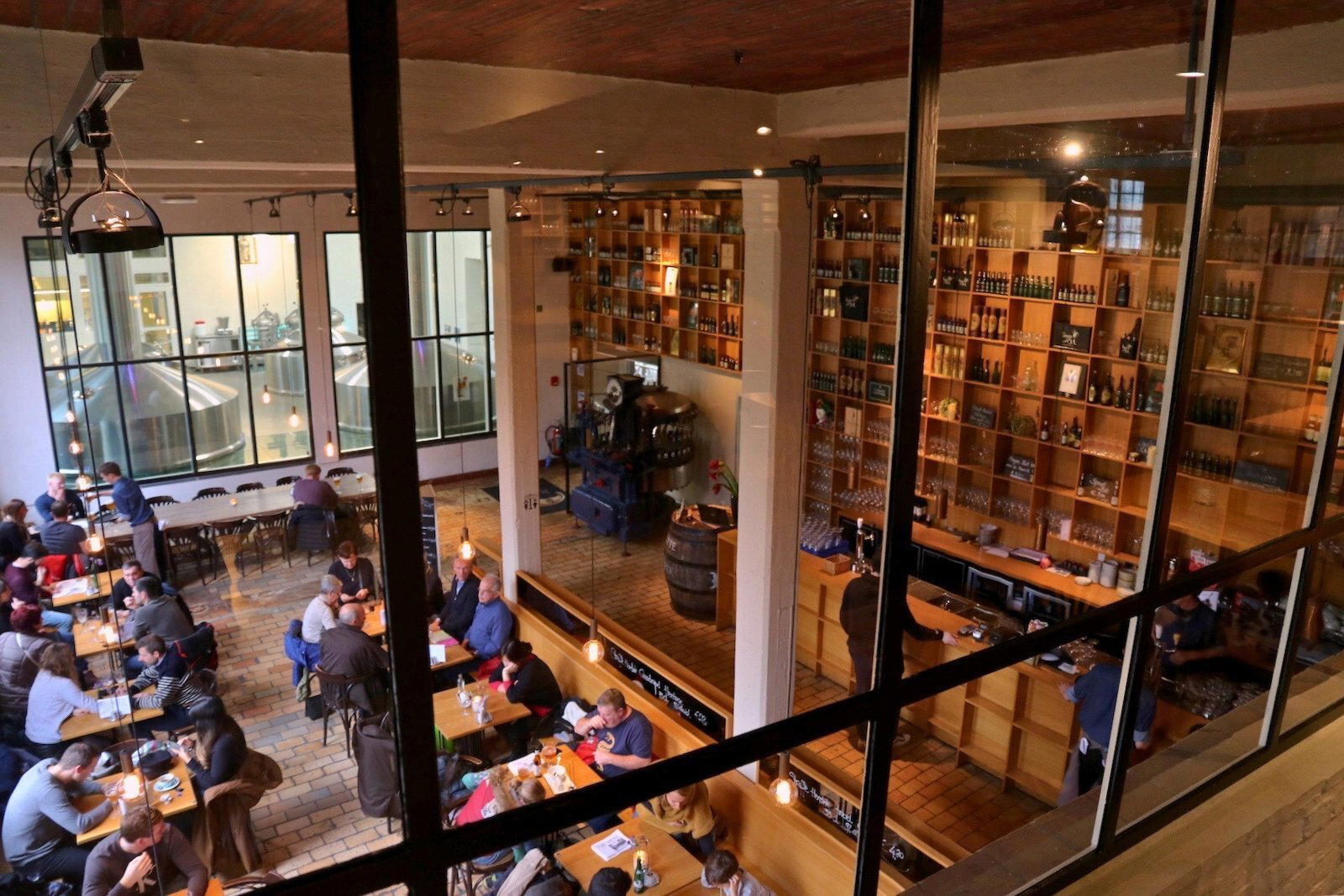
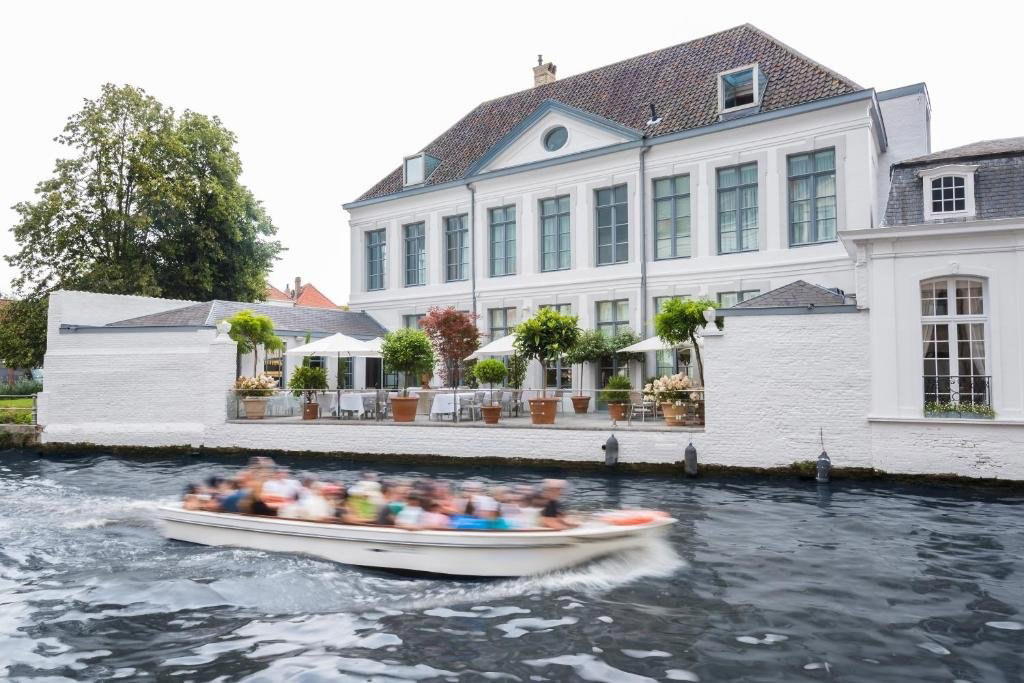
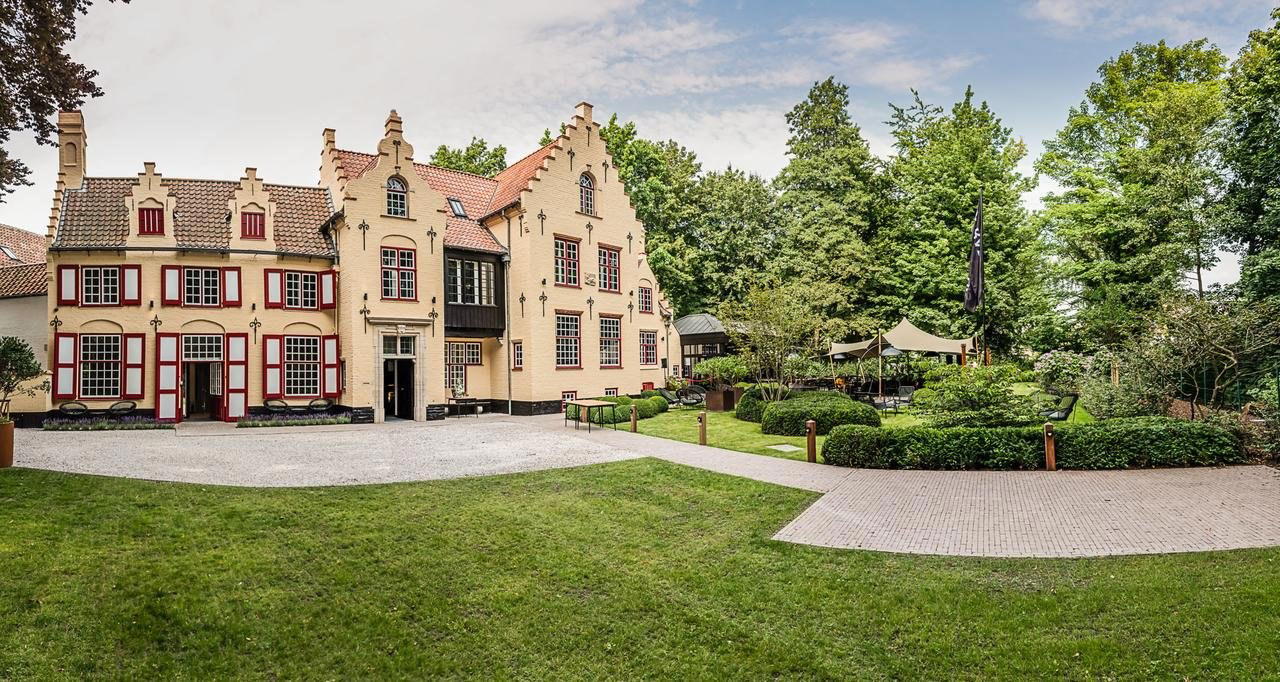
Tastefully elegant interior with attention to detail, cozy covered heated terrace, and relaxed countryside farmhouse atmosphere.
Know Before You Go
- Getting there
- Kraailokerkweg 17, 9990 Maldegem, Belgium