Brunelli's

Michelin Plate
Our verdict
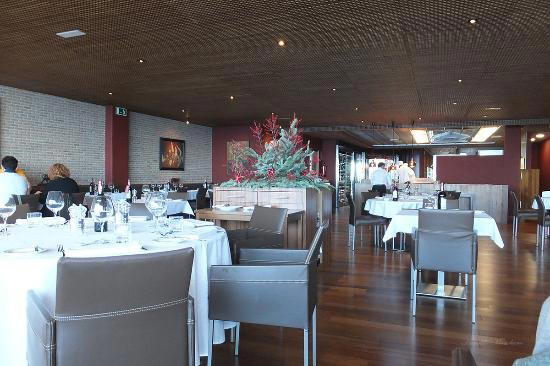
Brunelli's on Calle Bencomo has earned consecutive Michelin Plate recognition (2024 and 2025) for a reason that is straightforward to articulate: the meat programme is serious. Uruguayan entrecôte, Nebraska Black Angus T-bone, German Simmental ribeye, and a Spanish Tomahawk anchor a menu that sources and ages many cuts on the premises, while a sea-facing picture window frames the whole experience in Atlantic light.

Pearl is the En Primeur Club membership app — saves, bookings, and concierge access live there. Same editors, same standards.
- Address
- C. Bencomo, 42, 38400 Puerto de la Cruz, Santa Cruz de Tenerife, Spain
- Phone
- +34 922 06 26 00
- Hours
- Daily 1–3:30 PM, 7–11 PM
- Website
- brunellis.com
- Directions
- Get directions
- Booking
- Book on CoverManager
The menu
What to order
- Steak tartare
- Chateaubriand
- Tomahawk
- Black Angus T-Bone
Where the Atlantic Meets the Grill
Approach Brunelli's from Calle Bencomo and the context matters. Puerto de la Cruz is a town defined by volcanic terrain and ocean proximity, and the restaurant sits close to the entrance of Loro Parque, in a part of the north coast that draws visitors without being dominated by them. Inside, the picture window that overlooks the sea is not a decorative feature — it organises the room around a particular relationship between the diner and the Atlantic horizon, which is an unusual backdrop for a serious steakhouse. The combination of that view, family-run consistency, and a two-year run of Michelin Plate recognition (2024 and 2025) places Brunelli's in a category that is relatively rare on the island: a grill restaurant that has attracted the kind of sustained critical attention more often reserved for Spain's creative fine-dining circuit.
Spain's Michelin-recognised dining tends to cluster around avant-garde programmes: think DiverXO in Madrid, Arzak in San Sebastián, Azurmendi in Larrabetzu, or El Celler de Can Roca in Girona. The Michelin Plate, which signals quality cooking without the full star apparatus, often surfaces establishments that do one thing with notable rigour rather than many things with theatrical ambition. Brunelli's fits that description precisely.
The Cuts: What the Menu Actually Argues
The clearest statement a grill restaurant makes is in how it sources and presents its beef. Brunelli's takes a deliberately international approach: the menu spans Uruguayan entrecôte, Nebraska Black Angus T-bone, German Simmental ribeye, Chateaubriand, and Spanish Tomahawk. Each of these comes from a distinct breeding tradition and regional pasture context, and placing them side by side on a single menu is an editorial decision as much as a commercial one.
Uruguayan beef — primarily grass-fed on open pampas, tends to carry leaner marbling with a mineral quality that distinguishes it from grain-finished alternatives. The Nebraska Black Angus T-bone represents the American grain-finishing tradition, where extended corn feeding produces the fat distribution that defines the category's signature richness. German Simmental, a dual-purpose breed, is less frequently seen on British or Spanish menus than Angus or Wagyu variants; its ribeye offers a different fat-to-muscle ratio and a flavour profile shaped by alpine pasture. Spanish Tomahawk, the long-bone ribeye cut that has become a fixture at serious European grill restaurants over the past decade, rounds out the selection with a format that is partly theatrical and partly practical: the extended rib bone distributes heat during cooking in a way that affects the edge texture of the meat.
Many of these cuts are sold by weight and designed for two to share. This format is not simply a portion policy, it reflects the broader European tradition of treating premium beef as a communal object rather than an individual plate, a convention more established in Basque asadores and Argentine parrillas than in the mainstream Spanish restaurant scene.
On-premises ageing is the other element that separates a programme like this from a standard grill operation. Dry-ageing beef requires controlled temperature and humidity, consistent monitoring, and a willingness to carry significant product cost through the ageing period before a return is realised. For a family-run restaurant at the €€ price point, maintaining this infrastructure is a deliberate commitment to process over convenience. The result is typically a more concentrated flavour and a tenderness profile that cannot be replicated through shorter post-slaughter resting.
The Steak Tartare as a Benchmark
Within grill restaurant culture, the steak tartare has become a reliable diagnostic tool. A kitchen confident in raw beef preparation is signalling its sourcing standards publicly: the cut matters, the freshness window matters, and the seasoning balance determines whether the dish reads as a showcase or an afterthought. At Brunelli's, the tartare is the signature entry point, positioned ahead of the grilled programme rather than as a minor starter. That positioning carries a clear message about the kitchen's orientation toward the ingredient rather than toward the fire alone.
For visitors comparing grill programmes across Europe, venues like Carcasse in Sint-Idesbald and Damini Macelleria & Affini in Arzignano occupy a similar space: Michelin-recognised operations where the central argument is the quality of the animal and the discipline of the cut, rather than technique applied to the plate after the fact.
Puerto de la Cruz in Context
The north of Tenerife operates under different culinary dynamics than the south coast resort strip. Puerto de la Cruz has a longer relationship with year-round residential life and a more established local dining culture, which tends to support restaurants that can rely on repeat custom from residents alongside tourist traffic. Brunelli's positioning near Loro Parque gives it visibility among the town's highest-footfall visitor attractions without being trapped in the immediate tourist circuit.
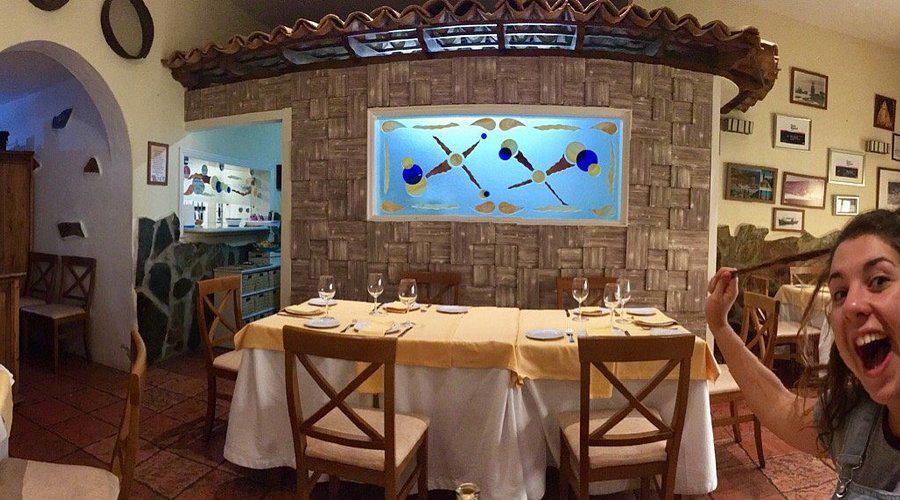
For visitors constructing a full dining itinerary in Puerto de la Cruz, Brunelli's occupies a distinct position in the local restaurant set. El Taller Seve Díaz represents the contemporary creative end of the local scene; Brunelli's is where to go when the focus is specifically on sourced beef at a price point that remains accessible despite the ingredient quality. See our full Puerto de la Cruz restaurants guide for a complete view of the dining options, alongside our Puerto de la Cruz hotels guide, bars guide, wineries guide, and experiences guide.
Brunelli's sits at the €€ price tier, which makes it a practical option for visitors who want Michelin-recognised quality without the four-course tasting menu commitment that characterises Spain's most celebrated tables, from Aponiente in El Puerto de Santa María to Martín Berasategui in Lasarte-Oria, Mugaritz in Errenteria, Quique Dacosta in Dénia, Cocina Hermanos Torres in Barcelona, or Ricard Camarena in València.
Planning Your Visit
Brunelli's is located at C. Bencomo, 42, 38400 Puerto de la Cruz, Santa Cruz de Tenerife. The restaurant does not list a website or central booking line in public directories, so reservations are best confirmed by visiting directly or through third-party booking platforms where the venue may have a presence.
Frequently asked questions
Is Brunelli's a family-friendly restaurant?
The format is consistent with a family dining context. The restaurant operates at the €€ price tier, which keeps the spend manageable for groups, and the menu's shared-cut structure, many portions sold by weight for two, suits tables of varying sizes. Puerto de la Cruz is a family-oriented destination by Canarian standards, and restaurants in this part of the town tend to accommodate mixed-age groups without difficulty. The grill-focused menu is broadly accessible across age ranges.
Is Brunelli's formal or casual?
The Michelin Plate recognition might suggest otherwise, but the setting and price point place this firmly in the casual-to-smart-casual register. Puerto de la Cruz's dining culture is relaxed compared to mainland Spain's major cities, and the family-run character of Brunelli's reinforces that tone. The sea-view room and quality of the meat programme raise the occasion without requiring it to be a formal one.
What do people recommend at Brunelli's?
Steak tartare is the dish most consistently cited as the signature, and the grilled cuts, particularly the shared formats such as the Uruguayan entrecôte, Nebraska Black Angus T-bone, and Spanish Tomahawk, are the core of the meat programme. The on-premises ageing programme is the technical foundation behind most of the positive feedback around texture and flavour depth.
How It Stacks Up
| Venue | Cuisine | Price | Awards |
|---|---|---|---|
| Brunelli'sThis venue — the venue you are viewing | Premium Steakhouse | $50–100 | Michelin Plate |
| Aponiente | Progressive - Seafood, Creative | Not listed | Michelin 3 Star |
| Arzak | Modern Basque, Creative | Not listed | Michelin 3 Star |
| DiverXO | Progressive - Asian, Creative | Not listed | Michelin 3 Star |
| El Celler de Can Roca | Progressive Spanish, Creative | Not listed | Michelin 3 Star |
| Quique Dacosta | Creative | Not listed | Michelin 3 Star |
Recognition history
Dated appearances from independent guides and award organizations, with the underlying list record or original source where available.
Michelin Plate
Michelin
Full recognition history (3 entries)
Michelin Plate
Michelin
Michelin Plate
Michelin
Continue exploring
More in Puerto de la Cruz
Restaurants in Puerto de la Cruz
Browse all →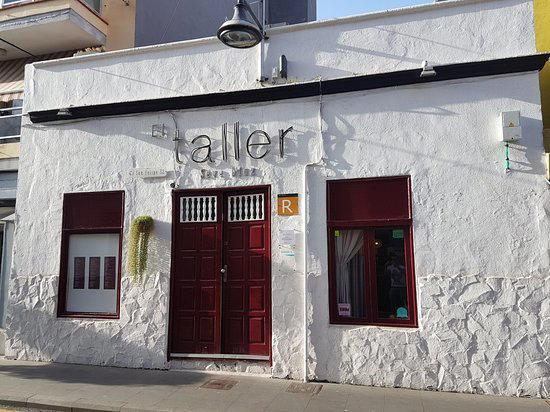
Bars in Puerto de la Cruz
Browse all →
Hotels in Puerto de la Cruz
Browse all →
Wineries in Puerto de la Cruz
Browse all →
Details
- Elegant
- Scenic
- Cozy
- Date Night
- Special Occasion
- Group Dining
- Waterfront
- Terrace
- Open Kitchen
- Waterfront
- A La Carte
- Gluten Free Options
Current opening hours
- Monday
- 1–3:30 PM, 7–11 PM
- Tuesday
- 1–3:30 PM, 7–11 PM
- Wednesday
- 1–3:30 PM, 7–11 PM
- Thursday
- 1–3:30 PM, 7–11 PM
- Friday
- 1–3:30 PM, 7–11 PM
- Saturday
- 1–3:30 PM, 7–11 PM
- Sunday
- 1–3:30 PM, 7–11 PM
Hours can change for holidays and private events. Last verified .
Welcoming atmosphere with great ambiance enhanced by large picture windows offering panoramic ocean views, especially beautiful at sunset.