El Almacèn de Cirès occupies a quiet corner of the small Haute-Garonne village of Cirès, in a part of rural southern France where the Pyrenean foothills shape both the terrain and what ends up on the plate. The address alone positions it within a tradition of deeply place-rooted cooking that has long defined France's most compelling countryside tables. For travellers willing to make the journey, the village setting is the point, not the obstacle.
- Address
- Le Village, 31110 Cirès, France
- Phone
- +33649016393
- Website
- almacen.fr
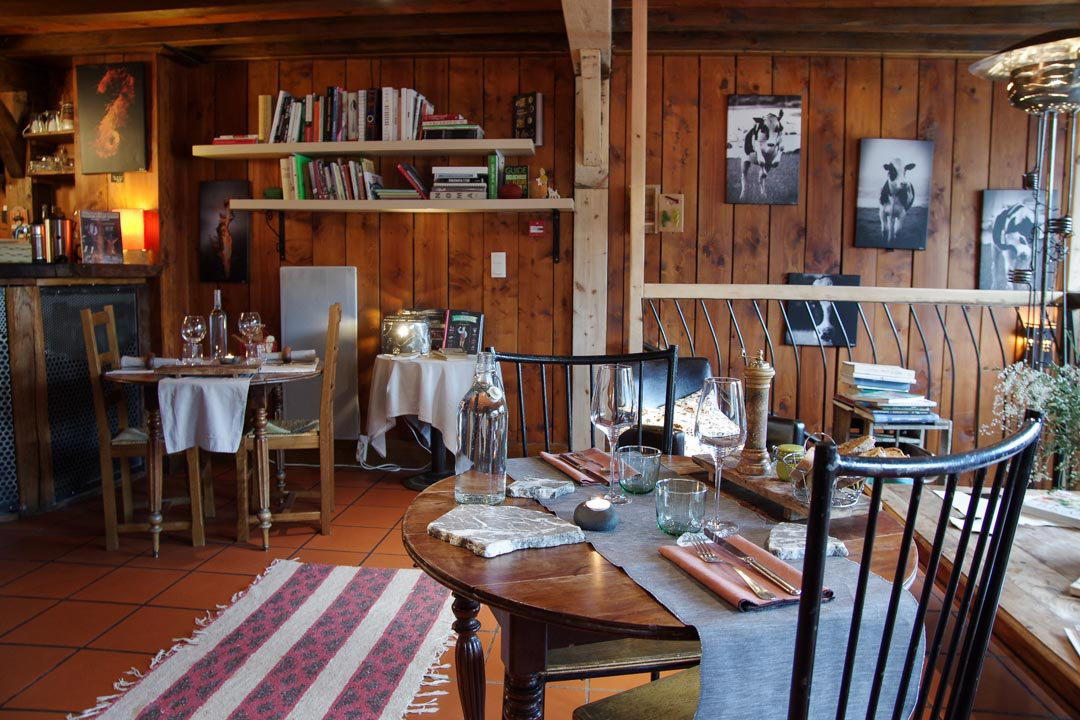
Where the Pyrenees Begin to Define What You Eat
In the Haute-Garonne, the land changes quickly. Within a short drive south of Saint-Gaudens, the broad agricultural plains give way to folded valleys and the first serious gradients of the Pyrenean foothills. Cirès sits in that transition zone, a village of the kind that rarely appears on itineraries but has the geographic logic of a place that has always fed itself from its immediate surroundings. It is in this broader tradition of hyper-local, mountain-inflected southern French cooking that El Almacèn de Cirès makes its case. El Almacèn de Cirès is a restaurant in Cirès, France, with a smart casual dress code, an essential reservation policy, and a price tier of 3 at about $61 per person.
France's most compelling rural tables have long operated on a principle that proximity to source is itself a form of quality control. The argument has been made at altitude and in valley floors alike, from the basalt plateau above Laguiole where Bras in Laguiole built its reputation on gargouillou and the herbs of the Aubrac, to the Alsatian riverbank at Illhaeusern where Auberge de l'Ill has spent decades anchoring its cooking to local pike and Riesling. In the foothills of the Pyrenees, the logic holds with particular force: the seasonal rhythm is compressed and legible, and a kitchen that pays attention to it can work with ingredients at a specificity that flatland urban restaurants cannot replicate.
Ingredient Geography: What the Haute-Garonne Offers
The terroir argument in southern France is not limited to wine. The Pyrenean foothills produce a specific set of raw materials that have shaped the cooking of this corridor for generations. Aged ewe's milk cheeses from the mountain pastures, black Bigorre pork from the neighbouring Hautes-Pyrénées, trout from fast, cold mountain streams, wild mushrooms in autumn, and a range of pulse and grain crops that reflect the region's historical self-sufficiency. Any kitchen in this geography that takes its address seriously has access to a supply network that operates at a very different scale from the centralised wholesale systems that feed most metropolitan restaurants.
This matters for how you read a place like El Almacèn de Cirès. Cirès itself is small, which means that any serious cooking operation here is, almost by definition, oriented toward the village's immediate agricultural radius rather than toward a wider supplier network. That orientation is what separates these Pyrenean-fringe addresses from the grand French country house restaurants further north, where the prestige of the address and the formality of the dining room often outpace the local rootedness of what is actually on the plate. For a broader map of where France's destination restaurants sit in relation to their sourcing traditions, our full Cires restaurants guide covers the regional context.
The Village Table Format and What It Demands of the Traveller
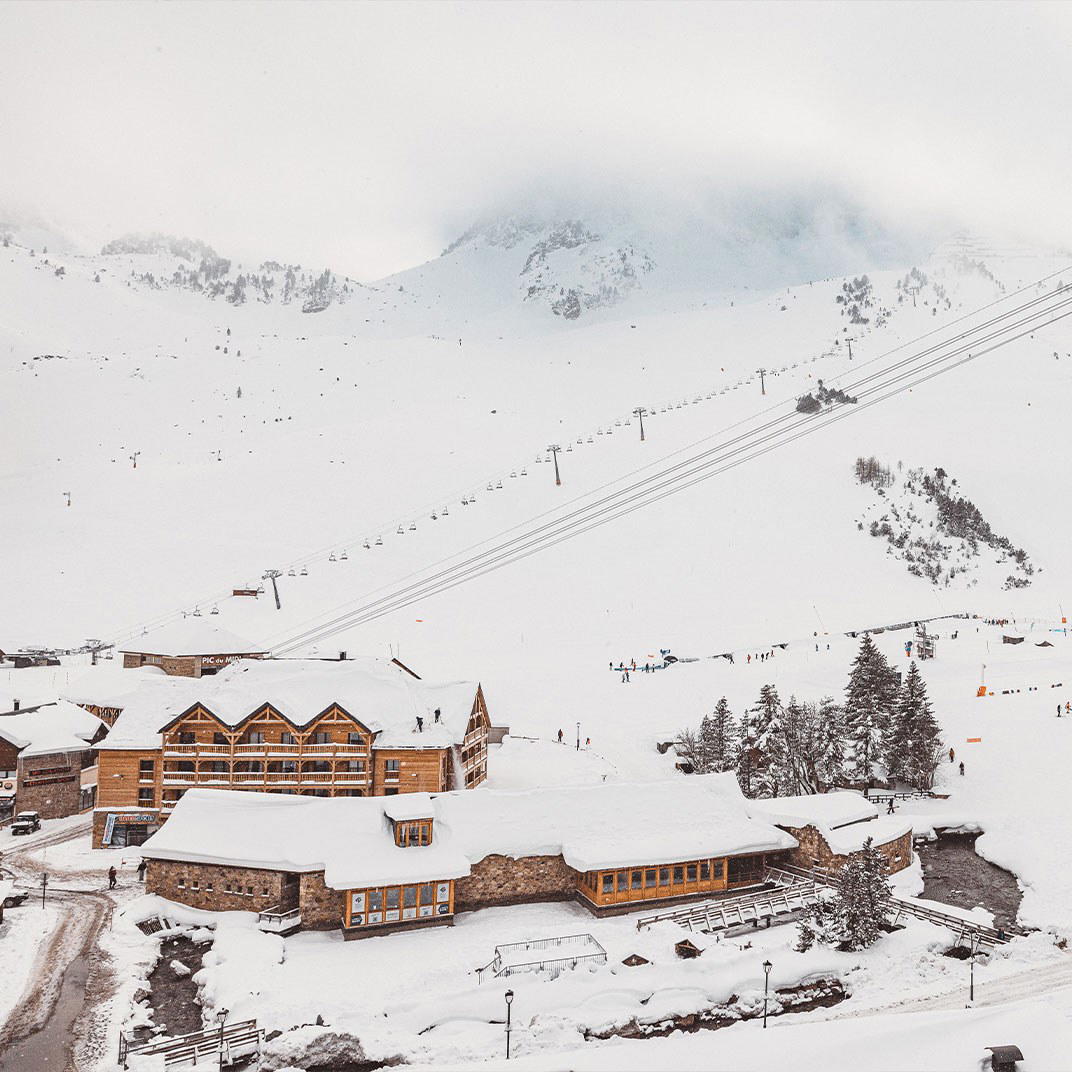
Cirès, as a destination, requires commitment from the outset. There is no passing trade, no proximity to a railway hub, and no urban fallback if the evening does not go as planned. Reaching it means driving the Garonne valley south past Montréjeau and then climbing into a quieter road network where villages are separated by pasture and forest rather than suburbs. That isolation is structural: it tells you that whoever arrives has come specifically, and that the kitchen, if it is operating with any seriousness, is doing so for an audience that has already demonstrated patience.
This is the same dynamic that defines France's most geographically committed destination tables. Auberge du Vieux Puits in Fontjoncouse draws guests to a village of roughly a hundred inhabitants in the Corbières. Les Prés d'Eugénie - Michel Guérard in Eugénie-les-Bains operates in a spa village that exists, in culinary terms, almost entirely because of the restaurant. The model is not unusual in France; what varies is the cooking that waits at the end of the drive.
For travellers building an itinerary around the southern French mountains, the broader region offers a range of reference points. Flocons de Sel in Megève sits at the upper end of Alpine French dining, while Le 1947 à Cheval Blanc in Courchevel represents the hotel-anchored luxury tier of mountain dining in France. El Almacèn de Cirès operates in a different register from both: smaller in scale, more specifically embedded in a single valley's agricultural identity.
Contextualising the Address in French Rural Dining
France's provincial restaurant tradition has always contained multitudes. At one end of the spectrum sit institutionalised country tables where the room, the cellar, and the historical weight of the address are as important as the cooking: Paul Bocuse - L'Auberge du Pont de Collonges in Collonges-au-Mont-d'Or, Maison Lameloise in Chagny, and Georges Blanc in Vonnas all belong to that category. Further down the formality scale, but often more interesting in terms of place-rootedness, are addresses where the village geography directly determines the menu rather than the other way around.
El Almacèn de Cirès addresses in the Pyrenean foothills belong to neither the grand maison tradition nor the creative-fine-dining category represented by addresses like Mirazur in Menton or Alléno Paris au Pavillon Ledoyen in Paris. The frame of reference here is more vernacular, closer in spirit to the Occitan auberge tradition than to any Michelin-weighted comparable set. That positioning is not a limitation; it reflects a different set of priorities. Sourcing replaces ceremony, and the cooking is more likely to be read through what the valley produces in a given season than through any overarching culinary philosophy.
For readers building a comparative picture of French destination dining more broadly, the range extends well beyond France's borders. Le Bernardin in New York City and Lazy Bear in San Francisco both demonstrate how the French country-table principle, of cooking tied to a specific sourcing philosophy and a defined audience, travels and adapts. Troisgros - Le Bois sans Feuilles in Ouches and L'Oustau de Baumanière in Les Baux offer domestic French reference points at different price tiers and levels of formality. La Table du Castellet in Le Castellet and La Vague d'Or - Cheval Blanc St-Tropez in Saint-Tropez anchor the southern French end of the spectrum.
Planning Your Visit
Cirès is reached most practically by car from Saint-Gaudens, roughly 30 kilometres to the north, or from Luchon to the south. Contacting the venue directly via the village address at Le Village, 31110 Cirès, France, is the recommended first step. Any visit here should be treated as part of a wider Haute-Garonne or Pyrenean itinerary rather than a standalone day trip; the surrounding valley offers walking trails, thermal spa towns, and a set of market villages that repay a two-to-three-night stay in the area.
FAQs: El Almacèn de Cirès
- Is El Almacèn de Cirès good for families? In a rural Pyrenean village with no published children's menu or dedicated family facilities, and without specific pricing data on record, families should contact the venue in advance to confirm suitability before making the drive from the nearest town.
- Is El Almacèn de Cirès better for a quiet night or a lively one? The address and setting answer this plainly. A village of this size in the Haute-Garonne foothills, without the awards profile or price signals of a destination restaurant drawing large-group bookings, is oriented toward quieter, more considered evenings than animated social dining.
- Given the sourcing logic of this region, expect the menu to reflect what the Pyrenean foothills produce in the current season, with mountain cheeses, cured meats from local black-pork breeds, and freshwater fish among the probable reference points across any given service.
- What does the name El Almacèn de Cirès tell you about the venue? The name blends Spanish and Occitan linguistic registers, which is geographically coherent: Cirès sits in the Pyrenean corridor where French, Occitan, and Iberian cultural influences have overlapped for centuries. The word almacén (warehouse or storehouse in Spanish) suggests a space repurposed from agricultural or commercial use.
Fast Comparison
Comparable venues nearby, for context on price, style, and recognition.
| Venue | Cuisine | Price | Awards | Notes |
|---|---|---|---|---|
| El Almacèn de CirèsThis venue — the venue you are viewing | Creative Wood-Fired French Cuisine | $$$ | , | |
| Le Saint Sauvage | Modern French Bistro | $$$ | , | Capitole / Arnaud Bernard / Carmes |
| Autan Gourmand | Modern French Bistro | $$$ | , | Labège |
| Chez Planes | Refined Catalan-Influenced French | $$$ | , | Saillagouse |
| Les Papilles Insolites | French Bistro with Natural Wines | $$$ | , | Centre Ville |
| Restaurant Sixty-two | Modern Southwestern French | $$$ | , | Capitole / Arnaud Bernard / Carmes |
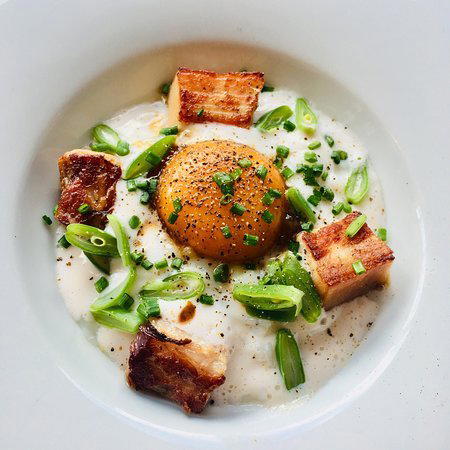
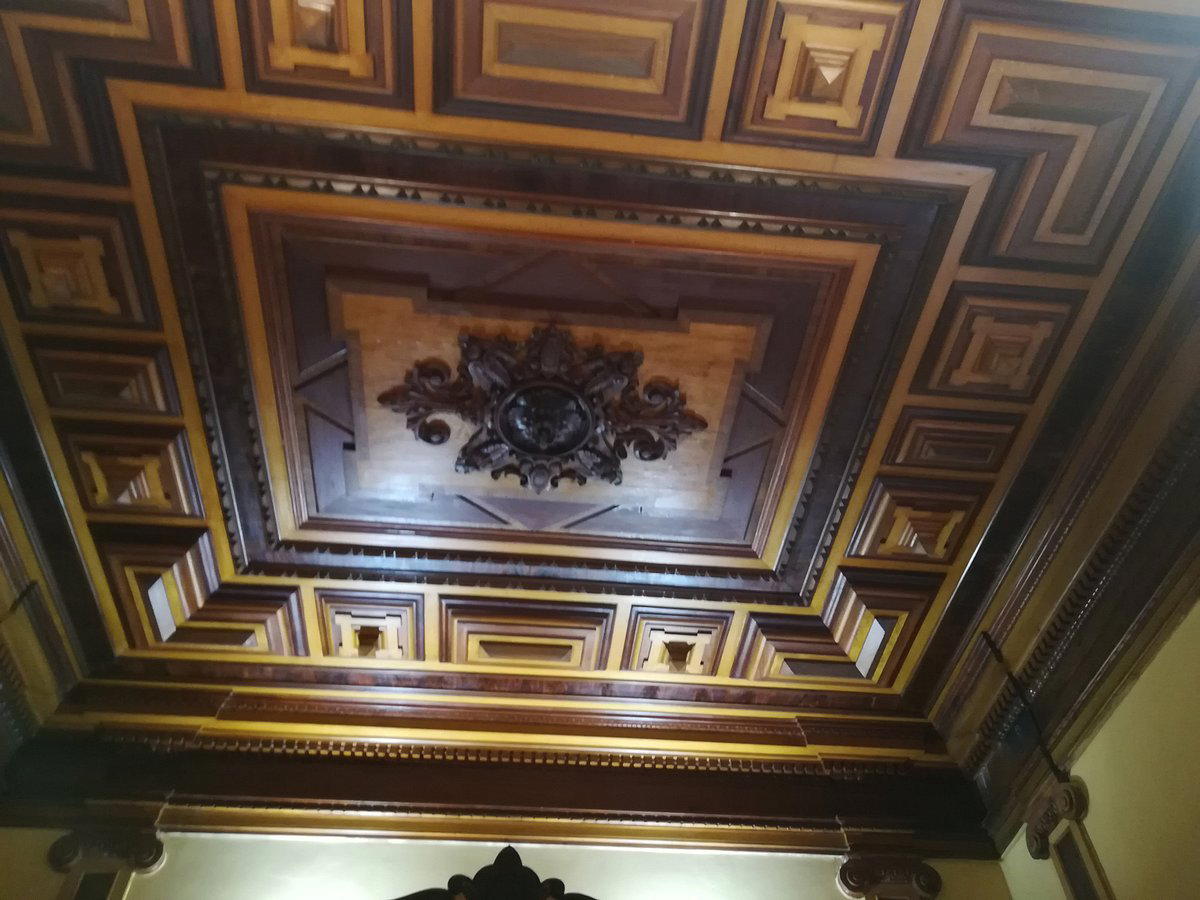
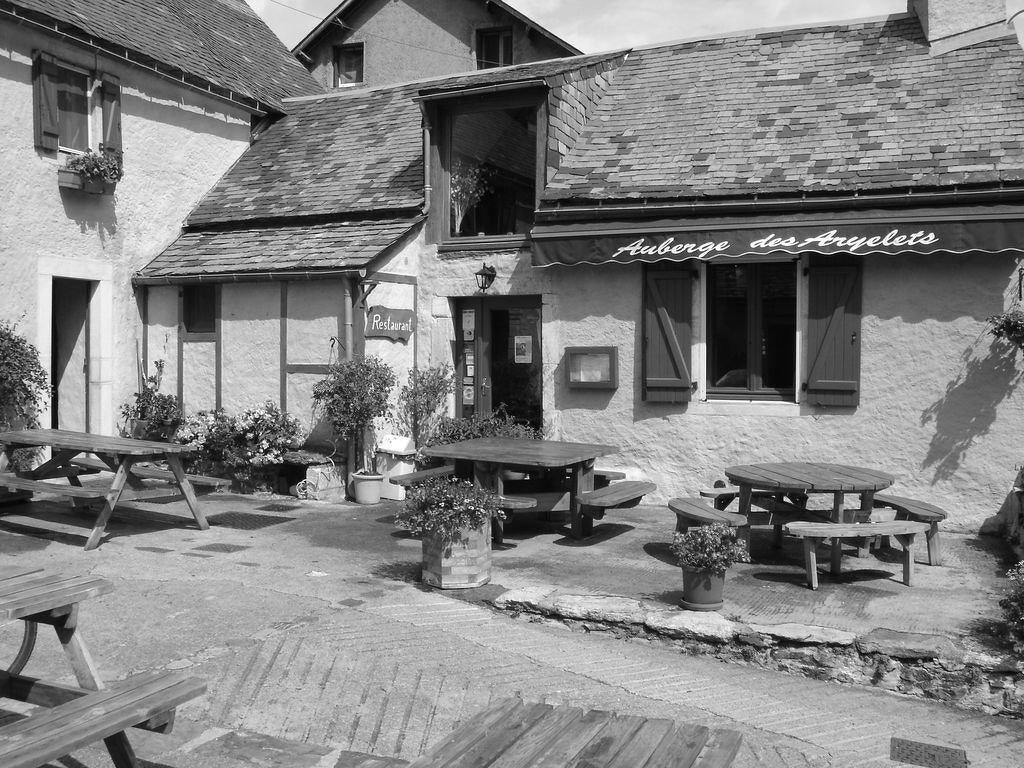
At a Glance
- Intimate
- Cozy
- Romantic
- Rustic
- Elegant
- Date Night
- Special Occasion
- Celebration
- Open Kitchen
- Panoramic View
- Standalone
- Sommelier Led
- Farm To Table
- Local Sourcing
- Organic
- Mountain
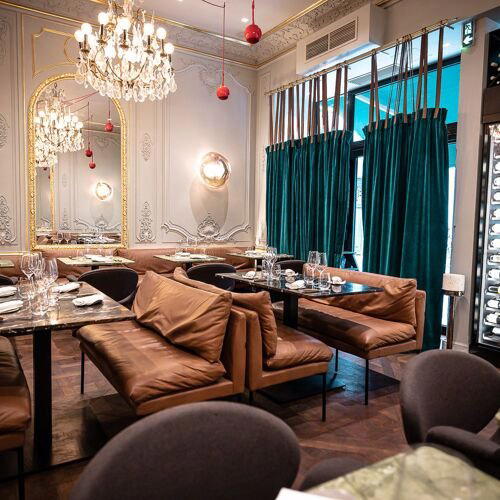
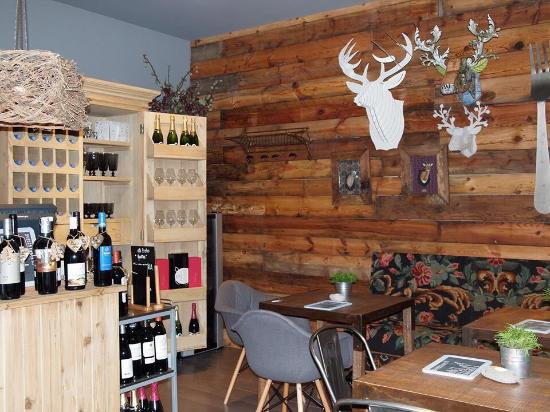
Warmly lit, intimate dining room with a fireplace, each table uniquely furnished with distinct tableware, creating a cozy yet refined atmosphere that feels like dining at a friend's home.