L'Hibiscus by Jérémy Lasserre

Michelin Plate
Our verdict
At the foot of the Pyrenees in the Hôtel du Barry, L'Hibiscus by Jérémy Lasserre holds a 2025 Michelin Plate for modern cuisine that draws on fourteen years of Asian kitchen experience alongside deep southwestern French roots. The result is a technically precise menu where Tarbais beans, local mushrooms, and dashi stock share equal billing. Guestrooms above mean the meal can reasonably become an overnight stay.

Pearl is the En Primeur Club membership app — saves, bookings, and concierge access live there. Same editors, same standards.
- Address
- Ham. de Gesset, 31510 Sauveterre-de-Comminges, France
- Phone
- +33 5 62 00 46 93
- Website
- hotel-dubarry.fr
- Directions
- Get directions
Pyrenean Foothills, Asian Technique: The Culinary Logic of Sauveterre-de-Comminges
The Comminges pays sits in a corridor between the Garonne plain and the first real ridgelines of the Pyrenees, a zone where the French southwest's ingredient culture — duck fat, Tarbais beans, ceps, river fish — runs deep, and where restaurant ambition tends to be quieter than in Toulouse or Bordeaux, but no less serious for that. This is one of several areas of provincial France where a single kitchen, planted in a small hotel, ends up carrying most of the culinary weight for an entire subregion. The format, chef-driven hotel restaurant, removed from urban competition, working with locally sourced produce, holding Michelin recognition, has produced some of France's most focused cooking, from Auberge du Vieux Puits in Fontjoncouse to Bras in Laguiole. L'Hibiscus operates within that tradition.
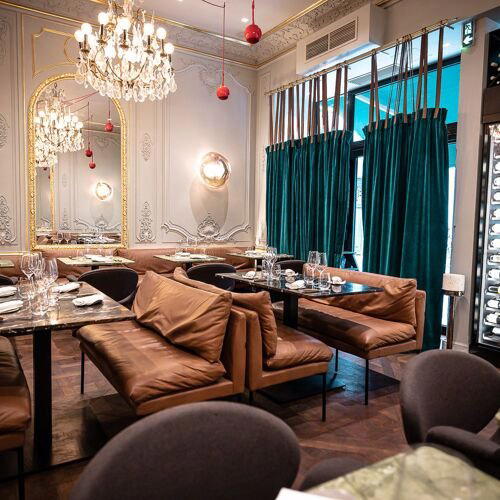
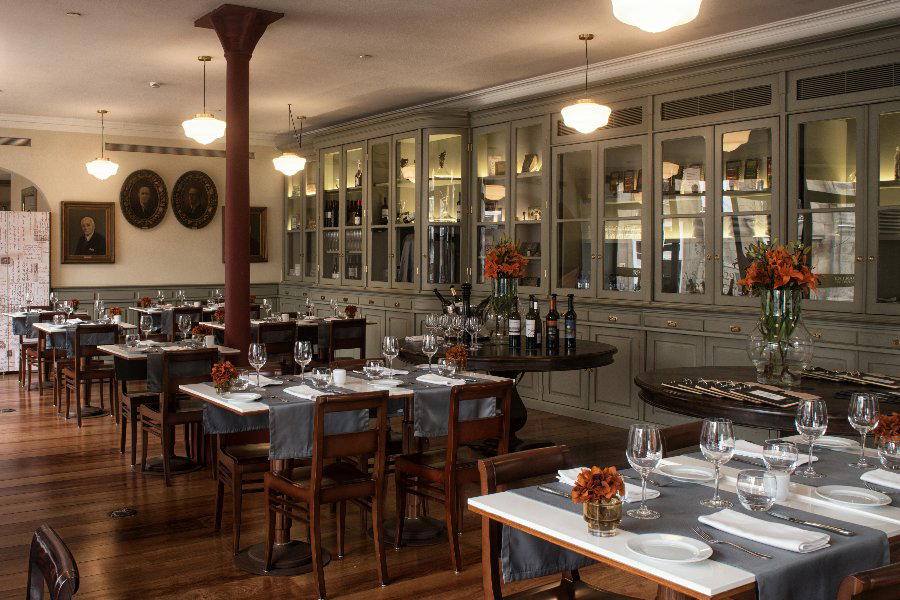
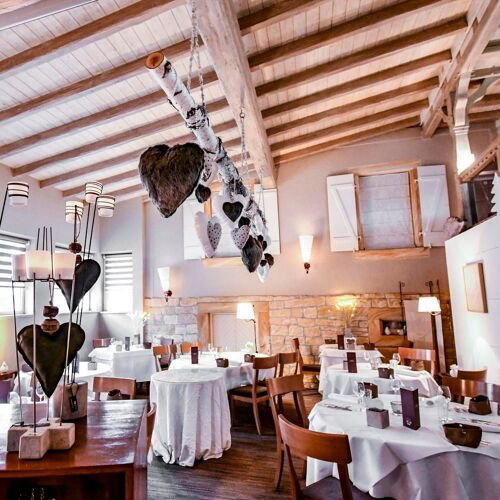
The Hôtel du Barry, which houses L'Hibiscus, sits at the hamlet of Gesset on the edge of Sauveterre-de-Comminges, with the Pyrenean foothills visible on the horizon. Approaching the building, the scale is domestic rather than grand: stone, a small forecourt, the sense of a place that has been here a long time. The dining room continues in that register, comfortable without being fussy, the kind of room where the food is expected to do the talking.
Where the Ingredients Come From, and Why That Shapes the Menu
Southwestern French larder at this latitude is specific and well-defined. Tarbais beans, the white, flat legume grown in the Bigorre and Comminges valleys, protected under a Label Rouge designation, are one of the area's signature agricultural products. They appear on the menu here in a trilogy preparation alongside mushrooms and a slow-cooked egg, a dish that draws on both the local supply chain and a broader technical vocabulary. The Pyrenean foothills also deliver mushrooms across a long autumn season, and the proximity to mountain streams and grazing land gives kitchens in this zone reliable access to fresh water fish, lamb, and aged cheeses that kitchens further north pay a premium to source.
What distinguishes the cooking at L'Hibiscus within that southwestern context is the overlay of technique absorbed during fourteen years in Asia. Dashi stock, the Japanese umami base built from kombu and bonito, appears as a seasoning element alongside local produce, a pairing that works because both traditions prioritise clarity of flavour over richness. Low-temperature cooking and espumas bring a modernist technical layer that sits in the same camp as kitchens like Flocons de Sel in Megève, where mountain-regional ingredients meet high-precision preparation. The onsen egg, slow-cooked to a Japanese bathwater temperature that sets the white softly while leaving the yolk fluid, is the clearest expression of that synthesis, arriving with the Tarbais trio in what Michelin's 2025 inspectors describe as one of the kitchen's specialities.
Michelin Plate Recognition and the Peer Context
A Michelin Plate in the 2025 guide indicates food worth stopping for: the inspectors have found consistent quality without yet awarding the first star. In the context of southwestern France, this places L'Hibiscus in a meaningful but not top-tier category. The region already holds serious starred addresses, and the Michelin Plate functions here as a signal that the kitchen is cooking at a level that warrants a specific journey, particularly for travellers already moving through the Comminges or heading toward the Pyrenean passes.
The comparison set for a kitchen of this type in France's provincial hotel-restaurant circuit is instructive. Fully starred destinations in remote settings, Auberge de l'Ill in Illhaeusern or Troisgros in Ouches, have decades of institutional weight behind them. L'Hibiscus occupies a different bracket: a single Plate-recognised kitchen building a reputation around a specific technical and geographic identity, at price point €€€ rather than the €€€€ commanded by three-star city destinations like Alléno Paris au Pavillon Ledoyen or Mirazur in Menton. That mid-range price position, combined with Michelin recognition and the guestroom option, gives the restaurant a value proposition that urban equivalents cannot replicate.
The Case for Staying Overnight
The guestrooms at the Hôtel du Barry convert what might otherwise be a single-meal destination into something closer to a short break. The logic is direct: the restaurant is not easily combined with other dining destinations the same evening, the drive through the Comminges countryside is more pleasant in daylight, and the meal itself, at €€€ pricing with technical ambition, warrants a relaxed pace rather than a rushed departure. Michelin's own write-up notes the comfortable rooms and attentive service as reasons to extend the stay, which is an unusual dual endorsement for what is fundamentally a restaurant review. For context on what else the area offers, see our full Sauveterre-de-Comminges hotels guide, our bars guide, and our experiences guide for the wider area.
Planning the Visit
Those building a longer circuit of serious provincial French cooking at this price tier might also consider AM par Alexandre Mazzia in Marseille, Assiette Champenoise in Reims, Au Crocodile in Strasbourg, or Paul Bocuse in Collonges-au-Mont-d'Or, each of which represents a distinct regional tradition. For modern cuisine operating at the technical end internationally, Frantzén in Stockholm and FZN by Björn Frantzén in Dubai offer a useful counterpoint to what a rural French kitchen can do within its own supply constraints. For local wineries that complement the meal, our Sauveterre-de-Comminges wineries guide covers the area's producers.
Frequently asked questions
What should I budget for a meal at L'Hibiscus by Jérémy Lasserre?
Pricing at L'Hibiscus by Jérémy Lasserre is listed as €€€.
Quick Comparison
| Venue | Cuisine | Price | Awards |
|---|---|---|---|
| L'Hibiscus by Jérémy LasserreThis venue — the venue you are viewing | Modern French Gastronomic with Asian Influences | $50–100 | Michelin Plate |
| Alléno Paris au Pavillon Ledoyen | Creative | Not listed | Michelin 3 Star |
| Kei | Contemporary French, Modern Cuisine | Not listed | Michelin 3 Star |
| L'Ambroisie | French, Classic Cuisine | Not listed | Michelin 3 Star |
| Le Cinq - Four Seasons Hôtel George V | French, Modern Cuisine | Not listed | Michelin 3 Star |
| Plénitude | Contemporary French | Not listed | Michelin 3 Star |
Recognition history
Dated appearances from independent guides and award organizations, with the underlying list record or original source where available.
Michelin Plate
Michelin
Full recognition history (3 entries)
Michelin Plate
Michelin
Michelin Plate
Michelin
Continue exploring
More in Sauveterre-de-Comminges
Restaurants in Sauveterre-de-Comminges
Browse all →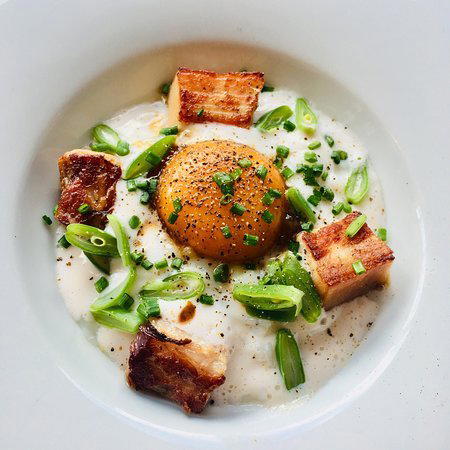
Hotels in Sauveterre-de-Comminges
Browse all →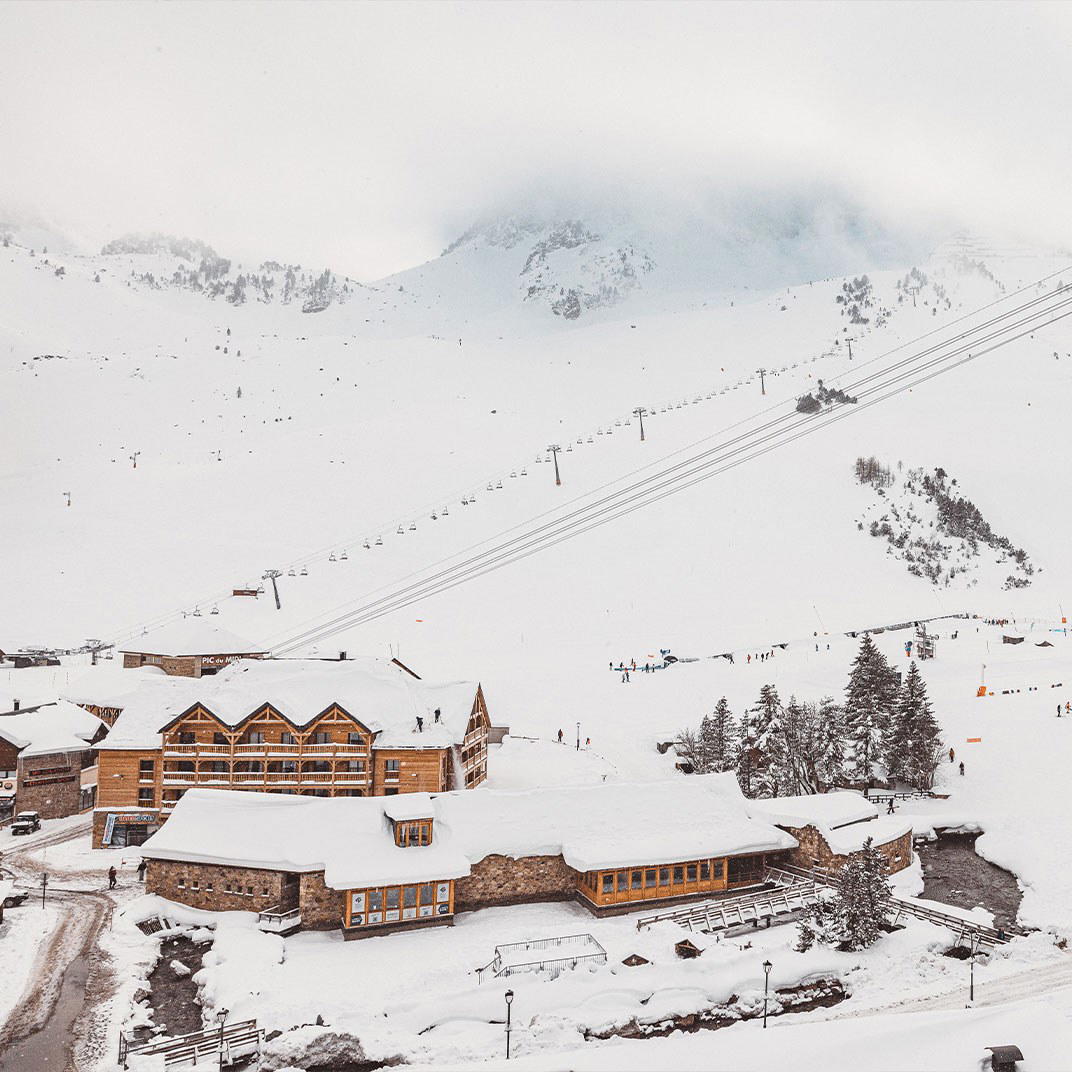
Details
- Elegant
- Sophisticated
- Intimate
- Cozy
- Date Night
- Special Occasion
- Hotel Restaurant
- Local Sourcing
- Mountain
- Tasting Menu
Elegant, intimate setting with soft, cozy lighting in a refined and welcoming atmosphere.