Our verdict
Le Saint Sauvage occupies a address on Rue des Salenques in central Toulouse, placing it within the city's compact dining corridor where mid-range bistros and creative modern tables sit in close proximity. Toulouse's dining scene has grown considerably beyond its cassoulet reputation, and Le Saint Sauvage is part of that broader shift toward contemporary French cooking with regional roots.

Pearl is the En Primeur Club membership app — saves, bookings, and concierge access live there. Same editors, same standards.
- Address
- 20 Rue des Salenques, 31000 Toulouse, France
- Phone
- +33561235686
- Hours
- Mon ClosedTue–Fri 12–2 PM, 8–10 PMSat 8–10 PMSun Closed
- Website
- lesaintsauvage.eatbu.com
- Directions
- Get directions
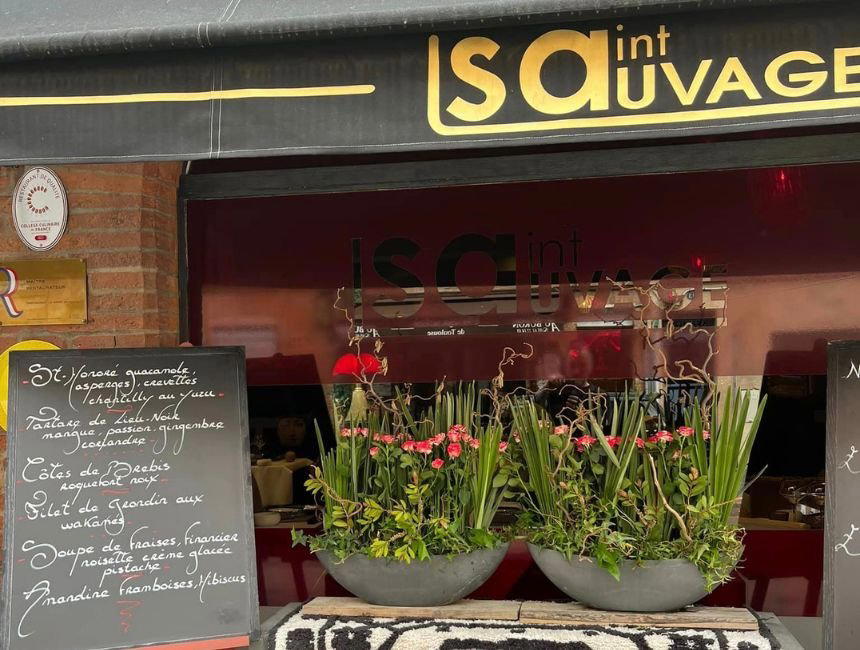
The menu
What to order
- Foie gras maison
- Cocotte de ris de veau
- Cassoulet au confit
Toulouse's Table Culture and Where Le Saint Sauvage Sits
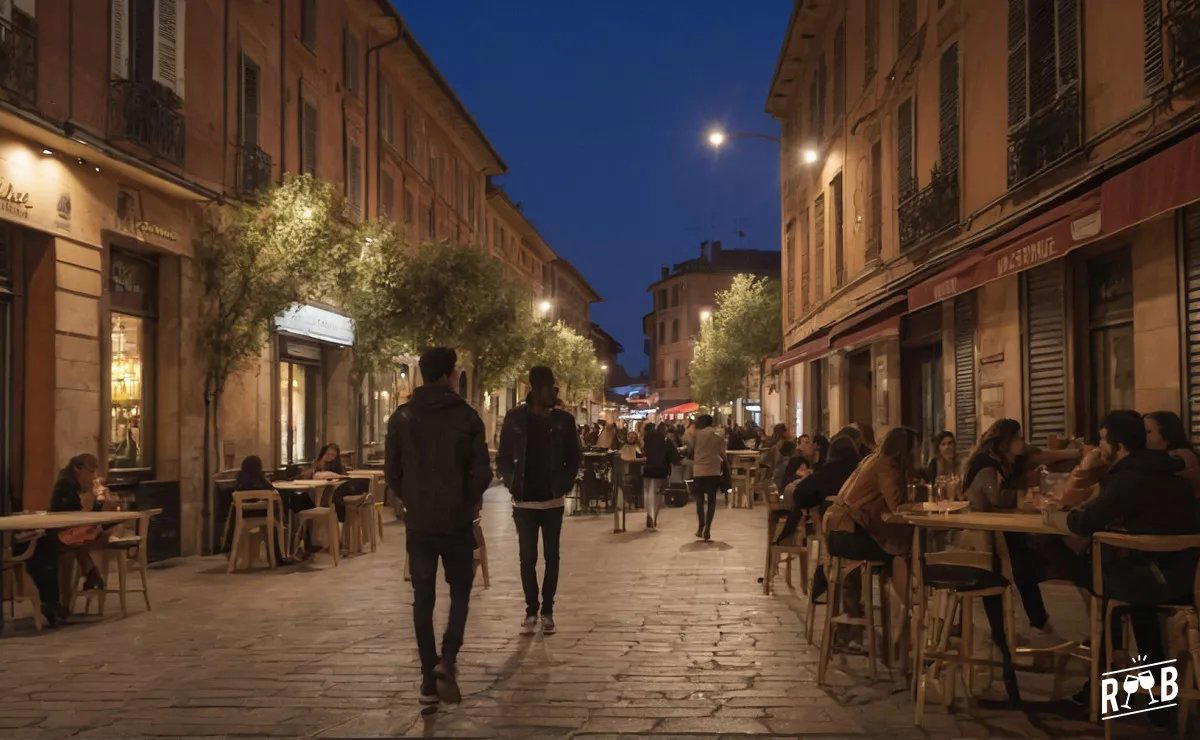
Rue des Salenques runs through one of Toulouse's denser residential and commercial quarters, where the brick-and-terracotta palette that defines the city's architecture sets an immediate visual tone. Toulouse has long been identified by outsiders through its cassoulet and its pink-stone facades, but the dining scene that has developed over the past decade tells a more complicated story. The city now supports a tiered restaurant market: at the upper end, two-Michelin-star addresses like Michel Sarran and the creative fine-dining work at Py-r set a standard that has pushed the mid-range to become more technically ambitious. Le Saint Sauvage at 20 Rue des Salenques operates within that context.
The street-level approach at this address gives little away. Toulouse's restaurant culture tends toward discretion rather than spectacle, and the neighbourhood surrounding Rue des Salenques reflects that: residential textures, local commerce, the kind of block where a serious cooking operation can exist without the signalling pressure of a more touristic quarter. This is not the Place du Capitole circuit, which matters. Restaurants in that perimeter often calibrate to visitor expectations; addresses a few streets removed tend to cook more directly for a local clientele with specific demands.
The Broader Occitan Table: What Regional Cooking Means in Toulouse
Occitan cuisine, the culinary tradition that Toulouse anchors, is not a single dish or a single technique. It is a set of relationships: between duck fat and slow heat, between white beans and cured meat, between the market rhythms of the southwest and the Italian-inflected border trade that historically moved through the Garonne corridor. Cassoulet is the category's most exported product, but the deeper tradition involves the use of duck in all its forms, foie gras as an ingredient rather than a course, and a willingness to let legumes carry structural weight in a dish that fine-dining training elsewhere might assign to protein.
Contemporary Toulouse kitchens have spent the last decade in productive tension with this inheritance. Chefs returning from stages in Paris or at addresses like Flocons de Sel in Megève or Mirazur in Menton bring technical frameworks that interact with local product in interesting ways. The question that defines Toulouse's better mid-range tables is not whether to use regional product, but how much interpretive distance to place between raw material and plate. Acte 2 Yannick Delpech has leaned toward restrained modern cuisine at the €€€ tier; Agapes occupies similar territory. SEPT represents another point in the contemporary French format. Le Saint Sauvage positions within this competitive cluster rather than the starred tier above it.
France's Fine-Dining Geography and the Provincial Table
To understand what a serious Toulouse address is working against and toward, it helps to sketch France's broader fine-dining distribution. The country's reference points cluster in Paris, the Rhône Valley, and Alsace: Alléno Paris au Pavillon Ledoyen, Troisgros in Ouches, Auberge de l'Ill in Illhaeusern, Au Crocodile in Strasbourg. Landmark institutions such as Paul Bocuse's Auberge du Pont de Collonges codified what French haute cuisine meant to a generation of cooks globally. In the south, AM par Alexandre Mazzia in Marseille has pushed Mediterranean-inflected creativity into conversation with that northern canon. Bras in Laguiole, fewer than three hours from Toulouse by road, represents a Massif Central approach to terroir-driven cooking that has influenced regional kitchens across the south.
Provincial cooking in France has often been framed, somewhat unfairly, as a subordinate category to Parisian refinement. The reality is more structural: provincial tables operate with tighter supplier networks, lower labour pools, and customer bases that skew local rather than international. That structural pressure produces a different kind of discipline. Where a Paris kitchen might chase a global clientele with cosmopolitan technique, a Toulouse address tends to cook for people who know the product already and will notice if the duck is wrong. That accountability is, in practice, a form of quality control.
Internationally, the comparison sharpens further. The technical seriousness of something like Le Bernardin in New York City or the cross-cultural precision of Atomix reflects what happens when a kitchen operates inside a dense, well-resourced metropolitan dining culture. Toulouse's better tables, working in a city of roughly 500,000 rather than several million, achieve their credibility through different means: regional product knowledge, relationship with local producers, and a cooking register that does not need to perform novelty for novelty's sake. Assiette Champenoise in Reims offers a useful parallel for how a serious provincial French address can hold its own against metropolitan comparison.
Planning Your Visit to Le Saint Sauvage
Le Saint Sauvage is located at 20 Rue des Salenques, 31000 Toulouse, in central Toulouse and reachable on foot from most of the city's central hotels within fifteen to twenty minutes. Toulouse is served by Toulouse-Blagnac Airport, with direct connections across Europe, and the city's metro system (lines A and B) covers the central arrondissements efficiently. For a broader map of where Le Saint Sauvage fits within the city's dining options, see our full Toulouse restaurants guide.
Frequently asked questions
Where exactly is Le Saint Sauvage?
Le Saint Sauvage is located at 20 Rue des Salenques, 31000 Toulouse, France, Toulouse.
How does Le Saint Sauvage fit into Toulouse's broader Occitan restaurant scene?
Le Saint Sauvage occupies a residential and commercial stretch of central Toulouse, the city that functions as the anchor point of Occitan culinary tradition in southwest France. That tradition draws on duck, legumes, and cured meats in ways that distinguish it sharply from the butter-led cooking of the north. Toulouse's position in this regional canon gives any serious address on Rue des Salenques a clear culinary frame of reference, rooted in produce and technique particular to the Midi-Pyrénées.
What do regulars order at Le Saint Sauvage?
Regulars at comparable addresses in this quarter tend to follow the kitchen's lead on seasonal proteins rather than ordering à la carte staples. Visiting with an open approach to the day's menu is the sensible strategy at this level of regional French cooking.
Is Le Saint Sauvage reservation-only?
For a restaurant operating in central Toulouse's competitive dining quarter, securing a table in advance is the practical approach, particularly for weekend sittings. Contacting the venue directly through local directories or on-site is the most reliable route to confirming availability.
Price and Positioning
Comparable venues nearby, for context on price, style, and recognition.
| Venue | Cuisine | Price | Notes |
|---|---|---|---|
| Le Saint SauvageThis venue — the venue you are viewing | Modern French Bistro | $50–100 | Not listed |
| M by Mo BACHIR | Modern French Fusion with Spices | $50–100 | Capitole / Arnaud Bernard / Carmes, Modern French Fusion with Spices |
| Ma Biche sur Le Toit | Modern French Brasserie with Asian Influences | $30–50 | Capitole / Arnaud Bernard / Carmes, Modern French Brasserie with Asian Influences |
| Le Bibent | Classic French Brasserie with Southwestern Accents | $30–50 | Capitole / Arnaud Bernard / Carmes, Classic French Brasserie with Southwestern Accents |
| Barbaque Victor Hugo | French Steakhouse Grill | $30–50 | Capitole / Arnaud Bernard / Carmes, French Steakhouse Grill |
| L'Hémicycle | Seasonal French Bistro | $20–30 | Saint-Cyprien, Seasonal French Bistro |
Continue exploring
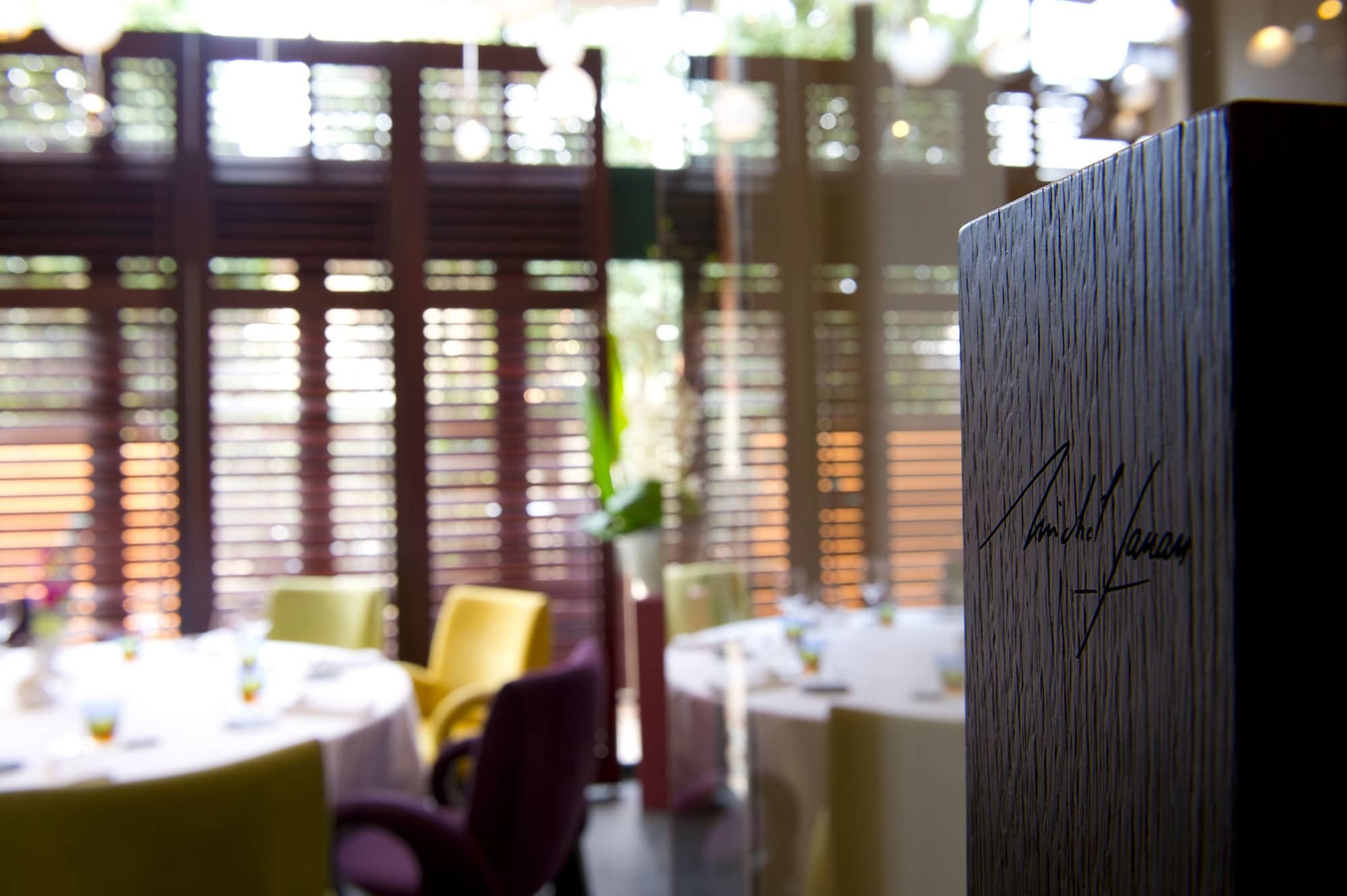
More in Toulouse
Restaurants in Toulouse
Browse all →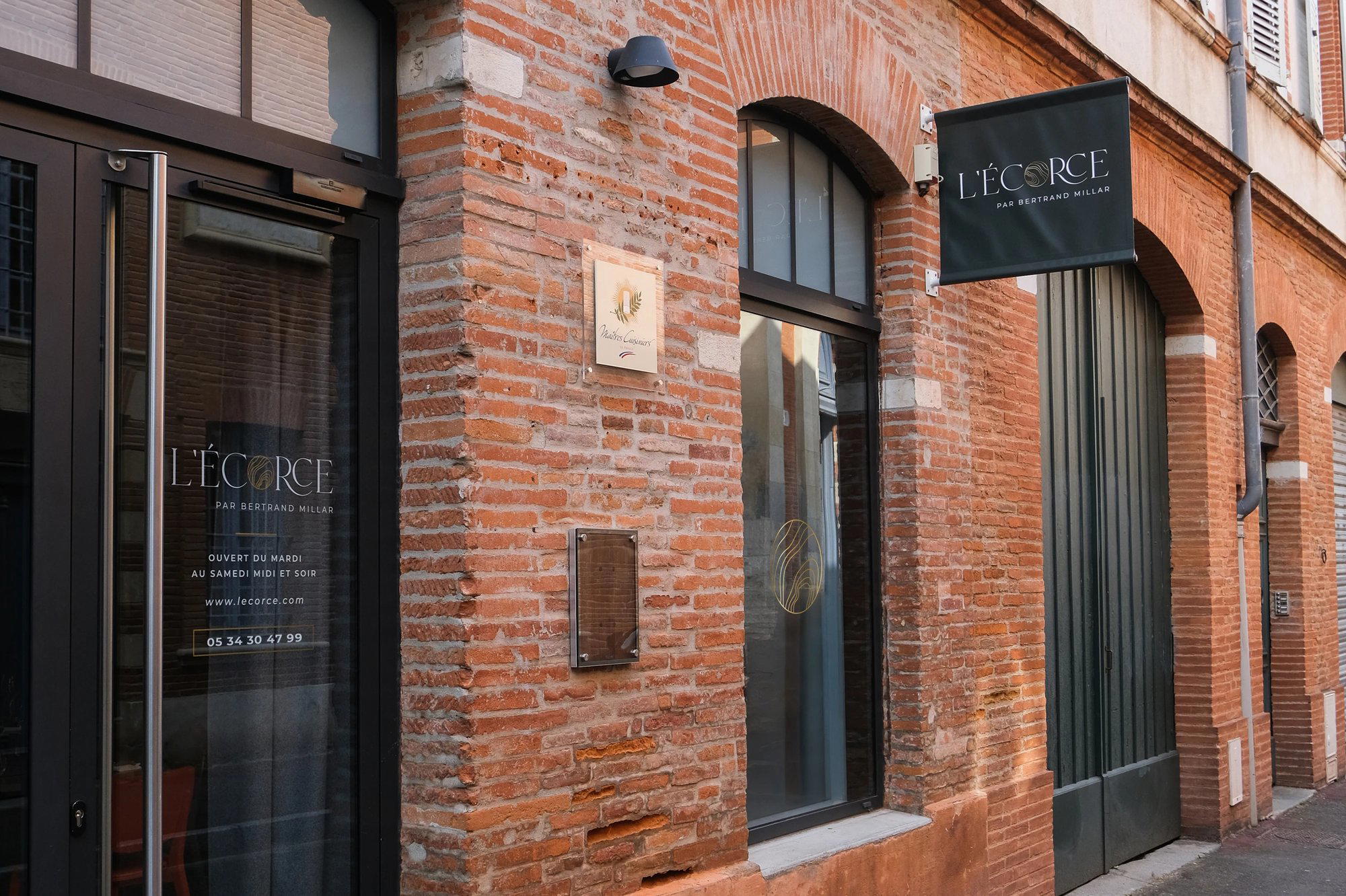
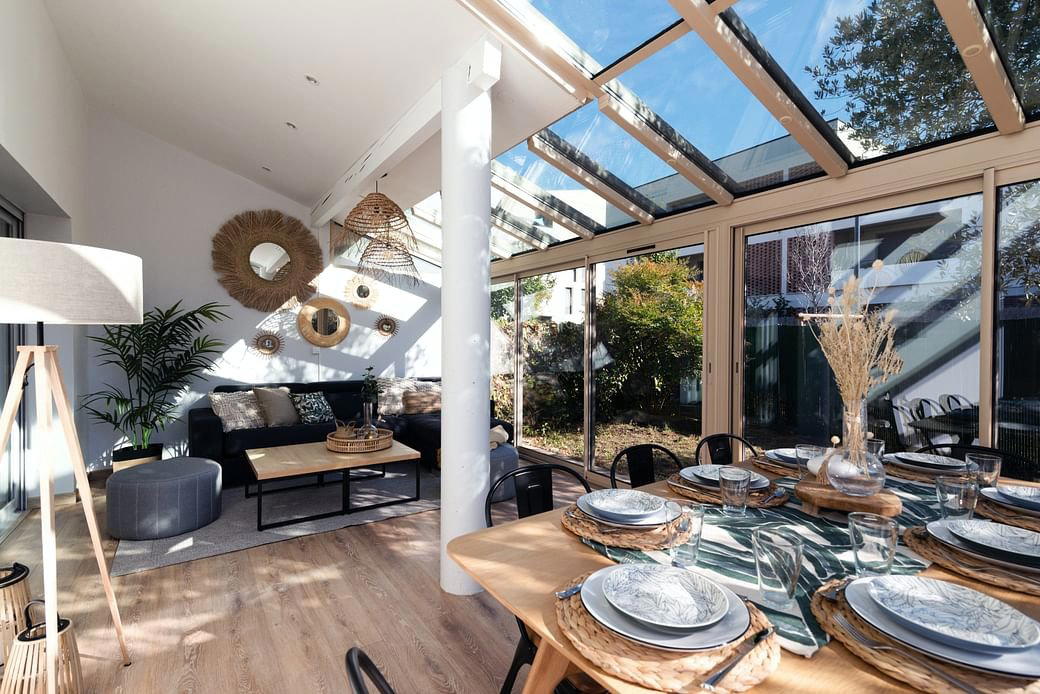
Bars in Toulouse
Browse all →
Hotels in Toulouse
Browse all →
Wineries in Toulouse
Browse all →
Details
- Intimate
- Modern
- Elegant
- Cozy
- Trendy
- Date Night
- Special Occasion
- Historic Building
- A La Carte
- Vegetarian Friendly
Current opening hours
- Monday
- Closed
- Tuesday
- 12–2 PM, 8–10 PM
- Wednesday
- 12–2 PM, 8–10 PM
- Thursday
- 12–2 PM, 8–10 PM
- Friday
- 12–2 PM, 8–10 PM
- Saturday
- 8–10 PM
- Sunday
- Closed
Hours can change for holidays and private events. Last verified .
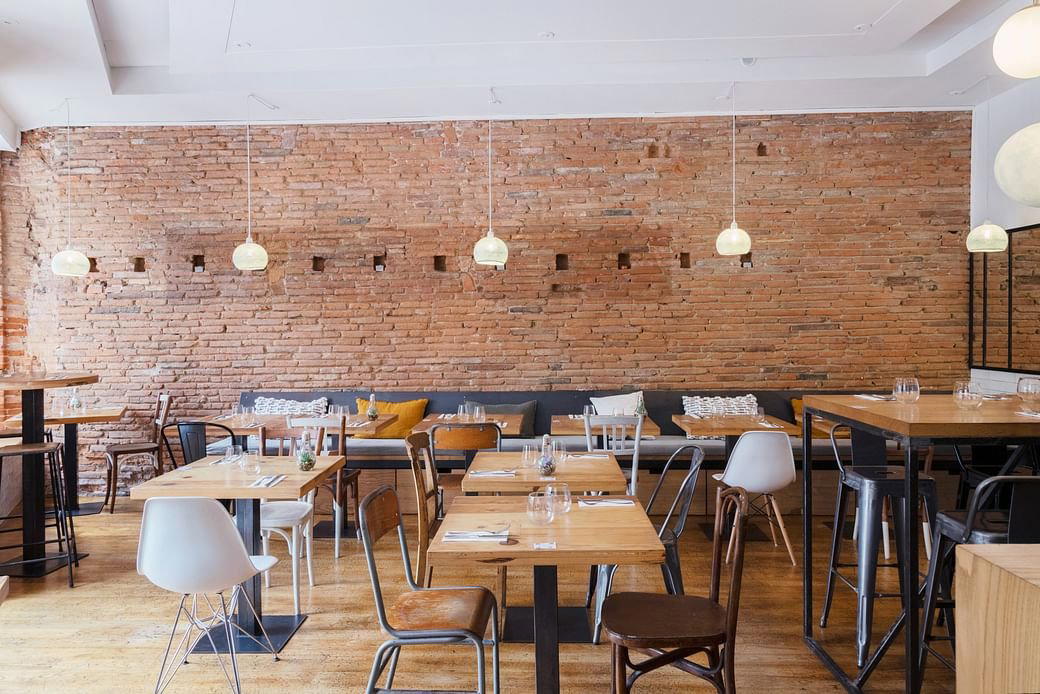
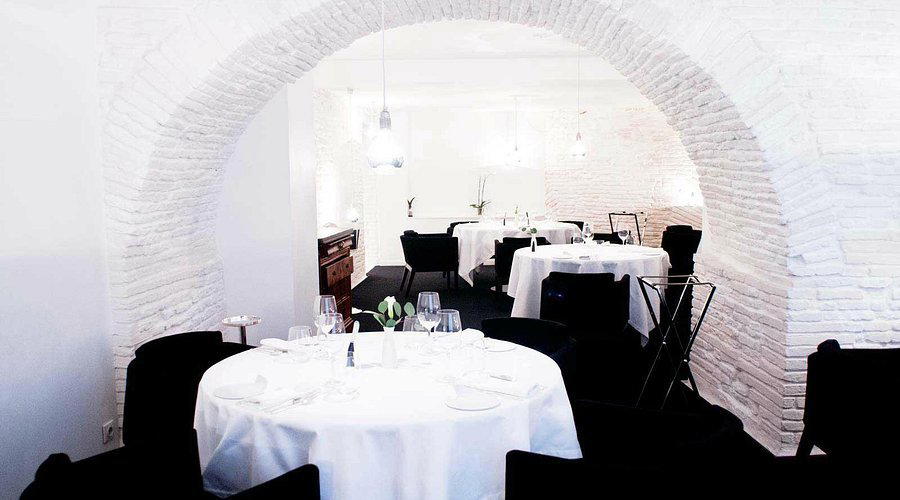
Original, modern, and intimate decoration with moody, stylish lighting creating a sophisticated atmosphere.