East Is East on West Broadway sits at the intersection of South Asian chai culture and communal dining, where the ritual of eating together shapes the room as much as the food does. The Kitsilano address draws a neighbourhood crowd that returns for the unhurried pace and the layered spice work rather than any formal occasion. For Vancouver diners tracing the city's alternative dining traditions, it belongs on the itinerary.
Pearl is the En Primeur Club membership app — saves, bookings, and concierge access live there. Same editors, same standards.
- Address
- 3035 W Broadway, Vancouver, BC V6K 2G9, Canada
- Phone
- +16047345881
- Website
- eastiseast.ca
- Directions
- Get directions
 Saves & bookings on Pearl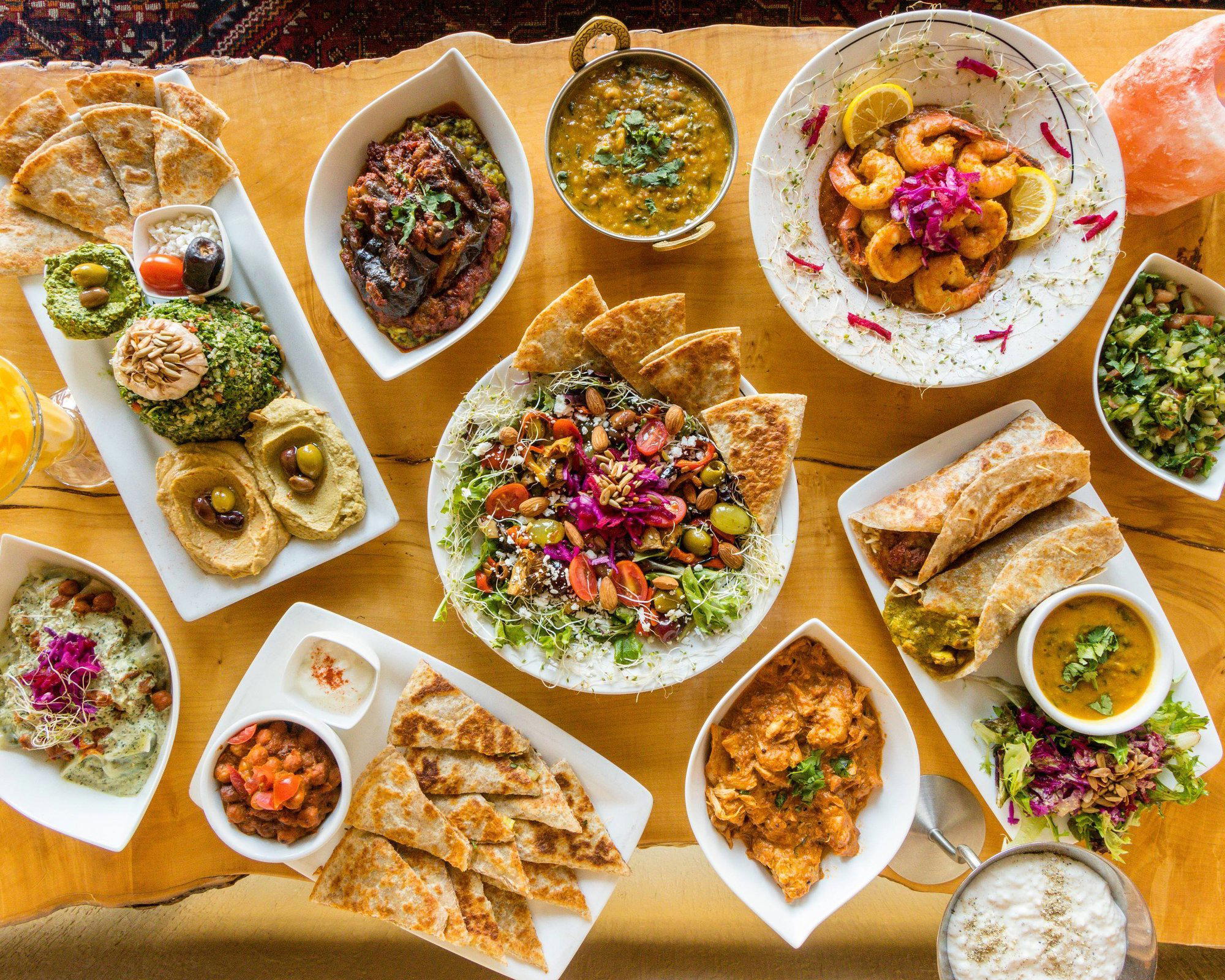
Where the Meal Begins Before You Sit Down
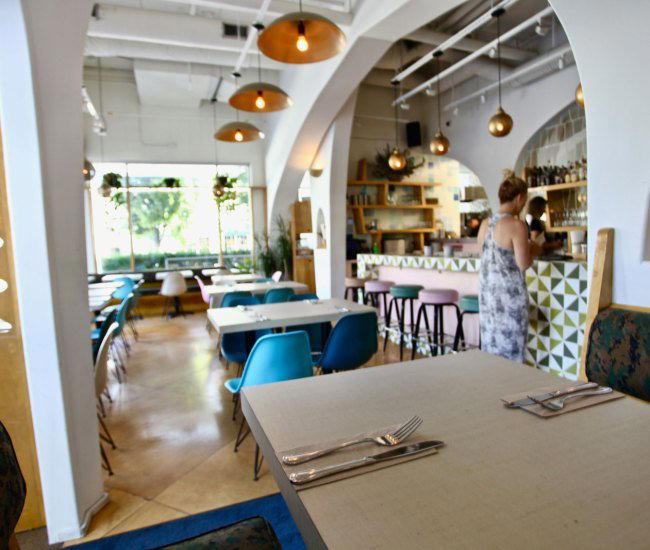
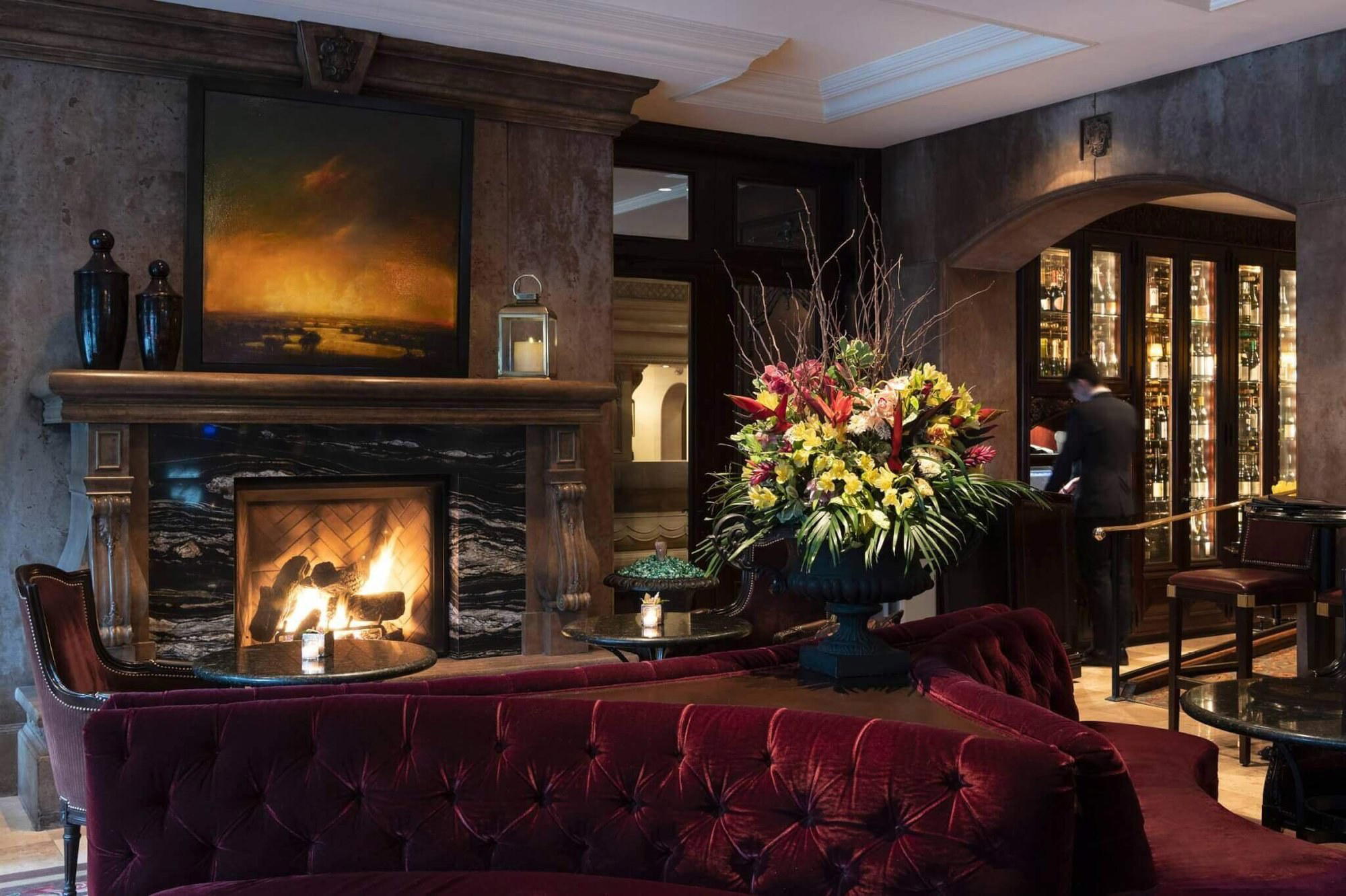
On West Broadway in Kitsilano, the approach to East Is East sets a particular tone before a single dish arrives. The neighbourhood itself carries a counterculture sensibility that distinguishes it from the more formal dining corridors of downtown Vancouver or Yaletown. This part of the city has long supported restaurants that prioritise atmosphere and ritual over tasting-menu architecture, and East Is East fits that pattern with some precision. The low light, the layered textiles, and the scent of spice that moves through the room are not incidental: they function as the opening sequence of a meal that is designed to unfold slowly, in stages, over time.
Vancouver's dining culture has fractured into increasingly distinct tiers over the past decade. At the upper end, restaurants like Kissa Tanto, Masayoshi, and AnnaLena operate within a $$$$ price bracket defined by chef-driven tasting formats and significant wine programs. Barbara and iDen and QuanJuDe Beijing Duck House similarly anchor themselves in high-formality traditions. East Is East operates in a different register entirely: communal, unhurried, and oriented around sharing rather than sequenced individual courses in the Western tasting sense. That distinction is worth understanding before you arrive, because the meal here follows its own logic.
The Logic of Layered Eating
The South Asian chai house and mezze tradition that East Is East draws from is one built around accumulation rather than linear progression. Where a tasting menu at a restaurant like Alo in Toronto or Tanière³ in Quebec City moves the diner through a strict arc with clear demarcation between courses, the South Asian communal format distributes food across the table in waves that overlap, encouraging combination and conversation in equal measure. The sequencing is horizontal as much as vertical: flavours are meant to be experienced against each other simultaneously, not in isolation.
This has practical implications for how you order. The meal builds most coherently when the table approaches it as a shared project. Beginning with lighter preparations before moving into the richer, spice-forward dishes mirrors the traditional South Asian hospitality structure, where the host calibrates intensity across the sitting rather than front-loading the heaviest flavours. At the restaurant, that rhythm is built into the menu's architecture, though the room's unhurried pace means there is no pressure to move quickly through any of it.
The chai culture element is equally central to the progression. In many South Asian contexts, tea is not an afterthought served with the bill but a structural punctuation mark across the meal, appearing at the beginning to settle the palate and returning at the end to close proceedings. That tradition positions the restaurant closer to a Moroccan tea house or an Afghani guesthouse than to a conventional Western restaurant, and the room's design reflects that lineage. Floor seating, cushions, and low tables in portions of the space reinforce the idea that the meal is an extended social event rather than a transactional dining experience.
Kitsilano's Alternative Dining Thread
The restaurant on West Broadway is part of a longer tradition in Kitsilano of restaurants that resist the formats dominant elsewhere in the city. The neighbourhood has historically supported venues that draw on non-European dining traditions and prioritise community over ceremony. That makes it a meaningful contrast to the more formally structured dining available at spots like Cafe Brio in Victoria or destination-format experiences such as Eigensinn Farm in Singhampton and Fogo Island Inn Dining Room in Joe Batt's Arm, where the remoteness and choreography are inseparable from the meal's meaning.
In Kitsilano, the meaning is more localised and less theatrical. The restaurant works because it reads as a neighbourhood institution rather than a dining destination in the destination-travel sense. The regulars who return for chai and a slow evening out are as much a part of the room's character as the menu itself. For visitors to Vancouver, that sociological texture is part of what makes the experience meaningful. It tells you something about how a part of the city actually lives, in a way that a tasting counter rarely does.
It is also worth placing the restaurant against the broader Canadian picture. The country's most formally celebrated restaurants, from Jérôme Ferrer's Europea in Montreal to Restaurant Pearl Morissette in Lincoln, operate within European fine dining frameworks. The restaurant draws from a different hemisphere of culinary tradition, and that positioning is increasingly relevant as Canadian dining diversifies beyond its European inheritance. Comparable communal formats with South and Central Asian roots have gained significant critical attention in cities like London and Melbourne; Vancouver's version of that conversation is still developing, which is part of what gives the restaurant its particular interest right now.
Questions Readers Ask
Is East Is East a family-friendly restaurant?
The communal format and informal setting make the restaurant more accommodating to mixed-age groups than most of Vancouver's $$$$ tasting-menu restaurants. The shared-plate structure means children can eat at their own pace without the rigid sequencing of a multi-course format. Families comfortable with floor seating and a South Asian spice palette will find the environment direct to navigate. That said, the low lighting and close quarters of a busy evening service may matter if you are bringing young children.
What is the overall feel of East Is East?
The room sits closer to a Kabul tea house or an Istanbul meyhane in spirit than to Vancouver's more formally structured dining rooms. Where a $$$$ contemporary restaurant in the city typically signals its seriousness through minimalism and sequenced service, the restaurant signals it through density: of textile, of spice, of conversation. It functions as a community anchor rather than a destination import, which gives it a settled quality that newer openings rarely manage.
What is the leading thing to order at East Is East?
South Asian chai house tradition that the restaurant draws from suggests approaching the menu around the tea program as a structural anchor, with food ordered to complement the chai's rhythm across the meal rather than treating tea as an add-on. Build outward from the spice-forward shared plates, sequencing lighter preparations early and allowing the denser, more aromatic dishes to arrive mid-meal. The format rewards patience: resist ordering everything at once and let the table's pace determine what comes next.
How does East Is East fit into Vancouver's South Asian dining scene?
Vancouver has a large and well-established South Asian community, and the city's dining reflects that with a range of options from regional Indian and Pakistani restaurants to Afghan and Persian kitchens. The restaurant occupies a specific position within that broader picture: it blends chai house culture with a mezze-influenced sharing format that draws from multiple South Asian traditions rather than a single regional cuisine. That cross-regional approach, combined with the Kitsilano location and the room's design sensibility, places it in a different bracket from neighbourhood curry houses and closer to the kind of culturally synthesised South Asian dining that has become a reference point in cities like London over the past decade.
Same-City Peers
Comparable venues nearby, for context on price, style, and recognition.
| Venue | Cuisine | Price | Notes |
|---|---|---|---|
| East Is EastThis venue — the venue you are viewing | Silk Route Fusion: Afghan, Indian & Persian | $$ | Not listed |
| Nuba Cafe and Catering in Mount Pleasant | Modern Lebanese | $$ | Mount Pleasant |
| Nuba - on Davie | Modern Lebanese | $$ | Downtown |
| Mazahr Lebanese Kitchen | Authentic Lebanese | $$ | Fairview |
| Legendary Noodle House | Lanzhou Hand-Pulled Noodles | $$ | West End |
| Maruhachi Ra-men Westend | Creamy Chicken Broth Ramen (Tori-Paitan) | $$ | West End |
Continue exploring
More in Vancouver
Restaurants in Vancouver
Browse all →
Bars in Vancouver
Browse all →
At a Glance
- Cozy
- Warm
- Bohemian
- Group Dining
- Casual Hangout
- Family
- Live Music
- Craft Cocktails
- Organic
- Local Sourcing
Current opening hours
- Monday
- 12–10 PM
- Tuesday
- 12–10 PM
- Wednesday
- 12–10 PM
- Thursday
- 12–10 PM
- Friday
- 12–10:30 PM
- Saturday
- 12–10:30 PM
- Sunday
- 12–10 PM
Hours can change for holidays and private events. Last verified .