Dusit
Our verdict
On Thistle Street, one of Edinburgh's quieter Georgian lanes, Dusit occupies a position that places it apart from the high-traffic dining corridors of the Old Town. The address alone signals a certain discretion — a quality that defines Edinburgh's smaller, neighbourhood-anchored restaurant tier, where the room and the cooking speak before any reputation does.

Pearl is the En Primeur Club membership app — saves, bookings, and concierge access live there. Same editors, same standards.
- Address
- 49A Thistle St, Edinburgh EH2 1DY, United Kingdom
- Phone
- +44 131 220 6846
- Hours
- Mon–Fri 12–3 PM, 5–10 PMSat–Sun 12–10 PM
- Website
- dusit.co.uk
- Directions
- Get directions
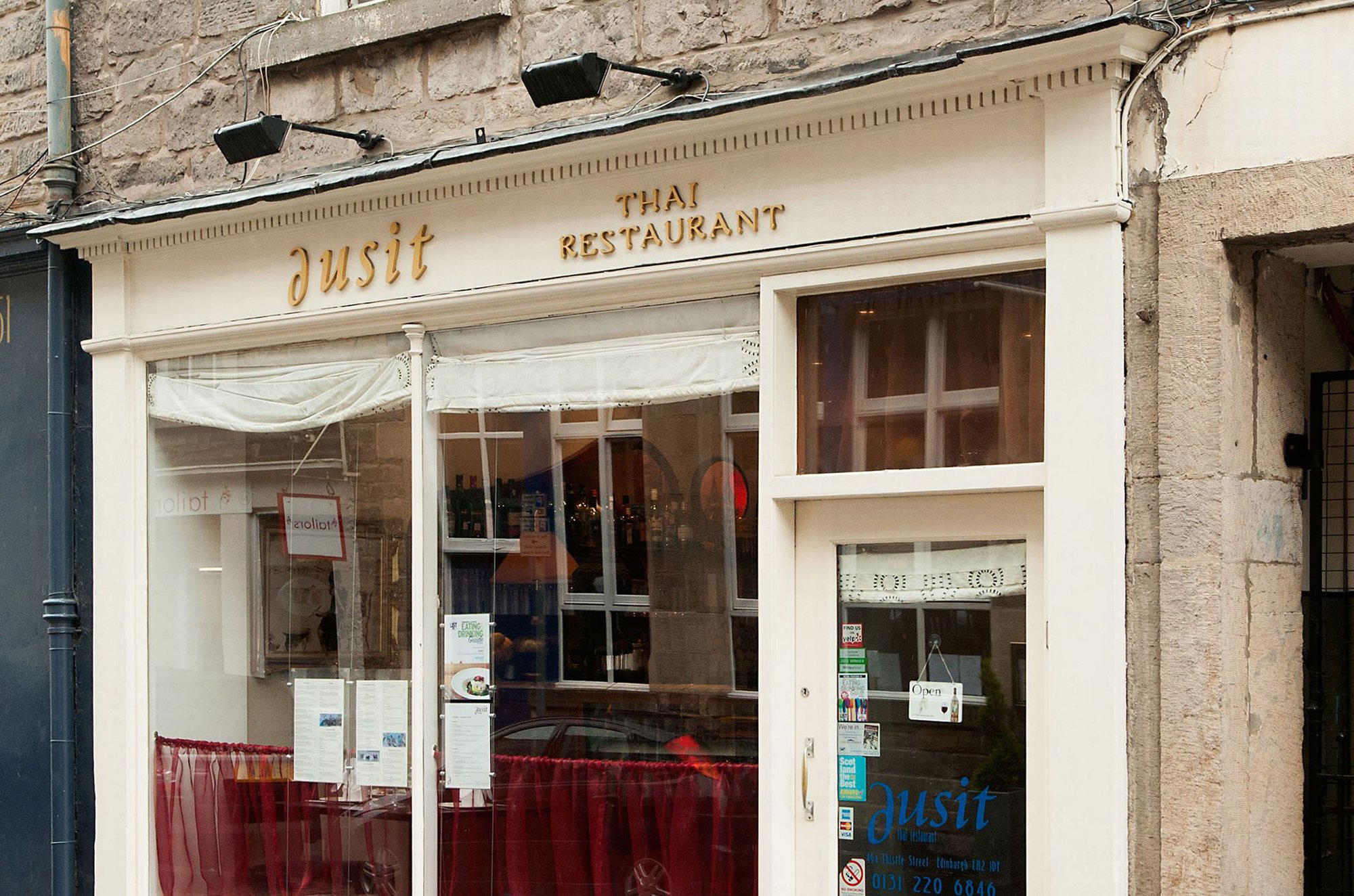
Thistle Street and the Case for Edinburgh's Quieter Dining Tier
Edinburgh's dining geography has a logic to it. The Old Town and the Grassmarket draw volume; George Street chases a certain kind of spend; but the smaller streets threading through the New Town — Frederick, Rose, Thistle — tend to house restaurants that have earned their audiences through word of mouth rather than footfall. Thistle Street, where Dusit sits at number 49A, belongs to this category. It is a Georgian lane that connects rather than performs, and the restaurants that succeed there tend to do so because the cooking justifies the detour.
This matters as editorial context because Edinburgh's premium dining scene has, over the past decade, concentrated around a handful of well-documented addresses. Martin Wishart holds its Michelin star in Leith; The Kitchin anchors the waterfront; Timberyard has built a Nordic-influenced identity in the Grassmarket's shadow; and newer entrants like AVERY and Condita operate in the tasting-menu tier with tightly controlled formats. Against this backdrop, a Thistle Street address positions a restaurant differently, less as a destination in the landmark sense, more as a place the city quietly relies upon.
What Thistle Street Asks of a Restaurant
Streets like Thistle Street impose their own editorial standards. Without a high-profile neighbourhood to do marketing work on their behalf, restaurants here operate on repeat custom, professional lunch trade from the surrounding New Town offices, and the kind of personal recommendation that travels through Edinburgh's relatively compact professional and social circles. The city is large enough to have a genuine restaurant culture, but small enough that reputations, good and poor, move quickly.
This dynamic is not unique to Edinburgh. Comparable patterns appear in other mid-sized European capitals with strong civic identities: the quieter streets of central Dublin, the side lanes of Bruges, certain blocks in Lyon where the bouchon tradition persists not because of tourism but because locals return. In each case, the restaurants that survive on these streets do so by earning a specific and loyal constituency, rather than cycling through visitors.
For a restaurant positioned on Thistle Street, the implication is a dining room shaped more by regulars than by first-timers, which typically means service calibrated to familiarity rather than spectacle, and a menu that evolves without the pressure to reinvent itself for a constantly rotating audience.
Edinburgh's Broader Thai and Asian Dining Context
Edinburgh's Thai restaurant category occupies an interesting position in the city's dining hierarchy. Asian cuisines in the city tend to operate in a parallel register, where quality and longevity carry more weight than awards infrastructure, and where a restaurant can build genuine authority over years without entering the Michelin conversation.
This is not a disadvantage. Some of Britain's most consistent and well-regarded Asian restaurants, including those that have drawn comparison to high-performing peers in London and beyond, have built their reputations precisely by operating outside the formal awards tier. The credibility comes from track record: a restaurant on a quiet street that has been feeding the same professionals and families for years accumulates a kind of civic trust that a newer, more celebrated address sometimes lacks. Across Britain, restaurants in comparable positions, away from the awards infrastructure but embedded in local dining culture, can be found at venues like hide and fox in Saltwood or Midsummer House in Cambridge, each of which has developed authority through consistency rather than spectacle.
Placing Dusit in the UK's Wider Thai Dining Conversation
Thai cooking in the United Kingdom has undergone a significant shift over the past fifteen years. The category that once defaulted to crowd-pleasing approximations of Bangkok standards has, in several cities, given way to kitchens that take sourcing and technique more seriously. This mirrors a broader pattern visible in other cuisines: as first and second-generation immigrant chefs move into positions of culinary leadership and as ingredient supply chains improve, regional specificity and technical care become more achievable outside major metropolitan centres.
Edinburgh sits within this shift. The city's food culture has matured considerably since the early 2000s, and restaurants offering cuisines beyond the Scottish-European mainstream have benefited from an audience that travels more, eats more broadly, and holds higher expectations across the board. A Thai restaurant that might have been benchmarked against a generic category standard a decade ago is now measured against what diners have experienced in London, Bangkok, or cities like Birmingham's Opheem, which has redefined what South Asian fine dining looks like in a British context. The comparison set has widened, and that raises the floor for everyone operating in it.
Planning a Visit to Dusit
Thistle Street runs between Frederick Street and Hanover Street in the heart of Edinburgh's New Town, making Dusit walkable from the main retail and hotel corridors around Princes Street and George Street. The address is accessible without a car, and the New Town's grid layout means orientation is direct once you are in the area. For visitors staying in the Old Town or around the Grassmarket, the walk across the North Bridge and down into the New Town takes roughly fifteen minutes on foot, or a short taxi or rideshare journey. Booking ahead is advisable, particularly on weekends and during Edinburgh's festival periods in August and throughout the Fringe, when demand across the city's restaurant stock increases sharply and last-minute availability at mid-range and above restaurants becomes unreliable.
Edinburgh's dining calendar has peaks that differ from other UK cities. August is the most intense, driven by the International Festival and Fringe. The quieter months, January through March, tend to offer more availability and, in some cases, value-oriented menu formats as restaurants respond to lower footfall. For those visiting primarily to eat well, the shoulder months of May, June, and September offer a balance of good weather and manageable booking conditions. Visitors combining Edinburgh with wider UK restaurant travel might map a trip that includes L'Enclume in Cartmel or Moor Hall in Aughton in the north of England, or anchor a longer itinerary that extends south to Waterside Inn in Bray, Hand and Flowers in Marlow, Gidleigh Park in Chagford, or CORE by Clare Smyth in London. For international visitors already travelling from cities with strong dining cultures, Le Bernardin in New York City, Lazy Bear in San Francisco, or Ynyshir Hall in Machynlleth provide reference points for the calibre of cooking that serious travellers are mapping their itineraries around.
For a fuller picture of what Edinburgh's restaurant scene offers across price points and formats, the EP Club Edinburgh guide covers the city's dining in detail.
Frequently asked questions
What is the atmosphere like at Dusit?
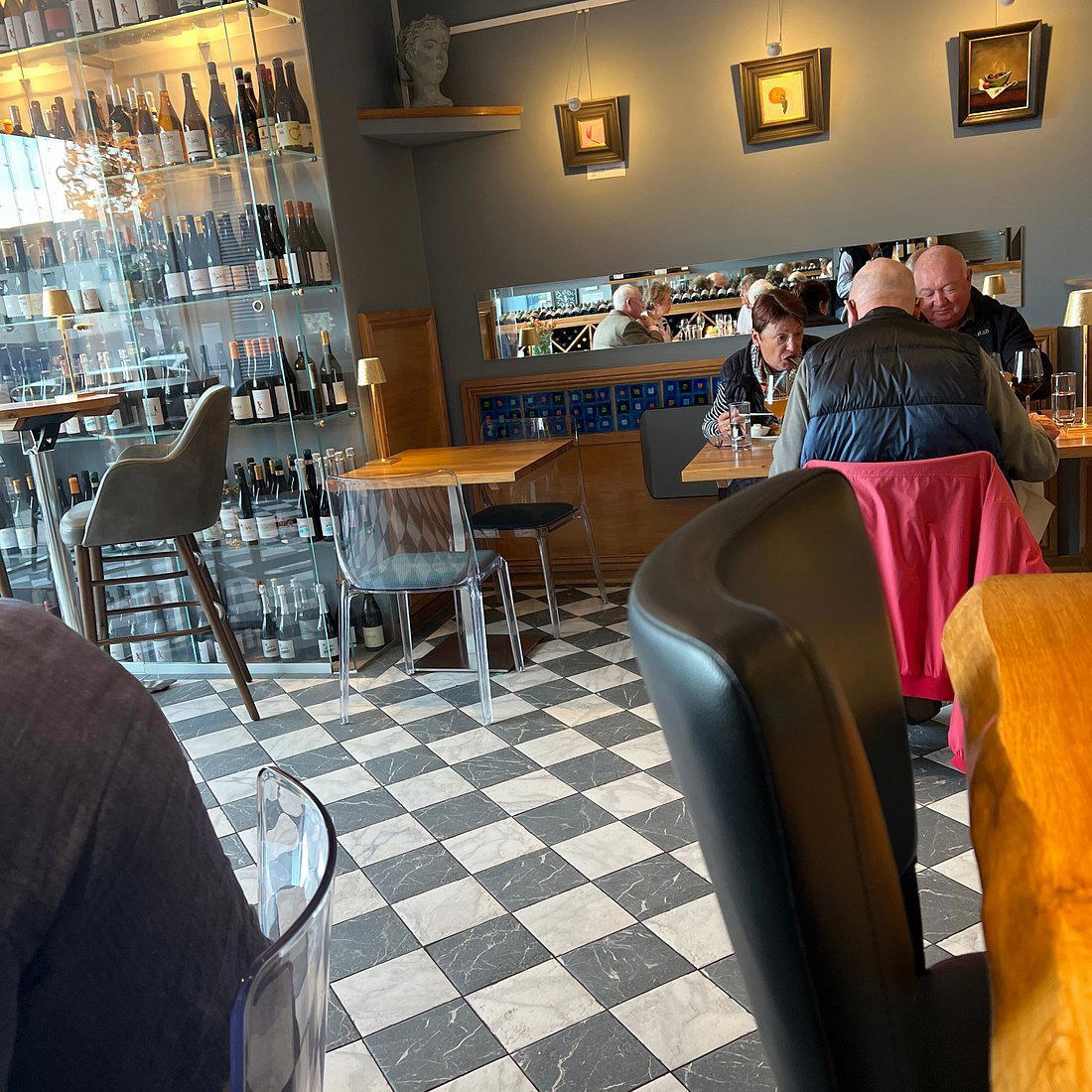
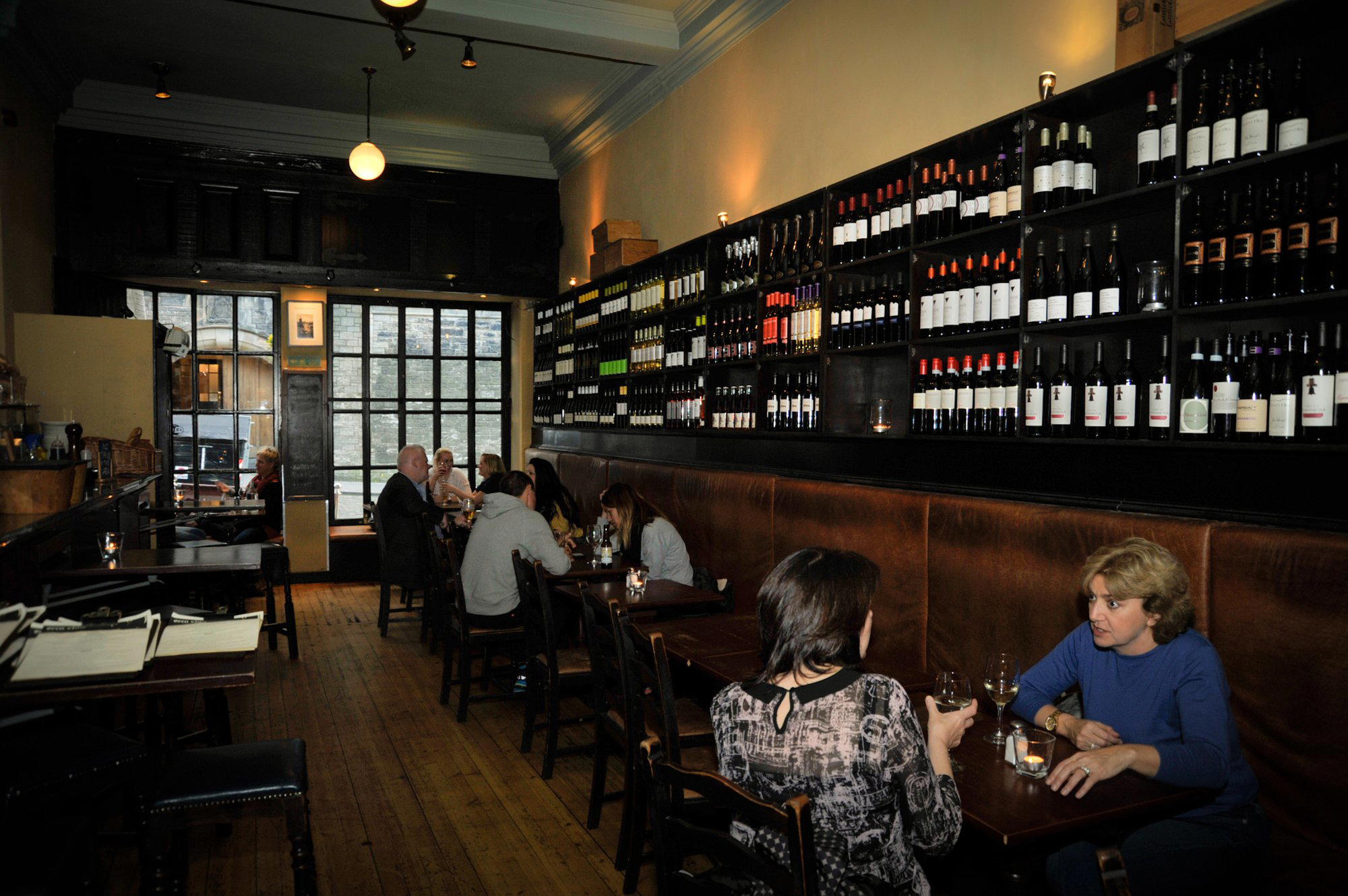
Thistle Street sits in the quieter residential-commercial grid of Edinburgh's New Town, and that geography sets the tone: this is not a high-footfall, high-volume room. Restaurants on streets like this one earn their trade on repeat custom and word of mouth rather than passing traffic, which tends to produce a particular kind of atmosphere — considered rather than chaotic. Expect a room that takes its food seriously without performing occasion at you.
What's Dusit's location?
Dusit is located at 49A Thistle St, Edinburgh EH2 1DY, United Kingdom, Edinburgh.
Is Dusit Edinburgh suitable for a quiet dinner away from the Old Town crowds?
Dusit's location at 49A Thistle Street, between Frederick Street and Hanover Street in Edinburgh's New Town, places it well outside the Old Town's tourist circuits and the George Street bar-restaurant corridor. The New Town grid is walkable from the main retail and hotel hubs but operates at a different pitch — fewer walk-ins, less ambient noise, more neighbourhood regulars. For anyone after Thai food in Edinburgh without the volume of a high-footfall city-centre room, Thistle Street is a reasonable place to look.
What should I eat at Dusit?
Thai cooking at its more careful end is organised around balance between heat, acidity, sweetness, and umami, and the dishes that reveal a kitchen's intent are usually those that require the most calibration: curries, soups, and anything built on a house paste. At Dusit's address on Thistle Street in Edinburgh's New Town, the context — a neighbourhood that filters for quality over convenience — suggests a kitchen focused on getting those fundamentals right rather than widening the menu to cover every appetite.
The Minimal Set
Comparable venues nearby, for context on price, style, and recognition.
| Venue | Cuisine | Price | Notes |
|---|---|---|---|
| DusitThis venue — the venue you are viewing | Contemporary Thai | $30–50 | Not listed |
| Whiski Rooms | Traditional Scottish | $20–30 | Old Town, Traditional Scottish |
| Muna's Ethiopian Cuisine | Authentic Ethiopian Cuisine | $30–50 | Bruntsfield, Authentic Ethiopian Cuisine |
| Muzzicuni | Sicilian Italian Street Food | Not listed | Pilrig, Sicilian Italian Street Food |
| Sora Diana | Vegan Italian | Not listed | Newington, Vegan Italian |
| Chez Jules | Classic French Bistro | $30–50 | New Town, Classic French Bistro |
Continue exploring
More in Edinburgh
Restaurants in Edinburgh
Browse all →
Bars in Edinburgh
Browse all →

Details
- Elegant
- Cozy
- Modern
- Intimate
- Date Night
- Special Occasion
- Hotel Restaurant
- Local Sourcing
- A La Carte
- Small Plates
- Vegetarian Friendly
- Vegan Options
- Gluten Free Options
Current opening hours
- Monday
- 12–3 PM, 5–10 PM
- Tuesday
- 12–3 PM, 5–10 PM
- Wednesday
- 12–3 PM, 5–10 PM
- Thursday
- 12–3 PM, 5–10 PM
- Friday
- 12–3 PM, 5–10 PM
- Saturday
- 12–10 PM
- Sunday
- 12–10 PM
Hours can change for holidays and private events. Last verified .
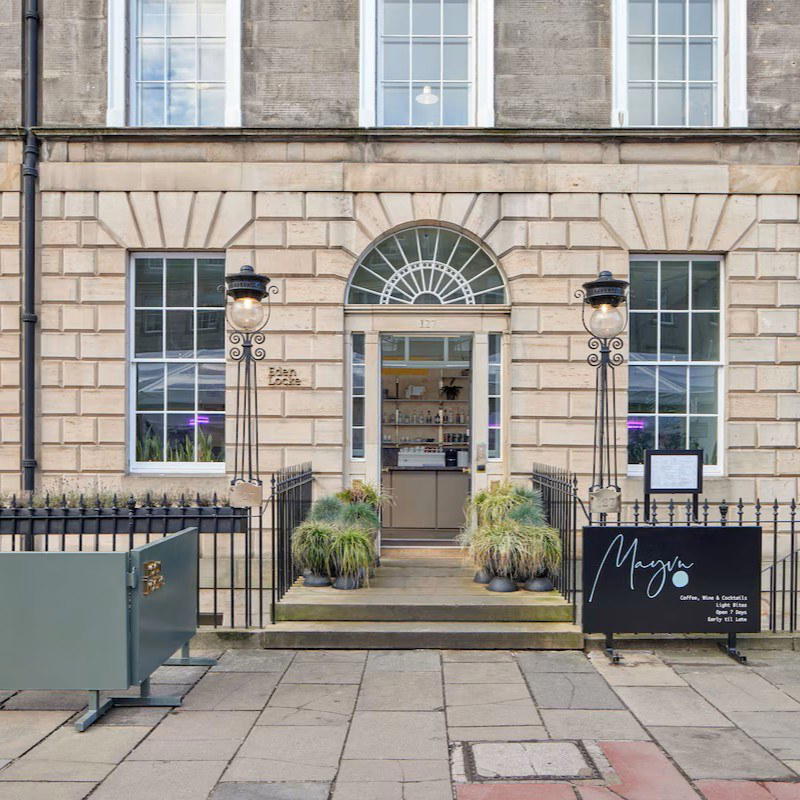
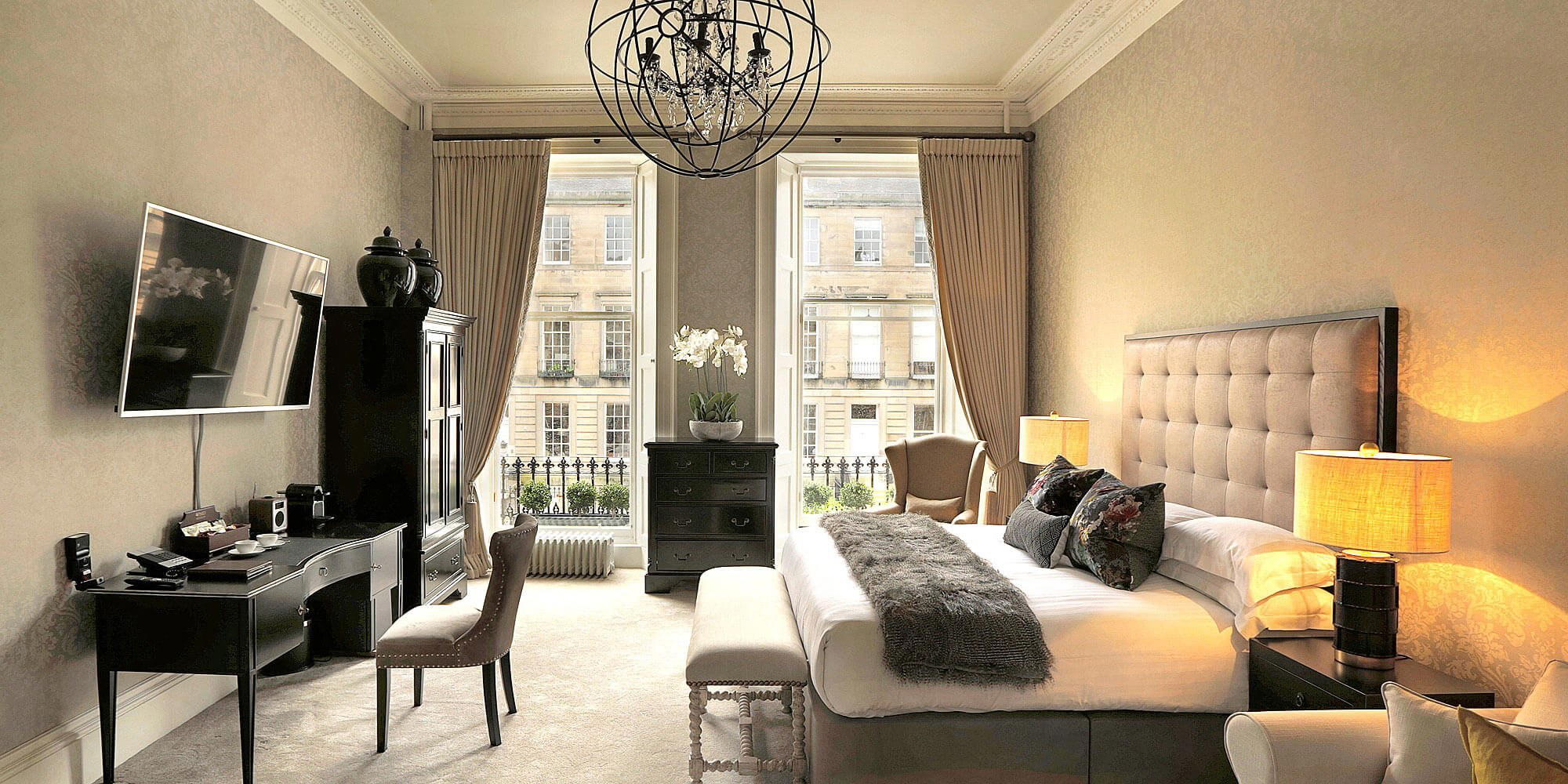
Calm, welcoming atmosphere with stylish purple décor, contemporary artwork, and close-set tables in a graceful bare stone setting.