Muzzicuni
Our verdict
Muzzicuni occupies a quietly residential address at 9 Albert Place in Edinburgh's Hillside, positioning itself at some remove from the Old Town restaurant circuit that draws most visitors. Where the city's prominent fine-dining rooms cluster around the Leith waterfront or the New Town grid, this neighbourhood setting signals a different set of priorities — one that rewards deliberate travel rather than casual footfall.
- Address
- 9 Albert Pl, Edinburgh EH7 5HN, United Kingdom
- Phone
- +44 7843 331419
- Directions
- Get directions
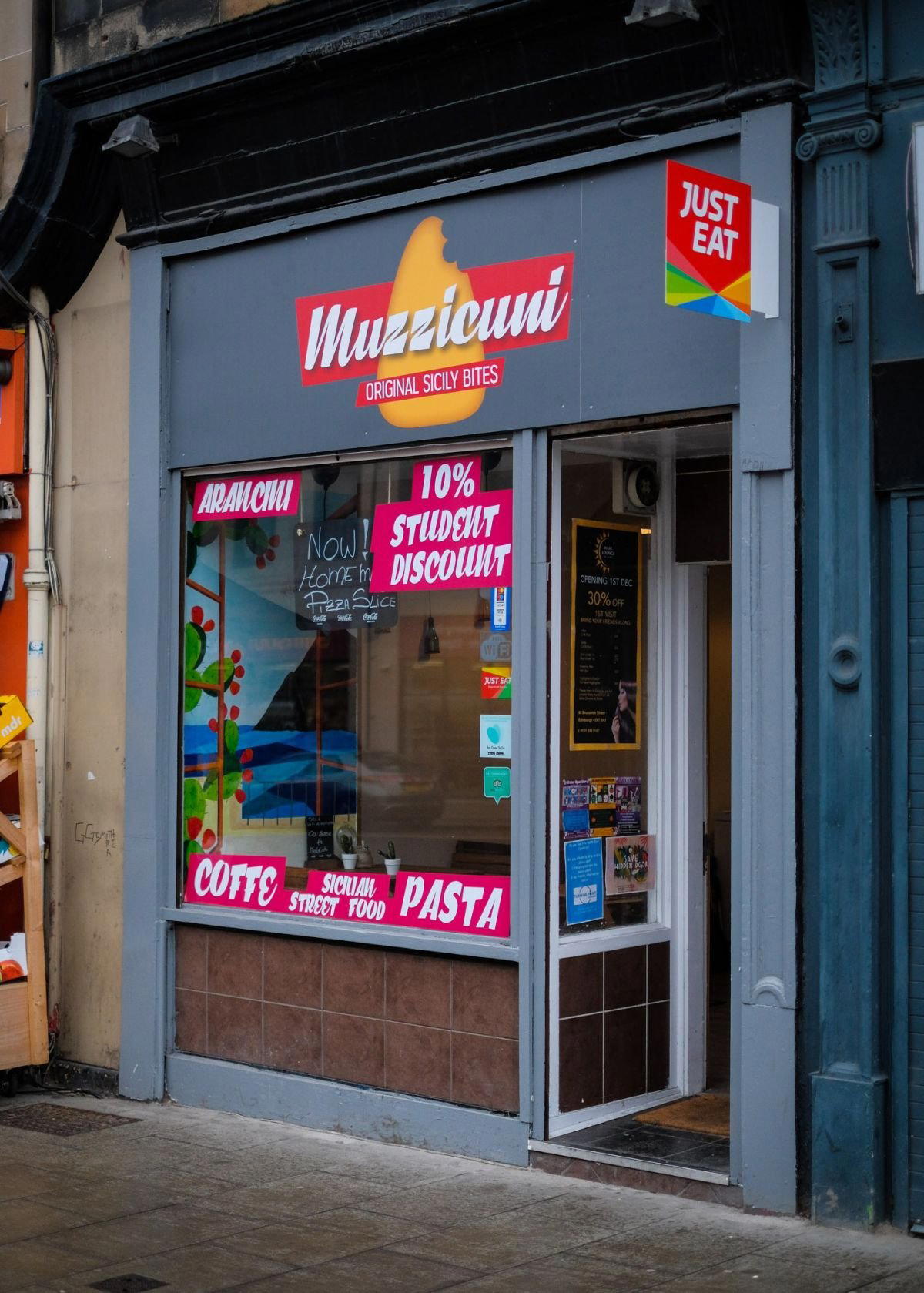
The menu
What to order
- Arancino Al Ragu
- Arancino Norma
- Big Cartocciata Rustica Spianata
A Residential Address and What It Signals
Edinburgh's serious restaurant scene has long organised itself around two gravitational poles: the Leith waterfront, where The Kitchin and Martin Wishart anchored a decade of critical attention, and the broader New Town, where newer operators like AVERY and Condita have drawn diners away from tourist-heavy Royal Mile adjacencies. Muzzicuni sits outside both clusters, at 9 Albert Place in Hillside, a Victorian residential street where the surrounding buildings are tenements rather than commercial blocks. That address is not incidental. Across British fine dining, a cohort of operators has consciously chosen low-footfall settings — places where the dining room itself must justify the journey rather than benefiting from passing trade. L'Enclume in Cartmel and Moor Hall in Aughton are the most cited examples at the national level; Muzzicuni makes a comparable spatial argument at the city scale.
Sustainability as Structure, Not Garnish
The broader shift in how serious kitchens think about sourcing has moved well beyond marketing language. A decade ago, provenance claims on menus were largely decorative — farm names dropped to signal sincerity without fundamentally changing purchasing or waste practice. The operators now building reputations on genuine environmental discipline are those who have restructured kitchen logistics around it: shorter supply chains, nose-to-tail and root-to-leaf utilisation, fermentation and preservation as tools for reducing spoilage rather than as fashionable techniques. Timberyard, Edinburgh's most prominent practitioner of this approach, has spent years building supplier relationships in the Scottish Borders and Highlands that most urban restaurants would find logistically inconvenient. The pattern that emerges across UK destinations operating in this register, from Ynyshir Hall in Machynlleth to hide and fox in Saltwood, is that sustainability credibility comes from operational depth, not menu copy.
Muzzicuni's positioning at a neighbourhood remove from the main commercial strip is consistent with this pattern. Restaurants operating with genuine sourcing discipline tend not to occupy high-rent high-footfall sites, because the economics of ethical purchasing and premium waste reduction don't favour that model. The Albert Place address places Muzzicuni among a set of UK operators who have chosen the margin of a city over its centre, and whose cooking reflects the discipline that choice implies.
Edinburgh's Ethical Sourcing Context
Scotland's larder is, by most measures, the strongest argument any Scottish kitchen has. Red deer from Highland estates, hand-dived shellfish from the west coast, smoked fish from family-run curers in Aberdeenshire, heritage grain from Fife farms, the raw material available to Edinburgh restaurants operating with genuine regional commitment is as strong as anywhere in the United Kingdom. The gap between what is available and what most restaurants actually use has narrowed considerably in the last ten years, driven partly by chef conviction and partly by consumer expectation among the city's repeat fine-dining audience. The operators who have committed most fully to this sourcing model, Timberyard being the most documented case, have found that the discipline also reshapes menu structure: shorter lists, greater seasonality, and formats that shift more frequently than the industry norm.
Against that backdrop, Muzzicuni's Hillside address suggests a kitchen operating with a degree of independence from the tourist economy that drives menu conservatism in higher-footfall venues. A neighbourhood restaurant serving a local repeat-visit clientele has stronger incentive to change its offering with genuine seasonality than one relying on visitors expecting a stable, reviewable menu. That structural incentive aligns with the sourcing practices most associated with low-waste, high-ethics kitchens across the UK market.
Placing Muzzicuni in the Edinburgh Fine Dining Tier
Edinburgh's awarded dining tier is relatively compact. At the Michelin level, the city holds a small cluster of starred rooms, Kitchin, Wishart, and a handful of others, that price and format against each other and against comparable rooms in cities like Glasgow, Bristol, and Leeds rather than against London benchmarks. Below that tier, a second layer of serious independent operators has emerged: Condita's hyper-seasonal tasting format, AVERY's creative programme, and the Nordic-inflected sourcing rigour of Timberyard represent different takes on what Edinburgh fine dining looks like outside the Michelin-recognised incumbents. At the national comparison level, Edinburgh's leading rooms price similarly to destinations like Midsummer House in Cambridge or Opheem in Birmingham, well below the London benchmarks set by rooms like CORE by Clare Smyth but operating with comparable sourcing ambition.
Planning a Visit
Albert Place sits in Hillside, roughly ten minutes on foot from Princes Street or a short ride from Waverley Station, close enough to the city centre to be a reasonable dinner destination, far enough to feel deliberately chosen rather than conveniently stumbled upon. For visitors already building an Edinburgh itinerary around the city's stronger-credentialled fine dining rooms, Muzzicuni warrants consideration as a neighbourhood complement to a stay rather than a standalone destination. Those with a specific interest in the ethical sourcing end of Edinburgh's independent scene should treat it alongside Timberyard in their research, as both occupy a similar philosophical position even if they differ in scale and profile. Our full Edinburgh restaurants guide covers the broader city picture and helps situate Muzzicuni within the dining options available across all neighbourhoods and price tiers.
Frequently asked questions
What part of town is Muzzicuni in?
Muzzicuni is located at 9 Albert Pl, Edinburgh EH7 5HN, United Kingdom, Edinburgh.
Is Muzzicuni in Edinburgh worth the detour from the city centre?
Albert Place in Hillside sits roughly ten minutes on foot from Princes Street, which is a short enough distance that 'detour' overstates the effort. Edinburgh's awarded dining tier is compact, and neighbourhood rooms outside the Leith and Old Town clusters tend to attract a more local, repeat clientele — a different atmosphere from the tourist-facing rooms near the Royal Mile. For visitors wanting a meal that reads less like a hotel dining itinerary, the address alone signals intent.
What's the best thing to order at Muzzicuni?
What the Albert Place address and Edinburgh's broader fine dining context suggest is a kitchen working within Scotland's strong larder tradition — red deer, hand-dived shellfish, Highland produce. Contacting the restaurant directly before your visit is the most reliable way to understand current offerings.
Should I book Muzzicuni in advance?
Independent fine dining rooms on Edinburgh's residential streets — away from the high-footfall Leith and Old Town corridors — typically run limited covers, which tightens availability considerably. Albert Place is not a walk-in destination by design or location, so booking ahead is advisable, particularly for weekend evenings or special occasions. Reaching out directly via the venue is the most reliable route to securing a table.
| Venue | Cuisine | Price | Awards | Notes |
|---|---|---|---|---|
| MuzzicuniThis venue — the venue you are viewing | Sicilian Italian Street Food | Not listed | Not listed | Not listed |
| Martin Wishart | Modern French with Scottish Ingredients | $200–300 | 1 Michelin Star · La Liste Top Restaurants | Modern European, Modern Cuisine |
| The Kitchin | Modern Scottish Fine Dining | $150–200 | 1 Michelin Star · La Liste Top Restaurants | Modern British, Modern Cuisine |
| Timberyard | Modern British Fine Dining | $100–150 | 1 Michelin Star · Star Wine List | Modern British - Nordic, Modern British |
| AVERY | Modern Californian-Scottish Fusion | $150–200 | 1 Michelin Star | Creative |
| Condita | Modern Scottish Seasonal Tasting Menu | $150–200 | 1 Michelin Star · The Good Food Guide GFG Very Good | Modern Cuisine |
Continue exploring
More in Edinburgh
Restaurants in Edinburgh
Browse all →
Bars in Edinburgh
Browse all →

Details
- Cozy
- Casual Hangout
- Standalone
- A La Carte
- Small Plates
- Vegetarian Friendly
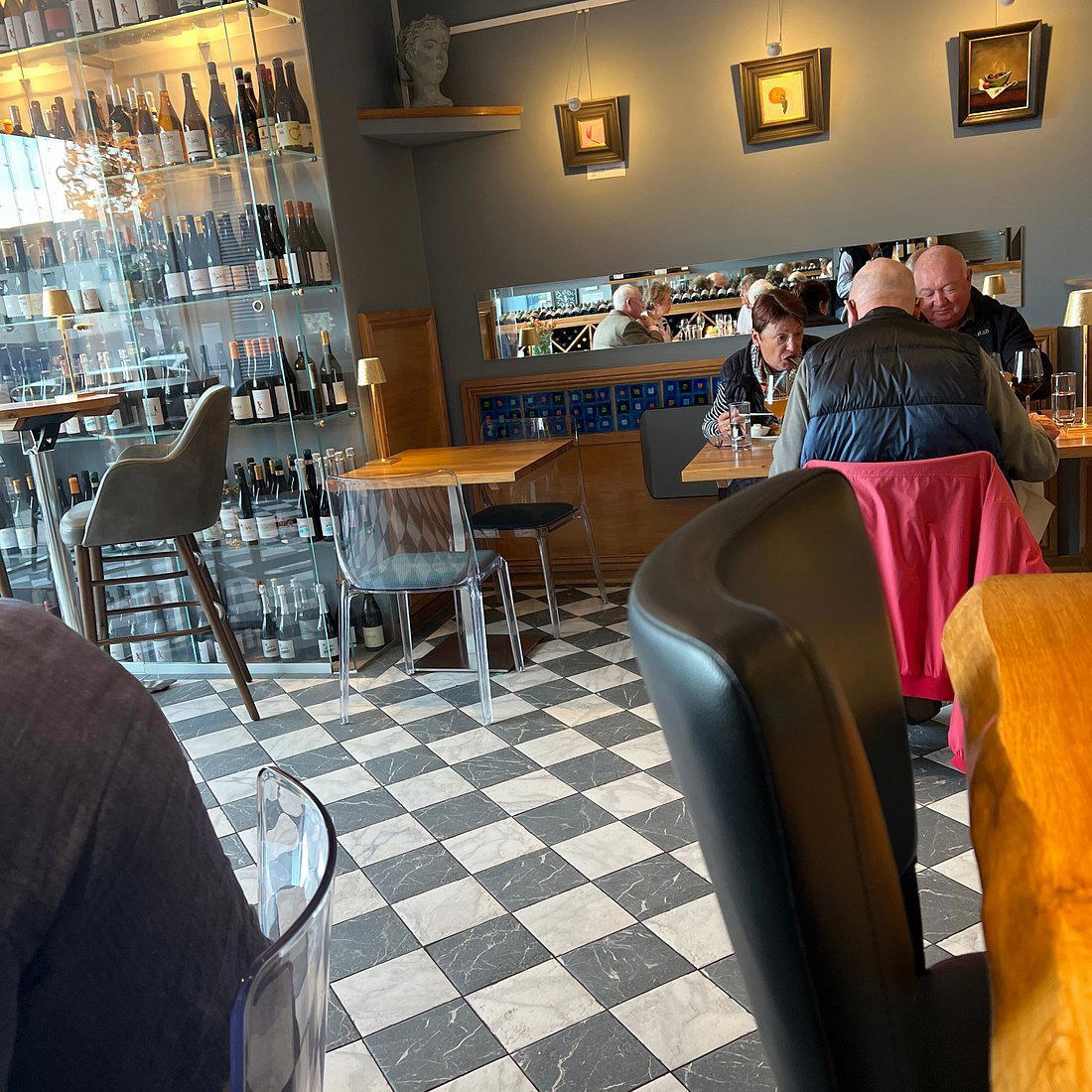
Casual deli-style with takeaway focus.