Our verdict
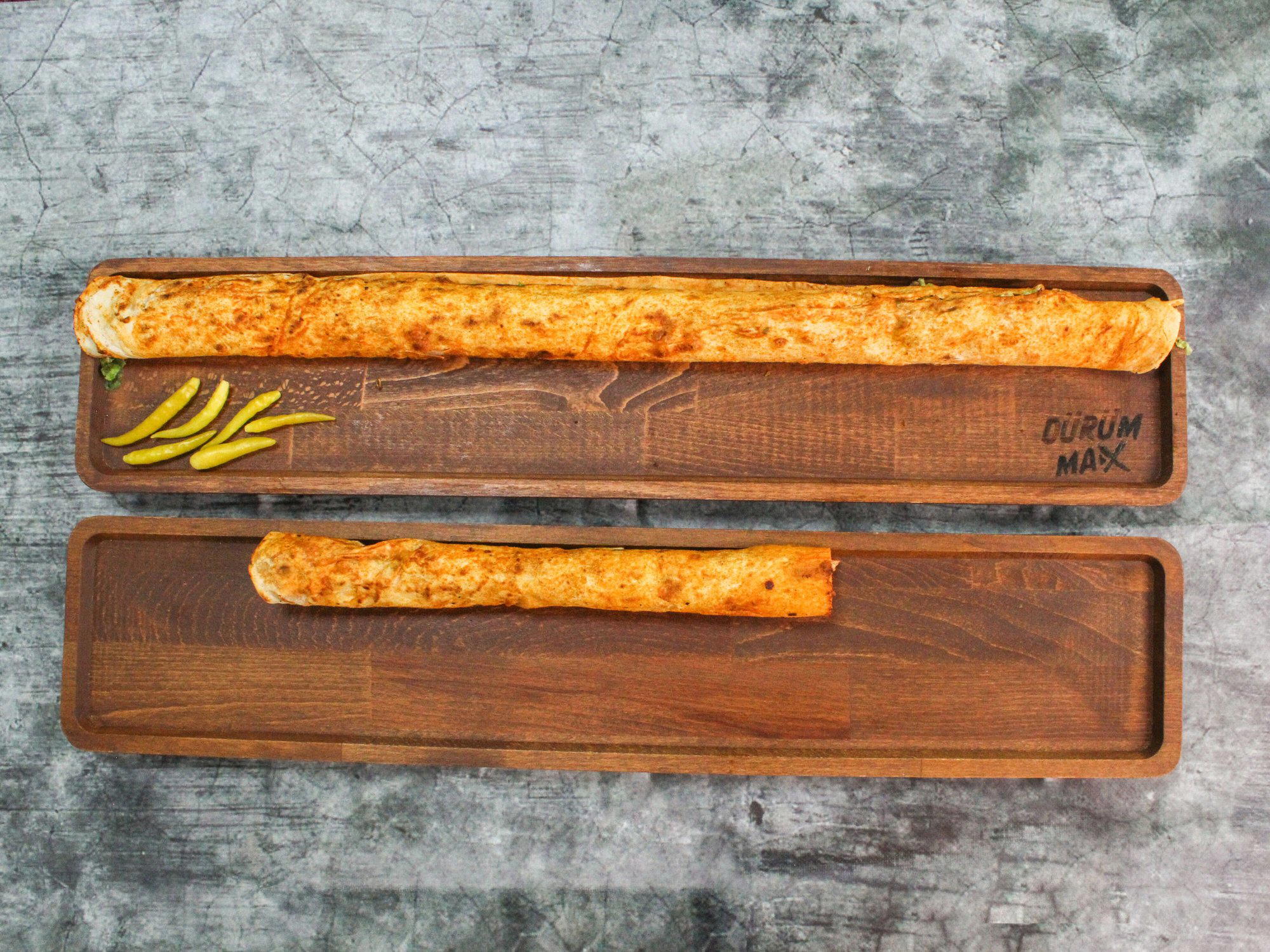
On Tarlabaşı Bulvarı in Beyoğlu, Dürüm Max Zurna Dürüm represents the kind of street-level wrap counter that anchors Istanbul's fast-casual eating culture. The name references the zurna, a reedy wind instrument associated with outdoor celebrations, and the format is correspondingly direct: dürüm, the thin flatbread roll, served at pace to a neighbourhood crowd that knows exactly what it wants.

Pearl is the En Primeur Club membership app, where members save venues, book tables and use the concierge.
The menu
What to order
- Zurna Dürüm
The Sound and Smell of Tarlabaşı at Lunchtime
Tarlabaşı Bulvarı is not a street that rewards passive observation. The wide artery cutting through lower Beyoğlu moves fast, minibuses, market carts, the compressed foot traffic of one of Istanbul's densest residential corridors, and the eating that happens along it tends to match the tempo. At number 28A, Dürüm Max Zurna Dürüm sits squarely inside that rhythm. The grill smoke reaches the pavement before the signage does. That sensory sequence matters: in Istanbul's street-food culture, smoke visible from the outside is a functional signal, the equivalent of a queue outside a dim sum house or a chalkboard outside a Parisian bistro. It tells you the grill is active and the flatbread is turning.
The zurna of the name is a double-reed wind instrument, high-pitched and penetrating, played at Turkish weddings and public celebrations with a directness that leaves no ambiguity about its presence. As a name for a dürüm counter, it lands as a declaration of intent rather than whimsy: this is not a place calibrated for ambiguity. The product is the dürüm, and the operation is built around executing it well at volume.
What Dürüm Actually Is, and Why It Matters Here
Across Istanbul, the dürüm sits in an interesting structural position in the fast-casual hierarchy. It is less theatrical than a full kebab plate, less expensive than the Bosphorus-view meyhane circuit, and considerably more embedded in daily neighbourhood eating than the tourist-facing grill houses around Sultanahmet. The format is a thin lavaş or yufka flatbread, grilled briefly on the same surface as the meat, then rolled tightly around a filling, typically some variant of döner, köfte, or grilled chicken, with raw onion, parsley, sumac, and sometimes tomato or roasted pepper depending on the house style.
What differentiates counters at this level is not the concept, which is fixed, but the specifics of grill management: how the meat is rested before it is sliced, how the flatbread is handled so it remains pliable without going soft, and whether the accompaniments are treated as filler or as seasoning. In Beyoğlu specifically, where the neighbourhood dining scene runs from the fine-dining rooms of 360 Istanbul and the Italian-leaning precision of Cecconi's Istanbul down through the wine-focused mid-market of Beyoglu Winehouse and the eclectic programming at Agatha Restaurant, the street-level wrap counter occupies its own register entirely. It is not competing with those rooms. It is doing something different and, for a significant portion of the population eating in this neighbourhood on any given day, more relevant.
For broader Istanbul context, Arada Endülüs represents another strand of Beyoğlu's mid-range dining, illustrating how varied the district's eating culture is across price points and formats. Our full Beyoglu restaurants guide maps the range in detail.
Where This Fits in Istanbul's Eating Map
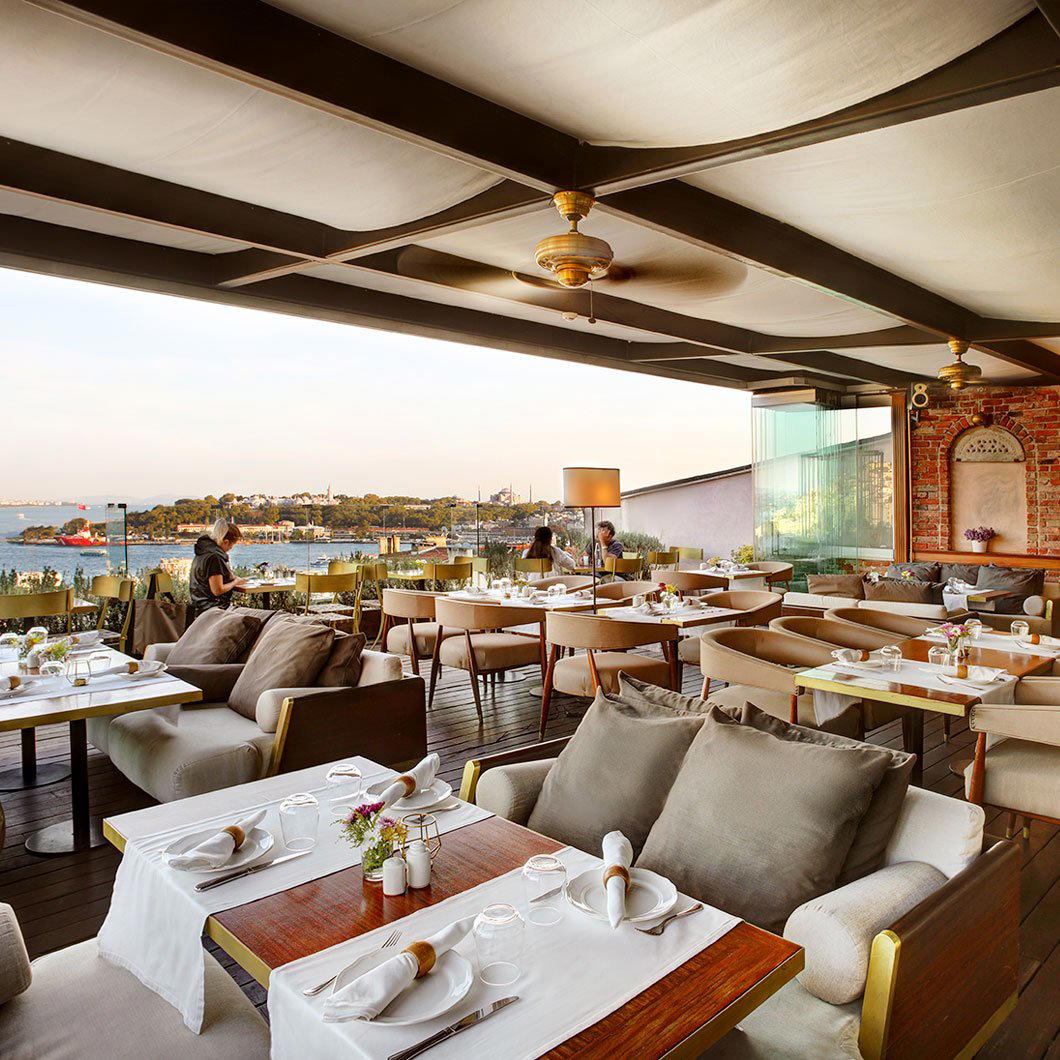
Istanbul's reputation for serious cooking is well-documented at the formal end. Turk Fatih Tutak in Istanbul holds Michelin recognition and represents the city's ambitions in the refined tasting-menu tier. But the structural majority of eating in this city happens several floors below that register, in the köfteci, the balık ekmek stand, and the dürüm counter. Across Turkey, similar dynamics play out: Kokorecci Asim Usta in Bornova near Izmir demonstrates how a single-product street format can develop its own loyal following and cultural weight without any formal recognition infrastructure. The same principle applies here.
Elsewhere in Turkey, the country's dining culture spans considerable range: the coastal refinement of Maçakızı in Bodrum, the Aegean produce-led cooking at Narımor in Izmir, the cave-country hospitality of Nahita Cappadocia in Nevsehir and Aravan Evi in Ürgüp, the seafood focus of Poyraz Sahil Balık Restaurant in Beykoz, the Mediterranean-facing cooking of Mezegi in Fethiye, the regional character of Agora Pansiyon in Milas, and the ambitious kitchen of Divia by Maksut Aşkar in Marmaris. A dürüm counter in Tarlabaşı is a very different proposition from any of those, but it occupies a genuine and necessary place in the same national eating culture.
For comparison with international street-level eating that has achieved critical mass recognition, Le Bernardin in New York City and Lazy Bear in San Francisco illustrate how far formal recognition can travel from the neighbourhood counter model, the contrast is instructive about what gets documented and what simply feeds cities.
Practical Notes for Visiting
The address is Şehit Muhtar, Tarlabaşı Bulvarı 28A, Beyoğlu. The location is walkable from Taksim Square, roughly two to three minutes on foot heading toward the lower end of the bulvar. The format is counter service, which at this type of operation in Istanbul generally means paying at point of order, eating quickly, and giving up the spot. No reservation infrastructure exists or would be expected at a counter of this format.
Frequently asked questions
What part of town is Dürüm Max Zurna Dürüm (Beyoğlu/Taksim) in?
Dürüm Max Zurna Dürüm (Beyoğlu/Taksim) is located at Şehit Muhtar, Tarlabaşı Blv 28A, 34000 Beyoğlu/İstanbul, Türkiye, Beyoglu.
Is Dürüm Max Zurna Dürüm worth visiting if you are based near Taksim Square in Istanbul?
The address at Şehit Muhtar, Tarlabaşı Bulvarı 28A puts it within a short walk of Taksim Square, making it one of the most accessible dürüm counters in lower Beyoğlu. For visitors already in the neighbourhood, it represents the kind of casual, no-ceremony eating that Istanbul's street-food culture does consistently well. No website or phone listing is necessary: you locate it by the address and walk in.
What do people recommend at Dürüm Max Zurna Dürüm (Beyoğlu/Taksim)?
Dürüm Max Zurna Dürüm is a dedicated wrap counter on Tarlabaşı Bulvarı 28A, so the dürüm itself is the focus of every order. The format is tight: grilled meat rolled in flatbread, built to eat standing or on the move. Regulars on this stretch of Beyoğlu treat it as a lunchtime staple rather than a destination, which is its own form of endorsement.
Should I book Dürüm Max Zurna Dürüm (Beyoğlu/Taksim) in advance?
No reservation is needed. The venue operates as a walk-in counter at Tarlabaşı Bulvarı 28A in Beyoğlu, two to three minutes from Taksim Square on foot. Peak pressure comes at midday when the surrounding neighbourhood crowds the boulevard, so arriving slightly before or after the standard lunch rush is the practical move.
Nearby-ish Comparables
Comparable venues nearby, for context on price, style, and recognition.
| Venue | Cuisine | Price | Awards | Notes |
|---|---|---|---|---|
| Dürüm Max Zurna Dürüm (Beyoğlu/Taksim)This venue (the venue you are viewing) | Turkish Zurna Dürüm | Not listed | Not listed | Not listed |
| Emek Restaurant | Authentic Turkish Grill and Kebabs | $20–30 | Not listed | Beyoglu |
| F&B Culture | Turkish Grill & Kebab | $30–50 | Not listed | Beyoğlu |
| Dürümzade | Authentic Turkish Dürüm and Kebabs | $10–20 | Not listed | Beyoglu |
| Kumiko Sushi & More | Japanese Sushi | $50–100 | Not listed | Beyoglu |
| 360 Istanbul | Modern Turkish Fusion | $50–100 | Gault & Millau Türkiye 1 Toque | Beyoglu |
Continue exploring
More in Beyoglu
Restaurants in Beyoglu
All restaurants in Beyoglu →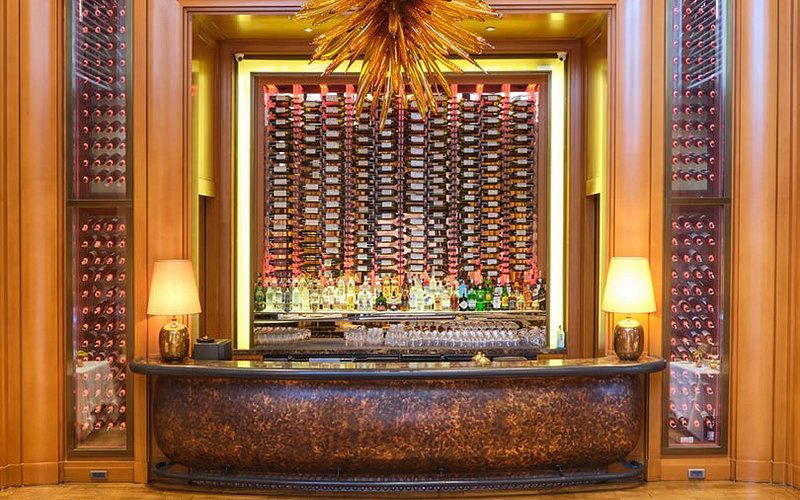
Details
- Lively
- Trendy
- Casual Hangout
- Late Night
- Standalone
- Street Scene
- A La Carte
Current opening hours
- Monday
- 11 AM–12 AM
- Tuesday
- 11 AM–12 AM
- Wednesday
- 11 AM–12 AM
- Thursday
- 11 AM–12 AM
- Friday
- 11 AM–12 AM
- Saturday
- 11 AM–12 AM
- Sunday
- 11 AM–12 AM
Hours can change for holidays and private events. Last verified .
Casual fast food spot with a lively street-side atmosphere focused on quick, flavorful wraps.