Dragon City sits on Gl. Stationsvej in central Randers, occupying a position in Denmark's provincial Chinese restaurant tier that rewards advance planning over spontaneous visits. In a city where the dining scene skews toward Nordic and European formats, it represents one of the few consistent points of reference for East Asian cooking. Check directly for current hours and availability before visiting.
Pearl is the En Primeur Club membership app — saves, bookings, and concierge access live there. Same editors, same standards.
- Address
- Gl. Stationsvej 9, 8940 Randers, Denmark
- Phone
- +4586466888
- Website
- dragoncity-randers.dk
- Directions
- Get directions
 Saves & bookings on Pearl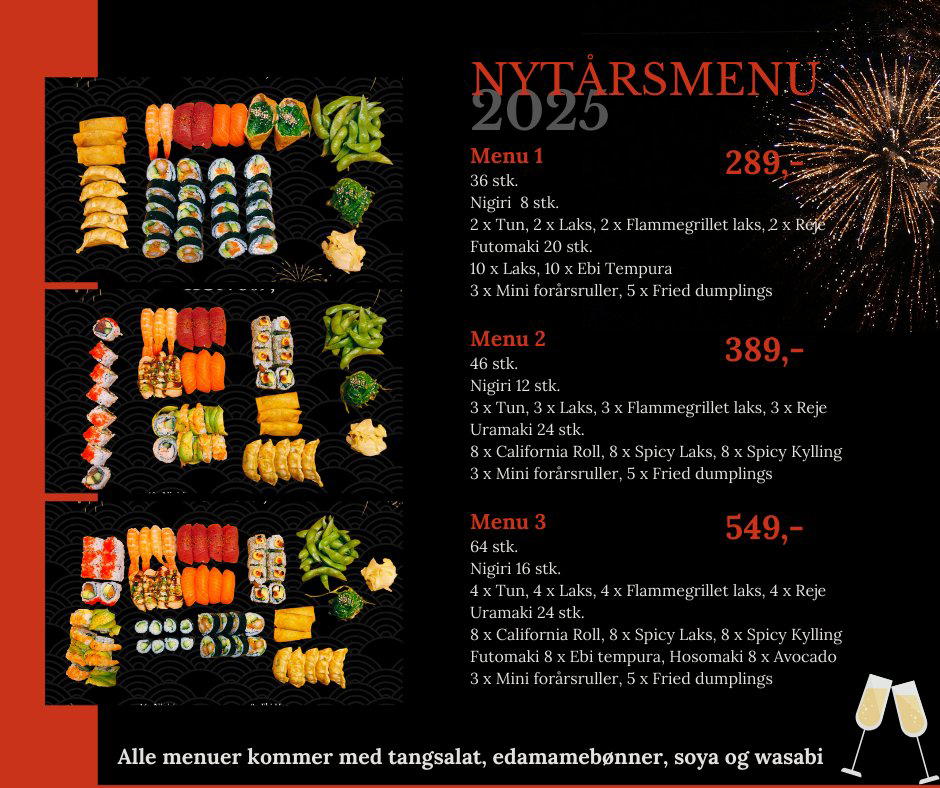
Chinese Cooking in a Danish Provincial Setting
Randers is not a city that generates much national dining conversation. The restaurants that draw regional attention tend to cluster around Nordic-inflected formats, with Scandinavian technique applied to local produce. Chinese restaurants in this context occupy a different kind of role: they absorb demand from a dining public that wants something outside the dominant grain. Dragon City is a Chinese & Sushi All-You-Can-Eat Buffet at Gl. Stationsvej 9, 8940 Randers, Denmark, with a casual dress code, a recommended reservation policy, and an accessible price point. It is a reference point rather than a destination, and understanding what that means requires some context about how Chinese cooking has embedded itself in Danish provincial towns.
The pattern across Jutland's mid-sized cities, Randers included, follows a familiar trajectory. Chinese restaurants arrived in Denmark in significant numbers from the 1970s onward, often adapting Cantonese and pan-Chinese repertoires to local palates. What emerged was a hybrid format, dishes calibrated for Danish familiarity while retaining structural elements of wok cookery, braising, and fermented-condiment seasoning that distinguish Chinese technique from the European mainstream. That negotiation between imported method and local appetite is the central tension in provincial Chinese dining across Scandinavia, and it plays out differently in a city of Randers' scale than it does in a capital.
The Broader Randers Dining Context
To place Dragon City accurately, it helps to map the wider field. Randers supports a range of formats: Bistroteket anchors the European bistro tier, Bone's handles American-style steakhouse demand, Cafe Hugo covers the casual café bracket, and Atami Sushi Restaurant and Banana Leaf represent the East and Southeast Asian options alongside Dragon City. That last cluster, three venues covering a geographic range from East Asia to Southeast Asia, signals that Randers has a genuine appetite for non-European cooking, even if the city's food media presence is thin.
The competitive context for a Chinese restaurant in Randers differs sharply from the pressures operating on venues in the capital. Denmark's Michelin-recognized dining is concentrated in Copenhagen and its near suburbs, with Geranium in Copenhagen and Jordnær in Gentofte setting the national benchmark for fine dining ambition. Provincial Jutland has its own points of recognition: Frederikshøj in Aarhus and LYST in Vejle demonstrate that the region can sustain serious culinary work. But the restaurant operates in a different register entirely, one where the measure of success is regularity and accessibility rather than tasting-menu ambition.
Local Ingredients, Imported Technique
The editorial angle worth pressing on is the intersection of Chinese culinary method and Danish ingredient supply. Across Denmark, Chinese kitchens in provincial settings have always had to improvise with what regional food distribution makes available. Pork, which dominates Danish agriculture, sits naturally inside the Chinese cooking tradition; braised pork belly, char siu preparations, and pork-forward stir-fries translate without compromise. Root vegetables, preserved fish, and locally sourced cabbage-family vegetables fold into techniques that were designed for similar produce in different latitudes. The method travels; the ingredient geography shifts.
This dynamic, familiar from Chinese restaurants in smaller European cities from Scandinavia to the Netherlands, produces a cuisine that is neither strictly authentic to any regional Chinese tradition nor fully assimilated into the host-country food culture. It occupies a third space, and that space has its own conventions, pleasures, and limitations. Dining in it requires calibrating expectations accordingly: you are eating within a hybrid tradition that has a seventy-year European history, not a direct line to Guangzhou or Sichuan. That framing is not a criticism. It is a description of a legitimate culinary form with its own internal logic.
For comparison, consider how the same dynamic operates at the upper end of the precision scale. Le Bernardin in New York City and Lazy Bear in San Francisco demonstrate how imported European and global technique can be applied with disciplined specificity to local American product. The gap between that level of technical and sourcing intentionality and what a provincial Chinese restaurant in Jutland can be expected to deliver is wide, but the underlying question, what happens when a cooking tradition meets a different ingredient geography, is the same. The restaurant answers it in a Randers register.
Planning Your Visit
The venue's address, Gl. Stationsvej 9, places it in the central part of Randers, accessible on foot from the main railway station and within easy reach of the city's commercial core. Arriving earlier in an evening service, or at the start of a weekend lunch window, typically gives the leading odds of being seated without a wait at venues in this format tier.
At about $22 per person, it sits below the bistro-format pricing of Bistroteket and well below the destination-dining brackets of Henne Kirkeby Kro in Henne, Frederiksminde in Præstø, Dragsholm Slot Gourmet in Hørve, Ti Trin Ned in Fredericia, Tri in Agger, or Pearl by Paul Proffitt in Kruså. That positioning makes it a practical option for a mid-week dinner or a family meal without the structural commitment of a tasting format.
City Peers
Comparable venues nearby, for context on price, style, and recognition.
| Venue | Cuisine | Price | Notes |
|---|---|---|---|
| Dragon CityThis venue — the venue you are viewing | Chinese & Sushi All-You-Can-Eat Buffet | $ | Not listed |
| Golden House | Chinese Buffet & Sushi | $$ | Randers |
| PastaDiem | Italian Pasta Bar | $$ | Randers C |
| Banana Leaf | Authentic Northern Indian | $$ | Central Randers |
| Pepitos Pizza Grill | Pizza with Italian, Turkish & Mexican influences | $$ | central Randers |
| Café K | European Café Fare | $$ | center |
At a Glance
- Casual
- Cozy
- Family
- Group Dining
- Casual Hangout
- Celebration
- Standalone
Current opening hours
- Monday
- 3–10 PM
- Tuesday
- 3–10 PM
- Wednesday
- 3–10 PM
- Thursday
- 3–10 PM
- Friday
- 3–10 PM
- Saturday
- 3–10 PM
- Sunday
- 3–10 PM
Hours can change for holidays and private events. Last verified .
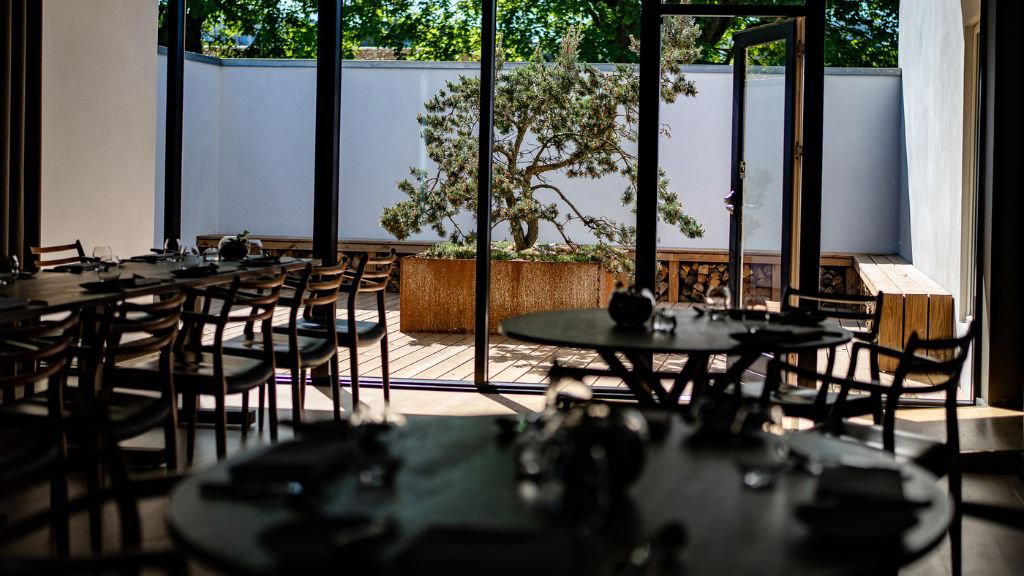
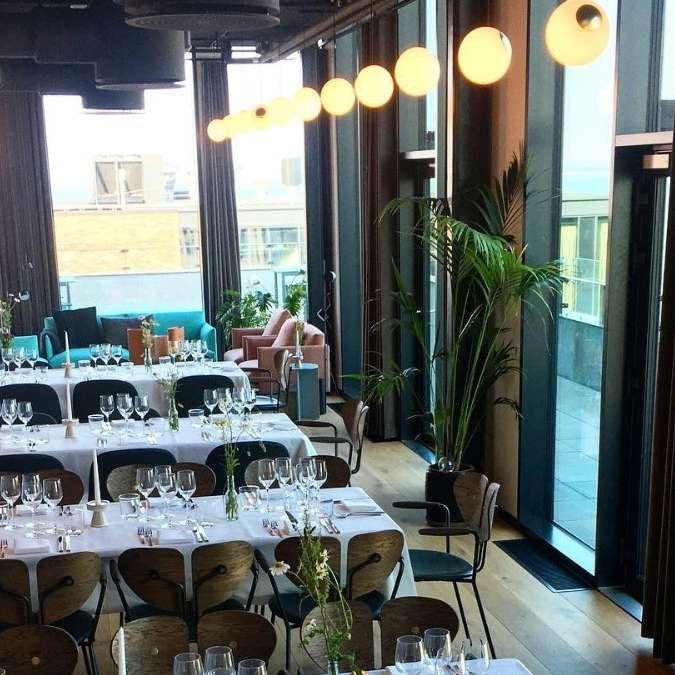
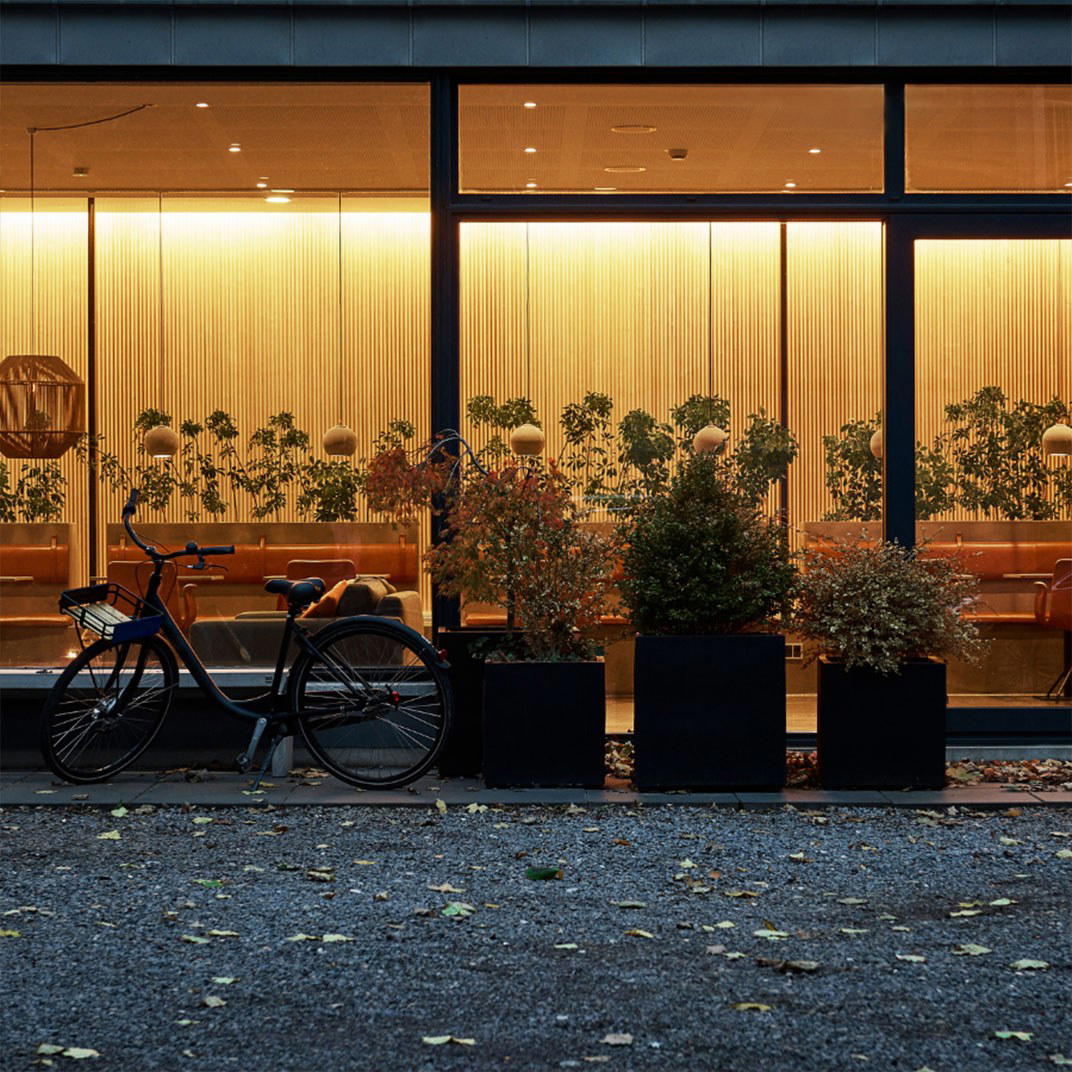
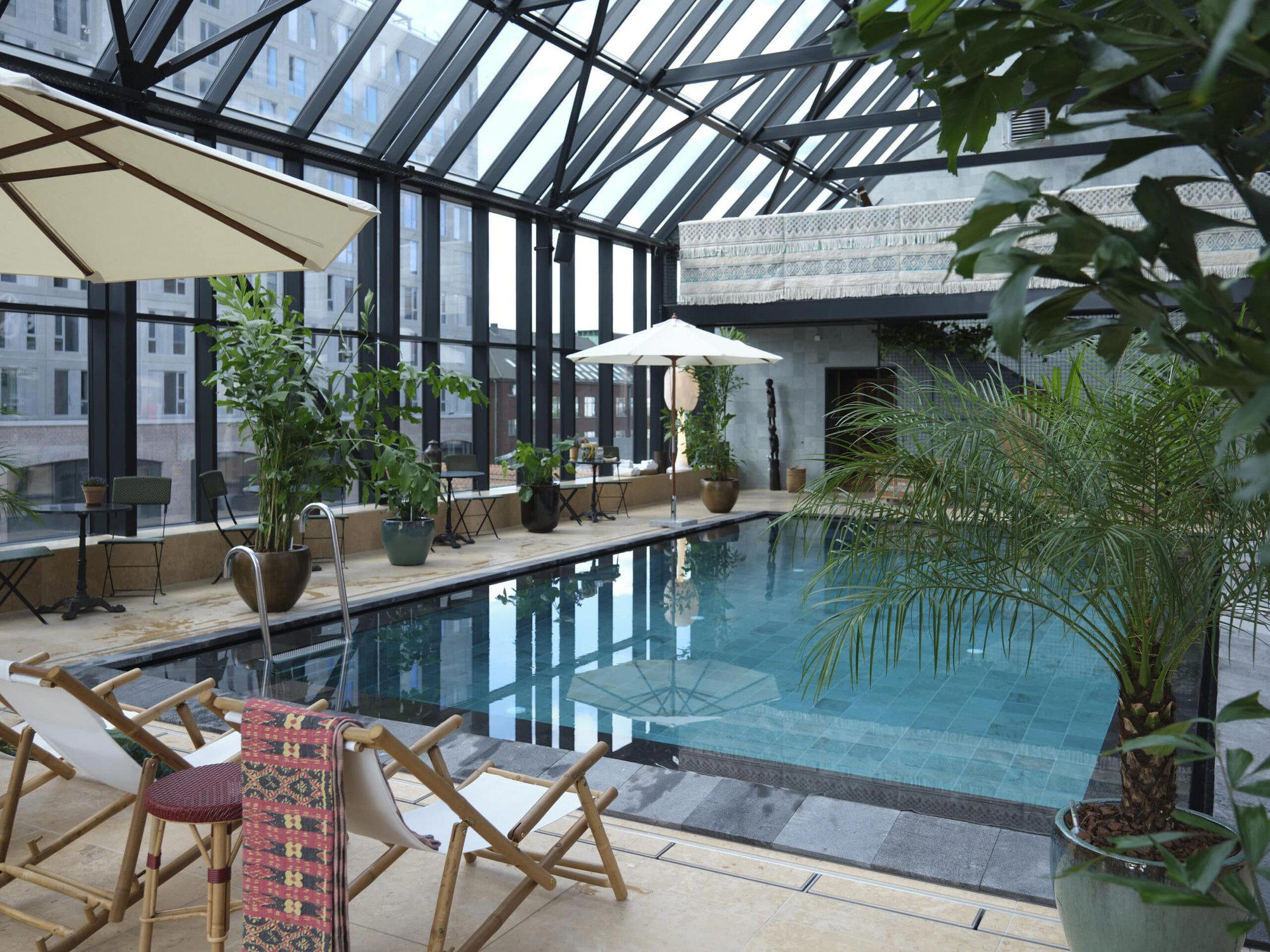
Warm, welcoming family-friendly atmosphere in a roomy setting designed to accommodate groups and families.