Dos Sucres
On a quiet residential stretch of Roberto Crespo Toral, Dos Sucres occupies the kind of address that rewards those who seek it out. The name itself signals something rooted in local exchange and tradition, placing this Cuenca address within the city's broader conversation about Andean culinary identity. Visitors looking to understand what contemporary Ecuadorian dining looks like outside Quito will find a useful reference point here.
Pearl is the En Primeur Club membership app — saves, bookings, and concierge access live there. Same editors, same standards.
- Address
- Roberto Crespo Toral 3-56, Cuenca 010107, Ecuador
- Phone
- +593984537693
- Website
- dossucrescuenca.com
- Directions
- Get directions
 Saves & bookings on Pearl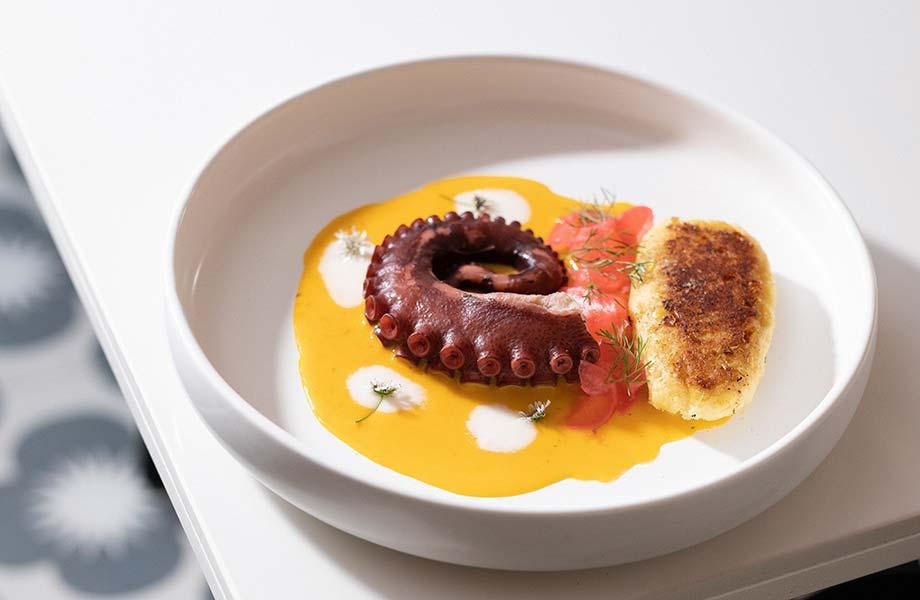
A Street in Cuenca That Takes Its Time
Cuenca's dining scene divides along a clear fault line. On one side sit the colonial-centre restaurants calibrated for heritage tourism, their menus pointing toward safety and familiarity. On the other, a quieter tier of neighbourhood addresses has been doing the harder work of grounding contemporary Ecuadorian cooking in the actual culture of the Sierra. Roberto Crespo Toral 3-56 sits inside that second territory. Dos Sucres is a restaurant in Cuenca serving Modern Ecuadorian cuisine at about USD 30 per person. It occupies an address in a residential corridor that doesn't announce itself with the visual noise of the centro histórico, which means the visit has to be intentional. That intentionality tends to filter the crowd.
Cuenca has long occupied an unusual position in Ecuadorian cultural life. As the country's third city, it carries an intellectual and artisanal identity that Guayaquil's port energy and Quito's capital weight do not quite replicate. The food culture here reflects that: slower, more connected to the high-altitude agriculture of Azuay province, more willing to sit with fermentation, dried grain, and preserved meat rather than reaching for coastal or international shorthand. Restaurants that understand Cuenca tend to cook from that starting point. Those that don't tend to look like they could be anywhere.
The Cultural Ground Beneath Andean Cooking
To understand what a place like Dos Sucres means in context, it helps to understand what Ecuadorian highland cuisine actually is, and what it has been. The Sierra's cooking tradition descends from a Kichwa agricultural base: maize, quinoa, potato, and cuy form the structural layer, overlaid with Spanish colonial influence and, in the twentieth century, with the kind of migration patterns that brought coastal ceviche and Amazonian ingredients into highland kitchens. The result is not a single, codified cuisine in the way that, say, Oaxacan or Peruvian traditions have been internationally branded. It is something more fluid and less exported.
That lack of international codification is, paradoxically, what makes it interesting right now. Across Latin America, a generation of chefs and restaurateurs has been doing for local highland traditions what Lima did for Peruvian coastal cooking in the 2000s: building an intellectual and gastronomic framework around ingredients and techniques that had long existed without formal recognition. Ecuador is part of that conversation, and Quito's more internationally visible restaurants, including Nuema in Quito, have helped establish a reference point. The work happening in Cuenca operates on a smaller scale but with more direct access to the agricultural source.
The name Dos Sucres itself carries cultural freight. The sucre was Ecuador's currency before dollarisation in 2000, named for Antonio José de Sucre, the independence leader whose name is inseparable from Cuenca's civic identity. A restaurant invoking that name is reaching for something specific: a connection to place, to the pre-dollarisation economy of the highlands, to a time when local exchange was denominated in local terms. That kind of naming choice tends not to be accidental in a city as historically self-aware as Cuenca.
Cuenca's Neighbourhood Dining Tier
Cuenca's stronger restaurants cluster in a few recognisable zones. The centro histórico and the streets flanking Parque Calderón hold particularly visible addresses, among them Capitan&Co.; and Le Petit Jardin, which draw on European frameworks applied to local ingredients. A different category of address, including Tiesto's, has carved out space around Ecuadorian technique and domestic produce. The restaurant, on Roberto Crespo Toral, sits away from particularly trafficked corridors, in the kind of residential proximity that elsewhere in Latin America tends to correlate with a more local, less tourism-oriented clientele.
That positioning within the city is worth noting because it affects what the experience is likely to be. Restaurants calibrated for a local Cuencano audience rather than a transient one tend to price differently, season their menus differently, and tolerate a different pace of service. They also tend to offer something that highly optimised tourist-facing restaurants do not: the texture of how a city actually eats, rather than a curated version of it.
For readers who have followed Ecuador's broader dining development, the contrast with coastal addresses is instructive. Casa Julián in Guayaquil operates with the commercial energy and seafood focus that defines that port city. Cuenca's register is different: colder climate, denser starch, more dried and cured protein. The two traditions share a country and a language but little culinary vocabulary.
Planning a Visit to Roberto Crespo Toral
The address, Roberto Crespo Toral 3-56 in Cuenca's 010107 postal zone, is especially reliable anchor for planning. Visitors should verify current operating hours and contact details on arrival in Cuenca or through local concierge networks, as smaller neighbourhood restaurants in Ecuadorian cities frequently operate on schedules that are not consistently published online.
Whether Ecuadorian highland cooking finds that international framing in the next decade depends partly on the work being done by neighbourhood-level addresses in cities like Cuenca, not just the headline kitchens in Quito. That is what makes the quieter end of Roberto Crespo Toral worth paying attention to now, before the conversation catches up with the cooking.
For further reference on Latin American dining at different scales, Carlo & Carla in Samborondon Canton and Hornados Dieguito in Los Chillos offer useful comparison points within Ecuador's regional spread. Cuenca's more serious kitchens are some distance from that tier but they are cooking in the right direction.
Price Lens
Comparable venues nearby, for context on price, style, and recognition.
| Venue | Cuisine | Price | Notes |
|---|---|---|---|
| Dos SucresThis venue — the venue you are viewing | Luis Moreno Mora, Modern Ecuadorian | $$$ | Not listed |
| Tiesto's | Not listed | $$$ | Historic Center, Traditional Ecuadorian Andean |
| Capitan&Co. | Modern Ecuadorian Seafood | $$ | Not listed |
| Le Petit Jardin | San Miguel, Classical French Bistro | $$ | Not listed |
| Casa Julián | Not listed | $$$$ | Parque Histórico Guayaquil / Samborondón, Fine Dining Ecuadorian |
| Chez Jérôme | Not listed | $$$ | La Pradera, French-Ecuadorian Fusion Bistro |
Continue exploring
More in Cuenca Canton
Restaurants in Cuenca Canton
Browse all →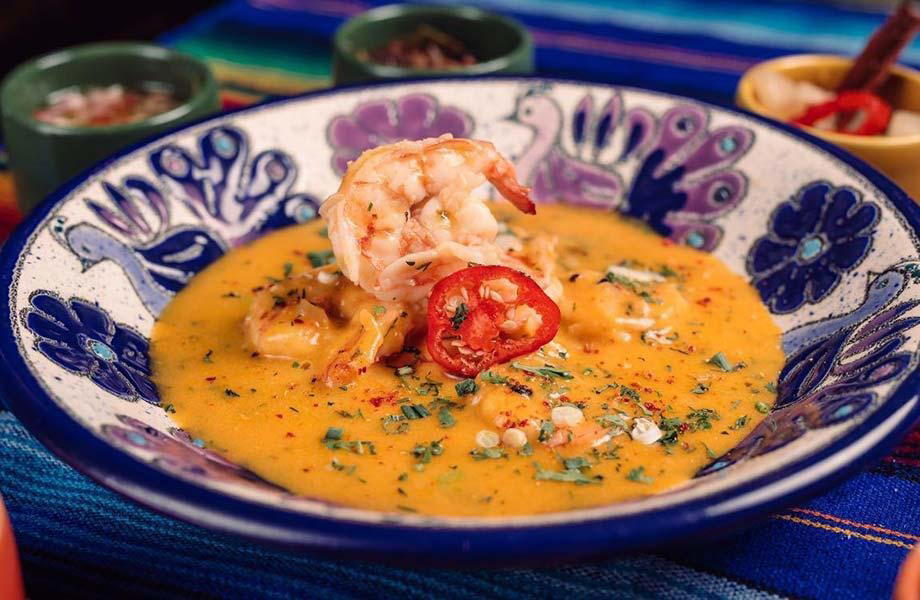
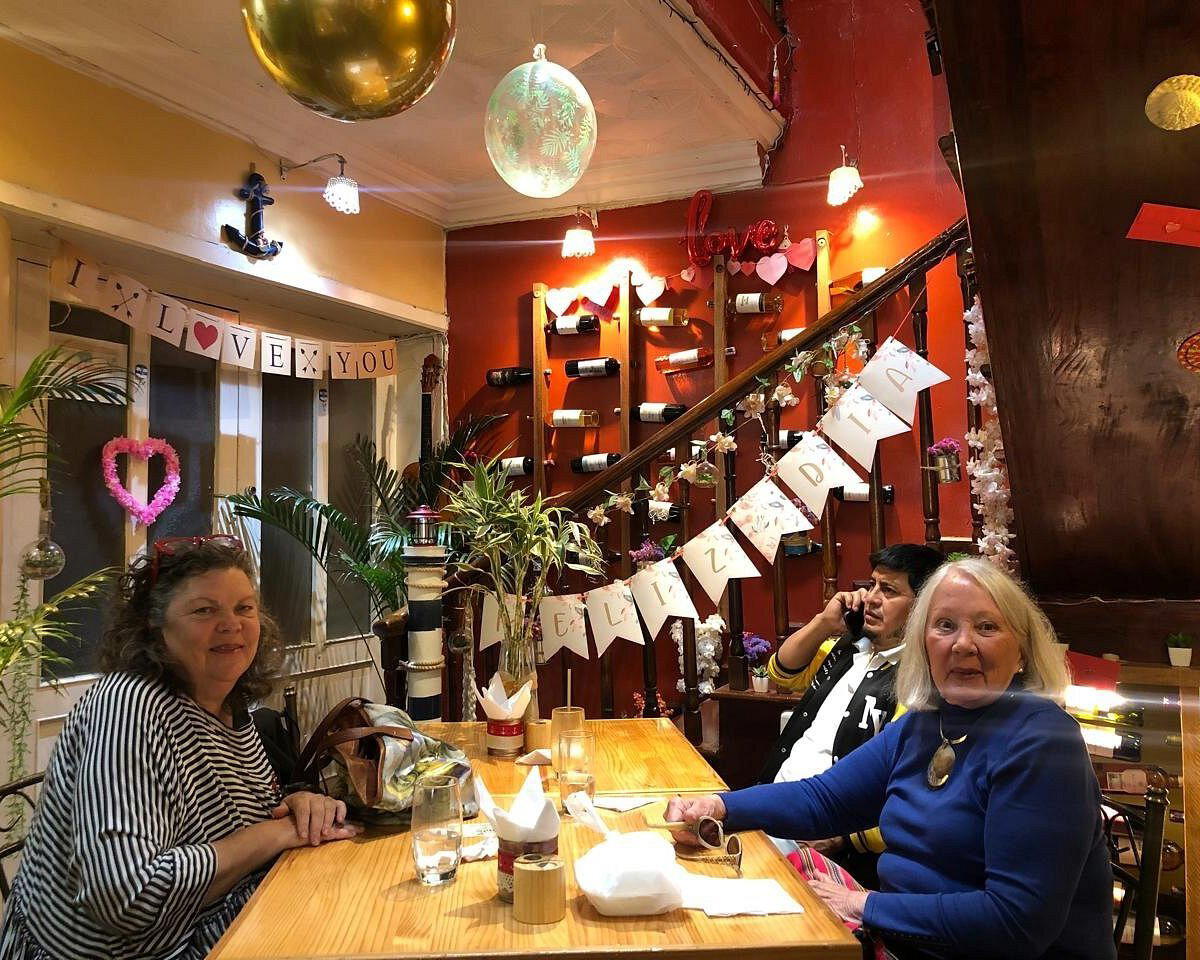
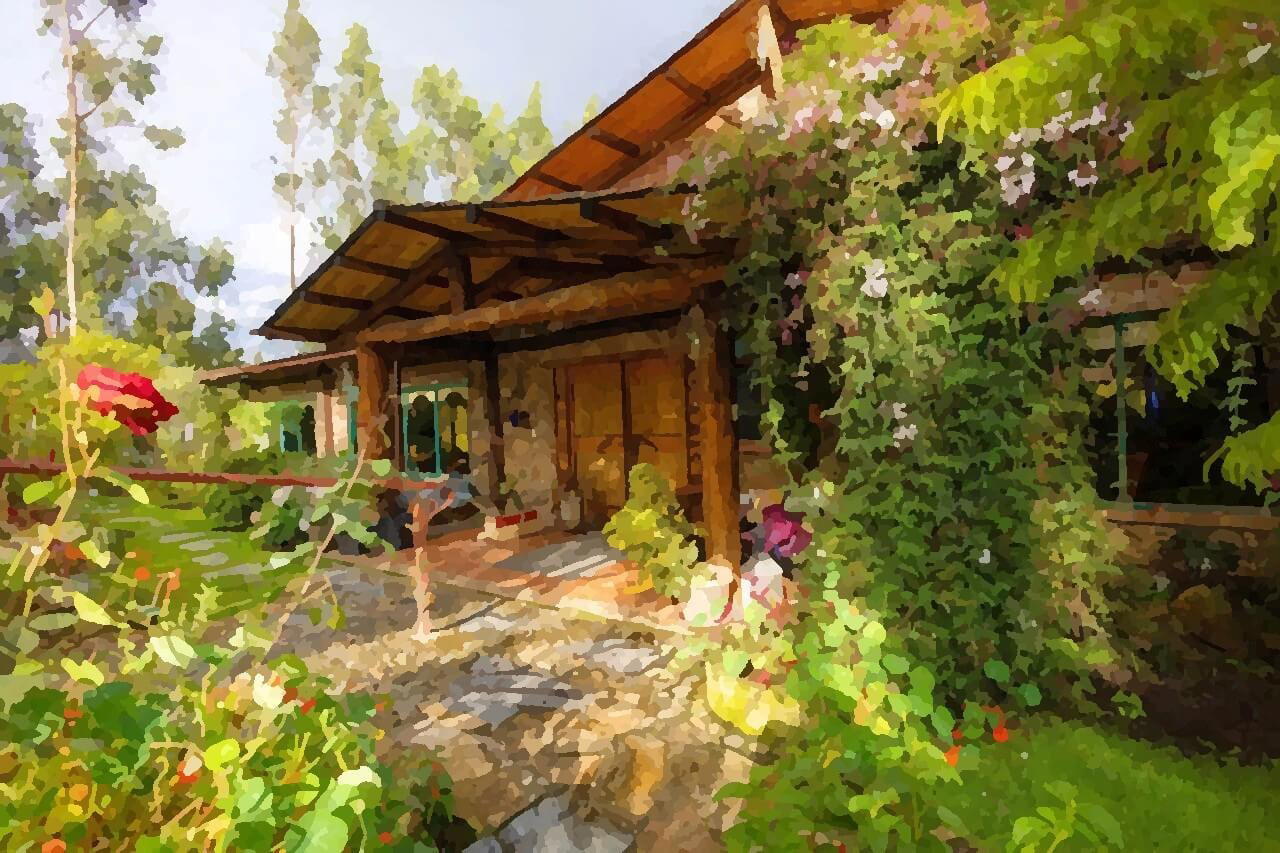
Hotels in Cuenca Canton
Browse all →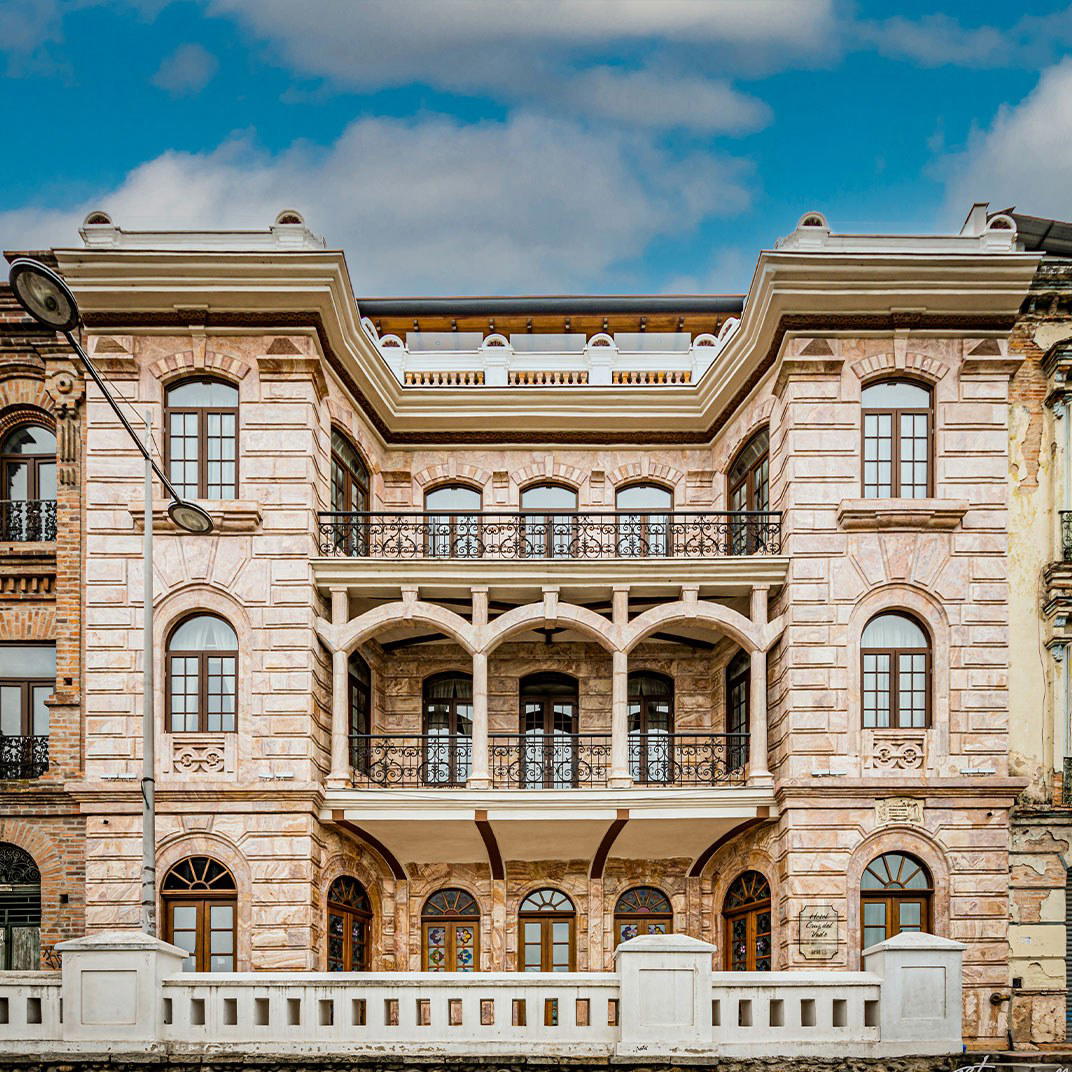
At a Glance
- Modern
- Cozy
- Sophisticated
- Special Occasion
- Date Night
- Open Kitchen
- Local Sourcing
- Organic
- Farm To Table
Current opening hours
- Monday
- Closed
- Tuesday
- 8–10 AM, 12:30–10:30 PM
- Wednesday
- 12:30–10:30 PM
- Thursday
- 12:30–10:30 PM
- Friday
- 12:30–10:30 PM
- Saturday
- 8–10 AM, 12:30–10:30 PM
- Sunday
- Closed
Hours can change for holidays and private events. Last verified .
Welcoming atmosphere highlighting sustainable local cuisine with contemporary flair.