Dönerium at Derfflingerstraße 4 in Linz occupies a specific tier in the city's casual dining scene, where the döner format continues to hold ground against a rising tide of international street-food concepts. In a city that increasingly rewards restaurants willing to source with intention, Dönerium represents the kind of neighbourhood fixture that serves a consistent, unpretentious offer to a local crowd.
Pearl is the En Primeur Club membership app — saves, bookings, and concierge access live there. Same editors, same standards.
- Address
- Derfflingerstraße 4, 4020 Linz, Austria
- Phone
- +436608606588
- Website
- instagram.com
- Directions
- Get directions
 Saves & bookings on Pearl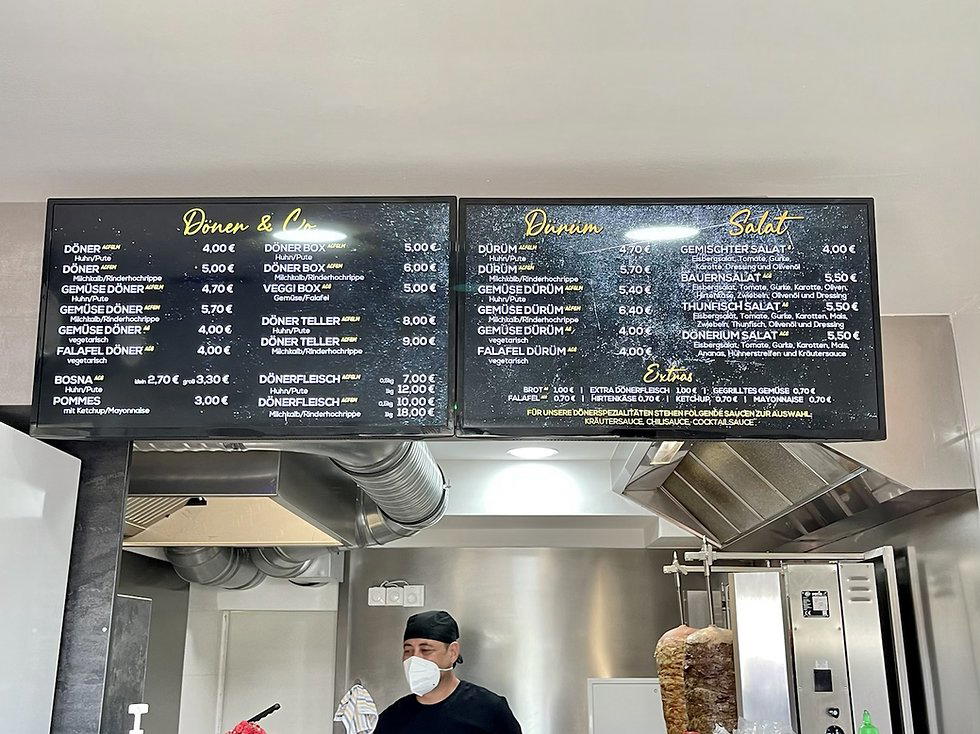
Linz's Street-Food Moment and Where the Döner Fits
Linz has been quietly building a dining identity that sits somewhere between Vienna's formal restaurant culture and the ingredient-focused regionalism you find at places like Ois in Neufelden or Schwarzer Adler in Hall in Tirol. The city's casual dining segment has expanded considerably over the past decade, with international street-food formats competing for space alongside traditional Austrian tavern cooking. Within that shift, the döner format occupies a particular and durable position: affordable, fast, and deeply embedded in Central European urban food culture since the 1970s. Dönerium, located at Derfflingerstraße 4 in the 4020 postal district, sits inside that tradition rather than against it.
The address places it in a residential and commercial stretch that draws a neighbourhood crowd rather than a destination diner. This is not the kind of venue that competes with Rossbarth at the modern cuisine end of the Linz market, nor does it position against the international mid-range represented by Verdi. It belongs to a different competitive set entirely: the city's working-lunch and early-evening casual layer, where consistency and speed matter as much as sourcing philosophy.
The Sustainability Argument for Traditional Formats
There is a broader conversation happening across European street-food culture about which formats are inherently more sustainable than others. The döner model, at its structural core, is one of the more waste-conscious formats in casual dining. Meat is carved to order from a rotating spit, which means portion control is direct and offcuts are minimal. Flatbread and vegetable accompaniments lend themselves to daily preparation cycles that reduce holding waste. Compare this to the deep-fried formats or pre-plated concepts that dominate much of the fast-casual tier, and the döner's claim to lower food waste per cover is not unreasonable.
Across Austria, a handful of independent operators in this category have begun making more deliberate sourcing decisions, choosing regional meat suppliers and seasonal vegetable sources over the commodity supply chains that characterised the format's earlier decades. Venues across the city, including the creative end represented by Be right back and the more classical Thai positioning of Aroy Thai, reflect a city increasingly attentive to where ingredients originate.
For context on how far ethical sourcing can be pushed in Austrian dining, the reference points are further afield: Steirereck im Stadtpark in Vienna and Döllerer in Golling an der Salzach have built reputations on producer relationships and seasonal discipline. That standard is not the benchmark for a street-food counter, but it sets the cultural ceiling for what Austrian diners have been trained to expect, even at the casual end.
Dönerium in Linz's Neighbourhood Dining Pattern
Derfflingerstraße sits in a part of Linz that functions as a daily-use dining corridor rather than a leisure destination. The foot traffic here is office workers, residents, and students rather than the concert-goers who might end up at Bruckner's im Brucknerhaus Linz after a performance. That distinction matters for understanding the role Dönerium plays in the city's food ecosystem: it is a functional venue, not an experiential one, and there is value in that clarity of purpose.
Linz is a mid-sized industrial and cultural city of roughly 200,000 people, and its restaurant scene reflects that scale. The upper tier reaches toward serious Austrian fine dining, with regional operators like Landhaus Bacher in Mautern an der Donau and destination kitchens such as Obauer in Werfen setting the regional standard. The middle tier has diversified considerably, now covering everything from contemporary creative formats to international cuisine. Below that, the fast-casual and street-food layer is where the volume sits, and the döner format remains one of its anchors.
Planning a Visit
Dönerium is located at Derfflingerstraße 4, 4020 Linz. Walk-in is the expected mode of arrival. Street-food counters of this type typically operate across lunch and into the early evening, with peak demand during midday weekday hours. Hours run Monday to Friday from 9 AM to 8 PM, Saturday from 10 AM to 8 PM, and Sunday is closed.
Internationally, the contrast between street-food formats and destination dining is well illustrated by venues like Le Bernardin in New York City or Lazy Bear in San Francisco, both of which operate in cities where the full dining spectrum, from counter service to fine dining, is part of a coherent food culture rather than separate worlds. Linz is moving in a similar direction, and its casual tier is part of that story.
The Minimal Set
Comparable venues nearby, for context on price, style, and recognition.
| Venue | Cuisine | Price | Notes |
|---|---|---|---|
| DöneriumThis venue — the venue you are viewing | Not listed | $ | Not listed |
| Leberkas-Pepi | Not listed | $ | Landstraße, Traditional Austrian Leberkäse |
| Be right back | Old Town, Asian Street Food | $$ | Not listed |
| Jack the Ripperl | Landstraße, Austrian BBQ Ribs | $$ | Not listed |
| Mondigo | Not listed | $$ | 4020 Linz, Italian-Mediterranean Pizza |
| Radius | Altstadt, Austrian Pizza | $$ | Not listed |
Continue exploring
More in Linz
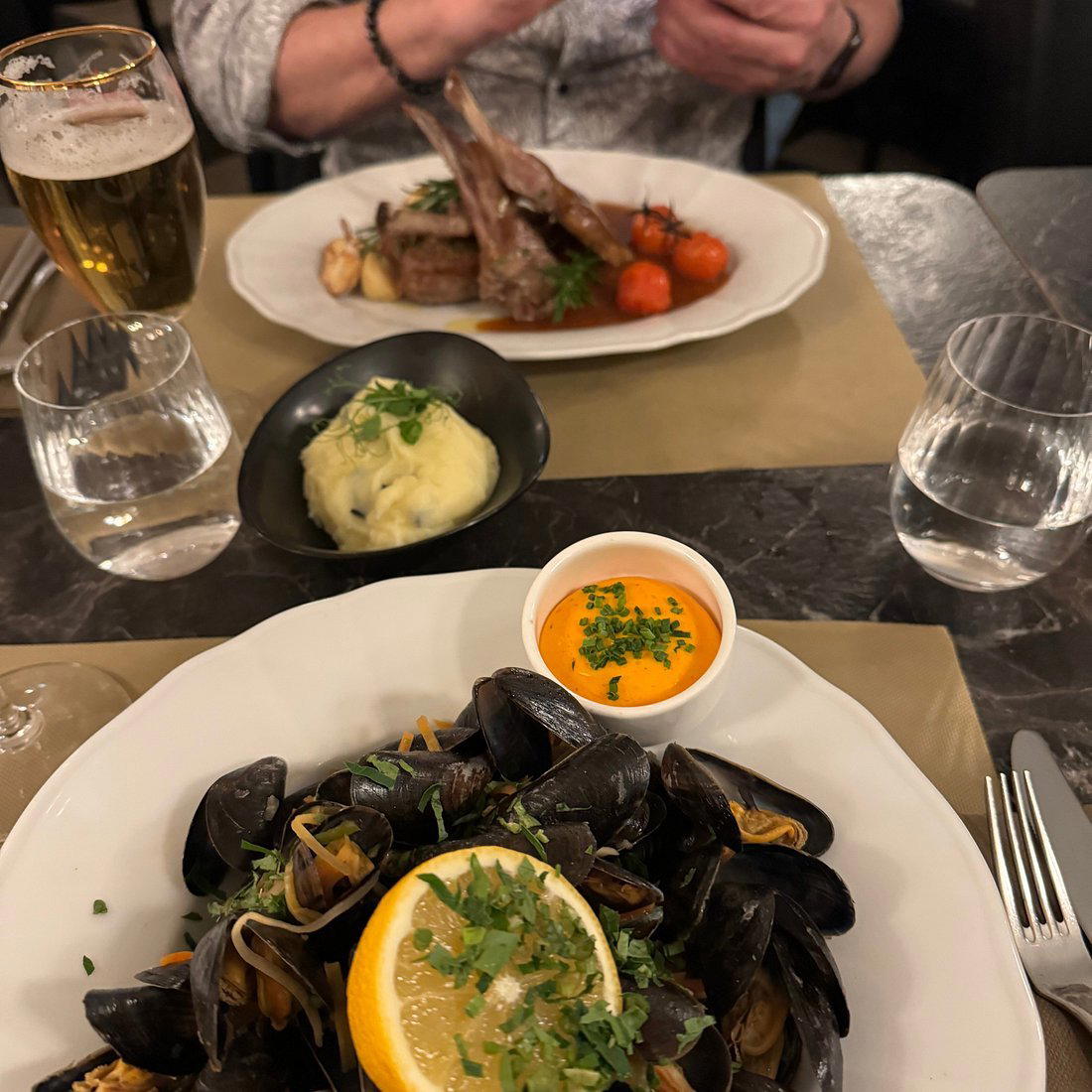
Restaurants in Linz
Browse all →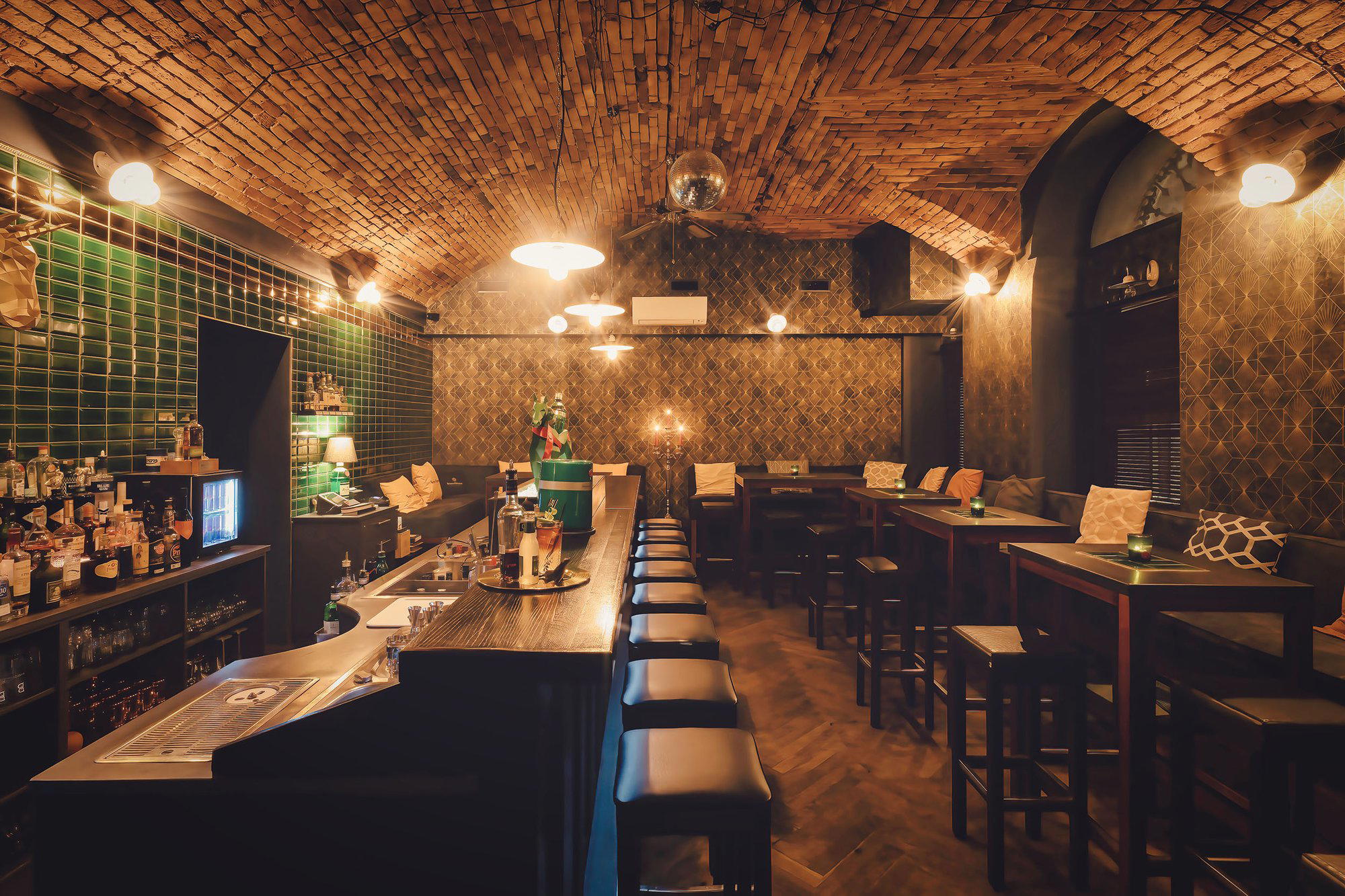
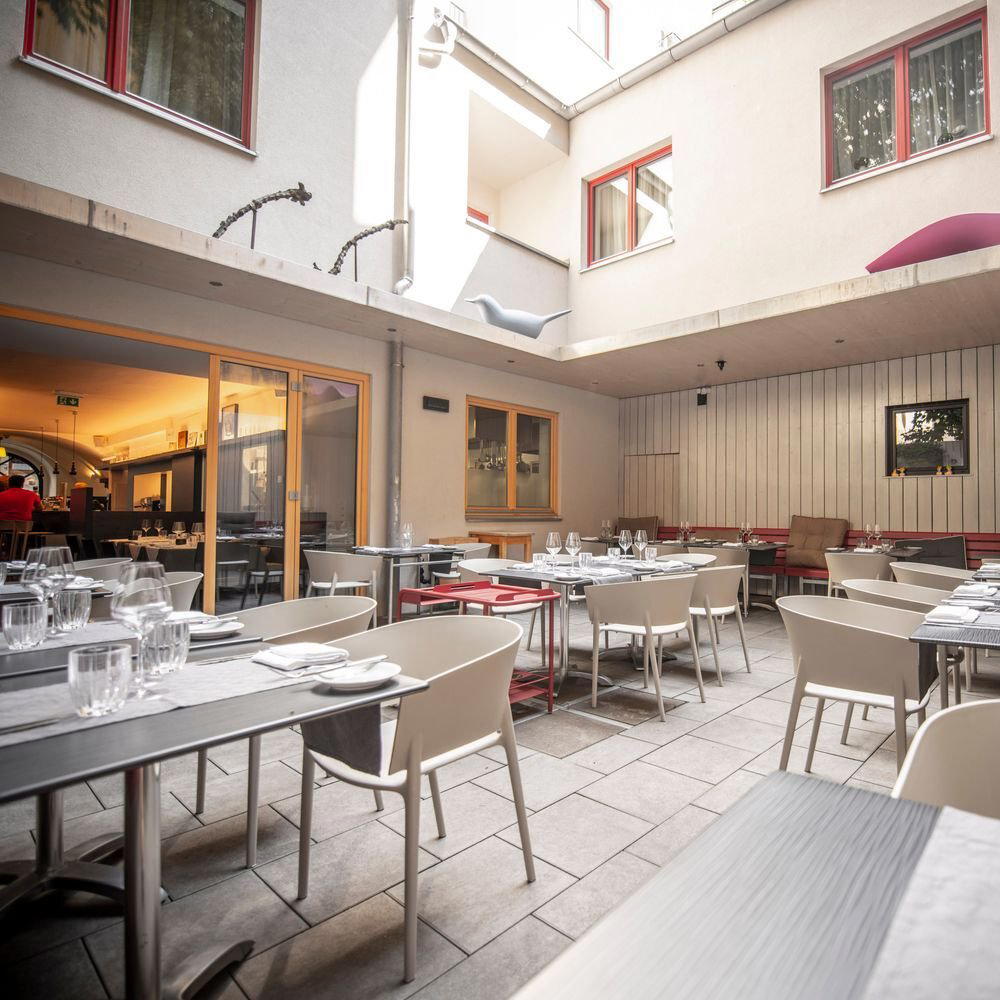
Bars in Linz
Browse all →

Hotels in Linz
Browse all →

At a Glance
- Cozy
- Casual Hangout
Current opening hours
- Monday
- 9 AM–8 PM
- Tuesday
- 9 AM–8 PM
- Wednesday
- 9 AM–8 PM
- Thursday
- 9 AM–8 PM
- Friday
- 9 AM–8 PM
- Saturday
- 10 AM–8 PM
- Sunday
- Closed
Hours can change for holidays and private events. Last verified .
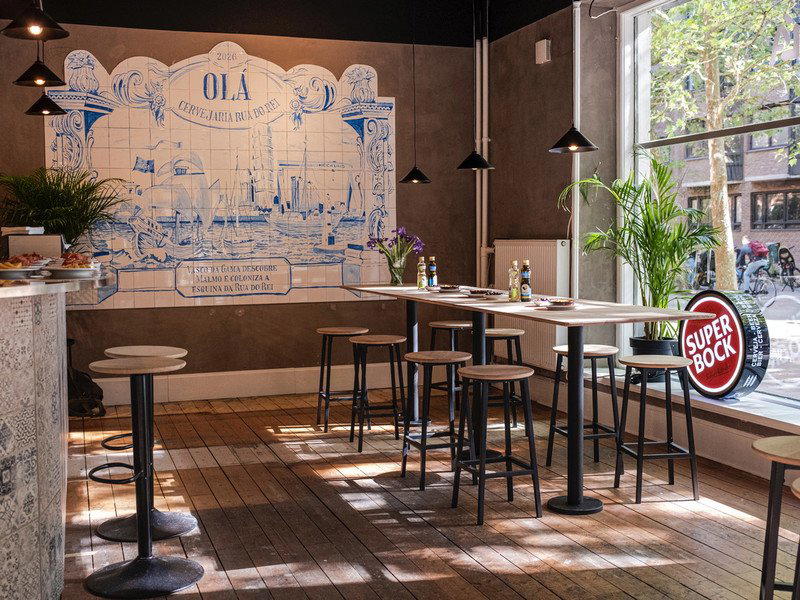
Cozy and warm atmosphere in a small kebab shop.