Din Tai Fung

Our verdict
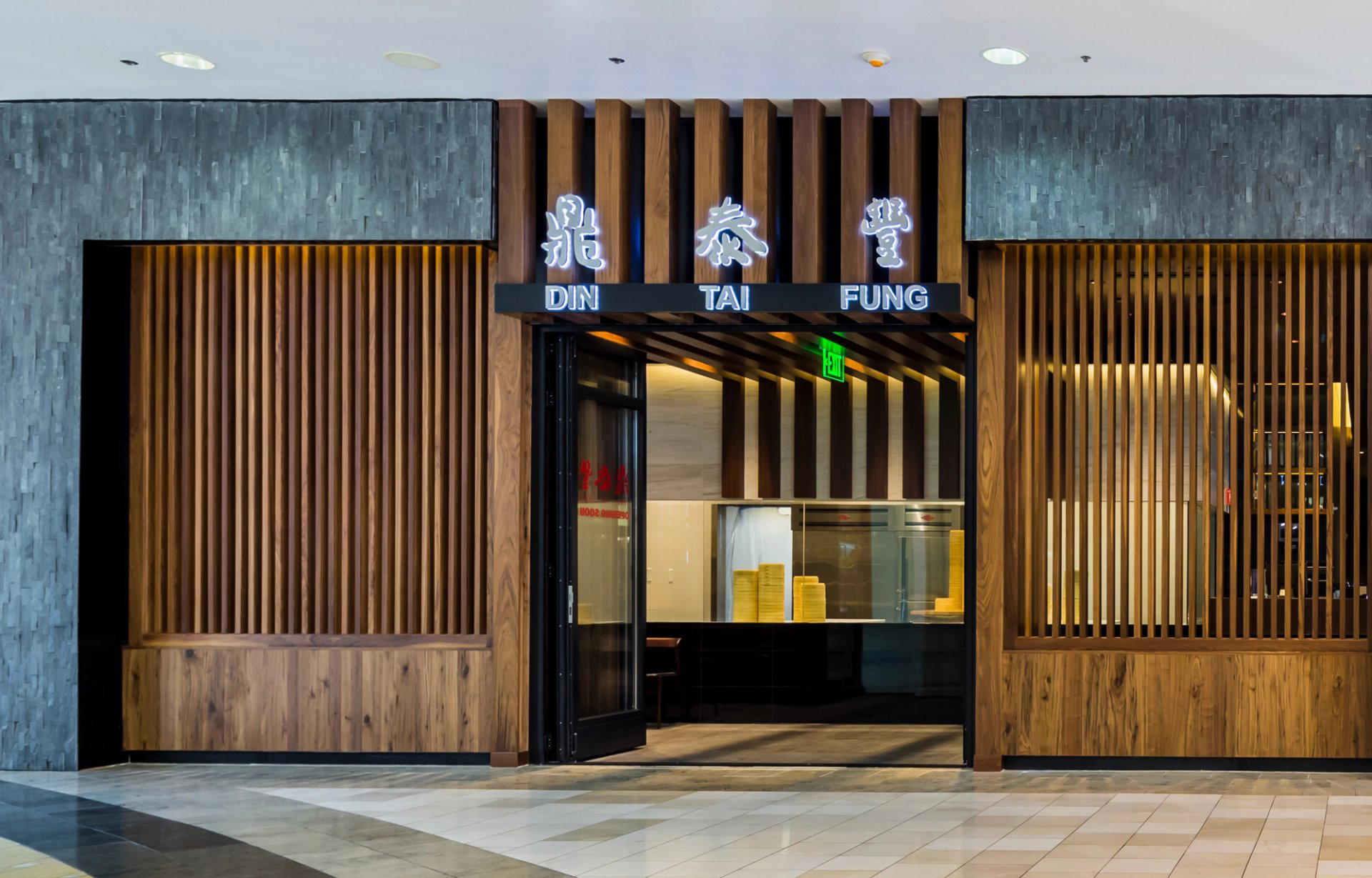
Din Tai Fung at Westfield Valley Fair brings the Taiwanese chain's disciplined dumpling program to Silicon Valley's most active dining corridor. The xiao long bao format that made the brand a global reference point is executed here with the same production precision found across all locations. Walk-in waits are common during peak hours; arriving early or at off-peak times is the practical strategy.

Pearl is the En Primeur Club membership app, where members save venues, book tables and use the concierge.
The menu
What to order
- Xiao Long Bao
- Shanghai Steamed Pork Dumplings
- Chocolate & Mochi Xiao Long Bao
- Chicken Soup Dumplings
- Handmade Noodles
Where the Dumpling Standard Gets Set in Silicon Valley
Few dining formats in the Chinese-American restaurant scene generate the kind of sustained, cross-demographic queue that Din Tai Fung does on a Saturday afternoon at Westfield Valley Fair. The Santa Clara location, at 2855 Stevens Creek Blvd, sits inside one of the Bay Area's highest-traffic retail corridors, a stretch that draws shoppers, tech workers, and families from across Santa Clara County. What makes the wait instructive is what it says about the format itself: xiao long bao, the soup dumpling originating from Shanghai and refined in Taiwan, has become a reference-point dish in the way that ramen or tonkatsu have, a category where execution precision drives loyalty more than novelty does.
Din Tai Fung's role in that story is well-documented. The original Taipei location received a Michelin star in the 2010 Michelin Guide Hong Kong Macau edition, and the brand was named one of the leading ten restaurants in the world by the New York Times in 1993, a credential that predates the chain's international expansion and anchors its culinary reputation in something more than marketing. That lineage matters when assessing the Santa Clara outpost: this is not a local interpretation of a Taiwanese idea, but a standardized replication of a system that earned serious critical recognition at its source.
The Discipline Behind the Counter
The editorial angle most often missed in writing about Din Tai Fung is the degree to which the operation functions as a team system rather than a chef-led kitchen in the conventional sense. In the style of high-volume Japanese ramen houses or the better dim sum kitchens in the San Gabriel Valley, execution here depends on synchronized roles: dumpling folders working to a prescribed gram weight and pleat count, floor staff managing turn times with precision, and kitchen coordination that keeps the gap between order and delivery tight enough to matter. The xiao long bao arrives with its broth intact not by accident but because the pleating, the steaming time, and the handoff from kitchen to table are all calibrated as a single workflow.
That model places Din Tai Fung in a different competitive category from the single-chef restaurants that define much of the Bay Area's prestige dining conversation. Operations like Lazy Bear in San Francisco, The French Laundry in Napa, or further afield, Le Bernardin in New York City and Smyth in Chicago, are built around a named culinary voice and a tasting format. Din Tai Fung is built around a repeatable standard, and the standard is the point. Whether that standard holds across geographies is the question serious eaters ask, and the Santa Clara location's sustained popularity suggests the answer is yes.
Santa Clara's Dining Corridor in Context
Stevens Creek Boulevard and the Valley Fair zone represent one of the denser concentrations of restaurant options in the South Bay, a corridor where competition arrives from multiple culinary directions. Korean restaurants anchor a significant share of the local demand, alongside Japanese and pan-Asian formats. For reference, Asia Live, a multi-cuisine complex covering Chinese, Southeast Asian, Indian, Korean, and Japanese formats, operates in the same general market. The existence of both in the same corridor points to something worth noting about South Bay dining appetite: there is genuine sustained demand for well-executed Asian formats at a range of price points, and Din Tai Fung occupies a specific position in that spectrum, sitting above casual fast-casual but well below the tasting-menu tier.
The Santa Clara dining scene also includes options that read quite differently from the Din Tai Fung format. Birk's operates in a steakhouse register, while Athena Grill covers Mediterranean territory. AnQi Shaken & Stirred brings a cocktail-forward program to the area, and Chicken Meets Rice represents the fast-casual end of the Asian-American dining range. Din Tai Fung sits between those poles, a sit-down format with table service and a menu broad enough to constitute a full meal, but priced and paced to serve high volume. Our full Santa Clara restaurants guide maps the area's options across categories and price points for broader planning.
How the Format Travels
The question of whether a standardized chain format belongs in the same editorial conversation as destination restaurants is worth addressing directly. The answer depends on what you are measuring. If the criterion is culinary ambition in the sense that drives coverage of Single Thread Farm in Healdsburg, Providence in Los Angeles, or Addison in San Diego, then Din Tai Fung is a different kind of institution. If the criterion is execution consistency at scale, the brand's Michelin-recognized origins and the observable demand at every location it operates globally make a coherent case. The same logic applies when considering how operations like Blue Hill at Stone Barns in Tarrytown, The Inn at Little Washington, Emeril's in New Orleans, Atomix in New York City, or Atelier Moessmer Norbert Niederkofler in Brunico approach their own versions of consistency through team systems rather than solo authorship.
Planning a Visit
Santa Clara location operates within Westfield Valley Fair mall, which means parking access follows the mall's structure and the restaurant shares foot traffic patterns with surrounding retail. Walk-in waits during weekend lunch and dinner service are a reliable feature of the experience; arriving before 11:30 a.m. or after 2:00 p.m. on weekdays gives substantially shorter wait times based on the format's typical demand curve at busy urban mall locations. The menu spans xiao long bao in multiple filling variants, alongside pan-fried dumplings, noodle soups, and rice dishes, making it a full-service meal destination rather than a single-dish stop.
Frequently asked questions
Where is Din Tai Fung located?
Din Tai Fung is located at 2855 Stevens Creek Blvd #1259, Santa Clara, CA 95050, Santa Clara.
How does Din Tai Fung in Santa Clara compare to other US locations?
Din Tai Fung's Santa Clara outpost operates under the same production standards as its other US locations, which span California, Washington, and Nevada. The 2855 Stevens Creek Blvd address places it inside Westfield Valley Fair, giving it a higher foot-traffic draw than some standalone locations. For diners in the South Bay, it is the closest Din Tai Fung to central Silicon Valley, which accounts for much of its sustained queue on weekends.
What do people recommend at Din Tai Fung?
The xiao long bao, soup dumplings, are the reference order at every Din Tai Fung location, including Santa Clara. Regulars also point to the shrimp and pork wontons and the cucumber salad as consistent performers. The operational standard across locations means what works at one outpost reliably works at another.
Do they take walk-ins at Din Tai Fung?
Walk-ins are accepted at the Santa Clara location inside Westfield Valley Fair, but weekend queues run long enough that waits of 45 minutes to over an hour are common during peak hours. Arriving before the lunch or dinner rush opens, roughly 11am or 5pm, gives walk-in parties a meaningfully better chance at a shorter wait. The mall setting means you can browse while you wait rather than standing outside.
What's the defining dish or idea at Din Tai Fung?
The defining idea is process discipline applied to a single format: the xiao long bao wrapper is folded to an 18-pleat standard and the filling-to-wrapper weight ratio is held consistent across every kitchen in the chain, Santa Clara included. That standardization is the editorial point, Din Tai Fung's reputation rests not on a single chef's vision but on a replicable system that produces a reliable result at scale.
Budget Reality Check
| Venue | Cuisine | Price |
|---|---|---|
| Din Tai FungThis venue (the venue you are viewing) | Taiwanese Soup Dumplings & Noodles | $20–30 |
| Orenchi | Japanese Ramen | $20–30 |
| Chungdam | Modern Korean BBQ | $30–50 |
| Kunjip | Korean Bone Broth Soups and Stews | $20–30 |
| Asia Live | Modern Chinese with Sichuan Flavors | $20–30 |
| AnQi Shaken & Stirred | Modern Asian Fusion | Not listed |
Recognition history
Dated appearances from independent guides and award organizations, with the underlying list record or original source where available.
Opinionated About Dining Cheap Eats in North America Recommended
Opinionated About Dining
Continue exploring
More in Santa Clara
Restaurants in Santa Clara
All restaurants in Santa Clara →
Bars in Santa Clara
All bars in Santa Clara →
Details
- Modern
- Lively
- Well Known
- Casual Hangout
- Family
- Group Dining
- Open Kitchen
- A La Carte
- Family Style
- Vegetarian Friendly
- Vegan Options
- Gluten Free Options
Current opening hours
- Monday
- 10:30 AM–9:30 PM
- Tuesday
- 10:30 AM–9:30 PM
- Wednesday
- 10:30 AM–9:30 PM
- Thursday
- 10:30 AM–9:30 PM
- Friday
- 10:30 AM–10 PM
- Saturday
- 9:30 AM–10 PM
- Sunday
- 9:30 AM–9 PM
Hours can change for holidays and private events. Hours as of .
Modern, bustling casual dining atmosphere with efficient service and a focus on the dining experience rather than ambiance.