Chicken Meets Rice
Our verdict
A Santa Clara counter-service address on Tasman Drive where the menu is built around a single, disciplined premise: chicken and rice, executed with enough variation to sustain repeat visits. The format strips away the noise common to Silicon Valley's sprawling pan-Asian dining corridors, and the result reads more like a focused culinary argument than a casual lunch stop.

Pearl is the En Primeur Club membership app — saves, bookings, and concierge access live there. Same editors, same standards.
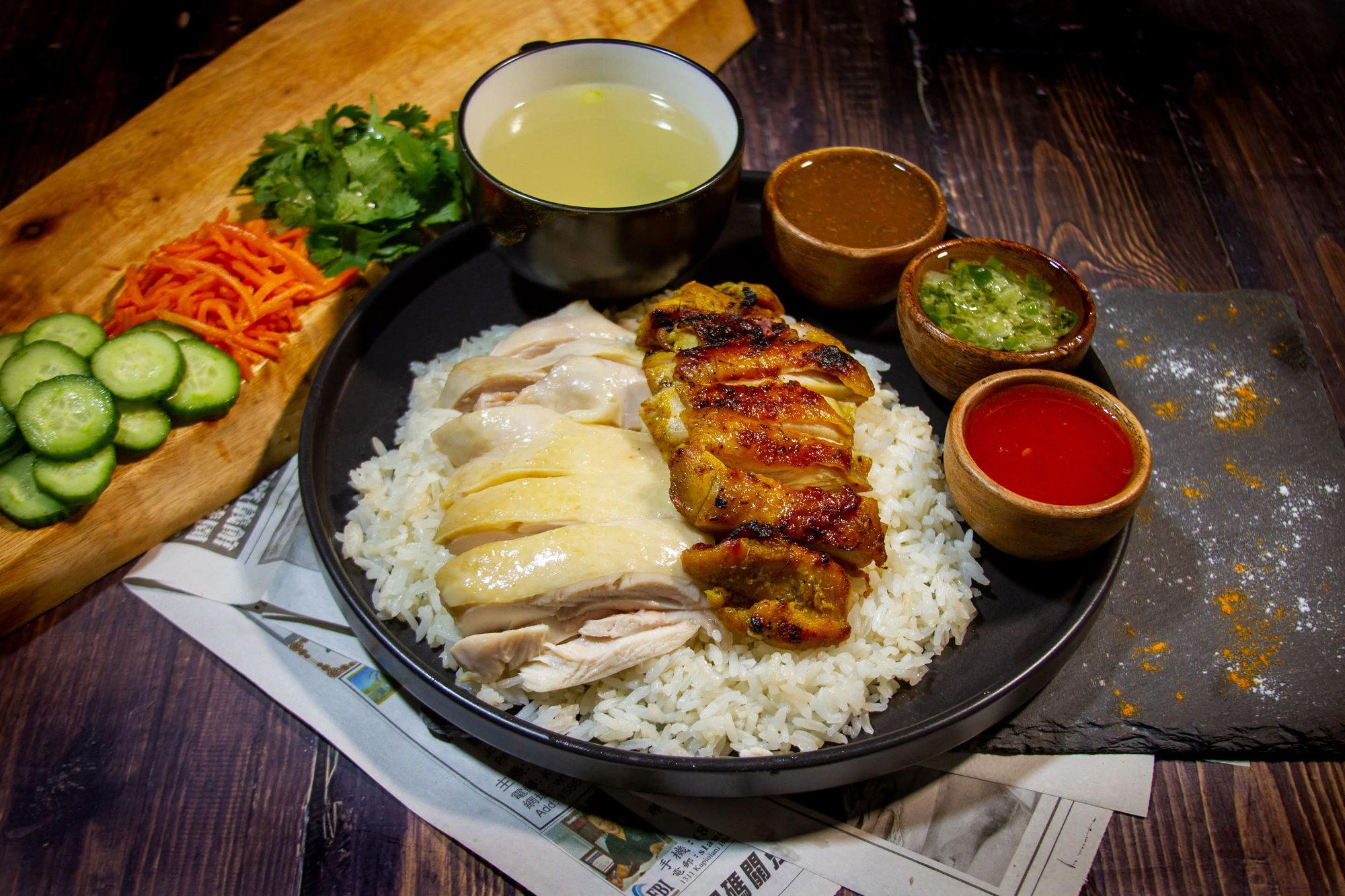
One Protein, Many Decisions
Santa Clara's dining corridor along Tasman Drive runs through one of the Bay Area's densest technology employment zones, where lunch crowds move fast and menus tend toward breadth over precision. The restaurants that cut through here are not usually the ones with the longest lists. They are the ones that understand what their customer needs in twelve minutes at midday and build an entire operation around delivering exactly that. Chicken Meets Rice belongs to that second category. The name is a thesis statement. The menu, structured around a single protein and its relationship to rice across several preparations and regional reference points, tells you more about the kitchen's priorities than any tagline could.
In a corridor where Asia Live spans Chinese, Southeast Asian, Indian, Korean, and Japanese formats under one roof, and where Korean specialists like Chungdam hold their own lane, the narrowly focused chicken-and-rice model occupies a different position entirely. It is not trying to serve everyone. That restraint is itself an editorial choice, and it shapes how the kitchen operates and how the menu reads.
Menu Architecture as Argument
The most legible menus in any cuisine are the ones where you can trace the kitchen's logic from the first item to the last. A menu built around chicken and rice forces a kind of discipline that broader menus do not require. Every variation has to justify its presence against the core version. Every sauce, temperature, and preparation choice compounds into a position about what the dish is supposed to be.
This approach has precedent across Southeast Asian and East Asian traditions. Hainanese chicken rice, one of the most structurally influential dishes in the region, is itself a study in controlled variables: poached chicken, seasoned rice cooked in stock, and a short set of condiments that allow the diner to calibrate heat and aromatics. The dish's discipline is exactly what makes it resilient across decades and geographies. A restaurant that organizes itself around this kind of thinking, where the protein and the grain are treated as a system rather than two menu items that happen to coexist, is making a bet that depth beats breadth.
At the counter-service price point that defines most of Tasman Drive's lunch trade, that bet plays differently than it would in a full-service room. The diner is not being asked to invest an evening. The ask is simpler: trust the premise for one meal. The menu architecture at a place like Chicken Meets Rice earns that trust by not overreaching. Fewer decisions for the kitchen mean more consistent execution, and more consistent execution is what keeps regulars returning to a lunch spot week after week.
Where It Sits on Tasman Drive
The address at 2213 Tasman Drive places Chicken Meets Rice inside a stretch that has become one of the more interesting informal dining corridors in the South Bay, not because of fine dining density but because of the sheer variety of specialist operators that have collected here to serve a tech-employed lunch population with above-average food literacy. The area rewards specificity. Workers who spend mornings in design reviews and engineering standups tend to have opinions about their lunch, and they notice when a kitchen is executing its narrow premise well versus when it is coasting.
Against that backdrop, the comparison set for a chicken-and-rice specialist is not Birk's, the area's established steakhouse, or Athena Grill with its Mediterranean spread. It sits closer to the fast-casual specialists that have made the Tasman corridor a reliable midday destination. The competitive pressure here is about speed, value, and consistency, and the menu structure is designed to deliver on all three simultaneously.
The Case for Narrowness
Across American dining, the single-focus restaurant has proven itself as a format. Ramen houses like AnQi Shaken and Stirred and regional Japanese specialists such as Orenchi, which has built a following in the South Bay around a tight ramen program, demonstrate that a focused menu signals confidence rather than limitation. The implicit message to the diner is that the kitchen is not spreading its attention across forty dishes; it is refining five or six to a higher standard than the broader-menu competition can match.
That logic holds at every price point in the market. You find the same discipline at the far end of the fine-dining spectrum, where tasting menus at places like Lazy Bear in San Francisco or Single Thread Farm in Healdsburg strip the diner's choices down to near zero precisely because the kitchen knows what it is doing. The mechanics differ from a counter-service chicken-and-rice operation, but the underlying bet is the same: trust the premise, reduce the variables, raise the floor on execution.
At the fine-dining ceiling, that same philosophy animates kitchens from Le Bernardin in New York City to Providence in Los Angeles and Addison in San Diego, where a tightly defined culinary identity produces more coherent menus than sprawling ambition ever could. The scale and price tier are different, but the discipline is the same impulse.
Planning Your Visit
Chicken Meets Rice operates at 2213 Tasman Drive in Santa Clara, positioned for the midday trade that defines this stretch of the South Bay tech corridor. For a fuller picture of where this address fits within Santa Clara's broader dining picture, the EP Club Santa Clara restaurants guide covers the range from fast-casual specialists to full-service rooms across the city.
Frequently asked questions
Is Chicken Meets Rice okay with children?
A counter focused on chicken and rice is about as straightforward a format as family dining gets. The Tasman Drive address is a commercial corridor rather than a pedestrian-heavy restaurant district, so arriving by car is the practical approach with kids. Nothing in the menu concept suggests the kind of atmosphere that would complicate a meal with children.
What should I expect atmosphere-wise at Chicken Meets Rice?
The 2213 Tasman Drive location sits inside one of Santa Clara's busiest tech employment corridors, which means the room operates at a functional lunch-counter pace rather than a leisurely dining register. Expect a space optimised for throughput during midday peaks, with the energy driven by proximity to major office campuses rather than any destination-dining scene.
How does Chicken Meets Rice fit into the South Bay's fast-casual rice bowl scene?
The South Bay's tech corridors have produced a dense concentration of fast-casual formats competing on speed and focused menus, and Chicken Meets Rice positions itself squarely within that category at 2213 Tasman Drive in Santa Clara. Its single-protein architecture is a deliberate constraint that separates it from multi-concept kitchens trying to cover broader ground. For diners on the Tasman corridor, the appeal is consistency and decision simplicity over breadth of choice.
What do regulars order at Chicken Meets Rice?
The name telegraphs the menu's anchor: chicken prepared in some form over rice. In a single-concept restaurant operating this format, regulars typically gravitate toward whichever preparation the kitchen treats as its default — the dish that requires the fewest words to order. Specific items and current configurations are best confirmed directly at the counter on 2213 Tasman Drive.
How do I find Chicken Meets Rice?
Chicken Meets Rice is located at 2213 Tasman Dr, Santa Clara, CA 95054, Santa Clara.
Do they take walk-ins at Chicken Meets Rice?
Counter-service and fast-casual formats on Tasman Drive are generally built for walk-in traffic, and the operational logic of a lunch-oriented chicken-and-rice concept supports that model. No reservation system has been documented for this Santa Clara address, which points toward a walk-in-first approach. Confirming hours before visiting is advisable given the corridor's weekday-heavy trade patterns.
What has Chicken Meets Rice built its reputation on?
The restaurant's identity rests on menu narrowness as a deliberate choice — one protein, structured around rice — in a dining corridor where speed and clarity of offer matter to the tech-industry lunch crowd along Tasman Drive. That single-focus format, rather than any award credential or named chef, is what defines its standing in the Santa Clara market.
Accolades, Compared
Comparable venues nearby, for context on price, style, and recognition.
| Venue | Cuisine | Price | Notes |
|---|---|---|---|
| Chicken Meets RiceThis venue (the venue you are viewing) | Hainanese Chicken Rice | $10–20 | Not listed |
| Din Tai Fung | Taiwanese Soup Dumplings & Noodles | $20–30 | Westfield Valley Fair |
| Kunjip | Korean Bone Broth Soups and Stews | $20–30 | Not listed |
| Jang Su Jang | Authentic Korean BBQ | $20–30 | Koreatown |
| Cooking Papa | Authentic Hong Kong Roasted Duck & Dim Sum | $10–20 | Santa Clara |
| Puesto Santa Clara | Modern Mexican Tacos | $30–50 | Santa Clara |
Continue exploring
More in Santa Clara
Restaurants in Santa Clara
All restaurants in Santa Clara →
Bars in Santa Clara
All bars in Santa Clara →
Details
- Casual Hangout
- A La Carte
- Gluten Free Options
Current opening hours
- Monday
- 10:30 AM–9 PM
- Tuesday
- 10:30 AM–9 PM
- Wednesday
- 10:30 AM–9 PM
- Thursday
- 10:30 AM–9 PM
- Friday
- 10:30 AM–9 PM
- Saturday
- 10:30 AM–9 PM
- Sunday
- 10:30 AM–9 PM
Hours can change for holidays and private events. Last verified .
Casual fast-casual atmosphere focused on quick, wholesome meals.