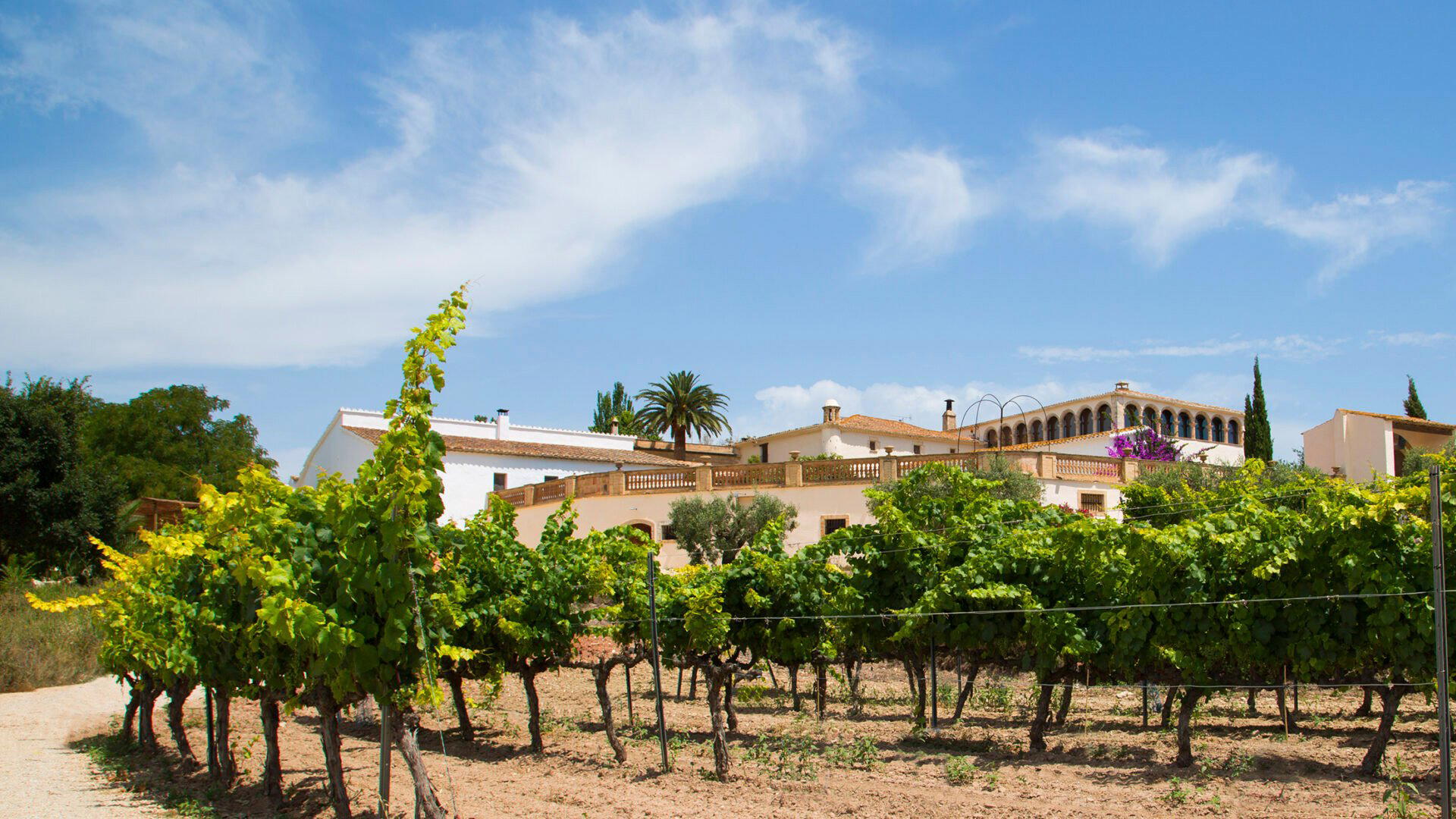
Dimoni de Can Llopart sits in Cervelló, a quiet municipality south of Barcelona where the Llobregat valley shapes both landscape and larder. The address places it within reach of the city while operating at a remove from its restaurant density, a positioning that tends to reward sourcing-led kitchens with direct access to regional producers. For travellers willing to cross the provincial threshold, it represents a different register of Catalan dining.
Pearl is the En Primeur Club membership app — saves, bookings, and concierge access live there. Same editors, same standards.
- Address
- Carrer Saturnia Pyri, 08758 Cervelló, Barcelona, Spain
- Phone
- +34635607004
- Website
- eldimonidecanllopart.com
- Directions
- Get directions
 Saves & bookings on Pearl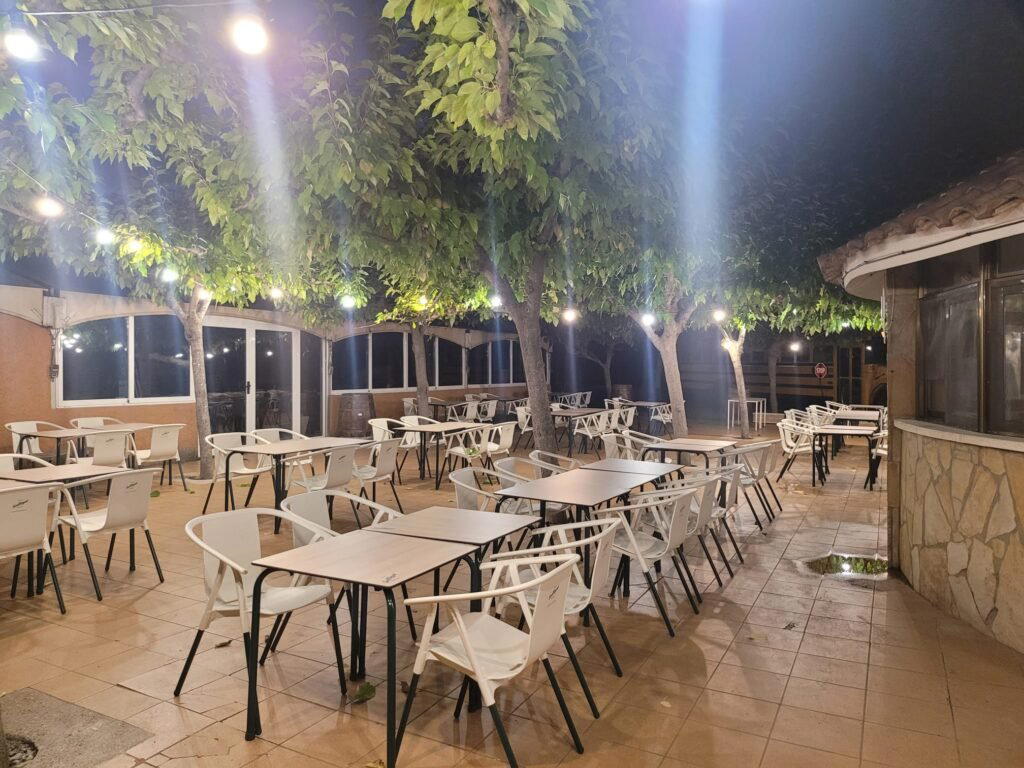
Where the Llobregat Valley Sets the Table
Dimoni de Can Llopart is a restaurant in Cervelló, Barcelona, serving traditional Catalan grill cooking. They are close enough to the city to draw weekend trade, far enough to sidestep the pressure of tourist-facing menus, and surrounded by agricultural land that gives kitchens a practical reason to source locally rather than a marketing one. Cervelló sits in this corridor, about twenty kilometres from Barcelona's centre, and Dimoni de Can Llopart occupies an address on Carrer Saturnia Pyri that speaks to the town's unhurried scale. Approaching from the main road, the shift from urban density to low-rise residential streets registers quickly. This is not a dining destination that announces itself with signage designed for passing trade.
That geographic context matters when assessing what this type of restaurant can and cannot do. Inland Catalonia, away from the coast and the Boqueria-adjacent pantomime of Barcelona's centre, has its own sourcing logic. The Penedès wine country lies immediately to the west; the Garraf massif defines the southern horizon; market gardens in the Baix Llobregat comarca have long supplied Barcelona's restaurant trade with vegetables that carry genuine provenance. A kitchen operating in Cervelló has direct access to that supply chain in a way that a restaurant on Passeig de Gràcia does not.
Ingredient Provenance and the Catalan Interior
Catalonia's most discussed restaurants tend to cluster in three places: Barcelona itself, the Costa Brava where produce from the sea dominates, and the Pyrenean foothills where game and dairy shape the menu. The Baix Llobregat comarca, by contrast, is less written about despite producing some of the region's most consistent market vegetables. The artichokes from El Prat de Llobregat, the lettuces from Sant Boi, the stone fruits from the Llobregat plain, all of these move through a distribution network centred on the towns along this valley. A restaurant rooted in Cervelló sits at the source end of that network rather than the receiving end.
This matters for how Catalan cooking at the local level actually works. The cuisine's foundational techniques, sofregit, picada, romesco, all depend on ingredients at a particular stage of development, on tomatoes that have been picked at colour rather than transported unripe, on almonds and hazelnuts that have not spent weeks in cold storage. Distance from source compresses the margin for error. Restaurants operating in provincial towns with short supply lines can, in principle, work closer to those margins than their urban counterparts. Whether any given kitchen chooses to exploit that proximity is a separate question, but the structural advantage exists.
Spain's most recognised restaurants working in this ingredient-first mode, among them Azurmendi in Larrabetzu and Ricard Camarena in València, have built their critical reputations substantially on articulating a specific regional larder. Aponiente in El Puerto de Santa María has done the same with marine ingredients others overlooked. The underlying argument in each case is that place shapes what ends up on the plate, and that this relationship deserves to be made legible to the diner. Smaller provincial restaurants rarely receive the critical infrastructure to be evaluated on those terms, but the logic applies regardless of scale.
The Broader Catalan Dining Context
Barcelona's fine-dining tier is well documented. Cocina Hermanos Torres holds its position at the summit of the city's contemporary Spanish market. El Celler de Can Roca in Girona, roughly an hour north, operates as a reference point for Catalan creative cooking at its most structured. These are large-investment, high-profile operations with reservation waitlists measured in months and price points to match. They tell one story about Catalan dining.
The other story involves the network of smaller establishments in provincial towns that maintain older service formats: fixed lunch menus priced for the local trade, wine lists drawn from Penedès and Priorat producers without markup pressure from a city location, dining rooms where the rhythm of the meal is set by the kitchen rather than a front-of-house operation managing table turns. Many of these places operate below the critical radar not because the cooking is mediocre but because the infrastructure for evaluating provincial restaurants in Spain remains thin compared to what exists in France or Italy. Cervelló's position in the Baix Llobregat comarca places Dimoni de Can Llopart within this second category of Catalan dining, where context and provenance often count for more than international recognition.
For comparison, consider how Spain's starred properties outside the major urban centres, Casa Marcial in Arriondas in Asturias or Cenador de Amós in Villaverde de Pontones in Cantabria, have built reputations precisely by being rooted in places that most travellers would not otherwise visit. The destination justifies the detour because the cooking articulates something about its specific location that could not be replicated in a city postcode.
Planning a Visit to Cervelló
Cervelló is accessible from Barcelona by car in under thirty minutes via the C-32 motorway, or by FGC commuter rail from Plaça Espanya to nearby Sant Vicenç dels Horts. The town itself is small enough that orientation is immediate on arrival. The practical recommendation is to check current contact information before planning a trip, as provincial restaurants in this part of Catalonia often operate on schedules calibrated to local lunch trade rather than extended evening service.
Quick Comparison
Comparable venues nearby, for context on price, style, and recognition.
| Venue | Cuisine | Price | Notes |
|---|---|---|---|
| Dimoni de Can LlopartThis venue — the venue you are viewing | Traditional Catalan Grill | $$ | Not listed |
| Pepa Tomate | Modern Catalan Tapas | $$ | la Vila de Gracia |
| Denassus | Modern Catalan Tapas & Natural Wine | $$ | Sant Antoni |
| Vic Braseria | Catalan Grill Steakhouse | $$ | el Fort Pienc |
| Golfo De Bizkaia BCN | Traditional Basque Pintxos | $$ | Sant Pere, Santa Caterina i la Ribera |
| Las Palmeras - Casino Seat | Traditional Spanish | $$ | la Marina de Port |
Continue exploring
More in Cervello
Restaurants in Cervello
Browse all →
Bars in Cervello
Browse all →
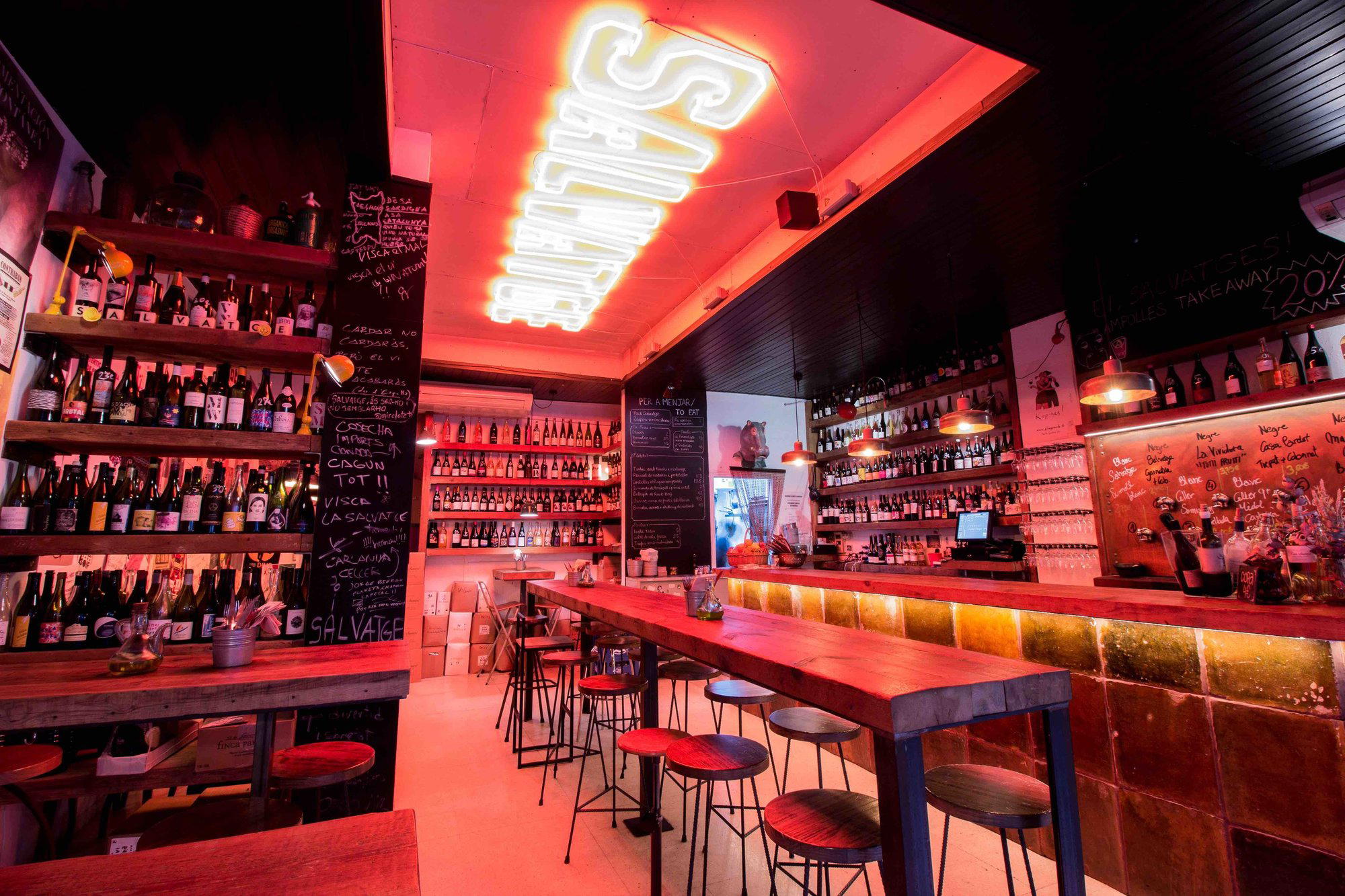
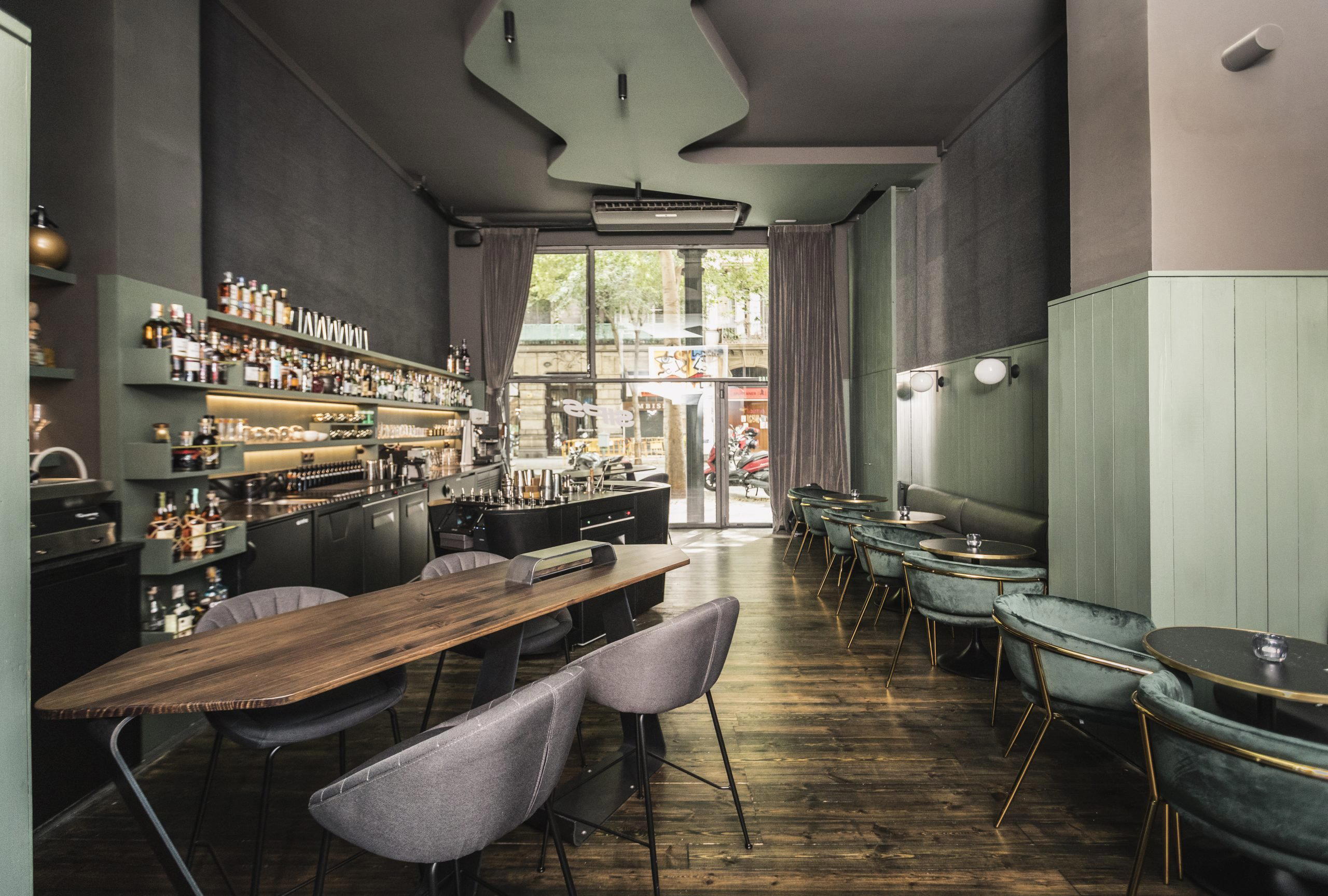
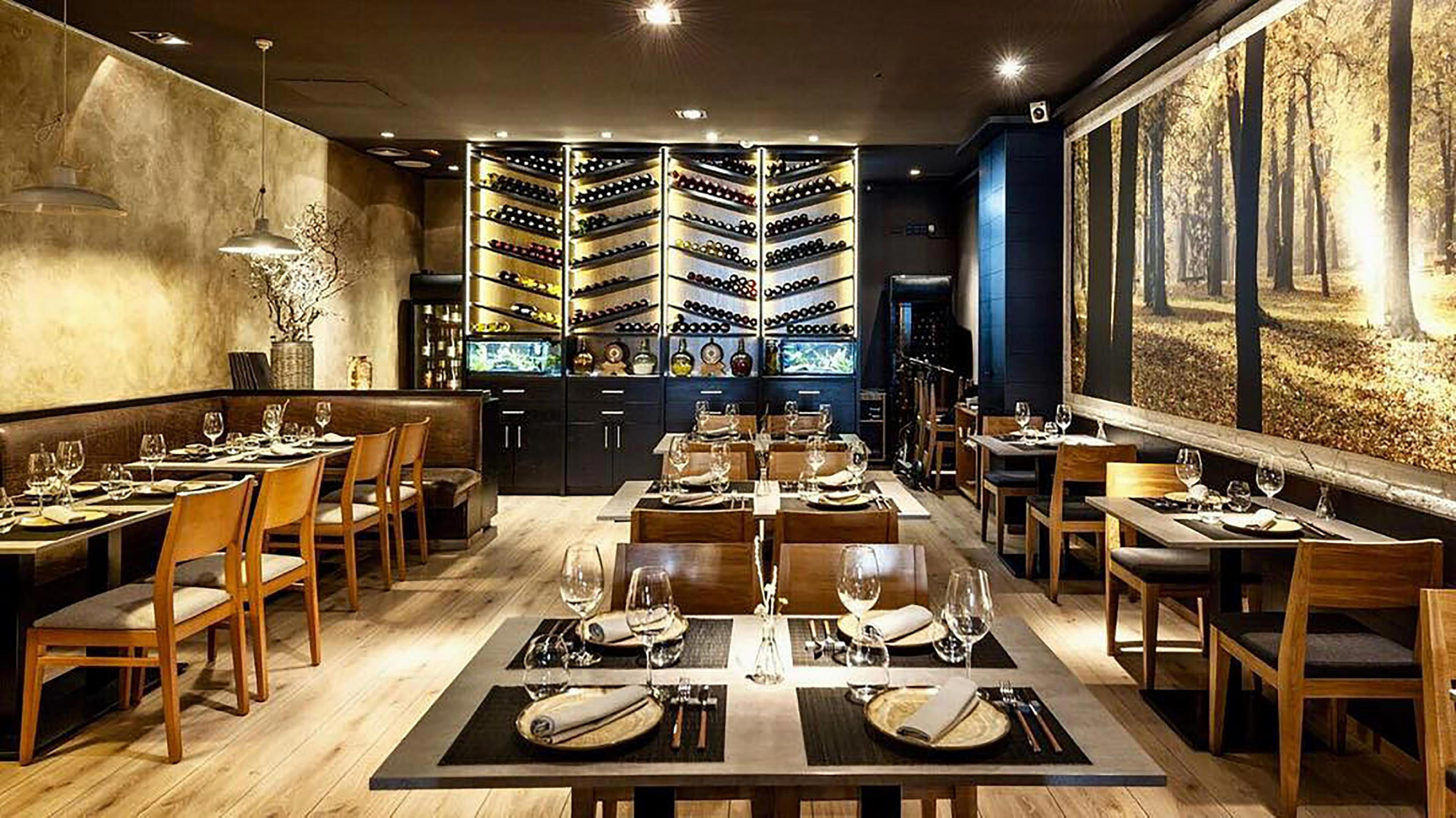
Hotels in Cervello
Browse all →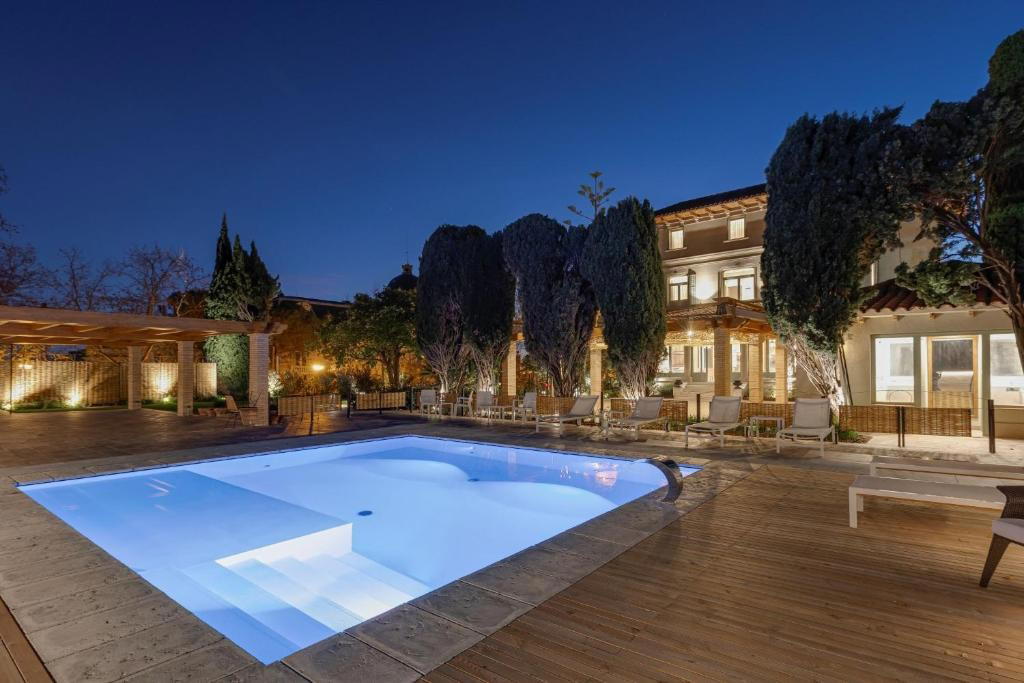


At a Glance
- Rustic
- Cozy
- Family
- Casual Hangout
Current opening hours
- Monday
- Closed
- Tuesday
- Closed
- Wednesday
- 9 AM–5 PM
- Thursday
- 9 AM–5 PM
- Friday
- 9 AM–5 PM, 8 PM–12 AM
- Saturday
- 9 AM–5 PM, 8 PM–12 AM
- Sunday
- 9 AM–5 PM
Hours can change for holidays and private events. Last verified .
Casual and welcoming with a focus on rustic Catalan traditions.