On the central square of Höchst, a Vorarlberg market town on the Bodensee shoreline, Die Linde occupies the kind of address that has fed local residents for generations. The surrounding region produces some of Austria’s most traceable dairy and freshwater fish, and a village square kitchen here works closer to that supply than most tasting-menu destinations in the country.
Pearl is the En Primeur Club membership app — saves, bookings, and concierge access live there. Same editors, same standards.
- Address
- Kirchpl. 16, 6973 Höchst, Austria
- Phone
- +43557875378
- Website
- die-linde.at
- Directions
- Get directions
 Saves & bookings on Pearl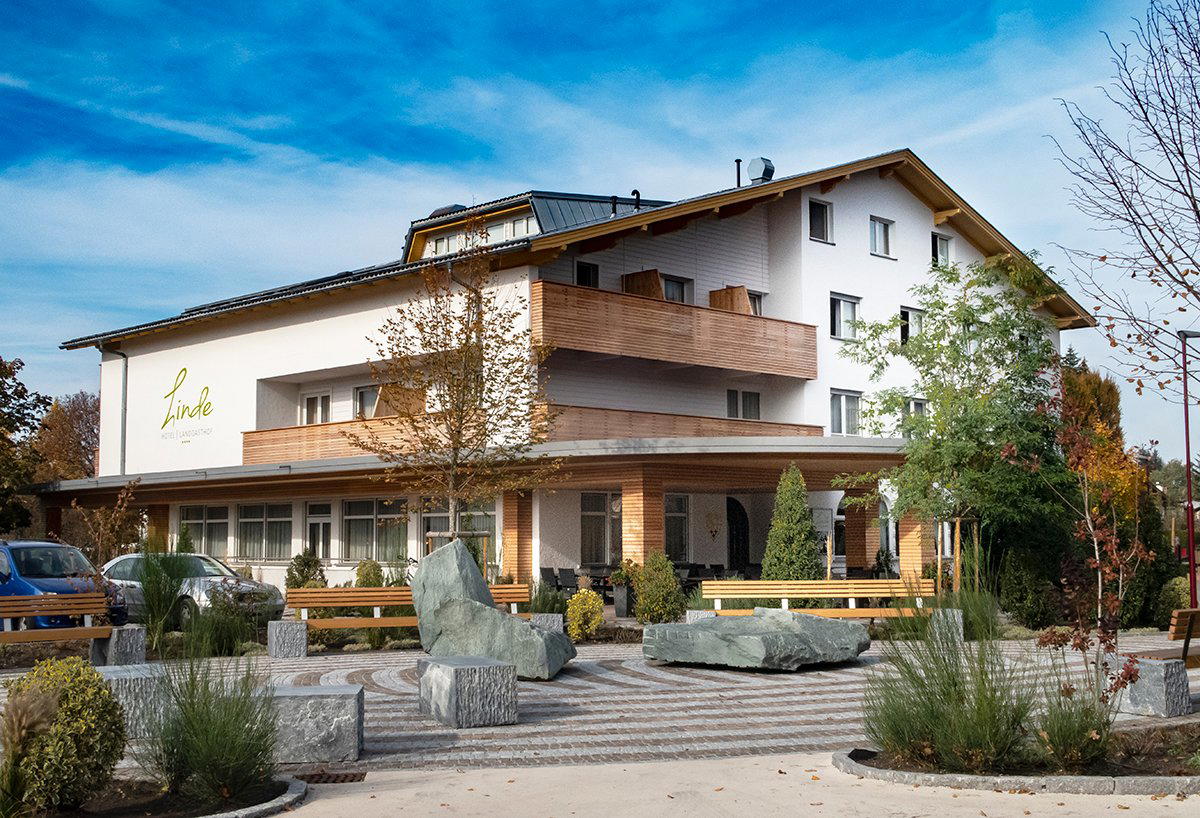
A Village Square Table in the Vorarlberg
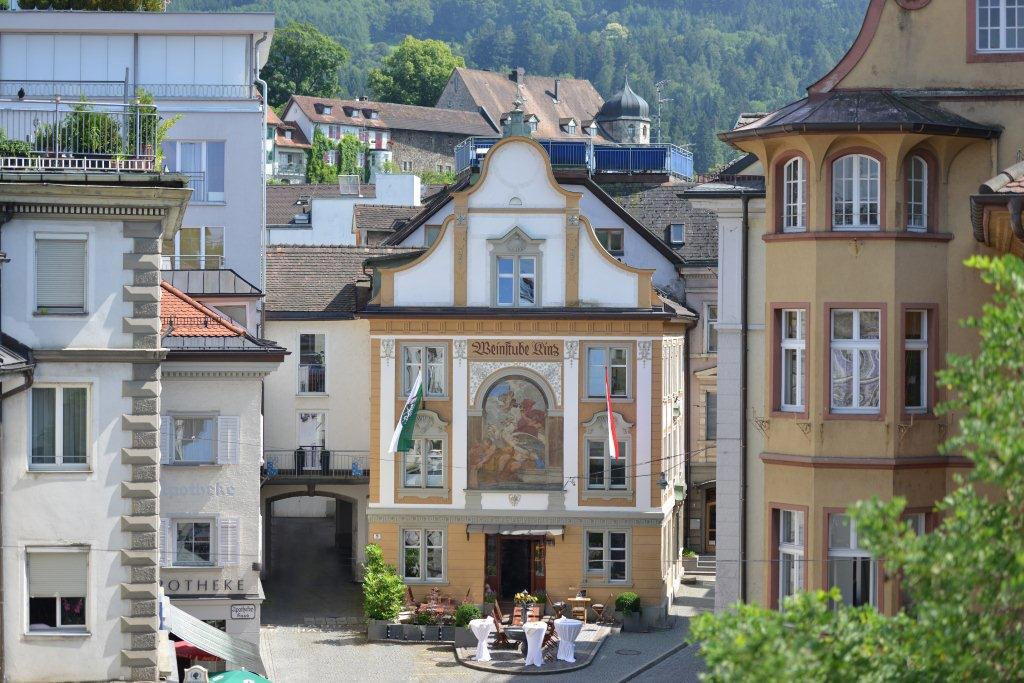
Kirchplatz 16 places Die Linde on the central square of Höchst, a small lakeside town on the eastern edge of the Bodensee in Vorarlberg province. The setting is not incidental. Church-square addresses in Austrian market towns have housed eating and drinking establishments for centuries, and the logic of the location is still legible: foot traffic from the church, proximity to local suppliers, a built-in sense of occasion that requires no interior design to manufacture. Arriving on foot from the square, you get the kind of unhurried village-centre atmosphere that the larger resort towns of the Arlberg corridor, places like Lech or Ischgl, can no longer credibly claim.
Vorarlberg sits apart from the rest of Austria in ways that matter for food. The province shares a border with Switzerland, Germany, and Liechtenstein, and its culinary traditions reflect that crossroads position. Dairy farming on the Bregenzerwald slopes produces cheese and cream that moves into regional kitchens faster and more directly than the supply chains serving Vienna or Salzburg. That proximity to the source is the defining structural advantage of eating in a small Vorarlberg town: the distance between field and plate, between the Alp and the kitchen, can be measured in kilometres rather than supply-chain days.
The Ingredient Logic of the Bodensee Region
Austria’s serious restaurant conversation tends to cluster around a handful of addresses: Steirereck im Stadtpark in Vienna, Döllerer in Golling an der Salzach, Landhaus Bacher in Mautern an der Donau, Obauer in Werfen, and Taubenkobel in Schützen am Gebirge. These are destination addresses that draw diners across provincial lines. Village-scale establishments in Vorarlberg operate differently: they serve a local population first, and the sourcing reflects that orientation. What arrives on the table is less likely to have been curated for a tasting-menu narrative and more likely to reflect what was available from the farms and waters nearby.
The Bodensee itself contributes. Lake Constance whitefish, Felchen in local dialect, is a regional constant that appears in kitchens across the shoreline regardless of a restaurant’s price tier or ambition level. The lake’s fisheries are modest and quota-controlled, which means Felchen is genuinely local and genuinely seasonal rather than a menu embellishment sourced from elsewhere. Restaurants positioned on or near the shoreline that serve it are working with one of the more traceable proteins in central European dining. That traceability is worth more than it sounds in a region where provenance claims often outpace provenance reality.
The broader Vorarlberg food tradition also draws on alpine dairy with denomination protection. Käsespätzle made with Bergkäse from the Bregenzerwald, or butter from named Alp dairies, appears in unpretentious formats at establishments across the province. The value is not in the format’s sophistication but in the ingredient’s integrity. This is the opposite of the approach at tasting-menu addresses like Gourmetrestaurant Tannenhof in Sankt Anton am Arlberg or Stüva in Ischgl, where the same regional ingredients get transformed through technical elaboration. In a village Gasthaus, those same dairy products arrive with less ceremony and, often, more honesty.
Where Die Linde Sits in the Local Picture
Höchst is not a resort town. It lacks the seasonal visitor economy that sustains higher price points in Lech or Sankt Anton, and that constraint shapes the local dining offer in a useful direction. Establishments on the square serve a mixed audience of residents, day visitors from the Bodensee corridor, and cross-border traffic from nearby Germany and Switzerland. The combination produces restaurants that have to be consistent rather than merely impressive, and that price against local wages rather than alpine tourism budgets.
For visitors approaching Höchst from the regional food scene angle, the town sits within day-trip distance of the Bregenzerwald cheese routes and the Bodensee cycling path, both of which generate their own appetite logic. Wippel Burger represents another local reference point, and the contrast between the two illustrates how even a small town develops distinct formats targeting different occasions.
Further afield in the Austrian alpine dining circuit, addresses like Kräuterreich by Vitus Winkler in Sankt Veit im Pongau, Griggeler Stuba in Lech, and Restaurant 141 by Joachim Jaud in Mieming occupy a different register entirely, with tasting-menu formats and forward booking requirements that place them in a separate category from a village square address. For readers who move between those tiers, the reference points of Ikarus in Salzburg, Atelier Fischer in Sankt Gilgen, Ois in Neufelden, and internationally Le Bernardin in New York City or Lazy Bear in San Francisco, provide orientation on what the premium tier looks like elsewhere. Die Linde operates on a different axis: not competing with that tier, but not irrelevant to visitors who appreciate what a properly rooted village address offers as counterpoint. Schwarzer Adler in Hall in Tirol offers a useful comparison point for how Tyrolean and Vorarlberg village dining traditions diverge despite geographic proximity.
Planning a Visit
Höchst is accessible by regional rail from Bregenz in under fifteen minutes, and the Kirchplatz is a short walk from the station. The town sits on the main road corridor between Bregenz and the German border crossing at Hard, which makes it a logical stopping point rather than a detour. Visitors arriving from Zürich or Stuttgart by rail will find Bregenz the natural base, with Höchst as a half-day extension.
Comparable Venues
Comparable venues nearby, for context on price, style, and recognition.
| Venue | Cuisine | Price | Notes |
|---|---|---|---|
| Die LindeThis venue — the venue you are viewing | Traditional Austrian & German | $$ | Not listed |
| Wippel Burger | Gourmet Burgers & Grill | $ | Höchst |
| Fischerstöbli | Traditional Austrian Grill & Trout | $$ | Bartholomäberg |
| Gibler Alm | Traditional Tyrolean Alpine Cuisine | $$ | Elbigenalp, Lechtal |
| Jagdschloss | Traditional Austrian | $$ | Kuhtai |
| Panoramarestaurant Karren | Traditional Austrian with Regional Specialties | $$$ | Dornbirn |
Continue exploring
More in Hochst
Restaurants in Hochst
Browse all →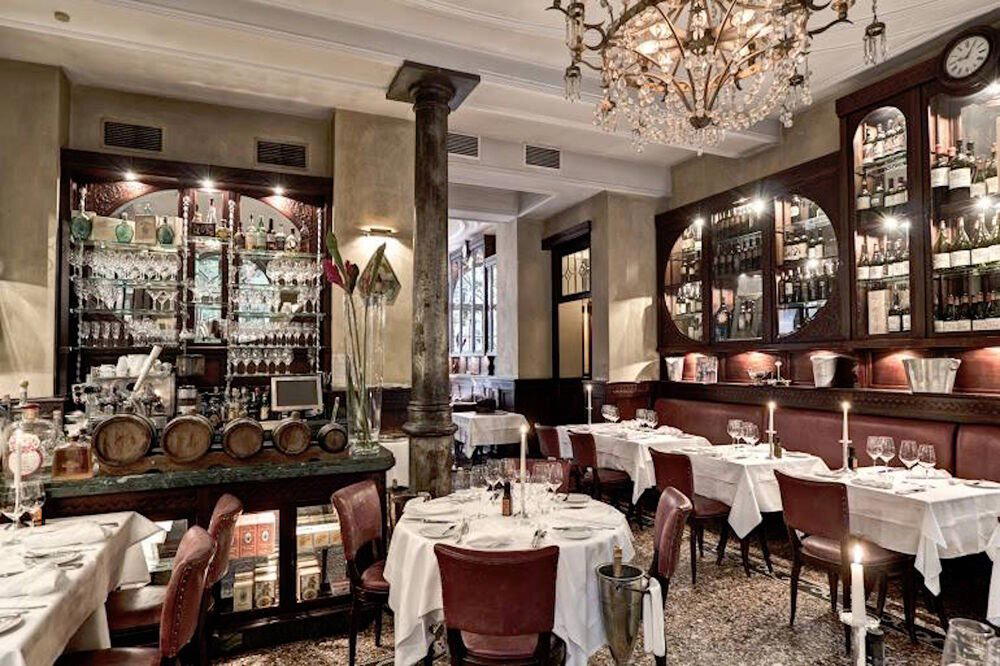
Bars in Hochst
Browse all →

Hotels in Hochst
Browse all →

At a Glance
- Cozy
- Rustic
- Classic
- Family
- Casual Hangout
- Terrace
- Historic Building
- Local Sourcing
- Garden
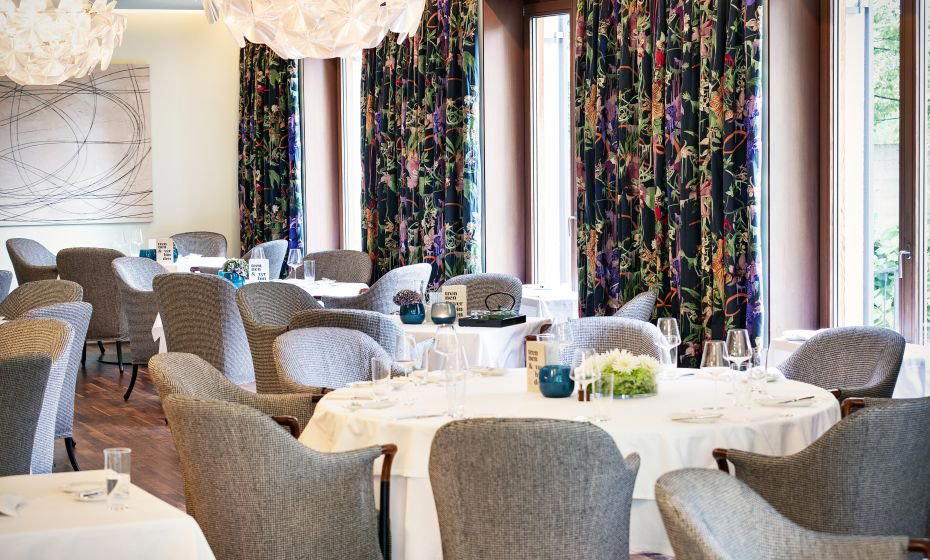
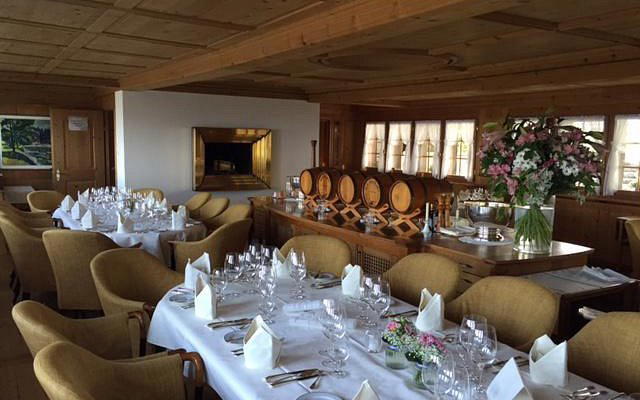
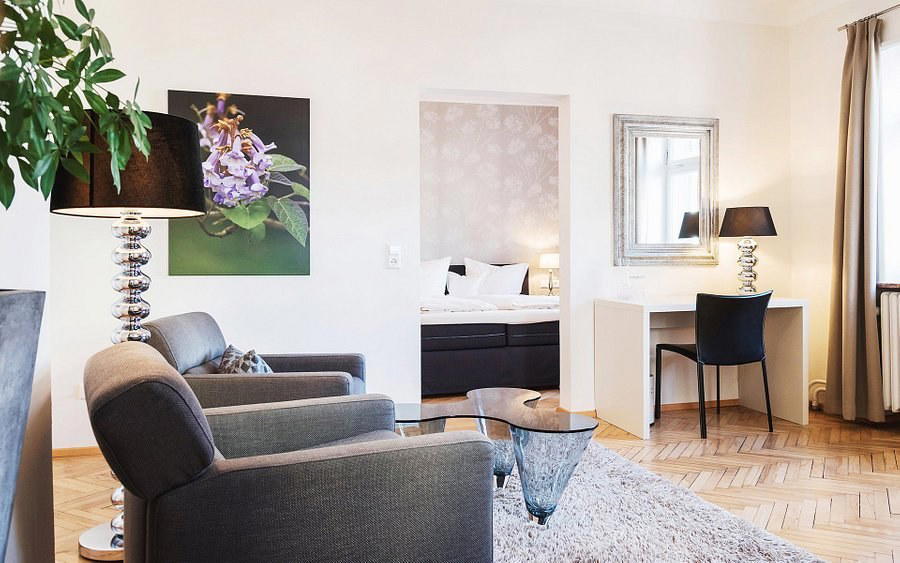
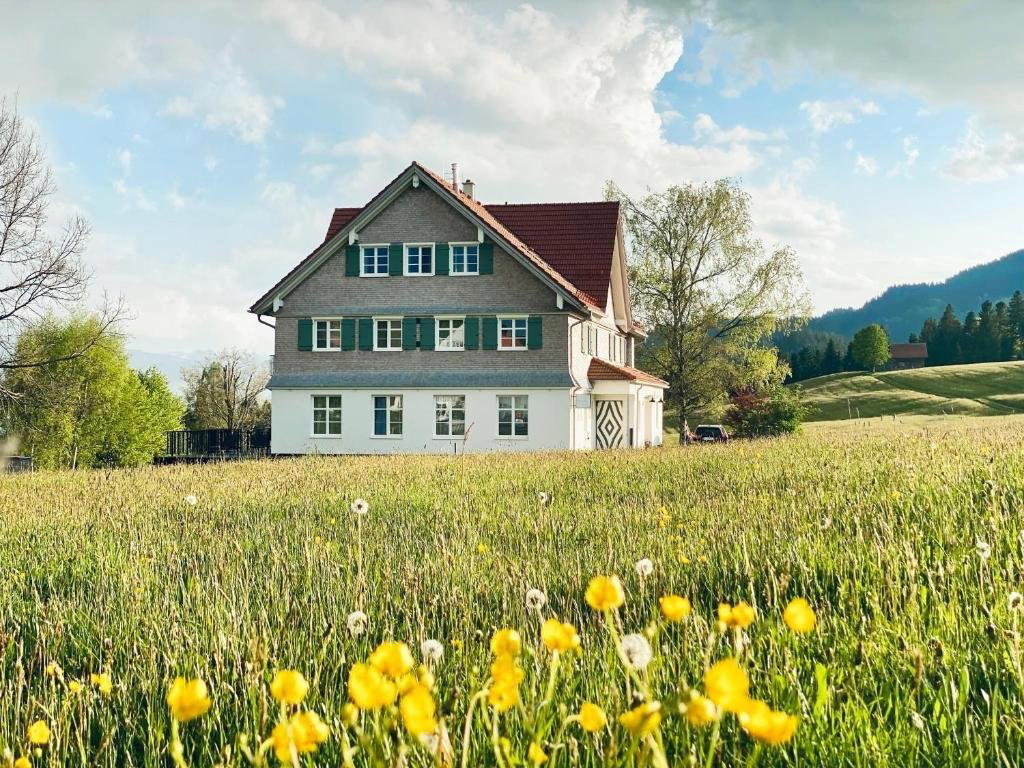
Friendly and cozy country-house atmosphere with light wood and floral patterns, offering peace and tranquility.