Det Gule Pakhus
Det Gule Pakhus occupies a historic warehouse address on Tordenskjoldsgade in Frederikshavn, positioning itself within a North Jutland dining scene that has grown more ambitious in recent years. The yellow-fronted building signals a restaurant that takes its setting seriously, drawing on the port city's maritime character as a frame for its offer. Booking ahead is advisable for anyone travelling specifically to eat here.
Pearl is the En Primeur Club membership app — saves, bookings, and concierge access live there. Same editors, same standards.
- Address
- Tordenskjoldsgade 14, 9900 Frederikshavn, Denmark
- Phone
- +4598433233
- Website
- scandichotels.dk
- Directions
- Get directions
 Saves & bookings on Pearl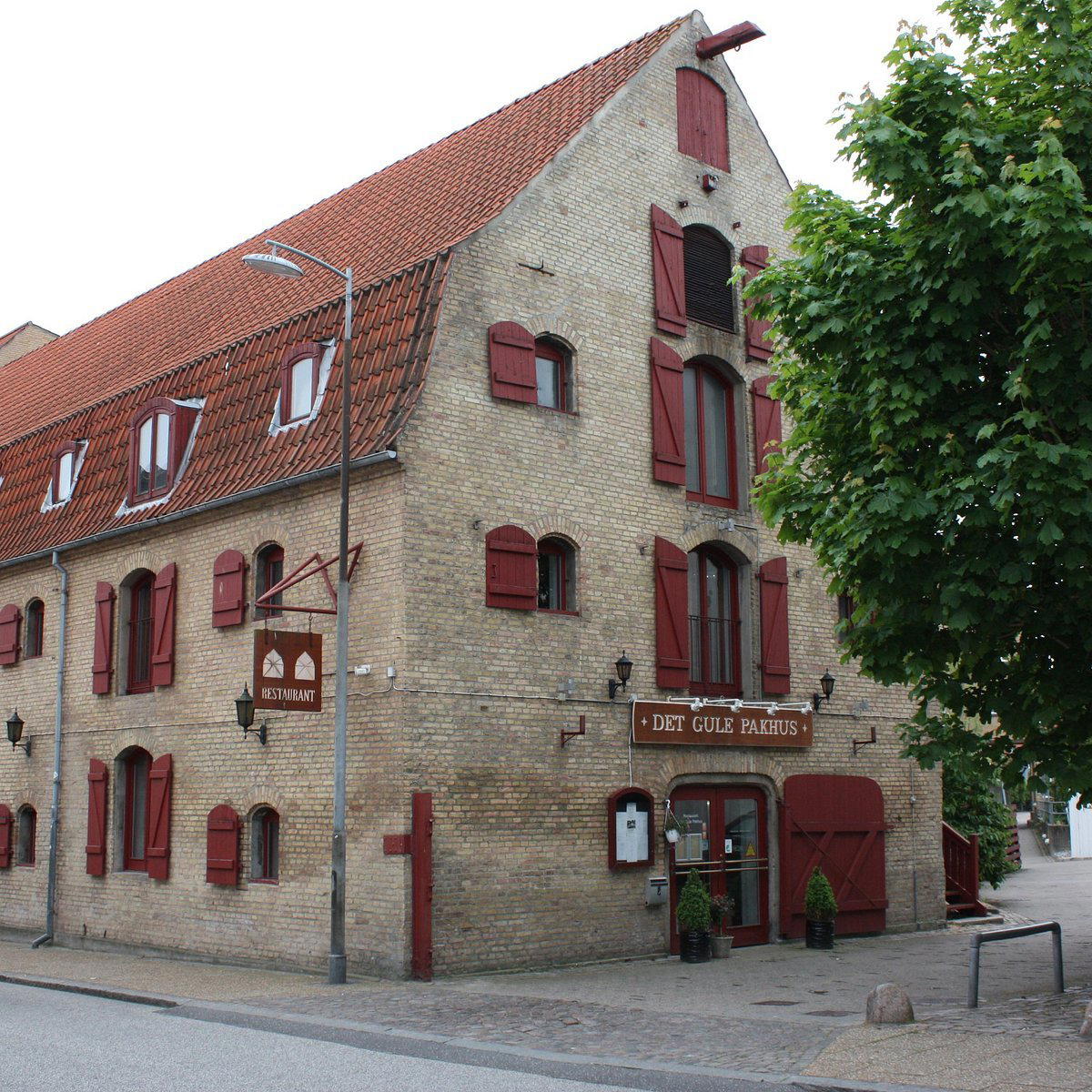
A Port City and Its Warehouse Table
Frederikshavn is not the first Danish city that comes to mind when mapping the country's serious restaurant circuit. That map tends to start in Copenhagen, where Geranium in Copenhagen has held its place near the best of global rankings, and extend to Aarhus, where Frederikshøj in Aarhus has built a comparable reputation in the west. But the pattern of ambitious kitchens settling in secondary port towns is well established across Scandinavia. The calculus is direct: lower operating costs, a captive local market of professionals and ferry travellers, and the proximity to North Sea and Kattegat suppliers that city restaurants pay a premium to access. Det Gule Pakhus, sitting at Tordenskjoldsgade 14 in the heart of the old harbour district, fits that pattern.
The building itself frames the experience before a single dish arrives. Frederikshavn's waterfront warehouses, like those repurposed in Vejle or along the Jutland coast, carry an architectural weight that modern restaurant fitouts rarely replicate. Yellow-fronted and purpose-built for an era of cargo and commerce, the pakhus format carries an implicit message about the city's relationship with the sea, which in dining terms translates reliably into maritime sourcing as a kitchen's primary logic.
How the Menu Architecture Works
The most telling thing about a restaurant is not any individual dish but the structural logic of its menu: how many courses, in what sequence, with what degree of choice left to the diner. In the tier of Danish provincial dining that sits above casual brasserie formats but below the fully committed tasting-menu houses, menus tend to operate as guided selections rather than open carte. This is the model that venues like Henne Kirkeby Kro in Henne and Frederiksminde in Præstø have refined in their respective rural contexts, and it reflects a broader Nordic tendency to treat the kitchen's seasonal judgment as part of the product.
A warehouse setting on a working harbour creates natural pressure toward seafood-led construction. North Jutland sits at the junction of the Skagerrak and the Kattegat, giving local suppliers access to plaice, cod, langoustine, and shellfish from some of the least-trafficked fishing grounds in the region. For a kitchen operating in this geography, ignoring that supply chain would be an active choice, not a neutral one. The seasonal rhythm of North Sea fishing, with autumn and winter bringing the densest, most flavourful catches, suggests that the menu's character shifts substantially across the year. Travellers visiting between October and February are likely to encounter a different protein emphasis than those arriving in the lighter summer months, when the ferry traffic to Norway and Sweden peaks and the dining room's clientele broadens.
That seasonal variability is itself an argument for treating a meal here as a time-specific proposition rather than a year-round constant. The approach connects Det Gule Pakhus to a wider Danish tradition of kitchens that treat the calendar as a co-author, a model that Tri in Agger has taken to a particularly disciplined extreme on the Jutland west coast.
Frederikshavn's Dining Context
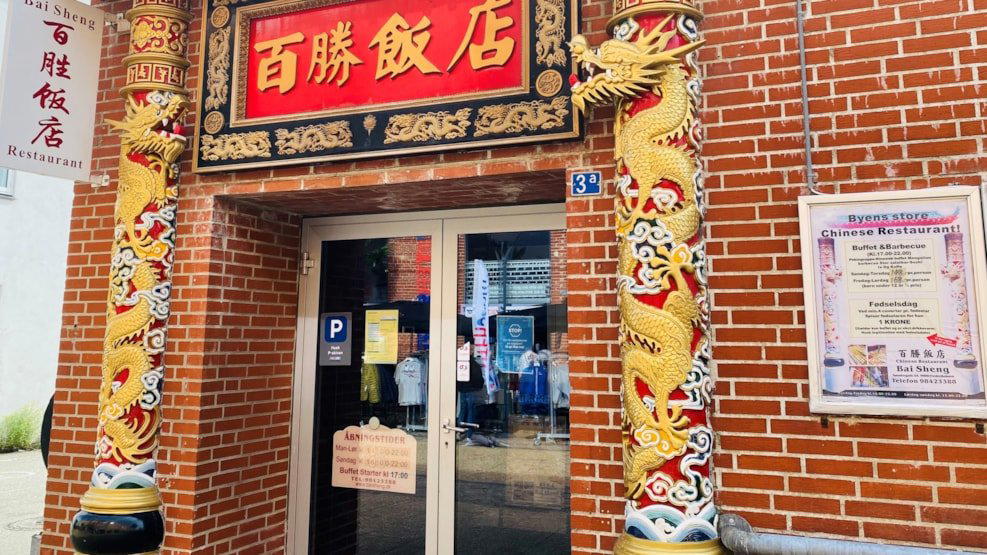
Within Frederikshavn itself, the restaurant landscape is narrow enough that positioning is relatively clear. The city's everyday eating runs through venues like 2takt Café & Brasserie and Café Feen at the informal end, and through Asian kitchens including Bai Sheng and Chang Thai Take Away that serve the city's practical daily demand. Delicious Factory occupies a middle band. Det Gule Pakhus, by address and building type, occupies a different tier: the kind of destination dinner that requires a booking, a decision, and some degree of occasion.
That positioning is more significant in a city of Frederikshavn's scale than it would be in Copenhagen or Aarhus. A restaurant that asks diners to plan ahead, to dress with some intention, and to spend at a level above the city average is making a specific claim about what the evening should feel like. Whether that claim is fully substantiated on any given night depends on kitchen consistency and service calibre, which in smaller operations correlate directly with staffing stability, a variable that secondary cities have historically found harder to manage than the capital.
For broader context on what Danish kitchens away from Copenhagen have achieved, the arc from Jordnær in Gentofte through venues like LYST in Vejle and Ti Trin Ned in Fredericia shows that Michelin-level ambition is no longer exclusively a Copenhagen project. The question for Frederikshavn is whether its leading kitchens can sustain that level of ambition with the thinner talent pool and smaller critical mass of year-round dining demand that the city's size implies. The international comparison is instructive too: destination restaurants in port-adjacent settings, from Le Bernardin in New York City to the communal-format ambition of Lazy Bear in San Francisco, demonstrate that seafood-forward menus and strong sense of place can drive serious recognition regardless of city size, provided the kitchen's sourcing discipline and technical execution hold.
Similarly, the regional model of Dragsholm Slot Gourmet in Hørve and Pearl by Paul Proffitt in Kruså shows that Danish diners and visitors are willing to travel specifically for a kitchen that justifies the journey. For our full overview of where to eat across the city, see our full Frederikshavn restaurants guide.
Planning a Visit
Tordenskjoldsgade 14 is within walking distance of the central ferry terminal, which makes Det Gule Pakhus a practical option for travellers arriving from or departing to Gothenburg or Oslo on the Stena and Color Line routes. Given the harbour-adjacent address and the warehouse building type, the setting is suited to early evening bookings in the longer summer light and to the more enclosed, amber-lit atmosphere of the autumn and winter months. Visitors making a trip specifically to eat here should plan around the ferry schedule if connecting north, as evening departures on the Gothenburg route leave limited time for a full dinner service.
Continue exploring
More in Frederikshavn
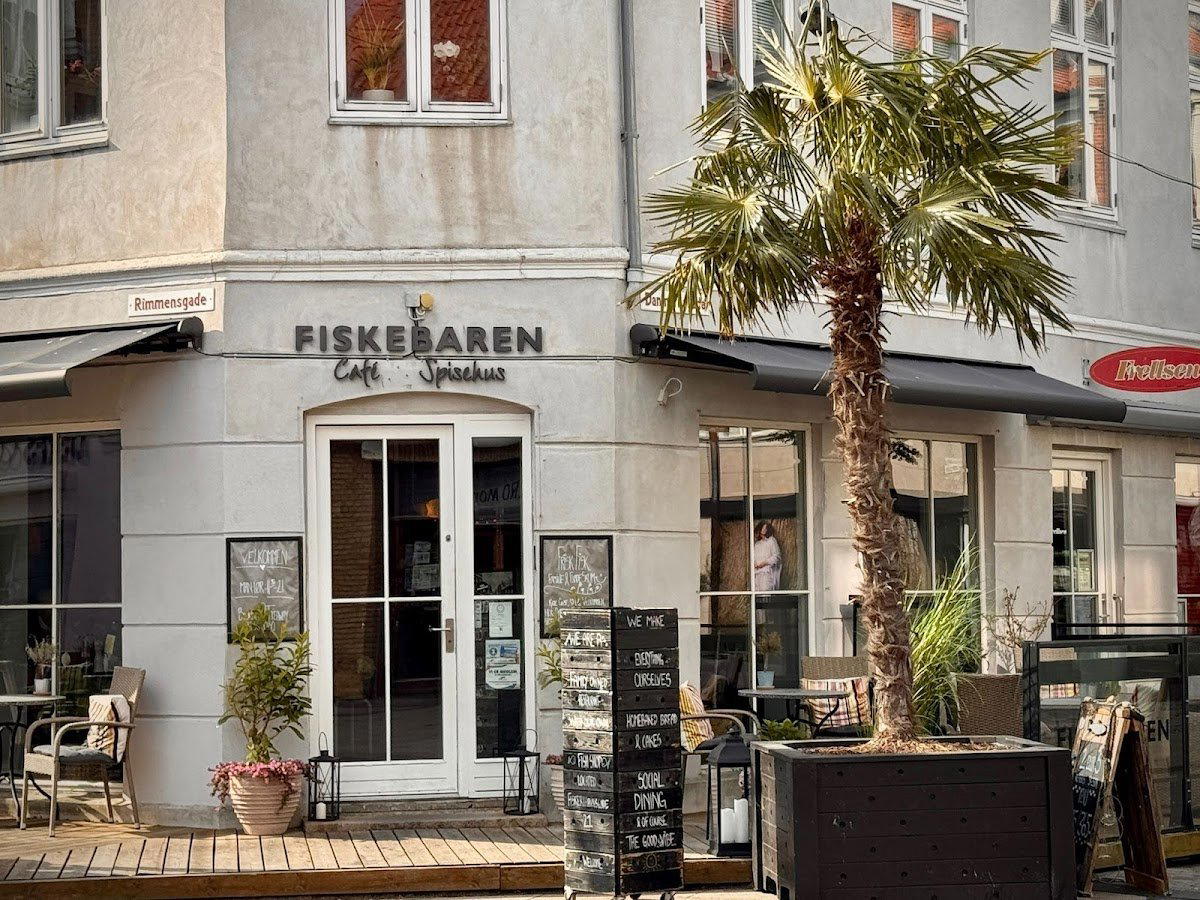
Restaurants in Frederikshavn
Browse all →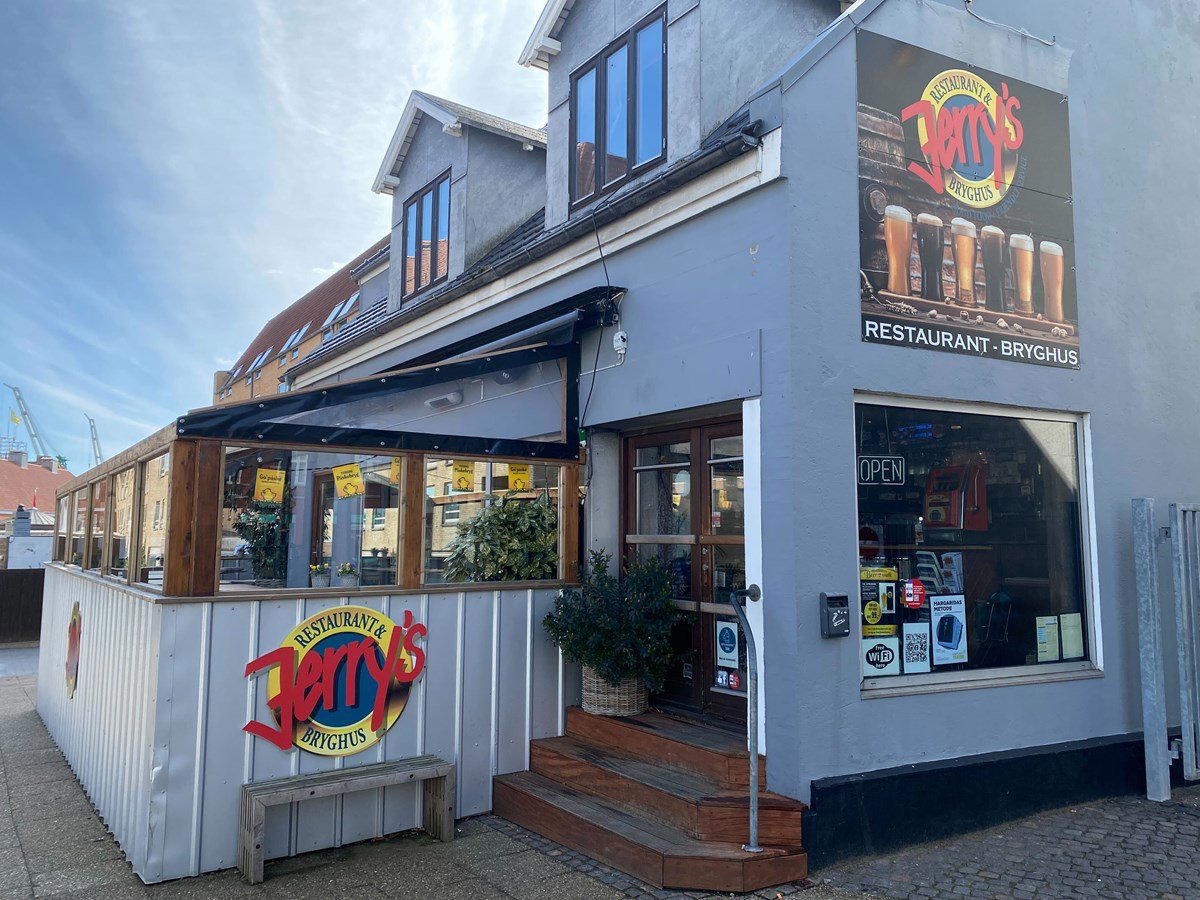
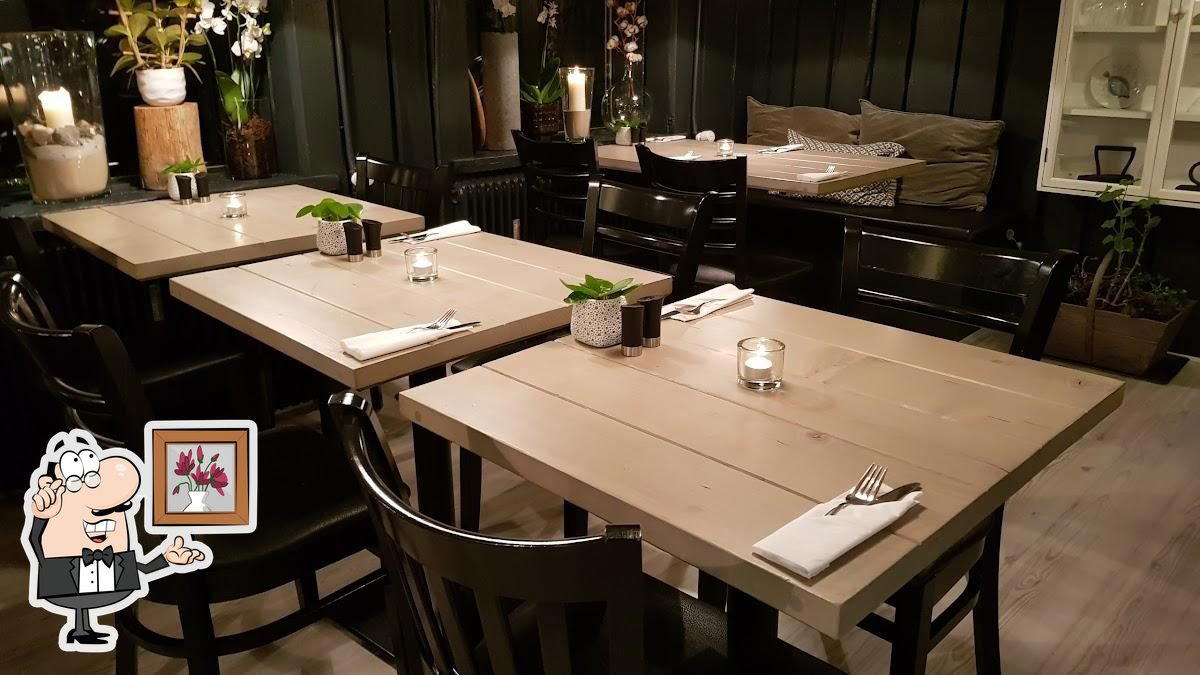
Bars in Frederikshavn
Browse all →
At a Glance
- Classic
- Elegant
- Rustic
- Business Dinner
- Family
- Group Dining
- Date Night
- Historic Building
- Hotel Restaurant
- Terrace
Current opening hours
- Monday
- 12–3 PM, 5:30–9:30 PM
- Tuesday
- 12–3 PM, 5:30–9:30 PM
- Wednesday
- 12–3 PM, 5:30–9:30 PM
- Thursday
- 12–3 PM, 5:30–9:30 PM
- Friday
- 12–3 PM, 5:30–9:30 PM
- Saturday
- Closed
- Sunday
- 12–3 PM, 5:30–9 PM
Hours can change for holidays and private events. Last verified .
Candlelit dining room with white tablecloths and warm lighting; historic barn conversion with welcoming Nordic interior.
Know Before You Go
- Getting there
- Tordenskjoldsgade 14, 9900 Frederikshavn, Denmark