Des Indes
Des Indes occupies one of the most architecturally significant addresses on Lange Voorhout, The Hague's grand diplomatic boulevard. The property sits within The Hague's upper tier of hotel dining, where wine program depth and formal service traditions carry as much weight as the kitchen. For visitors arriving via the Dutch political capital's international circuit, the address alone signals a particular category of occasion.
Pearl is the En Primeur Club membership app — saves, bookings, and concierge access live there. Same editors, same standards.
- Address
- Lange Voorhout 54-56, 2514 EG Den Haag, Netherlands
- Phone
- +31703612345
- Website
- hoteldesindesthehague.com
- Directions
- Get directions
 Saves & bookings on Pearl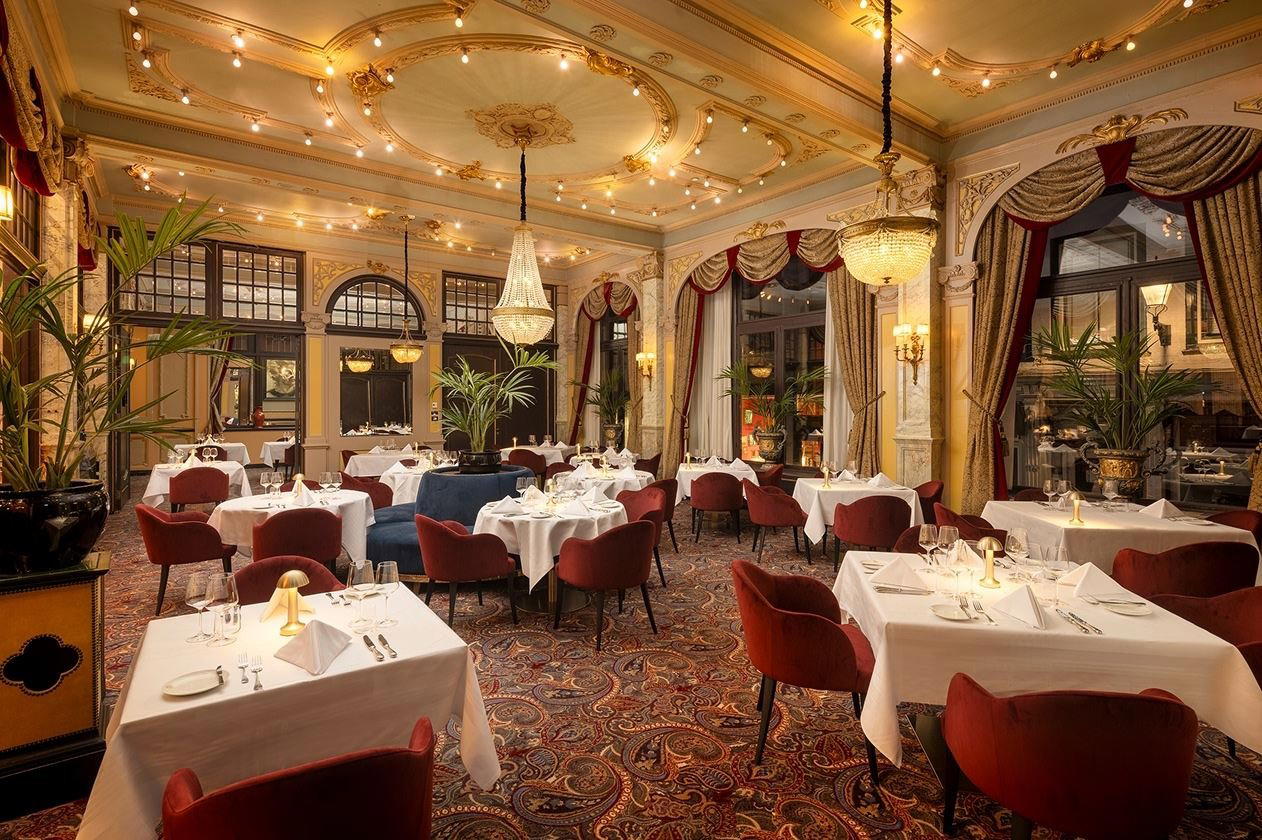
Lange Voorhout and the Weight of the Address
Lange Voorhout 54-56 is not a street that arrives quietly. The boulevard runs through the administrative heart of The Hague, lined with embassies, ministry buildings, and the kind of late nineteenth-century townhouse facades that remind visitors this city has been conducting serious business for centuries. Des Indes sits in that architectural register, occupying a building whose proportions were designed for reception rooms and formal gatherings rather than casual trade. Approaching from the tree-lined central walkway, the sense of occasion is structural, not performed.
That physical context matters when assessing where Des Indes positions itself within The Hague's dining and hotel scene. The city operates on two tracks: an international diplomatic circuit that requires formal, occasion-ready hospitality, and a growing local fine dining culture that has produced serious independent kitchens across the city's neighbourhoods. Des Indes serves primarily the first track, placing it in a different competitive set from chef-driven independents like Calla's (€€€€ · Creative French) or the more seasonally focused Basaal (€€ · Seasonal Cuisine).
Hotel Dining in the Dutch Political Capital
Grand hotel dining in European capitals has followed a predictable arc over the past two decades: a long period of irrelevance as independent kitchens captured critical attention, followed by selective revival among properties willing to invest in genuine kitchen and cellar programs. The Hague's diplomatic dining context has insulated Des Indes somewhat from that cycle. When embassies and ministries host working lunches or evening receptions, they require a particular format: formal service, wine programs with sufficient depth to satisfy international guests, and a setting that communicates institutional seriousness. Des Indes has historically occupied that role on Lange Voorhout.
The broader Dutch fine dining circuit has moved significantly in recent years. Properties like De Librije in Zwolle and Inter Scaldes in Kruiningen demonstrate what the country's top tier looks like when kitchen ambition drives the entire operation. De Nieuwe Winkel in Nijmegen has pushed plant-focused cooking into serious critical conversation. Against that national backdrop, The Hague's own independent scene, including venues like 6&24 (€€€ · Modern Cuisine) and Bistro Veen, has developed its own character. Des Indes operates in parallel to that independent current rather than within it.
The Wine Program as the Defining Variable
In hotel dining rooms of this category, the wine list is often the most reliable indicator of seriousness. Kitchen ambition at grand hotel properties is frequently constrained by event catering volume, corporate accounts, and the need to serve broad palates across multiple formats simultaneously. The cellar, by contrast, can be curated independently of those pressures and tends to reflect the genuine priorities of the operation.
At properties positioned at Des Indes's address level, the expectation is a list that spans established French regional breadth, serious Burgundy and Bordeaux representation, and sufficient depth in German and Italian categories to serve an international diplomatic guest base.
For comparison, the kind of sommelier-led programs that define the upper tier internationally, such as those at Le Bernardin in New York City, treat the cellar as a primary editorial statement. At the opposite end of format ambition, operations like Lazy Bear in San Francisco use the beverage program as an integrated part of a tasting experience. Des Indes sits in a third category: the grand hotel dining room, where wine depth signals institutional credibility rather than culinary point of view.
The Hague's Dining Geography
Understanding Des Indes requires understanding where Lange Voorhout sits within The Hague's broader dining geography. The city's most creative independent kitchens operate in other neighbourhoods, and the boulevard itself is better understood as a zone of formal occasion dining than as a destination for kitchen-forward exploration. Botanica represents the more contemporary independent voice in the city, while restaurants in other parts of the centre have developed the kind of local following that signals genuine culinary ambition.
The national comparison set beyond The Hague includes addresses like De Lindenhof in Giethoorn, Tribeca in Heeze, De Groene Lantaarn in Staphorst, Brut172 in Reijmerstok, De Lindehof in Nuenen, De Bokkedoorns in Overveen, and De Treeswijkhoeve in Waalre, all of which operate in destination-dining formats where the kitchen is the primary draw. Des Indes is positioned differently: the address and architectural setting are primary, with the dining and wine program functioning as supporting infrastructure for an occasion driven by the location itself.
Planning a Visit
Des Indes is located at Lange Voorhout 54-56 in the centre of The Hague, directly accessible from the city's main tram network. The boulevard is a short walk from Den Haag Centraal station, making it practical for visitors arriving by rail from Amsterdam, Rotterdam, or Schiphol. For those visiting the city's wider dining scene, the full overview is in our The Hague restaurants guide, which maps the city's independent kitchens alongside its formal hotel dining options.
In Context: Similar Options
| Venue | Cuisine | Price | Awards |
|---|---|---|---|
| Des IndesThis venue — the venue you are viewing | This venue | Not listed | Not listed |
| Calla's | Creative French | €€€€ | Michelin 1 Star |
| Basaal | Seasonal Cuisine | €€ | €€ · Seasonal Cuisine, €€ |
| Tapisco | Spanish | €€ | €€ · Spanish, €€ |
| De Basiliek | Modern Cuisine | €€ | €€ · Modern Cuisine, €€ |
| Resumé by 6&24 | International | €€ | €€ · International, €€ |
Continue exploring
More in The Hague
Restaurants in The Hague
Browse all →
Bars in The Hague
Browse all →
Hotels in The Hague
Browse all →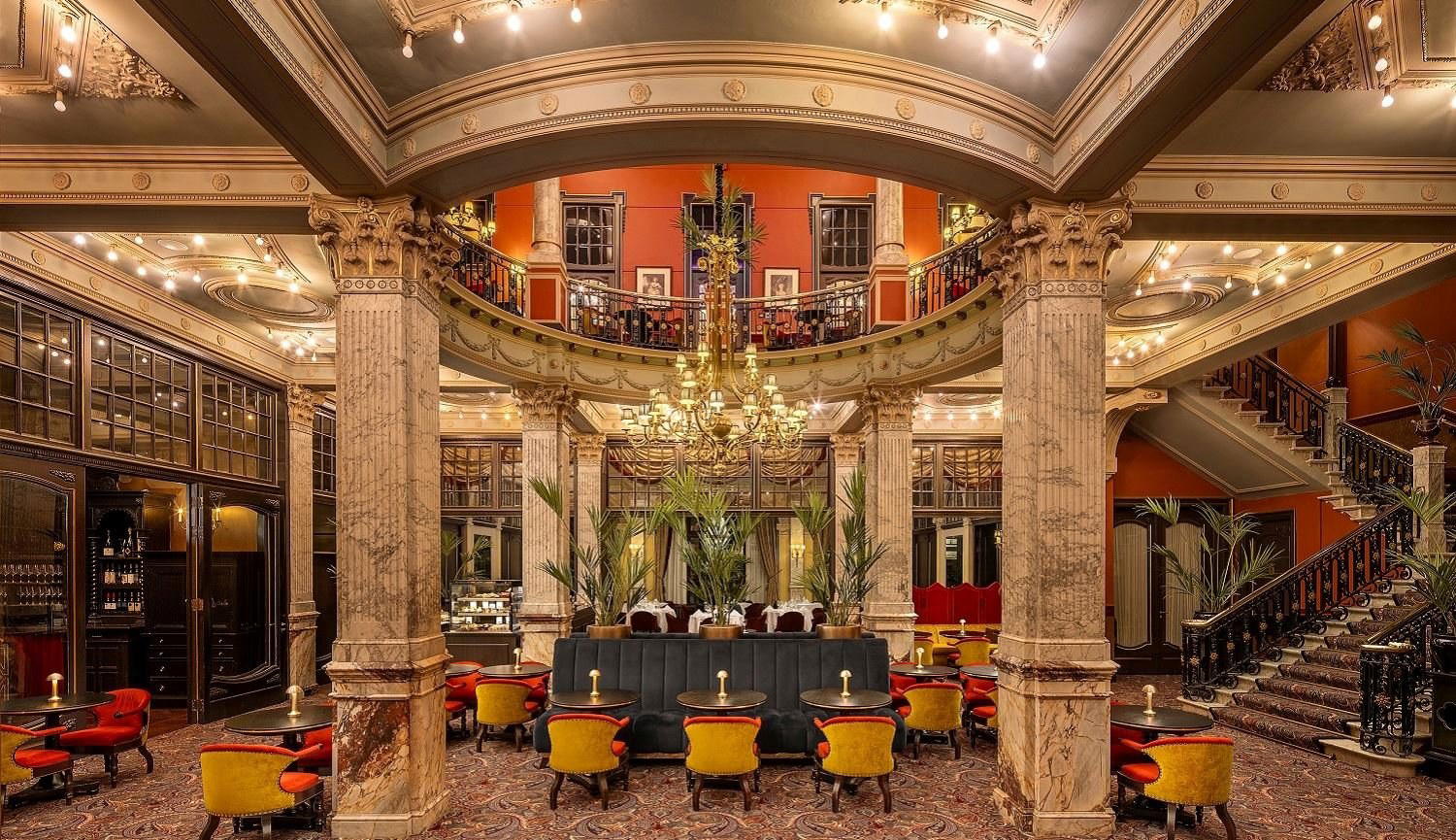
Wineries in The Hague
Browse all →
At a Glance
- Elegant
- Classic
- Sophisticated
- Ornate
- Date Night
- Special Occasion
- Business Dinner
- Historic Building
- Hotel Restaurant
- Private Dining
Old-world grandeur with elaborate elegance, impressive historic interiors, and a refined atmosphere.
Know Before You Go
- Getting there
- Lange Voorhout 54-56, 2514 EG Den Haag, Netherlands