
Deraliye occupies a historic position in Istanbul's Sultanahmet quarter, holding a Michelin Plate in both 2024 and 2025 for its approach to Ottoman-era Turkish cooking. The menu draws on palace culinary traditions, placing grilled and skewered meats alongside dishes rarely found in the city's contemporary restaurant circuit. It represents among the more consistently regarded traditional Turkish tables near the old city.
Pearl is the En Primeur Club membership app — saves, bookings, and concierge access live there. Same editors, same standards.
- Address
- Alemdar Mahallesi Ticaret Hane Sokak Giriş Kat No 10, 34122, Türkiye
- Phone
- +90 212 520 77 78
- Website
- deraliyerestaurant.com
- Directions
- Get directions
 Saves & bookings on Pearl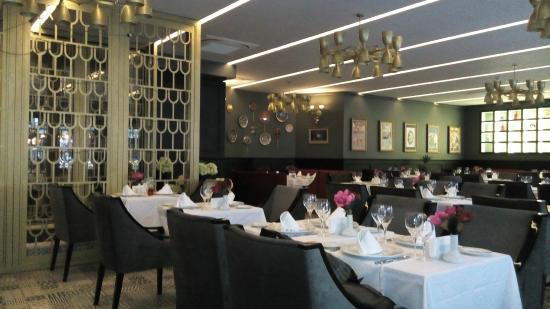
Where Ottoman Cooking Meets the Old City
The streets around Sultanahmet carry a particular weight of historical expectation. Most restaurants in the district trade on location rather than kitchen discipline, filling their menus with generic grills and tourist-facing approximations of Turkish food. Deraliye, on Ticaret Hane Sokak just off the main thoroughfare, operates on different terms. Its address is still firmly tourist-adjacent, but its culinary reference point is the Ottoman imperial kitchen, a tradition of layered spicing, precise marinades, and grilled preparations that predates the modern kebab-house format by several centuries.
Istanbul's Michelin-recognised restaurants divide sharply between two tiers. At the leading sit the ₺₺₺₺ modernist tables: 29, Turk Fatih Tutak with two stars, Mikla and Neolokal each holding one. These are restaurants defined by reinterpretation, where classical Turkish ingredients are filtered through contemporary European technique. Deraliye's Michelin Plate in 2024 and again in 2025 places it in a different conversation: the recognition here is for fidelity to tradition rather than departure from it, and the ₺₺₺ price point keeps it accessible relative to the starred cohort.
The Kebab Tradition in Ottoman Context
Turkish kebab culture is geographically and technically complex in ways that restaurant menus rarely reflect. The charcoal-grilled skewer formats of southeastern Anatolia, the slow-cooked tantuni of Mersin, the shish preparations of the Aegean interior, and the palace-inflected grills of Istanbul's imperial era each represent distinct lineages. Most Istanbul restaurants, even well-regarded ones like Adana Ocakbaşı or Ali Ocakbaşı, specialise in a specific regional register. The ocakbaşı format, built around live charcoal and immediate service, is one of the city's most honest dining institutions.
Deraliye's angle is more archival. The Ottoman imperial kitchen, which operated out of Topkapı Palace for roughly four centuries, developed a grilling culture that incorporated dried fruits, honey-based marinades, and spice blends largely absent from the contemporary kebab canon. Meat preparations from that period used aging and marination techniques that slowed the cooking process and built deeper flavour profiles than the high-heat, fast-cook ocakbaşı tradition. This is the strand of Turkish fire cooking that Deraliye attempts to recover, making it a distinct reference point rather than a variant within the conventional kebab hierarchy.
For a sense of how other regional Turkish grilling traditions have been interpreted across the country, the comparisons are instructive: 7 Mehmet in Antalya works with the southern Anatolian canon, while Kitchen by Osman Sezener in Bodrum applies a more contemporary lens to western coastal traditions. The range across Turkey's restaurant circuit makes clear that there is no single Turkish grill tradition, only regional and historical branches of one.
The Dining Room and What It Signals
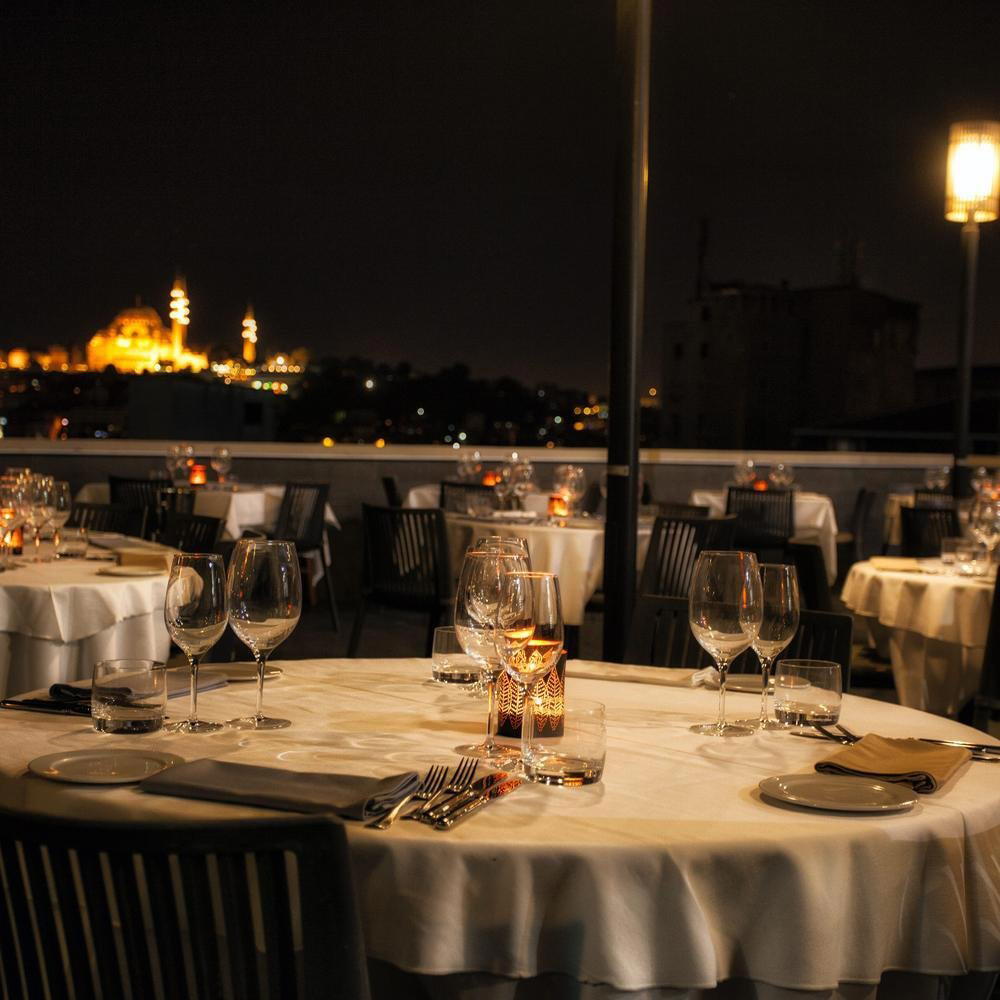
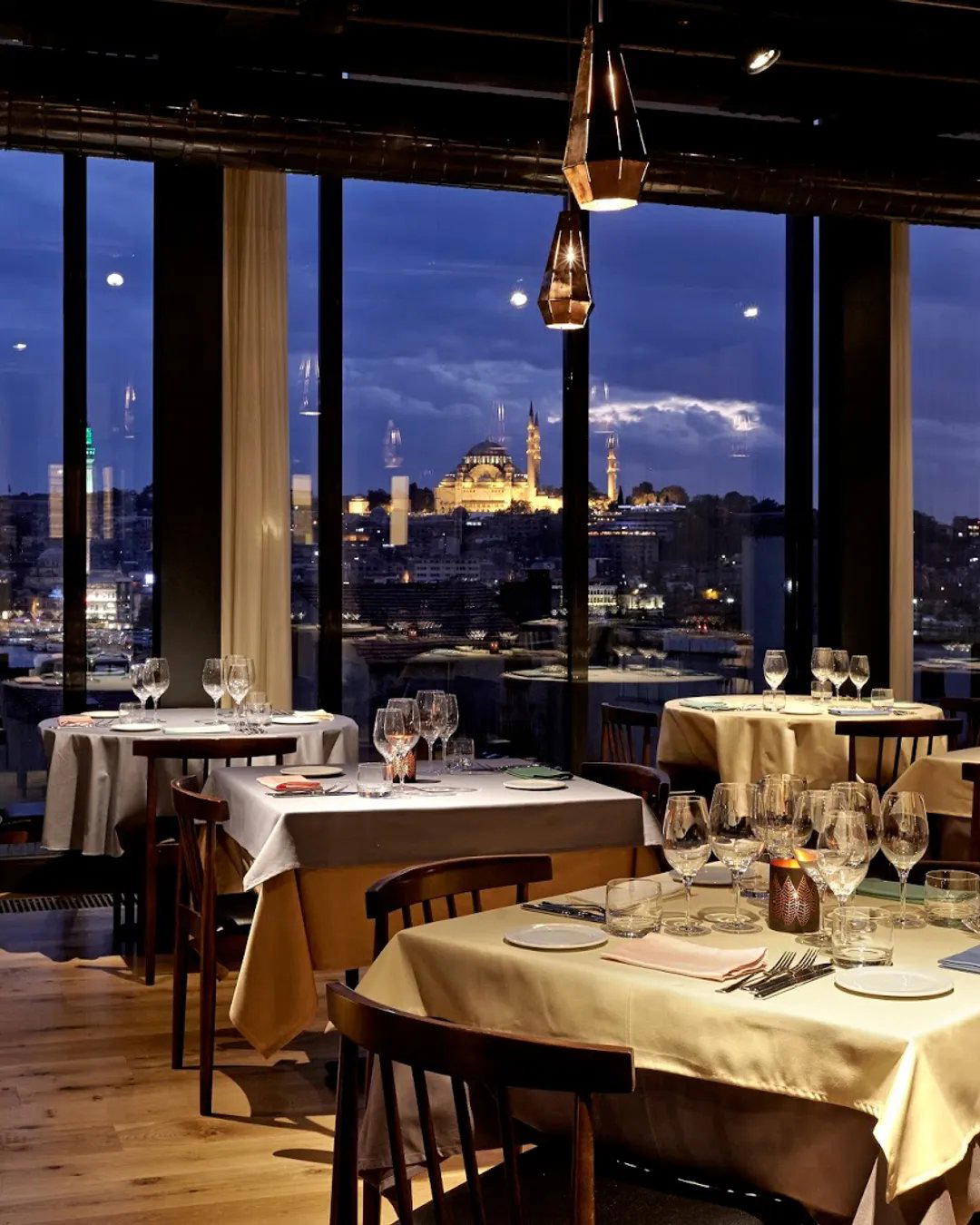
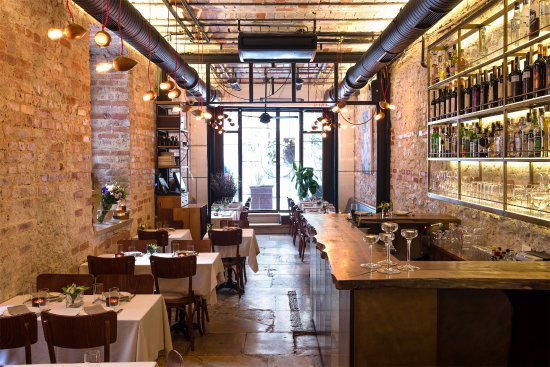
Istanbul's Ottoman-heritage dining rooms tend toward heavy theatrical decoration, an excess of copper, carved woodwork, and costumed service that positions the experience as performance rather than cuisine. Deraliye's Sultanahmet location means it operates in proximity to this format, and visitors approaching from the tourist circuit will encounter similar visual cues in the surrounding streets. The distinction lies in what the kitchen actually delivers.543 reviews is a data point that resists dismissal; at that volume and consistency, it reflects something more durable than novelty or location advantage.
The ₺₺₺ pricing sits meaningfully below the city's starred tables. A dinner at Turk Fatih Tutak or Neolokal will push well into ₺₺₺₺ territory; Deraliye allows engagement with Michelin-recognised Turkish cooking at a tier that remains reasonable for the category. For travellers building a wider picture of Istanbul's restaurant range, the contrast between Deraliye's traditional orientation and the modernist reinterpretations at Aheste or Alaf is worth considering as complementary rather than competing choices across a longer stay.
Istanbul's Traditional Turkish Table in Wider Context
The recovery of Ottoman culinary texts and palace kitchen records has been a slow-building project in Turkish food scholarship, accelerating over the past two decades as chefs and researchers have worked to reconstruct preparations that fell out of the mainstream restaurant repertoire. This is not nostalgia cuisine in the dismissive sense; it represents a genuine attempt to reconnect with a technical and flavour tradition that was interrupted rather than simply superseded. Restaurants like Deraliye sit at the applied end of that project, translating archival knowledge into service formats that function within a working restaurant context.
Across Turkey, a small number of restaurants are working within comparable frameworks. Narımor in Izmir approaches Aegean Turkish tradition with similar archival seriousness. Aravan Evi in Ürgüp works within Cappadocian traditions that overlap with the Ottoman interior. The wider Turkish dining circuit rewards travellers who approach it as a set of distinct regional and historical systems rather than a single national cuisine. For those exploring that circuit from outside Turkey, dede in Baltimore and Adil Müftüoğlu in Izmir represent further points of reference for how Turkish cooking translates across different contexts.
Planning a Visit
Deraliye is located at Alemdar Mahallesi, Ticaret Hane Sokak, Giriş Kat No 10, in the 34122 postal district of Sultanahmet, placing it within walking distance of the major historical sites. The Sultanahmet location means it is accessible without private transport, and the surrounding area is well-served by tram. The ₺₺₺ pricing makes it a reasonable anchor for a longer Istanbul dining itinerary; pair it with visits to the city's ocakbaşı circuit for a fuller picture of how fire-cooking traditions diverge across different Istanbul registers.
For a coastal counterpoint after Istanbul, Ahãma in Göcek and Agora Pansiyon in Milas extend the Turkish table into different regional registers.
Fast Comparison
Comparable venues nearby, for context on price, style, and recognition.
| Venue | Cuisine | Price | Awards | Notes |
|---|---|---|---|---|
| DeraliyeThis venue — the venue you are viewing | Ottoman Palace Cuisine | $$$ | Michelin Plate | Not listed |
| BİZ İstanbul | Traditional Istanbul Lokanta | $$$ | Michelin Plate | Gumussuyu |
| Borsa Restaurant | Traditional Turkish & Ottoman Cuisine | $$$ | Michelin Plate | Kandilli |
| Sıralı Kebap | Authentic Turkish Kebap | $$$ | Michelin Plate | Etiler |
| Tavacı Recep Usta Bostancı | Traditional Turkish Grilled Kebabs & Lamb | $$$ | Bib Gourmand | Altintepe |
| AŞEKA | Modern Turkish Fine Dining | $$$ | Michelin Plate | Mueyyedzade |
Recognition history
Dated appearances from independent guides and award organizations, with the underlying list record or original source where available.
Michelin Plate
Michelin
Michelin Plate
Michelin

At a Glance
- Elegant
- Ornate
- Historic
- Cozy
- Sophisticated
- Special Occasion
- Date Night
- Celebration
- Historic Building
- Open Kitchen
- Terrace
- Private Dining
- Extensive Wine List
- Street Scene
Current opening hours
- Monday
- 12–11:30 PM
- Tuesday
- 12–11:30 PM
- Wednesday
- 12–11:30 PM
- Thursday
- 12–11:30 PM
- Friday
- 12–11:30 PM
- Saturday
- 12–11:30 PM
- Sunday
- 12–11:30 PM
Hours can change for holidays and private events. Last verified .
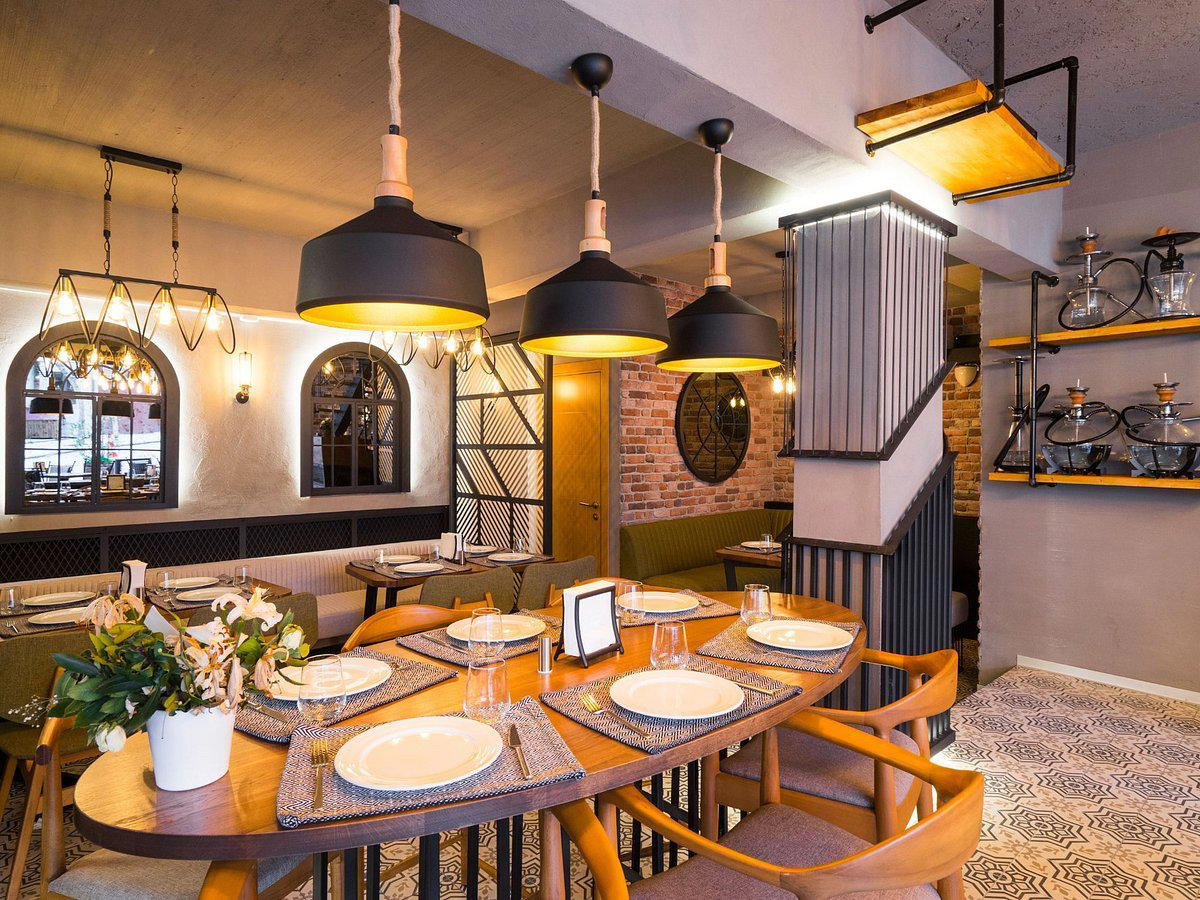
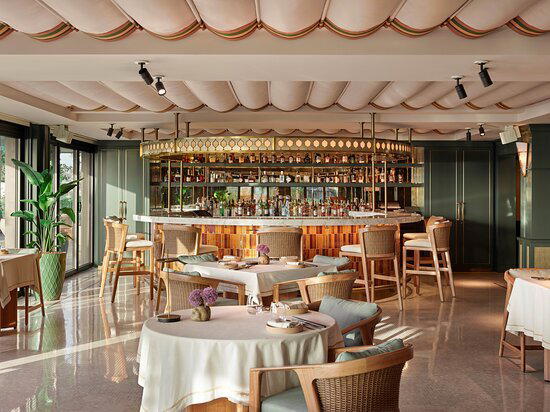
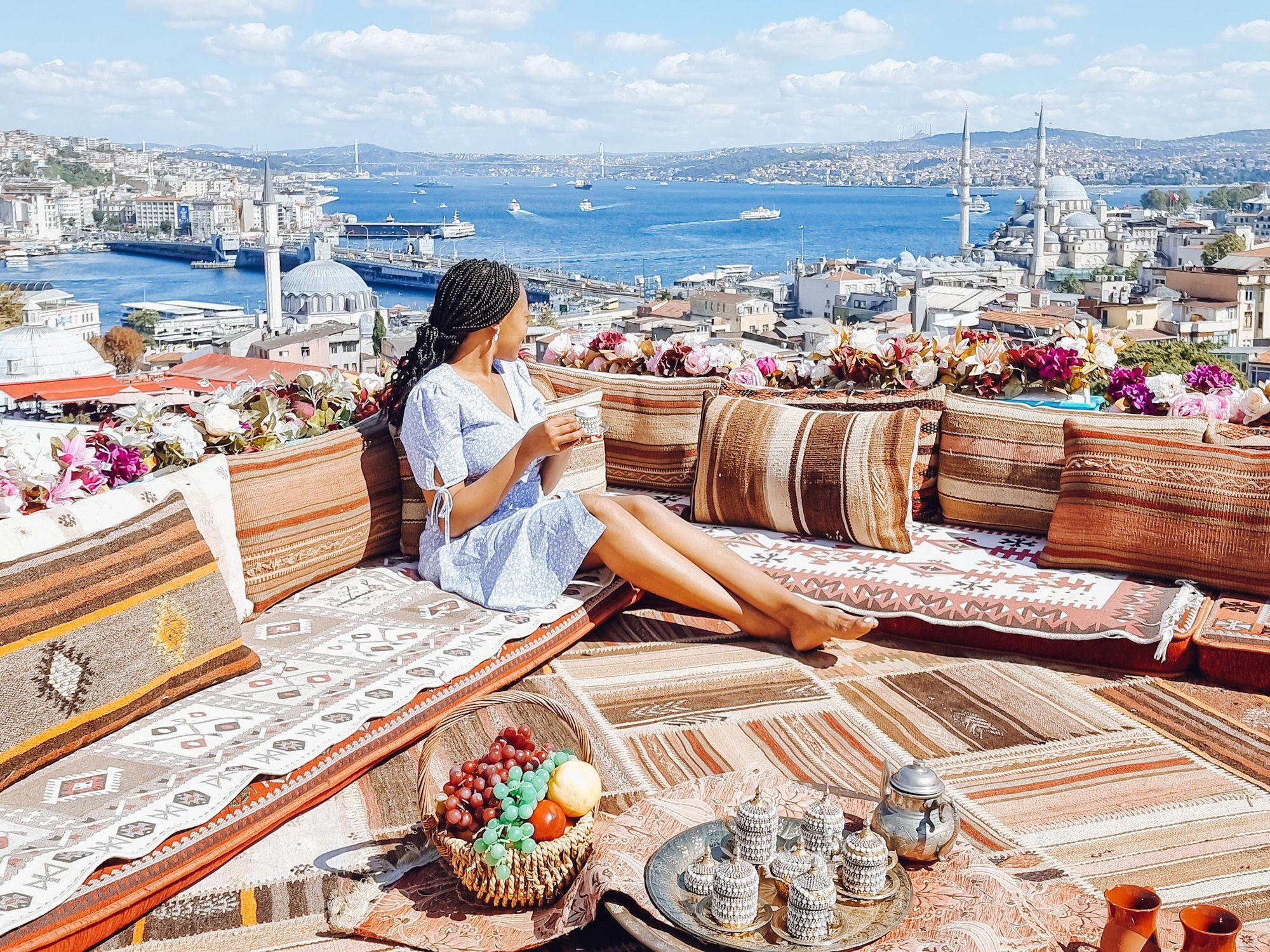
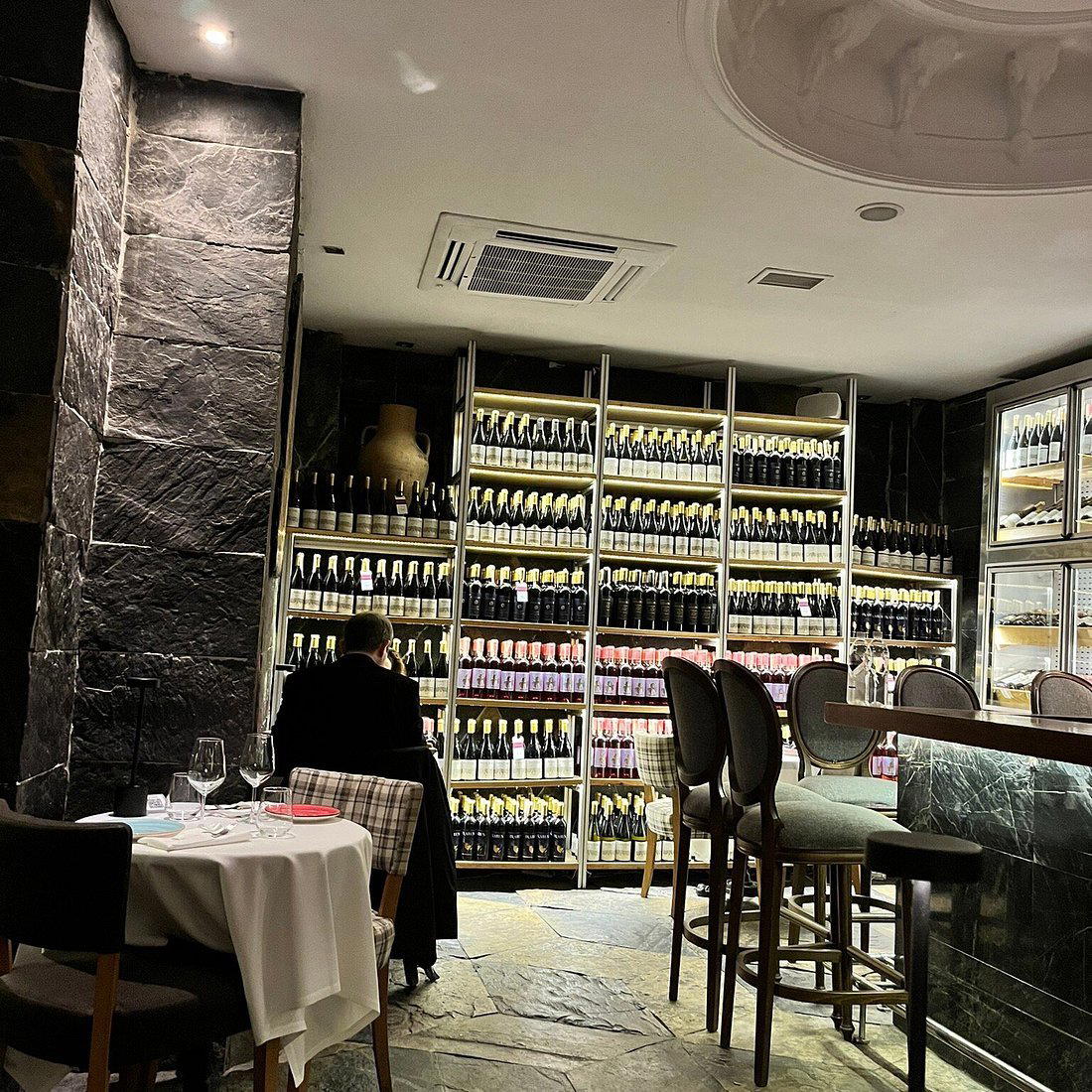
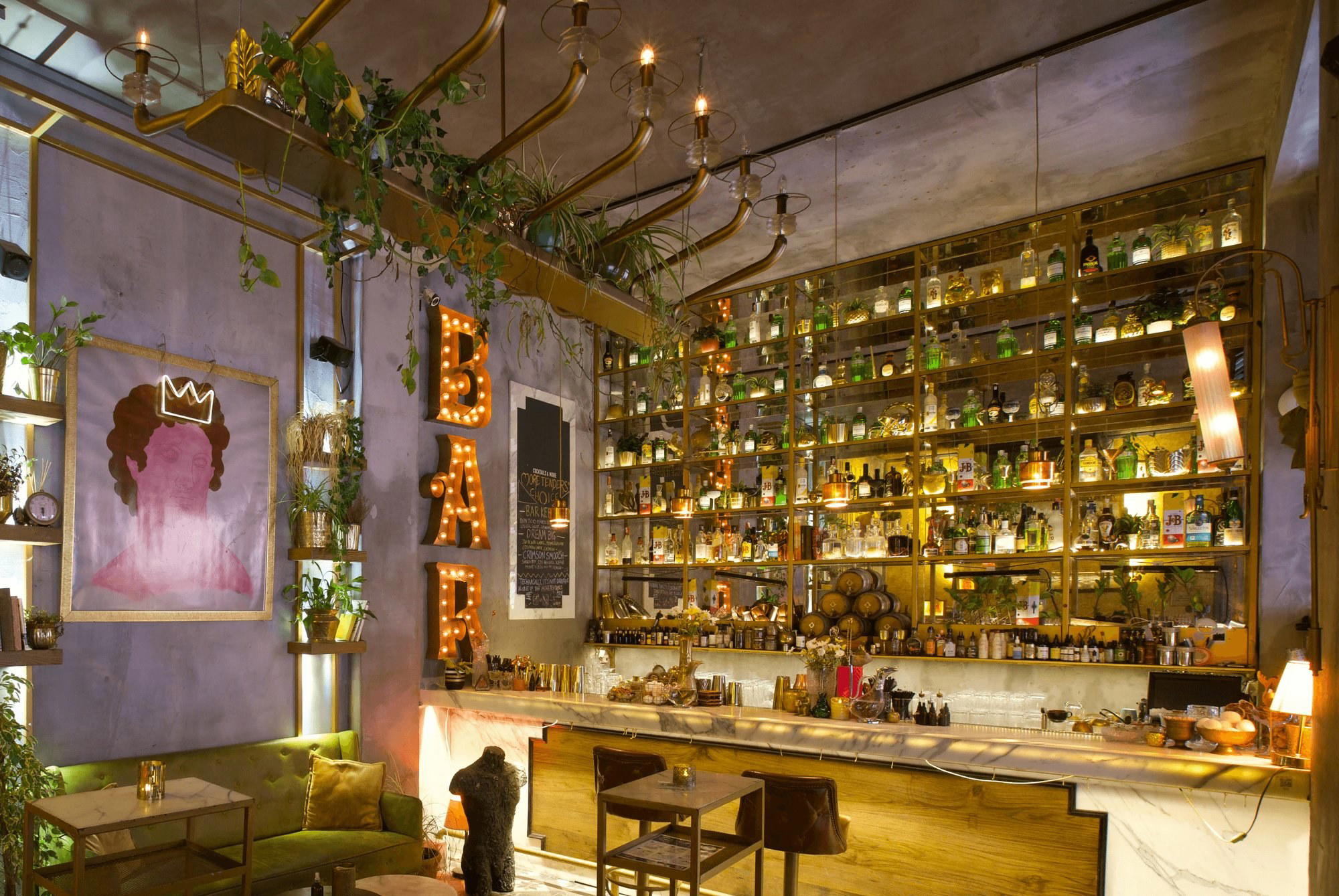
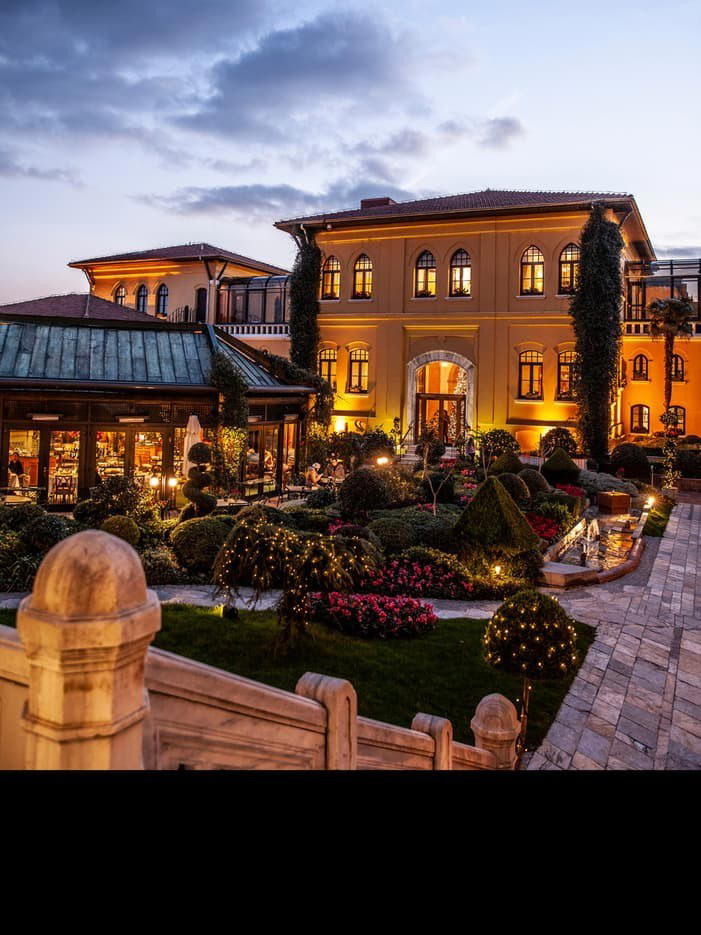
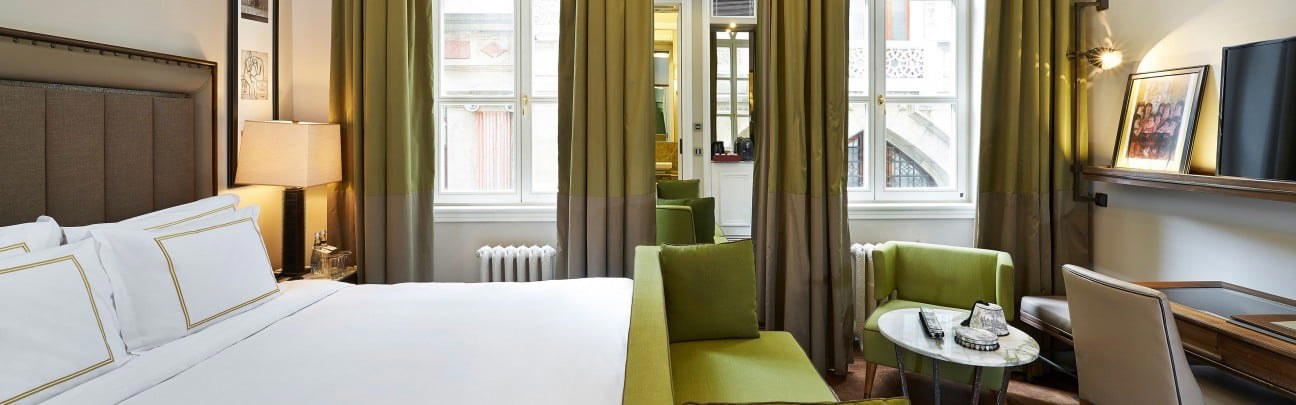
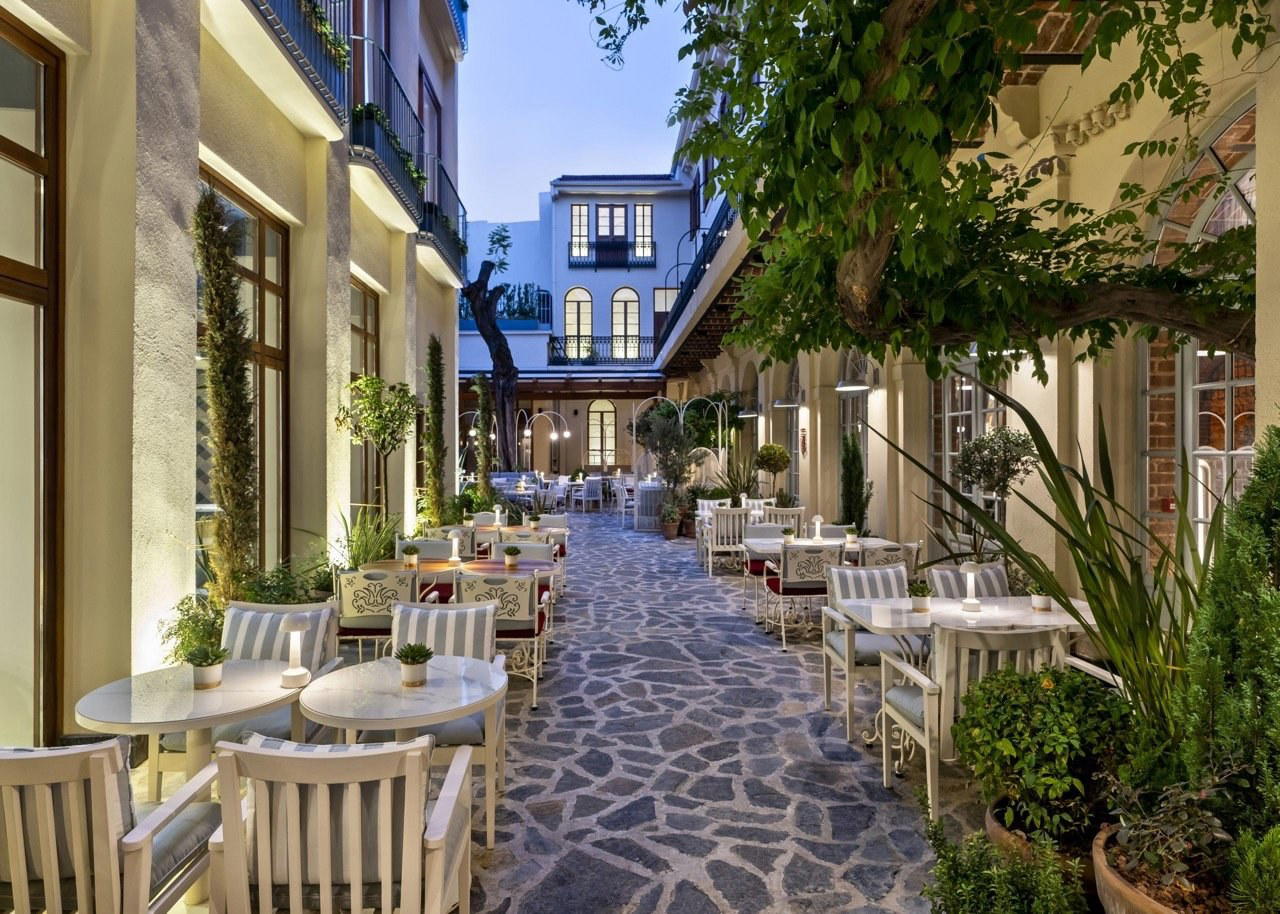
Colorful and ornate decor tributing the Ottoman Empire, with welcoming atmosphere, occasional live music, and terrace views of historic landmarks.