
A neighborhood ocakbaşı in Yeşilköy recognized by Opinionated About Dining's 2025 Casual Europe list, Adana Ocakbaşı places the elemental traditions of southeastern Turkish grill cooking, live coal, hand-formed kebab, and the aromatic weight of baharat and sumac, at the center of its offer. Under chef Gürkan Ezer, it holds, operating well outside Istanbul's fine-dining corridor.
Pearl is the En Primeur Club membership app — saves, bookings, and concierge access live there. Same editors, same standards.
- Address
- Yeşilköy, Seyit Ali Sokağı No:28, 34149 Bakırköy/İstanbul, Türkiye
- Phone
- +90 212 573 62 01
- Directions
- Get directions
 Saves & bookings on Pearl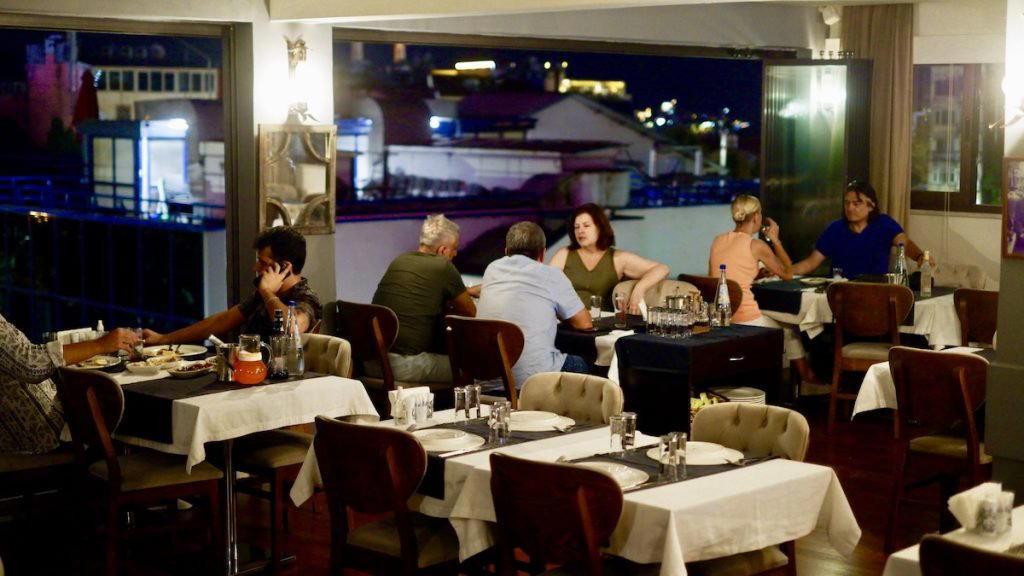
Coal, Spice, and the Southern Turkish Grill Tradition
Istanbul's dining conversation tends to concentrate in a handful of neighborhoods: Karaköy, Beyoğlu, Nişantaşı. The city's most-discussed tables, Turk Fatih Tutak and Mikla at the Michelin end, Neolokal and Arkestra one tier below, share a postcode logic that clusters prestige on the European side's upper reaches. Yeşilköy sits apart from all of that, a quieter coastal district in Bakırköy that has historically operated as a self-contained neighborhood rather than a dining destination. That geography matters when considering what Adana Ocakbaşı is doing on Seyit Ali Sokağı: it is not positioning against Istanbul's Michelin belt. It is practicing something older and more specific.
The ocakbaşı format is as close to a defining institution as Turkish grill culture has. The word translates literally as "fireside", a setup in which the coal grill occupies the center of the room, diners arrange themselves around it, and the cook works the embers in full view. This is not theatrical in the contemporary sense; it predates open-kitchen performance dining by decades. The heat and smoke are functional, not decorative. What the format demands of its practitioner is precision with fire rather than precision with tweezers: knowing when a kebab is ready by how it sounds against the grate, understanding how baharat and chili flakes behave differently under high versus residual heat.
The Aromatic Architecture of Adana Kebab
The namesake dish carries the logic of a specific geography. Adana, the city in southern Turkey that gave the kebab its name, sits at the edge of the Çukurova plain, where Middle Eastern spice routes historically intersected with Anatolian livestock traditions. The result is a preparation defined by its spice profile as much as its technique: hand-minced lamb with tail fat, worked on a wide flat skewer, seasoned with kırmızı biber, a category that runs from mild Urfa to sharp Maraş, and grilled directly over charcoal. The fat renders into the fire and the smoke returns into the meat. No sauce corrects what the spice work should have already done.
That aromatic architecture extends across southeastern Turkish grill cooking more broadly. Sumac arrives at the table as a table condiment and salad sharpener, its sour dried-berry note cutting through the richness of lamb fat in a way that lemon cannot quite replicate. Baharat, the blended spice mix that varies by region and by cook, appears in the background of marinades and in the softer kebab preparations. Saffron has less presence in the Adana tradition than it does in Aegean or Ottoman palace cooking, but the overall philosophy is the same: spice as structural element, not as garnish.
Recognition Outside the Fine-Dining Circuit
Opinionated About Dining operates a separate evaluation framework from Michelin. Where Michelin's casual tiers, Bib Gourmand, focus heavily on value relative to the fine-dining benchmark, OAD's Casual Europe list is built from the aggregated recommendations of a community of serious diners and critics who specifically seek out non-tasting-menu cooking. Inclusion in the 2025 list places Adana Ocakbaşı in a comparable set that includes some of Europe's most respected neighborhood and regional tables, places recognized not for formal technique in the classical sense, but for doing one thing with discipline and consistency.
Chef Gürkan Ezer's name is attached to the kitchen, which in the ocakbaşı context means responsibility for both the fire management and the spice work that determines whether a kebab is something worth traveling to Yeşilköy for or simply something to eat. It is a signal, not a guarantee, but it reinforces the OAD placement rather than contradicting it.
For comparison, Ali Ocakbaşı represents the more central, higher-profile end of Istanbul's ocakbaşı tradition. Adana Ocakbaşı operates at a remove from that visibility, which is part of what makes the OAD recognition meaningful: it found the restaurant rather than the restaurant performing for recognition.
Yeşilköy and the Question of Going There
Practical honesty about location matters here. Yeşilköy is not a short taxi ride from Sultanahmet or Beyoğlu. It sits on the western European side, closer to Atatürk's old airport footprint than to the tourist and hotel corridors most visitors occupy. The metro line that runs toward the airport provides access, but the journey from central Istanbul takes time, likely 45 minutes to an hour depending on the starting point. That travel investment is a consideration the voters who put a restaurant on that list have, in most cases, made the trip.
Visitors staying in the Bakırköy area, or those extending a stay beyond the central neighborhoods, have a clear case for the detour. Travelers building a broader Istanbul itinerary might reasonably plan Adana Ocakbaşı alongside Yeşilköy's seafront, which retains the character of a pre-development coastal neighborhood.
Where This Fits in Istanbul's Eating Picture
Istanbul's serious eating is not exhausted by its Michelin list. The city has one of the deepest inventories of regional Turkish cooking of any city in the world, and that cooking exists largely outside the formal rating infrastructure. The restaurant belongs to a category of table that Istanbul handles better than almost anywhere else: the specialist, neighborhood-scaled restaurant that has mastered a single tradition and executes it without compromise.
For readers building a broader Turkey picture, comparable investments in regional tradition appear at different coordinates. 7 Mehmet in Antalya engages Taurus and coastal Anatolian cooking from a much larger platform. Narımor in Izmir works the Aegean register. Aravan Evi in Ürgüp places Cappadocian tradition at its center. And for those curious how the same southeastern Turkish spice vocabulary travels internationally, dede in Baltimore provides an interesting point of comparison.
Within Istanbul, the restaurants that occupy the adjacent space between neighborhood institution and critical recognition include Aheste, Alaf, Apartıman Yeniköy, and 29. None of them operates in quite the same register as a working ocakbaşı, which speaks to how specific the format remains even within a city that has every Turkish regional tradition represented somewhere.
What Dish Is Adana Ocakbaşı Famous For?
The restaurant's identity is anchored in the Adana kebab, the hand-minced lamb skewer seasoned with kırmızı biber and grilled over live coal that defines the southeastern Anatolian grill tradition. In the ocakbaşı format, the cook's relationship with the fire, managing coal temperature, timing the turn, determines the result more than any single ingredient. The OAD Casual Europe 2025 recognition, under chef Gürkan Ezer, confirms the restaurant's standing in Istanbul's serious eating circuit outside the formal Michelin framework. The Opinionated About Dining listing places it among European casual tables recognized specifically for depth in a defined tradition rather than breadth of ambition.
Cuisine and Awards Snapshot
Comparable venues nearby, for context on price, style, and recognition.
| Venue | Cuisine | Price | Notes |
|---|---|---|---|
| Adana OcakbaşıThis venue — the venue you are viewing | Traditional Turkish Adana Kebab Grill | $$ | Not listed |
| Divella Bistro Restaurant | Ottoman Turkish Bistro | $$ | Sultan Ahmet |
| Karakoy Gulluoglu | Traditional Turkish Baklava | $$ | Karakoy |
| Dürümcü Musa Usta Taşoluk | Turkish Dürüm and Kebap | $$ | Arnavutköy |
| Makarna Sariyi | Turkish Pasta House | $$ | Molla Fenari |
| Akar Lokantası | Traditional Turkish Offal | $$ | Karagumruk |
Recognition history
Dated appearances from independent guides and award organizations, with the underlying list record or original source where available.
Opinionated About Dining Casual in Europe Highly Recommended
Opinionated About Dining
Opinionated About Dining Casual in Europe
Opinionated About Dining
At a Glance
- Lively
- Rustic
- Energetic
- Group Dining
- Casual Hangout
- Open Kitchen
- Craft Cocktails
Current opening hours
- Monday
- Closed
- Tuesday
- 12 PM–12 AM
- Wednesday
- 12 PM–12 AM
- Thursday
- 12 PM–12 AM
- Friday
- 12 PM–12 AM
- Saturday
- 12 PM–12 AM
- Sunday
- 12 PM–12 AM
Hours can change for holidays and private events. Last verified .
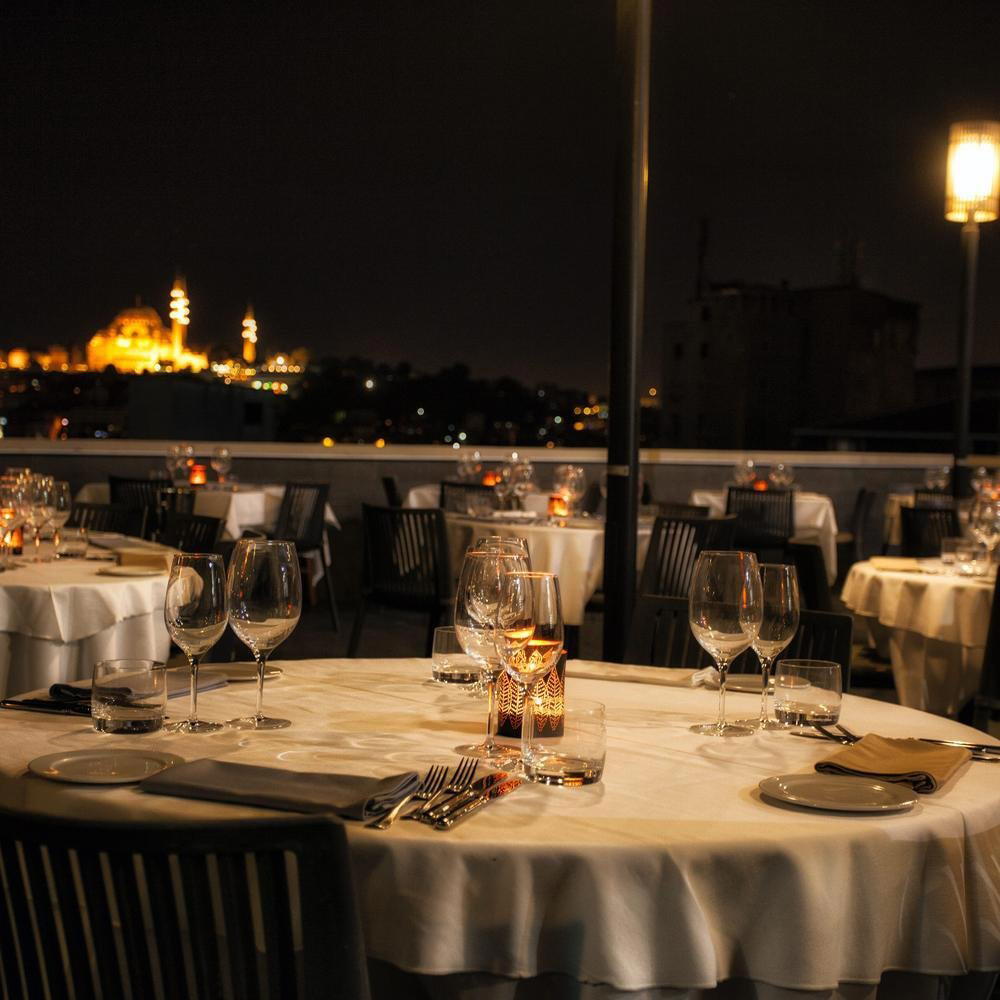
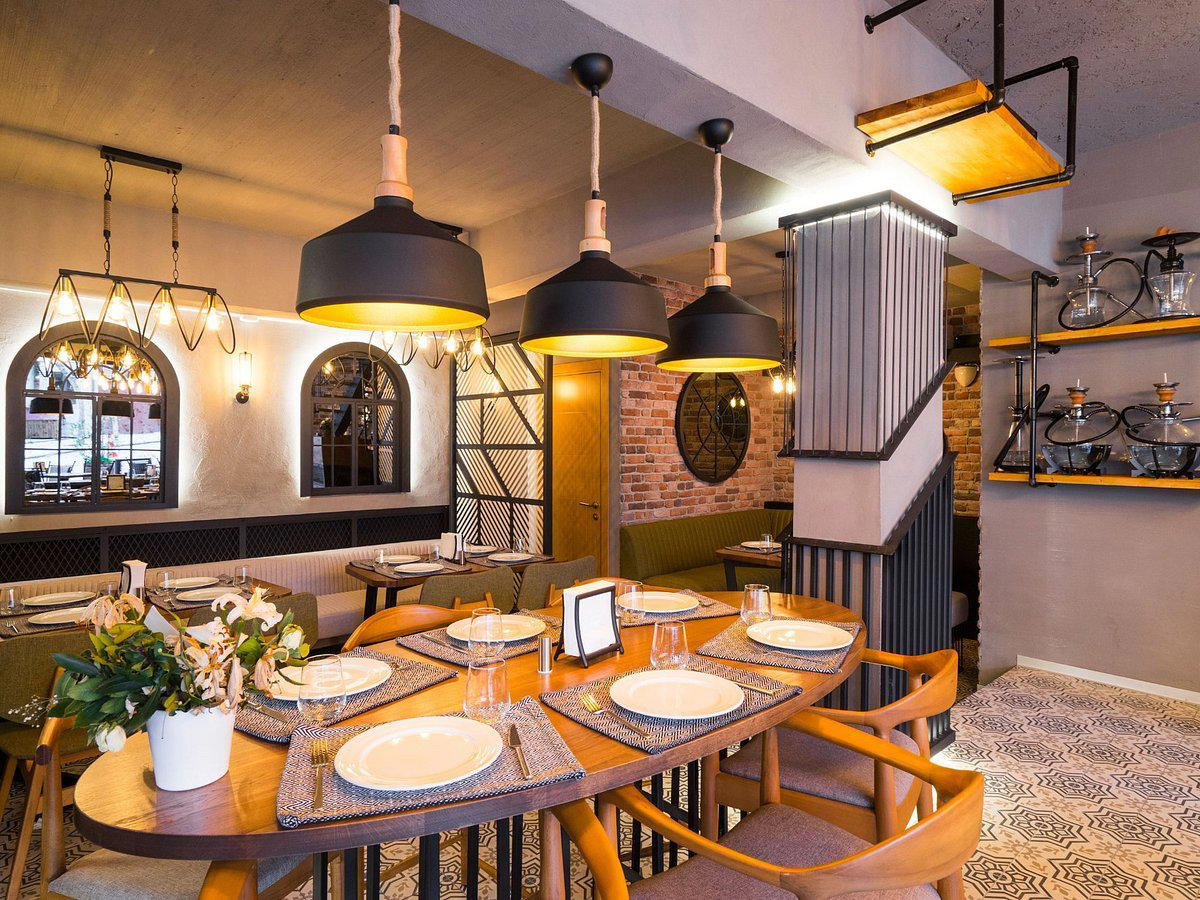
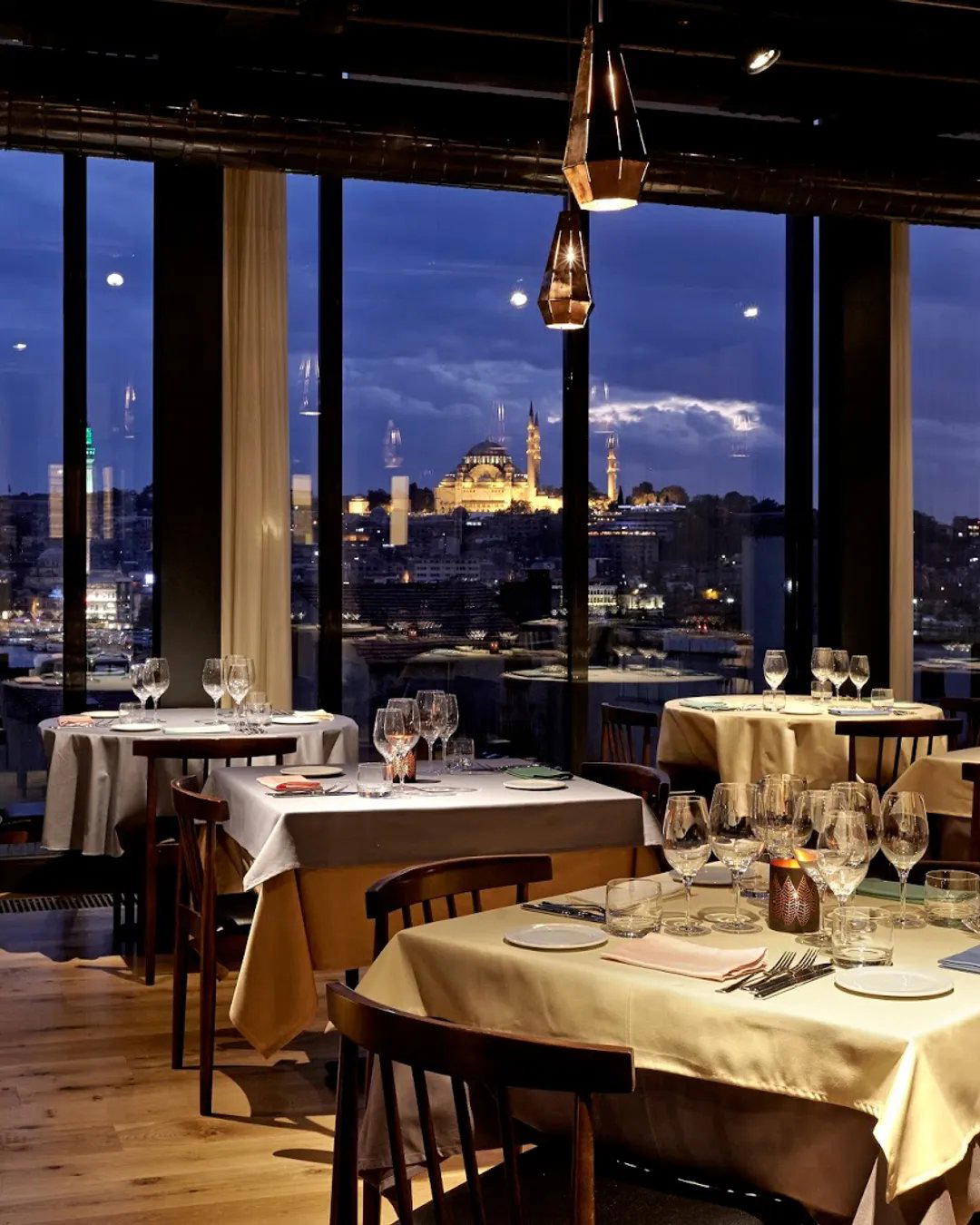
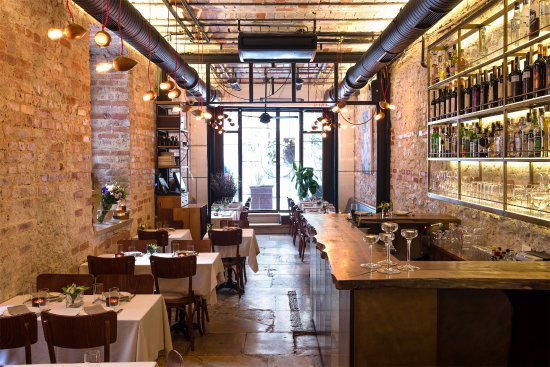
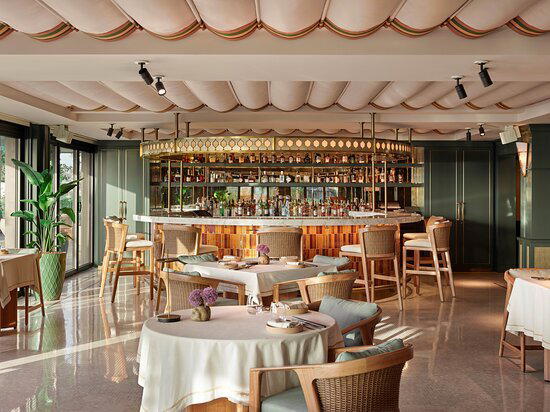
Warm, inviting atmosphere centered around a dramatic central mangal grill producing flavorful smoke, creating a snug and energetic dining experience.